


What Is The Purpose Of Stainless Steel Passivation?
- Blog
- What Is The Purpose Of Stainless Steel Passivation?
What Is The Purpose Of Stainless Steel Passivation?
Table of Contents
- What Is Stainless Steel Passivation's Main Goal?
- Why Passivate Stainless Steel in Industrial Systems?
- How Does Passivation Improve Stainless Steel Lifespan?
- What Are Stainless Steel Passivation Process Steps?
- Does Stainless Steel Passivation Prevent Corrosion?
- How to Passivate Stainless Steel Equipment Properly?
- What Is Passivation's Role in Process Hygiene?
- Why Is Passivation Critical for Food Grade Equipment?
- Does Passivation Affect Stainless Steel Surface Finish?
- How to Validate a Passivation Treatment?
What Is Stainless Steel Passivation's Main Goal?
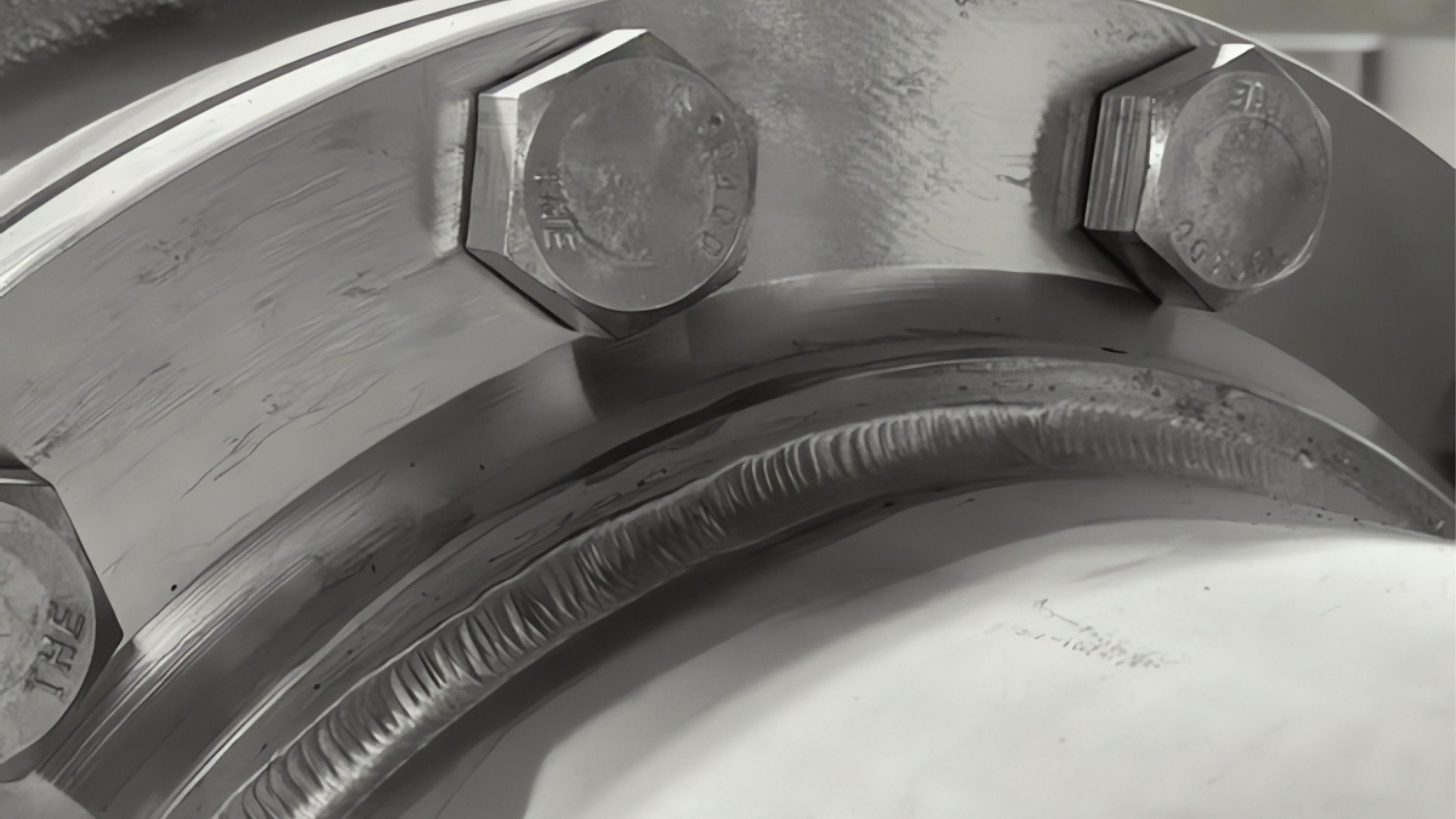
For production and process managers, the relentless threat of corrosion presents a constant challenge to facility efficiency optimization and the longevity of critical assets. The main goal of stainless steel passivation is to fundamentally enhance the material's innate resistance, creating a passive, chromium-rich oxide layer that acts as an impermeable shield against corrosive elements. This technical process is not merely a surface treatment but a vital corrosion resistance process that directly supports operational reliability and protects capital investment, aligning manufacturing outcomes with stringent international quality standards compliance.
The effectiveness of this procedure is critical across a wide spectrum of industrial equipment maintenance regimes. For assets central to production, such as those produced through specialized tank mixer exchanger performance manufacturing, passivation ensures product purity and prevents contamination. In harsh chemical or high-purity environments, this controlled oxidation process eliminates free iron and other contaminants, significantly reducing pitting and crevice corrosion that can lead to costly failures. This proactive measure is a cornerstone of a robust process improvement consultancy strategy, transforming reactive repairs into predictable, planned maintenance cycles.
Implementing a reliable passivation protocol, such as those integrated into SS Proje engineering services, delivers measurable long-term value. The resulting passive film minimizes friction and surface roughness, which can contribute to energy savings in pumping and mixing applications. More importantly, it drastically extends the service life of expensive components, reducing the total cost of ownership and minimizing unplanned downtime. This approach moves beyond simple treatment to become an integral part of the facility's lifecycle management.
Ultimately, understanding and applying professional passivation is fundamental for achieving sustainable facility efficiency optimization. It ensures that industrial systems operate at peak performance with minimal industrial equipment maintenance interventions. By partnering with an expert provider like SS Proje for process improvement consultancy, facilities can secure this critical defense mechanism, safeguarding their operational integrity, ensuring compliance, and maximizing the return on investment for every piece of equipment.
Why Passivate Stainless Steel in Industrial Systems?
In high-stakes industrial environments, stainless steel components are foundational to process integrity, yet their inherent corrosion resistance is not absolute after fabrication. The imperative to passivate stainless steel in industrial systems stems from the need to restore and maximize this inherent property. Welding, machining, and handling introduce contaminants and microscopic iron particles that become active sites for corrosion, directly threatening operational reliability and undermining facility efficiency optimization. This controlled chemical corrosion resistance process is a non-negotiable step for ensuring long-term asset performance and compliance.
The application of this procedure is critical for maintaining equipment that defines production quality, such as vessels produced through precision tank mixer exchanger performance manufacturing. In sectors like pharmaceuticals, food and beverage, and chemicals, even minor corrosion can lead to product contamination, batch failures, and severe regulatory non-compliance. Passivation creates a uniform, inert surface that prevents these issues, forming the bedrock of effective industrial equipment maintenance. This proactive approach is a core component of any forward-thinking process improvement consultancy, transforming potential vulnerabilities into pillars of durability.
Partnering with specialized providers like SS Proje engineering services ensures the passivation is executed to the highest international quality standards compliance. The technical methodology involves precise chemical baths and rigorous validation, ensuring the chromium oxide layer is fully formed and stable. This maximizes the lifespan of filters, reactors, and piping systems, directly reducing lifecycle costs and unplanned downtime. The result is a system that not only resists corrosion but also operates with greater energy efficiency due to reduced surface friction and fouling.
Ultimately, integrating professional passivation into the asset lifecycle is a strategic decision for sustainable operations. It is a fundamental practice for achieving superior facility efficiency optimization and unwavering international quality standards compliance. By engaging with expert partners for process improvement consultancy, industrial facilities can ensure their systems are protected from the outset, securing long-term performance, minimizing industrial equipment maintenance, and safeguarding their operational investment.
How Does Passivation Improve Stainless Steel Lifespan?
While stainless steel is renowned for its durability, its longevity in aggressive industrial environments is not guaranteed without proper surface treatment. The mechanism by which passivation improves stainless steel lifespan is fundamentally electrochemical, transforming the alloy's surface into a highly stable, self-repairing state. This corrosion resistance process removes embedded iron and other contaminants introduced during fabrication, allowing the chromium within the alloy to form a continuous, inert oxide layer. This passive film acts as a microscopic shield, drastically slowing the chemical reactions that lead to pitting, crevice corrosion, and eventual equipment failure, directly contributing to long-term facility efficiency optimization.
This enhancement is critically important for high-value components central to production, such as those manufactured through specialized tank mixer exchanger performance processes. In applications where hygiene and purity are paramount, the flawless surface resulting from passivation prevents microbial harborage and product contamination. By eliminating sites where corrosion can initiate, the procedure ensures consistent operational reliability and reduces the frequency of costly industrial equipment maintenance. This proactive measure is a cornerstone of expert process improvement consultancy, shifting the focus from reactive repairs to predictive asset management.
The longevity gains are maximized when the process is executed to exacting specifications, a hallmark of SS Proje engineering services. Proper validation against international quality standards compliance confirms the integrity of the passive layer, ensuring it can withstand prolonged exposure to chlorides, acids, and other corrosive agents. This extends the functional service life of critical assets by years, translating into significant reductions in replacement costs and production downtime. The improved surface also minimizes fouling and friction, leading to modest but consistent energy savings over the equipment's extended lifecycle.
Ultimately, viewing passivation as a strategic investment in asset longevity is key to achieving sustainable operations. It is an essential practice for maximizing facility efficiency optimization and ensuring unwavering international quality standards compliance. By engaging with specialized partners for process improvement consultancy, industrial facilities can effectively double the operational life of their stainless steel systems, securing a higher return on investment and minimizing lifecycle industrial equipment maintenance expenditures.

What Are Stainless Steel Passivation Process Steps?
Achieving the full protective benefit of stainless steel passivation hinges on a meticulously controlled sequence of chemical and mechanical steps. This systematic corrosion resistance process begins with critical pre-cleaning to remove all organic and inorganic contaminants, including oils, greases, and shop debris. This initial phase is non-negotiable for ensuring the subsequent chemical treatments can act directly on the base metal, forming a uniform passive layer essential for long-term facility efficiency optimization. The precision of these steps directly impacts the final outcome, making adherence to strict protocols paramount.
The core of the procedure involves immersing the components in an acid bath, typically nitric or citric acid, which dissolves free iron particles from the surface without attacking the underlying chromium. This key step selectively removes the contaminants that initiate rust, allowing the chromium to form a robust, continuous oxide layer. For critical assets like those involved in high-purity tank mixer exchanger performance, this ensures product integrity and prevents catastrophic failure. After immersion, a thorough neutralization and rinsing stage removes all residual chemistry, a critical measure for international quality standards compliance in sensitive industries.
Final validation is where technical expertise proves its worth, a service integrated into comprehensive SS Proje engineering services. Techniques like water-break tests or copper sulfate tests verify the completeness and quality of the passive layer, confirming its ability to withstand operational stresses. This rigorous approach minimizes future industrial equipment maintenance demands and is a hallmark of expert process improvement consultancy. Each stage is documented to provide a verifiable trail of compliance and quality assurance.
Mastering these process steps is fundamental to unlocking the full lifespan and performance of industrial assets. This disciplined methodology ensures that every treated component consistently achieves superior facility efficiency optimization and reliability. By partnering with specialists for process improvement consultancy, facilities can be confident their passivation investment delivers maximum protection, minimizes lifecycle costs, and upholds the highest standards of international quality standards compliance.
Does Stainless Steel Passivation Prevent Corrosion?
The fundamental question of whether stainless steel passivation prevents corrosion has a definitive answer rooted in materials science: it is the primary engineered method to achieve maximum resistance. While stainless steel inherently resists rust due to its chromium content, fabrication processes compromise this protection by embedding iron particles and contaminants. This specialized corrosion resistance process actively creates a flawless, chromium-rich passive layer that acts as an impermeable barrier, preventing the electrochemical reactions that cause pitting and uniform corrosion. For production managers, this translates directly into enhanced facility efficiency optimization by eliminating a primary cause of equipment degradation.
The effectiveness of this barrier is most critical for high-value assets central to process streams, such as those manufactured to ensure optimal tank mixer exchanger performance. In these applications, passivation does not merely slow corrosion; it prevents the initiation of localized attacks that can lead to leaks, product contamination, and system-wide failures. This proactive defense is a cornerstone of strategic industrial equipment maintenance and a key offering within comprehensive process improvement consultancy. By preventing corrosion at the source, facilities achieve a higher degree of operational reliability and uphold stringent international quality standards compliance.
When executed with precision, such as through the disciplined protocols of SS Proje engineering services, the passivation layer provides long-lasting protection that drastically reduces the frequency of repairs and replacements. This prevention of corrosion directly extends the functional lifespan of piping, vessels, and heat exchangers, minimizing lifecycle costs and unplanned downtime. The resulting smooth, inert surface also reduces friction and fouling, contributing to minor but persistent energy savings over the asset's operational life.
Therefore, the role of passivation in corrosion prevention is absolute and indispensable for sustainable industrial operations. It is a fundamental enabler of long-term facility efficiency optimization and a non-negotiable step for achieving international quality standards compliance. By integrating this proven corrosion resistance process into their asset management strategy, facilities can effectively prevent the costly and disruptive effects of corrosion, securing their investment and ensuring continuous production integrity.
How to Passivate Stainless Steel Equipment Properly?
Properly executing the passivation of stainless steel equipment is a precise chemical engineering procedure essential for ensuring long-term operational reliability and maximizing asset performance. The process begins with a critical and often overlooked step: comprehensive pre-cleaning to remove all greases, oils, and particulates. This initial phase is vital because any residual contamination will shield the metal surface, compromising the effectiveness of the subsequent corrosion resistance process. For equipment designed for optimal tank mixer exchanger performance, this meticulous preparation is the foundation for achieving a flawless passive layer.
The core of how to passivate stainless steel equipment properly involves controlled immersion in a certified acid solution, such as nitric or citric acid, at specified concentrations, temperatures, and durations. This bath selectively dissolves free iron and other surface contaminants while promoting the formation of a robust chromium oxide layer. Adherence to established standards like ASTM A967 is non-negotiable for international quality standards compliance. Following immersion, a rigorous neutralization and high-purity water rinse must be performed to remove all chemical traces, a step integral to the SS Proje engineering services methodology that ensures no secondary contamination.
Validation is the final and most critical phase, confirming the success of the stainless steel passivation treatment. Techniques like the water break test or copper sulfate test provide immediate, verifiable evidence of a continuous passive film. This documented validation is a key component of strategic industrial equipment maintenance and a core offering within expert process improvement consultancy. Proper execution directly results in extended equipment lifespan, reduced maintenance frequency, and sustained facility efficiency optimization.
Ultimately, mastering the correct passivation protocol is a strategic investment in the longevity and integrity of industrial assets. This disciplined approach ensures that facilities consistently achieve superior corrosion protection, directly supporting long-term facility efficiency optimization. By leveraging specialized process improvement consultancy, production managers can guarantee their equipment is protected to the highest standard, minimizing lifecycle costs and ensuring unwavering international quality standards compliance across all operations.
What Is Passivation's Role in Process Hygiene?
In industries where product purity is paramount, such as pharmaceuticals, food and beverage, and biotechnology, passivation's role in process hygiene is foundational. It transforms stainless steel from a potentially reactive surface into a microbiologically inert barrier, directly impacting batch integrity and consumer safety. This specialized corrosion resistance process eliminates microscopic pits, crevices, and embedded iron particles that can harbor bacteria and biofilms. By creating an ultra-smooth, non-reactive chromium oxide layer, passivation ensures that equipment surfaces can be effectively sterilized and cleaned, a critical factor for facility efficiency optimization and regulatory adherence.
The significance of this role is most evident in critical processing equipment where tank mixer exchanger performance dictates product quality. An unpassivated surface with microscopic imperfections provides shelter for microorganisms that standard cleaning protocols cannot eradicate. Passivation removes these sanctuaries, ensuring that sanitizing agents contact and eliminate all contaminants. This proactive approach is a cornerstone of advanced industrial equipment maintenance and a key element of any comprehensive process improvement consultancy, directly supporting international quality standards compliance like GMP and FDA regulations.
Implementing a rigorous passivation protocol, as part of integrated SS Proje engineering services, ensures this hygienic state is achieved and maintained. The process delivers a surface that resists the adhesion of proteins, minerals, and other soils, simplifying cleaning cycles and reducing the consumption of water and chemicals. This contributes directly to operational cost savings and enhanced sustainability. More importantly, it prevents product recalls and batch rejections caused by contamination, protecting both brand reputation and financial performance.
Therefore, stainless steel passivation is not merely a corrosion control measure but a critical prerequisite for hygienic design. It is an essential practice for achieving uncompromising facility efficiency optimization and unwavering international quality standards compliance in sensitive industries. By prioritizing this process through expert process improvement consultancy, facilities can guarantee the highest levels of process hygiene, ensuring product safety and maximizing long-term operational reliability.
Why Is Passivation Critical for Food Grade Equipment?
The criticality of passivation for food grade equipment stems from the non-negotiable mandate to ensure product safety and uphold public health standards. In food and beverage processing, stainless steel surfaces are in constant contact with ingredients that can be highly corrosive or promote microbial growth. This essential corrosion resistance process eliminates the microscopic imperfections where bacteria, yeasts, and molds can establish colonies that are resistant to standard cleaning. By creating a flawless, inert surface, passivation ensures that equipment meets the stringent hygiene requirements critical for both facility efficiency optimization and regulatory compliance.
For assets central to production, such as those manufactured to ensure superior tank mixer exchanger performance, an unpassivated surface poses a direct risk of metallic ion leaching and product contamination. Iron particles embedded during fabrication can dissolve into acidic foods or beverages, altering taste, color, and shelf stability. Passivation removes these contaminants, stabilizing the surface and preventing the release of metal ions that could compromise product quality. This proactive measure is a cornerstone of effective industrial equipment maintenance and a vital component within expert process improvement consultancy, ensuring adherence to global food safety standards.
Executing this process to exacting specifications, a hallmark of SS Proje engineering services, is fundamental for achieving international quality standards compliance such as those from the FDA and EHEDG. A properly passivated surface withstands the aggressive cleaning chemicals and high temperatures used in sanitation-in-place (SIP) systems without degrading. This durability directly translates to extended equipment lifespan, reduced downtime for intensive cleaning or repairs, and lower lifecycle costs, all contributing to superior operational performance.
Therefore, stainless steel passivation is not an optional treatment but a mandatory prerequisite for any food-grade application. It is the definitive process for ensuring product integrity, achieving maximum facility efficiency optimization, and maintaining unwavering international quality standards compliance. By integrating this critical step through specialized process improvement consultancy, food processing facilities can guarantee the safety of their products, protect their brand reputation, and secure long-term operational reliability.
Does Passivation Affect Stainless Steel Surface Finish?
A common technical question for engineers is whether passivation affects stainless steel surface finish, and the answer is fundamentally chemical rather than mechanical. Unlike abrasive processes that alter topography, this corrosion resistance process works at a microscopic level, dissolving free iron and other contaminants to reveal the underlying, uncontaminated alloy. The result is a surface that is chemically purified and optimized for the formation of the passive chromium oxide layer. This enhancement of the surface's chemical properties is critical for achieving long-term facility efficiency optimization and durability.
The impact on the surface is most significant for its functional characteristics rather than its aesthetic appearance. By removing microscopic imperfections and inclusions, passivation creates a more homogeneous and less reactive surface. This is particularly important for equipment where smoothness impacts performance, such as in high-shear tank mixer exchanger performance applications. The process eliminates sites that can initiate pitting corrosion or harbor contaminants, which directly supports robust industrial equipment maintenance strategies. This chemical refining is a key consideration within any comprehensive process improvement consultancy aimed at maximizing asset life.
When performed correctly by specialists like SS Proje engineering services, the treatment ensures the final surface meets the required international quality standards compliance for cleanliness and chemical inertness. The passivated finish exhibits superior resistance to fouling and staining, which simplifies cleaning protocols and reduces the need for aggressive chemical cleaners. This contributes to operational savings and supports sustainable practices by minimizing resource consumption, all while preserving the mechanical surface integrity established during manufacturing.
Therefore, while stainless steel passivation does not mechanically polish the surface, it fundamentally improves its performance characteristics. The process optimizes the surface for maximum corrosion resistance and hygiene, which is essential for achieving superior facility efficiency optimization. By incorporating this vital step through expert process improvement consultancy, facilities ensure their equipment maintains an optimal functional finish that enhances longevity, reduces industrial equipment maintenance, and upholds the highest performance standards.
How to Validate a Passivation Treatment?
Understanding how to validate a passivation treatment is critical for ensuring the long-term success of this corrosion resistance process and the resulting operational reliability it provides. Validation is not a single test but a verification protocol that confirms the stainless steel surface has achieved a truly passive state, free from free iron and capable of forming a continuous oxide layer. This step is indispensable for achieving the promised facility efficiency optimization and is a mandatory requirement for demonstrating international quality standards compliance in regulated industries.
The most common validation method is the water break test, where high-purity water is run over the surface; a continuous film indicates a clean, passive surface, while beading suggests residual contaminants. For more rigorous verification, the copper sulfate test is employed, where a solution is applied to detect the presence of free iron through a copper plating reaction. In critical applications involving high-purity tank mixer exchanger performance, salt spray testing or electrochemical methods like potentiostatic testing may be used to quantify the corrosion resistance. These methods form the backbone of a reliable industrial equipment maintenance strategy.
Engaging with certified providers like SS Proje engineering services ensures that validation is performed according to established standards such as ASTM A967, providing documented evidence of the treatment's success. This documentation is a key deliverable within a comprehensive process improvement consultancy, offering traceability and proof of compliance for audits. Proper validation confirms that the stainless steel passivation will deliver its intended protective benefits, directly leading to extended equipment lifespan and reduced lifecycle costs.
Ultimately, a validated passivation treatment is the only way to guarantee the investment in corrosion protection will yield the expected returns in performance and durability. This rigorous verification process is essential for achieving maximum facility efficiency optimization and ensuring unwavering adherence to international quality standards compliance. By partnering with experts for process improvement consultancy, facilities can be confident their validation protocols are robust, safeguarding their assets and ensuring long-term operational integrity.