

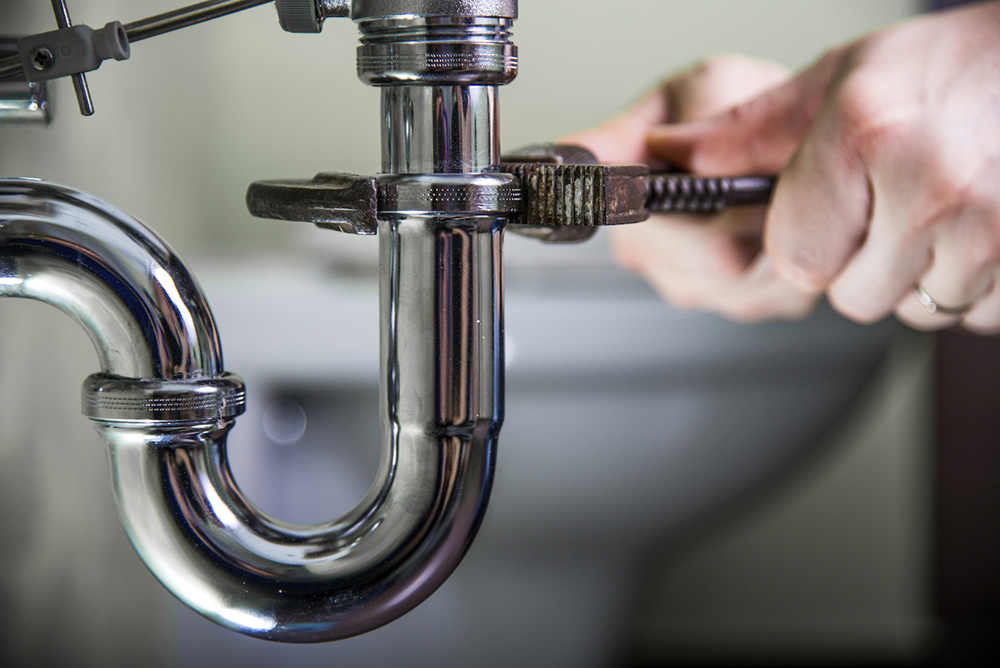
Hygienic Plumbing Installation
Hygienic installation starts with choosing the right material. We achieve the perfect result with the right material selection, correct assembly techniques and correct welding method.
See More
If you want to follow Ss Proje's sectoral developments, projects and innovations, you can take a look at our rich content.
Hygienic installation starts with choosing the right material. We achieve the perfect result with the right material selection, correct assembly techniques and correct welding method.
See More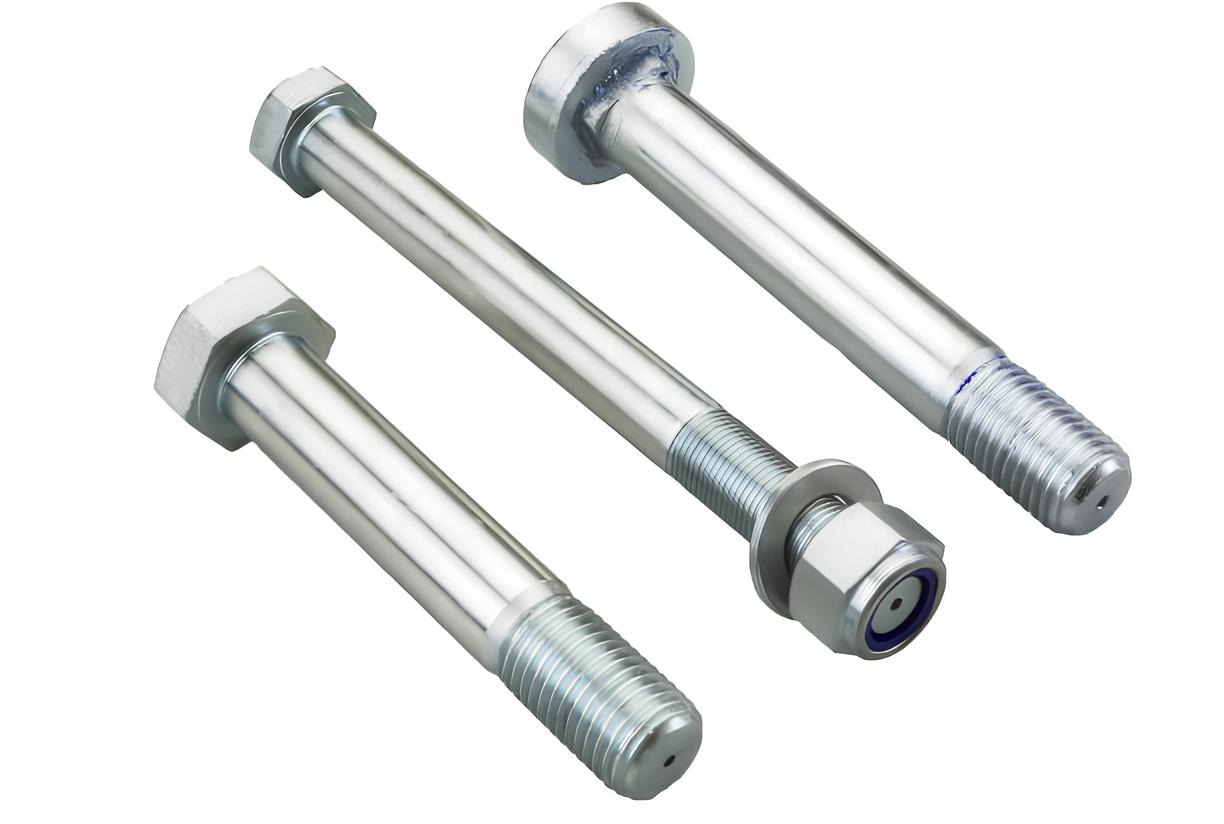
Passivation is a chemical process applied to protect metal surfaces or prevent corrosion. In this process, metal surfaces are treated with special chemical substances to form a protective layer. Passivation is commonly used for metal alloys such as stainless steel. It reduces corrosion on metal surfaces, increases durability, and ensures long-term use. Passivation strengthens the naturally occurring passive layer of metal, preventing chemical reactions on the surface. This process is important for maintaining the cleanliness and hygienic properties of metal surfaces. It is a widely used method in industrial areas, particularly preferred for preventing rust in equipment used in food, pharmaceutical, chemical, and water treatment industries. The primary purpose of passivation is to increase the durability of metal surfaces, preventing adverse effects such as rusting. This process enhances the quality and safety of metal products while minimizing environmental impacts, enabling sustainable production. Applications of Passivation Passivation has a wide range of applications in various industrial sectors. The main application areas include: Food Industry Passivation is widely used in food processing equipment to prevent rusting and corrosion, ensuring hygienic standards and safe food production. Pharmaceutical Industry Passivation is applied to prevent the corrosion of equipment used in pharmaceutical manufacturing, enhancing the quality and reliability of pharmaceutical products. Chemical Industry Equipment involved in chemical processes is protected by passivation. Creating metal surfaces resistant to chemical substances ensures safe and durable equipment. Water Treatment and Services Passivation prevents the rusting of metal parts used in water treatment systems, ensuring reliability and hygiene in clean water production. Aviation and Aerospace Industry Parts of aircraft and space vehicles are protected by passivation to ensure long-term durability and reliability. Automotive Industry Passivation is preferred to prevent the corrosion of parts used in the automotive sector, preserving the durability and aesthetics of vehicles. The wide application areas of passivation play an important role in protecting and enhancing the durability of industrial equipment. In every sector, the advantages provided by passivation contribute to increased production quality and safety. How Does Passivation Work? Passivation is an important chemical process for protecting metal surfaces and requires careful execution. Passivation is typically performed using acids or chemical compounds. The process begins with cleaning and removing impurities from the metal surface. Then, a special passivation solution or mixture is applied to the metal surface. Passivation solutions generally contain strong acids such as nitric acid or chromate-based compounds. These chemical substances promote the formation of a passive layer on the metal surface, increasing its resistance to corrosion. The passivation process is carried out under specific temperature and time conditions. After the process is completed, the metal surface is rinsed and dried. Passivation results in the formation of a protective layer on the metal surface, increasing its resistance to rust. Passivation is commonly used, especially for stainless steel alloys, extending the life of metal equipment while maintaining hygienic and aesthetic appearance. The passivation process enhances the durability and safety of metal products. Why is Passivation Performed? Passivation is an important chemical process performed to protect metal surfaces and enhance their durability. This process is applied to increase the resistance of metal to corrosion (rusting). Metal surfaces are affected by various factors over time, leading to oxidation and a tendency to rust. The passivation process slows down or prevents this rusting process, prolonging the life of the metal. Passivation is particularly common in stainless steel and similar metal alloys. This process enhances the corrosion resistance of metal surfaces by forming a protective oxide layer. Passivation is important in industrial sectors to prevent the rusting of equipment and maintain hygienic conditions. Additionally, passivation preserves the aesthetic appearance of metal and reduces maintenance costs. The cleanliness and hygienic properties of metal surfaces are enhanced through passivation. By ensuring the longevity of metal equipment, passivation contributes to reliability and efficiency in industrial production. Which Metals is Passivation Used For? Passivation is generally used for stainless or corrosion-resistant metal alloys. Some of these metals include: Stainless Steel Passivation is widely applied, especially for stainless steel. Stainless steel contains alloys such as chromium and nickel and naturally has a passive layer. Passivation strengthens this passive layer, increasing resistance to rust and corrosion. Aluminum Alloys Aluminum and aluminum alloys can also undergo passivation. Passivation promotes the formation of an oxide layer on aluminum surfaces, providing protection against corrosion. Titanium Passivation can be used for titanium and titanium alloys. This process promotes the formation of an oxidized layer on titanium surfaces, enhancing corrosion resistance. Copper and Brass In some cases, metals such as copper and brass can also undergo passivation. This process creates a protective layer on the surfaces of these metals, increasing their resistance to corrosion. The passivation process is generally determined based on the composition of the metal and its intended use. Passivation enhances the durability of metal surfaces, enabling long-term use and is widely preferred in industrial applications. What Are the Advantages of Passivation? The passivation process provides important advantages for protecting metal surfaces and increasing their durability. Firstly, passivation protects metal equipment from rusting and corrosion. Oxidation and contaminants that may occur on metal surfaces are prevented or reduced through passivation, thereby extending the life of products and increasing their reliability. Additionally, the passivation process preserves the aesthetic appearance of metal equipment. Metal surfaces gain a shiny and clean appearance, making the products more attractive and appealing. Passivation, which is important for hygiene, also enhances the cleanliness and safety of equipment used in food, pharmaceutical, and healthcare sectors. Another advantage of passivation is the reduction of environmental impacts. Increased durability of metal equipment means less waste and more sustainable production. Lastly, passivation results in the formation of a protective layer on metal surfaces, reducing maintenance costs. These advantages make passivation widely preferred in industrial applications, ensuring the safe and economical use of metal equipment.
See More
Purified water is a type of water obtained from natural sources that has been purified and balanced in mineral content. Known for its purity and naturalness, purified water is one of the healthiest choices for drinking water. This type of water does not contain harmful chemicals or additives. Regular consumption of purified water helps maintain the body's water balance and has positive effects on health. There are many benefits of purified water. Particularly important is its inclusion of natural minerals, which support bone health and contribute to the digestive system. Additionally, by preserving skin health and detoxifying, it cleanses the body overall. It is important to consume an adequate amount of water daily to reap all these benefits of purified water. When choosing purified water obtained from natural sources, it is important to consider the reliability of the water source and the quality of the production process. Opting for the most natural and clean drinking water is an important step for your health. Why is Pure Water Important? Consuming purified water is extremely important for a healthy life. Purified water is one of the body's basic needs because it regulates bodily functions, supports cell function, and aids in the elimination of toxins. Additionally, purified water containing natural minerals supports bone health and regulates the digestive system. Maintaining its purity, water also positively affects skin health and contributes to overall body cleanliness. Nowadays, the quality of drinking water is increasingly important, and purified water obtained from natural sources is the ideal choice for drinking water from a health perspective. What Water Purification Systems Can Be Used for Pure Water? There are many water purification systems available to obtain purified water. One commonly used system in homes is reverse osmosis systems. Reverse osmosis filters water through membranes under high pressure, removing salts and contaminants, thus obtaining purified water. Another option is activated carbon filters. Activated carbon removes chlorine, organic compounds, and substances that cause poor taste and odor in water. Ion exchange systems can also be used to obtain purified water. These systems remove ions such as calcium and magnesium from water, reducing hardness. Additionally, distillation systems can be used to obtain purified water by evaporating and condensing water vapor. All of these systems make drinking water cleaner and safer, providing a significant contribution to health. What Should We Consider for Pure Water? There are some important points to consider for obtaining purified water. Firstly, it is important to know the source and quality of the water. Drinking water should come from a clean source to be healthy. Regular maintenance and cleaning of water purification systems are also important. Water purification systems should be cleaned regularly, and filters should be replaced. Additionally, it is important to consider the needs when choosing a water purification system. Different systems such as water softening, reverse osmosis, or activated carbon filtration meet different needs. Reviewing water consumption habits is also important. Drinking more water and reducing the use of plastic bottles is better for the environment. Lastly, it is important for water purification systems to be selected from reliable brands and in accordance with standards for health. How Can Benefits Be Achieved with Pure Water Technologies? Pure water technologies provide significant benefits by cleaning and purifying water. First and foremost, these technologies make water drinkable by removing pollutants, harmful microorganisms, and chemicals, allowing people to consume healthy and safe water. Additionally, water purification technologies improve the taste and odor of water, resulting in a more enjoyable drinking experience. Purifying water also makes industrial water use and agricultural irrigation more efficient. The use of purified water preserves water resources and promotes sustainable water use. Lastly, water purification technologies reduce environmental impacts by reducing plastic waste production, thus helping to preserve natural resources. For these reasons, pure water technologies enable effective and sustainable use of water resources, offering significant benefits to human health and the environment. What Are the Advantages of a Pure Water Machine? Pure water machines offer many advantages. Firstly, these machines can be easily used at home or in the workplace, providing a constant supply of clean drinking water. Pure water machines offer an economical way to obtain drinkable purified water by purifying tap water. These machines improve the taste and odor of water, providing a more enjoyable drinking experience. Additionally, pure water machines are environmentally friendly because they reduce the need for single-use plastic water bottles, thus reducing waste and carbon footprint. From a health perspective, pure water machines encourage the consumption of purified drinking water by ensuring the purification of water from contaminants. In conclusion, pure water machines are economical, environmentally friendly, and beneficial for health, providing a continuous supply of clean and safe water. Pure Water Machine Safety The safety of pure water machines is an important issue. Some precautions should be taken to ensure the safety of these machines. Firstly, regular maintenance and cleaning of the machines should be performed. Regularly changing and cleaning filters maintains water quality. Additionally, the proper installation and use of water purification machines according to the user manuals is important. Attention should be paid to the instructions specified in these manuals. The certification and quality of water purification machines are also important. Products from reliable brands should be preferred. Lastly, when water purification machines are not in use, they should be turned off and kept out of reach of children. With these precautions, pure water machines can be used safely to obtain clean drinking water.
See More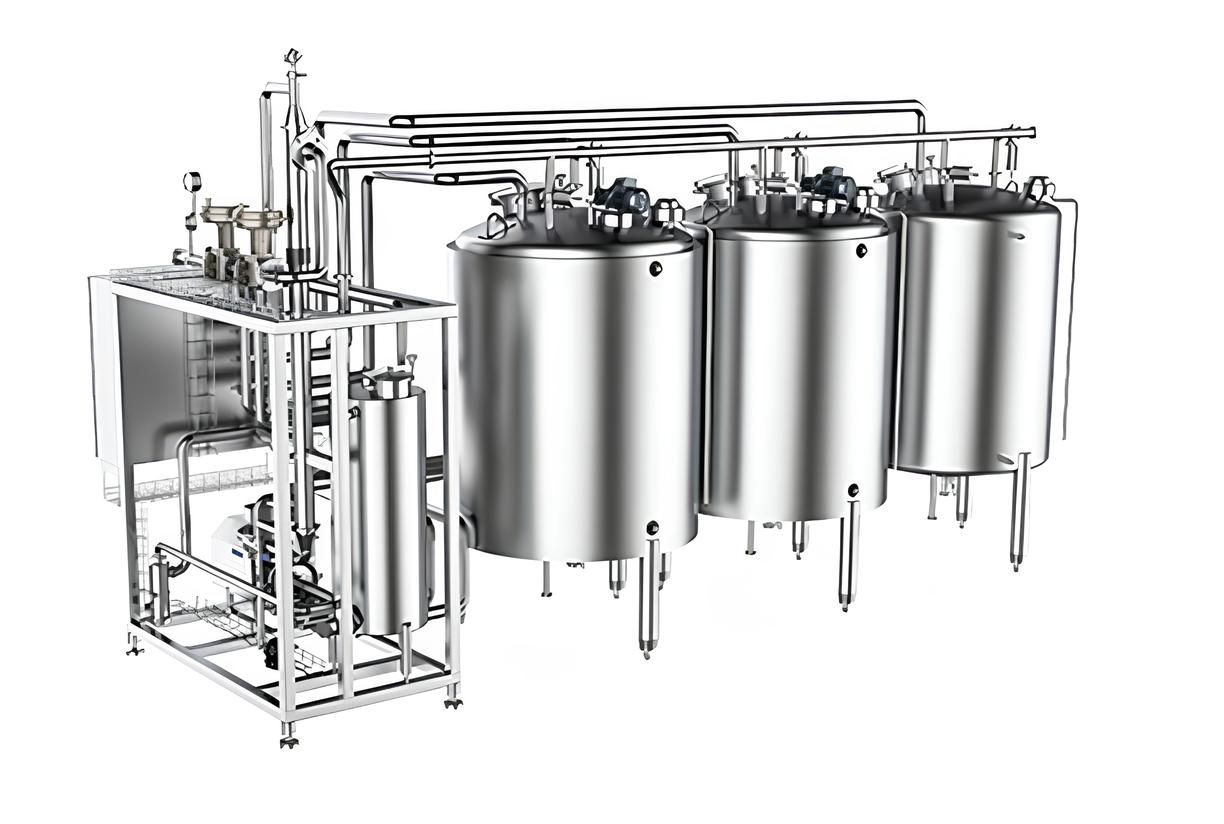
The CIP (Cleaning-in-Place) system is an automatic cleaning method used in industrial plants. This system automatically cleans production equipment, pipelines and storage tanks during production breaks or periodically. The CIP system ensures hygiene standards by using specially designed pumps, sensors, valves and cleaning chemicals. This system is more efficient and reliable than manual cleaning methods. It reduces cleaning costs while increasing production continuity in industrial facilities. In addition, the CIP system offers an environmentally friendly cleaning solution by saving water and energy. If hygiene and production quality are important for businesses, the CIP system is an indispensable solution. For more information, please visit our website. How Does a CIP System Work? The CIP (Cleaning-in-Place) system is an automated cleaning method used in industrial facilities. The CIP system does not require human intervention when cleaning equipment and pipelines within a predetermined program. It works by automatically introducing cleaning chemicals, detergents and hot water through specially designed CIP pumps and valves. These chemicals and water circulate through the equipment, removing residues and dirt. The CIP system works with automatic control of the processes and ensures a completely hygienic cleaning. This method can be used during production breaks or periodically, improving production continuity and product quality. The CIP system also increases productivity while reducing cleaning costs for businesses. For more information, please visit our website. Why is CIP System Important in Industrial Cleaning? In industrial cleaning, the CIP (Cleaning-in-Place) system optimizes cleaning processes by providing significant advantages. This system enables automatic cleaning of equipment and pipelines used in industrial facilities. The CIP system is more effective and hygienic than manual cleaning methods. The cleaning chemicals and hot water circulating through the equipment effectively remove residues and dirt, thus improving product quality. In addition, the CIP system operates in a regular and programmable manner, saving time between productions and reducing labor costs. Using a CIP system in industrial cleaning prevents product contamination and meets hygiene standards. This is critical for product safety and consumer health. In addition, the CIP system reduces environmental impact by saving water and energy. As a cost-effective and efficient cleaning solution for businesses, the CIP system raises the standards in industrial cleaning and gives businesses a competitive advantage. You can visit our website for detailed information. What Advantages Do Businesses Gain with CIP Systems? Using CIP (Cleaning-in-Place) systems provides several advantages to businesses. Firstly, since CIP systems are automated and programmable, cleaning processes take place without the need for human intervention. This optimizes cleaning processes while reducing labor costs. Furthermore, CIP systems keep hygiene standards high and prevent product contamination, thus improving product safety and quality. CIP systems also save businesses time between productions and increase production continuity. The automated cleaning process extends the life of equipment and reduces maintenance costs. It minimizes environmental impact by saving water and energy. Using CIP systems makes it easier for businesses to maintain hygienic conditions and comply with legal regulations. As a result, CIP systems offer businesses a more efficient, economical and safe cleaning solution. For more information, please visit our website. How CIP Systems Increase Production Efficiency? CIP (Clean-in-Place) systems are critical for increasing efficiency in industrial production processes. They are a closed system that is used automatically to clean and sanitize production equipment. The use of CIP systems in production facilities provides many advantages. First of all, CIP systems offer the possibility to clean without interrupting production processes and without human intervention. This increases production efficiency and reduces labor costs. Furthermore, the CIP system maintains hygiene standards, improving product quality and minimizing production errors. How Do CIP Systems Ensure Hygiene Standards? CIP (Clean-in-Place) systems play a critical role in maintaining hygiene standards in industrial facilities. These automated cleaning systems effectively sanitize production equipment and prevent product contamination. CIP systems are faster, more efficient and consistent than manual cleaning methods. This keeps hygiene levels high in production facilities and improves product quality. In addition, regular CIP processes do not interrupt production processes and reduce labor costs. When creating SEO-oriented content, it should be emphasized that CIP systems increase product safety, ensure customer satisfaction and contribute to the hygiene of facilities. There are several important factors to consider when choosing a suitable CIP (Clean-in-Place) system for businesses. First, the specific needs and production processes of the plant should be considered. The CIP system should be suitable for the size and production volume of the plant. In addition, the compatibility of the chemicals to be used in the system with the plant's products and their environmental impact should be evaluated. The system should be easy to use and easy to maintain. Reliability and the level of automation in the system is also an important factor. Finally, the selected CIP system should be designed to meet hygiene standards and improve the efficiency of the plant. The right CIP system should be selected with these factors in mind.
See More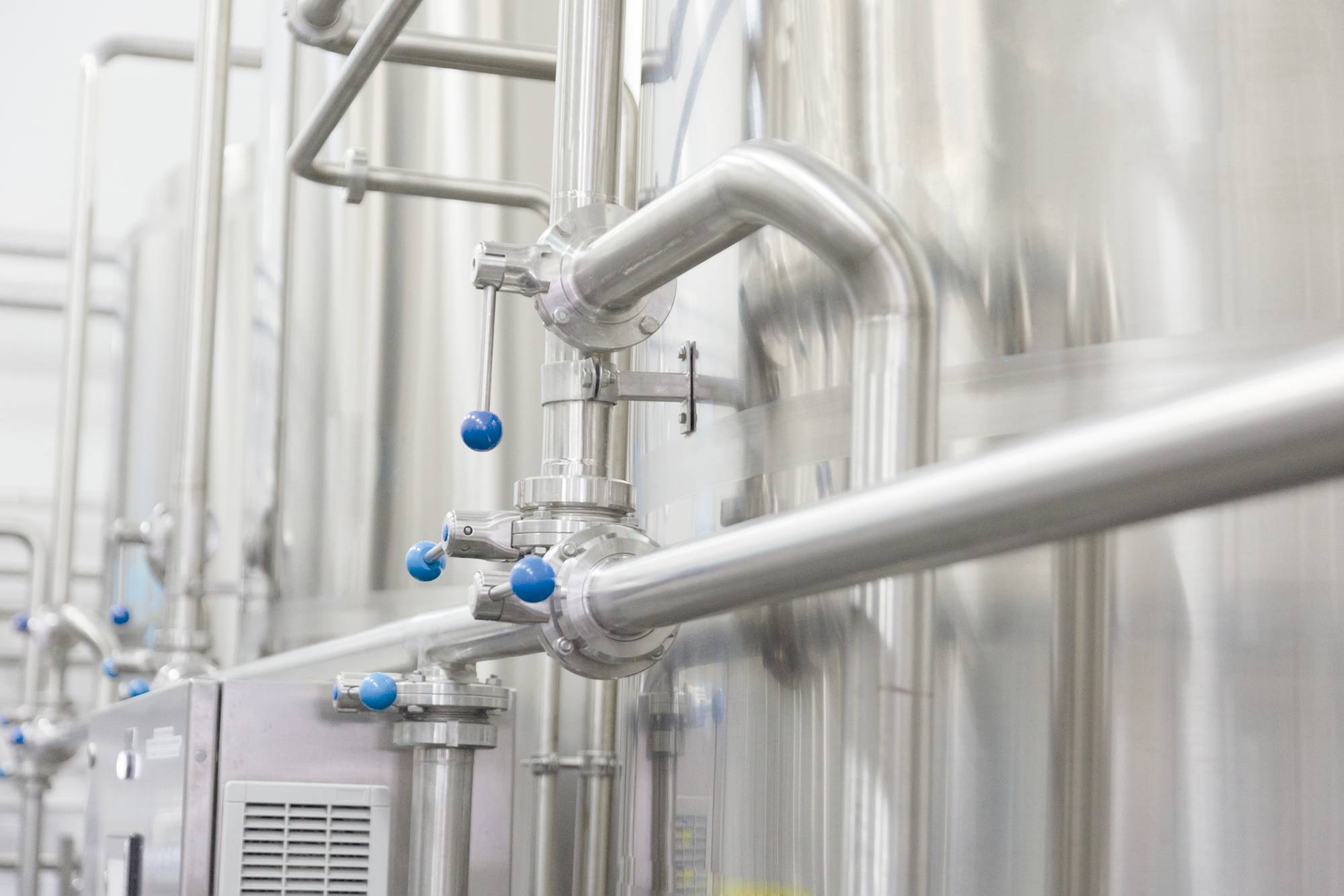
As Ss Proje, we attach great importance to environmentally friendly projects. We focus on projects that support environmental sustainability, encourage the efficient use of natural resources and aim to reduce the carbon footprint. We strive to offer the most environmentally friendly and energy efficient solutions possible, taking environmentally friendly approaches into account in the design and implementation stages. We also take an active role in environmental issues such as waste management, recycling and water saving in our projects. Thus, we aim to make a positive contribution to the environment with our projects in the sector and to contribute to future generations having a livable world.
See More
Pigging (Product Recovery), is an effective method used to clean accumulated dirt, sediment, rust, or other residues in pipelines. In these systems, a specially designed tool called a "pig" moves along the pipeline to clean the accumulated substances inside. Pigging is an important technique to improve pipeline performance, increase efficiency, and extend system life. The primary purpose of pigging is to regularly clean pipelines to ensure smooth transportation of fluids. This prevents blockages in the pipelines, preserves fluid quality, and extends equipment life. Pigging is widely used, especially in the petroleum and gas industry, chemical plants, water treatment facilities, and industrial production lines. Pigging systems reduce operating costs and increase performance by ensuring regular maintenance of pipelines. Additionally, it is an environmentally friendly method, contributing to waste reduction. Pigging systems are considered indispensable solutions for industrial facilities. What Is It Used For? Pigging systems are used to clean accumulated dirt, sediment, rust, or other residues in pipelines. These systems clean the inner surface of pipelines regularly, allowing fluids to flow more efficiently and smoothly. Pigging is a crucial method to enhance pipeline performance, increase production efficiency, and extend equipment life. Additionally, pigging aims to prevent blockages in pipelines and preserve product quality. These systems are widely used in various industries, from the petroleum and gas industry to the food and beverage sector. Pigging systems contribute to reliable and efficient operation by ensuring regular maintenance of pipelines. What Are the Different Types of Pigging Systems? Pigging systems include various types of tools designed to clean residue and dirt in pipelines. The different types of these systems are as follows: Liquid Pigs Pigs that move with the fluid in the pipeline and clean dirt. They are ideal for low-viscosity liquids. Mechanical Pigs Pigs that work with disks or brushes contacting the inner surface of the pipeline. They are effective for cleaning high-viscosity liquids. Conventional Pigs Single-use pigs, typically one-way. They are designed to clean the pipeline completely. Smart Pigs Pigs that monitor the condition of the pipeline and collect data. They help identify issues in advance. Pigging systems provide customizable and efficient cleaning for pipelines used in different industries. The selection of these systems should be based on the characteristics and needs of the pipeline. How Does a Pigging System Work? A pigging system operates with a specialized tool called a "pig" designed to clean pipelines. The pig is inserted into the pipeline and propelled with the fluid flow. As it moves inside the pipeline, the pig cleans dirt, sediment, and other residues. Pigging is typically performed without interrupting the pipeline flow. The pig moves through the pipeline with the pressure and flow of the fluid, providing cleaning. This system enables regular maintenance of pipelines, enhances their performance, and prevents blockages. For more information on pigging, please visit our website. What Are the Advantages of Pigging System? Pigging system offers several advantages, including: Effective Cleaning Pigging effectively cleans dirt and sediment in pipelines, improving fluid quality. Equipment Life Extension Regular pigging extends the life of equipment in pipelines and maintains its performance. Increased Efficiency Clean pipelines facilitate more efficient fluid transportation, enhancing operational efficiency. Energy Savings Cleaner pipelines reduce energy consumption, reducing operational costs. Environmentally Friendly By reducing chemical usage, it has less impact on the environment. The pigging system offers various advantages for businesses by ensuring regular maintenance of pipelines. In Which Industries Are Pigging Systems Used? Pigging systems are widely used in various industries with different applications. Particularly in the petroleum and gas industry, pigging systems are often used to clean residue and deposits inside pipelines. The pipelines in this industry require regular cleaning and maintenance as they continuously transport petrochemical products or crude oil. Additionally, the food and beverage industry extensively uses pigging systems. Hygiene and cleanliness are crucial in pipelines transporting liquid food products. The chemical industry also benefits from pigging systems; pigging technology is used to clean residues generated during the transportation of chemical products and to preserve product quality. Water treatment facilities and wastewater management industries also use pigging systems to clean residues and deposits in pipelines. What Should Be Considered in Pigging System Selection? Several important factors should be considered when selecting a pigging system. Firstly, the diameter and characteristics of the pipeline should be taken into account. The pigging system should be selected according to the inner diameter of the pipe and the products it carries. Secondly, the nature of the product transported in the pipeline is essential. Different pigging systems should be chosen for different products such as liquid, gas, or solid substances. Additionally, the length of the pipeline and operating pressure should be considered. These parameters play a crucial role in determining the performance and effectiveness of the pigging system. Moreover, installation and operating costs of the system should be considered. It is essential to evaluate whether the selected pigging system is compatible with the pipeline and meets its requirements. These factors are critical for selecting the right pigging system, ensuring efficient cleaning of pipelines. How Is Pigging System Operated and Maintained? Operation and maintenance of the pigging system are essential to ensure the regular operation of pipelines. Pigging is generally performed without interrupting the flow of the pipeline. During operation, the pig is inserted into the pipeline and propelled with the fluid. As it moves inside the pipeline, the pig cleans dirt and sediments. After operation, the pig is removed, and maintenance is performed. Regular maintenance of the pigging system includes cleaning and, if necessary, repairing pigs. Additionally, checking and replacing the equipment used is crucial. The maintenance process ensures the efficient and reliable operation of the pigging system. Supervision by expert personnel during operation and maintenance processes is essential. Proper operation and regular maintenance of the pigging system enhance pipeline performance and extend its life. How Do Pigging Systems Increase Production Efficiency? Pigging systems offer an effective method to increase production efficiency. These systems clean dirt, sediment, and residues in pipelines, allowing fluids to flow more smoothly and quickly. Clean pipelines reduce friction and enable more efficient fluid transportation. This reduces time losses in production processes and increases product quantities. Additionally, pigging systems extend the life of equipment. With regular cleaning and maintenance, blockages in pipelines are prevented, allowing equipment to operate efficiently for longer periods. This reduces operating costs and minimizes production interruptions. Pigging systems are considered significant optimization and efficiency tools for industrial businesses.
See More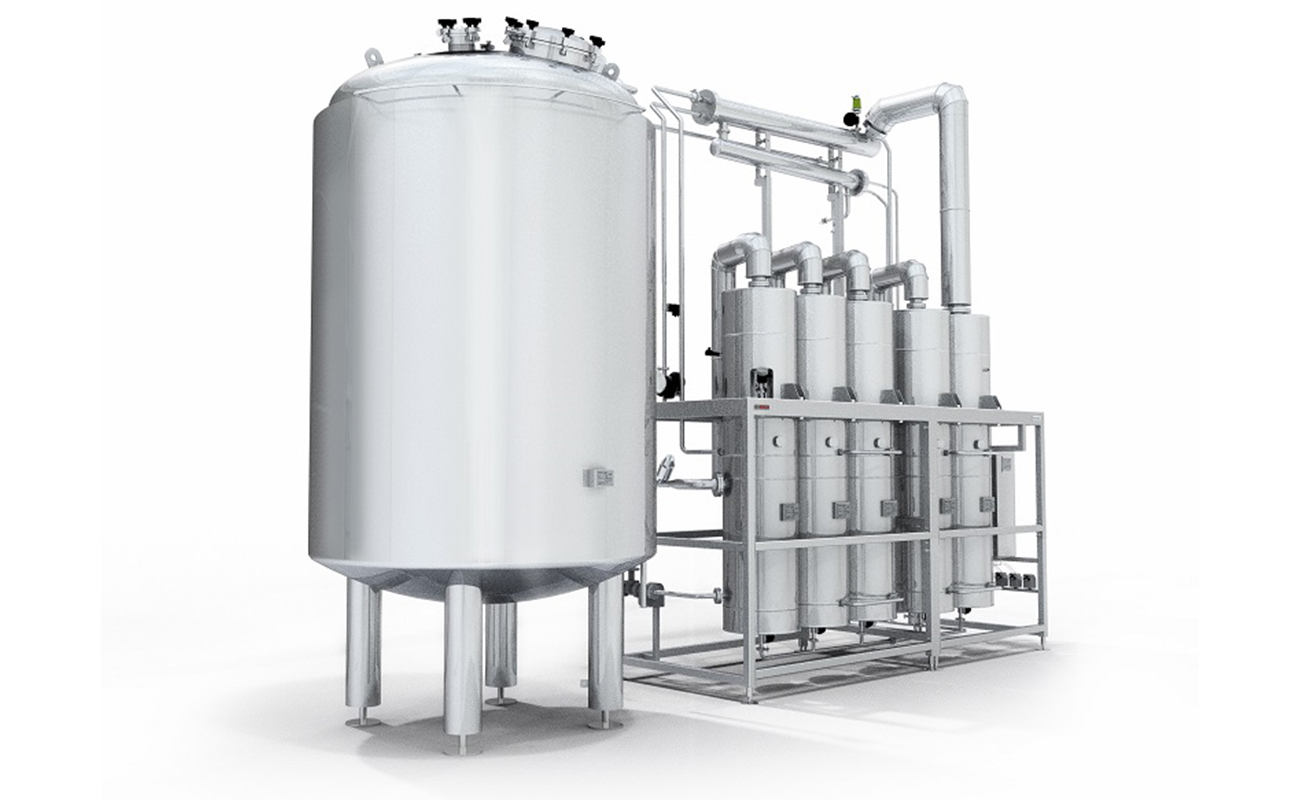
PS (Pure Stream) Water Purification Systems: Innovative Solutions for Pure Water Production The use of pure water in industrial processes is crucial in many sectors. The high purity of water used in industries such as pharmaceuticals, electronics manufacturing, textiles, and food industry is critical for both product quality and human health. To meet this need, Industrial PS (Pure Stream) Water Purification Systems come into play. What Are Pure Stream Water Purification Systems? Pure Stream water purification systems are systems that remove impurities and minerals from water using various purification technologies such as reverse osmosis, ion exchange, and filtration. These systems enable the production of high-quality and reliable pure water for use in industrial processes. Advantages of Pure Stream Water Purification Systems: High Purity: Pure Stream systems have the capacity to produce the highest purity water required for industrial processes. Reliable Performance: These systems ensure continuous production of pure water 24/7, maintaining the continuity and efficiency of processes. Flexibility: They offer modular designs that can be adapted to different water sources and purification needs. Automatic Operation: Pure Stream systems are equipped with automatic control and monitoring systems, ensuring smooth operation with minimal human intervention. Environmentally Friendly: These systems provide an environmentally friendly solution with options for wastewater treatment and recycling. Applications of Pure Stream Water Purification Systems: Pharmaceutical Production: The purity of water used in pharmaceutical production is vital for sterility and high purity. Pure Stream systems ensure that the pure water used in pharmaceutical production meets all these criteria. Electronics Manufacturing: The purity of water used in the production of electronic devices directly affects their performance and lifespan. Pure Stream systems provide the production of ultra-pure water required for electronic device manufacturing. Textile Industry: The purity of water used in textile dyeing and printing processes directly affects the color quality and durability of fabrics. Pure Stream systems ensure that the pure water used in the textile industry meets all these criteria. Food Industry: The purity and freedom from microorganisms of water used in the production and processing of food and beverages are crucial. Pure Stream systems ensure that the pure water used in the food industry meets all these criteria. Chemical Industry: The purity of water used in chemical processes directly affects product quality and environmental safety. Pure Stream systems ensure that the pure water used in the chemical industry meets all these criteria. Choosing Pure Stream Water Purification Systems: When selecting an Industrial PS (Pure Stream) water purification system, factors such as the water source, purification needs, system capacity, and budget should be taken into account. Consulting with expert companies and selecting the most suitable system for the needs would be the best choice. Conclusion: Industrial PS (Pure Stream) water purification systems offer innovative and reliable solutions for many sectors requiring pure water. Through these systems, it is possible to increase the efficiency and sustainability of industrial processes by ensuring the production of high-quality and reliable pure water.
See More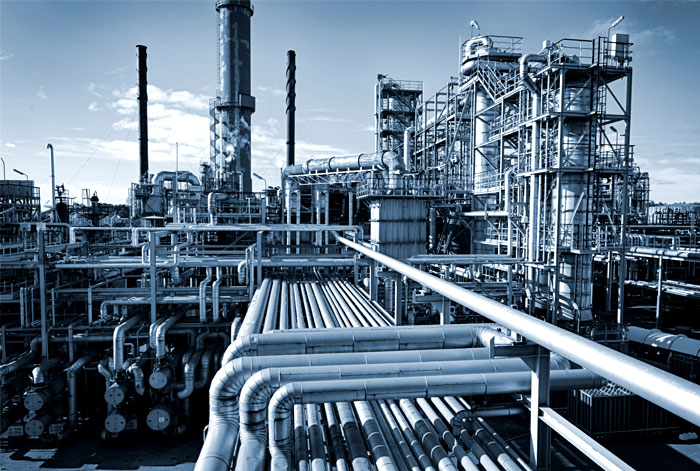
What is a Process? Step-by-Step Processing in Production Process is a system consisting of a series of steps performed to convert a raw material or material into the desired product. These steps are carried out in a specific sequence and under specific conditions. Processes can range from simple manual operations to complex automated systems. Characteristics of Processes: Goal-Oriented: Processes aim to achieve a specific end product. Sequential: The steps of the process are performed in a specific sequence. Controlled: Each step of the process is performed and monitored under specific conditions. Repeatable: Processes are designed to be repeatable to achieve consistent results. Benefits of Processes: Efficiency: Processes enable more efficient use of raw materials and energy. Quality Control: Processes ensure consistently high product quality. Safety: Processes ensure worker safety and environmental protection. Cost Savings: Processes help reduce production costs. Types of Processes: Chemical Processes: These processes transform raw materials using chemical reactions. For example, pharmaceutical production, fertilizer production. Physical Processes: These processes transform raw materials using physical forces. For example, metal processing, textile production. Biological Processes: These processes transform raw materials using living organisms. For example, food production, pharmaceutical production. Examples of Processes: Bread Making: Bread making is a process consisting of a series of steps to produce bread using ingredients such as flour, water, yeast, and salt. Gasoline Production: Gasoline production is a process consisting of a series of steps to produce gasoline, diesel, and other petroleum products using crude oil. Computer Manufacturing: Computer manufacturing is a process consisting of a series of steps to produce computers using electronic components, plastics, and metals. Process Control: Process control is a set of techniques used to ensure that each step of the process is performed under specific conditions. Process control systems monitor and adjust the parameters of the process using equipment such as sensors, actuators, and controllers. Process Optimization: Process optimization is a set of techniques used to increase the efficiency and effectiveness of a process. Process optimization is achieved by analyzing each step of the process and identifying opportunities for improvement. Conclusion: Processes are critical systems in production. Processes transform raw materials into desired products, increase efficiency and quality, reduce costs, and ensure worker safety and environmental protection.
See More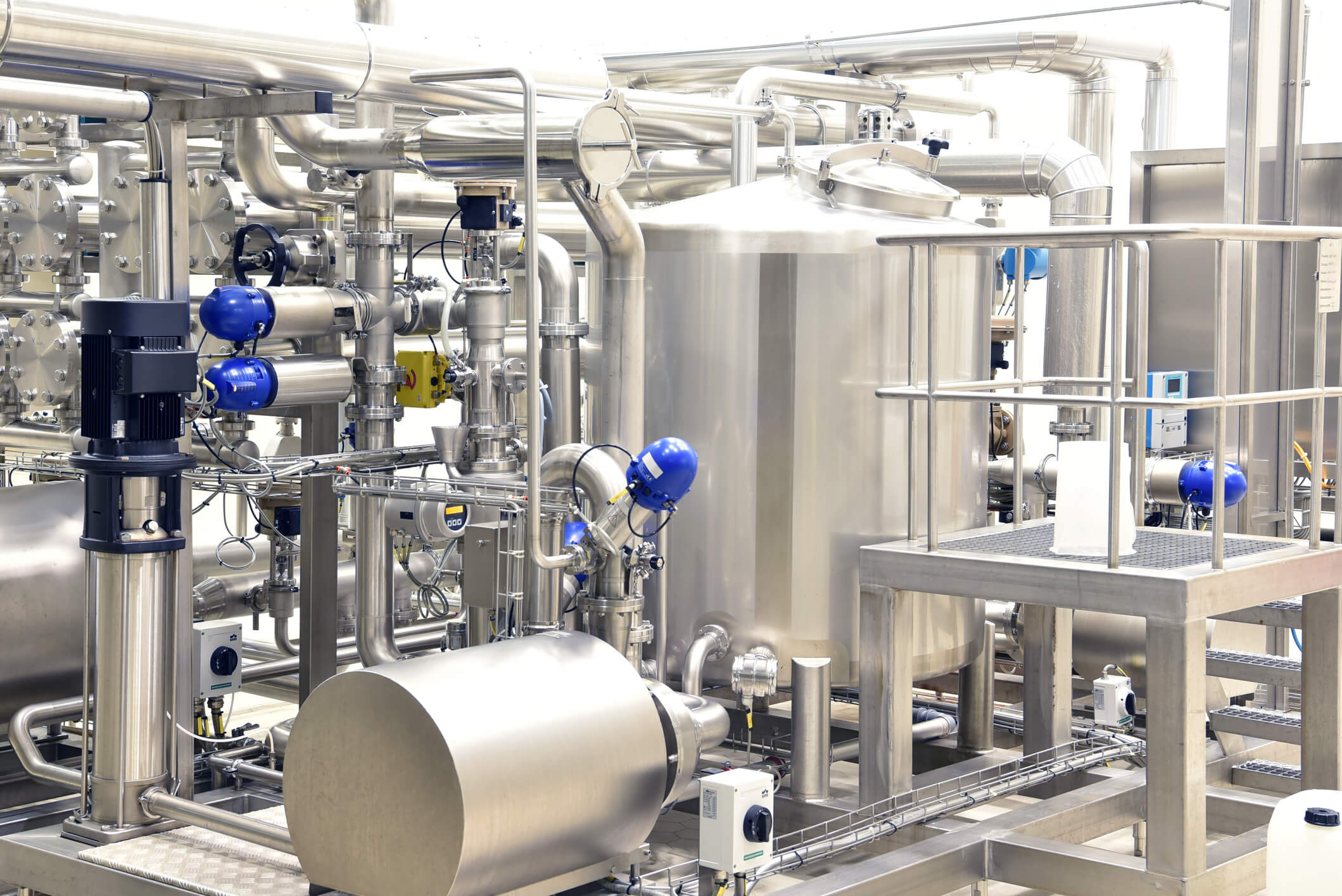
WFI (Water for Injection): The Importance of Purity in Pharmaceuticals It is crucial for drugs administered to the body via injection to be sterile and of high purity. Therefore, the water used in pharmaceutical production must be specially treated and meet the highest standards. This special water, known as Water For Injection (WFI), is used in the preparation of medicines and solutions and ensures the safety of the liquid injected into the body. What is WFI? WFI is sterile water produced specifically for medical purposes and used in the preparation of injectable drugs and solutions. While tap water may be clean enough to drink, the purity standards for liquids injected into the body are much higher. WFI is purified through tightly regulated production processes to have the following characteristics: Sterile: WFI should not contain any bacteria, fungi, or other microorganisms. High Purity: WFI should have very low levels of dissolved minerals, salts, and organic matter. Endotoxin-free: Endotoxins are toxins released from the outer membranes of certain bacteria and can cause serious reactions in the body. The level of endotoxins in WFI should be extremely low. Where is WFI Used? WFI is used in the preparation of various injectable drugs and solutions, including: Intravenous (IV) medications Intramuscular (IM) injections Subcutaneous (SC) injections Eye drop solutions Hemofiltration solutions (blood purification process) How is WFI Produced? The production of WFI involves a complex process consisting of the following stages: Raw Water Purification: Tap water or well water is first purified to remove chlorine, organic matter, and other contaminants. Filtration: The water passes through fine filters to remove bacteria and other microorganisms. Deionization: Ions in the water are removed using special resins. Distillation: The water is boiled to vaporize it, and the vapor is condensed back into liquid form. This process removes volatile impurities present in the water. Ultrafiltration: The water passes through very fine porous filters to remove viruses and other large molecules. UV Sterilization: The water is disinfected using ultraviolet light. Considerations in WFI Production: It is vital that all equipment and production environments are sterile and that the highest hygiene standards are maintained during WFI production. Additionally, WFI production stages need to be constantly monitored and controlled. Importance of WFI: WFI is a critical raw material used in pharmaceutical production. High purity and sterility of WFI ensure the safety and effectiveness of drugs administered via injection. Therefore, the production of WFI is extremely important for pharmaceutical safety. Conclusion: WFI is sterile water used in the preparation of injectable drugs and solutions for administration via injection. WFI is purified through tightly regulated production processes to have high purity and sterility. The production and use of WFI are crucial for pharmaceutical safety.
See More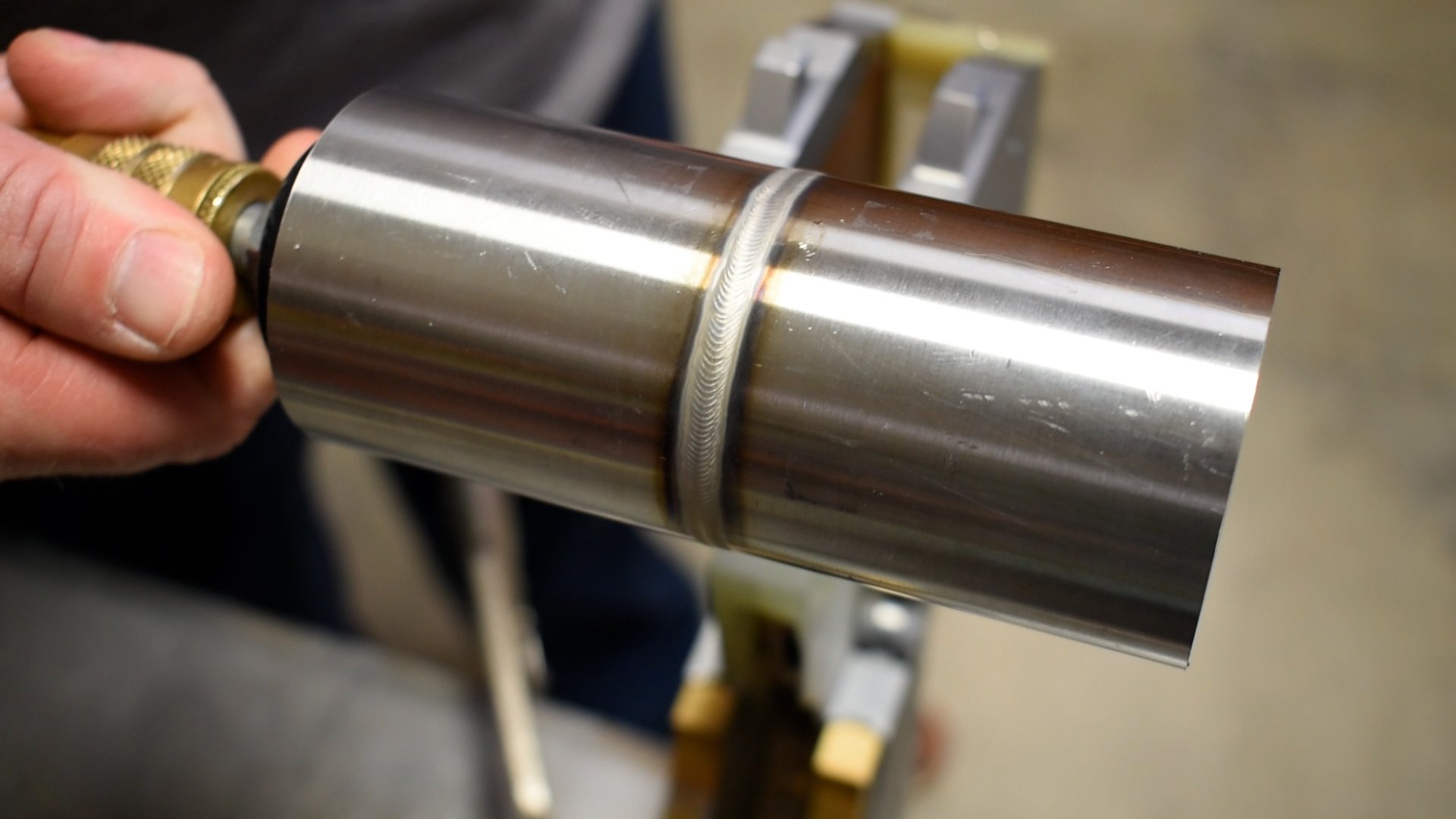
Orbital Welding: Precise and High-Quality Welding Solution Orbital welding is an advanced welding method used to join tube and other tubular workpieces with high precision and repeatability. In this method, the welding torch and filler metal feeder are automatically rotated around the workpiece at a 360-degree angle. This results in a flawless and fully penetrated weld with just a single pass. Advantages of Orbital Welding: High Quality: Orbital welding produces weld seams of higher quality and greater consistency compared to manual welding methods. This translates to fewer leaks and longer service life. Precision: Orbital welding is ideal for joining pipes with precise dimensions and tolerances. Repeatability: Due to being an automated process, orbital welding ensures the same high quality in every weld. Efficiency: Orbital welding is faster and requires less labor than manual welding methods. Safety: Orbital welding provides a safer working environment by keeping the welder away from dangerous fumes and spatters. Applications of Orbital Welding: Oil and Gas Industry: Pipelines, valves, heat exchangers, and other critical pipe components Chemical Industry: Pipelines, reactors, and other process equipment Food and Beverage Industry: Pipelines, tanks, and other process equipment Semiconductor Industry: Ultra-clean pipelines and other components Medical Technology: Implants and other medical devices Aviation and Aerospace Industry: Aircraft fuselages, engines, and other critical components Orbital Welding Systems: Orbital welding systems are available in various configurations and features. The most common systems include: TIG Orbital Welding: Produces high-quality and precise welds using Tungsten Inert Gas (TIG) welding. MIG Orbital Welding: Produces faster and more economical welds using Metal Inert Gas (MIG) welding. Plasma Welding: Used for precise cutting and welding.
See More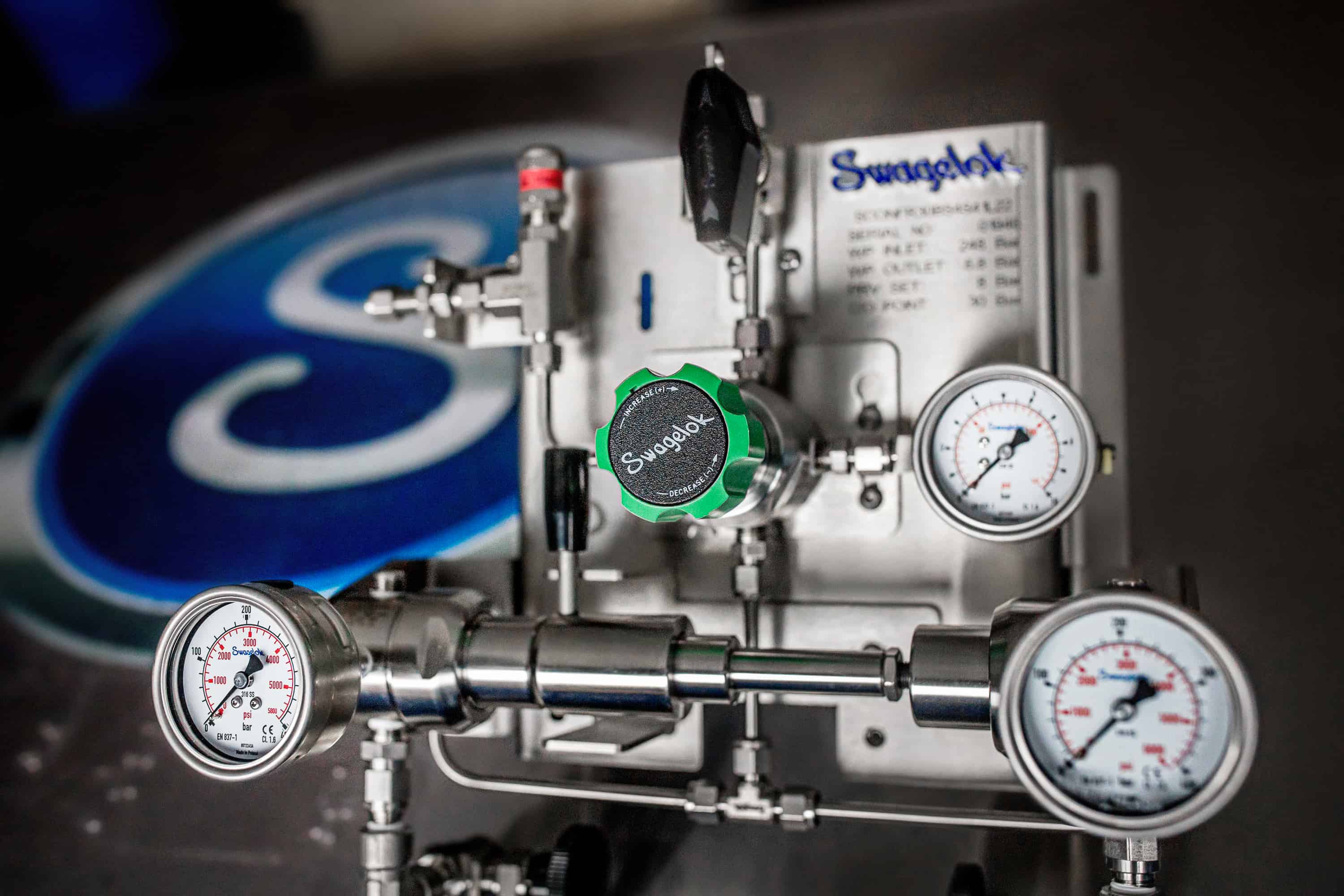
Gas Distribution System: The Unsung Heroes Delivering Energy to Our Homes and Businesses Gas distribution systems are complex infrastructure networks responsible for safely and efficiently delivering natural gas and other gases to our homes, businesses, and industrial facilities. While these systems may not be visible at first glance, they play a vital role in meeting the basic needs of modern life. Components of the Gas Distribution System: The gas distribution system is a complex structure consisting of interconnected components. These components include: Pipelines: Pipelines of various sizes and pressures serve as the main arteries for transporting gas. Gas Valves: Valves used to control and direct gas flow ensure the safety and functionality of the system. Regulators: Regulators convert high-pressure gas into low-pressure gas suitable for safe use in homes and businesses. Gas Meters: Meters that measure the amount of gas consumed are used for billing and system monitoring. Gas Control Panels: Panels that monitor and control the operation and safety of the gas distribution system are of critical importance. Operating Principle of the Gas Distribution System: The gas distribution system operates by following these steps: Production and Gathering: Natural gas is extracted from underground reservoirs and transported to gathering stations. Purification: Natural gas, purified of impurities, is sent to transmission lines. Transmission: High-pressure gas is transported to main distribution points via long-distance pipeline. Distribution: Gas, with reduced pressure, is distributed to cities and towns and then to buildings via underground pipelines. Usage: It is used for heating, cooking, and hot water in homes and as a source of energy for production in industrial facilities. Importance of the Gas Distribution System: Gas distribution systems are important for several reasons: Energy Source: Natural gas is a clean and reliable energy source used for heating, cooking, hot water, and electricity generation in industrial facilities. Economic Benefit: Natural gas is more economical compared to other energy sources, helping to reduce heating and energy costs. Environmentally Friendly: Natural gas is a clean energy source with lower emissions compared to coal and oil, contributing to reducing air pollution and greenhouse gas emissions. Safety of Gas Distribution Systems: Gas distribution systems must be designed and operated safely. To achieve this, regular maintenance should be performed, leaks should be checked, and necessary safety precautions should be taken. Conclusion: Gas distribution systems are complex and critical infrastructures that play a vital role in meeting the basic needs of modern life. Safely and efficiently operated, these systems deliver energy to our homes and businesses while providing significant economic and environmental benefits.
See More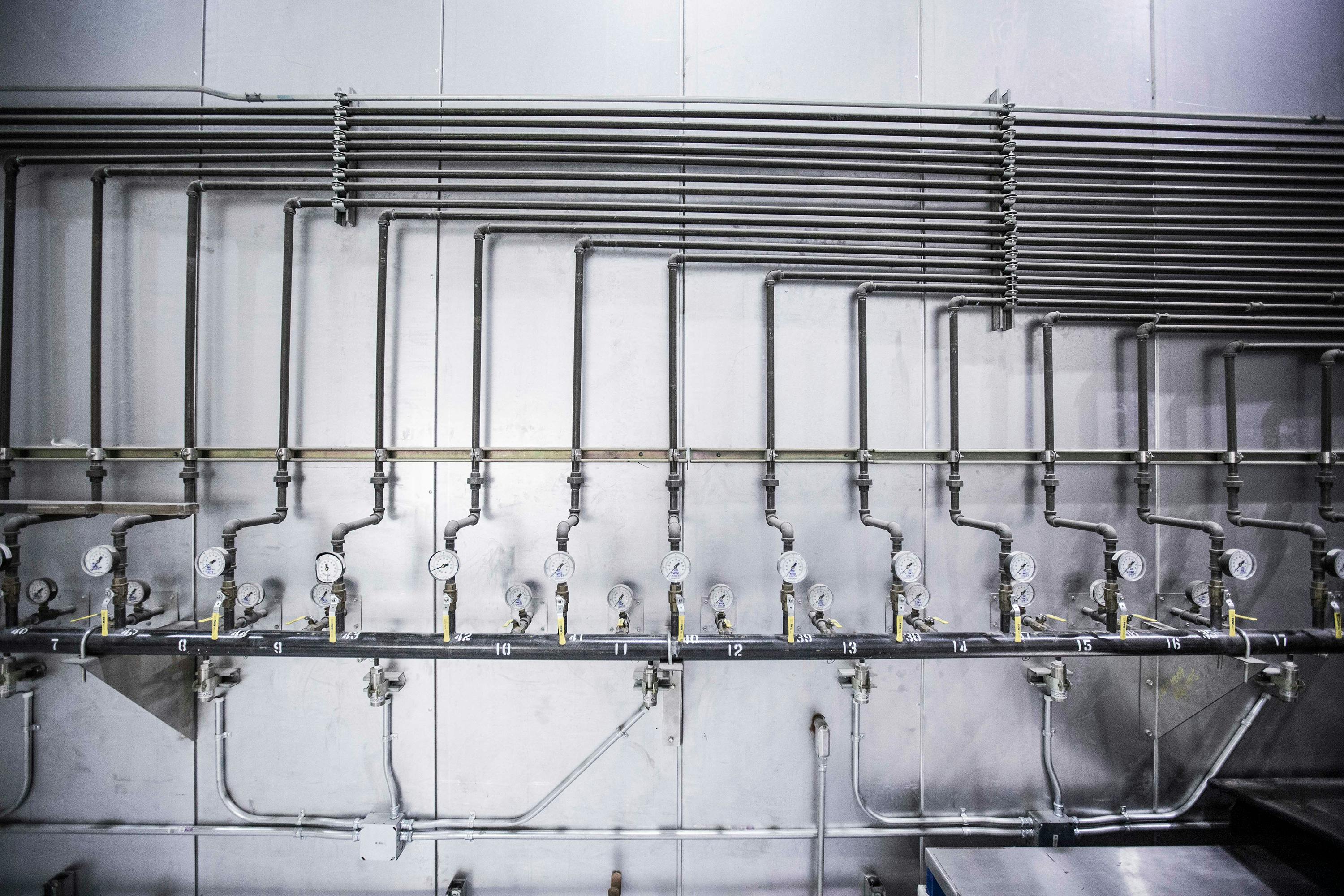
Stainless steel pipes are a long-lasting and reliable type of pipe that stands out with its resistance to corrosion and abrasion. For this reason, they are frequently preferred in buildings, facilities and industrial applications. Stainless steel pipe installation is the process of installing these pipes correctly and safely. In this article, we will examine what stainless steel pipe installation is, how it is done, and things to consider. Advantages of Stainless Steel Pipe Fitting Durability: Stainless steel pipes are highly resistant to corrosion, abrasion and high temperatures. In this way, they can be used without any problems for many years. Hygiene: Stainless steel does not create an environment conducive to the shelter of microorganisms. Therefore, it is very important from a hygienic perspective. It is frequently preferred especially in food and pharmaceutical facilities, hospitals and laboratories. Aesthetic Appearance: Stainless steel pipes have a bright and modern appearance. In this way, it adds aesthetic value to buildings and installations. Ease of Maintenance: Stainless steel pipes can be easily cleaned thanks to their smooth surfaces. This significantly reduces maintenance costs and time. Recyclability: Stainless steel is a recyclable material. In this way, it is environmentally friendly. How to Install Stainless Steel Pipe? Stainless steel pipe installation is a complex process that involves some important steps. These steps are: 1. Planning: The first step is to plan the plumbing system. In this planning, the needs of the building, the amount of water and wastewater, the areas where the installation will be located and the materials to be used are determined. 2. Material Selection: The materials to be used in stainless steel pipe assembly should be selected carefully. Different stainless steel types and fittings are available. Materials that suit the needs and budget of the project should be selected. 3. Cutting and Connecting Pipes: Stainless steel pipes are cut using special equipment and joined by welding or mechanical connections. 4. Installation of Luminaires: Armatures such as sinks, toilets, showers and faucets are mounted using stainless steel fittings. 5. Testing and Control: After the installation is completed, it is tested to check for water leaks and malfunctions. Things to Consider in Stainless Steel Pipe Installation It Should Be Done by an Expert Plumber: Stainless steel pipe installation is a process that requires expertise and experience. Therefore, it is important to have this procedure done by a competent and experienced plumber. Quality Materials Should Be Used: The materials used in stainless steel pipe assembly must be of high quality. Poor quality materials can lead to corrosion and leaks. Plumbing Standards Must Be Compliant: During plumbing installation, relevant plumbing standards and regulations must be followed. Cleaning and Hygiene: Attention should be paid to cleanliness and hygiene during and after installation. Stainless Steel Pipe Installation Tips Before installing the installation, make sure that the capacity of the building's water and wastewater system is sufficient. When laying plumbing pipes, make sure the walls and floor are solid. When installing plumbing fixtures, read the instructions carefully and correct connections must be made. After the installation is completed, check for water leaks and malfunctions. Have your installation checked and maintained regularly. Stainless Steel Pipe Installation Regulations Stainless steel pipe installation must be carried out in accordance with relevant regulations and standards. These regulations are: Plumbing Regulation of Buildings Wastewater Installation Regulation TS 5427 - Plumbing in Buildings TS 5428 - Wastewater Installation in Buildings EN 10028 - Stainless Steel Pipes DIN 19569 - Pipe Connections These regulations determine the necessary rules and conditions on the use of stainless steel pipes, connection details, pressure tests and other important issues. Installation companies and plumbers are required to comply with these regulations and standards.
See More
What is Argon Welding (TIG) Welding? What is it for? Where to use? Entrance Argon Welding or TIG Welding is a welding method consisting of the initials of the words Tungsten Inert Gas and is used to join metal parts using tungsten electrode and inert gas (usually argon). This method is known for producing cleaner, more precise and stronger welds compared to other welding methods. How is Argon Welding Done? In argon welding, the tungsten electrode is heated by electric current and an arc is created between the metal parts. This arc helps join metals by melting them. At the same time, argon gas is blown around the electrode tip. This gas protects the molten metal from oxygen and other contaminants and helps create a cleaner, stronger weld. Advantages of Argon Welding Clean and Precise Welds: Argon welding is known for producing cleaner and more precise welds compared to other welding methods. Therefore, it is ideal for thin metal parts and precision applications. Strong Welds: Argon welding is also known for producing strong and durable welds. Therefore, it is ideal for high-pressure applications and critical load-bearing parts. Can Be Used with a Variety of Metals: Argon welding can be used with a variety of metals such as steel, aluminum, stainless steel, copper and titanium. Aesthetic Appearance: Argon welding is also known for producing welds that offer an aesthetically pleasing appearance. Therefore, it is ideal for applications where appearance is important. Usage Areas of Argon Welding Aircraft and Space Industry: Argon welding is widely used in the construction of aircraft and spacecraft. Automotive Industry: Argon welding is used to assemble automobile bodies and other parts. Oil and Gas Industry: Argon welding is used to join pipelines and other oil and gas equipment. Medical Equipment: Argon welding is used to make medical implants and other medical equipment. Food Industry: Argon welding is used to make food processing equipment. Artistic Applications: Argon welding can also be used to make sculptures and other artistic works. Things to Consider When Argon Welding Argon welding is a process that requires expertise and skill. Therefore, it is important to have this process done by a competent and experienced welder. Appropriate protective equipment should be used when welding. The area to be welded must be clean and dry. Direct current and gas flow settings should be used when welding.
See More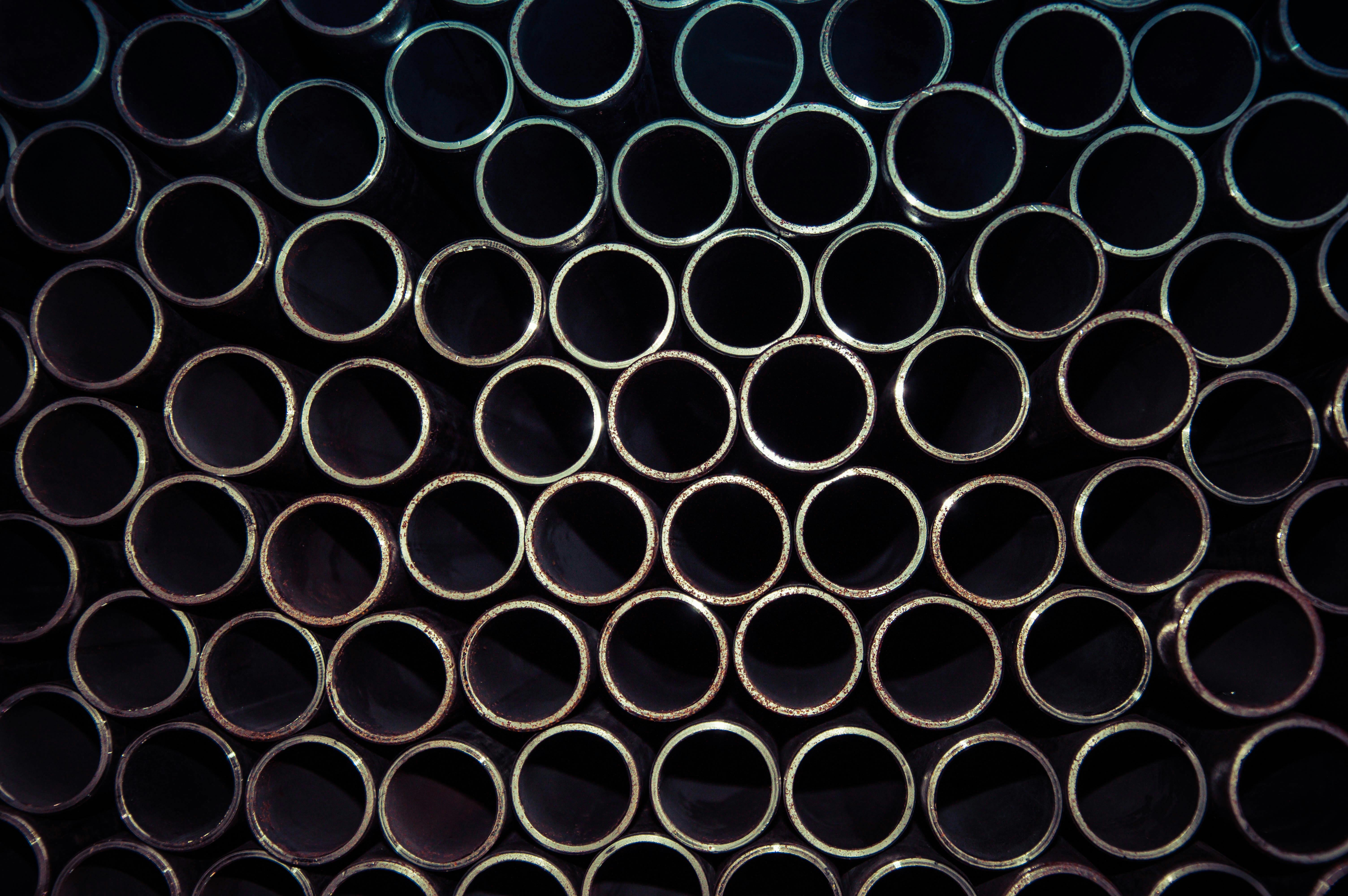
Stainless steel is one of the most preferred metal alloys today with its high resistance to corrosion, durability and aesthetic appearance. Stainless steel, which finds a wide range of use in different sectors, is divided into various types by adding different amounts of chromium, nickel and other elements. These types are preferred in different areas of use because they have different features. In this article, we will examine the types and properties of stainless steel in detail. 1. Austenitic Stainless Steels: It is the most commonly used type of stainless steel. Chromium and nickel rates are high. It has high corrosion resistance, good formability and weldability. It is used in many areas such as kitchenware, medical equipment, construction materials and food industry equipment. Subtypes of austenitic stainless steels are: 304: It is the most commonly used type of austenitic stainless steel. It is used in many areas such as kitchenware, medical equipment and food industry equipment. 316: It has higher molybdenum content than 304. It is more resistant to saltier environments. It is used in areas such as the chemical industry, maritime and oil industry. 309S: Resistant to high temperatures. It is used in areas such as ovens, boilers and heat exchangers. 347: Resistant to carbide precipitation. It is used in welded structures. 2. Ferritic Stainless Steels: It contains less nickel and is magnetic. It has lower corrosion resistance than austenitic stainless steels. It is cheaper and can be processed more easily. It is used in architectural and decorative applications, automotive parts and white goods. Subtypes of ferritic stainless steels are: 430: The most commonly used type of ferritic stainless steel. It is used in architectural and decorative applications. 409: Used in automotive exhaust systems. 446: Resistant to high temperatures. It is used in areas such as furnaces and heat exchangers. 3. Martensitic Stainless Steels: It has high strength and hardness. It can be hardened by heat treatment. It is used in areas such as cutting tools, knives and gears. Subtypes of martensitic stainless steels are: 420: Used in cutting tools such as knives, knives and scissors. 410: Used in automotive parts and springs. 440: Used in applications where high strength and hardness are required. 4. Duplex Stainless Steels: It combines the properties of austenitic and ferritic stainless steels. It has high corrosion resistance, high strength and good weldability. It is used in areas such as the chemical industry, maritime and oil industry. Subtypes of duplex stainless steels are: 2205: The most commonly used duplex stainless steel type. It is used in the chemical industry and maritime. 2304: It has higher nickel content. It is more resistant to saltier environments. 2507: It has high strength and corrosion resistance. It is used in the oil industry. 5. Precipitation Hardened Stainless Steels: It is hardened by the addition of elements such as aluminum, titanium and niobium. It has high strength, hardness and corrosion resistance. It is used in the aerospace industry, medical implants and high-performance equipment. Subtypes of precipitation hardened stainless steels are: 17-4 PH: Used in the aviation and space industry. A286: Resistant to high temperatures. It is used in gas turbines. 15-5 PH: Used in medical implants. 6. Other Types of Stainless Steel: In addition to the types listed above, there are many different types of stainless steel developed for specific purposes. Things to Consider When Choosing Stainless Steel: When choosing stainless steel, it is important to choose the appropriate type for the intended use. Different types of stainless steel have different properties. For example, stainless steel to be used in the food industry must be a type with a high nickel content to be hygienic. Stainless steel to be used in the chemical industry must be a type with a high chromium content to be resistant to corrosion. Stainless steel is a durable and versatile material that finds a wide range of uses in many different sectors with its different types and properties. It is possible to make the most of the advantages of stainless steel by choosing the type suitable for the intended use.
See More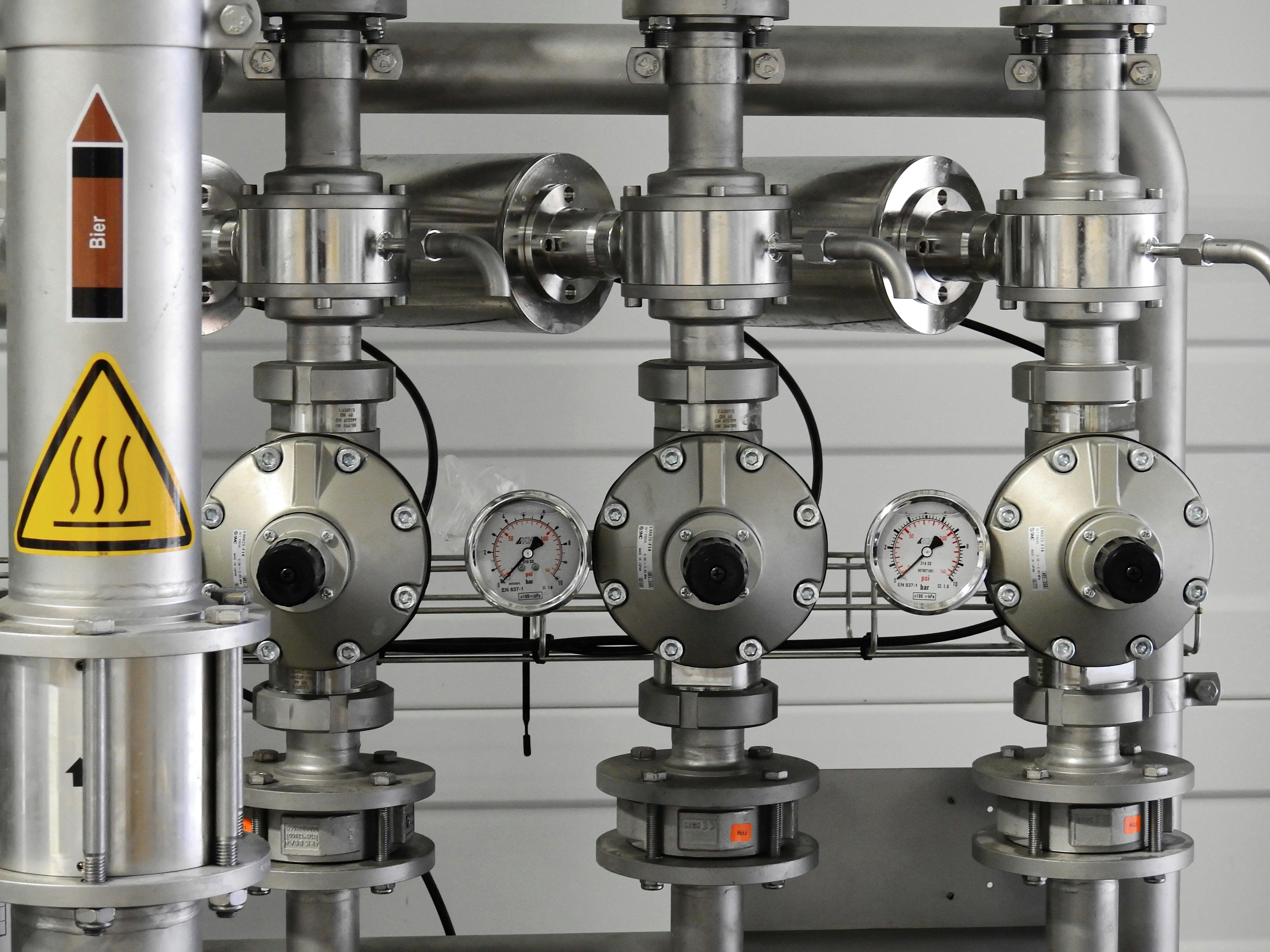
Stainless steel is one of the most preferred metal alloys today with its high resistance to corrosion, durability and aesthetic appearance. Stainless steel, which finds a wide range of use in different sectors, stands out with its durability and hygienic. In this article, we will examine the usage areas of stainless steel in detail. What is Stainless Steel? Stainless steel is an iron-based alloy produced by adding elements such as chromium and nickel. Chromium provides resistance to corrosion, which is the main feature of stainless steel. Nickel improves the mechanical properties and formability of steel. Stainless steels are divided into various types by the addition of chromium, nickel and other elements in different proportions. These types are preferred in different areas of use because they have different features. Stainless Steel Usage Areas: Stainless steel is used in a wide range of different sectors thanks to its durability, hygienic and aesthetic appearance. The main areas of use are: 1. Kitchenware: Stainless steel is one of the most preferred materials in kitchens. Many kitchen items such as pots, pans, knives, cutlery, sinks and countertops are made of stainless steel. Stainless steel kitchen utensils stand out with their durability, hygienic nature and easy cleaning. 2. Medical Equipment: Stainless steel is also widely used in the production of medical equipment. Many medical equipment, such as surgical instruments, implants, dental instruments and sterilizers, are produced from stainless steel. Stainless steel medical equipment is preferred due to its resistance to corrosion, suitability for sterilization and long life. 3. Construction and Architecture: Stainless steel is used in buildings and other structures for both aesthetic and functional purposes. Many structural elements such as facade claddings, railings, stairs, elevators and building entrances are produced from stainless steel. Stainless steel construction materials are preferred for their durability, resistance to corrosion and aesthetic appearance. 4. Chemical and Petroleum Industry: Stainless steel is used in many equipment such as tanks, pipes, valves and pumps used for the storage and transportation of chemicals and petroleum products. Stainless steel chemical and oil industry equipment is preferred due to its high resistance to corrosion, durability and long life. 5. Textile Machinery: Stainless steel is used in many parts of textile machinery. Parts of textile machinery such as spinning machines, weaving looms and dyeing machines are produced from stainless steel. Stainless steel textile machine parts are preferred for their resistance to corrosion, durability and long life. 6. Other Uses: Stainless steel is used in many different areas other than the sectors listed above. It is possible to encounter stainless steel in many sectors such as the aviation and space industry, food industry, automotive industry, railway equipment and furniture. Advantages of Stainless Steel: There are many reasons why stainless steel is preferred. Its main advantages are: Resistance to Corrosion: Stainless steel has high resistance to corrosion thanks to chromium. In this way, it is protected against oxidation and rust. Durability: Stainless steel is resistant to mechanical impacts and wear. In this way, it is long-lasting. Hygienic : Stainless steel has a non-porous and smooth surface. In this way, it does not allow bacteria and microorganisms to harbor and is hygienic. Easy Cleaning: Stainless steel is an easy-to-clean material. In this way, it becomes easier to maintain hygiene. Aesthetic Appearance: Stainless steel has a modern and stylish appearance. In this way, it is preferred in many decorations. Recyclable: Stainless steel is a recyclable material. In this way, it is environmentally friendly. Things to Consider When Choosing Stainless Steel: When choosing stainless steel, it is important to choose the appropriate type for the intended use. Different types of stainless steel have different properties. For example, stainless steel to be used in the food industry must be a type with a high nickel content to be hygienic. Stainless steel to be used in the chemical industry must be a type with a high chromium content to be resistant to corrosion.
See More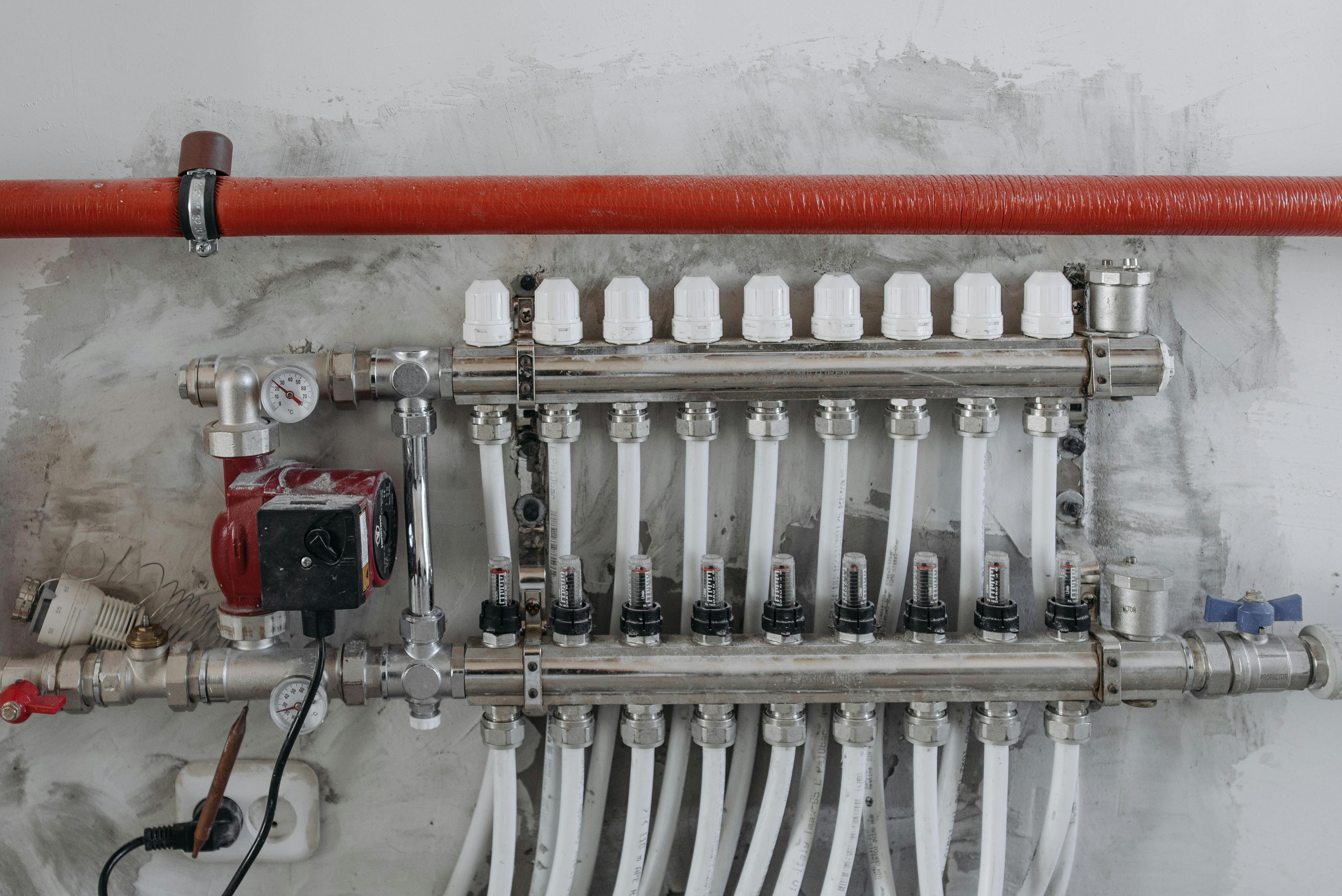
What is Stainless Plumbing Installation? How To? Stainless installation installation is a system frequently preferred in buildings and facilities in recent years. Stainless installations, which stand out with their durability, hygienic and aesthetic appearance, provide significant advantages in the long term. In this article, we will examine what stainless plumbing installation is, how it is done, and things to consider. Advantages of Stainless Plumbing Installation Durability: Stainless steel is highly resistant to corrosion and wear. In this way, stainless installations can be used without any problems for many years. Hygiene: Stainless steel does not create an environment conducive to the shelter of microorganisms. Therefore, it is very important from a hygienic perspective. It is frequently preferred especially in food and pharmaceutical facilities, hospitals and laboratories. Aesthetic Appearance: Stainless steel has a bright and modern appearance. In this way, it adds aesthetic value to buildings and installations. Ease of Maintenance: Stainless installations can be easily cleaned thanks to their smooth surfaces. This significantly reduces maintenance costs and time. Recyclability: Stainless steel is a recyclable material. In this way, it is environmentally friendly. How to Install Stainless Steel Plumbing? Installing stainless plumbing is a complex process that involves some important steps. These steps are: 1. Planning: The first step is to plan the plumbing system. In this planning, the needs of the building, the amount of water and wastewater, the areas where the installation will be located and the materials to be used are determined. 2. Material Selection: The materials to be used in stainless installation installation should be selected carefully. Different stainless steel types and fittings are available. Materials that suit the needs and budget of the project should be selected. 3. Cutting and Connecting Pipes: Stainless steel pipes are cut using special equipment and joined by welding or mechanical connections. 4. Installation of Luminaires: Armatures such as sinks, toilets, showers and faucets are mounted using stainless steel fittings. 5. Testing and Control: After the installation is completed, it is tested to check for water leaks and malfunctions. Things to Consider in Stainless Installation Installation It Should Be Done by an Expert Plumber: Stainless installation installation is a process that requires expertise and experience. Therefore, it is important to have this procedure done by a competent and experienced plumber. Quality Materials Must Be Used: The materials used in stainless installation installation must be of high quality. Poor quality materials can lead to corrosion and leaks. Plumbing Standards Must Be Compliant: During plumbing installation, relevant plumbing standards and regulations must be followed. Cleaning and Hygiene: Attention should be paid to cleanliness and hygiene during and after installation. Stainless Plumbing Installation Tips Before installing the installation, make sure that the capacity of the building's water and wastewater system is sufficient. When laying plumbing pipes, make sure the walls and floor are solid. When installing plumbing fixtures, read the instructions carefully and correct connections must be made. After the installation is completed, check for water leaks and malfunctions. Have your installation checked and maintained regularly. Stainless Installation Regulations Stainless installation installation must be carried out in accordance with the relevant regulations and standards. This is managing Stainless installation installation must be carried out in accordance with the relevant regulations and standards. These regulations are: Plumbing Regulation of Buildings Wastewater Installation Regulation TS 5427 - Plumbing in Buildings TS 5428 - Wastewater Installation in Buildings EN 10028 - Stainless Steel Pipes DIN 19569 - Pipe Connections Stainless Installation Installation Prices Stainless installation installation prices vary depending on the materials used, workmanship and the size of the installation. You can consult a plumber for average prices. Stainless installation installation is an important issue in terms of human health and environmental protection. It is important to have this process done by an expert plumber and to ensure that the materials used comply with hygiene rules. Stainless installations add value to buildings and facilities by providing significant advantages in the long term.
See More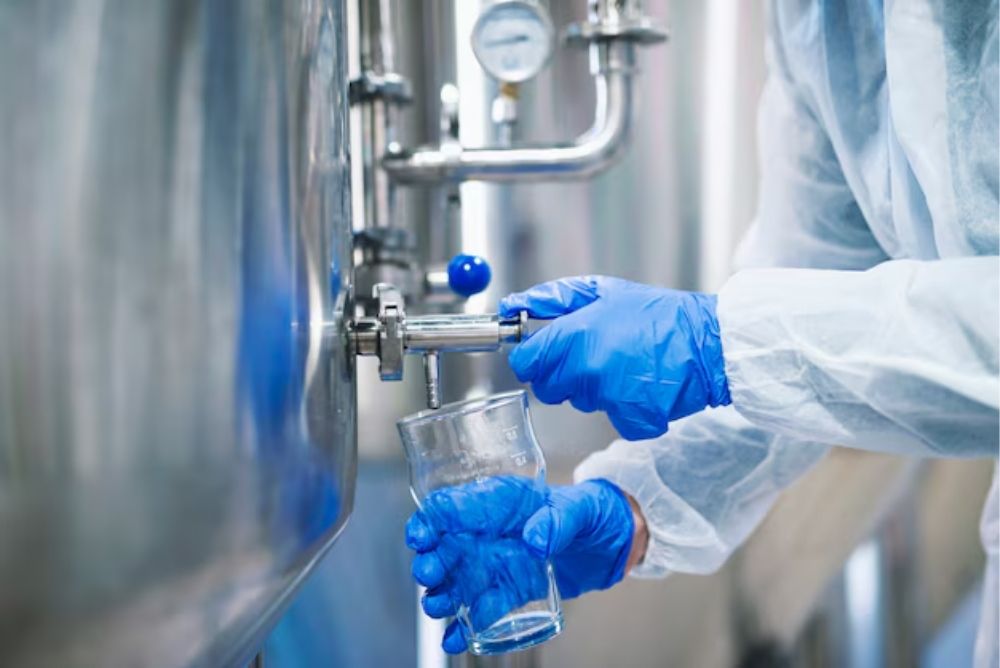
How to Ensure Water Quality in Injection Systems? Ensuring water quality in injection systems guarantees efficient and reliable operation of the systems. One of the main ways to protect water quality is to install an effective treatment system. Water purification processes provide high purity water by removing impurities and dissolved substances from the water. These processes include filtration, reverse osmosis, and chemical purification methods. Regularly monitoring water quality directly affects the performance of systems. Regularly measuring the pH level and mineral content of the water ensures the suitability of the water and prevents corrosion or scale formation. Additionally, appropriate storage conditions and measures to prevent water pollution protect water quality. Cleaning water tanks and pipelines reduces the risk of contamination and maintains the purity of the water. Modern automation systems automate the functions of monitoring and controlling the quality of water. These systems enable continuous monitoring of water and immediate detection of abnormal conditions, enabling rapid intervention and corrective measures. Ensuring high water quality in injection systems increases the reliability of production processes and ensures the quality of products. What are the Water Purification Methods for Injection Systems? Water purification in injection systems is a critical step to increase the efficiency and reliability of the systems. Water purification methods include various techniques to ensure the purity of water and remove impurities. Filtration is one of the most basic and widely used purification methods. This process removes physical contaminants and particles from the water. High-efficiency filters remove particularly large particles and sediment effectively. Reverse osmosis is a method used to separate dissolved substances and ions in water. This process ensures high purity of water and is particularly effective in removing minerals and salts. Demandration and chemical treatment methods are other techniques used to ensure the purity of water. Demention ensures the removal of organic components and microorganisms in the water. Chemical treatment, on the other hand, improves the quality of water by using chemicals that neutralize certain impurities. UV (ultraviolet) sterilization is a method used to destroy microorganisms in water. UV light inactivates bacteria and viruses, thus ensuring the microbiological safety of the water. These treatment methods can be applied together to improve the quality of water used in injection systems. The effective use of these methods guarantees the purity of the water and the performance of the systems. What is the Importance of PW and WFI Water in Injection Systems? PW (Purified Water) and WFI (Water for Injection) water are critical in injection systems because these water types directly affect the purity and safety of the products. PW refers to water of high purity and compliance with certain standards, which is generally used in industrial applications and pharmaceutical production. WFI, on the other hand, is the type of water with the highest purity level, used especially for parenteral drugs and injection solutions. The use of PW in injection systems is important to ensure high purity in production processes. This water is often used in the formulation of medicines and other products and undergoes a rigorous purification process to minimize impurities. WFI plays an even more critical role in injection systems because this water is used in products that are injected directly into the body. WFI, which must comply with high purity and microbiological safety standards, is a type of water required to ensure the highest quality in production processes. The production of WFI often requires more advanced purification methods and sterilization processes. PW and WFI water improves the reliability of injection systems and product quality. The use of these types of water ensures both the effectiveness of the products and the safety of patients, thus complying with the highest standards in injection systems. How to Install Water Systems Compliant with FDA and GMP Standards? Installing water systems that comply with FDA and GMP standards requires a meticulous approach to ensure high quality and reliability. These standards include the highest criteria established to guarantee the purity and microbiological safety of water. During the installation of water systems, water treatment methods should be chosen first. Methods such as filtration, reverse osmosis and UV sterilization effectively remove impurities and microorganisms in water. These methods are the first steps necessary to ensure that water complies with FDA and GMP standards. In system design, features that will ensure that water is kept under control at all stages are prioritized. The design of pipelines, storage tanks and other equipment ensures that water is delivered cleanly without exposure to contamination. In addition, regular cleaning and maintenance of the systems ensures the continuity of water quality. Automation and monitoring systems constantly control water quality and detect abnormal situations at an early stage. These systems automatically make necessary adjustments by monitoring the water's pH level, temperature and other critical parameters. Installation of water systems that comply with FDA and GMP standards is achieved through meticulous purification, effective design and continuous monitoring. These approaches ensure high purity of water and reliability in production processes. How to Control the Purity Level of Water in Injection Systems? The purity level of water in injection systems is a critical element in terms of the efficiency of the systems and product quality. Various methods are applied to control this level of purity. First, the physical, chemical and microbiological parameters of the water are regularly monitored. These parameters include pH level, amount of dissolved solids, organic components and microorganism concentrations. Filtration systems are used to maintain the purity of water. These systems clean large particles and sediments in the water. Advanced purification methods such as reverse osmosis remove dissolved salts and other impurities, resulting in high purity water. UV sterilization is also applied to prevent microbiological contamination. UV light ensures the microbiological safety of water by neutralizing bacteria and viruses. Automation and monitoring systems provide continuous monitoring and quality control of water. These systems instantly measure the parameters that affect the purity of water and collect data. It helps systems quickly detect anomalies and take corrective measures. Why is the pH Level of Water Critical for Injection Systems? The pH level of the water in injection systems is critical for product quality and system performance. pH determines the acidic or basic properties of water, which directly affects the chemical stability of water. Proper pH levels maintain the purity of water and ensure optimal dissolution of dissolved components. Changes in pH level can affect the solubility of minerals and impurities in water. Incorrect pH levels can cause scale formation and corrosion, which shortens the life of the injection system and increases maintenance costs. Additionally, some chemical ingredients and drugs remain stable within certain pH ranges, so maintaining pH balance guarantees the effectiveness and safety of products. The pH level of the water is constantly monitored through the systems' automatic monitoring and control systems. These systems detect abnormalities in pH level and take necessary corrective measures. These approaches ensure that the quality of water is maintained and the efficiency of injection systems is increased. What is the Role of Water Purification and Automation Systems in Injection Systems? The role of water purification and automation systems in injection systems is critical to ensuring water quality and system performance. Water purification systems ensure the purity of water and its removal from impurities. These processes include various purification methods: physical, chemical and microbiological contaminants in water are effectively removed through methods such as filtration, reverse osmosis and UV sterilization. This ensures the safety of the products and the longevity of the systems. Automation systems enable monitoring and control of water treatment processes. These systems instantly measure various parameters of water and collect data. Important indicators such as pH level, temperature and impurity concentrations are automatically monitored. When abnormal situations are detected, automation systems send alerts and take corrective measures if necessary. This ensures that both water quality and system performance are kept at a constantly high level. The integration of water purification and automation systems ensures the supply of high purity water in injection systems and the uninterrupted operation of production processes. Effective treatment solutions and advanced automation technologies improve both the quality of water and the efficiency of systems, thus supporting reliability and sustainability in production processes. How to Optimize Water Management for Injection Systems? Optimizing water management in injection systems is a critical step to increase system efficiency and reduce operational costs. Various strategies can be implemented to optimize water management. Improving the effectiveness of water purification systems is the first step to ensure the quality and reliability of water. Correct application of purification methods such as filtration, reverse osmosis and UV sterilization maintains the purity of water and prevents impurities. Regular maintenance and calibration of water treatment equipment improves the performance of systems and water quality. Integration of automation systems plays an important role in optimizing water management. These systems constantly monitor the water's pH level, temperature and other critical parameters. When abnormal situations are detected, automatic alerts are sent and necessary corrective measures are taken. This ensures that the water quality and system performance are kept at a constantly high level. Monitoring and managing energy and water consumption helps control costs. Strategies that minimize water consumption and increase energy efficiency provide both environmental and economic benefits. What are Water Purification Equipment in Injection Systems? Various equipment is used in injection systems to purify water and ensure the purity and quality of water. These equipment ensure effective removal of pollutants and impurities in water. Filtration systems remove large particles and sediments from the water. Various types of filters reduce physical pollution of water by providing mechanical filtration. Reverse osmosis (RO) systems use high pressure to remove impurities such as dissolved salts, heavy metals, and organic compounds from water. This method ensures high purity of water and is especially necessary for critical applications. UV sterilization uses ultraviolet rays to neutralize microbiological contaminations of water. This method ensures the microbiological safety of water by killing bacteria, viruses and other pathogens. Demineralization units remove minerals and ions from water. This increases the purity of the water, reducing the risk of corrosion in the system and extending equipment life. Chemical dosing systems add the necessary chemicals to regulate the pH level of the water and remove impurities. This equipment ensures that water is kept in suitable conditions. What is the Effect of Water Quality on Production Processes in Injection Systems? The quality of water in injection systems has a significant impact on the efficiency of production processes and product quality. Since water is one of the basic ingredients used in production processes, the purity and chemical properties of water directly affect production results. The use of high purity water reduces the risk of transfer of contaminants and impurities to products during the production process. Contaminants can deteriorate the quality of products and cause corrosion in the system, which negatively affects both product quality and equipment life. Additionally, proper pH levels and mineral balance maintain the stability and effectiveness of the products. The quality of water also affects the performance of equipment used in production processes. Dirty water can cause blockages in filtration and purification systems, requiring frequent maintenance. In order for purification systems to work efficiently, water must be pre-treated and its purity must be ensured. The risk of microbiological contamination is particularly critical in the pharmaceutical and biotechnology sectors. High purity water prevents the migration of microorganisms to the products and thus ensures the safety of the products. Monitoring and control of water quality ensures the continuity of production processes and product quality. The quality of water is constantly monitored through regular analyzes and automation systems and necessary corrective measures are taken. For these reasons, management of water quality in injection systems plays a critical role in the success of production processes and the reliability of products.
See More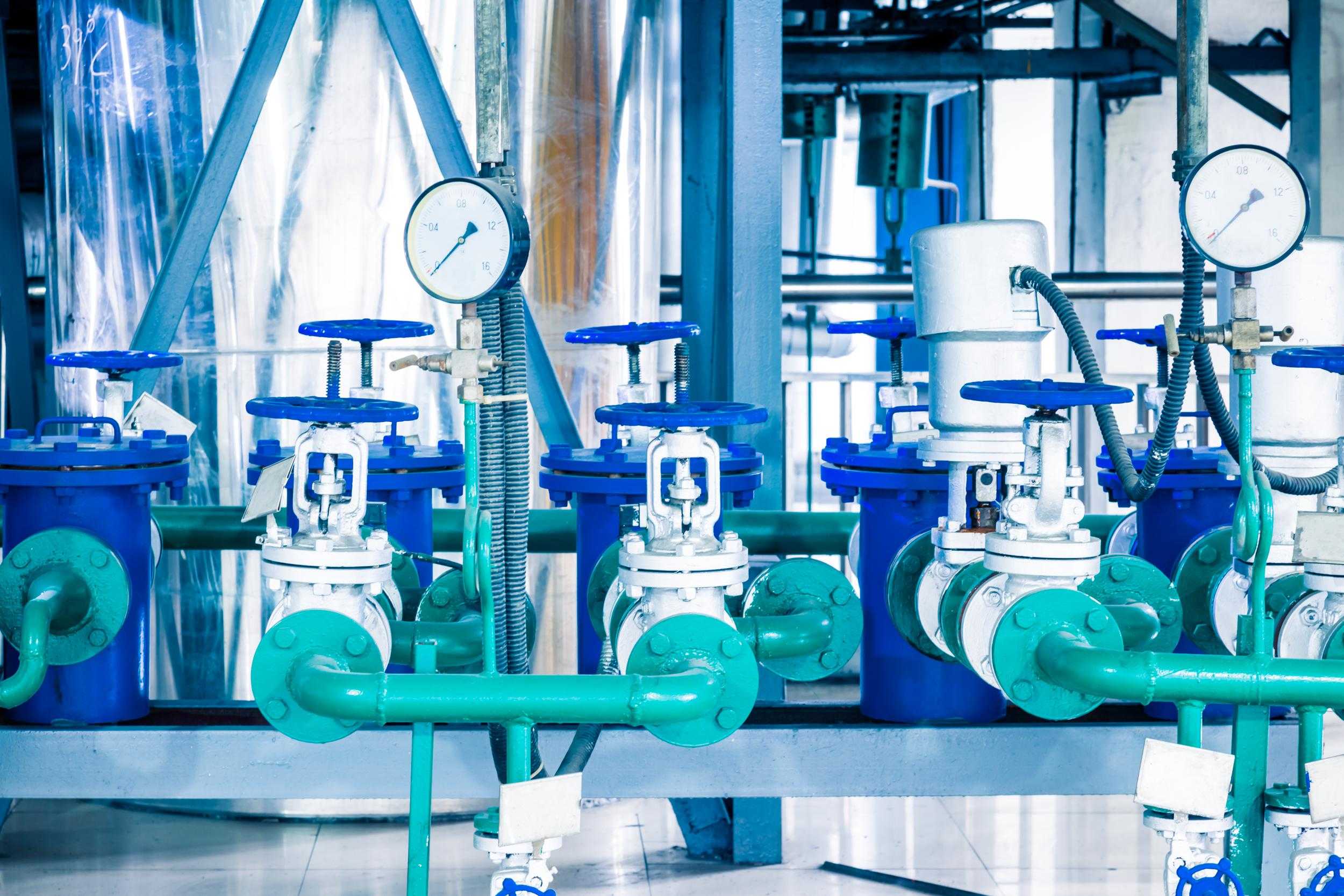
Pure Water System Design (PW, WFI, PS): A Comprehensive Guide Pure water systems are designed to provide high-purity water for industrial and pharmaceutical applications. These systems produce water types such as Purified Water (PW), Water for Injection (WFI), and Pure Steam (PS), each of which must meet specific purity and reliability standards. This guide provides an in-depth look at the design, maintenance, and management of PW, WFI, and PS systems. Importance of Pure Water Systems Pure water systems play a crucial role in industries where water purity is paramount, including pharmaceuticals and biotechnology. They ensure the quality and safety of the water used in various processes and product formulations. High Quality and Safety Pure water is used in numerous manufacturing processes and product formulations. Using high-purity water reduces the risk of contamination and enhances overall product quality. In pharmaceuticals, where impurities can pose serious health risks, water quality is of utmost importance. Compliance with Regulations PW, WFI, and PS systems must comply with standards set by regulatory bodies such as the FDA and other international organizations. Adhering to these standards ensures product safety and legal compliance. Purified Water (PW) Systems PW systems provide high-purity water for industrial and some pharmaceutical applications. They are used in various processes, product formulations, and cleaning applications. Design Criteria Designing PW systems involves several key criteria: Water Source: The performance of PW systems depends on the quality of the source water. Proper analysis of the source water ensures that contaminants and impurities are managed effectively. Filtration: High-efficiency filtration systems, such as carbon filters and reverse osmosis units, are used to remove physical and chemical contaminants from the water. Temperature and Pressure Control: Maintaining appropriate temperature and pressure levels is crucial for preserving water quality and ensuring system efficiency. Maintenance and Operation Regular maintenance of PW systems is essential for their longevity and optimal performance. Maintenance activities include: Filter Replacement: Regular replacement of filters improves system performance and maintains water quality. System Monitoring: Routine checks of system components help detect potential issues early. Water Quality Monitoring: Continuous monitoring of water purity is necessary to ensure system effectiveness. Water for Injection (WFI) Systems WFI systems provide the highest purity water used for pharmaceutical products and injection solutions. This type of water is used for direct injection into the body and requires stringent purity and microbiological safety standards. Design Criteria Designing WFI systems involves meeting the highest purity standards: High Purity: The water used in WFI production must meet stringent purity standards, achieved through advanced filtration and sterilization methods. Sterilization: WFI systems must employ steam sterilization or other appropriate methods to ensure microbiological safety and prevent contamination. System Design: The design must eliminate sources of contamination, ensuring that every component is carefully designed and placed. Quality Control and Maintenance WFI systems require regular quality controls and maintenance. Key activities include: Microbiological Testing: Regular testing ensures that the water remains free from microbial contamination. Cleaning Procedures: Systems must be cleaned regularly to maintain performance and water quality. Performance Monitoring: Continuous monitoring of system performance helps identify and address issues before they impact operations. Pure Steam (PS) Systems PS systems produce high-purity steam used in various industrial processes. The design of PS systems is crucial for ensuring steam purity and efficiency. Design Criteria Key aspects of designing PS systems include: Steam Generator: The efficiency and reliability of steam generators are crucial for producing high-quality steam. Piping and Distribution: Proper piping and distribution systems ensure even distribution of steam, enhancing system efficiency. Control Systems: Temperature and pressure control systems are essential for maintaining steam quality and system performance. Operation and Maintenance Regular maintenance of PS systems ensures performance and reliability: Steam Generator Maintenance: Regular checks and cleaning of steam generators are necessary for optimal operation. Distribution System Maintenance: Maintaining the steam distribution system ensures even steam distribution and improves system efficiency. Cleaning: Regular cleaning of PS systems prevents contaminants and buildup, maintaining performance. Design and Integration Designing and integrating pure water systems involves ensuring that all system components work together harmoniously. A well-designed system improves performance and reduces maintenance requirements. System Components Pure water systems include various components: Filtration Units: Remove physical and chemical contaminants from the water. Pumps and Valves: Control water flow and ensure efficient system operation. Control Systems: Monitor and control key parameters such as temperature and pressure. Integration and Compatibility Integrating different pure water systems ensures they operate seamlessly together. During the design phase, it's important to ensure that system components are compatible and function efficiently, improving overall system performance and reducing maintenance needs. Maintenance and Operation Procedures Maintenance and operation procedures are essential for ensuring the efficiency and reliability of pure water systems. Proper procedures help maintain system performance and prevent issues. Maintenance Programs Developing and following regular maintenance programs is essential. These programs include: Filter Maintenance: Regular replacement and cleaning of filters. System Checks: Routine inspections of system components. Water Quality Monitoring: Ongoing assessment of water quality and implementation of corrective actions as needed. Training and Documentation Training personnel on maintenance procedures and documenting all activities is crucial. Proper training and documentation enhance the effectiveness of maintenance processes and ensure regulatory compliance. Training programs may include: Maintenance Techniques: Instructions on performing maintenance and cleaning procedures. User Manuals: Guides for operating and maintaining system components. Common Issues Encountered Common issues in pure water systems often stem from maintenance and operational practices. Understanding and addressing these issues can improve system efficiency. Contamination and Scaling Contamination and scaling can affect system performance. Contamination can lead to blockage of system components and reduced water quality, while scaling can result from mineral deposits. Regular cleaning and monitoring are necessary to prevent these issues. Microbiological Contamination Microbiological contamination can be a serious issue, particularly in pharmaceutical applications. Contaminants can compromise water quality and product safety. Proper sterilization and cleaning procedures are essential to prevent contamination.
See More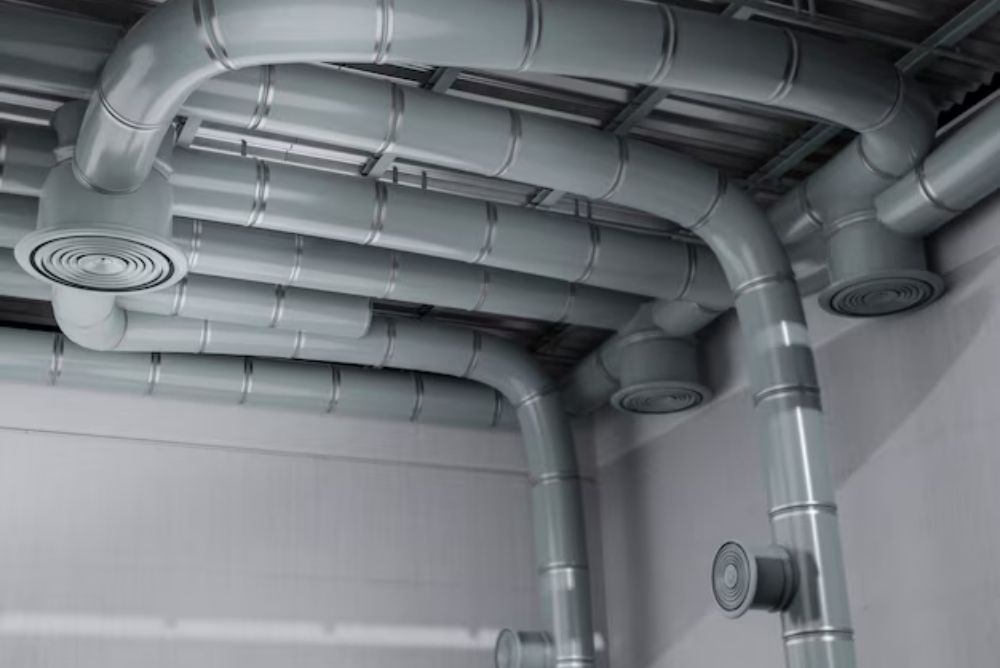
Pure Steam System Maintenance: A Comprehensive Guide Pure steam systems are crucial components in industries such as pharmaceuticals and biotechnology, where high levels of purity are required. These systems ensure that steam is produced at a high purity level, free from contaminants, thereby maintaining the safety and efficacy of production processes. Proper maintenance of pure steam systems is essential to ensure system performance and reliability. This guide will explore the importance of pure steam system maintenance, key components, maintenance procedures, and other critical factors. Introduction to Pure Steam Systems Pure steam systems are designed to deliver steam with high purity standards, essential for critical processes like sterilization and high-precision manufacturing. These systems ensure that the steam used is free from microorganisms, chemical contaminants, and other impurities. The design, installation, and maintenance of pure steam systems must meet stringent standards to ensure operational effectiveness. Importance of Pure Steam Systems Pure steam systems are integral to various critical applications in the pharmaceutical and biotechnology sectors. Their significance includes: Sterilization: Pure steam is used for sterilizing equipment and materials, ensuring microbiological safety and preventing contamination. Manufacturing Processes: High-purity steam is required for manufacturing processes where purity impacts the quality and safety of the final product. Equipment Protection: Pure steam can also protect equipment by reducing the risk of corrosion and scaling, extending equipment life, and minimizing maintenance costs. Importance of Regular Maintenance Regular maintenance of pure steam systems is vital to ensure the system’s efficiency and reliability. Neglecting maintenance can lead to system failures, performance degradation, and disruptions in production processes. The key objectives of regular maintenance include: Preventing Failures: Regular maintenance helps identify and address potential issues before they lead to system failures, reducing unplanned downtime and repair costs. Enhancing Performance: Maintenance ensures that the system operates at peak performance, contributing to efficient and uninterrupted production processes. Extending Lifespan: Regular upkeep prolongs the lifespan of system components and ensures long-term reliability, providing a better return on investment and lowering overall costs. Ensuring Safety: Proper maintenance ensures safe operation, protecting both personnel and equipment while minimizing contamination risks and adhering to health and safety standards. Key Components of Pure Steam Systems Pure steam systems consist of several critical components, each of which must function correctly to ensure overall system performance. Key components include: Feedwater Treatment Units Feedwater treatment units purify the water used in steam generation. These units typically include filters, water softeners, and chemical dosing systems. Regular maintenance of these units ensures that the water meets purity standards, affecting overall system performance and product quality. Steam Generators Steam generators convert purified water into steam. Maintenance of steam generators involves checking for scaling, inspecting heating elements, and ensuring accurate pressure and temperature controls. Efficient operation of steam generators directly impacts the system’s performance and steam purity. Piping and Distribution Systems Piping and distribution systems transport steam to various points of use. Regular inspection of pipes, valves, and fittings is essential to detect leaks and ensure efficient steam distribution. Any issues in the piping system can affect production processes. Condensate Recovery Systems Condensate recovery systems reclaim and reuse condensate to improve efficiency. Maintenance involves checking pumps, steam traps, and recovery tanks for proper operation. Effective condensate recovery reduces energy costs and enhances system efficiency. Routine Maintenance Procedures To maintain the efficiency of pure steam systems, routine maintenance procedures should be followed: Daily Checks Daily checks involve monitoring key parameters such as pressure, temperature, and flow rates. Regular observation helps detect immediate issues and ensures the system operates smoothly. Weekly Inspections Weekly inspections include checking filters, gauges, and valves for signs of wear or damage. Leaks and performance issues are addressed during these inspections. Weekly maintenance ensures ongoing system reliability and efficiency. Monthly Maintenance Monthly maintenance encompasses a thorough examination of all system components, including steam generators and condensate recovery units. Calibration of sensors and control systems is also performed. This maintenance level helps identify potential issues and maintain optimal performance. Annual Overhaul Annual maintenance involves a comprehensive review and overhaul of the system. This includes detailed cleaning, replacement of worn parts, and performance evaluation. Annual maintenance is crucial for long-term reliability and efficiency. Cleaning and Sanitization Proper cleaning and sanitization of pure steam systems are essential for maintaining system performance and microbiological safety: Cleaning Protocols Cleaning protocols involve thorough cleaning of all system components, including pipes, filters, and other critical parts. Regular cleaning removes contaminants and deposits, ensuring the system operates efficiently and meets purity standards. Sanitization Procedures Sanitization involves using chemical and physical methods to eliminate microorganisms. Sanitization procedures are critical for maintaining microbiological safety and reducing contamination risks. Effective sanitization supports system reliability and compliance with industry standards. Component Inspections Regular inspections of system components are crucial for early detection of potential issues: Filters and Valves Filters and valves are inspected for clogs or wear. Parts that need replacement are identified and addressed. Proper functioning of filters and valves is essential for system efficiency and reliability. Steam Generators Steam generator components such as heating elements, pressure, and temperature sensors are inspected regularly. Scaling and residue buildup are cleaned to maintain optimal performance. Proper maintenance of steam generators affects steam quality and system efficiency. Condensate Recovery Units Condensate recovery pumps, steam traps, and recovery tanks are inspected for leaks and performance issues. Effective operation of these components is vital for energy savings and system efficiency. Preventing Failures Preventing system failures involves proactive measures and regular maintenance: Periodic Reviews Periodic reviews of system components help identify potential issues early. Regular assessments ensure the system remains in good condition and operates efficiently. Preventive Maintenance Preventive maintenance includes scheduled component replacements and regular cleaning. This approach helps prevent failures and maintains system performance. Training and Awareness Training for maintenance personnel is crucial for effective system upkeep. Personnel should be knowledgeable about maintenance procedures and emergency response. Proper training ensures that maintenance tasks are performed correctly and efficiently. Documentation and Record-Keeping Maintaining detailed documentation and records is important for tracking maintenance activities and system performance: Maintenance Records Records of maintenance activities and part replacements are kept for future reference. This documentation helps track the system’s condition and plan future maintenance tasks. Performance Reports Performance reports are prepared and reviewed regularly. These reports assess system efficiency and effectiveness, providing insights for improvements. Emergency Records Records of emergency situations and responses are maintained. This documentation helps evaluate emergency management practices and prepare for future incidents. Conclusion Maintaining pure steam systems is essential for ensuring system performance and reliability. Regular maintenance, cleaning, component inspections, and staff training are critical for keeping the system in optimal condition. By following these practices, you can ensure uninterrupted production processes, high product quality, and long-term system efficiency. Proper maintenance not only extends the lifespan of the system but also helps reduce costs and enhance safety.
See More
Pure Steam System Maintenance: A Comprehensive Guide Maintaining Pure Steam (PS) systems is essential for industries that require ultra-pure steam for their processes, particularly in pharmaceuticals, biotechnology, and similar fields. Proper maintenance ensures that these systems operate efficiently, comply with regulatory standards, and deliver high-quality steam. This guide provides an in-depth look at the importance of PS system maintenance, key components, maintenance procedures, best practices, and common issues. Importance of Pure Steam System Maintenance Maintaining PS systems is crucial for several reasons: Ensuring Steam Purity The primary goal of PS systems is to produce steam that meets strict purity standards. Regular maintenance helps remove contaminants, prevent scale buildup, and ensure the steam remains compliant with industry standards. This is essential for applications where steam quality directly impacts product safety and effectiveness. Preventing System Failures Scale and microbial contamination can lead to system failures and reduced efficiency. Regular maintenance helps prevent these issues by addressing potential problems before they escalate. This not only enhances system reliability but also extends the lifespan of components. Compliance with Regulatory Standards Regulatory bodies like the FDA and EMA require strict adherence to maintenance protocols for PS systems. Regular maintenance and thorough documentation ensure compliance with these regulations, minimizing the risk of audits or penalties and ensuring that the steam produced meets safety and quality standards. Maintaining System Efficiency A well-maintained PS system operates more efficiently, reducing energy consumption and maintenance costs. Regular checks and cleaning help maintain optimal pressure, flow rates, and overall system performance, which contributes to lower operational costs and improved productivity. Key Components of Pure Steam Systems Understanding the main components of PS systems is vital for effective maintenance: Steam Generators Steam generators are responsible for producing pure steam from water. Regular inspection and cleaning of these units are crucial to prevent scale buildup and ensure efficient operation. Proper maintenance helps avoid issues such as reduced steam output or system overheating. Distribution Piping Distribution piping carries steam from the generator to various points of use. Maintenance of piping involves checking for leaks, corrosion, and blockages. Regular cleaning and inspection help ensure that the steam remains uncontaminated and the system operates smoothly. Valves and Pumps Valves and pumps control the flow and pressure of steam within the system. Routine maintenance includes checking for leaks, proper operation, and any signs of wear or damage. Ensuring these components are in good condition prevents system malfunctions and maintains consistent steam flow. Filtration Units Filtration units remove impurities from the water before it is converted into steam. Regular maintenance involves checking and replacing filters to ensure they function correctly and do not compromise steam purity. Pure Steam System Maintenance Procedures Effective maintenance procedures ensure the system operates optimally and remains compliant with standards: Pre-Maintenance Inspection Before starting maintenance, conduct a thorough inspection of the system. Look for signs of scale buildup, leaks, or other issues. This initial assessment helps identify areas requiring special attention during maintenance and ensures a comprehensive approach. Cleaning Agents Choosing the right cleaning agents is critical for effective maintenance. Common cleaning agents include acidic and alkaline solutions designed to remove scale and contaminants. The selection of cleaning agents depends on the type of deposits and the materials used in the system. Maintenance Process The maintenance process generally includes the following steps: Preparation: Isolate the system and drain any remaining steam or water. Prepare the cleaning solution according to the manufacturer's instructions. Application: Circulate the cleaning solution through the system, ensuring it reaches all components, including generators, piping, and filtration units. Contact Time: Allow the cleaning solution to remain in contact with surfaces for the recommended duration. This ensures effective removal of deposits and contaminants. Rinsing: Thoroughly rinse the system with clean water to remove any residues from the cleaning agents. Proper rinsing is crucial to maintain steam purity. Verification: Perform tests to verify that the system is free of contaminants and residues. This ensures the steam produced meets the required purity standards. Post-Maintenance Inspection After maintenance, conduct a thorough inspection to ensure the system is free from contaminants and any damage that may have occurred during the process. Address any issues identified during the inspection before returning the system to service. Best Practices for Pure Steam System Maintenance Following best practices ensures effective maintenance and optimal system performance: Developing a Maintenance Schedule Create a regular maintenance schedule based on system usage, water quality, and regulatory requirements. A well-defined schedule ensures consistent maintenance and helps prevent unexpected issues. Training Personnel Ensure that personnel responsible for maintenance are adequately trained. Training should cover maintenance procedures, the use of cleaning agents, and safety protocols. Well-trained staff are better equipped to perform maintenance tasks effectively and safely. Documenting Maintenance Activities Maintain detailed records of all maintenance activities. Documentation should include cleaning agents used, contact times, and post-maintenance inspection results. These records are essential for regulatory compliance and future reference. Monitoring and Verification Implement monitoring and verification procedures to assess the effectiveness of maintenance activities. Regular testing of steam quality and system performance helps identify issues early and ensures that maintenance procedures are achieving the desired results. Using Appropriate Equipment Ensure that maintenance equipment and cleaning agents are compatible with the PS system components. Using appropriate tools and materials helps avoid damage and ensures effective cleaning. Common Issues and Solutions Addressing common issues helps maintain system efficiency and reliability: Scale Buildup and Deposits High mineral content in feed water can lead to scale buildup. Use appropriate cleaning agents to remove scale and consider additional water treatment methods to reduce mineral content. Microbial Contamination Microbial contamination can result from inadequate cleaning or system design flaws. Use antimicrobial cleaning agents and ensure the system design allows for effective cleaning and sterilization. Residual Cleaning Agents Residual cleaning agents can affect steam purity. Ensure thorough rinsing and perform verification tests to confirm that no cleaning residues remain in the system. Equipment Wear and Tear Regularly inspect and maintain equipment to prevent wear and tear. Replace worn or damaged components to ensure the system continues to operate effectively. Conclusion Maintaining Pure Steam systems is crucial for ensuring steam purity, system efficiency, and regulatory compliance. By following effective maintenance procedures, implementing best practices, and addressing common issues, you can ensure your PS system operates at peak performance and meets the highest standards. Regular maintenance not only extends the lifespan of the system but also contributes to overall operational success and product safety.
See More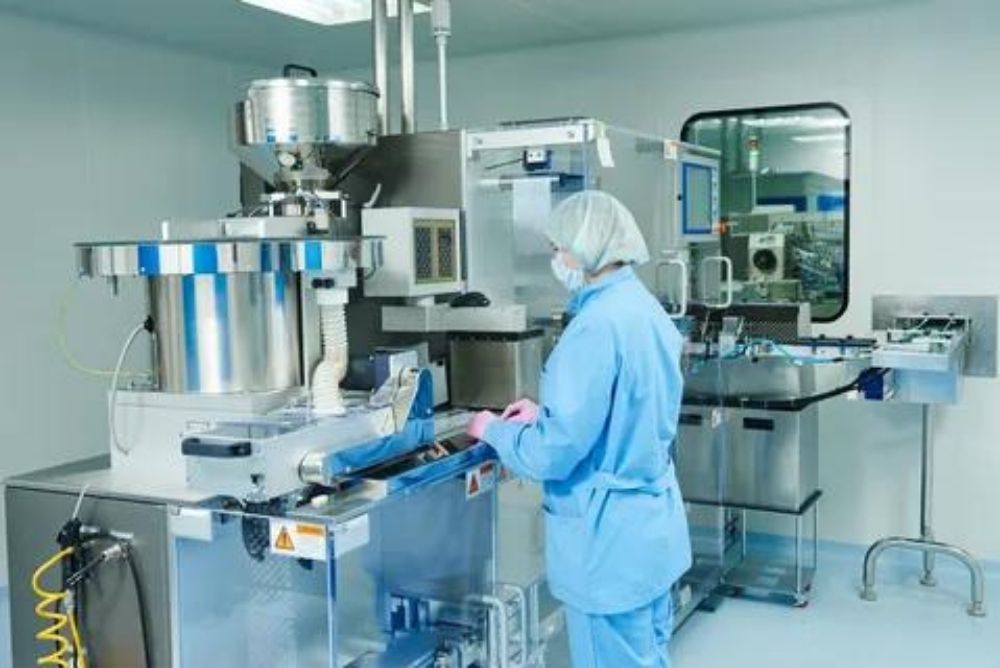
Introduction to PS Systems Pure Steam (PS) systems are crucial in various industrial applications, especially in the pharmaceutical and biotechnology sectors. These systems ensure that the water used in production processes meets high purity standards. PS systems provide high-quality pure steam by removing contaminants and impurities from water. This pure steam is essential for producing medicines, vaccines, and other critical products, making purity a top priority. Components of PS Systems The typical components of a PS system are designed to effectively purify and distribute water. These components include: Pre-Treatment Units: Responsible for the initial filtration and conditioning of incoming water, these units usually include sediment filters, activated carbon filters, and water softeners. They remove particles, chlorine, and hardness. Primary Purification Units: These units include advanced technologies such as reverse osmosis (RO) and deionization (DI). RO systems use semi-permeable membranes to remove dissolved solids and contaminants, while DI units eliminate ionic contaminants through ion exchange processes. Secondary Purification Units: Involve processes such as UV sterilization and ultrafiltration. UV systems use ultraviolet light to disinfect microorganisms, while ultrafiltration removes smaller particles and microorganisms. Storage Tanks: Purified water is stored in stainless steel tanks equipped with features like continuous circulation and temperature control to maintain water quality. Distribution System: Consists of pumps, pipes, and valves that transport purified water to various usage points within the facility. The design of this system is crucial to prevent contamination and maintain water purity. Considerations in PS System Design Designing a PS system involves careful consideration of several factors to ensure its efficiency and effectiveness: Water Quality Requirements: The system must be designed to meet the specific purity requirements of the application. This includes selecting appropriate purification technologies and establishing effective pre- and post-treatment processes. System Capacity: The capacity of the PS system should match the water demand of the facility. This requires designing the system to handle peak usage times and fluctuations in water demand. Regulatory Compliance: The system must adhere to industry standards and regulations, such as those set by the FDA or EMA. Compliance ensures that the system meets Good Manufacturing Practices (GMP) and other relevant guidelines. Maintenance and Cleaning: The design should facilitate easy maintenance and cleaning of system components. This includes incorporating features like Clean-In-Place (CIP) systems and ensuring accessibility for inspection and service. Energy Efficiency: Energy consumption is a significant consideration in PS system design. The system should be designed to minimize energy use while maintaining optimal performance. This includes selecting energy-efficient components and optimizing operational settings. Purification Technologies in PS Systems To ensure high water quality, various purification technologies are used in PS systems: Reverse Osmosis (RO): RO is a fundamental technology that effectively removes dissolved solids, salts, and other contaminants from water using a semi-permeable membrane. Deionization (DI): DI removes ionic contaminants from water through ion exchange resins. This process eliminates dissolved salts and minerals. Ultraviolet (UV) Sterilization: UV sterilization uses ultraviolet light to inactivate microorganisms, ensuring microbiological safety of the water. Ultrafiltration (UF): UF removes larger particles and microorganisms using membranes with specific pore sizes. This technology provides an additional layer of filtration. Electrodeionization (EDI): EDI combines ion exchange and electrochemical processes to produce ultra-pure water. It is often used in conjunction with RO systems to achieve high purity levels. Installation of PS Systems Proper installation of a PS system is crucial for performance and longevity. Key considerations during installation include: Site Preparation: The installation site must be prepared to accommodate the system’s components. This includes allocating space for pre-treatment units, purification units, storage tanks, and distribution systems. System Assembly: Components should be assembled according to the manufacturer’s specifications. Ensuring secure connections and correct configuration is vital for system performance. System Testing: Before operation, the system should undergo comprehensive testing to verify that all components function correctly and that performance standards are met. Training: Personnel should be trained in the operation and maintenance of the PS system. This ensures effective use of the system and prompt resolution of any issues. Maintenance and Operation of PS Systems Effective maintenance and operation are essential for the optimal performance of PS systems. Key aspects include: Regular Monitoring: The system should be continuously monitored to ensure it operates within specified parameters. This includes monitoring water quality, system pressures, and flow rates. Routine Maintenance: Regular maintenance tasks include cleaning filters, checking for leaks, and calibrating sensors. Preventive maintenance helps avoid unexpected failures and extends system life. Troubleshooting: Operators should be able to identify and resolve common issues, such as drops in flow rates or deviations in water quality. Timely intervention helps prevent more serious problems. Documentation: Accurate records of maintenance activities, system performance, and water quality are essential for regulatory compliance and quality assurance. Regulatory and Quality Standards for PS Systems Compliance with regulatory and quality standards ensures that PS systems meet safety and purity requirements. Relevant standards include: Good Manufacturing Practices (GMP): GMP guidelines provide a framework for the consistent operation and quality of PS systems. They cover system design, operation, and maintenance requirements. FDA Regulations: The U.S. Food and Drug Administration (FDA) sets standards for the purity of water used in pharmaceutical manufacturing. Compliance ensures the water meets safety and quality criteria. EMA Guidelines: The European Medicines Agency (EMA) provides similar guidelines for pure steam production in Europe. Adhering to EMA standards ensures international compliance. Future Trends in PS System Design Advancements in technology are shaping the future of PS system design. Notable trends include: Integration of Smart Technologies: The incorporation of Internet of Things (IoT) sensors and data analytics enhances monitoring and control of PS systems. These technologies provide real-time data and insights. Sustainability: There is a growing emphasis on sustainability in PS system design. This includes using energy-efficient components, recycling water, and minimizing environmental impact. Modular Design: Modular design approaches offer scalable and flexible PS systems that can easily adapt to changing needs. Advanced Automation: Automation is increasingly being applied to streamline operations, reduce manual intervention, and improve overall system efficiency.
See More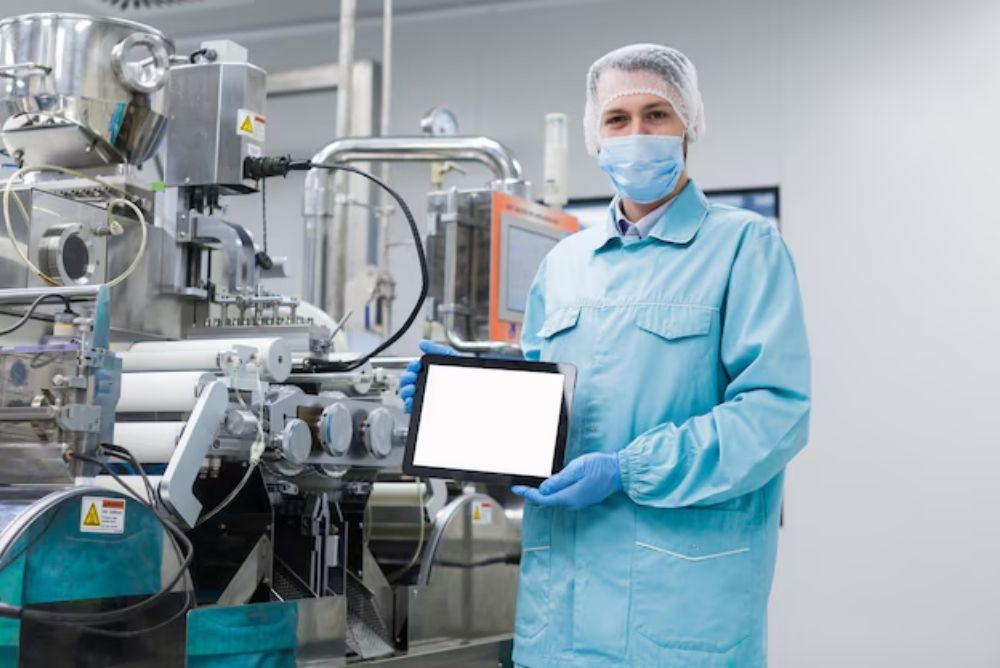
What is WFI? Water for Injection (WFI) is the highest purity water used in the pharmaceutical and biotechnology industries. WFI is crucial for preparing solutions that are directly injected into the human body, requiring the highest standards of chemical and microbiological purity. WFI water is used not only in pharmaceutical formulations but also in injectable drugs, where its high purity is paramount. Achieved through purification techniques such as distillation and reverse osmosis, WFI water must be produced in a highly controlled and sterile environment to minimize microbial contamination risks and safeguard human health. The most notable characteristics of WFI include its absence of ions, heavy metals, bacteria, or other organic matter. This stringent purity is why WFI is commonly used in the production of parenteral medications, sterile solutions, and biotechnological products. Regulatory authorities worldwide, such as the U.S. Food and Drug Administration (FDA), enforce strict guidelines for the production and use of WFI to ensure safety and efficacy. Applications of WFI WFI is integral to several critical applications in the pharmaceutical and biotechnology industries. Its most common use is in sterile injectable solutions and intravenous fluids. The use of WFI in these applications is crucial due to the high purity required, as non-pure water could pose significant health risks when injected directly into the human body. Solutions and drugs prepared with WFI are manufactured with meticulous care to ensure patient safety. Additionally, WFI is employed in pharmaceutical manufacturing facilities for cleaning and sterilizing equipment. Ensuring that tools and machines used in production are free from microbial or chemical contamination is vital, and WFI is used for this purpose. This application helps reduce the risk of contamination in drug products and enhances product quality. Furthermore, WFI is used in the production of biotechnological products, particularly in preparing cell culture media, which are essential for developing and manufacturing biological products. WFI Production Process The production of WFI involves multiple stages of water purification. The primary methods used are distillation and reverse osmosis. Distillation involves boiling the water to create steam, which is then condensed back into liquid form. This process effectively removes all solid impurities and microorganisms from the water. Reverse osmosis, on the other hand, filters dissolved solids by passing water through a semi-permeable membrane. These methods can be used together to ensure the highest level of water purity. A critical stage in WFI production is the storage and distribution of the purified water. To prevent contamination, WFI is typically stored in stainless steel tanks and distributed through sterile piping systems. Continuous circulation of the water helps prevent microbial growth. Additionally, the storage systems and distribution networks are regularly sterilized using hot water or steam to maintain the water’s purity. Compliance with FDA and GMP Standards The production of WFI is subject to strict regulations by global authorities such as the FDA and Good Manufacturing Practices (GMP). The FDA has established procedures to ensure the chemical purity and microbiological safety of WFI during production. All equipment, systems, and processes involved in WFI production must be regularly inspected and adhere to hygiene standards. GMP standards dictate the overall hygiene, production, and quality control processes in pharmaceutical manufacturing facilities. Compliance with GMP ensures that all stages of production are documented, and the quality of WFI is continuously monitored. These standards are crucial for ensuring product reliability and minimizing risks associated with contamination. Methods Used in WFI Production Several methods are employed in the production of WFI, including distillation, reverse osmosis, ultraviolet (UV) sterilization, and microfiltration. Distillation is considered one of the most effective methods for removing impurities. It involves boiling the water and then condensing the steam, which eliminates microorganisms, ions, and other contaminants. Reverse osmosis is a membrane technology used to filter out dissolved solids. Water is forced through a semi-permeable membrane, removing contaminants. UV sterilization uses ultraviolet light to eliminate microorganisms by damaging their DNA and preventing replication. Microfiltration is another method that physically filters water to remove larger particles and microorganisms. Combining these methods ensures the water achieves the highest level of purity required for WFI. Key Considerations in WFI Production Maintaining the purity of WFI during production is crucial. All equipment, tanks, and piping systems must be regularly cleaned and sterilized to prevent contamination. Stagnant water in pipes can lead to microbial growth, so continuous circulation is necessary to minimize this risk. Monitoring systems should be in place to track critical parameters such as pH levels, temperature, and conductivity. This constant monitoring ensures any deviations or contamination issues are promptly addressed. Failure to maintain purity standards can halt production and lead to significant economic losses. Therefore, regular maintenance and quality control processes are essential to ensure the reliability and safety of the WFI production system. Storage and Distribution of WFI The storage and distribution of WFI are as critical as its production. To maintain its purity, WFI is stored in stainless steel tanks and distributed through sterile pipes. The tanks are sterilized with hot steam to prevent microbial contamination. Continuous circulation of the water within these tanks helps prevent stagnation and microbial growth. Distribution systems also require strict hygiene practices. Stainless steel pipes and tanks must be regularly cleaned and sterilized. The continuous movement of WFI through the distribution system helps maintain its purity and prevent contamination. Role of Automation in WFI Systems The role of automation in modern WFI production systems is increasingly important. Automated control systems monitor critical parameters such as pH, temperature, and conductivity, ensuring the system operates within required specifications. Automation reduces human error and helps maintain consistent water quality. Automated systems also provide real-time data and alerts for any deviations, enabling immediate corrective actions. Automation improves production efficiency and safety by minimizing manual interventions and optimizing the overall process. It ensures that WFI production remains reliable and compliant with stringent quality standards.
See More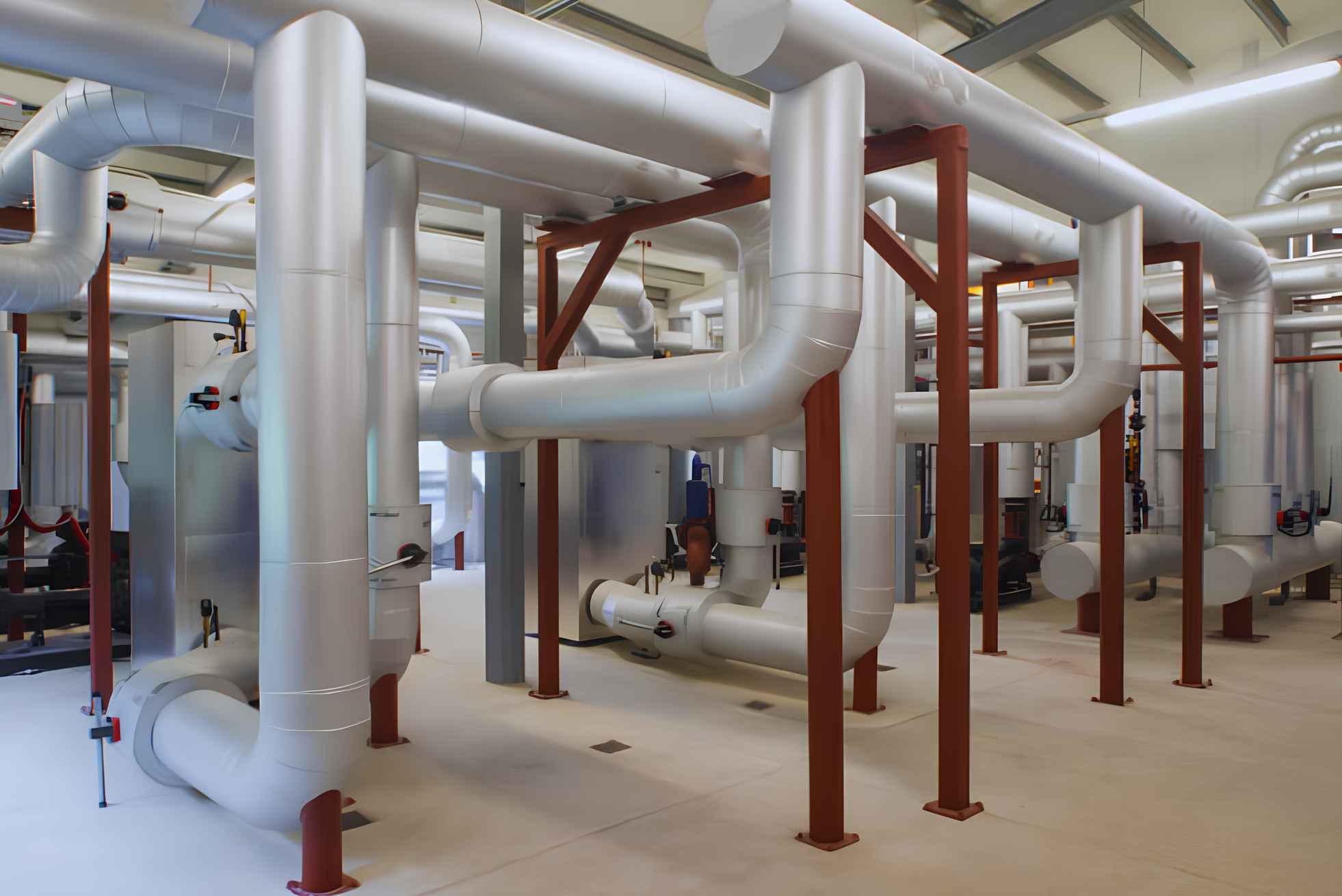
Contents What are PW Systems? How Do PW Systems Work? What are the advantages of PW Systems? In Which Areas Are PW Systems Used? What is the Difference of PW Systems from Different Water Purification Systems? How to Install and Maintain PW Systems? What Standards Are Required for PW Systems? What are the Cost and Economic Advantages of PW Systems? How Do PW Systems Play a Role in Exports? Why Does Installation of PW Systems Require a Professional Team? What are the Environmental Impacts of PW Systems? How Will PW Systems Develop in the Future? What are PW Systems? PW (Pure Water) systems are high-tech purification systems used to obtain pure water. These systems are widely used in industries that require high purity water, such as medical, pharmaceutical, electronics and biotechnology. Pure water production is of critical importance in these areas as it directly affects the quality of products. PW systems obtain extremely pure water by purifying the water from ions, organic matter, bacteria and other pollutants. The process is usually achieved through various technologies such as membrane filtration, ion exchange and ultrafiltration. In this way, the high purity standard required in industrial production processes is achieved. How Do PW Systems Work? The working principle of PW systems is that water passes through various stages of filtering and purification. While the water is purified from large particles in the first step, ion exchange and membrane filtration come into play in the following stages. During the ion exchange process, minerals and ions in the water are separated while membranes filter smaller pollutants. In this way, all undesirable substances in the water are cleaned and high purity is achieved. PW systems are also equipped with advanced sensors; These sensors constantly check the quality of the water and intervene when necessary. Pure water is always produced in accordance with certain standards. What are the advantages of PW Systems? One of the biggest advantages of PW systems is that they can ensure the purity of water at a high level. These systems ensure efficiency and safety, especially in sensitive products, by improving the quality of water used in production processes. In addition, these systems feature environmentally friendly technologies and keep the use of chemicals to a minimum. Another advantage is that they save energy and make significant contributions to sustainability. PW systems offer economical solutions for businesses with low maintenance costs in the long term. It stands out as a reliable choice, especially in sectors with strict water quality requirements. In Which Areas Are PW Systems Used? PW systems are used in many different sectors, especially the pharmaceutical industry, electronics, biotechnology, food, chemistry and medical device production. In the pharmaceutical industry, it is mandatory that the water used in production processes be of high purity. In the electronics industry, the use of pure water is an important requirement in the production of sensitive components. Similarly, in biotechnology and medical device production, PW systems are indispensable to ensure product quality and safety. In food production, the purity of water plays a major role in terms of food safety and hygiene. These uses in different sectors show how wide a range of services PW systems provide. What is the Difference of PW Systems from Different Water Purification Systems? The difference of PW systems from other water purification technologies is the purity level of the water. While other purification systems generally bring water to a certain level of cleanliness, PW systems produce pure water by almost completely purifying the water from ions, minerals, microorganisms and other contaminants. The purification process is especially necessary for water to be used in sensitive production processes. While other systems use chemicals, PW systems generally provide a natural treatment using more environmentally friendly technologies. PW systems are preferred especially in areas where purity is critical. How to Install and Maintain PW Systems? The installation of PW systems should be done by a professional team and each stage of the system should be ensured to function correctly. During installation, water entry and exit points are carefully determined and treatment units are positioned in the right places. Regular maintenance of the system after installation is of great importance. Since PW systems have sensitive technology, they should be checked periodically and filters should be replaced when necessary. These maintenance operations extend the life of the system and help it always provide the highest performance. During the maintenance process, the purity of the water should be tested regularly and all functions of the system should be inspected. What Standards Are Required for PW Systems? PW systems must comply with certain standards depending on the sectors in which they will be used. There are strict regulations especially for PW systems used in the pharmaceutical, food and biotechnology sectors. These systems must meet certain standards in parameters such as water purity, bacterial levels and ion concentration. Internationally accepted standards guarantee the reliability and effectiveness of these systems. PW systems, especially used in pharmaceutical and medical device production, must operate in accordance with quality standards such as GMP (Good Manufacturing Practices). What are the Cost and Economic Advantages of PW Systems? Although PW systems seem to have a high initial investment cost, the economic advantages that these systems provide to businesses in the long term are quite large. In the first stage, the installation of treatment units, the supply of equipment and the assembly processes require a certain cost. However, these costs pay off in the long run with increased efficiency in water treatment processes. PW systems significantly reduce the energy and chemical costs of businesses thanks to their low energy consumption and minimum use of chemicals. The maintenance and operating costs of these systems are also much lower than traditional systems. Another important economic advantage is the increase in quality that the use of high purity water brings to the production processes. Especially in sectors such as pharmaceuticals, food and biotechnology, the quality of the water used directly affects the final quality of the products. With the use of pure water, there is a significant decrease in the number of faulty productions and recalled products. This both reduces costs and helps the business maintain its brand value. Companies that use water at high standards gain a more competitive position in global markets, which indirectly increases their export revenues. Considering all these factors, it can be said that the investment in PW systems is quite profitable in the long run. How Do PW Systems Play a Role in Exports? PW systems are of great importance in terms of export, with the increasing demand for quality water purification systems around the world. These systems, which are used especially in industries requiring high purity, stand out with their technological innovations and reliability. For industrially developing countries such as Türkiye, PW systems have the potential to be a competitive product in global markets. SS Proje produces quality PW systems and exports them abroad, thus contributing to the country's economy. Compliance with regulations and quality standards in export countries plays a key role in the success of PW systems abroad. Especially in developed markets such as Europe and North America, very strict controls and standards are applied to water purification systems. The fact that PW systems can meet these standards shows that they are superior in terms of both quality and technology. The environmental friendliness and energy efficiency of PW systems make these systems a preferred option in exports. Companies that prioritize innovation and quality in the export process gain an important place in the global market and contribute greatly to the country's economy. Why Does Installation of PW Systems Require a Professional Team? Since PW systems have an extremely sensitive and complex structure, the installation process requires expertise. In order for the systems to be installed correctly, operate efficiently and have a long life, it must be done by a professional team. An incorrect installation can adversely affect the purity of the water and cause malfunctions in the system. Therefore, during the installation of PW systems, correct engineering solutions should be applied, necessary tests should be performed and the system should be fully commissioned. What are the Environmental Impacts of PW Systems? PW systems provide water purification using environmentally friendly technologies. While the chemicals used in traditional treatment methods can harm the environment, PW systems minimize the use of these harmful substances. At the same time, these systems contribute to the protection of environmental resources because they save water. PW systems, which are highly energy efficient, offer an environmentally friendly solution by reducing the carbon footprint. How Will PW Systems Develop in the Future? As technology develops, PW systems are expected to become more efficient, lower cost and more environmentally friendly. With new materials and more advanced filtration techniques, the water purification capacities of the systems will increase and energy consumption will decrease. These systems, which will become more automated, especially with digital control systems, will be both user-friendly and will further reduce maintenance costs. It is quite possible that PW systems will become a standard solution in industrial water treatment in the future.
See More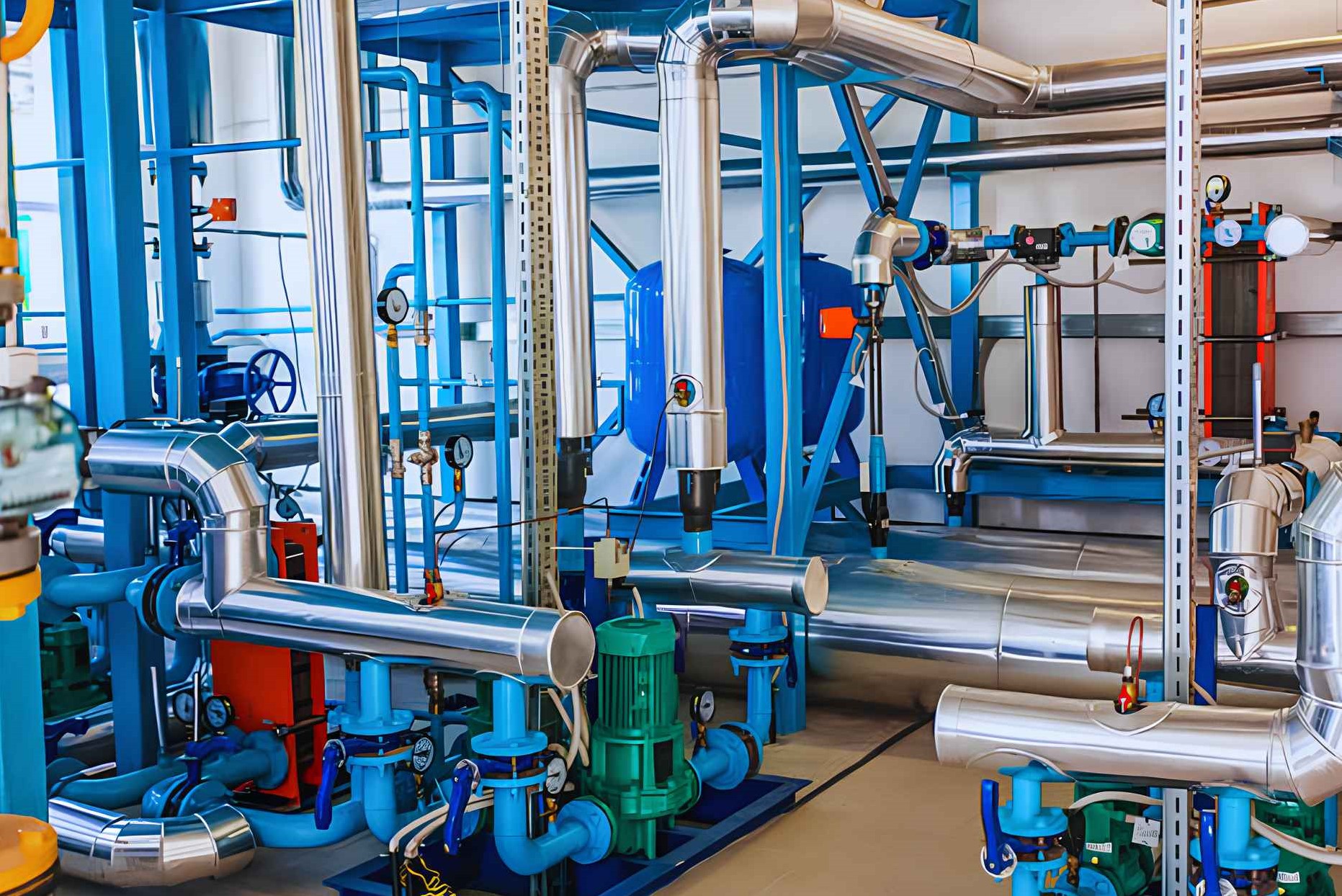
Contents How to Produce Pure Steam with PS Systems? Why is the Quality of Pure Steam Important? How to Achieve Energy Efficiency in Pure Steam Production with PS Systems? How to Clean Equipment with Pure Steam in PS Systems? What are the Usage Areas of PS Systems in Pure Steam Production? What are the Hygiene Advantages of PS Systems in Pure Steam Production? How Do Pure Steam Validation Processes Work in PS Systems? What are the Methods to Increase the Performance of PS Systems in Pure Steam Production? How Can You Minimize the Risk of Contamination with Pure Steam? What should be taken into consideration for high purity steam production with PS systems? What are the Advantages of Pure Steam Production with PS Systems? What are the Safety Measures Provided by PS Systems in Pure Steam Production? How to Produce Pure Steam with PS Systems? PS systems provide high purity steam by using advanced technology in pure steam production. Pure steam production is usually achieved by evaporating purified water. In this process, water is completely purified from chemical and biological pollutants in the previous stages and this water is converted into steam by exposing it to high temperatures. Steam generators used in PS systems provide full control of this process and optimally adjust the pressure and temperature values of the steam. This ensures that the quality of the steam obtained is high. In the production of pure steam, it is important to purify the water from impurities such as minerals and ions. PS systems maintain this level of purity, making it possible to use steam for industrial and medical purposes. These systems are equipped with regular monitoring and control mechanisms, thus ensuring that the steam produced remains of constant quality. Why is the Quality of Pure Steam Important? The quality of pure steam is critical to the safety and effectiveness of industrial and medical processes. Particularly in the fields of pharmaceutical production, food processing and biotechnology, the purity of steam directly affects product quality. Pure steam is steam that is free of chemical and biological impurities and therefore eliminates any risk of contamination in production processes. Use of poor quality steam may lead to spoilage or contamination of products. PS systems minimize this risk and provide safe and hygienic production environments by producing consistently high quality steam. The quality of pure steam also extends the life of equipment and increases energy efficiency, offering businesses significant cost savings in the long term. How to Achieve Energy Efficiency in Pure Steam Production with PS Systems? One of the most important advantages of PS systems is that they offer high energy efficiency in pure steam production. These systems optimize energy use in the process of converting water into steam. Thanks to advanced heat recovery systems and intelligent control mechanisms, unnecessary energy loss is minimized and maximum efficiency is achieved during steam production. PS systems provide low energy consumption during steam production, providing businesses with an environmentally friendly solution and reducing energy costs. A significant part of the energy used in the steam production process is recovered and integrated back into the system. This allows PS systems to use energy resources more efficiently. Especially in large industrial facilities, this energy efficiency offers great advantages both environmentally and economically. How to Clean Equipment with Pure Steam in PS Systems? Pure steam obtained from PS systems is a very effective method for cleaning industrial equipment. The high temperature of the steam ensures the destruction of microorganisms, thus eliminating the need for chemical cleaning agents. The use of pure steam for cleaning and sterilization of equipment is common, especially in the food, pharmaceutical and biotechnology industries. Using pure steam helps both raise hygiene standards and reduce chemical waste. This cleaning process is advantageous, especially in sensitive production processes, as it does not leave chemical residue. Steam cleaning extends the life of equipment and reduces maintenance costs. PS systems provide maximum effect in cleaning processes by preserving the purity of the steam. What are the Usage Areas of PS Systems in Pure Steam Production? PS systems have a wide range of uses for pure steam production. It is especially widely used in sectors where hygiene and sterilization are critical, such as pharmaceutical production, biotechnology, food processing, hospital and laboratory applications. In pharmaceutical production, pure steam is required to produce drugs under sterile conditions. In the food industry, pure steam is used for cleaning the equipment on the production line and for pasteurization processes. The use of pure steam is also of critical importance for the sterilization of instruments before surgery in hospitals. PS systems create a safe and hygienic working environment by providing steam production with the purity needed in these areas. What are the Hygiene Advantages of PS Systems in Pure Steam Production? PS systems ensure that hygiene is maintained at the highest standards in pure steam production. Since the steam produced is completely free of microorganisms and other pollutants, it can be used safely in sectors where hygiene is critical. Especially in the pharmaceutical and medical fields, the purity of the steam directly affects the safety of production processes. Pure steam provides sterilization without the need to use chemical cleaners. This helps maintain maximum hygiene in both production processes and cleaning processes. PS systems guarantee this level of purity with continuous monitoring and control mechanisms during steam production. How Do Pure Steam Validation Processes Work in PS Systems? Pure vapor production is subject to strict regulations, especially in the pharmaceutical and biotechnology fields. Therefore, the purity and quality of the steam produced by PS systems are subjected to regular validation tests. The validation process involves testing to ensure the vapor meets certain standards. These tests verify whether the system is working properly by measuring the temperature, pressure, and chemical purity levels of the steam. Validation processes are carried out to ensure the quality of the vapor before any problems occur in the production processes. These regular tests ensure the continuity of production processes and contribute to the longevity of the system. PS systems have advanced control mechanisms to facilitate these validation processes. What are the Methods to Increase the Performance of PS Systems in Pure Steam Production? There are several basic strategies to improve the performance of PS systems. Firstly, maintaining the purity of the water is of great importance. Optimizing purification processes increases the purity of the steam and increases the overall performance of the system. Regular maintenance of pumps and steam generators used in PS systems ensures efficient operation of the system. In addition, energy efficiency can be increased by using energy recovery systems and smart control mechanisms. Such measures enable PS systems to perform higher at lower costs. Continuous monitoring of the system and rapid intervention when necessary maintains the continuity of performance. How Can You Minimize the Risk of Contamination with Pure Steam? The risk of contamination in pure steam production can pose a major threat to the safety of production processes. To minimize this risk, PS systems are equipped with purification and filtration systems that maintain the purity of the water. Pure steam sterilizes the equipment used in production processes while preventing any chemical residue or microorganism contamination. To minimize the risk of contamination, the quality of the water from which steam is produced must be tested regularly and the filters in the system must be replaced periodically. Monitoring the steam throughout the production process and maintaining its purity level minimizes this risk. PS systems provide a safe production environment by using superior technology in these monitoring and control processes. What should be taken into consideration for high purity steam production with PS systems? There are several critical factors to consider when using PS systems for pure vapor production. Firstly, the quality of water and the correct management of treatment processes are of great importance. The most important factor affecting the purity of the steam is that the water entering the production process is completely free of any contaminants. Regular maintenance and calibration of the equipment used in the system ensures that steam production is constantly of the highest quality. Ensuring steam generators operate with the correct temperature and pressure settings increases the purity and efficiency of the steam. PS systems provide maximum control over these processes, helping users achieve high pure steam production safely and efficiently. What are the Advantages of Pure Steam Production with PS Systems? Pure steam production with PS systems offers many advantages. First, the production of high purity steam is an important factor that directly affects product quality. Pure steam plays a critical role, especially in pharmaceutical and food production processes. Steam free from chemical and biological impurities eliminates any risk of contamination in production processes. PS systems provide energy efficiency and reduce operating costs. Thanks to advanced control and monitoring systems, steam production is constantly optimized and carried out under optimal conditions. In addition, PS systems are durable and long-lasting, which offers businesses a cost advantage in the long term. What are the Safety Measures Provided by PS Systems in Pure Steam Production? PS systems implement a comprehensive set of measures to maximize safety in pure vapor production. These measures both increase the efficiency of the production process and minimize potential hazards. PS systems are equipped with advanced control systems that constantly monitor critical parameters such as temperature, pressure and steam quality. These systems collect and analyze real-time data, allowing operators to intervene immediately. When any abnormality is detected, the system is automatically stopped to prevent possible accidents. Excessive pressure and temperature in steam production can pose serious threats to equipment. PS systems use protective mechanisms such as safety valves and thermal sensors to prevent excessive pressure and temperature. These mechanisms automatically activate when the specified security limits are exceeded and protect the system. It is extremely important that the water used is free from all kinds of contaminants to ensure the quality of pure steam. PS systems are equipped with high-quality filtration and purification systems for this purpose. In this way, the purity of the steam and any risk of contamination in the production processes are eliminated.
See More
Contents What are WFI Systems? What are the Usage Areas of WFI Systems? What are the Advantages of WFI Systems? How Do WFI Systems Work? What are the Technologies Used in WFI Systems? What are the Standards and Regulations Related to WFI Systems? How to Maintain and Calibrate WFI Systems? What is the Future of WFI Systems? What are the Innovative Applications of WFI Systems? What are the Legal Requirements for WFI Systems? WFI Systems: Sectoral Differences and Features What are WFI Systems? WFI (Water for Injection) systems are water production systems that are of critical importance in the pharmaceutical and medical industries. These systems are designed for use in the production of various injectable products by providing high purity water. WFI refers not only to water quality, but also to specific standards that ensure the safe use of this water in production processes. Generally, WFI systems use advanced purification technologies to rid water of microorganisms. These technologies include methods such as distillation, reverse osmosis and sterilization with ultraviolet (UV) rays. WFI production is vital for the safety and effectiveness of pharmaceutical products. Water used in production processes improves product quality by eliminating potential sources of contamination. WFI systems are also used in a variety of applications in industrial facilities; for example, in fields such as biotechnology, food safety and laboratory research. In the design of these systems, parameters such as temperature, pH and chemical purity of the water are constantly monitored. In this way, water quality is kept under control at every stage of the production process. WFI systems, more than just having a certain functionality, have become an indispensable part of modern production processes. The use of these systems in the pharmaceutical industry increases product safety and also plays an important role in quality management. Providing high purity water contributes to the development of the industry by providing innovative solutions in research and development processes. WFI systems both improve the quality of production processes and help maintain health and safety standards. What are the Usage Areas of WFI Systems? WFI systems have important applications in many industries. Most notably in the pharmaceutical industry, WFI water is used as a critical ingredient in the production of medicines and vaccines. Solutions required for inhalation therapies are prepared using WFI water; This increases the safety and effectiveness of the products. WFI is also widely preferred in the formulation of parenteral drugs and preparation of sterile water-based solutions. Such practices provide patients with access to high-quality products during their treatment processes. WFI systems are also of great importance in the food industry. High purity water is required in food production, especially for the hygienic production of products such as milk and dairy products, confectionery and beverages. WFI systems improve food safety by providing the water necessary for the safe processing of such products. In addition, WFI water is a critical component in the development and production of biotechnological products. Used in cell cultures, gene therapies and vaccine production, WFI forms the basis of research and applications in this field. What are the Advantages of WFI Systems? WFI systems have many advantages. First of all, its capacity to provide high purity water increases the safety of products and minimizes the risk of contamination. Since this water is free from microorganisms, chemical impurities and pyrogens, it maintains the effectiveness and stability of the products. WFI systems provide energy efficiency; thus reducing operating costs. Thanks to advanced control systems, the water production process is constantly monitored and optimized, ensuring users have a reliable water supply throughout their production processes. WFI systems stand out for their ability to deliver both cost-effectiveness and high-quality production. How Do WFI Systems Work? WFI systems are based on a several-stage purification process to obtain high purity of water. First, the water source is cleared of large particles and contaminants. Next, the distillation process is carried out; At this stage, water is evaporated by boiling and then condensed and turned into liquid again. This process increases the purity of the water and ensures the removal of unwanted components. In the purification process, UV rays are used to purify the water from microorganisms. This multi-stage system guarantees high purity water. The efficiency of WFI systems is achieved by the combination of these treatment processes. What are the Technologies Used in WFI Systems? Different treatment technologies are used in WFI systems. One of the most common methods is distillation; This is based on the principle of boiling and evaporating water. This method increases the purity of water and effectively removes unwanted substances. Another technology is the reverse osmosis process. This process allows water to be passed through a semi-permeable membrane to separate impurities. In addition, ultraviolet (UV) sterilization is used to increase the safety of water for microorganisms. All these technologies increase the effectiveness of WFI systems, ensuring water of the highest purity. What are the Standards and Regulations Related to WFI Systems? WFI systems must operate within the framework of certain standards and regulations. International pharmaceutical standards determine the purity levels of water required for WFI production. The European Pharmacopoeia and the American Pharmacopoeia are the most important documents that determine the definition and requirements of WFI. These standards aim to control microbiological and chemical impurities of water. Designing and operating WFI systems in accordance with these standards is vital to maintaining product quality. Compliance with regulations increases the reliability of manufacturers in the market and enables them to offer quality products to consumers. How to Maintain and Calibrate WFI Systems? Regular maintenance and calibration is essential for WFI systems to function properly. It is necessary to periodically check the equipment and constantly monitor the water quality. Cleaning filters and membranes increases the efficiency of the system. In addition, correct temperature and pressure settings ensure safe operation of the system. Maintenance operations must be carried out in accordance with the instructions recommended by the manufacturer and recorded. This optimizes the performance of the system and prevents possible malfunctions. Having users have knowledge about the system and receive training increases the effectiveness of maintenance processes. What is the Future of WFI Systems? WFI systems are becoming more efficient and sustainable with the development of technology. Innovative filtration techniques and automation systems speed up production processes and increase safety. Environmentally friendly solutions provide more sustainable production by reducing water consumption. In the future, WFI systems are expected to become more intelligent and integrated. This will allow manufacturers to deliver quality products more quickly and effectively. Industry advances will also help expand WFI systems into broader application areas. What are the Innovative Applications of WFI Systems? WFI systems attract attention with their innovative applications. In the field of biotechnology, it plays an important role in the production of genetic products and cell cultures. In addition, it is also used in the sterilization of medical devices and various laboratory applications. WFI systems are indispensable in providing the high quality water required for inhalation therapies. It is expected that these systems will be integrated into more sectors in the future. For example, environmentally friendly water purification systems will enable the expansion of WFI applications. Thus, both sustainability will be ensured and product quality will be increased. What are the Legal Requirements for WFI Systems? WFI systems operate subject to legal requirements. Relevant health authorities require these systems to comply with certain standards to ensure the safety of pharmaceutical and medical products. Manufacturing facilities must take these legal requirements into account when designing and operating WFI systems. Compliance with legal regulations is of vital importance in terms of both protecting product quality and ensuring consumer safety. Therefore, legal requirements must be fully fulfilled in the design and operation of WFI systems. WFI Systems: Sectoral Differences and Features Different industries show various differences in the use of WFI systems. For example, the pharmaceutical sector demands high purity water, while this demand may be lower in the food sector. Each sector has its own regulations and standards. This affects the design and applicability of WFI systems. The features and operation of WFI systems used in each sector also vary. For example, WFI systems designed specifically for medical devices may have different requirements than systems used in other industries. Therefore, proper selection and implementation of WFI systems on a sector-by-sector basis is of great importance.
See More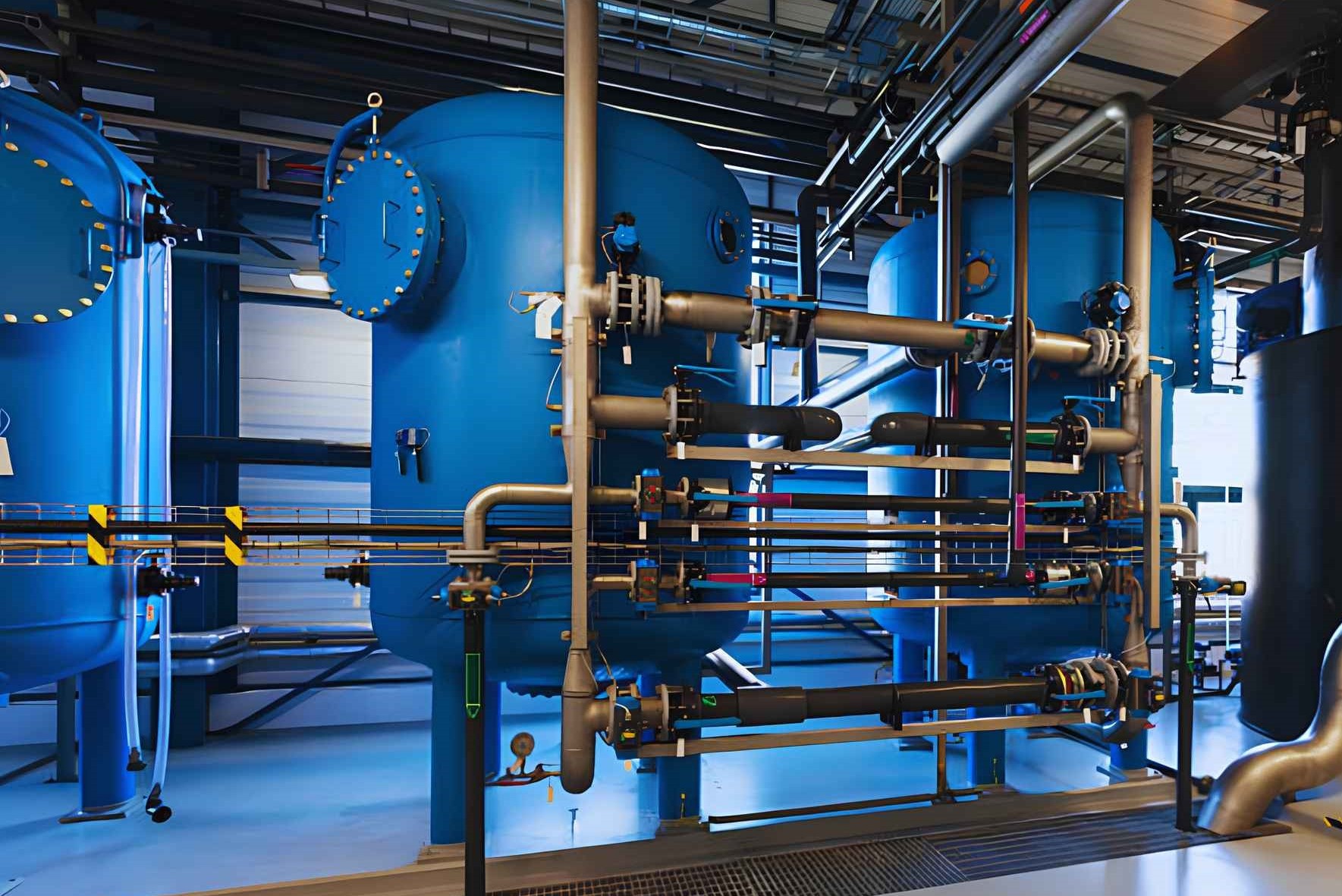
Contents What are PW, PS and WFI Systems? What are the Different Uses of PW, PS and WFI Systems? How Do the Production Processes of PW, PS and WFI Systems Work? What are the Quality Control Processes of PW, PS and WFI Systems? What are the Health and Safety Standards for PW, PS and WFI Systems? What are the Design and Engineering Requirements of PW, PS and WFI Systems? What are the Economic Impacts of PW, PS and WFI Systems? What is the Future of PW, PS and WFI Systems? What are the Challenges Encountered in the Production of PW, PS and WFI Systems? How to Manage Maintenance and Support Processes of PW, PS and WFI Systems? What is the Innovation and Technology Use of PW, PS and WFI Systems? What are the Best Practices in PW, PS and WFI Systems? What are PW, PS and WFI Systems? PW (Purified Water), PS (Pure Steam) and WFI (Water for Injection) systems are water and steam production systems that are of critical importance especially in the pharmaceutical and food industries. PW refers to purified water that meets certain purity standards and is often used in pharmaceutical production, laboratory analysis and food processing. This water is free of microorganisms but may not be suitable for injectable products. PS is a system used for sterile steam production and is often used in sterilization processes. WFI, on the other hand, is a system that enables the production of water of the highest purity and is used especially in the production of parenteral products, that is, in the formulation of drugs that are directly injected into the body. Each of these systems is designed to meet health and safety standards while addressing specific application areas and requirements. While PW is widely used in laboratory environments and production processes, PS is mostly preferred for sterilization processes. WFI plays a critical role in the production of products that require the highest standards in the pharmaceutical industry. Therefore, each of these three systems has different features and application areas. What are the Different Uses of PW, PS and WFI Systems? PW systems are widely used in many industries. It is especially important in the formulation of drugs, laboratory testing and processing of food products. While PW water is used in laboratories for the preparation of reagents and experimental studies, it is required for hygienic production in the food industry. In addition, since PW water is purified in accordance with drinking water standards, it can also be used in general consumption areas. PS systems often play an important role in sterilization processes. This steam, used to sterilize medicines, medical equipment and other products, effectively kills microorganisms and increases the safety of the products. The PS system is often used to provide sterile environments that are critical in pharmaceutical production. WFI systems are an indispensable component in the production of injectable products as they provide water of the highest purity. WFI is used in the formulation of vaccines, serums and other pharmaceutical products. The high purity provided by these systems increases the reliability of the products used in the treatment of patients. The specific application areas of each system vary according to the requirements of industrial processes, and the selection of these systems is critical for the safety and effectiveness of the products to be used. How Do the Production Processes of PW, PS and WFI Systems Work? The purification process of water in PW systems is primarily carried out by physical and chemical methods. Water is first subjected to various filtering processes to remove particles and microorganisms. Techniques such as UV sterilization, reverse osmosis, or demineralization are then used to increase the purity of the water. These processes ensure that PW meets certain standards of purity. In PS systems, the process is carried out under high temperature and pressure while converting water into steam. Sterile steam production is vital to prevent contamination of products with microorganisms. This steam is used in some production processes as well as in sterilization processes. In WFI systems, water is generally purified by distillation method. This process ensures that the water becomes completely sterile. In WFI production, parameters such as pH, temperature and chemical purity of the water are constantly monitored. Each of these processes is carried out in accordance with certain standards, so that the water produced is of the highest purity necessary for the safety of pharmaceutical products. These differences between production processes determine the unique requirements and application areas of each system. What are the Quality Control Processes of PW, PS and WFI Systems? Quality control processes are critical to ensuring the reliability of PW, PS and WFI systems. In these systems, the purity of the produced water and steam is constantly monitored. In PW systems, the physical, chemical and biological parameters of water are tested regularly. These tests help determine contamination levels and purity of water. For example, water pH level, conductivity and microbiological tests are performed. Similar quality control methods are applied in PS systems. The purity and effectiveness of sterile steam is monitored throughout the production processes. These monitoring processes are necessary to increase the security of the products. Controlling the quality of steam used in sterilization processes is a critical step for the safety of products. In WFI systems, quality control is achieved by constantly monitoring the purity levels of the water. In this process, water obtained by distillation or other purification methods is tested according to certain standards. Quality control processes are carried out in accordance with the specific requirements of each system. In this way, high quality standards are maintained at every stage of the production processes. What are the Health and Safety Standards for PW, PS and WFI Systems? PW, PS and WFI systems are each designed to comply with health and safety standards. These standards are extremely important for the safety and effectiveness of pharmaceutical products. In PW systems, water is ensured to reach certain purity standards. These standards require that the water be clean of microorganisms and chemical impurities. Since PW water is used in processes such as laboratory analysis and pharmaceutical production, these standards must be met. In PS systems, it is necessary to reach certain temperature and pressure values to ensure that the steam is sterile. The steam used in sterilization processes effectively kills microorganisms, increasing the safety of products. Correctly managing these processes helps maintain health and safety standards. WFI systems, on the other hand, are held to the strictest health and safety standards because they provide water of the highest purity. Since WFI is used in the production of vaccines, serums and other pharmaceutical products, ensuring these standards is critical. Compliance of each system with health and safety standards both increases product quality and ensures the safety of patients. What are the Design and Engineering Requirements of PW, PS and WFI Systems? In the design of PW, PS and WFI systems, specific engineering requirements must be taken into account. Designing each system in accordance with its own functionality increases both security and efficiency. In PW systems, various filtration and sterilization techniques are used for water purification processes. Therefore, parameters such as water flow rate, temperature and pressure must be taken into account during the design phase. In PS systems, special designs are made to produce sterile steam. Since these systems operate under high temperature and pressure, care must be taken in material selection. The fact that the materials are resistant to high temperatures and resistant to corrosion is a critical factor for the reliability of the system. In WFI systems, distillation and other purification methods must be designed effectively to produce high purity water. During the design process, the integration of appropriate sensors and control systems should be ensured for continuous monitoring of water. In the design of each system, safety and efficiency should be prioritized. What are the Economic Impacts of PW, PS and WFI Systems? The economic impacts of PW, PS and WFI systems can be evaluated from many perspectives. These systems play an important role in industrial production processes and help ensure high quality standards. PW systems contribute to reducing costs for businesses as they provide purified water used in laboratory analyzes and pharmaceutical production. With affordable water resources, businesses can make their production processes more efficient. Since PS systems are used in sterilization processes, they help businesses reduce their costs by increasing the safety of products. The effectiveness of sterilization processes increases the quality of products and provides competitive advantage in the market. In addition, PS systems support environmental sustainability by enabling businesses to produce less waste. WFI systems, on the other hand, help businesses offer products that comply with international standards, as they ensure that pharmaceutical products are produced at the highest purity. This contributes to the country's economy by increasing the export opportunities of businesses. The economic effects of each system increase the growth potential of businesses while also improving product quality. What is the Future of PW, PS and WFI Systems? The future of PW, PS and WFI systems is shaped by technological developments. Integration of new technologies enables these systems to operate more efficiently and effectively. New methods used in purification and sterilization processes increase the performance of these systems and reduce their costs. In particular, digitalization offers important opportunities for monitoring and control of these systems. Increasing awareness of environmental sustainability is a factor that should be considered in the design of PW, PS and WFI systems. Evolving environmental standards require these systems to consume less energy and reduce waste production. In this regard, innovative solutions and sustainable design approaches play an important role in the development of these systems in the future. As a result, PW, PS and WFI systems are constantly evolving with technological advances. The future of these systems will be shaped in accordance with both industrial requirements and environmental standards, thus providing more reliable, effective and sustainable solutions. What are the Challenges Encountered in the Production of PW, PS and WFI Systems? Various difficulties may be experienced in the production processes of PW, PS and WFI systems. First of all, the effectiveness of the methods used in water purification is critical to prevent contamination of microorganisms. In PW systems, constant monitoring of water purity is required. However, disruptions in this process may affect the quality of the water. In PS systems, temperature and pressure fluctuations that may occur during the production of sterile steam can negatively affect sterilization processes. This may threaten the safety of the products. The quality of the materials used in PS systems is also of great importance. Poor quality materials can reduce the efficiency of the system. In WFI systems, the complexity of distillation and other purification processes is one of the difficulties encountered in the production process. While continuous monitoring and control of water quality increases the effectiveness of these systems, it can be time-consuming due to complex processes. To overcome these challenges, continuous education and integration of technological innovations are required. How to Manage Maintenance and Support Processes of PW, PS and WFI Systems? Maintenance of PW, PS and WFI systems is of great importance to maintain the effectiveness of the systems. In these processes, the system must be monitored regularly, maintenance and repair operations must be carried out on time, and the necessary spare parts must be provided. In PW systems, regular testing of water quality increases the effectiveness of treatment processes. In PS systems, regular maintenance of the equipment used in the production of sterile steam ensures the safety of sterilization processes. During this process, equipment needs to be cleaned and checked. Training employees in the maintenance of these systems increases the effectiveness of the processes. Maintenance processes in WFI systems must be monitored regularly to maintain the quality of the water. Defects that may occur in water purification and sterilization processes can negatively affect the effectiveness of the system. Therefore, maintenance and support processes should be constantly reviewed and necessary measures should be taken. Management of these processes both increases the efficiency of businesses and increases the quality of products. What is the Innovation and Technology Use of PW, PS and WFI Systems? Innovation and use of technology in PW, PS and WFI systems are critical to increase the efficiency of processes. Integration of new technologies enables these systems to operate more effectively and sustainably. For example, automation systems minimize human error by facilitating the purification and monitoring processes of water. Digitalization provides great convenience in the management of these systems. Remote monitoring and control systems allow continuous monitoring of the performance of PW, PS and WFI systems. In this way, possible problems can be detected immediately and necessary precautions can be taken. Innovation is also important for environmental sustainability. New purification and sterilization methods reduce energy consumption and minimize waste production. Such innovative solutions play an important role in the future development of PW, PS and WFI systems. What are the Best Practices in PW, PS and WFI Systems? Best practices in PW, PS and WFI systems have been developed according to specific standards to increase the effectiveness of the systems. These applications must be updated regularly to maintain the quality of water and steam. In PW systems, continuous monitoring of water and testing its quality are among the best practices. In PS systems, attention should be paid to the quality of the materials required to increase the effectiveness of sterilization processes. Regular maintenance of the equipment used in the production of sterile steam increases the safety of these systems. It is important for employees to be educated about these systems in implementing best practices. In WFI systems, continuous monitoring and control of water treatment processes are considered among the best practices. These practices help maintain product quality while increasing the reliability of systems. The best practices of each system increase the efficiency of businesses and ensure the safety of products.
See More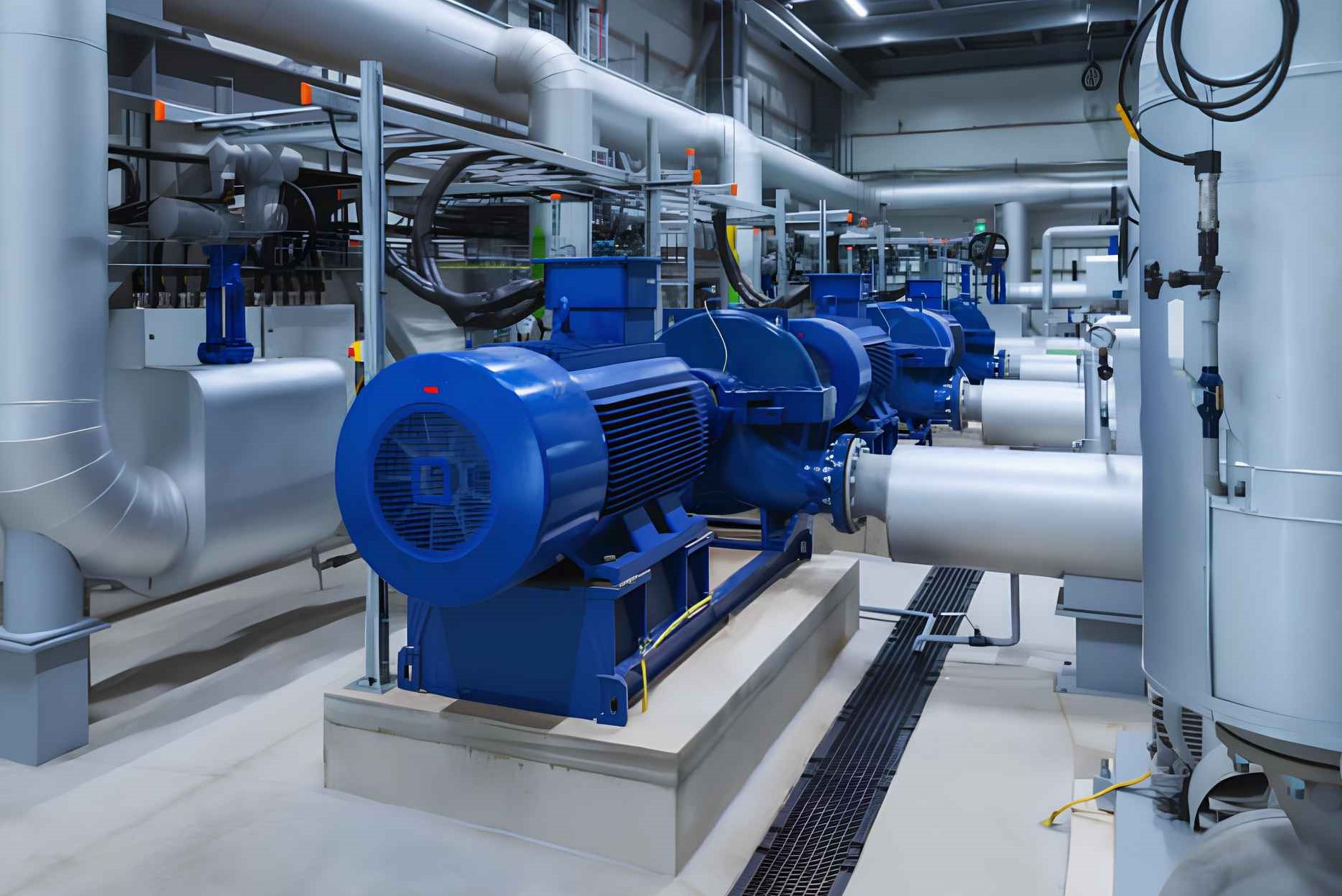
Contents What are the advantages of the PW System? How Does PW System Work? In Which Sectors Is the PW System Used? How Can You Improve Your Production Processes with the PW System? What are the Cost Effects of the PW System? What Criteria Should You Pay Attention to When Choosing a PW System? What Health Standards Does the PW System Comply with? How to Save Water with PW System? What are the Environmental Benefits of Using a PW System? How to Increase Product Quality with PW System? What Are the Training and Support Needs for PW System Usage? How to Achieve Competitive Advantage with PW System? What are the advantages of the PW System? PW system is a system developed to purify water to high purity. Thanks to the methods used in water purification, high quality water is obtained, which is of critical importance in various industries. The most important advantage of this system is that it ensures the microbiological and chemical purity of the water. PW systems are indispensable to improve product quality, especially in the pharmaceutical, food and biotechnology sectors. PW systems provide the opportunity to continue production processes uninterruptedly by providing a continuous water supply. Thanks to these systems, businesses can constantly monitor water quality, thus minimizing possible contamination risks. User-friendly interfaces allow easy control of the system. It offers cost advantages to businesses with low energy consumption. As a result, PW systems not only improve water quality but also increase the operational efficiency of businesses. Therefore, choosing a PW system is a wise choice in terms of both ensuring cost efficiency and maintaining a high quality standard. How Does PW System Work? PW systems use a process sequence of several stages to purify water. First, water taken from the water source is subjected to physical and chemical pre-treatment processes. At this stage, large particles and pollutants in the water are removed. Then, membrane filtration techniques come into play to purify the water. In this process, water molecules are purified, passing out most of the harmful substances. In the second stage, the water is further purified by reverse osmosis. This method ensures that high purity water is obtained by separating harmful substances from water. Finally, PW systems are completed with methods such as UV sterilization to ensure the microbiological safety of the water. This stage ensures that the water is cleared of pathogens and becomes hygienic. These complex processes are supported by advanced control systems to constantly monitor the quality of the water. The PW system offers a water treatment solution that is both reliable and effective. All these stages allow obtaining high quality water, which has an important place in both the industry and healthcare sectors. In Which Sectors Is the PW System Used? PW systems can be used in different industries, offering a wide range of applications. Especially the pharmaceutical industry is one of the most common areas of use of PW systems. In pharmaceutical production, the quality of water is of critical importance for the effectiveness and safety of products. Thanks to PW systems, high purity water required in the production of pharmaceuticals can be provided. In addition, PW systems play an important role in the food and beverage industry. The purity of water used in the preparation and processing of food products is vital for food safety. PW systems help food producers improve the quality of their products by providing high-quality water that complies with standards. On the other hand, laboratories also benefit from PW systems. Water used in research and experiments must comply with certain quality standards. PW systems are widely used in laboratories to increase the reliability of analyses. As a result, PW systems offer a critically important solution in many industries such as healthcare, food and scientific research. How Can You Improve Your Production Processes with the PW System? The PW system offers many opportunities to improve production processes. First, improving water quality directly affects the quality of products. High-quality water reduces waste by increasing the effectiveness of products in the production process. This indirectly provides cost savings. Thanks to PW systems, continuity of production processes is ensured. A constant and reliable water supply allows businesses to operate without interrupting production lines. This both prevents loss of time and ensures more efficient use of workforce. However, PW systems also contribute to businesses reducing their environmental impacts with low energy consumption. PW systems also minimize human errors because they automate treatment processes. Automation enables continuous monitoring of water quality and allows immediate intervention. This feature makes production processes more reliable and increases overall efficiency. With the PW system, businesses can reduce their costs while increasing quality and sustainability. What are the Cost Effects of the PW System? The cost effects of the PW system offer various advantages to businesses in both the short and long term. Although initial investment costs may seem high at first, savings in the long run can offset these costs. PW systems provide continuous water supply, allowing production processes to continue uninterrupted. This provides significant cost advantages to businesses by minimizing production losses. PW systems optimize the amount of energy used in water purification processes. Low energy consumption increases the profitability of businesses by reducing their energy costs. Additionally, saving water thanks to these systems further reduces the overall costs of businesses. Systems that prevent water waste also contribute to environmental sustainability. PW systems increase customer satisfaction by improving product quality. Providing products that meet high quality standards increases the competitive advantage of businesses and helps them expand their market share. Therefore, PW systems add value to businesses by positively affecting not only costs but also overall business performance. What Criteria Should You Pay Attention to When Choosing a PW System? When choosing a PW system, it is important to consider several critical criteria. First, the water purification capacity of the system must match the needs of your business. A system with sufficient capacity ensures an uninterrupted flow of water supply. Therefore, the ability of the system to meet daily water needs is important. Secondly, the energy efficiency of the system must be considered in terms of cost implications. Low energy consumption reduces your business's energy costs and contributes to your sustainability goals. The quality of the system's maintenance and support services should also be taken into account in the selection process. Quality maintenance services extend the life of the system and provide long-term cost savings. The system's ease of use and automation features make the work of operators easier. While user-friendly interfaces simplify the management of the system, automation minimizes human errors. When choosing a PW system, paying attention to these criteria will allow you to find the best solution that will increase the efficiency of your business. What Health Standards Does the PW System Comply with? PW systems are designed to comply with health and safety standards. Water used especially in the pharmaceutical and food industries must comply with certain standards. Therefore, PW systems have been developed to meet the standards set by international health organizations such as Pharmacopoeias and FDA. These systems increase the safety of products by preventing microorganism contamination. The design of the systems has been meticulously made to ensure hygienic treatment of water. Advanced filtration and sterilization methods increase the effectiveness of PW systems while ensuring the quality of the products. Therefore, PW systems help businesses comply with health standards. Continuous quality control processes ensure water quality is monitored. These processes ensure that the water remains at consistently high standards. Therefore, PW systems not only improve product quality, but also provide businesses with a reliable solution by complying with health and safety standards. How to Save Water with PW System? The PW system uses various methods to save water. First, the system's purification processes ensure that water is purified from its source. In this way, waste of water is minimized. Advanced filtration methods are designed to use only the required amount of water. This helps businesses optimize their water consumption. Secondly, PW systems increase water savings by offering the possibility of reuse. Purified water can be used in different applications. This feature allows businesses to manage water usage more effectively. Therefore, the PW system also contributes to environmental sustainability. Automated monitoring systems constantly monitor water usage. This allows water to be managed effectively and prevents waste. Therefore, by using the PW system, businesses save water and reduce the environmental impact. What are the Environmental Benefits of Using a PW System? The environmental benefits of using a PW system are extensive. First, saving water helps manage water resources more sustainably. Especially in regions where water is scarce, PW systems allow efficient use of water. This helps preserve natural water resources. Secondly, PW systems minimize environmental impacts by reducing energy consumption. Low energy requirements help businesses reduce their carbon footprint. This feature is a huge advantage for businesses looking to achieve sustainability goals. Production of high-quality water helps wastewater become less contaminated and therefore keep water resources cleaner. PW systems make it easier to comply with environmental regulations. The use of these systems helps businesses achieve their goals of providing water that complies with environmental standards. Thus, PW systems contribute to businesses achieving their environmental sustainability goals. How to Increase Product Quality with PW System? PW system plays a critical role to improve product quality. First, the use of high purity water directly affects the effectiveness of products. Particularly in the pharmaceutical and food industries, water quality is critical to the safety and effectiveness of final products. PW systems help ensure this high quality standard. Second, continuous quality control processes allow continuous monitoring of the quality of water. This ensures that product quality is kept at constantly high levels. Thanks to PW systems, contamination risks are minimized. This feature ensures customer satisfaction by increasing the security of the products. The automation features of PW systems reduce operator errors and reliably control the quality of water. In this way, businesses have the opportunity to constantly maintain high quality standards. By using the PW system, businesses have the chance to improve their product quality. What Are the Training and Support Needs for PW System Usage? In order for PW systems to be used effectively, a certain training and support process is needed. First, users need to have knowledge about how the system works and how to manage it. Therefore, training programs provided by manufacturers help operators understand the features of the system. Secondly, technical support for maintenance and repair of systems is important. Users must have a certain level of knowledge in order to maintain the system. This extends the life of the system and contributes to increasing efficiency. Providing a fast support service in case of malfunctions allows businesses to continue their uninterrupted operations. The training and support process for the effective use of PW systems plays a critical role in increasing the efficiency of businesses. A good training program and technical support services help users make the most of the system's potential. How to Achieve Competitive Advantage with PW System? Using a PW system offers businesses many competitive advantages. First, the supply of high-quality water improves the quality of products. This helps businesses differentiate themselves in the market. Increasing customer satisfaction is an important advantage in a competitive market environment. Secondly, PW systems ensure the continuity of production processes. This helps businesses deliver on time and meet customer demands. Continuous water supply minimizes production losses and increases overall efficiency. Thus, businesses gain competitive advantage by meeting customer demands more effectively. Achieving environmental sustainability goals is an important competitive factor for many businesses today. PW systems reduce environmental impacts with low energy consumption and water savings. These features help businesses comply with environmental regulations while also strengthening their market image. By using the PW system, businesses have the opportunity to increase their competitive advantage.
See More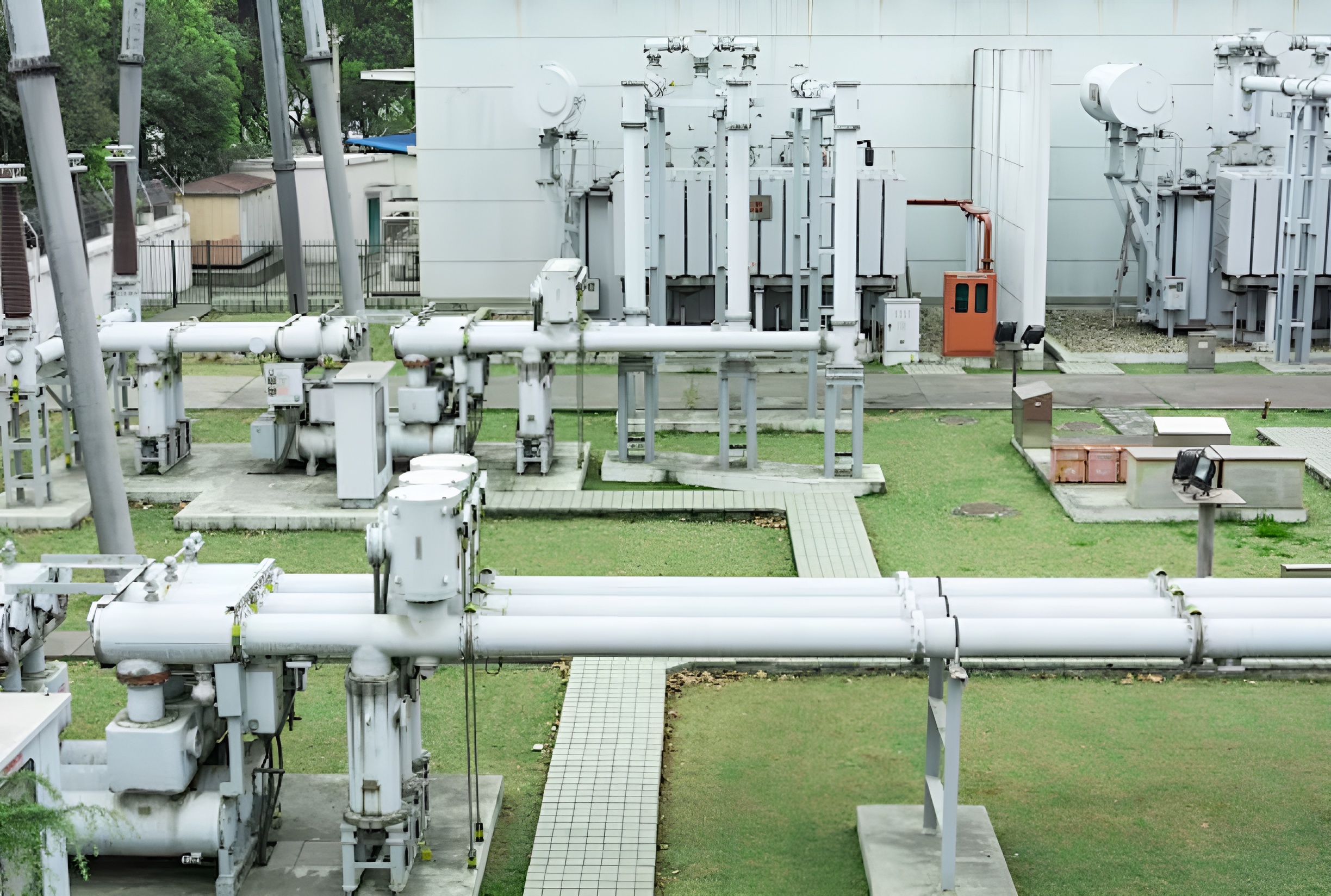
High Purity Gas Line Installation In today's industrial production processes, the quality and purity of the gases used can directly affect the effectiveness and efficiency of the processes. Especially in sectors with high technology and precision production requirements, the use of high purity gases is critical for the successful conduct of operations. Correct and safe transmission of these gases depends on the correct design and installation of high pure gas line installations. High purity gas line installations not only ensure that gases are delivered at the correct pressure and flow rate, but also guarantee that the purity of these gases is maintained so that they do not react with any contaminants, water or oxygen. High purity gas line installations are commonly used in electronics, medical, chemical, energy and scientific research fields. This article will provide a detailed review of the importance, design, installation and maintenance of high purity gas line installations. The Importance of High Purity Gases High purity gases play a critical role, especially in certain industries. The electronics and semiconductor industry, medical gases, laboratory research and the chemical industry are the areas that use high purity gases the most. In electronics manufacturing, gases such as high purity nitrogen and argon are used during the production of integrated circuits. These gases cannot contain particles that could cause any contamination or contamination during the production process. In the medical field, gases such as oxygen and nitrogen are used in respiratory devices and surgical applications. Maintaining the purity of high purity gases is crucial to ensure safe and efficient operation, especially of respiratory support devices or other medical devices critical to patients. In the chemical industry, great attention is paid to the purity of gases for the correct functioning of some chemical reactions and processes. Purity of gases ensures that chemical reactions occur as expected and undesirable side effects are prevented. In addition, gases used in scientific research must have certain purity levels, because the purity of gases can directly affect the accuracy of the analyzes performed. Design of High Purity Gas Line Installations The design of high purity gas line installations must be made in a way that ensures the correct transmission of gases and maintains their purity. This design must comply with both technical requirements and safety standards. There are several basic elements to consider in the design of gas line installation: Material Selection Materials used for the transmission of high purity gases must be free of contaminants that may affect the purity of the gas. Materials such as stainless steel, titanium or aluminum are commonly used for this purpose. Stainless steel is preferred because it is resistant to chemical reactions and has a smooth surface. These materials do not react on the inner surfaces of gases and do not contain any pollutants that would deteriorate the quality of the gas. Additionally, it should not be forgotten that the inner surface of the pipes used must be smooth. Smooth internal surfaces should be designed so as not to obstruct the flow of the gas and should not damage the purity of the gas. Unnecessary fittings should be avoided and a minimum number of connections should be used in the entire system, as each connection carries a risk of leakage and can affect the purity of the gas. Filtration and Cleaning In high purity gas line installations, it is very important to use effective filtration systems to maintain the purity of the gases. Filtering ensures that any dust, particles or contaminants in the gas are removed. This prevents contamination that may occur during the transmission of the gas. Filters are often designed to be sensitive to micro-level contaminants. Particularly in medical and electronic applications, the quality and efficiency of these filters are critical. Filters and other cleaning systems should be cleaned or replaced regularly. Otherwise, the filters may become clogged over time and the transmission of gas may be prevented. In addition, these cleaning operations should be performed on all components of the gas line, and contaminants should not be allowed to accumulate in any part of the system. Pressure and Flow Control Pressure and flow control of high purity gas line installations is one of the most important elements of the design. Delivering gases at the correct pressure is essential for the safety and efficiency of the system. Pressure can vary depending on the type of gas and its area of use, so it is important to choose the right regulators and pressure control devices. Likewise, adjusting the flow rate of gases correctly ensures efficient operation of the system. Accurate control of the flow rate ensures that the gas can be adjusted to the requirements in the application area. A fast flow can lead to undesirable results in some applications, while low flow rates can also cause problems such as insufficient gas supply. Therefore, flow control must be carried out meticulously in every gas line system. Installation of High Purity Gas Line Installation Installation of high purity gas line installations is a process that requires special care and meticulousness. It is very important that the equipment used in this process is placed correctly and the gas line connections are made safely. Cleaning Before installing the gas line installation, pipes and other equipment must be cleaned in detail. Contaminants inside can impair the purity of the gas and reduce the efficiency of the system. Cleaning is usually done with solvents and compressed air. This cleaning process should be done before the gas starts to be transmitted, and each part should be checked one by one during installation. Assembly and Equipment Layout Correct placement of pipes and equipment is of great importance during the installation of high purity gas pipeline installation. Pipes should be interconnected as required and each connection should be made carefully to avoid the risk of leaks. Gas lines must be placed properly to ensure gas is delivered at the correct pressure and speed. Each component of the system should be positioned so as not to affect the quality of the gas, and the effectiveness of each part in the system should be reviewed. All installation operations must be carried out to meet the safety and technical requirements for the transmission of high purity gases. Leak Tightness Test After the installation is completed, a leak test of the gas line installation must be carried out. This test is necessary to detect if there are any leaks. Leak testing is very important to ensure that high purity gases are transmitted through the system without losing their purity. This testing must be done before the entire system can operate safely. Maintenance and Monitoring Regular maintenance and monitoring is required to ensure that high purity gas line installations continue to operate correctly. The system may encounter problems such as wear, contamination or clogging over time. Therefore, it is very important to periodically check and maintain the gas line installation. Filter Change and Cleaning Regular replacement of filters and general cleaning of the system ensures that the purity of the gas is maintained. Additionally, it prevents blockages in any part of the system. In addition, regular cleaning of pipelines is also necessary. All these maintenance operations ensure that the system operates smoothly and the purity of the gases is not compromised. High purity gas line installations are critical for the safe and effective transmission of gases used in various industries. These installations ensure the preservation of the purity of the gases and guarantee the safety of the system. The design, installation and maintenance of high purity gas line installations are processes that require precision and expertise. The correct materials, cleaning and filtration systems, pressure and flow control used in these processes are of great importance for the effective operation of the installation and the preservation of the quality of the gases.
See More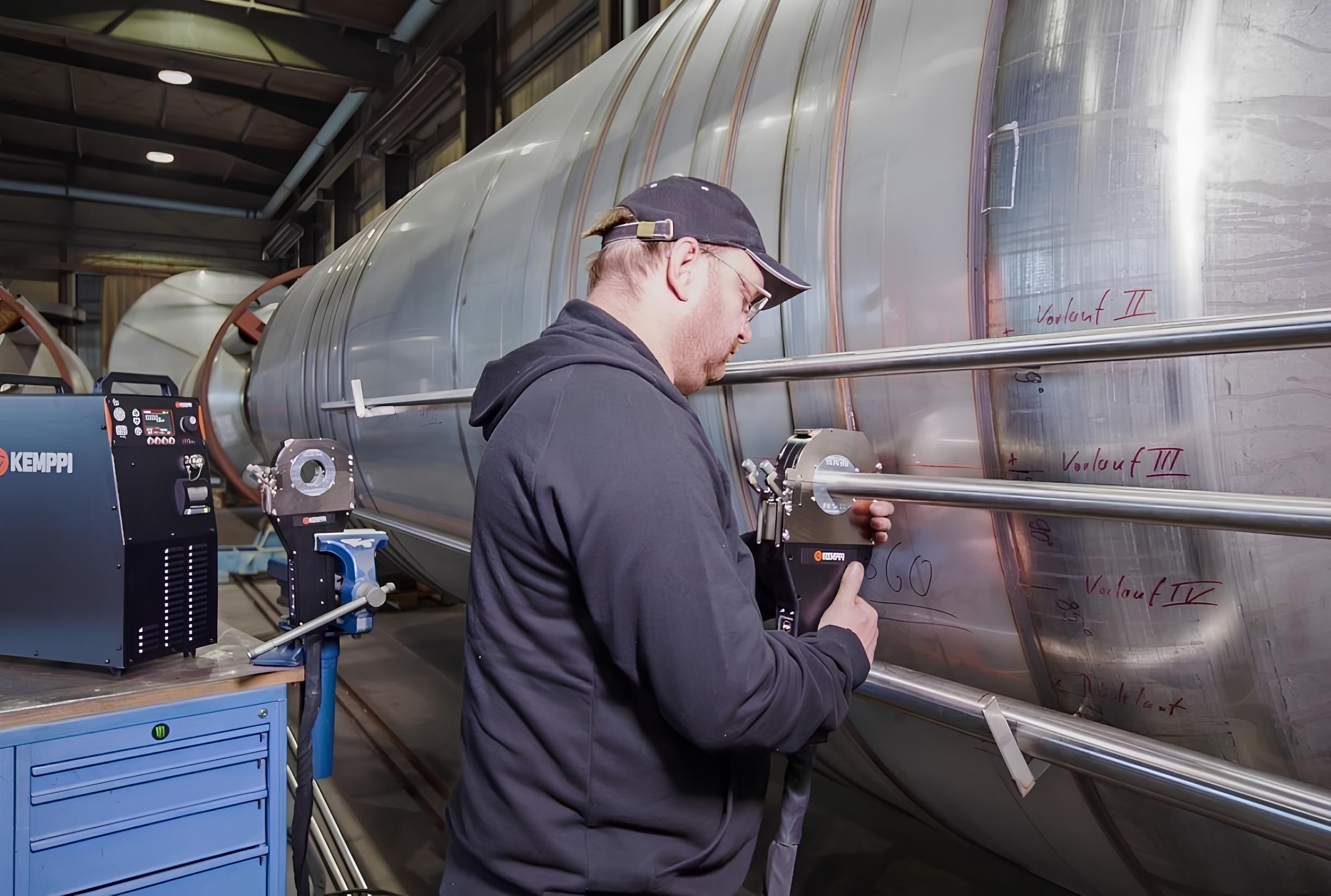
What is Orbital Welding? Welding processes are a fundamental component of industrial manufacturing processes and are widely used to join metal and other materials. Welding technologies aim to combine dissimilar metals as well as increase the durability and quality of these metals. In this context, it is a preferred method especially in areas where precise and high quality welding applications are required. orbital sourcehas become more common in the industrial field in recent years. Orbital welding is used in applications that require high purity and excellent weld quality, especially in joining pipes and pipe connections. Orbital welding is a welding technique that allows the electrode in the welding area to move in a circular path around the welding area. This method is generally performed with automatic welding machines and is especially preferred in sensitive sectors such as pipelines, power plants, chemical industry and medical device production. Orbital welding is the name of a weld made in a 360-degree rotating motion around the welded surface. This technique uses gas shielded welding, commonly known as tungsten inert gas (TIG) welding. During welding, a tungsten electrode is used to create a weld zone surrounded by a shielding gas (usually argon). As the welding head rotates around the pipe, it provides the heat that creates the weld pool and the pipe surfaces come together. One of the most important advantages of this method is that the welding process can be done extremely precisely and smoothly. Additionally, orbital welding offers much higher repeatability and quality than hand welding. Therefore, it is especially preferred in industries that require high security and quality. Application Areas of Orbital Welding Orbital welding is used especially in sensitive and safety-critical industries. Applications in this industry have high quality, durability and safety requirements, making orbital welding an ideal method to meet these needs. Power plants, especially nuclear power plants, require high precision welding practices. In such power plants, welding of pipelines and equipment is a process that requires high durability and safety. Orbital welding is often preferred in such applications to provide excellent weld quality. It is critical to ensure a safe welding process, especially in the joints of pipelines resistant to high temperatures. In nuclear power plants, even any risk of leakage is unacceptable. Orbital welding provides reliable and durable welds by increasing safety in such sensitive processes. Pipelines are also of great importance in the oil and gas sector. The welding process of these pipes must be critical for sealing and durability. Orbital welding is frequently used in joining pipelines because it provides smooth and reliable welds and also minimizes the risk of leaks. Since high pressure resistant welds must be made in gas and oil transmission lines, orbital welding plays an important role in this field. In the chemical and pharmaceutical industries, pipelines must be safe and hygienic. In such applications, any possibility of contamination or rust in the welded pipes is unacceptable. Orbital welding provides a high quality weld by using shielding gas to prevent contamination that may occur during the welding process in such environments. Additionally, it makes it possible to obtain safe and leak-proof welds for pipelines that will come into contact with chemicals. In medical device production, especially the production of sensitive products such as implants and surgical instruments, requires extremely meticulous and high-quality resources. Orbital welding allows the welding area to be controlled with high precision in the production of these devices. The purity of the metals used in the production of medical devices and their compliance with hygiene standards are extremely important. Orbital welding is an ideal fusing technique for the production of sterilizable and safe devices. Pipelines used in the food processing industry must comply with hygiene standards and do not pose any risk of pollution. Orbital welding ensures the smooth and hygienic joining of pipelines and equipment in food processing facilities. In the welding of pipelines used in the food industry, materials such as stainless steel must be used and these materials must be welded correctly. Orbital welding helps ensure cleanliness and hygiene in such applications. Advantages of Orbital Welding Orbital welding differs from traditional welding methods with many advantages. These advantages are the main reasons why orbital welding is preferred, especially in sensitive and safety-requiring applications. One of the primary advantages is high sensitivity ve excellent quality is to present. Orbital welding allows welding to be done very precisely while the welding head rotates around the pipe. Thanks to the circular movement of the electrode, the welding process becomes homogeneous and smooth. Thanks to heat control, deformation risks in the welding area are eliminated. This ensures that the welding area is of high quality and reliability. Additionally, no oxidation or pollution occurs around the weld, because the shielding gas during the process prevents external factors from damaging the weld. repeatabilityis another important advantage of orbital welding. Since it is an automatic process, every weld is performed with the same quality and precision. This provides a great advantage in large projects and mass production processes. Each weld is made to the same standards, making production more efficient and reliable. Time and labor savingsis another important advantage provided by orbital welding. Orbital welding done with automatic machines is much faster than manual welding. At the same time, it minimizes the need for labor. Operations performed with automatic machines are completed more efficiently and quickly. This saves time, especially on large projects. human error risk is one of the most important advantages of orbital welding. Since the welding process is carried out by robots and automatic machines, problems that may arise from human errors are eliminated. This is especially important in safety-critical areas. high securityis another advantage provided by orbital welding. During the welding process, the safety of the welding area is guaranteed by ensuring accurate temperature and gas control. In operations with high pressure and hazardous gases, such safety measures are critical. Orbital Welding Machine Orbital welding machines can be designed in two different ways, generally portable or stationary. These machines usually consist of main components such as welding head, electrical system, shielding gas system and control panel. The welding head holds the welding electrode and performs the welding process by making a circular movement around the pipe. The electrical system includes the power source used to power the welding head. The shielding gas system provides the gas used during orbital welding to prevent interaction with air in the welding area. The control panel is a component used to control the speed, temperature and other parameters of the welding process. Since these machines generally work automatically, welding operations are performed with high precision and the welding process is completely kept under control. Machines are used to improve the quality of the weld, increase efficiency and prevent workmanship errors. Techniques Used in Orbital Welding Orbital welding is generally done using TIG welding (Tungsten Inert Gas) or MIG welding (Metal Inert Gas) methods. In these methods, the electrode rotating around the welding area melts and combines the metal by heating the area where the weld will be made. While TIG welding is preferred especially for thin metal parts, MIG welding combines thicker metal parts.
See More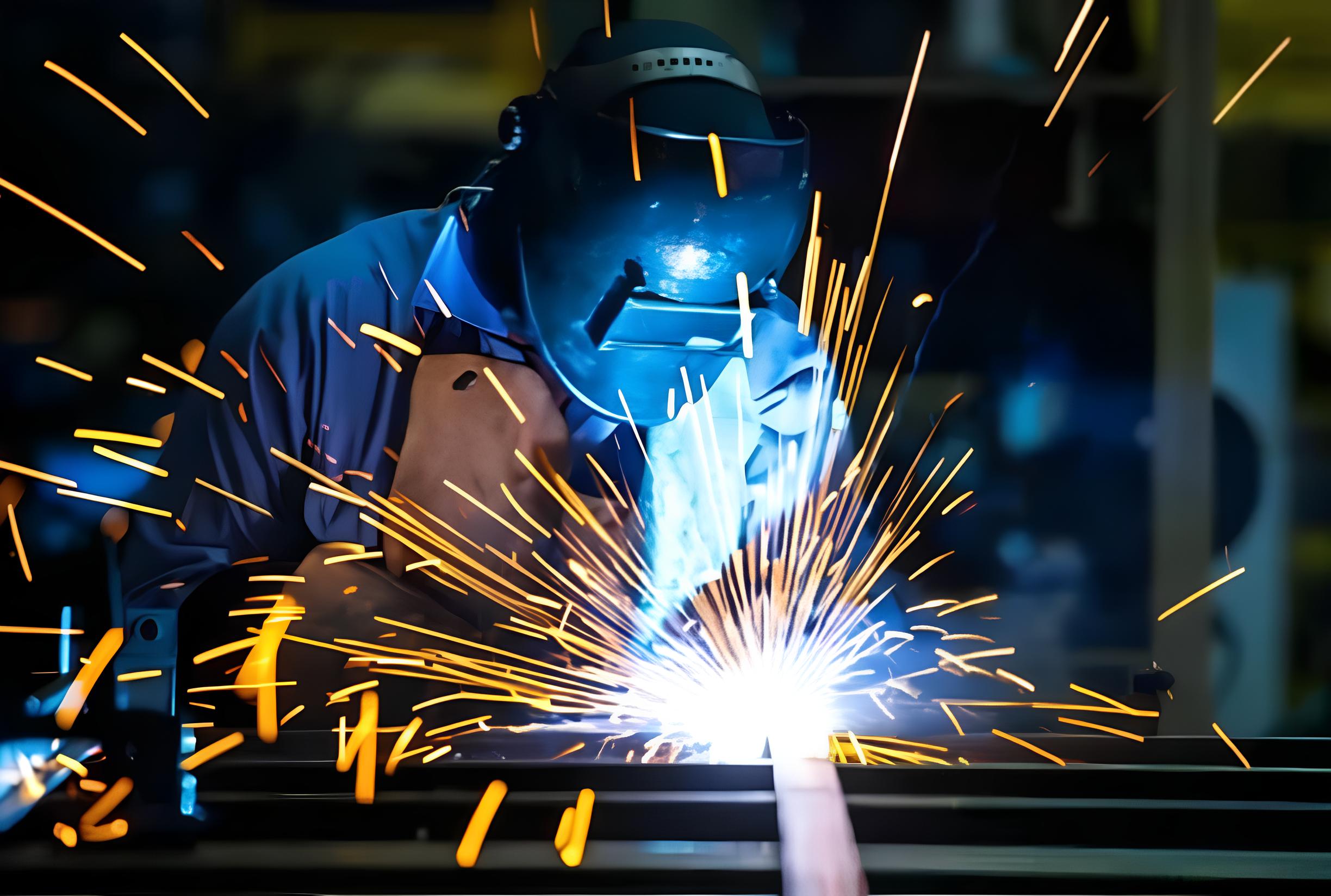
What is Manual Welding? Manual welding is one of the traditional welding methods used to join metal parts. In this process, the person performing the welding manually controls the welding torch (the tool that holds the electrode and current source) and performs the welding process. Since manual welding is a manual process, it is a process that is directly controlled by the person doing the welding and requires various skills and experience. This method is widely preferred, especially in low-volume production, repairs and harsh working conditions. Manual welding can be done by many different welding methods, but the most common include Stick welding (electrode arc welding), Tungsten Inert Gas (TIG) welding ve Metal Inert Gas (MIG) welding There are. These methods are selected depending on the type of material on which welding will be carried out, its thickness and environmental conditions. Manual welding is frequently used in many different areas of industry, especially in sectors such as heavy industry, construction, automotive repair, maritime, metalworking and shipbuilding. Manual welding is also quite common in maintenance and repair work because operations with portable equipment generally provide more flexibility than operations with stationary machines. Basic Methods of Manual Welding Manual welding uses a variety of techniques depending on the different types of welding. The most common types of manual welding are Stick (electrode arc welding), TIG welding, and MIG welding. Stick Welding (Electrode Arc Welding) Stick welding is one of the most common manual welding methods. In this method, one end part of an electrode contacts the workpiece while the other part is connected to the welding machine. The electric current creates an arc between the electrode and the workpiece, and this arc creates heat. The heat generated by the arc causes the metal to melt and the parts to fuse. Stick welding is preferred especially in dirty, rusty or difficult working conditions. Since it requires simpler equipment compared to other welding methods, it is widely used in areas such as outdoors and construction. Electrodes are generally covered with a coating, and the gases and fumes formed during welding protect the welding area and prevent oxidation. TIG Welding (Tungsten Inert Gas Welding) TIG welding is the most precise and controlled among manual welding methods. In this method, tungsten electrodes are used and during the welding process, the weld area is surrounded by a protective gas (usually argon). The tungsten electrode is used to provide the heat, while additional material (usually wire) is manually added to the weld. TIG welding is especially preferred for fine metal processing, precision work and applications requiring high quality welding. During welding, full control is maintained over the temperature and flow rate of the weld. This results in extremely clean and smooth welds. However, the challenge of TIG welding is that it requires high skill and experience from the worker. Additionally, this method is often slower and more expensive because it requires manual intervention to add additional material. MIG Welding (Metal Inert Gas Welding) MIG welding is another important type of manual welding process and is generally preferred for fast and efficient welding processes. In MIG welding, a welding wire is guided into the weld accompanied by a gas flow. The metal melts with the heat of the welding wire and the fused metal parts come together. MIG welding is especially ideal for thick metal parts. MIG welding can be done automatically or manually. Manual MIG welding allows the operator to start the weld and control the position of the weld. This method offers a particularly fast and easy welding process and requires minimal cleanup. However, the success of MIG welding depends on the operator's experience and patience while welding. Advantages of Manual Welding Manual welding offers several advantages over automatic welding methods. These advantages are especially important for businesses looking for low-cost and flexible solutions. Flexibility and Portability Since manual welding machines are generally portable, welding can be done in harsh environments or areas that fixed welding machines cannot reach. This increases flexibility, especially in maintenance and repair work in the construction industry and outdoors. Portable machines can shorten the time it takes to complete the job by offering a large work area. Low Cost Manual welding is generally lower cost than automatic welding systems. Because manual welding machines are cheaper and require less technology. Additionally, manual welding operators can be used in jobs that require less experience and training costs are also lower. Easy to Use Manual welding machines are generally very easy to use thanks to their simple structure. Only basic skills and attention are required when welding. The operator can directly control the materials and electrode during the welding process. This allows the operator to weld more flexibly and can reduce the risk of making errors. Ease of Maintenance and Repair Manual welding provides advantages especially in maintenance and repair processes. Welding can often be done on-site and operational glitches can be quickly resolved. In cases of electrical malfunctions or dislocation of parts, repairs with manual welding can be done much faster and more cost-effectively. Disadvantages of Manual Welding Although manual welding has many advantages, it also has some disadvantages. These disadvantages can be particularly significant for jobs requiring high-volume production or very precise welding. Time Consuming and Low Speed Manual welding is a slower process than automatic welding processes. Because the welding process takes place with manual intervention of the operator and this takes more time. Especially on large projects, manual welding can be very time consuming, which can increase labor costs. High Labor Requirement Manual welding requires high skill and experience. The quality of the weld directly depends on the skill of the operator. Therefore, the need for experienced and educated workforce increases. At the same time, there is a higher probability of making mistakes during manual welding. This can make quality control difficult. Limited Quality and Precision Manual welding can be challenging, especially in processes that require fine workmanship and high precision. May be less accurate than automatic welding systems. This can be a problem, especially in safety-critical industries. Manual welding offers many advantages and disadvantages as a traditional welding method. Its advantages such as flexibility, portability and low cost make it preferred especially in maintenance and repair operations and low-volume production. However, disadvantages such as time consuming, high labor requirements and limited precision may create some limitations compared to automatic welding methods. Nevertheless, manual welding has an important place in industrial applications and is used as a highly efficient method under suitable conditions.
See More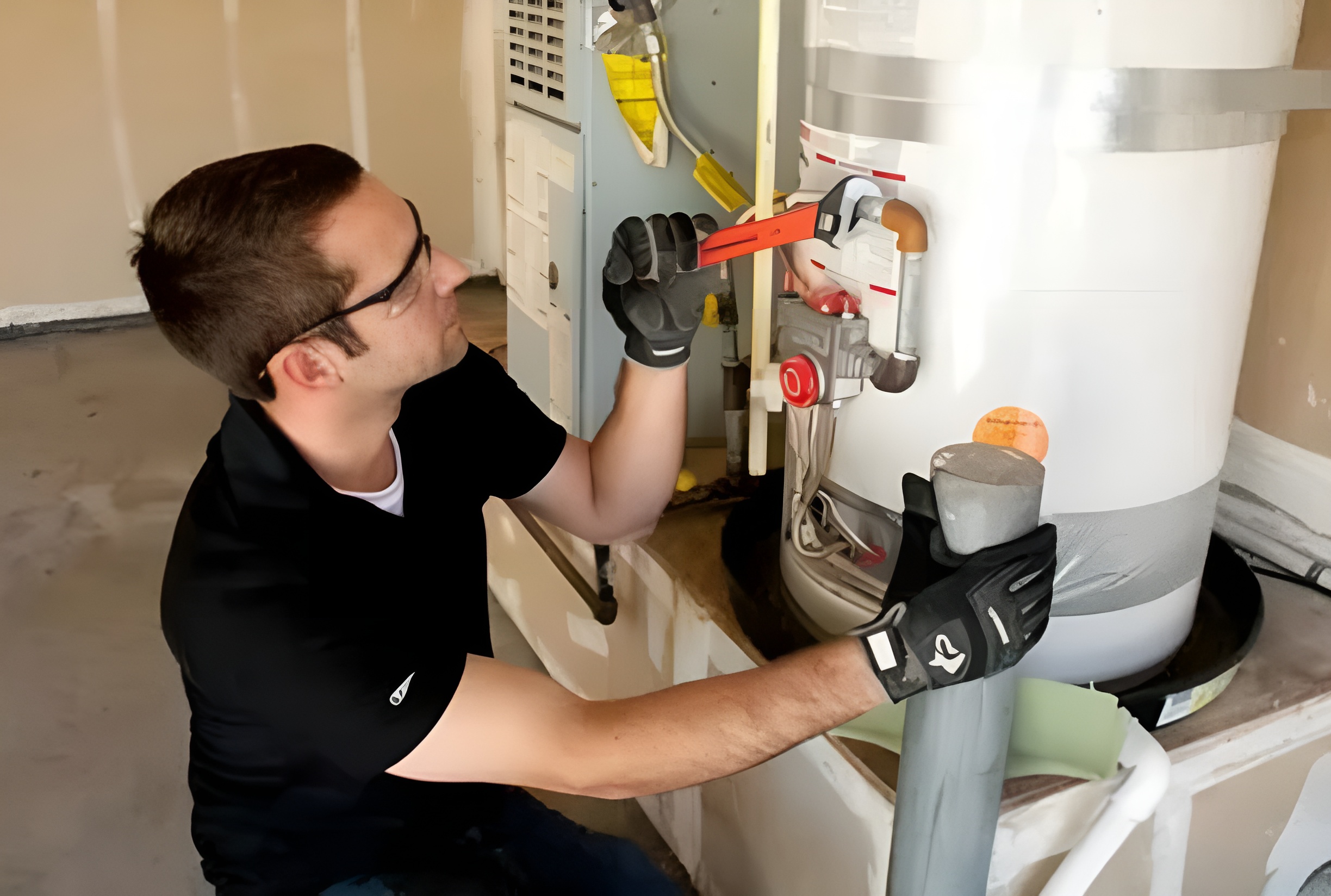
What is Tank and Installation Passivation Service? Tank and installation passivation service is an important process applied in industrial sectors, especially to ensure long-lasting, safe and efficient operation of metallic surfaces. This process generally aims to protect tanks, pipelines, boilers and other metal installation elements from corrosion, rust and chemical effects. By creating a protective layer on metal surfaces, the metal is made more resistant to external factors. Passivation strengthens the naturally occurring protective layer, especially in materials such as stainless steel, and increases the resistance of these materials to environmental influences. Passivation process is of great importance for tanks and installations to operate safely and efficiently in all kinds of uses. This process ensures that metal surfaces are covered with a protective layer as a result of chemical reactions. This layer prevents the metal from rusting, corroding and being affected by environmental factors. Passivation also helps metals gain a better aesthetic appearance. How is Passivation Done? The passivation process generally consists of four main steps: cleaning, acidic solution, passivation and final rinsing. Each of these steps ensures that the surface of the metal used during the process is properly protected and the passivation layer is formed properly. Cleaning Before starting the passivation process, it is very important to clean the metal surface. Because dirt, oil, oxide and other contaminants on the metal surface can reduce the effectiveness of the passivation process. The cleaning process ensures that the metal has a smooth and clean surface so that the passivation layer can form properly. Cleaning is usually done with chemical solvents or abrasive methods. In this step, the metal surface is completely cleared of external factors. Passing through Acidic Solution After cleaning, the metal surface is passed through an acidic solution. This step cleans the oxidized substances on the metal surface and helps remove dirt on the metal. The acidic solution usually contains nitric acid or hydrochloric acid. These acidic solutions destroy the oxide layers on the metal surface and make the surface smooth. Correct application of the acidic solution is critical to the success of the passivation process. Pacification The metal surface, cleaned from the acidic solution, is immersed in a special solution prepared for the passivation process. During passivation, a thin oxide layer forms on the metal surface. The passivation process helps the metal create a protective barrier against external factors. Especially in materials such as stainless steel, this thin oxide layer provides a high resistance to corrosion. The passivation process is usually done with oxidizing compounds, and as a result of the reaction, an anti-corrosion protective layer is formed on the metal surface. Final Rinse and Drying After the passivation process is completed, the metal surface is rinsed with plenty of water to remove acidic solutions. This step is necessary to ensure that the passivation layer does not deteriorate and the acidic solution does not remain on the metal surface. The metal surface must be rinsed thoroughly and then dried. The drying process is usually done with air and it is ensured that the metal is not left with water droplets. This stage is the last step of the passivation process and ensures that the surface is completely ready. Benefits of Passivation Tank and installation passivation has many important benefits. These benefits are valuable both economically and operationally. Protection Against Corrosion The biggest advantage of passivation is that it provides anti-corrosion protection to metal surfaces. The oxide layer formed on the metal during the passivation process makes the metal more resistant to environmental factors. In particular, water, acidic substances or other chemical factors can cause the metal to rust or corrode over time. Passivation protects the metal against such external factors and increases the durability of the metal surface. Long Lasting Use Passivation increases the durability of metal surfaces, ensuring long-term use. Tanks, pipelines and other installation elements wear and deteriorate less thanks to passivation. This reduces maintenance costs and allows installations to operate efficiently for longer. Since the durability of the metal surface increases, the life of such installations is also extended. Cleaning and Hygiene Passivation makes metal surfaces cleaner and more hygienic. Dirt and residues that are more difficult to clean can be more easily removed from metal surfaces thanks to the passivation process. Passivation is of great importance, especially in areas where hygiene is critical, such as the food and pharmaceutical industries. This process provides the cleaning required to produce products safely and healthily. Aesthetic Appearance Passivation allows metal surfaces to have a more aesthetically pleasing appearance. Especially in materials such as stainless steel, after the passivation process, the roughness on the surface decreases and the brightness increases. This is useful for visually important applications. Protection from Environmental Effects The passivation process makes the metal more resistant to environmental factors. Corrosion on metal surfaces can cause the release of harmful substances into the environment. Passivation prevents these harmful effects and offers an environmentally friendly solution. Additionally, less wear on metal surfaces helps preserve natural resources. Usage Areas of Tank and Installation Passivation Tank and installation passivation process is widely used in many industries. In these industries, passivation plays an important role to ensure safety, durability and efficiency. Chemical Industry In the chemical industry, especially tanks and pipelines where chemicals are transported and stored, need passivation process. Rapid corrosion may occur on metal surfaces under the influence of chemicals. Passivation ensures the long life of such installation elements and contributes to the safe operation of businesses. Food and Pharmaceutical Industry In sectors such as food processing and pharmaceutical production, hygiene and cleanliness are of great importance. Passivation keeps installations clean and helps maintain the quality of the products. Stainless steel tanks and pipelines, in particular, are widely used in these sectors, and passivation eliminates the risk of corrosion and ensures that healthy production processes continue. Oil and Gas Sector Since tanks and pipelines used in the oil and gas industry operate under extreme temperatures and pressure, the passivation process provides important protection. Passivation increases the resistance of such installation elements against corrosion and ensures safe operation of the system. Energy Sector Similarly, in the energy sector, pipelines and other metal installation elements are protected by passivation. This prevents corrosion that may be encountered during energy production and ensures that energy production processes continue uninterrupted. Tank and installation passivation service is an important process that ensures long-lasting, safe and efficient operation of metal surfaces. Passivation eliminates the risk of corrosion on metal surfaces, making installation elements more durable. This service is of great importance especially in the chemical, food, pharmaceutical, energy and petroleum sectors. Passivation is not only economically beneficial, but also provides protection from environmental factors.
See More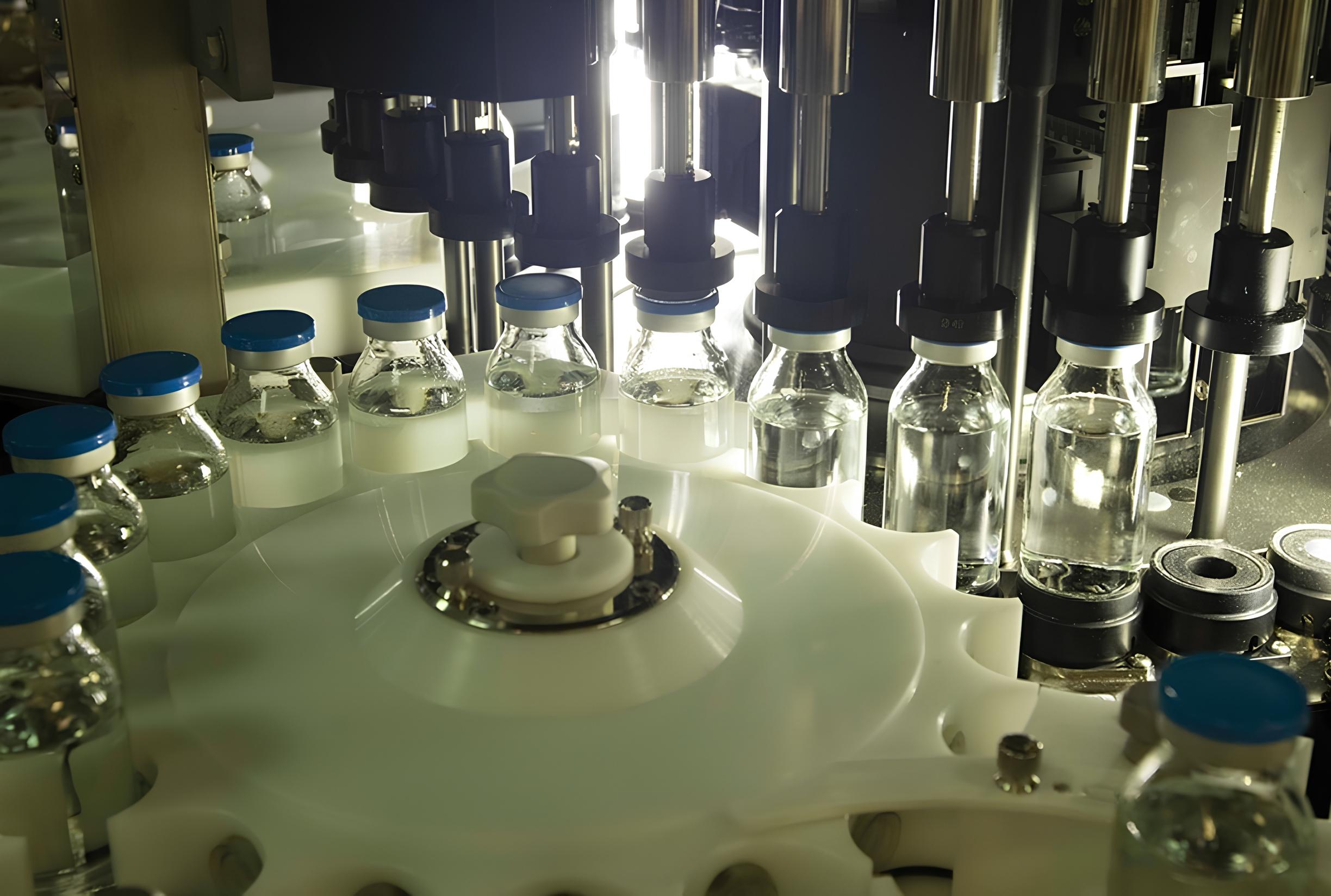
Sterile and Non-Sterile Manufacturing Systems Sterile and non-sterile manufacturing systems are critical for the safe and hygienic production of products in many industries and sectors today. These two production systems differ according to the characteristics of the products, and the application areas, methods and requirements of each are quite different from each other. While sterile manufacturing is preferred for the production of products that require the complete destruction of microorganisms and pathogens, non-sterile manufacturing refers to production processes that require less hygienic conditions but are still carried out in a clean environment. Both sterile and non-sterile production processes are of great importance in terms of safety, quality and efficiency, especially in healthcare, pharmaceutical, biotechnology, food and other industries. Sterile Manufacturing Systems Sterile manufacturing is a production process applied to ensure the complete destruction of microorganisms, bacteria, viruses and other pathogens. This type of manufacturing is used particularly in the production of medical devices, pharmaceuticals, biotechnological products and some foodstuffs. The sterilization process protects the product from the damaging effects of microorganisms and makes it safe. Sterile products are generally products that have a direct impact on human health and are therefore subject to very strict hygiene and quality control standards. One of the most important components of sterile manufacturing systems is the sterilization process. Sterilization means the destruction of all microorganisms on a product, and this process can be achieved by different sterilization methods. These methods may vary depending on the type of product, area of use and sterilization requirements. Otoclavlama Autoclaving is one of the most commonly used methods of sterilization. Autoclaves kill microorganisms using steam under high temperature and pressure. This method, which is generally preferred for medical devices, biological products and some drugs, provides effective sterilization. During autoclaving, hot steam kills bacteria and viruses on the product, ensuring safe use of the product. The temperature used in autoclaving generally varies between 121-134°C and the process is carried out under these conditions for a certain period of time. Chemical Sterilization Chemical sterilization is another preferred sterilization method when autoclaving cannot be applied to some products. In this method, chemicals are used to kill microorganisms. Ethylene oxide (EO) and hydrogen peroxide are the most commonly used agents for chemical sterilization. Chemical sterilization is especially suitable for drugs and biotechnological products in liquid form. Chemical substances react with microorganisms in the product, disrupting their structure and thus rendering them harmless. filtration Filtration is another highly effective method for the sterilization process. It is especially used to filter microorganisms on liquids and gases. During filtration, using special filters, microorganisms in liquids or air are filtered and excluded. This method is especially preferred in applications such as biological products, pharmaceuticals and water purification. Since filtration is effective even at low temperatures, it is also used to sterilize heat-sensitive products. In sterile production facilities, a strict air filtration system is used to prevent microorganisms from entering the production area. Additionally, the protective equipment worn by staff, such as clothing, sterile gloves and shoes, helps maintain hygiene in a sterile production environment. However, regular air exchange is ensured in sterile areas and pollutants in the environment are removed with air filtration systems. Microorganism control is carried out at all stages of sterile production processes and the products are ensured to be microbiologically safe. Non-Sterile Manufacturing Systems Non-sterile manufacturing systems are used for the production of products that do not require sterilization. In such systems, products do not need to be completely free of microorganisms, but it is still important to ensure certain hygiene standards. Non-sterile manufacturing is generally used in the production of lower risk products and these products do not generally directly affect human health. Areas where non-sterile manufacturing is widely used include the food industry, automotive industry, packaging production, textiles and some industrial products. In non-sterile manufacturing systems, it is very important to ensure hygienic conditions in the environment where the products are produced. Contact of microorganisms with the product should be limited and attention should be paid to cleaning and disinfection processes in the production area. However, compared to sterile production systems, non-sterile production can be more flexible and cost-effective. However, hygiene standards must also be adhered to in such systems. Cleaning and Disinfection In non-sterile production systems, sterilization is not performed, but the products are subjected to strict cleaning and disinfection processes to ensure microbiological safety. Surfaces in the production environment are cleaned and disinfected regularly. These steps are important to prevent the spread of microorganisms. In addition, the machines and equipment used must be cleaned and maintained in accordance with hygienic conditions. Air Quality and Control In non-sterile production areas, air quality is also an important factor. Unlike sterile production, air filtration systems in non-sterile production environments may be lower class. However, certain air quality standards must still be maintained to prevent microbiological contamination of products. Air circulation is important, especially in food production facilities, to prevent microorganisms from mixing with the product. Insulation and Protection In non-sterile production processes, certain isolation and protection measures are taken to protect the products from microorganisms. Production of products under hygienic conditions is generally achieved by appropriate cleaning, sanitation and microorganism control. In addition, proper packaging of products is also important. Packaging protects the product from external factors and ensures that the products reach the consumer safely. Comparison of Sterile and Non-Sterile Manufacturing Systems The main difference between sterile and non-sterile manufacturing systems is the level of protection each system offers against microorganisms. Sterile manufacturing is a more expensive and complex process because the products must be made completely microbiologically safe. These processes are usually done by methods such as autoclaving, chemical sterilization and filtration. Non-sterile manufacturing, on the other hand, is more flexible and generally lower cost because complete purification with microorganisms is not required, but hygienic conditions are still provided. Sterile production is often required for products that are critical to health and safety. Non-sterile production is preferred for products that are less critical but still need to meet certain hygiene requirements. Application Areas Sterile and non-sterile manufacturing play critical roles in different industries. Sterile production is often required for medical devices, pharmaceuticals, biotechnological products and some foodstuffs. Non-sterile production is widely used in sectors such as the food industry, automotive parts, packaging materials and textiles. Both systems operate according to certain quality and hygiene standards, but sterile production has higher safety requirements. Sterile manufacturing is generally a more expensive and complex process, but is essential for the production of high-risk products. Non-sterile manufacturing, on the other hand, is used in a wider range of applications and is generally more flexible. Sterile and non-sterile manufacturing systems are specifically designed according to the needs of industries, and both systems play important roles in ensuring the safety and quality of products.
See More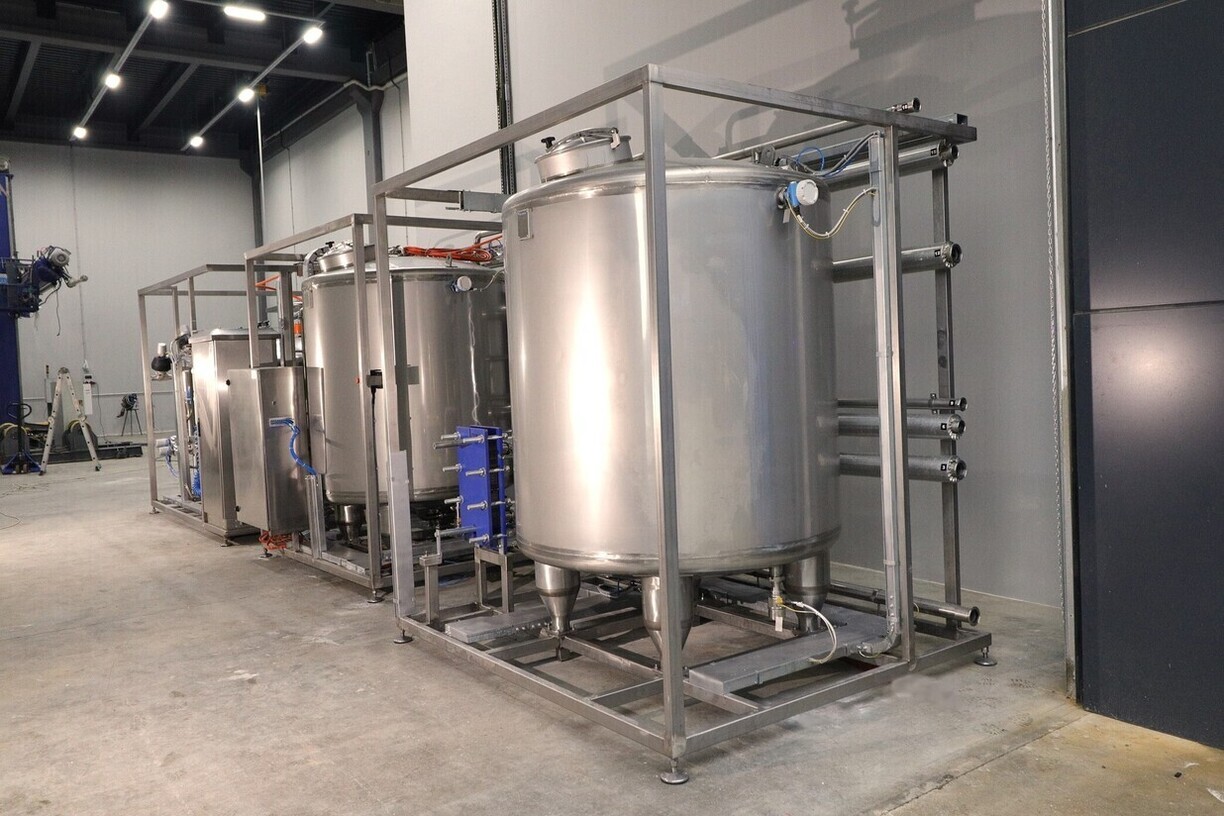
Why Hygienic Tanks Are Important for Industries? Hygienic tanks are a cornerstone of industries where cleanliness and hygiene are critical. From food processing plants to the pharmaceutical sector, these tanks prevent products from becoming contaminated and ensure compliance with strict health standards. The design and production of hygienic tanks prioritize smooth surfaces, corrosion resistance, and the absence of crevices where bacteria could proliferate. With increasing regulatory pressures and consumers’ demands for higher quality, the role of hygienic tanks has significantly grown. These tanks not only prevent contamination but also contribute to the operational efficiency of facilities by adhering to global standards such as FDA and ISO. Furthermore, hygienic tanks are designed to meet the specific needs of various industries, offering a versatile solution for maintaining high cleanliness and safety standards. The introduction of advanced materials and design innovations has further reinforced the importance of these tanks. Modern hygienic tanks are built to offer durability and adaptability, capable of withstanding harsh conditions. From raw material storage to the processing of sensitive substances, these tanks are designed to support a wide range of industrial applications without compromising hygiene. Key Features of Hygienic Tanks Hygienic tanks stand out with their unique features. They are typically made from high-quality stainless steel, known for its durability and resistance to rust. Their surface finishes are polished to minimize the risk of microbial growth. Additionally, these tanks often incorporate advanced cleaning systems such as CIP (Clean-in-Place), enabling efficient cleaning without disassembling the equipment. Another key point is their customizable designs. Manufacturers offer various sizes and configurations to meet the specific needs of different industries. Additionally, temperature control options and pressure-resistant designs are common enhancements. These features not only ensure the integrity of stored or processed materials but also improve operational efficiency by reducing downtime and maintenance costs. Some tanks also include automated monitoring and control systems that provide real-time data on internal conditions such as temperature, pressure, and cleanliness levels. This integration of smart technology enables businesses to optimize production processes while maintaining strict hygiene standards. Applications of Hygienic Tanks in Industries Hygienic tanks play a significant role in various sectors: Food and Beverage: Used for storing and mixing materials while ensuring strict hygiene. For instance, these tanks are essential for beer production, fermentation, and the production of fruit juices and syrups. Pharmaceutical Industry: Indispensable for producing drugs and vaccines in sterile conditions. They are frequently used for storing sensitive chemicals and biological substances. Dairy Products: Essential for the pasteurization and storage of milk and dairy products. These tanks ensure freshness preservation and prevent spoilage. Cosmetics: Ensure product integrity by preventing contamination during production. Hygienic tanks are used for storing and mixing creams, lotions, and other cosmetic products. Beyond these sectors, hygienic tanks are also finding applications in emerging fields such as biotechnology and renewable energy. Their ability to maintain sterile environments makes them indispensable in research and development processes. Factors to Consider When Choosing a Hygienic Tank Manufacturer Selecting the right manufacturer is crucial to obtaining reliable and durable hygienic tanks. Here are some factors to consider: Experience: Look for manufacturers with a proven track record in the industry. Their expertise ensures the delivery of high-quality tanks that meet specific industry requirements. Customization: Every industry has unique needs. A good manufacturer will offer tailored solutions, from tank size to advanced features like automated cleaning systems. Compliance: Ensure the manufacturer adheres to international standards such as FDA, ISO, and ASME. Certifications demonstrate a commitment to quality and safety. After-Sales Support: Reliable manufacturers provide comprehensive after-sales services, including maintenance, spare parts, and technical support. This ensures the longevity and efficiency of your investment. Benefits of Investing in Hygienic Tanks Investing in premium hygienic tanks offers numerous advantages. Firstly, it reduces the risk of contamination, protecting product quality and consumer health. Secondly, these tanks minimize downtime thanks to their ease of cleaning and maintenance. Additionally, their robust construction provides longer lifespan, delivering an excellent return on your investment. Advanced features like temperature regulation and automated monitoring further enhance operational efficiency. By investing in high-quality tanks, businesses can maintain strict hygiene standards while achieving higher productivity. The durability of these tanks also reduces the need for frequent replacements, offering a cost-effective choice in the long run. Moreover, the use of hygienic tanks demonstrates a company’s commitment to quality and safety, enhancing its reputation. This can be a significant competitive advantage in markets where consumer trust is paramount. Innovations in Hygienic Tank Manufacturing The industry has seen remarkable innovations in recent years. Advanced welding techniques and surface treatments have significantly improved tank durability and cleanliness. Additionally, the integration of smart technologies like IoT sensors enables real-time monitoring of tank conditions and predictive maintenance, reducing operational costs. Eco-friendly materials and energy-efficient designs also reflect a growing emphasis on sustainability in manufacturing practices. Manufacturers are exploring new alloys and coatings that reduce environmental impacts while delivering superior performance. Innovations extend to the design of cleaning systems as well. Modern tanks are equipped with highly efficient CIP systems that use less water and chemicals, ensuring hygiene in alignment with sustainability goals. How to Maintain Hygienic Tanks Proper maintenance is essential to ensure the longevity and efficiency of hygienic tanks. Regular cleaning using CIP systems removes residues and prevents microbial growth. Periodic inspections for wear and tear allow issues to be identified before they escalate, saving time in the long run and money. Additionally, adhering to the manufacturer’s operation and maintenance guidelines ensures optimal performance. Use by trained personnel further reduces the risks of damage or contamination. Maintenance schedules should also include checks on mechanical components, seals, and gasket rubbers. Ensuring these parts are in good condition prevents leaks and contamination, preserving the tank’s functionality. Choosing the Right Supplier Partnering with a reliable supplier is critical to acquiring top-tier hygienic tanks. Look for companies with a reputation for quality and excellent customer support. Comprehensive after-sales services, including maintenance, spare parts supply, and technical assistance, are equally important. By partnering with a trusted supplier, businesses can ensure the seamless integration of hygienic tanks into their operations, achieving efficiency and compliance. Evaluating supplier reviews, certifications, and past projects can provide valuable insights into their reliability.
See More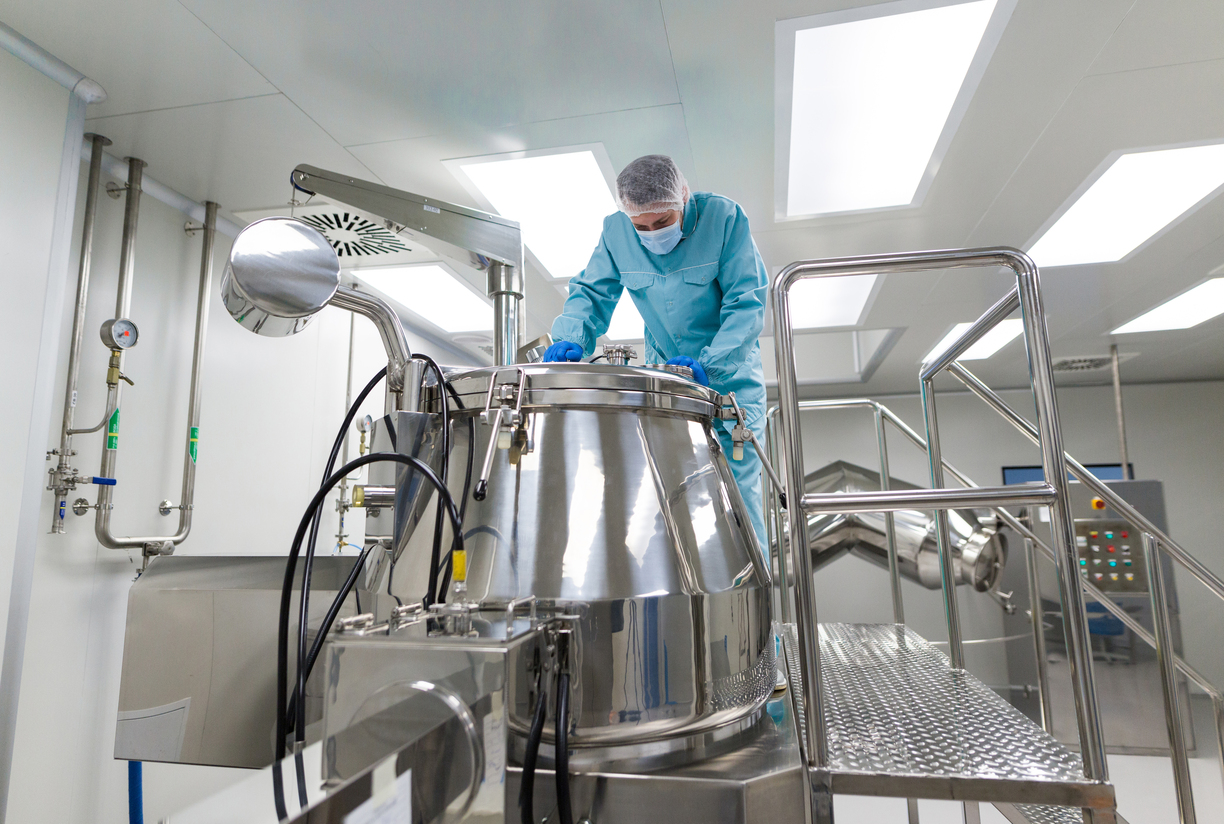
The Importance of Pharmaceutical Tanks in Industry Pharmaceutical tanks play a critical role in drug manufacturing processes. These tanks ensure that drugs are produced in a sterile environment and prevent contamination. To ensure that products are manufactured without harming human health, high hygiene standards are observed in the design and production of pharmaceutical tanks. Strict regulations in the pharmaceutical industry have further increased the importance of pharmaceutical tanks. Produced in compliance with international standards such as FDA and GMP, these tanks optimize the production process and ensure the delivery of high-quality products to the market. Additionally, these tanks are designed to preserve the properties of sensitive products. For example, during the production of biological products, precise temperature control and contamination-preventing features are of vital importance. As the scope of use for pharmaceutical tanks expands, technology and innovations in this field have also advanced. These tanks support not only production processes but also laboratory testing and R&D activities, contributing to the development of the industry. Furthermore, the use of these tanks supports efforts to minimize businesses’ environmental impact. The use of eco-friendly materials promotes sustainable production practices and reduces energy consumption. Today, pharmaceutical tanks provide production flexibility, enabling businesses to safely manufacture different products in the same environment. This allows production lines to operate more efficiently and reduces businesses’ costs. Especially in unexpected situations such as pandemics or sudden demand surges, the adaptability of pharmaceutical tanks offers a critical advantage. Technical Features of Pharmaceutical Tanks Pharmaceutical tanks are made from durable materials such as stainless steel. The inner surfaces of the tanks are smooth and specially polished to prevent microbial growth. Additionally, they are equipped with CIP (Clean-in-Place) and SIP (Sterilize-in-Place) systems, which provide efficient cleaning and sterilization. The design of the tanks can be customized based on the sensitivity of the drugs. Features such as temperature control, pressure resistance, and liquid mixing systems can be added to meet various production requirements. Furthermore, some tanks are equipped with automation systems to optimize critical processes. These systems monitor the production process, providing operators with real-time information and enabling higher production efficiency. Another important aspect of their technical features is the tanks’ long-term durability. Especially in the biotechnology sector, tanks are manufactured to withstand aggressive chemicals and changing environmental conditions. This helps maintain product quality while assisting businesses in reducing their costs. Additionally, the modular structure of the tanks allows them to adapt quickly and efficiently to different production needs. Modern pharmaceutical tanks are equipped with smart sensors, enabling continuous monitoring of production processes. These sensors measure temperature, pressure, and liquid levels, providing operators with instant feedback. This allows potential issues to be identified in advance, preventing production interruptions. Applications of Pharmaceutical Tanks Pharmaceutical tanks are used in many areas of the pharmaceutical sector: Raw Material Storage: Ensures the safe storage of raw materials such as chemicals and active ingredients. These tanks can preserve raw materials for extended periods without degradation and without quality loss. Production Processes: Used in mixing, fermentation, and reaction processes. They play a critical role, especially in the production of liquid and semi-solid forms. Liquid Drug Production: Suitable for syrups, injectable solutions, and other liquid drugs. They are also used in the production of sensitive products like sterile eye drops. Biotechnological Production: Plays a critical role in gene therapy, vaccines, and cell culture production. These processes are successfully carried out thanks to the sterile environments and precise control mechanisms of the tanks. Experimental Research: Small-scale pharmaceutical tanks used in laboratory settings for the development of new drugs and treatment methods provide significant support for research and development activities. In addition, pharmaceutical tanks are widely used in biotechnological applications, particularly in gene therapy and cell culture production. The versatile design of these tanks allows for applicability in various pharmaceutical processes. Furthermore, these tanks also play an important role in the production of dietary supplements and cosmetics. Considerations in Pharmaceutical Tank Production The key elements to consider in pharmaceutical tank production include: Material Quality: The materials used in the tanks must be corrosion-resistant and suitable for sterilization processes. High-quality materials ensure the tanks’ longevity and the uninterrupted continuation of production processes. Compliance with Standards: Production in accordance with standards such as FDA, GMP, and ISO is mandatory. These standards-compliant processes guarantee the reliability of the tanks and their effectiveness in pharmaceutical production processes. Customization: Designing the tanks to suit the customer’s production processes carries great importance. This enables businesses to meet their specific needs and makes production processes more efficient. Energy Efficiency: In modern production practices, energy efficiency is a critical factor. Low energy consumption in pharmaceutical tanks provides cost savings and minimizes environmental impacts. Maintenance and Management of Pharmaceutical Tanks To ensure the effective operation of pharmaceutical tanks, regular maintenance must be performed. The performance of CIP and SIP systems should be continuously monitored and addressed as needed. Additionally, the inner surfaces of the tanks should be regularly checked for wear and deformation. Maintenance performed by trained personnel ensures the tanks’ longevity and the uninterrupted continuation of pharmaceutical production processes. The integration of IoT-based systems into maintenance processes can further enhance tank efficiency. It is also important, from a sustainability perspective, that the cleaners used in tank maintenance are biocompatible and have low environmental impacts. This helps the industry align with eco-friendly goals. Furthermore, regular inspection of the seals and gaskets used in the tanks eliminates the risk of leaks, enhancing reliability. Innovative Solutions in Pharmaceutical Tanks With advancements in technology, numerous innovative solutions are being implemented in pharmaceutical tank production. IoT sensors enable the real-time monitoring of the tanks’ internal conditions. This allows issues to be identified and resolved quickly in advance. These systems, particularly in large-scale production, minimize the error rate. Additionally, energy-efficient designs and eco-friendly materials contribute to sustainability goals. Modern pharmaceutical tanks offer solutions that are both environmentally sensitive and high-performing. Innovative technologies reduce energy costs while increasing production capacity. In the future, technologies such as artificial intelligence and machine learning are expected to play a significant role in making pharmaceutical tanks smarter and more efficient. These innovations will optimize the overall performance of the tanks, better meeting the needs of the pharmaceutical industry. At the same time, the use of next-generation materials could reduce the weight of the tanks and enhance their portability.
See More
The Importance of Tanks in the Chemical Industry Tanks play a vital role in the chemical industry, where precision, safety, and efficiency are paramount. These tanks are used to store, mix, and process a wide range of chemicals, ensuring that materials remain clean and safe. High-quality chemical tanks are designed to withstand extreme temperatures, corrosive substances, and pressure fluctuations, making them indispensable for industrial operations. Strict safety and environmental regulations in the chemical industry necessitate the use of advanced tanks compliant with international standards such as ASME and ISO. These tanks not only enhance operational efficiency but also ensure the safety of workers and the environment. Their robust construction and innovative features have made them a critical component of modern chemical processing facilities. Additionally, chemical tanks support the scalability of industrial operations. With advancements in production, these tanks are now offered in modular designs, allowing facilities to quickly increase their capacity. They also play a significant role in maintaining the quality of chemicals, providing controlled environments that minimize contamination. Technical Features of Chemical Industry Tanks Chemical tanks are typically made from high-quality materials such as stainless steel, fiberglass, or specialized alloys. These materials offer excellent resistance to corrosion and chemical reactions, ensuring that the tanks are long-lasting and reliable. Internal surfaces are often coated or lined to prevent contamination and facilitate easy cleaning. Advanced tanks are equipped with features such as temperature control systems, pressure monitoring sensors, and automated mixing mechanisms. These features provide precise control over chemical processes, reducing waste and improving product quality. Additionally, some tanks are designed with safety features like emergency pressure relief valves and leak detection systems. The integration of automation technologies is a standout feature. IoT-enabled tanks can transmit real-time data on temperature, pressure, and liquid levels, enabling remote monitoring and predictive maintenance. This level of automation enhances operational efficiency and reduces downtime caused by unforeseen issues. Applications of Tanks in the Chemical Sector Chemical tanks are used in various applications across the industry: Storage: Used for the safe storage of raw materials, intermediates, and finished chemicals. These tanks prevent contamination and ensure that chemicals retain their desired properties over extended periods. Mixing: Essential for blending different chemical components under controlled conditions. Mixing tanks are designed to handle reactions requiring precise temperature and pressure management. Reactor Tanks: Facilitate chemical reactions and provide an environment where temperature and pressure are controlled. These tanks are critical for producing high-value chemical products. Transport: Designed for the safe transportation of hazardous and non-hazardous chemicals from one location to another. Mobile tanks are built to preserve the integrity of their contents during transit. Waste Management: Used for holding and processing chemical waste in compliance with environmental regulations. Specialized tanks are equipped with systems to neutralize hazardous waste before disposal. Considerations in Chemical Tank Production Chemical tank production requires meticulous attention to meet industry standards and operational requirements. Here are some key factors to consider: Material Selection: The material used depends on the chemical properties of the substances being processed. Resistance to corrosion and temperature tolerance are critical factors. For highly corrosive substances, special coatings or composite materials may be required. Design and Customization: Tanks must be designed in terms of size, shape, and functionality to meet the specific requirements of the process. Customizable features such as mixing systems, insulation, and baffles enhance the tank’s suitability for various applications. Safety Compliance: Adherence to safety standards such as ASME, OSHA, and EPA regulations is mandatory to ensure safe operations. Manufacturers must also incorporate safety measures such as pressure relief systems and spill prevention features. Quality Assurance: Comprehensive testing and inspections during the production process are necessary to guarantee the tanks’ performance and durability. Non-destructive testing methods such as X-ray and ultrasonic testing are commonly used to detect defects in welds and materials. Maintenance and Durability of Chemical Tanks Proper maintenance is essential to extend the lifespan and ensure the safety of chemical tanks. Regular inspections should be conducted to identify signs of wear, corrosion, or structural damage. Advanced tanks equipped with monitoring systems provide real-time data on their condition, simplifying maintenance tasks. Cleaning protocols should be implemented to remove residues and prevent contamination. The use of compatible cleaning agents that do not react with tank materials is essential. Periodic maintenance also involves inspecting and replacing components such as seals, gaskets, and valves. Proper documentation of maintenance activities ensures compliance with industry standards and audits. In addition to routine maintenance, upgrading older tanks with modern technologies can extend their operational lifespan. Retrofitting with advanced sensors, automation systems, and improved coatings can significantly enhance the tanks’ performance and reliability. Innovations in Chemical Tank Design The chemical tank manufacturing sector has embraced innovations to meet the evolving needs of the industry. Smart technologies, such as IoT-enabled sensors, enable real-time monitoring of tank conditions, providing predictive maintenance and reducing downtime. These advancements also improve safety by detecting leaks or anomalies before they become serious issues. Sustainability is another key focus area. Manufacturers are developing tanks using eco-friendly materials and energy-efficient designs to minimize environmental impact. Additionally, modular and scalable tank designs provide flexibility for the expansion of industrial operations. In the future, technologies such as artificial intelligence and machine learning are expected to play a significant role in optimizing tank performance and process efficiency. These technologies will further enhance the capabilities of chemical tanks, making them an indispensable asset in industrial applications. Moreover, 3D printing and advanced manufacturing techniques are being explored to produce highly customized and cost-effective tank solutions.
See More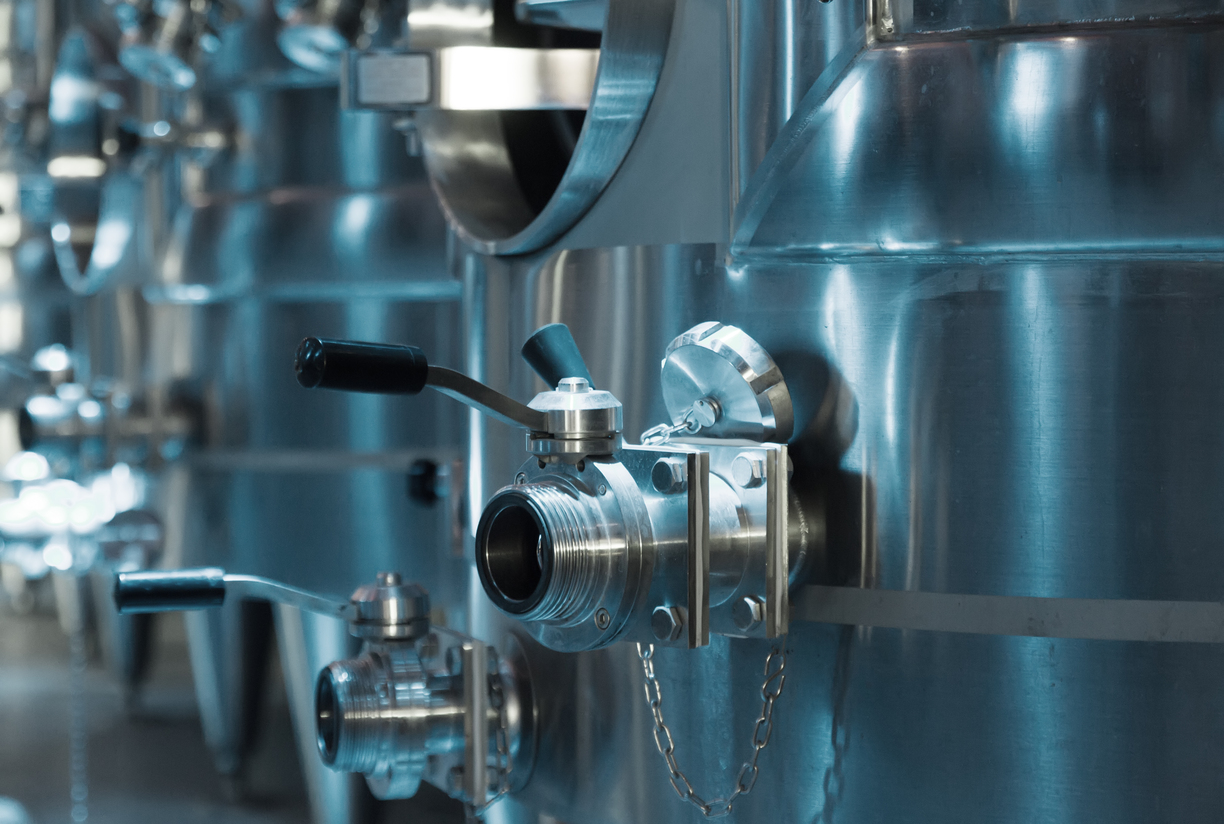
Food Grade Tank Factory: Production and Technological Infrastructure Food grade tank factories are an essential part of the food industry. These factories produce tanks designed specifically to ensure the safe storage, transportation, and processing of liquid food products. In the food sector, the quality and safety of products come above all else. Therefore, the materials used in food grade tank production, the manufacturing processes, and hygiene standards are of great importance. Food grade tanks are manufactured using stainless steel, polyethylene, and other materials compliant with food safety standards. This article will examine in detail how food grade tank factories operate, their production processes, the technologies used, and their role in the industry. Production of Food Grade Tanks: Key Steps and Material Selection Food grade tank production is achieved through a combination of specialized materials and advanced manufacturing techniques. In the first stage, the type of liquid products the tanks will store is determined, and the appropriate material selection is made accordingly. Typically, materials such as stainless steel, polyethylene, and in some cases glass are used. Stainless steel is the most commonly used material in food grade tank production due to its durability and hygienic properties. Steel is resistant to corrosion, which ensures the tanks have a long lifespan. Additionally, the surfaces that come into direct contact with food products are very easy to clean. The production process of a tank begins with design and progresses through various stages. During the design phase, the tank’s size, capacity, and intended use are determined. This information shapes the technical specifications required during production. In the next stage of production, the selected material is shaped using advanced technologies such as laser cutting or welding. During this process, the tank’s interior surface is designed to be smooth, as any accumulation or spoilage of food substances inside the tank would hinder its efficient operation. Features and Applications of Tanks Food grade tanks do not only store liquid food products but are also used in the processing and transportation of food products. For example, products like milk, fruit juice, and olive oil can be stored in food grade tanks without spoiling for long periods. These tanks have a wide range of applications across different industries. Food grade tanks are typically found in food processing plants, beverage production factories, and dairy production facilities. Additionally, these tanks are also used in large-scale food distribution centers and storage areas. The sizes of the tanks are generally customized based on the needs of the production facility. While 500-liter tanks may be used for small-scale production, tanks with a capacity of up to 10,000 liters can be produced for large industrial production facilities. All of these tanks are designed to ensure the safe storage of food products, and each tank enables liquid food products to be stored without spoiling for extended periods. The features of the tanks vary depending on production requirements, but they must always be hygienic and safe. Technological Advancements and Advanced Manufacturing Methods Food grade tank production has undergone a significant transformation with technological advancements. Today, automation systems are widely used in production processes. These systems provide speed and efficiency in the tank production process. Automation minimizes human errors while also reducing production costs. Additionally, automation systems ensure that the quality of the tanks is monitored at every stage, enabling the production of high-quality products. Advanced welding technologies ensure that the interior surfaces of tanks are smooth, facilitating cleaning and disinfection processes. Moreover, these technologies make the production process faster and more efficient. Various testing and quality control stages ensure that each tank is produced perfectly. These technologies maintain food safety at the highest level, ensuring that every tank complies with international hygiene and quality standards. Food Safety and Hygiene Standards Food grade tanks are subject to strict hygiene rules to ensure food safety. The cleanliness of surfaces that come into contact with food is extremely important. To prevent any bacterial or dirt accumulation on the tank’s interior surfaces, high hygiene standards are adhered to during production. Cleaning and disinfection processes are carried out at every stage of production. The design of the tanks is optimized to allow cleaning processes to be performed easily. In addition to the materials used in factories, the equipment on the production line must also meet high hygiene standards. Tools used in the manufacture of tanks must be cleaned and sterilized after each production cycle. Furthermore, hygienic conditions are meticulously maintained during the storage and transportation stages of the tanks. Any burrs or contamination can directly affect the product’s quality, which is why every stage is inspected by food safety experts. The Future of Industrial Food Tanks Food grade tank factories will continue to evolve in the future with more efficient, sustainable, and environmentally friendly production methods. Sustainability has become a key priority in the food industry. Factories are designed to be more mindful of energy efficiency and waste management. Additionally, thanks to innovative materials and technologies, it will be possible to produce more durable and eco-friendly tanks. With advancing technologies, the production processes of food grade tanks are becoming faster, safer, and more efficient. This reduces costs for manufacturers while simultaneously improving product quality. In the future, digital monitoring systems and artificial intelligence-based solutions will further optimize tank production. These technologies ensure quality control at every stage of the production process, making industrial food production increasingly safer with each passing day. Food grade tank factories are an indispensable part of the food industry. These factories use high-standard technologies and materials to produce quality and safe products. By ensuring hygiene and quality control at every stage of production, they enable liquid food products to be stored under optimal conditions. In the future, it is expected that food grade tank factories will further develop with sustainable and energy-efficient production methods. Other Factors Considered in the Design of Food Grade Tanks Another important factor considered in the design of food grade tanks is their durability. The tanks must have high physical and chemical durability. In the storage of liquid food products, it is of critical importance that the tanks are not affected by chemical reactions. The materials used in tank design must be resistant to high temperatures and pressures. Especially in the production of alcoholic beverages and dairy products, these factors are carefully considered to ensure the tanks remain durable over time. For this reason, stainless steel is the most preferred material. Steel can also safely withstand the effects of corrosive food substances. Storage of Liquid Food Products in Tanks During the storage of liquid food products in tanks, ensuring the correct temperature and humidity conditions is of great importance. These conditions ensure that food products stay fresh and are stored without spoiling. Tanks are typically equipped with insulation systems to maintain temperature control. This insulation helps keep products within the desired temperature range while also saving energy. Temperature control is a key factor in preventing spoilage, especially for products like dairy and fruit juice. Similarly, humidity levels are another important parameter affecting product quality. The interior of the tanks is optimized to maintain this humidity balance. Maintenance and Cleaning Processes of Food Grade Tanks For food grade tanks to operate efficiently, regular maintenance and cleaning processes are necessary. Cleaning must be performed before and after each production cycle to ensure food safety. The interior surfaces of the tanks must be regularly disinfected to prevent the growth of bacteria or other contaminants. The materials used in the tanks must be easy to clean and should not exhibit any features that pose a risk of wear or dirt accumulation over time. Additionally, the exterior surfaces of the tanks should also be frequently cleaned and checked for any damage. These maintenance and cleaning processes not only ensure the safety of the products but also extend the lifespan of the tanks. The Role of Food Grade Tanks in the Global Market Food grade tanks are recognized worldwide as an important part of the food industry. As food consumption increases in developing markets, the demand for these tanks is also rising. Particularly in developing countries, the production and use of food grade tanks are rapidly increasing alongside the growth of industrial food production. In the global market, the production of these tanks is largely carried out using stainless steel and high-quality plastic materials. Food producers prefer tanks that are durable and long-lasting. Therefore, sustainable production processes and the use of innovative materials are driving the development of food grade tank factories worldwide. Economic Contributions of Food Grade Tank Factories Food grade tank factories also provide significant economic contributions. These factories not only create local employment but also enable the food industry to operate efficiently. The production of tanks offers substantial cost advantages to food producers in the long term. Tanks allow food products to be stored for longer periods and transported more efficiently, reducing production costs. Additionally, optimizing the design and production processes of tanks makes it possible to produce more products with less energy and raw materials, benefiting both producers and the environment. Food grade tank factories play an important role in the development of the food industry. The advanced technologies used in production processes, strict adherence to hygiene standards, and sustainable production methods increase the significance of these factories. Tanks not only ensure food safety but also enhance the efficiency of production processes. In the future, these factories are expected to further evolve with more eco-friendly and sustainable production methods. Food grade tank production contributes to the growth of the food sector while also creating opportunities to offer consumers higher-quality and safer products.
See More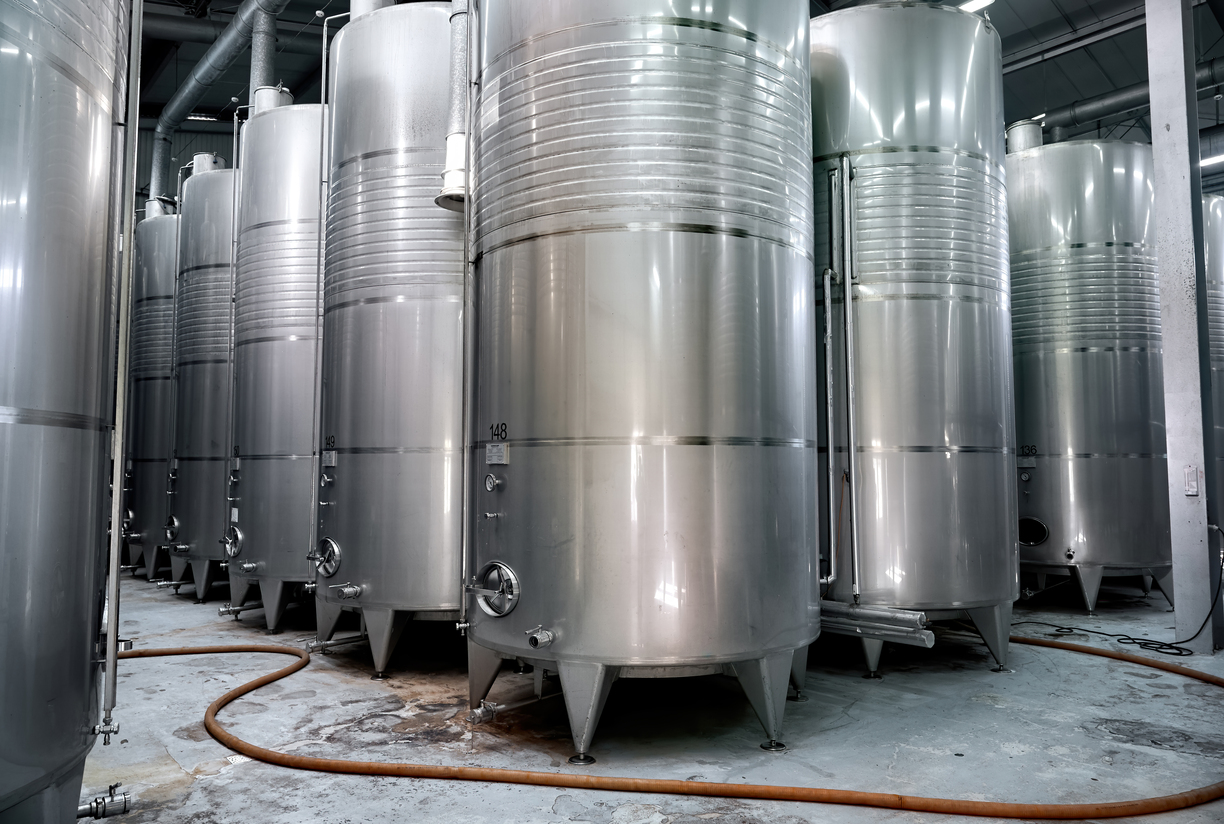
The Importance of Stainless Steel Hygienic Tanks in the Food and Beverage Industry Stainless steel hygienic tanks play a crucial role in the food and beverage industry by ensuring that products remain safe, fresh, and free from contamination. These tanks are designed with materials and processes that meet stringent hygiene standards, making them ideal for storing liquid food products, beverages, and other sensitive materials. The natural properties of stainless steel, such as its resistance to corrosion and ease of cleaning, make these tanks a preferred choice for food producers worldwide. This article will explore the importance of stainless steel hygienic tanks, their design, benefits, and their contributions to maintaining food safety and quality. What Makes Stainless Steel Hygienic Tanks Ideal for Food Storage? Stainless steel hygienic tanks are specifically designed to meet the demanding standards of the food and beverage industry. Stainless steel is a highly versatile material with ideal properties for food safety applications. The primary reason for its use in hygienic tank production is its resistance to corrosion. Unlike other materials, stainless steel does not degrade when exposed to food acids, moisture, and cleaning agents. This characteristic ensures the tanks’ longevity and the protection of the stored products. Moreover, stainless steel tanks have a non-reactive structure, meaning they do not alter the taste, color, or chemical composition of food or beverages. This is especially critical for products like wine, beer, milk, and fruit juice, where even the slightest change can affect the final product’s quality. The smooth surface of stainless steel tanks also facilitates cleaning, which helps maintain hygiene standards. The ability to thoroughly clean and disinfect these tanks is a key factor in preventing contamination and ensuring the safety of food and beverage products. Key Features of Stainless Steel Hygienic Tanks Stainless steel hygienic tanks are designed with a range of features that enhance their effectiveness in the food industry. These tanks are typically made from food-grade stainless steel, which complies with international hygiene standards. Food-grade stainless steel is durable, stain-resistant, and corrosion-resistant, making it an excellent material that meets the frequent cleaning and sanitation requirements. Another significant feature of stainless steel hygienic tanks is their ability to provide temperature control. Many food and beverage products need to be stored at specific temperatures to prevent spoilage and maintain quality. Stainless steel tanks can be equipped with insulation and cooling systems to maintain these ideal conditions. For scenarios such as the cold storage of dairy products or the fermentation of alcoholic beverages, temperature-controlled stainless steel tanks help preserve the freshness and integrity of the products. Factors Considered in the Design of Stainless Steel Hygienic Tanks The design of stainless steel hygienic tanks is based on a series of critical factors to ensure the highest level of safety and efficiency. These tanks are designed with smooth, easy-to-clean surfaces to minimize the risk of contamination. Special attention is given to the tank’s internal structure, with every corner, weld, or seam carefully crafted to prevent the accumulation of dirt or bacteria. Seamless surface designs reduce the likelihood of food particles or bacteria becoming trapped, making cleaning more effective and thorough. In addition to hygienic design, the size and capacity of stainless steel tanks are customized to meet the specific requirements of each food production process. Whether for a small-scale production facility or a large industrial food processing plant, these tanks can be tailored in size, shape, and capacity to provide optimal storage and processing conditions. Furthermore, these tanks are equipped with advanced monitoring and control systems that enable real-time monitoring of temperature, pressure, and other factors, ensuring the integrity of the stored products is maintained. The Role of Stainless Steel Hygienic Tanks in Food Safety Food safety is one of the top priorities in the food and beverage industry. Stainless steel hygienic tanks play a critical role in ensuring food safety by providing a safe, contamination-free environment for storing food products. These tanks are designed to meet stringent regulations and standards such as the HACCP (Hazard Analysis and Critical Control Points) system and Food and Drug Administration (FDA) guidelines, ensuring the highest level of food safety is maintained. The hygienic design of stainless steel tanks reduces the risk of bacterial growth and helps prevent foodborne illnesses. The tanks are equipped with cleaning systems such as CIP (Clean-in-Place) technology, which allows for thorough cleaning and disinfection without requiring disassembly. This is particularly beneficial in large-scale food production environments where time and efficiency are critical. The ability to easily clean the tanks between production batches minimizes the risk of cross-contamination and ensures the safety of the final product. Benefits of Stainless Steel Hygienic Tanks in the Beverage Industry The beverage industry, particularly alcoholic beverage production, heavily relies on stainless steel hygienic tanks. Stainless steel is the preferred material for fermentation tanks, storage tanks, and transport vessels due to its durability, cleanliness, and ability to preserve beverage integrity. In breweries, wineries, and distilleries, stainless steel tanks are used for fermentation, maturation, and storage, where temperature control and sanitation are critical for producing high-quality beverages. Beyond maintaining hygiene and preventing contamination, stainless steel tanks offer significant benefits in terms of product quality. For instance, stainless steel is a non-reactive material, meaning it does not interact with the alcohol or acidic components in beverages. This helps preserve the desired flavors and aromas of the product, ensuring they remain intact. Additionally, stainless steel tanks are highly durable and resistant to physical damage, protecting beverages from external factors and maintaining their quality. Benefits of Stainless Steel Hygienic Tanks in Dairy and Food Production Stainless steel hygienic tanks are also highly significant in the dairy and food production industries. The safety and freshness of dairy products such as milk, cheese, and yogurt require strict hygiene standards. Stainless steel tanks provide a clean and safe environment for storing and processing dairy products, ensuring they remain free from contamination and bacteria. The tanks are designed to provide the necessary temperature control to preserve the freshness and texture of the products. Similarly, in food production, stainless steel hygienic tanks are used to store and process a variety of products such as sauces, soups, oils, and syrups. The versatility of stainless steel makes it compatible with a wide range of food products, while its resistance to high temperatures and cleaning agents ensures the tanks remain in optimal condition for years. The non-reactive nature of stainless steel protects the taste and quality of food products, keeping them free from any potential contamination or chemical reactions. Environmental Impacts of Stainless Steel Hygienic Tanks With the growing demand for sustainability in the food and beverage industry, stainless steel hygienic tanks offer a range of environmental benefits. Stainless steel is a highly recyclable material, and its use in tank production helps reduce environmental impacts. At the end of their lifecycle, the tanks can be recycled and repurposed to create new products, reducing waste and supporting a circular economy. Furthermore, stainless steel tanks are designed to be durable and long-lasting, meaning they do not need to be replaced as frequently as tanks made from less durable materials. This durability reduces the need for new production and minimizes the environmental footprint associated with manufacturing. Additionally, the energy-efficient design of stainless steel tanks, often incorporating insulation for temperature control, helps reduce energy consumption during production processes, contributing to overall environmental sustainability. Stainless Steel Hygienic Tanks and the Future of Food Production In the future of food production, stainless steel hygienic tanks are expected to continue playing a critical role in ensuring the safety and quality of food and beverages. As demand for safer, higher-quality products increases, food producers are increasingly relying on stainless steel tanks for their ability to meet hygiene and safety standards. Advances in technology will further enhance the functionality of these tanks, with innovations in automation, temperature control, and cleaning processes making food and beverage production more efficient and sustainable. In the future, stainless steel hygienic tanks will continue to evolve to meet the changing needs of the food and beverage industry. New designs, improved materials, and cutting-edge systems will make these tanks more efficient and effective for storing and processing food products. With an increasing focus on sustainability, the recyclable nature and longevity of stainless steel will ensure it remains an indispensable material in food production for years to come. Stainless steel hygienic tanks play a vital role in the food and beverage industry, offering numerous advantages in terms of safety, hygiene, and product quality. Their durability, non-reactive properties, and ease of cleaning make them a preferred choice for food producers worldwide. In the beverage, dairy, and general food production industries, stainless steel hygienic tanks provide the ideal solution for storing, processing, and transporting food products in safe, contamination-free environments. As the industry continues to evolve, stainless steel tanks will remain at the forefront of ensuring food safety and quality, contributing to a healthier and more sustainable future for food production.
See More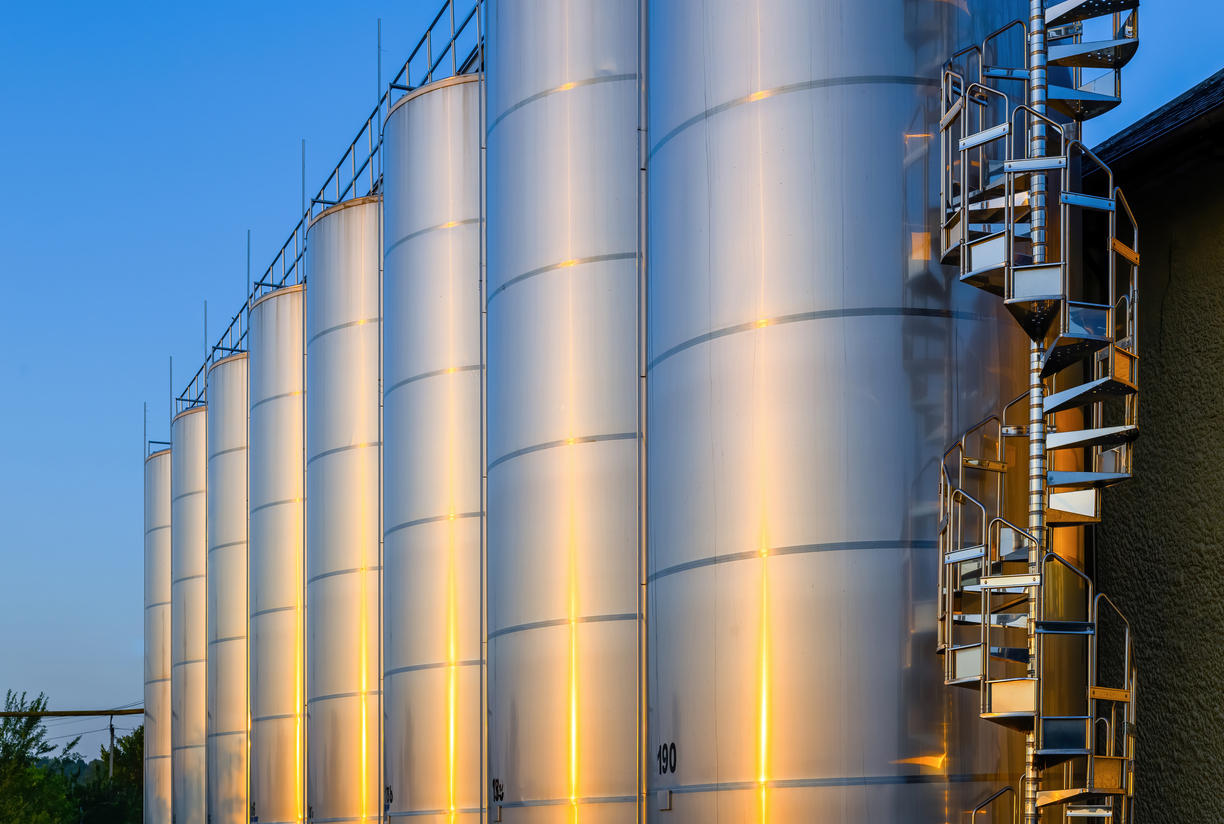
The Importance of Stainless Steel Hygienic Tanks in the Food and Beverage Industry Stainless steel hygienic tanks play a crucial role in the food and beverage industry by ensuring that products remain safe, fresh, and free from contamination. These tanks are designed with materials and processes that meet stringent hygiene standards, making them ideal for storing liquid food products, beverages, and other sensitive materials. The natural properties of stainless steel, such as its resistance to corrosion and ease of cleaning, make these tanks a preferred choice for food producers worldwide. This article will explore the importance of stainless steel hygienic tanks, their design, benefits, and their contributions to maintaining food safety and quality. What Makes Stainless Steel Hygienic Tanks Ideal for Food Storage? Stainless steel hygienic tanks are specifically designed to meet the demanding standards of the food and beverage industry. Stainless steel is a highly versatile material with ideal properties for food safety applications. The primary reason for its use in hygienic tank production is its resistance to corrosion. Unlike other materials, stainless steel does not degrade when exposed to food acids, moisture, and cleaning agents. This characteristic ensures the tanks’ longevity and the protection of the stored products. Moreover, stainless steel tanks have a non-reactive structure, meaning they do not alter the taste, color, or chemical composition of food or beverages. This is especially critical for products like wine, beer, milk, and fruit juice, where even the slightest change can affect the final product’s quality. The smooth surface of stainless steel tanks also facilitates cleaning, which helps maintain hygiene standards. The ability to thoroughly clean and disinfect these tanks is a key factor in preventing contamination and ensuring the safety of food and beverage products. Key Features of Stainless Steel Hygienic Tanks Stainless steel hygienic tanks are designed with a range of features that enhance their effectiveness in the food industry. These tanks are typically made from food-grade stainless steel, which complies with international hygiene standards. Food-grade stainless steel is durable, stain-resistant, and corrosion-resistant, making it an excellent material that meets the frequent cleaning and sanitation requirements. Another significant feature of stainless steel hygienic tanks is their ability to provide temperature control. Many food and beverage products need to be stored at specific temperatures to prevent spoilage and maintain quality. Stainless steel tanks can be equipped with insulation and cooling systems to maintain these ideal conditions. For scenarios such as the cold storage of dairy products or the fermentation of alcoholic beverages, temperature-controlled stainless steel tanks help preserve the freshness and integrity of the products. Factors Considered in the Design of Stainless Steel Hygienic Tanks The design of stainless steel hygienic tanks is based on a series of critical factors to ensure the highest level of safety and efficiency. These tanks are designed with smooth, easy-to-clean surfaces to minimize the risk of contamination. Special attention is given to the tank’s internal structure, with every corner, weld, or seam carefully crafted to prevent the accumulation of dirt or bacteria. Seamless surface designs reduce the likelihood of food particles or bacteria becoming trapped, making cleaning more effective and thorough. In addition to hygienic design, the size and capacity of stainless steel tanks are customized to meet the specific requirements of each food production process. Whether for a small-scale production facility or a large industrial food processing plant, these tanks can be tailored in size, shape, and capacity to provide optimal storage and processing conditions. Furthermore, these tanks are equipped with advanced monitoring and control systems that enable real-time monitoring of temperature, pressure, and other factors, ensuring the integrity of the stored products is maintained. The Role of Stainless Steel Hygienic Tanks in Food Safety Food safety is one of the top priorities in the food and beverage industry. Stainless steel hygienic tanks play a critical role in ensuring food safety by providing a safe, contamination-free environment for storing food products. These tanks are designed to meet stringent regulations and standards such as the HACCP (Hazard Analysis and Critical Control Points) system and Food and Drug Administration (FDA) guidelines, ensuring the highest level of food safety is maintained. The hygienic design of stainless steel tanks reduces the risk of bacterial growth and helps prevent foodborne illnesses. The tanks are equipped with cleaning systems such as CIP (Clean-in-Place) technology, which allows for thorough cleaning and disinfection without requiring disassembly. This is particularly beneficial in large-scale food production environments where time and efficiency are critical. The ability to easily clean the tanks between production batches minimizes the risk of cross-contamination and ensures the safety of the final product. Benefits of Stainless Steel Hygienic Tanks in the Beverage Industry The beverage industry, particularly alcoholic beverage production, heavily relies on stainless steel hygienic tanks. Stainless steel is the preferred material for fermentation tanks, storage tanks, and transport vessels due to its durability, cleanliness, and ability to preserve beverage integrity. In breweries, wineries, and distilleries, stainless steel tanks are used for fermentation, maturation, and storage, where temperature control and sanitation are critical for producing high-quality beverages. Beyond maintaining hygiene and preventing contamination, stainless steel tanks offer significant benefits in terms of product quality. For instance, stainless steel is a non-reactive material, meaning it does not interact with the alcohol or acidic components in beverages. This helps preserve the desired flavors and aromas of the product, ensuring they remain intact. Additionally, stainless steel tanks are highly durable and resistant to physical damage, protecting beverages from external factors and maintaining their quality. Benefits of Stainless Steel Hygienic Tanks in Dairy and Food Production Stainless steel hygienic tanks are also highly significant in the dairy and food production industries. The safety and freshness of dairy products such as milk, cheese, and yogurt require strict hygiene standards. Stainless steel tanks provide a clean and safe environment for storing and processing dairy products, ensuring they remain free from contamination and bacteria. The tanks are designed to provide the necessary temperature control to preserve the freshness and texture of the products. Similarly, in food production, stainless steel hygienic tanks are used to store and process a variety of products such as sauces, soups, oils, and syrups. The versatility of stainless steel makes it compatible with a wide range of food products, while its resistance to high temperatures and cleaning agents ensures the tanks remain in optimal condition for years. The non-reactive nature of stainless steel protects the taste and quality of food products, keeping them free from any potential contamination or chemical reactions. Environmental Impacts of Stainless Steel Hygienic Tanks With the growing demand for sustainability in the food and beverage industry, stainless steel hygienic tanks offer a range of environmental benefits. Stainless steel is a highly recyclable material, and its use in tank production helps reduce environmental impacts. At the end of their lifecycle, the tanks can be recycled and repurposed to create new products, reducing waste and supporting a circular economy. Furthermore, stainless steel tanks are designed to be durable and long-lasting, meaning they do not need to be replaced as frequently as tanks made from less durable materials. This durability reduces the need for new production and minimizes the environmental footprint associated with manufacturing. Additionally, the energy-efficient design of stainless steel tanks, often incorporating insulation for temperature control, helps reduce energy consumption during production processes, contributing to overall environmental sustainability. Stainless Steel Hygienic Tanks and the Future of Food Production In the future of food production, stainless steel hygienic tanks are expected to continue playing a critical role in ensuring the safety and quality of food and beverages. As demand for safer, higher-quality products increases, food producers are increasingly relying on stainless steel tanks for their ability to meet hygiene and safety standards. Advances in technology will further enhance the functionality of these tanks, with innovations in automation, temperature control, and cleaning processes making food and beverage production more efficient and sustainable. In the future, stainless steel hygienic tanks will continue to evolve to meet the changing needs of the food and beverage industry. New designs, improved materials, and cutting-edge systems will make these tanks more efficient and effective for storing and processing food products. With an increasing focus on sustainability, the recyclable nature and longevity of stainless steel will ensure it remains an indispensable material in food production for years to come. Stainless steel hygienic tanks play a vital role in the food and beverage industry, offering numerous advantages in terms of safety, hygiene, and product quality. Their durability, non-reactive properties, and ease of cleaning make them a preferred choice for food producers worldwide. In the beverage, dairy, and general food production industries, stainless steel hygienic tanks provide the ideal solution for storing, processing, and transporting food products in safe, contamination-free environments. As the industry continues to evolve, stainless steel tanks will remain at the forefront of ensuring food safety and quality, contributing to a healthier and more sustainable future for food production.
See More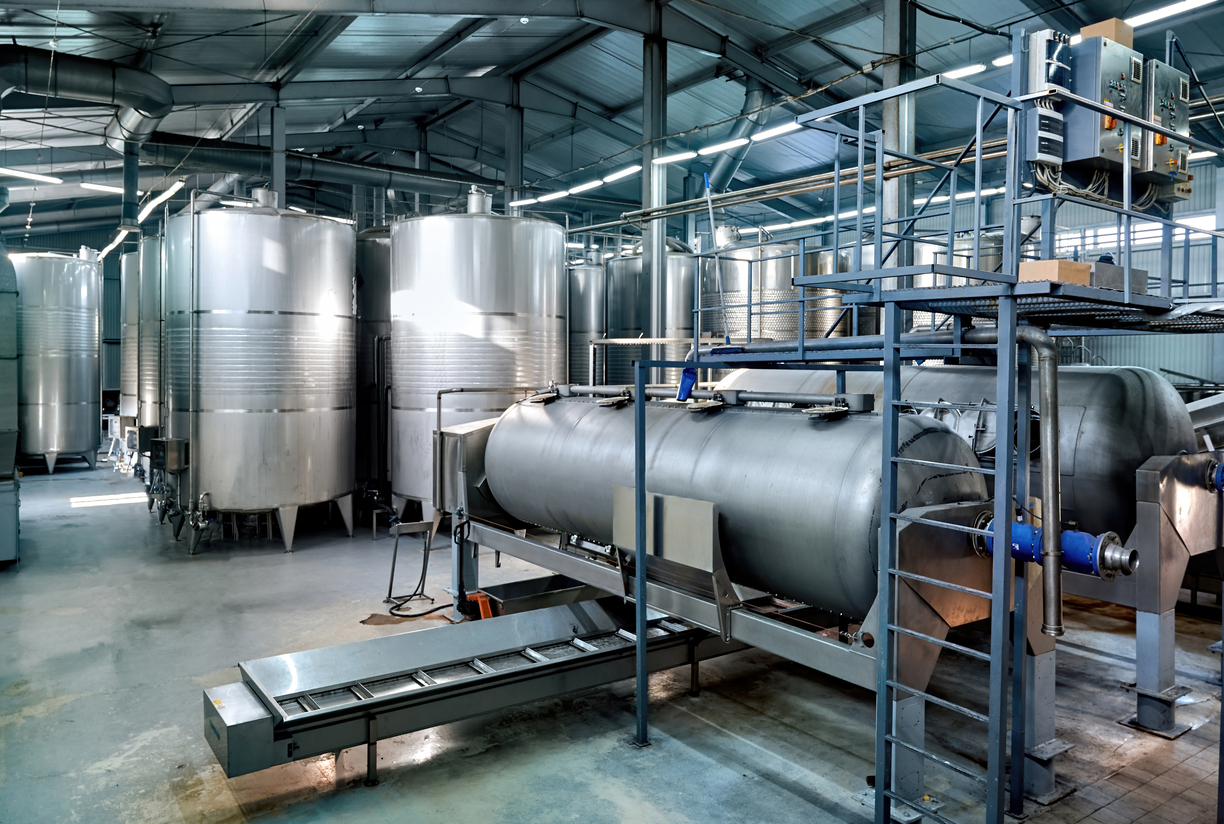
Ensuring Safety and Quality in Food and Beverage Production with Hygienic Process Tanks Hygienic process tanks play a significant role in industries where hygiene is critical, particularly in the food, beverage, pharmaceutical, and cosmetic sectors. These tanks are specially designed to process and store raw materials, semi-finished products, and finished products in a safe and contamination-free environment. The purpose of hygienic process tanks is to prevent contamination during production, transportation, and storage, which is essential for maintaining product quality and safety. In this article, we will explore the importance, design, features, benefits, and the role of hygienic process tanks in meeting hygiene and safety standards. What Are Hygienic Process Tanks? Hygienic process tanks are specialized tanks used in industries where hygiene is a priority, particularly in the food, beverage, pharmaceutical, and cosmetic industries. These tanks are designed to ensure that products are processed, stored, and transported in an environment free from contamination. Hygienic process tanks are engineered and manufactured to prevent the growth of bacteria, mold, and other pathogens on their interior surfaces. Additionally, these tanks are typically constructed using corrosion-resistant materials such as stainless steel and feature easily cleanable surfaces. These tanks are usually equipped with CIP (Clean-In-Place) systems, which allow for the cleaning and disinfection of their interior surfaces without disassembly. This feature provides significant advantages in terms of both time and labor. The design of hygienic process tanks also ensures that their interiors are smooth and even, thereby preventing the accumulation of microorganisms. Design and Features of Hygienic Process Tanks The design of hygienic process tanks is extremely important to ensure compliance with the hygiene and safety standards of various industries. These tanks are typically designed in accordance with guidelines from regulatory bodies such as the FDA (Food and Drug Administration) or GMP (Good Manufacturing Practices). This ensures a safe environment during the processing, storage, and transportation of products. Hygienic process tanks must possess the following key design features: Smooth Surfaces: The interior surfaces of the tank must be smooth to prevent the accumulation of bacteria. Smooth surfaces facilitate cleaning and ensure the maintenance of hygiene standards. Easy Access for Cleaning: The design of hygienic process tanks is made to provide easy access for cleaning and inspection. This ensures that the interior surfaces of the tanks can be thoroughly cleaned. Seamless Structure: Hygienic process tanks are typically made seamless, reducing the risk of contamination. Seams can become points of bacterial accumulation, making seamless designs a critical feature for these tanks. CIP (Clean-In-Place) System: The CIP system is a critical feature in hygienic process tanks. This system enables cleaning and disinfection processes to be carried out without disassembling the tank, saving both time and labor. Temperature Control: Some hygienic process tanks can be integrated with heating or cooling systems to maintain stored products at an ideal temperature. This feature is particularly important in the food and beverage industry to preserve product quality and safety. Materials Used for Hygienic Process Tanks The material selection for hygienic process tanks is crucial in terms of the tank’s durability and hygienic properties. The materials used in their production must be corrosion-resistant, easy to clean, and non-reactive with the stored products. The most commonly used materials for hygienic process tanks include: Stainless Steel: Stainless steel is the most widely used material for hygienic process tanks because it is durable, resistant to corrosion, and very easy to clean. It is preferred in industries such as food processing, beverage production, and pharmaceuticals where hygiene is paramount. Aluminum: Aluminum is sometimes used in hygienic process tanks as lightweight alternatives. Although not as corrosion-resistant as stainless steel, it is used in applications where liquid products need to be transported, such as in the food industry for liquid transportation. Glass-Lined Steel: Glass-lined steel tanks are used in some applications where non-reactive surfaces are required. These tanks are particularly useful in the chemical industry for storing strong acids or bases. Plastic and Composite Materials: In some cases, hygienic process tanks can be made from high-quality plastic or composite materials. These materials are resistant to certain chemicals and can be used due to their lightweight nature, though they are not as durable as stainless steel. Benefits of Hygienic Process Tanks Hygienic process tanks offer numerous benefits, particularly in industries with high hygiene requirements. The main benefits provided by these tanks include: Hygiene and Safety: The primary benefit of hygienic process tanks is their ability to prevent contamination. Smooth, non-porous surfaces and corrosion-resistant materials ensure that stored products remain hygienic and safe. Reduced Cleaning Time: With features like CIP systems, hygienic process tanks can be cleaned quickly and efficiently without disassembly, reducing the time and labor required for cleaning. Regulatory Compliance: Hygienic process tanks are designed to comply with the strictest regulatory standards, such as FDA and GMP. This ensures that products processed and stored in these tanks are safe. Longevity and Durability: Hygienic process tanks made from stainless steel are highly durable and can withstand the demanding conditions of the industries they serve. These tanks are long-lasting, providing a cost-effective investment for businesses. Flexibility: Hygienic process tanks can be designed to meet the specific needs of different industries. Whether for food production, beverage fermentation, or pharmaceutical manufacturing, these tanks can be customized to meet the requirements of each process. Applications of Hygienic Process Tanks Hygienic process tanks are used in various industries where hygiene is critical. The most common applications of these tanks include: Food Processing: In the food industry, hygienic process tanks are used for storing, mixing, and processing liquids such as milk, fruit juice, sauces, and soups. These tanks ensure that products are processed and kept fresh without being exposed to contamination. Beverage Production: In the beverage industry, hygienic process tanks are used for fermenting and storing alcoholic beverages such as beer, wine, and spirits. They are also used in the production of non-alcoholic beverages like soda and fruit juice, preventing contamination during the production process. Pharmaceutical Manufacturing: In the pharmaceutical industry, hygienic process tanks are used for producing drugs, vaccines, and other healthcare products. These tanks ensure that products are manufactured in a sterile environment, preventing contamination. Cosmetic Production: Hygienic process tanks are also used in the production of cosmetic products. In the manufacturing of creams, lotions, shampoos, and other personal care products, these tanks prevent contamination and ensure hygiene standards are maintained. Challenges and Considerations in Using Hygienic Process Tanks While hygienic process tanks offer many benefits, there are also some challenges and considerations to keep in mind during their use: Cost: Hygienic process tanks, due to their specialized materials and features, can often be more expensive than traditional tanks. However, this investment is typically justified by the enhanced product quality and safety. Maintenance: Although hygienic process tanks are designed to require minimal maintenance, regular inspections and cleaning procedures are necessary. Regulatory Compliance: The use of hygienic process tanks requires compliance with local and international regulations. Companies must ensure that their tanks are regularly inspected and meet all safety standards. Hygienic process tanks play a critical role in ensuring the safety, quality, and hygiene of products, particularly in industries where hygiene is a priority. Their design and features help prevent contamination, reduce cleaning time, and ensure that products are processed in compliance with hygiene standards. When used in food, beverage, pharmaceutical, or cosmetic production, these tanks preserve product integrity and ensure safety. As industries continue to evolve, the demand for hygienic process tanks will remain high, and these tanks will continue to play a vital role in safe and efficient production.
See More
Custom Hygienic Tank Solutions Designed for Industry-Specific Needs Custom hygienic tank solutions are designed for industries with high hygiene and cleanliness requirements. These tanks are tailored to meet the specific needs of industries such as food processing, beverage production, pharmaceuticals, and cosmetics, where product quality and safety are paramount. Unlike standard storage tanks, custom hygienic tanks are manufactured with specialized features, materials, and configurations to address the challenges of specific production processes. In this article, we will explore the importance, design, advantages, and applications of custom hygienic tank solutions across various industries. What Are Custom Hygienic Tank Solutions? Custom hygienic tank solutions are tanks designed to meet the hygiene and operational requirements of different industries. These tanks are not mass-produced; instead, they are customized to precisely fit the needs of a specific application. Customization may involve adjusting the tank’s material, size, shape, internal structure, and features, ensuring the tank perfectly aligns with its intended purpose. Custom hygienic tanks are vital for industries where contamination, product spoilage, and safety risks must be minimized. In food processing, beverage production, pharmaceutical, and cosmetic industries, preventing contamination during the storage, processing, or transportation of products is essential. Custom hygienic tanks maintain the highest hygiene levels, ensuring that bacteria, mold, or other contaminants do not compromise product quality during processing. These tanks are made from corrosion-resistant, non-reactive, and easy-to-clean materials, enabling them to meet the necessary hygiene standards. Design and Features of Custom Hygienic Tanks The design of custom hygienic tanks is tailored to meet the regulatory and operational requirements of each industry. These tanks are typically designed in accordance with guidelines from regulatory bodies such as the FDA (Food and Drug Administration) or GMP (Good Manufacturing Practices). This ensures a safe environment during the processing, storage, and transportation of products. Custom hygienic tanks feature the following key design characteristics: Material Selection: The materials used in custom hygienic tanks are chosen based on the type of product being stored or processed. Stainless steel is the most commonly used material due to its durability, corrosion resistance, and ease of cleaning. In some cases, materials such as plastics used in the food industry or fiberglass may also be preferred. Customizable Size and Shape: Custom hygienic tanks can be designed in various sizes and shapes to suit a facility’s storage or processing needs. Whether it’s a large storage tank for a beverage production facility or a smaller tank for a pharmaceutical company, custom tanks are designed to optimize space efficiency and operational efficiency. Seamless Structure: To prevent contamination, custom hygienic tanks are often manufactured seamlessly. Seams are common areas where bacteria can accumulate, so seamless structures make tanks easier to clean and reduce the likelihood of contaminant buildup. CIP (Clean-In-Place) System: Custom hygienic tanks can be equipped with CIP systems. This system allows the tanks to be cleaned and disinfected without disassembly, saving both time and labor. Temperature Control Features: Many custom hygienic tanks may include integrated temperature control systems to keep stored products at their ideal temperature. This is particularly critical in industries like food processing and beverage production to maintain product quality and safety. Specialized Access Points: Custom hygienic tanks may feature manways, hatches, or other access points to facilitate easy cleaning, inspection, and maintenance. These access points ensure that workers can reach every part of the tank and that all areas are thoroughly cleaned. Advantages of Custom Hygienic Tank Solutions Custom hygienic tanks offer numerous advantages, particularly for industries with high hygiene requirements. The main benefits provided by these tanks include: Tailored to Specific Needs: The primary advantage of custom hygienic tanks is that they are designed to meet the specific needs of each business or industry. Whether for food processing, beverage production, or pharmaceutical manufacturing, these tanks are crafted to address the operational challenges of each industry. Enhanced Hygiene and Safety: Custom hygienic tanks are built to maintain the highest levels of hygiene and safety. Seamless structures, smooth surfaces, and corrosion-resistant materials ensure these tanks minimize contamination and keep products safe. Regulatory Compliance: Custom hygienic tanks are constructed to comply with industry-specific regulations such as FDA and GMP standards. This guarantees that businesses meet legal requirements and maintain the highest safety and quality in their production processes. Efficient Cleaning and Maintenance: With features like CIP systems and easy access points, custom hygienic tanks can be cleaned more efficiently, reducing the time and labor spent on cleaning and maintenance. Proper cleaning is critical, as product contamination can lead to costly recalls or health risks. Long-Term Durability: Custom hygienic tanks are made from high-quality materials like stainless steel and are designed to last for years. This durability allows businesses to benefit from the tanks long-term without the need for frequent replacements. Applications of Custom Hygienic Tank Solutions Custom hygienic tanks are used in a variety of industries with high hygiene requirements. The most common applications of these tanks include: Food Processing: In the food industry, custom hygienic tanks are used for storing, mixing, and processing liquids such as milk, fruit juice, sauces, and soups. These tanks ensure that products are processed and kept fresh without being exposed to contamination. Beverage Production: Custom hygienic tanks are essential in the beverage industry for fermenting and storing alcoholic beverages such as beer, wine, and spirits. They are also used in the production of non-alcoholic beverages like soda and fruit juice, preventing contamination during the production process. Pharmaceutical Manufacturing: In the pharmaceutical industry, custom hygienic tanks are used for producing drugs, vaccines, and other healthcare products. These tanks ensure that products are manufactured in a sterile environment, preventing contamination. Cosmetic Production: In the cosmetic industry, custom hygienic tanks are used for producing creams, lotions, shampoos, and other personal care products. These tanks help maintain hygiene and prevent contamination during the production process. Chemical Industry: In the chemical industry, custom hygienic tanks are used for storing and mixing chemical substances. These tanks are designed to safely store corrosive materials, ensuring the stability of the chemicals. Challenges in Implementing Custom Hygienic Tank Solutions While custom hygienic tanks offer many advantages, some challenges may arise during their design and implementation. These challenges include: Cost: Custom hygienic tanks can often be more expensive than standard tanks due to their specialized design and required materials. However, this investment is typically justified by the enhanced safety, hygiene, and efficiency they provide. Complex Design and Production: The design and production of custom hygienic tanks can be more complex than standard tanks. This requires more time and expertise to ensure the tank meets all requirements. Maintenance and Inspection: Although custom hygienic tanks are designed to require minimal maintenance, regular inspections and cleaning are necessary. This can mean additional costs and labor. Regulatory Compliance: Meeting industry-specific regulations can present challenges, especially as regulations change. Custom hygienic tanks must be designed and maintained to comply with the latest standards. The Future of Custom Hygienic Tank Solutions As industries evolve, the demand for custom hygienic tank solutions is likely to increase. Advancements in technology, materials, and design will enhance the functionality and efficiency of these tanks. In the future, custom hygienic tanks may be equipped with innovations such as smart tanks featuring sensors that monitor temperature, pressure, and cleanliness in real-time. These innovations will help businesses maintain high hygiene levels while improving operational efficiency. Custom hygienic tank solutions are indispensable for industries with high hygiene requirements. These tanks are designed to meet the specific needs of each industry, ensuring that products are stored, processed, and transported safely. Features such as CIP systems, seamless structures, and temperature control ensure that custom hygienic tanks comply with industrial hygiene standards. As industries grow, custom hygienic tanks will continue to play a critical role in supporting safe and efficient production processes.
See More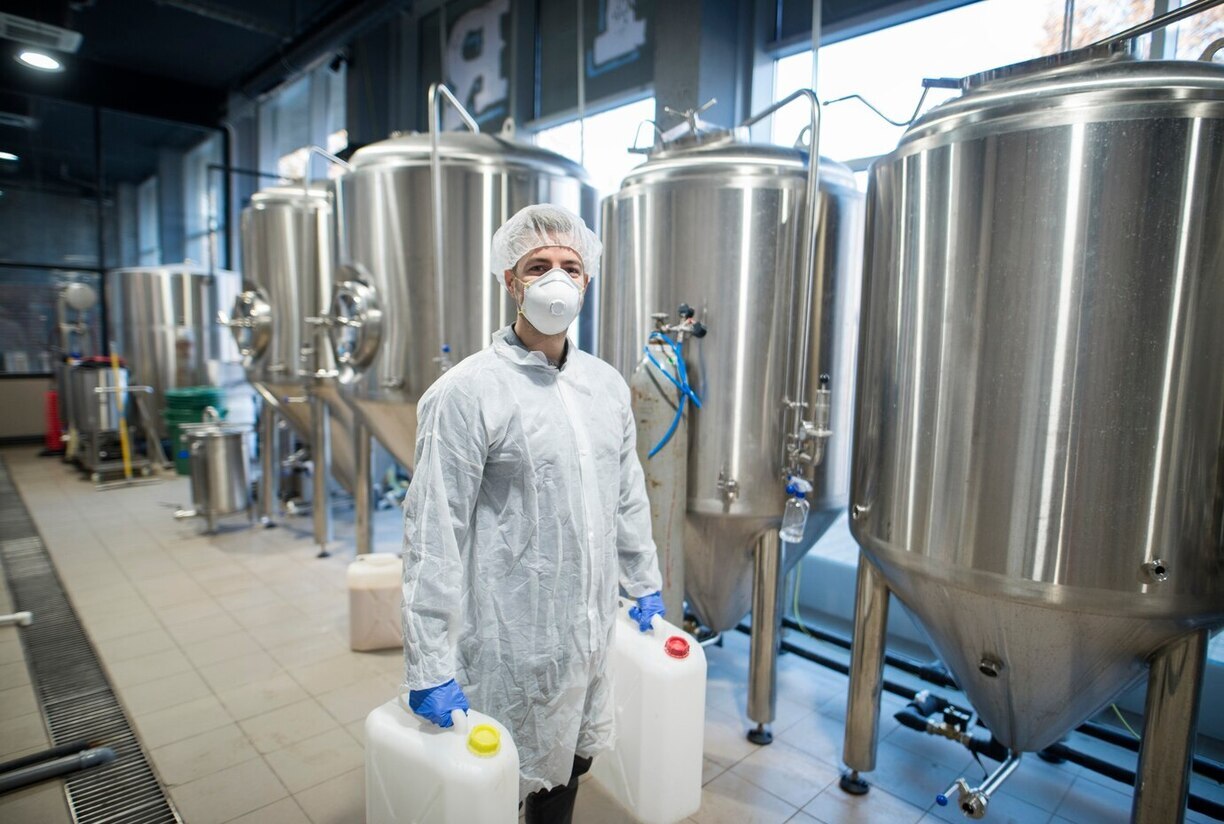
Food Industry Tank Production: Ensuring Quality and Safety in Food Storage and Processing The food industry relies heavily on the safe and efficient storage, transportation, and processing of raw materials and finished products. Tanks used in food production play a critical role in maintaining product quality, safety, and hygiene standards. The design, materials, and production processes of these tanks must meet stringent regulatory requirements to ensure that food products are stored and processed without contamination. In this article, we will explore the importance of food industry tank production, the different types of tanks, the production processes, and the factors that must be considered to ensure food-grade tanks are safe, reliable, and durable. The Importance of Tanks in the Food Industry Tanks are essential in the food industry for the storage, mixing, and processing of liquids and large quantities of food products. They are used at various stages of food production, such as storing raw materials, mixing products, fermenting, and storing finished products. The proper design and construction of these tanks are necessary to ensure that products are protected from contamination, maintaining their safety and quality. Food industry tanks are subject to strict regulations to meet hygiene and safety standards. This includes preventing contamination from bacteria, mold, and other harmful microorganisms. The materials used in tank construction must be suitable for food contact, non-reactive, and easy to clean. Additionally, tanks should be designed to minimize the risk of cross-contamination and ensure that food products remain fresh and safe. Types of Tanks Used in the Food Industry Several different tank types are used in the food industry, each designed to meet the specific needs of various production processes. These include: Storage Tanks: These tanks are used for the large-scale storage of raw materials or finished food products. They are commonly used for liquids such as milk, oils, syrups, and fruit juices. Storage tanks are designed to protect products from contamination and maintain them under appropriate storage conditions (temperature and humidity control). Mixing Tanks: Mixing tanks are used to blend different ingredients into a homogeneous mixture. They are widely used in the production of beverages, sauces, soups, and dairy products. These tanks ensure that ingredients are evenly mixed, preventing contamination and guaranteeing that product quality is not compromised. Fermentation Tanks: Fermentation tanks are used in the production of fermented food and beverages such as beer, wine, and yogurt. These tanks are designed to provide ideal conditions for fermentation, including temperature control and oxygen levels. Fermentation tanks are made from food-grade materials that do not react with fermented products. Pasteurization Tanks: In food production, pasteurization is a heating process used to kill harmful bacteria and extend product shelf life. Pasteurization tanks heat liquids or food substances to a specific temperature and maintain that temperature for a set period. These tanks provide precise control of heating and cooling processes. Holding Tanks: Holding tanks are used to temporarily store food products during processing. They are commonly used to hold products before further processing, packaging, or shipment. These tanks prevent contamination while preserving the quality and safety of the products. Materials Used in Food Industry Tank Production The choice of materials in food industry tank production is critical for food safety, durability, and ease of cleaning. Commonly used materials for the production of food-grade tanks include: Stainless Steel: Stainless steel is the most widely used material in food industry tank production because it is durable, resistant to corrosion, and very easy to clean. Stainless steel is preferred for tanks in contact with food because it is non-reactive and does not affect the taste or quality of the product. Additionally, its ability to inhibit bacterial growth makes it the most common material for food-grade tanks. Carbon Steel: Carbon steel is commonly used in tanks that do not come into direct contact with food but serve other functions, such as support structures or outer frameworks. It is less corrosion-resistant than stainless steel but can be used in applications where direct food contact is not involved. Fiberglass: Fiberglass is a lightweight and corrosion-resistant material, making it a preferred choice for some food-grade tanks. It is commonly used for the storage of non-acidic products or liquids that do not require high-temperature contact. It is typically used in applications such as water storage or the storage of dry materials. Food-Grade Plastic: In some cases, food-grade plastics are used for small to medium-sized tanks. These plastics are designed to meet food safety standards and are typically used for storing materials or products. They are preferred for their lightweight and easy portability, though they are not as durable as stainless steel. Food Industry Tank Production Process The production process for food industry tanks consists of several stages to ensure safety, quality, and hygiene standards are met at every step. The key stages of the tank production process include: Design and Engineering: The design phase is critical for determining the tank’s size, shape, material, and features. Engineers must work closely with food producers to understand specific needs and requirements. The design is shaped by factors such as the type of product, storage capacity, and regulatory requirements. Material Selection: One of the key stages of tank production is material selection. Stainless steel is the most commonly used material for food-grade tank construction due to its durability, corrosion resistance, and ease of cleaning. Other materials, such as fiberglass or food-grade plastics, may be selected based on the application. Fabrication: Once the design and materials are determined, the tank is fabricated. This stage involves cutting, welding, and assembling the tank components. During production, precise tolerances must be maintained to ensure the tank’s structural integrity and compliance with all specifications. Surface Finishing: After the tank is fabricated, its surface is treated to remove sharp edges or contaminants. This process is necessary to ensure the tank is suitable for food contact. Tanks may undergo special coating or polishing processes to enhance corrosion resistance and facilitate cleaning. Inspection and Quality Control: Before a food-grade tank is released for use, it undergoes rigorous inspection and quality control tests. These tests include checking structural integrity, leak testing, and verifying compliance with food safety regulations. The goal is to ensure the tank is safe and does not compromise the quality of stored food products. Advantages of Food Industry Tank Production Food industry tank production offers several key advantages, including: Food Safety: The primary advantage of food industry tank production is the safe and hygienic storage, processing, and transportation of food products. Tanks made from food-grade materials prevent contamination and preserve product integrity. Regulatory Compliance: Food-grade tanks are designed to meet regulatory requirements such as FDA, HACCP, and GMP. This ensures that food producers can confidently comply with necessary laws and regulations. Durability and Longevity: Food industry tanks are made from durable materials like stainless steel and can be used for years. This durability eliminates the need for frequent replacements and provides long-term reliability. Efficiency: Custom-designed food industry tanks can help optimize production processes. For example, tanks designed for specific product types or ingredients can enhance production efficiency and reduce contamination risks. Easy Cleaning: Food-grade tanks are designed with features that facilitate easy cleaning and maintenance. Smooth surfaces, CIP systems, and removable lids enable quick and effective cleaning, reducing downtime and labor costs. Challenges in Food Industry Tank Production While food industry tank production offers many advantages, there are also some challenges encountered during the design and production stages: Cost: The production of food-grade tanks, especially when made with high-quality materials like stainless steel, can be expensive. However, the long-term benefits such as safety, hygiene, and durability can justify the initial costs. Customization: Some food producers may require custom-designed tanks. This customization can require additional time and cost. However, these tanks provide personalized solutions that enhance operational efficiency. Maintenance: Food-grade tanks require regular maintenance. This includes routine inspections, cleaning, and upkeep to prevent issues like corrosion or leaks. The Future of Food Industry Tank Production The future of food industry tank production will be shaped by advancements in materials, design, and technology. Innovations in smart tank systems, such as sensors for monitoring temperature, pressure, and cleanliness, will help improve operational efficiency and ensure food safety. Additionally, the growing emphasis on sustainability will encourage tank solutions made from recyclable materials and designs aimed at reducing energy consumption. Conclusion Food industry tank production is an indispensable part of the food processing and storage process. These tanks ensure that food products are stored, processed, and transported safely, hygienically, and efficiently. The use of durable, food-safe materials and advanced design features helps food-grade tanks maintain product quality, comply with regulatory requirements, and enhance operational efficiency. As the food industry continues to evolve, the demand for high-quality food-grade tanks will increase, and tank production will remain a critical factor in supporting safe and efficient food production.
See More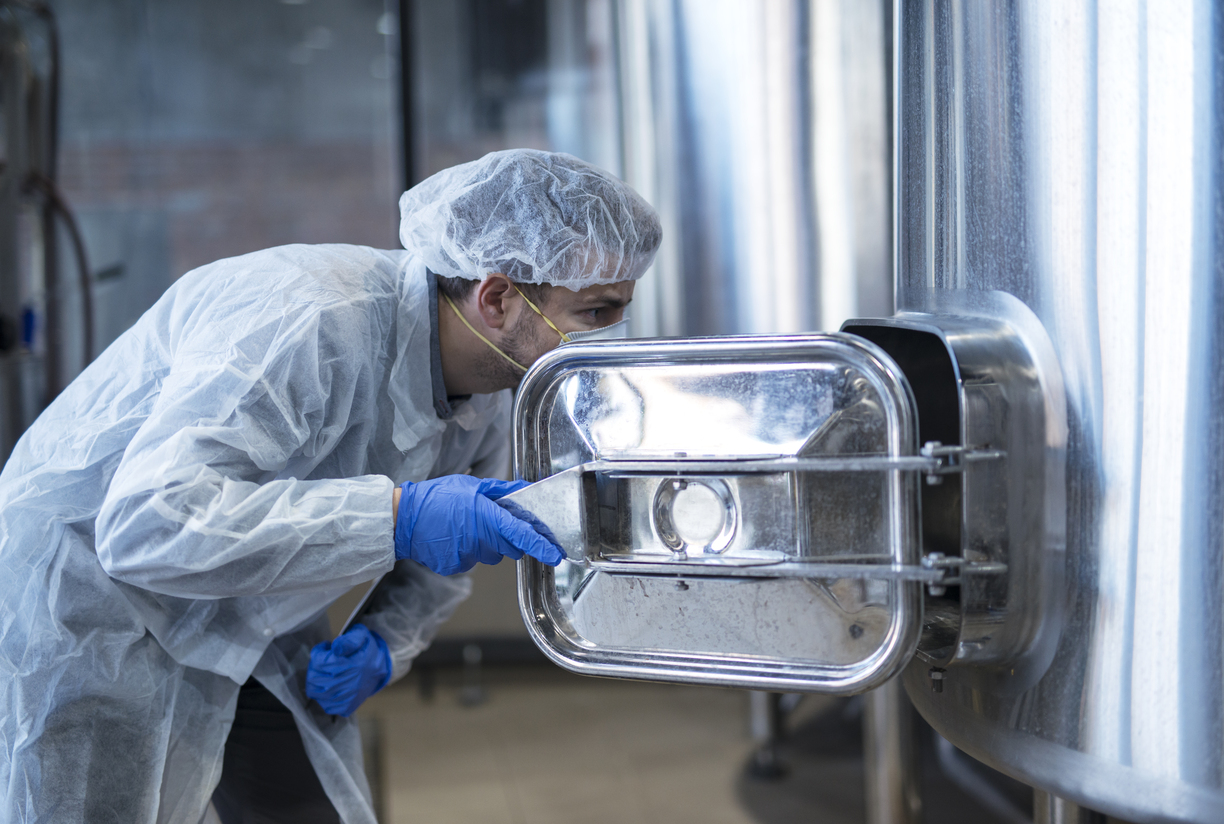
Hygienic Stainless Steel Manufacturer: Meeting the Demands of Sanitary Industries In sectors where hygiene and cleanliness requirements are critical, such as food processing, pharmaceuticals, and healthcare, hygienic stainless steel plays a vital role. Stainless steel is considered an ideal material for hygienic environments due to its durability, resistance to corrosion, and non-reactivity. Companies that produce hygienic stainless steel ensure that their products meet the stringent requirements of various industries, offering solutions that provide the highest levels of hygiene, safety, and durability. In this article, we will explore the role of hygienic stainless steel manufacturers, the importance of stainless steel in hygienic applications, and the reasons why stainless steel is preferred as an ideal material for hygienic environments. What Is Hygienic Stainless Steel? Hygienic stainless steel is a type of stainless steel specifically designed to meet the requirements of hygienic applications. It is widely used in food production, the pharmaceutical industry, medical devices, and other environments where contamination must be minimized. This material is corrosion-resistant, easy to clean, and non-reactive, allowing it to be used without affecting the products or environment it comes into contact with. One of the key features of hygienic stainless steel is its smooth surface, which prevents the accumulation of bacteria, mold, or other contaminants. This feature is essential for maintaining a clean environment and preventing the risk of cross-contamination. Additionally, hygienic stainless steel is resistant to various chemicals, making it ideal for environments exposed to aggressive cleaning agents or harsh production processes. Why Is Stainless Steel Preferred for Hygienic Applications? Stainless steel is an ideal material for hygienic applications for several reasons. Its excellent mechanical properties and high corrosion resistance make it suitable for a wide range of applications. The primary reasons for preferring stainless steel in hygienic applications include: Corrosion Resistance: Stainless steel exhibits high resistance to corrosion, which is critical in environments constantly exposed to moisture and cleaning chemicals. This resistance ensures that the material maintains its structural integrity over time, remaining durable even under harsh conditions. Easy to Clean: The smooth, non-porous surface of stainless steel makes it easy to clean and disinfect. In environments where hygiene is critical, this feature prevents the accumulation of contaminants and ensures that hygiene standards are maintained. Durability: Stainless steel is extremely durable and can withstand harsh conditions such as cleaning and chemical exposure. This long-lasting structure provides a long-term solution for hygienic applications. Non-Reactive: Stainless steel does not react with food, liquids, or pharmaceuticals, preventing unwanted chemicals or particles from transferring to products. This property is critical for preventing contamination and preserving product purity. Regulatory Compliance: Hygienic stainless steel meets the stringent requirements set by regulatory bodies such as the FDA for food production, pharmaceuticals, and medical devices. This ensures that products made from hygienic stainless steel are safe and compliant with industry standards. Applications of Hygienic Stainless Steel Hygienic stainless steel is widely used in numerous industries where hygiene and safety are paramount. The main application areas of hygienic stainless steel include: Food Processing: In the food processing industry, hygienic stainless steel is used in tanks, mixers, conveyors, and other machinery that come into contact with food products. Its corrosion resistance and easy-to-clean structure make it an ideal material for food production, ensuring that products are stored and processed under hygienic conditions. Pharmaceutical Industry: The pharmaceutical industry requires materials that do not react with drugs or chemicals. Hygienic stainless steel is used in storage tanks, reactors, and pipelines, enabling pharmaceuticals to be produced in a clean and sterile environment. Its non-reactivity and corrosion resistance are crucial for maintaining product safety and purity. Medical Devices: Hygienic stainless steel is also used in the production of medical devices such as surgical instruments, implants, and diagnostic equipment. Its corrosion-resistant structure and ease of cleaning make it suitable for sterile environments, ensuring patient safety. Water Treatment: In water treatment facilities, hygienic stainless steel is used in various components, including tanks, filtration systems, and pipes. Its resistance to corrosion and chemicals ensures the preservation of water purity. Cosmetics and Personal Care Products: The cosmetics industry uses hygienic stainless steel in production equipment such as mixers, agitators, and storage tanks. This material ensures that cosmetic products are manufactured in a clean and contamination-free environment, meeting the industry’s high standards. Production Process of Hygienic Stainless Steel Products The production of hygienic stainless steel products involves several key stages to ensure the material meets the necessary standards for hygienic applications. The production process typically includes the following steps: Material Selection: The first step in producing hygienic stainless steel products is selecting the appropriate grade of stainless steel. Commonly used grades in hygienic applications are 304 and 316 stainless steel, which offer excellent corrosion resistance and ease of cleaning. Forming and Shaping: The stainless steel is then shaped into the desired form through processes such as welding, rolling, and bending. Maintaining precise tolerances during the shaping process ensures that the final product meets size, shape, and functionality requirements. Surface Treatment: After shaping, the surface is treated to remove any sharp edges or contaminants. This process ensures the surface is smooth and non-porous, facilitating cleaning and preventing bacterial buildup. Polishing and Surface Finishing: Stainless steel products are often polished to achieve a smooth, mirror-like surface. This polishing process enhances the product’s appearance while also increasing its corrosion resistance and ease of cleaning. Quality Control and Testing: Before being released for use, hygienic stainless steel products undergo rigorous quality control and testing processes. These tests include visual inspections, mechanical testing, and chemical analysis. The goal is to ensure the product complies with industry standards and regulatory requirements. Advantages of Hygienic Stainless Steel Hygienic stainless steel offers significant advantages in many industries, particularly where high hygiene standards are required. These advantages include: Long-Term Durability: Hygienic stainless steel is corrosion-resistant and long-lasting, extending the lifespan of products and reducing maintenance requirements. This durability provides a cost-effective solution in the long run. Enhanced Hygiene Standards: The smooth, non-porous surface of hygienic stainless steel prevents the accumulation of bacteria and other pathogens, ensuring products are stored and processed in a clean environment. This is critical in industries like food processing and pharmaceutical production. Regulatory Compliance: Hygienic stainless steel meets the stringent requirements set by regulatory bodies, ensuring that products made from it are safe and compliant with industry standards. Easy Maintenance: Hygienic stainless steel is easy to clean and maintain, providing a significant advantage in environments where hygiene is paramount. Versatility: Hygienic stainless steel can be used in a wide range of applications, from food processing equipment to medical devices. Its versatility makes it a preferred choice in many industries with high hygiene standards. Challenges in Hygienic Stainless Steel Production While hygienic stainless steel offers many advantages, there are some challenges encountered during its production and use. These challenges include: Cost: The production of hygienic stainless steel products can be more expensive than other materials. However, the long-term benefits, such as durability, hygiene, and regulatory compliance, often justify this cost. Complex Production Process: The production process for hygienic stainless steel products is more complex than that of standard materials and requires specialized equipment and skilled labor. This complexity can increase production costs and lead times. Maintenance and Inspection: Although hygienic stainless steel is durable, it requires regular maintenance and inspection. This is essential to ensure that hygiene standards are consistently met, particularly in high-use environments. The Future of Hygienic Stainless Steel The future of hygienic stainless steel will be shaped by advancements in material science and production techniques. The growing demand for food safety, pharmaceutical production, and healthcare products will increase the need for hygienic stainless steel solutions. Additionally, innovations in smart technology will enhance the functionality of hygienic stainless steel products, improving operational efficiency and hygiene standards. Hygienic stainless steel is an indispensable material in industries with high hygiene standards, particularly in areas such as food processing, pharmaceuticals, and medical devices. Features such as corrosion resistance, cleanability, and non-reactivity make it an ideal material for hygienic applications. Hygienic stainless steel manufacturers ensure that their products meet the highest hygiene and safety standards, offering solutions that enhance product quality and regulatory compliance. As industries continue to prioritize hygiene, hygienic stainless steel will remain a critical material for maintaining clean, safe, and efficient production environments.
See More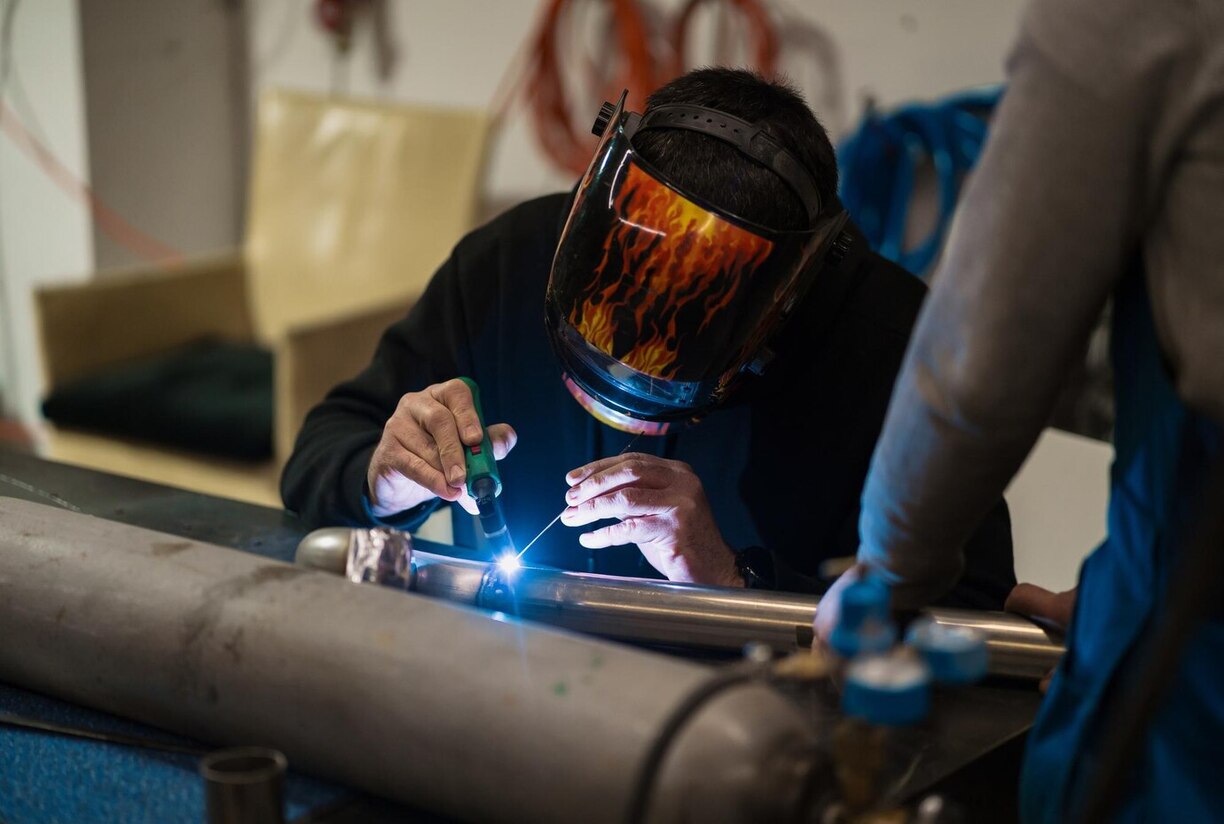
Stainless steel is a crucial material preferred in industrial and commercial applications for its durability, corrosion-resistant structure, and aesthetic appearance. However, the safety and longevity of structures made from stainless steel are directly tied to the use of proper welding techniques. Argon welding is a commonly preferred method in stainless steel applications. This technique is of great importance for controlling the environment during the welding process and achieving high-quality joints. In this article, we will discuss the advantages of stainless steel argon welding, its areas of use, the service provision process, and how this method offers businesses safe and durable solutions. What Is Stainless Steel Argon Welding? Stainless steel argon welding is a technique specifically used during the welding of reactive materials like stainless steel. Argon gas is applied to the welding area to prevent oxidation and contamination. As an inert gas, argon prevents the metal from oxidizing during welding, ensuring that the weld area remains clean and smooth. Argon welding, often referred to as Tungsten Inert Gas (TIG) welding, is used in situations requiring highly precise and controlled welding processes. This method enhances the durability and quality of the weld, ensuring the longevity of stainless steel joints. Advantages of Argon Welding Stainless steel argon welding offers numerous advantages. These benefits help us understand why this method is so widely preferred: High-Quality Welds: Argon welding ensures the achievement of high-quality welds. This process leaves the metal surface smooth and ensures even weld seams. This is ideal for applications requiring aesthetic appeal and long-lasting joints. Prevention of Oxidation: Argon gas prevents metals that react with oxygen from oxidizing in the weld area. This increases the durability of stainless steel against corrosion and keeps the weld zones clean and strong. Precision Welding Capability: Argon welding requires an extremely precise and controlled process. This provides a significant advantage in joining thin and complex stainless steel components. Thanks to TIG welding, strong and clean welds can be achieved even on thin metal surfaces. Reduced Heat Impact: In argon welding, the heating of the metal is controlled. This prevents damage or distortion to surrounding areas. It is an ideal welding method for materials like stainless steel, which have varying rates of thermal expansion and contraction. Minimal Smoke and Contamination: The welding process using argon gas produces minimal smoke. This is an important factor for both the welder’s health and maintaining cleanliness in the weld area. Applications of Stainless Steel Argon Welding Stainless steel argon welding is widely used across various industries. It is particularly preferred in projects requiring high durability and aesthetic standards. Some of the common application areas of stainless steel argon welding include: Food and Beverage Industry: In applications such as food processing machinery, tanks, and pipelines, stainless steel is used to provide a hygienic environment. In these areas, the durability and cleanliness of weld seams are critical. Argon welding ensures joints that comply with food safety and hygiene standards. Pharmaceutical Industry: Tanks, machinery, and pipelines used in pharmaceutical production are made from stainless steel. Stainless steel argon welding is highly important for maintaining hygienic environments. In this field, welds typically need to be made in high-quality and sterile conditions. Automotive Industry: In the automotive industry, argon welding is used particularly for welding stainless steel exhaust systems and other metal components. In this sector, both aesthetics and durability are important, as parts like exhaust systems must withstand harsh environmental conditions. Chemical Industry: Stainless steel tanks and pipes used in chemical processing are joined using argon welding. In such applications, welds must be leak-proof and resistant to chemicals. Oil and Gas Industry: In the oil and gas industry, argon welding is frequently preferred for pipelines and tanks made of stainless steel. This industry requires strong welds capable of withstanding high pressure and temperature conditions. Construction and Architecture: Structural elements made of stainless steel are used in buildings, bridges, and other large construction projects. Argon welding provides both strong and aesthetically flawless welds. Stainless Steel Argon Welding Service Process The stainless steel argon welding service is a process that ensures a weld is performed with high quality and durability. The service process must be carefully managed from the design stage onward. The general steps of the stainless steel argon welding service process include: Needs Analysis and Design: The initial stage involves understanding the customer’s needs and creating a design tailored to the project’s requirements. This is done by considering the type, dimensions, functions, and operating conditions of the stainless steel components to be welded. Material Selection and Preparation: The appropriate material selection and preparation for the welding process are carried out. The type of stainless steel, its thickness, hardness, and the specific requirements of the application area are determined to select the most suitable material. Welding Application: The welding process is performed based on the selected material and design. Using argon welding, the weld area is protected with an ambient gas, and the welding is carried out under the correct temperature and pressure conditions. Quality Control and Inspection: After welding, the joints are subjected to quality control tests to assess their durability and aesthetics. These tests determine whether the weld area meets strength, cleanliness, and safety standards. Finishing and Delivery: Once welding is complete, finishing processes are performed. These include cleaning the weld area, smoothing the surface, and enhancing its aesthetic appearance. Finally, the welded stainless steel product is prepared for delivery to the customer. Advantages of Stainless Steel Argon Welding Service Some of the key advantages offered by stainless steel argon welding include: High Quality and Durability: Argon welding ensures the creation of high-quality and durable welds. These welds are long-lasting and robust. Enhanced Hygiene Standards: Argon welding maintains hygienic environments, offering a significant advantage, particularly in sectors like food and pharmaceuticals. Aesthetic Appearance: Argon welding produces aesthetically flawless and smooth welds, which is especially important for projects with visible areas. Reduced Heat Impact: Argon welding ensures that materials are subjected to minimal thermal impact, which generally reduces the risk of distortion. Diverse Applications: Argon welding can be used in a wide range of industries, from food production to automotive manufacturing, making it a versatile welding method. Stainless steel argon welding is a welding method that provides safe, durable, and aesthetic solutions. It is of critical importance in numerous industries, including food, pharmaceuticals, automotive, and construction. Welds performed with argon welding ensure that stainless steel products are long-lasting, strong, and hygienic. This service is essential for producing projects with high-quality standards and is indispensable for industries to provide hygienic and durable solutions.
See More
Industrial welding processes play a critical role in the safe and durable joining of metal parts. Welding is a method used to join metal parts, and the high strength provided in the joining of materials, along with durability and aesthetics, is of great importance. Stainless steel is a material frequently preferred in industrial sectors because it possesses properties such as durability, corrosion resistance, and long lifespan. In welding processes involving stainless steel, argon welding stands out as a method that maximizes the benefits provided by this material. Stainless steel argon welding offers a significant advantage, especially in applications requiring precise welding. In this article, we will thoroughly examine the industrial applications, advantages, and usage areas of stainless steel argon welding. What is Industrial Stainless Steel Argon Welding? Industrial stainless argon welding is a special welding method used during the welding of materials like stainless steel. This welding method ensures that stainless steel exhibits high resistance to corrosion while also increasing the durability of the weld. Argon gas is used during the welding process, and its inert nature prevents oxidation and contamination. Argon gas prevents oxidation around the weld, ensuring that the weld remains clean and strong. Industrial stainless argon welding is commonly known as TIG (Tungsten Inert Gas) welding. TIG welding enables the achievement of both precise and high-quality welds. This method provides a highly controlled environment at low temperatures during the welding of metal, ensuring that the weld is strong, smooth, and aesthetically pleasing. Thanks to these features, stainless steel argon welding is widely preferred in many industrial fields. Advantages of Industrial Stainless Steel Argon Welding Industrial stainless argon welding stands out among industrial welding methods due to the numerous advantages it provides. The main advantages offered by argon welding in the welding of stainless steel and other materials are as follows: High-Quality Welds: Argon welding provides very high-quality welds in stainless steel materials. The weld area becomes smooth and even, delivering aesthetic perfection. The appearance of the welded material, especially in visible areas, is of great importance, and argon welding offers a significant advantage in this regard. Prevention of Oxidation: Argon gas reacts with oxygen in the weld area to prevent oxidation. This ensures that materials sensitive to corrosion, such as stainless steel, remain durable for a longer time. Oxidation is a problem that can compromise the quality of stainless steel. Argon welding eliminates such drawbacks, enhancing the material’s durability. Heat Control: Argon welding provides temperature control in the welded area. Stainless steel can deform when overheated. Argon gas keeps the temperature under control during the welding process, preventing excessive heat. This feature is particularly important for applications requiring precise welding. Precision Welding Capability: Argon welding is an excellent welding method that can be used to join thin and delicate metal parts. TIG welding ensures controlled heating of the material in the weld area, resulting in a smoother and stronger connection between delicate parts. For this reason, argon welding is preferred, especially in welding operations involving small and complex parts. Minimal Smoke and Contamination: Argon welding produces minimal smoke during the process. This protects the welder’s health and helps keep the weld area clean. The use of argon gas to prevent contamination in the weld area reduces cleaning requirements and ensures the welding process remains hygienic. Usage Areas of Industrial Stainless Steel Argon Welding Industrial stainless argon welding is widely used across various industries. Materials like stainless steel are ideal for many applications requiring durability and corrosion resistance. Argon welding is preferred to meet the needs of these industries. Here are the common usage areas of industrial stainless argon welding: Food Processing Industry: The food processing sector is an industry with high hygiene and cleanliness requirements. Stainless steel is widely used in food processing machinery, tanks, pipelines, and other equipment. Argon welding ensures that stainless steel equipment used in the food processing industry remains hygienic and durable. For food safety, the weld area must be clean and strong. Pharmaceutical and Pharmaceutical Industry: Stainless steel is commonly preferred in equipment used during pharmaceutical production. Tanks, pipelines, and reactors, which are critical equipment, are joined using argon welding. Equipment in this industry must be hygienic and sterile, so argon welding ensures the safe and sterile joining of stainless steel pipelines in pharmaceutical production facilities. Automotive Industry: The automotive industry uses argon welding for exhaust systems, chassis, and other stainless steel components. It is important that these parts are durable and aesthetically pleasing. Argon welding ensures that stainless steel parts in the automotive sector are joined with high quality in terms of both aesthetics and durability. Chemical Industry: In the chemical industry, stainless steel pipelines and tanks are used when working with chemicals. Argon welding ensures that these pipes and tanks are leak-proof and durable, providing a safe environment during chemical processes. Oil and Gas Industry: In the oil and gas sector, stainless steel pipelines and tanks that can withstand high pressure and temperature conditions are used. Argon welding enhances the safety and durability of this equipment. This ensures that the welds can withstand high temperatures and harsh conditions. Construction and Architecture: In the construction sector, stainless steel is widely used in the structural elements of buildings. Argon welding ensures that these structural elements are joined securely and aesthetically. Stainless steel is an excellent material for long-lasting and durable structures. Benefits Provided by Industrial Stainless Steel Argon Welding Industrial stainless argon welding offers numerous benefits. These benefits demonstrate why argon welding is such a widely preferred method in industrial welding processes: High Quality and Durability: Argon welding provides welds that remain durable and strong for a long time. These welds are resistant to harsh conditions and environmental effects, creating long-lasting connections. Aesthetic Appearance: Argon welding delivers aesthetic, smooth, and even welds. This advantage is especially significant for projects where visible areas are involved. Reduced Heat Impact: Argon welding prevents overheating and avoids distortion in the weld area. In the welding of materials like stainless steel, proper heat control is crucial. Easy Maintenance and Cleaning: Argon welding ensures that welded areas remain clean and smooth. This simplifies maintenance and cleaning processes and supports long-term use. Versatility: Argon welding can be used in many different industries, such as food processing, automotive, construction, pharmaceuticals, and chemicals. This makes the method versatile and a flexible solution. Industrial stainless argon welding is a welding method that offers safe, durable, and aesthetic solutions. Welds made with stainless steel provide high-quality, clean, and strong connections. In industries such as food processing, pharmaceutical production, automotive, chemical, and construction, the advantages provided by argon welding ensure that products in these sectors are long-lasting, safe, and aesthetically pleasing. Argon welding is an essential technique for producing projects with high-quality standards in terms of both aesthetics and durability, making it indispensable for industrial applications.
See More
Stainless steel is a material widely used in many industries due to its durability, aesthetic appearance, and corrosion resistance. This material provides long-lasting and safe connections under harsh conditions. However, welding processes performed with stainless steel have technical requirements that need to be carefully managed. In this context, TIG (Tungsten Inert Gas) welding is one of the most popular and effective methods for welding stainless steel. TIG welding is frequently preferred in projects requiring high quality and precision. In this article, we will discuss the advantages of TIG welding solutions for stainless steel, their application areas, and the points to consider when using this method. What is TIG Welding? TIG welding is a welding method that uses a tungsten electrode to perform the weld. This method ensures that the weld area remains clean by using an inert gas (usually argon) in the welding zone. TIG welding makes it possible to achieve high-quality and clean welds by controlling the heat and environment in the weld area. TIG welding performed with stainless steel delivers excellent results, especially in joining thin and delicate parts. TIG welding enhances the precision and control of the welding process, providing aesthetic and durable welds. Advantages of TIG Welding for Stainless Steel TIG welding for stainless steel offers numerous advantages. These advantages make TIG welding one of the most preferred methods for welding processes involving stainless steel: High Quality and Clean Welds: TIG welding ensures the achievement of extremely clean and smooth welds. The risk of oxidation and contamination in the weld area is eliminated, allowing stainless steel to appear aesthetically flawless. Controlled Heat Application: TIG welding allows the heat applied to the weld area to be precisely controlled. In materials like stainless steel, which tend to expand and contract thermally, heat control is crucial. TIG welding directs the heat only to the specific area being welded, preventing damage to surrounding areas. Reduced Smoke and Contamination: Minimal smoke is produced during TIG welding. This protects the welder’s health and ensures the weld area remains clean. Low smoke production helps maintain hygienic environments, especially in food and pharmaceutical industries. High Precision: TIG welding provides great precision in joining thin metal parts. This feature is ideal for complex and delicate welding applications. TIG welding increases the accuracy of the welded area and prevents unnecessary material loss. Flexibility and Versatility: TIG welding can be used with a wide variety of stainless steel types. It offers high efficiency in welding stainless steel parts of different thicknesses and shapes. Additionally, it can be used in welding other materials, making TIG welding a versatile option. Application Areas of TIG Welding for Stainless Steel TIG welding for stainless steel is widely used in many industrial fields. This welding method is particularly preferred in projects requiring precision and durability. Here are the common application areas of TIG welding for stainless steel: Food Processing Industry: Stainless steel is used in food processing machinery, tanks, and pipelines. These pieces of equipment need to be joined hygienically and robustly. TIG welding ensures that the welded areas are clean and durable, which is critical for food safety. Pharmaceutical and Pharmaceutical Industry: Stainless steel is widely used in pharmaceutical production and pharmaceutical equipment. In this sector, welds need to be hygienic and sterile. TIG welding ensures the safe joining of stainless steel pipelines, tanks, and machinery, helping to maintain a sterile environment. Automotive Industry: In the automotive industry, stainless steel parts such as exhaust systems and chassis are joined using TIG welding. These parts deliver excellent results in terms of aesthetics and durability. TIG welding ensures that automotive components remain durable and safe for a long time. Chemical Industry: In the chemical sector, stainless steel pipelines, tanks, and other equipment are used when working with chemicals. TIG welding ensures that these pipelines and tanks are joined securely and leak-proof, preventing chemical leaks and accidents. Oil and Gas Industry: In the oil and gas industry, stainless steel pipelines and tanks must withstand high temperatures and pressures. TIG welding ensures the durable and safe joining of this equipment, enabling it to endure the harsh conditions of the sector. Construction and Architecture: Stainless steel is used in structural elements of buildings to provide aesthetics and durability. TIG welding ensures that these structural elements are joined both robustly and visually appealingly. It ensures that stainless steel structures are long-lasting and safe. Benefits Provided by TIG Welding for Stainless Steel TIG welding for stainless steel offers many advantages. These advantages explain why this welding method is so widely preferred in industrial applications: High Quality and Durability: TIG welding ensures that stainless steel parts are joined durably and with a long lifespan. These welds are resistant to harsh conditions, providing safety in industrial applications. Aesthetic Appearance: TIG welding provides aesthetically smooth and even welds. This feature offers a significant advantage, especially in outdoor or visible area projects. Reduced Heat Impact: TIG welding ensures that the heat in the weld area is properly controlled, reducing the risk of distortion. This control is crucial because materials like stainless steel have different expansion rates. Easy Maintenance and Cleaning: TIG welding ensures that welded areas remain clean and smooth. This simplifies maintenance and cleaning processes, which is a major advantage, especially in industries where hygiene is critical. Versatility and Flexibility: TIG welding delivers effective results in joining stainless steel parts of different thicknesses and shapes. This makes the method suitable for various applications and allows it to be used across a wide range. TIG welding for stainless steel is a welding method that offers safe, durable, and aesthetic solutions. Welds performed with stainless steel provide high-quality, clean, and robust connections. In industries such as food processing, pharmaceutical production, automotive, chemical, and construction, the advantages provided by TIG welding ensure that products in these sectors are long-lasting, safe, and aesthetically pleasing. TIG welding is an essential technique for producing projects with high-quality standards in terms of both aesthetics and durability, making it indispensable for industrial applications.
See More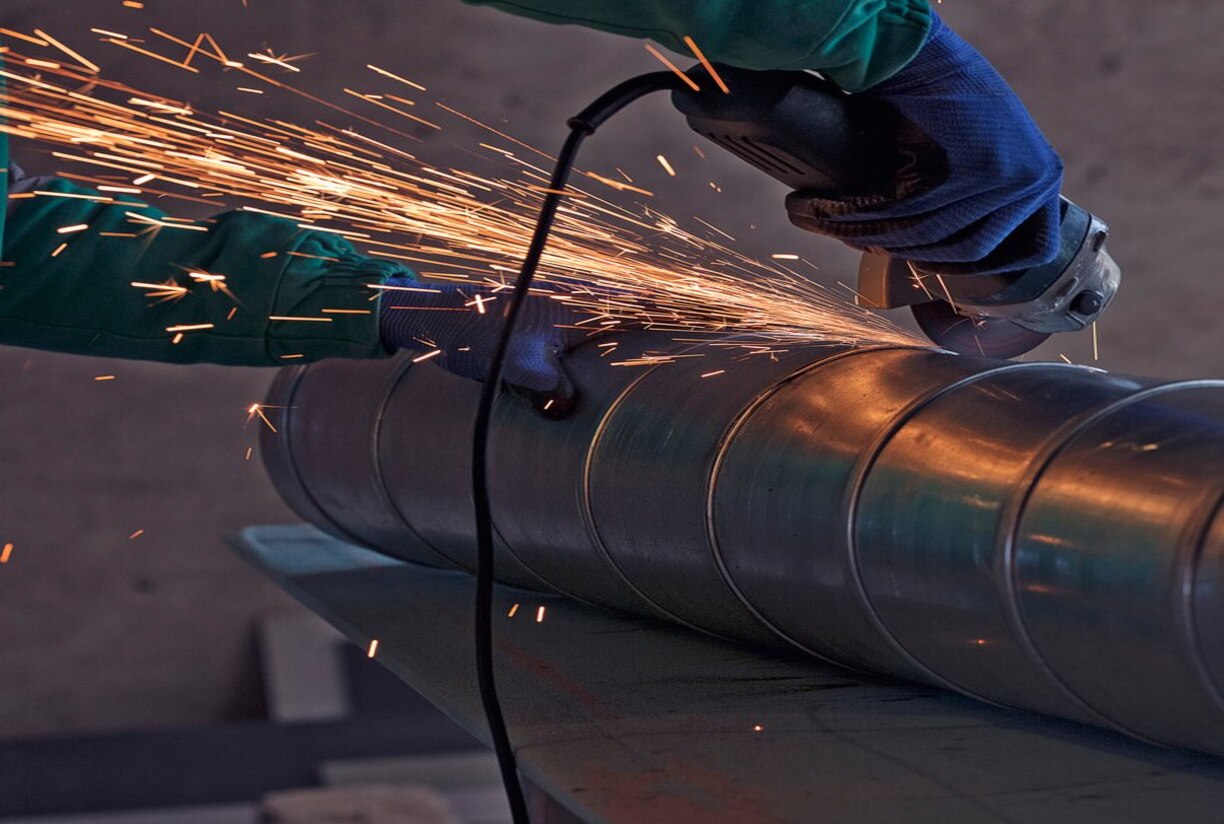
Industrial welding processes are critical methods used in joining metal parts. Especially under harsh industrial conditions, strong and reliable welds are of great importance in terms of operational efficiency and safety. TIG (Tungsten Inert Gas) welding is one of the most commonly preferred methods in industrial fields to achieve high-quality, durable, and long-lasting welds. TIG welding processes performed on stainless steel, aluminum, copper, and other metal types provide high durability and excellent performance. In this article, we will discuss the advantages of industrial TIG welding services, the high durability they provide, and the best results achievable with this method. What is TIG Welding and Why is it Preferred? TIG welding is a welding method performed using a tungsten electrode. During the welding process, inert gases such as argon or helium are used. These gases prevent oxidation and contamination around the weld, ensuring that the weld area remains clean and strong. TIG welding is ideal for applications requiring precision and high-quality welds. In the welding of materials like stainless steel, aluminum, and titanium, the welds provided by this method deliver both durability and aesthetically excellent results. Advantages of Industrial TIG Welding Services Industrial TIG welding services offer numerous advantages in terms of durability, safety, and aesthetics. These advantages explain why TIG welding is a preferred welding method in industrial applications: High Durability: TIG welding provides robust and long-lasting welds. These welds are resistant to harsh conditions such as high temperatures and pressures, offering safe usage in operational processes. TIG welds performed on durable materials like stainless steel exhibit high resistance to wear and corrosion. High Precision and Aesthetics: TIG welding is an excellent solution for applications requiring high precision. Even on thin metal surfaces, smooth and clean welds can be achieved. This provides a significant advantage, especially in projects where aesthetics are important. Smooth and aesthetic welds are obtained in visible weld areas. Prevention of Oxidation and Contamination: In TIG welding, the use of inert gases minimizes the risk of oxidation and contamination in the weld area. This is a major advantage, especially for materials sensitive to corrosion like stainless steel. Preventing oxidation enhances the quality of the weld area, ensuring its longevity. Controlled Heat Distribution: TIG welding allows the heat applied to the weld area to be precisely controlled. This prevents the material from overheating and reduces the risk of distortion. This precise control over the temperature of the weld area helps maintain the shape and durability of the welded part. Reduced Smoke and Harmful Gases: During TIG welding, significantly less smoke and harmful gases are produced compared to traditional welding methods. This improves workplace safety and creates a healthier working environment. This feature is particularly important in food, pharmaceutical, and other hygienic industries. Usage Areas of Industrial TIG Welding Services Industrial TIG welding services are widely used across many different industries. This service is preferred in projects with high requirements for durability, precision, and aesthetics. Here are the most common areas where industrial TIG welding is utilized: Food Processing and Beverage Industry: Welds of stainless steel used in food processing machinery, tanks, and pipelines are of great importance in terms of hygiene and safety. TIG welding provides welds that comply with food safety standards and are hygienic. Additionally, it ensures that weld areas remain clean and durable, enabling long-term safe usage. Pharmaceutical and Pharmaceutical Industry: Equipment used in pharmaceutical production and manufacturing processes is made of stainless steel. This equipment must be clean, sterile, and durable. TIG welding ensures the safe joining of stainless steel pipelines and tanks in pharmaceutical production facilities, helping to maintain a sterile environment. Automotive Industry: In the automotive sector, parts such as exhaust systems and chassis are joined using TIG welding. These parts need to be durable and aesthetically flawless. TIG welding ensures that stainless steel parts used in the automotive industry are both durable and aesthetic, resulting in long-lasting and high-performance products. Chemical Industry: Tanks, pipelines, and other stainless steel equipment used during chemical processes are joined with TIG welding. Stainless steel equipment that comes into contact with chemicals must be robust, durable, and safe. TIG welding ensures the safe joining of such equipment, preventing leakage and corrosion risks. Oil and Gas Industry: Stainless steel pipelines used in the oil and gas industry must be resistant to high pressure and temperature. TIG welding guarantees the long-term usability of this equipment and ensures durability under extreme conditions. TIG welding enhances safety and durability in the oil and gas sector. Construction and Architecture: Stainless steel is used as structural elements in the construction industry. These elements require aesthetics and durability. TIG welding ensures the robust joining of stainless steel structures and provides visually appealing results from an aesthetic perspective. Benefits Provided by Industrial TIG Welding Services Industrial TIG welding services offer numerous benefits. The main benefits provided by these services are as follows: High Durability: TIG welding provides welds that are resistant to harsh conditions and long-lasting. This is important for safety and efficiency in industrial facilities. Welds made with TIG welding are more resistant to wear, corrosion, and environmental effects. Aesthetic Appearance: TIG welding ensures that welds are aesthetically smooth and even. This feature is highly advantageous in projects involving visible areas. Additionally, the smoothness of the weld area contributes to the longevity of the welded part. Reduced Heat Impact: TIG welding prevents overheating and ensures that heat is applied correctly in the weld area. This provides a significant advantage, especially in thin metal surfaces and applications requiring delicate welding. Easy Maintenance and Cleaning: Welds made with TIG welding are clean and smooth, making maintenance and cleaning processes easier. This provides a major advantage, especially in industries like food and pharmaceutical where hygiene is critical. Versatility: TIG welding is suitable for joining stainless steel parts of different thicknesses and shapes. This makes the method a versatile and flexible option, enabling its use across various industries. Industrial TIG welding services are a welding method that offers safe, durable, and aesthetic solutions. Welds performed with stainless steel provide high-quality, clean, and robust connections. In industries such as food processing, pharmaceutical production, automotive, chemical, and construction, the advantages provided by TIG welding ensure that products in these sectors are long-lasting, safe, and aesthetically pleasing. TIG welding delivers high performance and safety in industrial applications, making it an indispensable welding method.
See More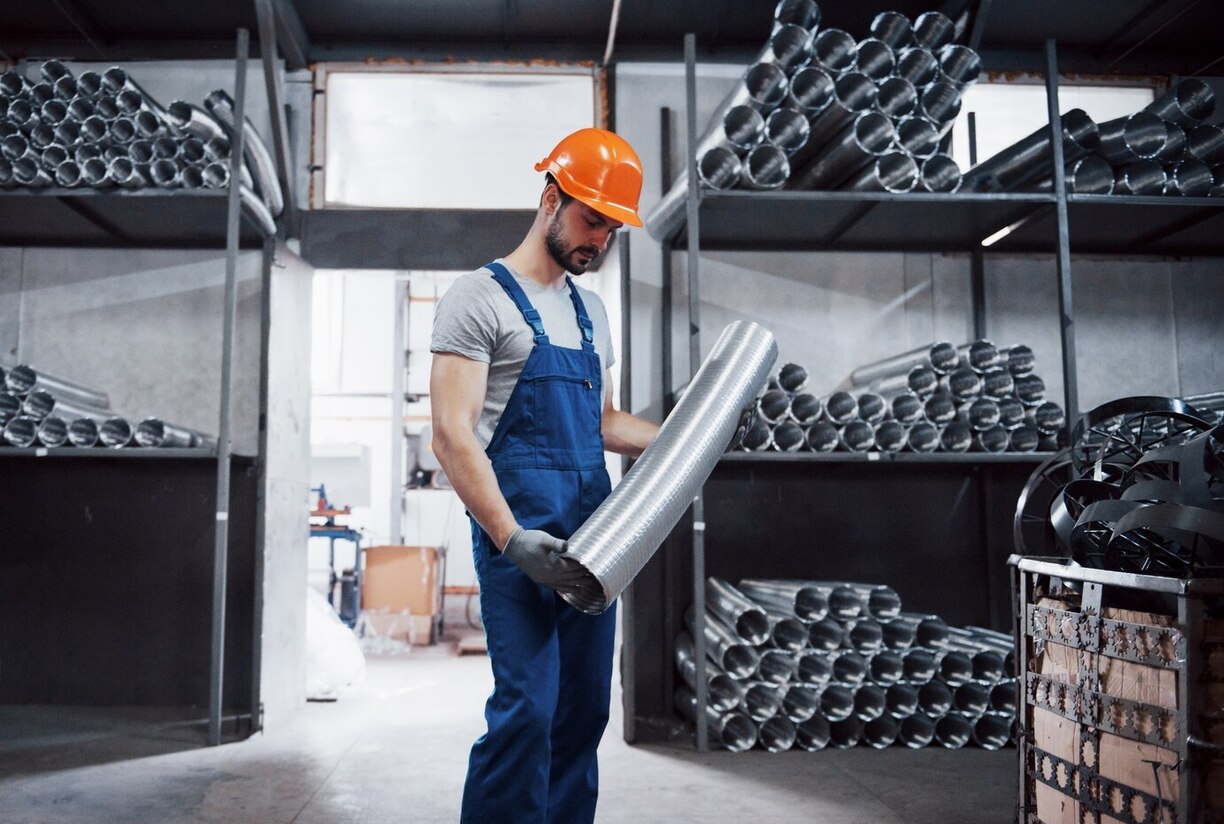
Build Safe and Durable Structures with Stainless Steel Assembly In the construction industry, material selection is of critical importance to ensure that projects are long-lasting and durable. Stainless steel is a material frequently preferred in this field. Stainless steel assembly services ensure the best use of this material and enhance the safety and durability of structures. Stainless steel stands out as an ideal material in many industries due to its long-term durability, aesthetic design, and resistance to environmental effects. In this article, we will discuss the techniques, advantages, and how these services are utilized in different industries to build long-lasting and safe structures with stainless steel assembly. Stainless steel assembly ensures that structures are both safe and visually impressive. Additionally, with its environmentally friendly features, it is indispensable for sustainable projects. Why is Stainless Steel Assembly Important? Stainless steel assembly is a critical process for ensuring the long-term durability of structures. Stainless steel is preferred in the construction of many industrial and commercial structures due to its resistance to corrosion, strong structure, and aesthetic appearance. The assembly of this material is a process that requires precision and expertise. Stainless steel assembly services ensure that materials are securely and firmly connected to each other using the right welding techniques, screwing, and riveting methods. This process enhances the durability of structures while also guaranteeing their longevity. This type of assembly plays a critical role at every stage of the structure for safety and long-lasting buildings. Stainless steel assembly is carried out using specialized equipment and high-quality welding machines. Every stage is extremely important for the success of the project and must be performed by expert individuals. Advantages of Stainless Steel Assembly Services Stainless steel assembly provides significant advantages, particularly in industrial projects and outdoor structures. This assembly not only increases the durability of the structure but also offers significant benefits in terms of aesthetics and cost. Here are some key advantages provided by stainless steel assembly: Enhanced Durability: Stainless steel exhibits high resistance to harsh weather conditions, chemicals, and physical wear. This feature provides a significant advantage, especially for structures built outdoors and in industrial facilities. Structures made with stainless steel assembly do not carry the risk of deformation or corrosion over time. This durability minimizes maintenance requirements in the long term. Aesthetic Design Possibilities: Stainless steel offers a modern and sleek appearance. This is particularly important in architectural projects. Stainless steel assembly ensures that structures are visually appealing and contemporary in terms of aesthetics. This feature makes it a preferred choice, especially in high-rise buildings, shopping malls, and office buildings. Designs made with stainless steel maintain their aesthetic appearance for a long time. Minimal Maintenance Requirement: Structures built with stainless steel assembly significantly reduce maintenance needs. Since stainless steel has self-cleaning properties, it ensures the structure’s longevity. This also reduces maintenance costs and allows the structure to be used efficiently for many years. Additionally, this assembly enables early detection and prevention of potential damages. Environmentally Friendly and Sustainable: Stainless steel is a recyclable material, making it environmentally friendly. Structures made with stainless steel assembly provide benefits in terms of sustainability and contribute to reducing environmental impact. This makes it an ideal choice for environmentally friendly projects. Stainless steel is frequently preferred in eco-friendly projects because it is a material that does not harm nature and can be recycled. Enhanced Safety and Structural Strength: Stainless steel assembly increases the safety of the structure while providing structural strength. This is a significant advantage, especially in earthquake-prone areas or harsh climatic conditions. Stainless steel assembly protects the structure from all kinds of external impacts, ensuring high safety. Additionally, it enhances the stability of the structure, keeping people’s safety at the highest level. Areas Where Stainless Steel Assembly is Used Stainless steel assembly is widely used in many industries due to its durability and aesthetic appearance. This assembly is an ideal choice, especially for structures exposed to external factors. The common areas of use for stainless steel assembly services include: Construction and Architecture: Stainless steel is particularly used in building facades, structural components, and interior designs. Stainless steel assembly services ensure that the structure is both robust and aesthetic. Stainless steel assembly makes buildings resistant to external factors while also providing a modern aesthetic appearance. Additionally, structures become resilient against earthquakes and other natural disasters thanks to stainless steel. Automotive Industry: Stainless steel is used in the automotive industry for exhaust systems, chassis, and other components. Stainless steel assembly services ensure the safe assembly of these parts, contributing to the longevity and durability of automotive components. Additionally, the use of stainless steel improves the aesthetic appearance of vehicles. Oil and Gas Industry: Stainless steel is used in the oil and gas industry for pipelines, tanks, and other equipment. This equipment must be resistant to high pressure and temperature. Stainless steel assembly ensures the safety and durability of this equipment, preventing chemical leaks and deformation. In the oil and gas industry, stainless steel assembly enhances safety in production processes. Chemical and Pharmaceutical Industry: Stainless steel plays an important role in the chemical and pharmaceutical industries in pipelines and tanks. Stainless steel assembly ensures the hygienic and safe assembly of this equipment, eliminating any risk of contamination or leakage during the production process. Additionally, stainless steel assembly improves product quality and enhances the efficiency of production processes. Food and Beverage Industry: Stainless steel is used in food processing machines, storage tanks, and pipelines. Stainless steel assembly provides equipment that operates safely in a hygienic environment and offers long-term safe use. In the food processing sector, stainless steel assembly meets safety and hygiene standards, which is crucial for food safety. Benefits Provided in Projects with Stainless Steel Assembly Stainless steel assembly ensures the long-term durability, aesthetic appearance, and safety of structures. The benefits provided by these assembly services directly impact the success of projects. Here are the main benefits provided in projects carried out with stainless steel assembly: Long-Term Performance: Stainless steel assembly ensures that the structure remains durable and safe for a long time. This is a significant advantage, especially in industrial and commercial projects requiring high durability. This type of assembly allows structures to be long-lasting and operate with minimal maintenance needs. Aesthetic and Environmentally Friendly Design: Stainless steel offers a sleek and modern appearance. This meets aesthetic concerns in architectural projects and provides an environmentally friendly advantage. Structures made with stainless steel assembly are used for many years without harming the environment. Ease of Maintenance: Since stainless steel is a material that requires minimal maintenance, it reduces maintenance costs. Structures made with stainless steel assembly do not deform over time and perform well for a long period. This also lowers the total cost of the project. High Safety and Stability: Stainless steel assembly increases the safety of structures while providing structural strength. This offers a significant advantage, especially in earthquake-prone areas or challenging environmental conditions. Stainless steel assembly protects the structure from all kinds of external impacts, ensuring high safety. Stainless steel assembly is of critical importance for building strong, safe, and aesthetic structures. These services not only make structures durable and safe for a long time but also protect them against environmental factors. Stainless steel assembly is used in many fields, from the construction industry to automotive and food sectors. In industrial and commercial projects, stainless steel assembly ensures that structures are efficient, aesthetic, and long-lasting. The benefits provided by this assembly ensure the success of your projects and enable long-term use.
See More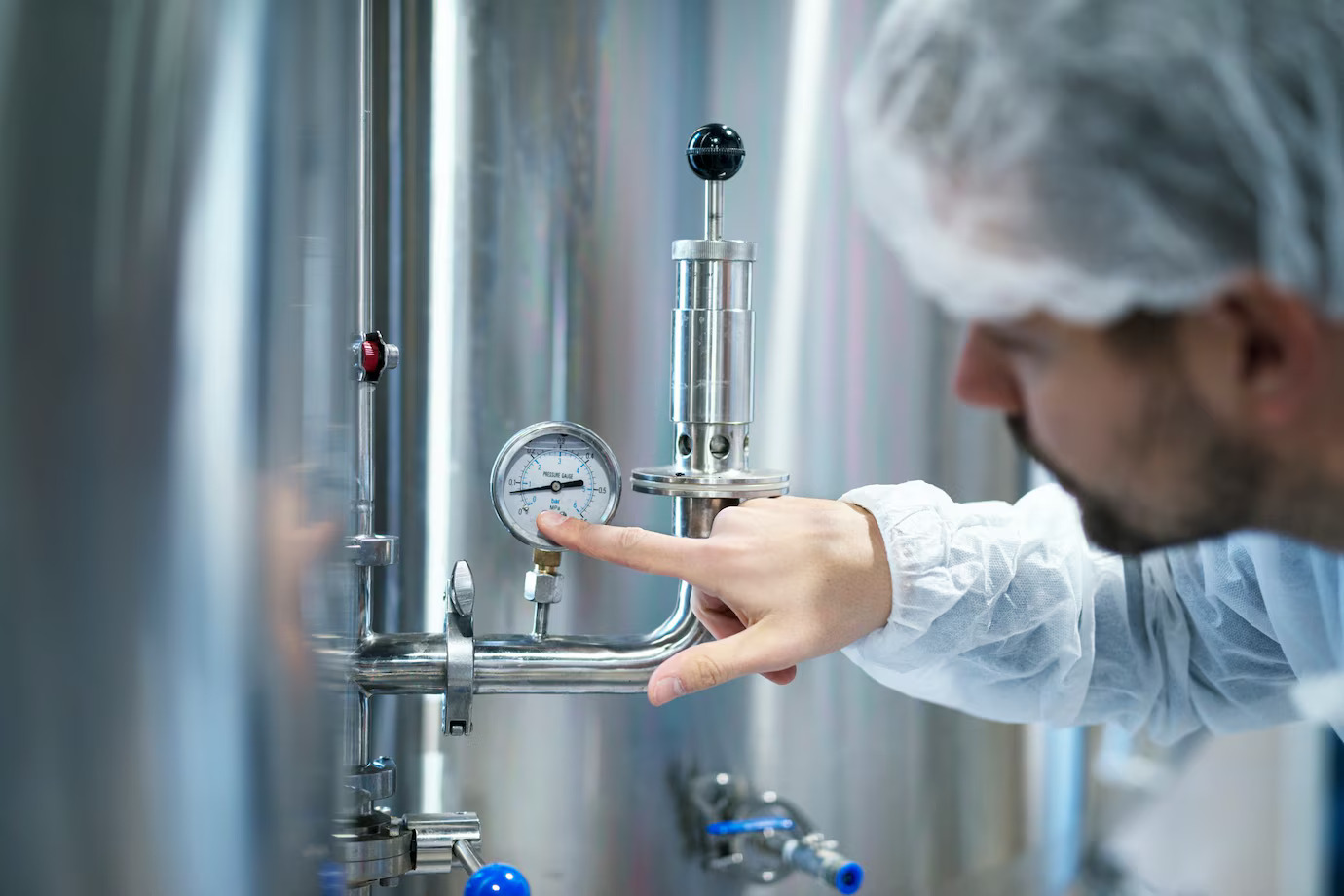
Industrial Stainless Steel Assembly Solutions for Efficient and Safe Structures In industrial projects, the quality of the materials used directly impacts the safety and durability of the structure. Stainless steel is a widely preferred material in the industrial sector, distinguished by its high strength and resistance to corrosion. Stainless steel assembly solutions ensure the effective and safe use of this material, contributing to the longevity of structures. This article will explore in detail the advantages, applications, and benefits provided by industrial stainless steel assembly solutions. What Are Industrial Stainless Steel Assembly Solutions? Industrial stainless steel assembly solutions refer to the process of using components made of stainless steel to join industrial structures. These solutions encompass methods such as proper welding techniques, riveting, and screw assembly. Stainless steel is an ideal material for industrial structures, requiring high precision and expertise during assembly. Industrial stainless steel assembly solutions ensure that every part of the structure is joined securely, robustly, and efficiently, resulting in long-lasting and durable constructions. Advantages of Industrial Stainless Steel Assembly Solutions Industrial stainless steel assembly solutions enhance the durability of structures while offering numerous significant advantages. These benefits contribute to the success of industrial projects. Here are the primary advantages provided by these solutions: Durability and Longevity: Stainless steel is a material that can withstand harsh conditions for extended periods. Industrial stainless steel assembly solutions leverage the effective use of this material to ensure structures remain durable for years. It provides strong protection against high temperatures, moisture, chemicals, and physical wear. Environmentally Friendly and Sustainable: Stainless steel is recyclable and environmentally harmless. Industrial stainless steel assembly solutions are an excellent choice for sustainable projects. These solutions reduce environmental impact while also offering energy savings. Reduced Maintenance Needs: Stainless steel requires minimal maintenance while providing long-term use. Industrial stainless steel assembly solutions minimize a structure’s maintenance needs, resulting in low maintenance costs over time. Due to its resistance to natural conditions and chemicals, the structure’s performance remains high for an extended period. Aesthetic Appearance: Stainless steel offers a modern and sleek look. Industrial stainless steel assembly solutions provide not only durability but also aesthetic design. This is a significant advantage, particularly in architectural projects and exterior facades. High Safety: Stainless steel enhances the safety of structures due to its high strength. Industrial stainless steel assembly solutions enable the construction of safe and sturdy structures. These solutions ensure the creation of safe structures even in challenging environmental conditions. Applications of Industrial Stainless Steel Assembly Solutions Industrial stainless steel assembly solutions are utilized across various industries. These solutions are particularly ideal for projects requiring high durability and safety standards. Here are the common application areas of industrial stainless steel assembly solutions: Construction Industry: Stainless steel is used in the construction industry, particularly for exterior facades and structural components. Industrial stainless steel assembly solutions ensure these structures are both durable and aesthetic. Stainless steel assembly is employed in all types of construction projects, from high-rise buildings to commercial structures. Automotive Industry: Stainless steel is used in the automotive industry for exhaust systems, chassis, and other components. Industrial stainless steel assembly solutions ensure the secure assembly of these parts, resulting in long-lasting and high-performance vehicles. Chemical and Petrochemical Industry: Stainless steel is widely used in the chemical and petrochemical industries for pipelines, storage tanks, and production machinery. Industrial stainless steel assembly solutions ensure these systems are safe and durable, minimizing risks of chemical leaks and deformation. Food and Pharmaceutical Industry: Stainless steel is commonly used in the food and pharmaceutical industries to maintain hygienic environments. Stainless steel assembly solutions ensure that production machinery in these sectors operates in a hygienic, safe, and efficient manner, helping to maintain food safety and quality standards. Energy Sector: Stainless steel is used in power plants for pipelines, equipment, and storage tanks. Industrial stainless steel assembly solutions provide high performance and safety in the energy sector, enhancing safety and efficiency in energy production processes. Benefits of Industrial Stainless Steel Assembly Solutions Industrial stainless steel assembly solutions offer numerous key benefits to projects. These solutions help create safe, durable, and aesthetic structures. Here are the main benefits provided by industrial stainless steel assembly solutions: Efficient Structures: Industrial stainless steel assembly solutions enable structures to be built with high efficiency. This allows projects to be completed faster and reduces costs. Environmentally Friendly Projects: Stainless steel is an environmentally friendly material due to its recyclability. Industrial stainless steel assembly solutions reduce environmental impact, enabling the creation of sustainable projects. Reduced Maintenance Costs: Stainless steel requires minimal maintenance. This lowers maintenance costs and ensures long-term use. Structures built with industrial stainless steel assembly solutions can be used efficiently for years. Enhanced Structural Safety: Industrial stainless steel assembly solutions improve structural safety. This is especially critical in harsh environmental conditions and load-bearing structures. These solutions ensure stability and provide safe usage. Industrial stainless steel assembly solutions are critical for constructing safe, durable, and aesthetic structures. These solutions enable the creation of long-lasting, environmentally friendly projects with low maintenance requirements. Stainless steel assembly provides efficient, safe, and aesthetic solutions for industrial projects. Industrial stainless steel assembly solutions are an excellent choice for meeting the toughest industry requirements, ensuring the longevity of structures. Stainless Steel Assembly for High-Performance Industrial Structures The materials used in industrial projects play a decisive role in the functionality, durability, and safety of the structure. Stainless steel offers an excellent material for such projects because it is both strong and exhibits high resistance to environmental factors. Stainless steel assembly is particularly preferred in challenging working conditions and load-bearing structures. This assembly not only ensures the longevity of structures but also minimizes maintenance costs. Additionally, stainless steel is frequently used in industrial projects due to its modern and sleek aesthetic appearance. Stainless steel assembly is a versatile solution that enhances the efficiency of structures and provides safety. The advantages of stainless steel assembly include structural strength, environmental friendliness, and low maintenance needs. Structures assembled with stainless steel maintain their durability for many years, even in harsh climates. This is particularly significant in industrial sectors such as oil, gas, chemicals, and food processing. Stainless steel assembly solutions ensure that structures deliver high performance and operate safely. Stainless steel is renowned for its resistance to high temperatures, corrosion, abrasive substances, and physical impacts. Furthermore, stainless steel assembly adds aesthetic value to structures, offering a modern and stylish appearance, which is a key factor in its preference for architectural projects. Stainless steel assembly stands out for creating highly durable, safe, and aesthetic structures while also offering low maintenance costs. In conclusion, stainless steel assembly is an ideal choice for building long-lasting, efficient, and safe structures in industrial projects.
See More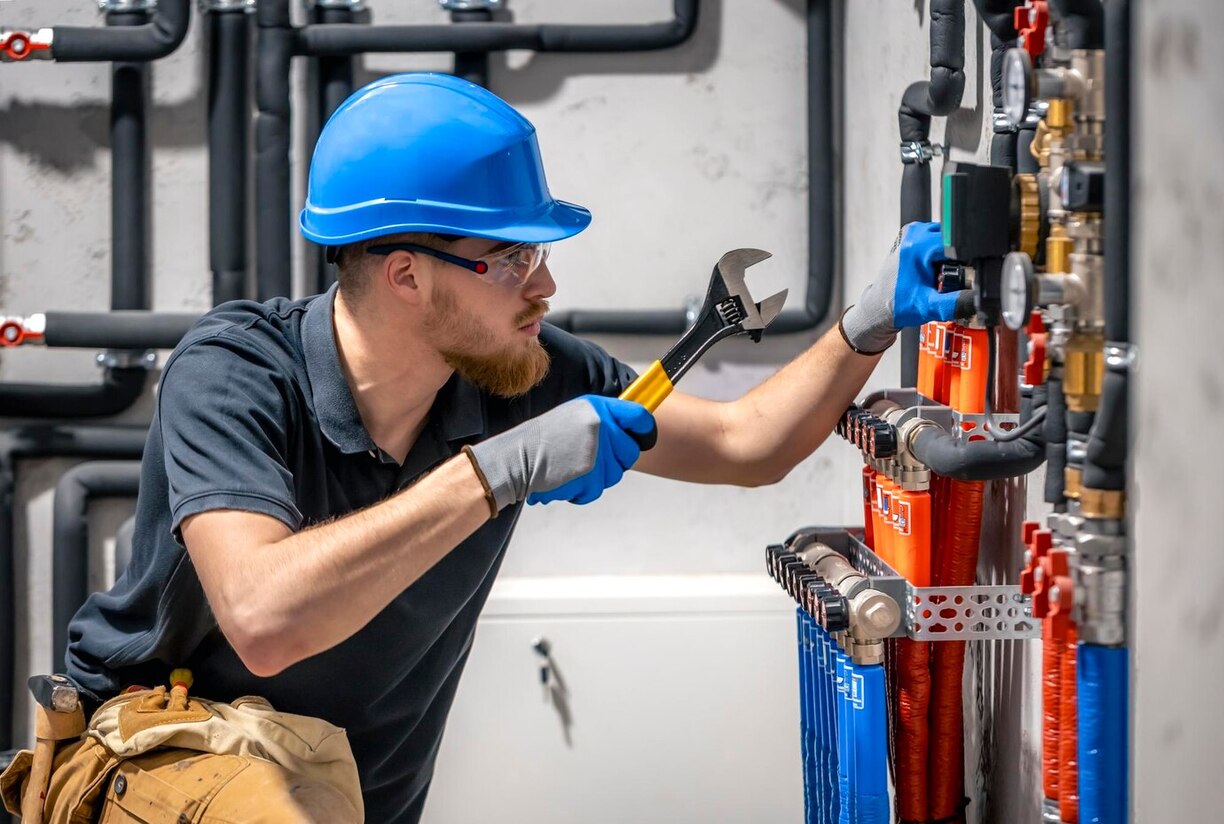
Industrial installation systems rely on the quality and safety of the materials used. Especially in the food, pharmaceutical, and healthcare sectors, requirements such as maintaining hygiene, production safety, and high efficiency are important. Stainless steel is an ideal material for installation assemblies in these industries because it is both durable and has a structure resistant to corrosion. Hygienic stainless steel installation assembly not only provides a safe and robust infrastructure but also meets the stringent hygiene requirements of these sectors. Stainless steel helps maintain high standards at every stage of production processes. This article will address the factors that enhance the quality and safety of hygienic stainless steel installation assembly. Stainless steel installation assembly plays an important role, particularly in the industrial field, in ensuring safety and hygiene at high standards. These assembly solutions enable installations to remain durable for longer and operate with high efficiency. Advantages of Hygienic Stainless Steel Installation Assembly Hygienic stainless steel installation assembly is of great importance, especially for the food and pharmaceutical industries. The safety, durability, and hygienic nature of these installations play a critical role in the efficiency of production processes and product safety. The advantages provided by stainless steel installation assembly are as follows: High Hygienic Standards: Stainless steel, with its smooth surface, prevents the accumulation of bacteria and dirt. This ensures the maintenance of hygiene, especially in food and pharmaceutical production facilities. Stainless steel installation assembly meets high standards in terms of leak-proofing and sterility. The installations protect the health and safety of products while preventing potential microbiological contamination. Additionally, since stainless steel material is resistant to any chemical effects, excellent results are achieved in sanitation processes. Durability and Longevity: Stainless steel exhibits high resistance to corrosion, enduring water, chemicals, and abrasive effects for a long time. This allows installations to be used safely for years and reduces maintenance needs. Stainless steel assembly maintains structural integrity, delivering high performance over a long period. This feature ensures long-term use, especially in installations exposed to external factors. Easy Cleaning: Hygienic stainless steel is highly advantageous in terms of cleaning. It is not only easy to clean but also resistant to high temperatures. This feature makes it ideal for meeting the regular cleaning and sterilization requirements of installations. Stainless steel does not retain dirt, and any contamination on its surface can be quickly cleaned. Furthermore, the materials used in stainless steel assembly are resistant to chemical cleaners and suitable for long-term cleaning processes. Safety: Stainless steel, with its high strength, provides a safe installation infrastructure. Additionally, being resistant to chemicals prevents leaks and potential hazards. This ensures that the installation system operates safely. Stainless steel, being resistant to fire, enhances safety in industrial facilities with fire risks. Moreover, potential leaks or failures in the installation system are minimized thanks to stainless steel assembly. Aesthetic and Visual Appeal: Stainless steel is also an aesthetically stylish material. When an installation needs to be both functional and visually modern and aesthetic, stainless steel is an excellent choice. This feature improves the overall appearance of the area where the installation is located while also facilitating the maintenance process. Stainless steel, with its modern and stylish structure, is particularly preferred in architectural projects. Key Considerations in Hygienic Stainless Steel Installation Assembly In hygienic stainless steel installation assembly, certain critical factors must be considered to ensure quality and safety. Here are these factors: Selection of High-Quality Stainless Steel: The use of high-quality stainless steel is necessary for the installation to be long-lasting and safe. The quality standard of the material used directly affects the durability and hygienic properties of the installation. Stainless steel is typically produced from high-quality alloys such as 304 or 316, and these alloys enhance corrosion resistance. Additionally, compliance with the hygiene requirements set by the food and pharmaceutical industries must also be ensured during material selection. These materials offer excellent performance not only in terms of durability but also from a hygienic perspective. Expert Personnel and Equipment: Hygienic stainless steel installation assembly is a process that requires expertise. Using the correct welding and connection techniques during implementation ensures the safety and durability of the installation. Furthermore, the assembly must be carried out using the appropriate equipment and tools. The use of professional equipment ensures that the assembly is done correctly and that performance remains at an optimal level. Implementation by expert personnel enhances the efficiency of the installation. Compliance with Hygiene Standards: It is very important that stainless steel installation assembly complies with hygienic standards. Maintaining hygiene, preventing contamination, and ensuring sterilization are necessary at every stage of the installation. All tools and materials used during assembly must be sterilized. This is a critical requirement, especially in the food and pharmaceutical industries. Adhering to hygiene standards at every step enables the achievement of high-quality results. Leak-Proofing and Connection Checks: For the safety of stainless steel installation assembly, all connection points must be proper and leak-proof. Regular checks of the connections and the installation after assembly eliminate the possibility of any leaks or failures. These checks are necessary for the long-term efficient operation of the installation. All post-assembly inspections ensure a safe working environment. Maintenance and Cleaning Protocols: Regular maintenance and cleaning must be performed for hygienic stainless steel installations to operate efficiently for a long time. Although stainless steel is an easy-to-clean material, following regular cleaning protocols ensures the preservation of hygiene. These protocols extend the lifespan of the installation while also helping maintain hygienic standards. Additionally, regular maintenance contributes to the installation operating with high performance. Areas of Use for Hygienic Stainless Steel Installation Systems Stainless steel is widely used in many industrial sectors where hygiene and durability are important. These sectors include food production, pharmaceutical production, drinking water treatment, and healthcare. In food production facilities, hygienic stainless steel installation systems are used in all equipment that comes into direct contact with food. Food processing machines, storage tanks, and pipelines are made of stainless steel. These installation systems ensure the protection of food safety and hygiene. Likewise, hygienic stainless steel installations play an important role in pharmaceutical production and the healthcare sector. In pharmaceutical production facilities, stainless steel pipelines and tanks are used to provide hygienic environments during the production of pharmaceuticals. These environments must be resistant to chemicals and capable of being sterilized. Additionally, the use of stainless steel in drinking water treatment facilities is necessary to ensure that the water remains pure and clean. Stainless steel installation assembly ensures that water is safely treated and transported at every stage. Hygienic stainless steel installation assembly is of critical importance, especially for the safety and efficiency of production processes in the food, pharmaceutical, and healthcare industries. Stainless steel, with its durability, hygienic properties, and long-lasting structure, is the most suitable solution for installation systems in these sectors. Installations made with stainless steel assembly achieve high hygiene standards while also enabling the construction of safe, efficient, and long-lasting structures. These assembly solutions are the key to ensuring quality and safety in industrial installation systems. Hygienic stainless steel installation assembly is indispensable for healthy production processes, efficient operation, and safe environments.
See More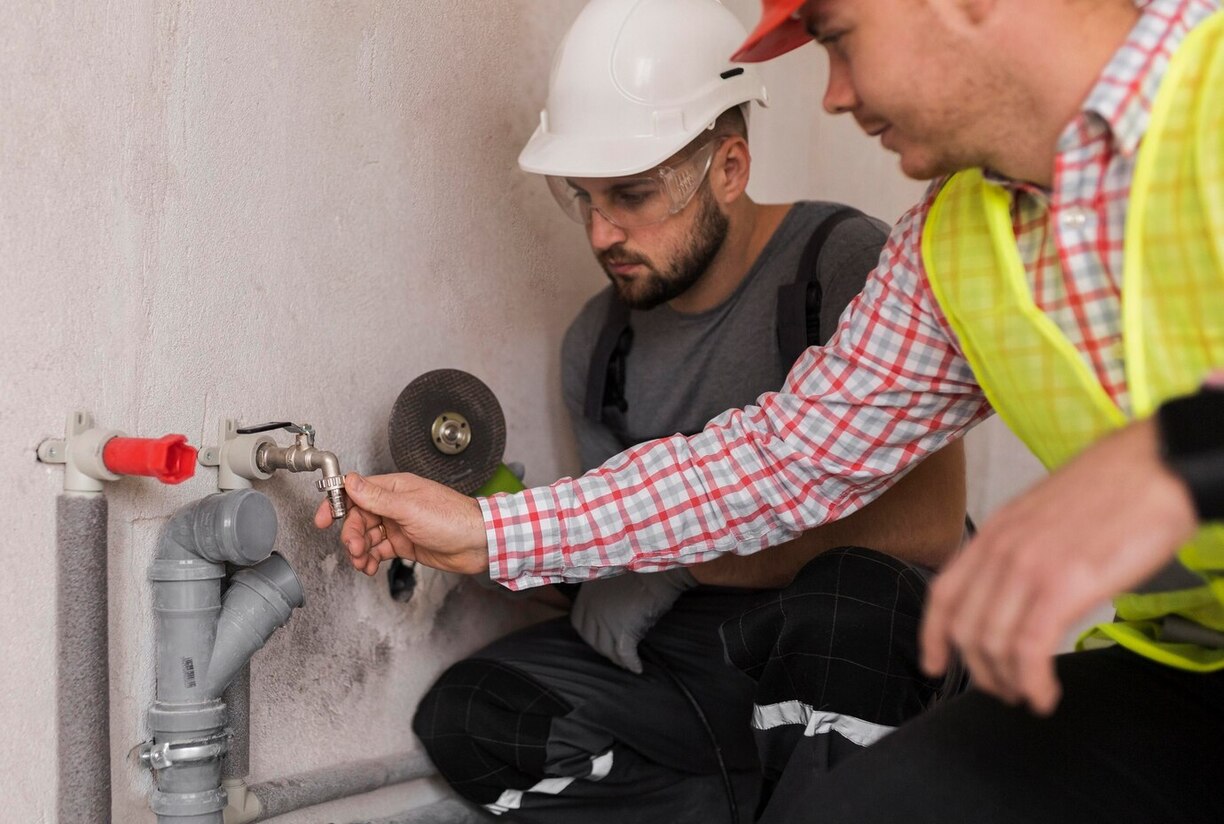
The installation of industrial installation systems is a critical process that directly affects the sustainability and efficiency of businesses. Steel installation assembly stands out as a solution recognized for its durability and longevity. Professional steel installation assembly services enable the rapid and effective completion of projects by establishing a safe, robust, and efficient infrastructure. This article will thoroughly explore the advantages provided by professional steel installation assembly services, their application areas, and the benefits they offer to projects. Steel installation assembly offers an indispensable solution in many industrial fields requiring high safety and efficiency. Steel pipelines ensure the construction of long-lasting and safe structures, providing trouble-free use across various sectors for many years. Advantages of Professional Steel Installation Assembly Services Steel, with its durable structure, provides an ideal material for many industrial applications. This material is the most suitable solution, especially for installations with long-term performance requirements. Professional steel installation assembly services enhance the quality of the installation and ensure that projects are completed more efficiently. Here are some key advantages provided by these services: High Durability and Safety: Steel, with its high strength, offers a long-lasting and safe installation infrastructure. Steel installation systems, which perform well even in harsh environmental conditions, provide leak-proofing, high temperature resistance, and corrosion resistance. This feature is a significant advantage, especially in heavy industrial facilities and chemical production areas. Steel pipelines and installations are meticulously assembled at every stage to ensure high safety. Fast Installation and Time Savings: Professional assembly teams ensure the fast and efficient installation of steel installations. The use of steel materials makes it possible to complete installations quickly, allowing projects to be finalized and commissioned in a shorter time. This enables businesses to continue their operations without experiencing time loss. Fast installation also makes it possible to deliver projects on time. Long-Term Performance: Steel installations, being long-lasting and durable, minimize the need for maintenance and repairs. This is a significant advantage, especially for facilities with continuous production. Steel installation systems do not deform over time and operate uninterruptedly for many years due to their high durability. This feature ensures the safety and efficiency of the installation while also reducing operational costs. Aesthetic and Functionality: Steel installations offer solutions that exhibit high performance both functionally and aesthetically. Usable in both indoor and outdoor environments, these installations lend a modern appearance to projects. Steel installation is an ideal solution for projects aiming to build an aesthetically pleasing structure. Additionally, steel installations add stylish visual appeal to projects and provide long-term performance. Environmentally Friendly: Steel is a recyclable material with environmentally friendly properties. This offers a significant advantage for sustainable projects. Professional steel installation assembly services minimize environmental impact and contribute to green construction projects. Steel, being both durable and recyclable, has a very low environmental impact. This feature provides a major advantage for environmentally friendly projects. Professional Steel Installation Assembly and Application Areas Steel installation assembly is used in many industrial fields. With its durable, safe, and long-lasting structure, steel is preferred as a fundamental material in numerous projects. The most common areas where professional steel installation assembly services are utilized include: Industrial and Manufacturing Facilities: Steel installations are used in industrial facilities to create strong and durable structures. Steel pipes and fittings are preferred for applications such as the transportation of chemicals, high-pressure systems, and hot water lines. Professional assembly services ensure that these installations are set up safely and efficiently. These assemblies in industrial facilities provide safe use for many years. Energy Production Facilities: In energy production facilities, steel installations resistant to high temperatures and pressures are used. Steel pipelines form critical components of these facilities. The proper assembly of these installations ensures that energy production occurs efficiently and safely. Steel installation assembly offers solutions that meet the high-performance requirements of the energy sector. Oil and Gas Industry: In the oil and gas industry, steel installations form essential equipment such as pipelines and tanks. These installations must be resistant to both high pressure and chemicals. Professional steel installation assembly ensures that these systems operate safely. Steel installations create a safe and efficient working environment. Water Treatment and Distribution Systems: Steel is widely used in water treatment facilities and water distribution systems. In water treatment plants, steel pipelines ensure the safe and efficient transportation of water. These installations offer long-term use due to their high durability. Additionally, steel installations ensure that water remains pure and clean, which is important for health. Infrastructure and Construction Sector: Steel installations are also widely used in infrastructure projects. Thanks to their high durability, steel pipes provide long-lasting and safe solutions in construction projects. Steel assembly is utilized for infrastructure installations such as water, electricity, and gas lines. In infrastructure projects, steel is an ideal material in terms of safety and durability. Fast and Effective Solutions with Professional Steel Installation Assembly Professional steel installation assembly not only increases the durability of the structure but also ensures that projects are completed quickly. Steel stands out as a material that enhances efficiency during the assembly process. The fast installation of steel installation systems allows projects to be completed in a shorter time. This saves businesses time and reduces project costs. Additionally, since steel installations are long-lasting, maintenance and repair costs are also reduced. Steel installation assembly plays a critical role in industrial projects by providing high efficiency, safety, and durability. This type of assembly shortens project completion times, enabling customers to receive services more quickly. Moreover, installations that can be used for many years with less maintenance provide businesses with long-term savings. Steel installation assembly contributes to the safe and efficient operation of businesses by establishing a robust infrastructure. Professional steel installation assembly services offer fast, effective, and safe solutions in industrial projects. Steel material, with its durability and long-lasting structure, provides an ideal installation solution. These assembly services make it possible to complete projects quickly and ensure safe use for an extended period. Steel installation assembly contributes to the efficient operation of industrial facilities while also reducing business costs and enhancing safety. Steel installation assembly performed with professional services is used in many sectors such as industry, energy, infrastructure, and water treatment, becoming increasingly widespread each day. Steel installation assembly plays a critical role in the success of industrial projects and meets all project requirements.
See More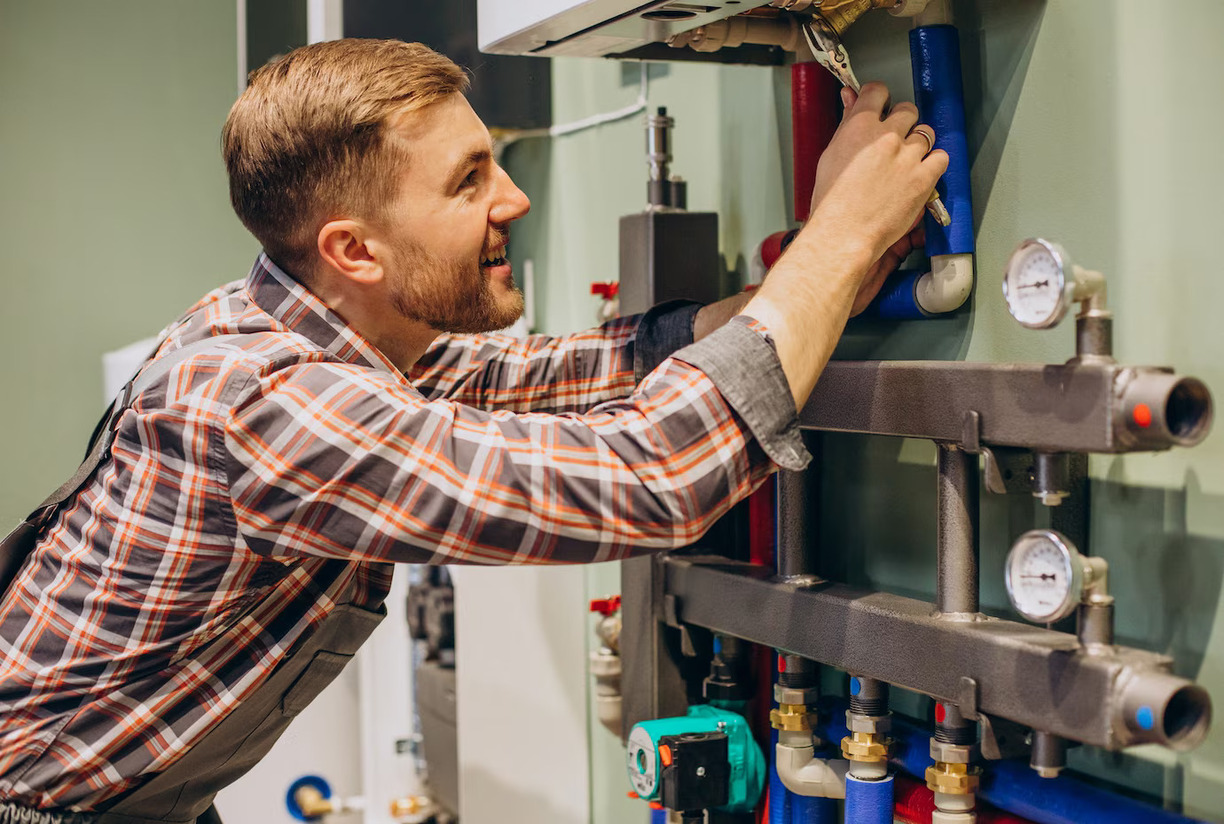
Industrial hygienic installation assembly provides significant advantages, especially in industries where hygiene is of vital importance. These installations not only enhance safety but also increase the efficiency of businesses. Here are some key advantages provided by industrial hygienic installation assembly: High Hygiene Standards: Industrial hygienic installation assembly plays a critical role in maintaining hygiene. In food production, pharmaceutical production, drinking water treatment, and the healthcare sector, hygiene is a standard that must be ensured at every stage. Materials like stainless steel have surfaces that are easy to clean and prevent bacterial buildup. Thanks to these materials, hygiene requirements are met at the highest level, ensuring product safety. Durability and Long-Term Performance: Industrial installations are typically designed to withstand harsh working conditions. Steel and stainless steel materials are resistant to corrosion and abrasive effects. The use of these materials ensures that installations operate safely and efficiently for a long time. The installations do not deform over the years and maintain their effectiveness. Easy Cleaning and Maintenance: Smooth-surfaced materials like stainless steel prevent dirt and bacterial accumulation. Additionally, cleaning these materials is easy, and regular maintenance ensures that the installation continues to operate efficiently. Industrial hygienic installation assembly offers systems that are easy to clean, thus effectively meeting the hygiene requirements of the production process. Safety: Industrial installations must always be designed according to high safety standards. Steel pipes and fittings are resistant to high temperatures, pressure, and chemicals. Using the correct welding techniques and secure connections during the assembly of installations ensures leak-proofing, preventing potential hazards. This increases the safety of businesses and avoids interruptions in production processes. Environmentally Friendly and Sustainable Solutions: Steel, being a recyclable material, offers an environmentally friendly option. Industrial hygienic installation assembly helps implement environmentally sensitive projects. The use of durable materials ensures that installations are long-lasting, preventing resource waste. Environmentally friendly projects, combined with sustainable construction solutions, enhance energy efficiency and reduce carbon footprint. Industrial Hygienic Installation Assembly Solutions and Areas of Use Industrial hygienic installation assembly solutions have a wide range of applications across various industries. These installations are particularly used in areas where hygiene must be maintained at the highest level. Steel and stainless steel materials are used safely and efficiently for many years due to their durability and hygienic properties. Here are some areas where industrial hygienic installation assembly is commonly used: Food Production Facilities: In food production facilities, maintaining hygiene directly affects consumer health. Stainless steel pipelines, tanks, and other equipment prevent bacterial buildup on surfaces that come into contact with food and facilitate cleaning. Industrial hygienic installation assembly is of great importance in ensuring hygiene in food production lines and guaranteeing product safety. Pharmaceutical Production Facilities: Maintaining hygiene in pharmaceutical production facilities is a critical factor for the effectiveness and safety of products. Stainless steel pipes and tanks provide a sterile environment in pharmaceutical production processes. Industrial hygienic installation assembly eliminates the risk of contamination in pharmaceutical production lines, enabling the production of high-quality products. Drinking Water Treatment Facilities: In drinking water treatment facilities, hygienic installation assembly ensures the safe transportation of water. Steel pipes are used in the transportation and storage processes of water. Industrial hygienic installation assembly preserves the purity of water and makes treatment processes efficient. This ensures the production of healthy drinking water and protects public health. Healthcare Sector: The healthcare sector is an area where hygiene must be maintained at the highest level. In healthcare facilities such as hospitals and clinics, hygienic installation assembly is used to provide a sterile environment. Stainless steel and durable materials help maintain hygiene in the healthcare sector and enhance patient safety. Such installations enable sterilization processes to function properly. Chemical Industry: Installation systems carrying chemical substances must be specially designed to ensure safety and hygienic standards. Steel installations used in the chemical industry must be resistant to high temperatures and chemicals. Industrial hygienic installation assembly ensures the safe transportation and storage of chemical substances. Ensure Efficiency and Safety with Industrial Hygienic Installation Assembly Industrial hygienic installation assembly solutions increase the efficiency of businesses and make operational processes more safe. Installation assembly made with high-quality materials offers features that enhance efficiency in addition to safety. Moreover, these assembly solutions help businesses meet their hygiene requirements. Industrial hygienic installations provide long-term savings for businesses and enable uninterrupted continuation of their operations.
See More
In the food and pharmaceutical sectors, hygiene, product safety, the health of production processes, and consumer safety are directly influenced by a fundamental factor. The proper installation of the piping systems used in production facilities in these sectors is of great importance to ensure that hygiene is maintained at the highest level. Industrial hygienic installation assembly plays a critical role in both sectors for the safe production, transportation, and storage of products. This guide will provide a broad perspective on how hygienic installation assembly should be carried out in the food and pharmaceutical sectors, the factors to consider, and everything from the correct material selection to maintenance requirements. The Importance of Hygienic Installation Assembly in the Food and Pharmaceutical Sectors The food and pharmaceutical sectors are areas where hygiene is subject to much stricter regulations and inspections. Hygienic installations play a critical role in ensuring hygiene and safety at every stage of these sectors, from production to storage. The production, transportation, and storage of products under high hygienic conditions can directly affect consumer health. Therefore, it is mandatory for installation systems to comply with hygienic standards. Hygienic installations prevent the accumulation of microorganisms and dirt. The use of materials like stainless steel prevents the growth of these microorganisms, thereby minimizing health risks. Additionally, hygienic installations must be made from high-quality and appropriate materials to prevent any contamination or pollution that could affect the environment during production processes. Hygienic installations ensure that production lines operate safely and hygienically, which enhances product safety and enables production processes to function smoothly. Materials to Be Used in Hygienic Installation Assembly The materials used for hygienic installation assembly in the food and pharmaceutical sectors must meet high quality and durability requirements. It is important that these materials are resistant to all kinds of chemical effects, high temperatures, and mechanical stresses. Here are the most commonly used materials in hygienic installation assembly: Stainless Steel: Stainless steel is the most commonly used material in hygienic installation assembly. Due to its high durability and corrosion-resistant structure, it is preferred as an ideal material in the food and pharmaceutical sectors. Stainless steel prevents bacteria from adhering and is extremely easy to clean. Additionally, stainless steel piping systems are resistant to high temperatures and pressures, ensuring the safe operation of industrial installations. Plastic Pipes: Plastic pipes are preferred, particularly for their low cost and flexible structures. However, plastic pipes used in the food and pharmaceutical sectors must be FDA-approved and made from high-quality materials. Plastic pipes are commonly used in systems that come into contact with water, but they may have limited chemical resistance. Therefore, they should only be used in specific applications. Other Alloys: Apart from steel and stainless steel, special alloys that are resistant to chemicals can also be used. These types of alloys are preferred, especially in installation systems operating in acidic and basic environments. The 316L stainless steel alloy is particularly suitable for seawater and other aggressive chemicals. Glass and Ceramic Materials: In some special applications, glass and ceramic materials can also be used. These materials are generally preferred in low-temperature applications or situations where products need to be transported in a hygienic environment. Glass materials can be a suitable option for the food and pharmaceutical sectors without the risk of any chemical reactions. Key Considerations in Hygienic Installation Assembly Hygienic installation assembly in the food and pharmaceutical sectors is a process that must be carried out with meticulous care. Any error in these sectors can negatively affect product quality, safety, and health standards. Here are some important factors to consider during hygienic installation assembly: Material Selection and Quality: The installation systems used in the food and pharmaceutical sectors must be made from high-quality materials. In material selection, preference should be given to materials like stainless steel that are resistant to corrosion and easy to clean. Additionally, the materials must be compatible with health standards and comply with legal regulations. Compliance with Legal Regulations: Hygienic installation assembly in the food and pharmaceutical sectors is subject to numerous legal regulations specific to the industry. Compliance with regulations such as FDA (Food and Drug Administration), HACCP (Hazard Analysis Critical Control Point), and GMP (Good Manufacturing Practices) must be ensured at every stage of the assembly. Adhering to these regulations is a critical factor for product safety and legal responsibility. Hygienic Design: The design of hygienic installations must be not only functional but also suitable for hygiene requirements. Installation systems should be designed to prevent the accumulation of microorganisms. Proper placement of pipelines, valves, and connections facilitates cleaning processes. Leak-Proofing and Safety: The leak-proofing of the installation is of critical importance for ensuring safety. Leak-proof connections and the use of quality materials eliminate any risk of leakage or contamination. Additionally, applying the correct assembly techniques ensures long-term safe operation. Easy Cleaning and Sterilization: In hygienic installation assembly, it must be possible to easily carry out cleaning and sterilization processes. Materials like stainless steel facilitate regular cleaning operations. Every part of the installation system should be designed to prevent any dirt or bacterial accumulation and be easy to clean. Maintenance Protocols for Hygienic Installation Assembly in the Food and Pharmaceutical Sectors Regular maintenance and inspection procedures following hygienic installation assembly ensure that the installation operates efficiently for a long time and that hygiene is maintained. In the food and pharmaceutical sectors, the maintenance of installations must also comply with sector-specific legal regulations. Here are the basic steps for hygienic installation maintenance: Periodic Cleaning and Sterilization: Hygienic installations must be regularly cleaned and sterilized. Stainless steel surfaces can be cleaned with chemical solutions for sterilization. Cleaning should be performed before and after each production cycle. System Observations: All connections, pipes, and valves in the system should be regularly inspected. Issues such as leaks, cracks, or deformations should be quickly identified and repaired. Spare Parts and Material Checks: The durability of the materials used should be periodically checked. Spare part needs should be identified, and old parts in the system should be replaced. In the food and pharmaceutical sectors, hygienic installation assembly is of critical importance for ensuring the safety of products and maintaining hygiene in production processes. Hygienic installation assembly not only helps ensure hygiene but also enables businesses to operate efficiently and safely. Hygienic installation assembly carried out with attention to the factors outlined in this guide contributes to maintaining high hygiene standards in the food and pharmaceutical sectors. Correct material selection, leak-proofing, regular maintenance, and compliance with legal regulations are the key elements of successful hygienic installation assembly.
See More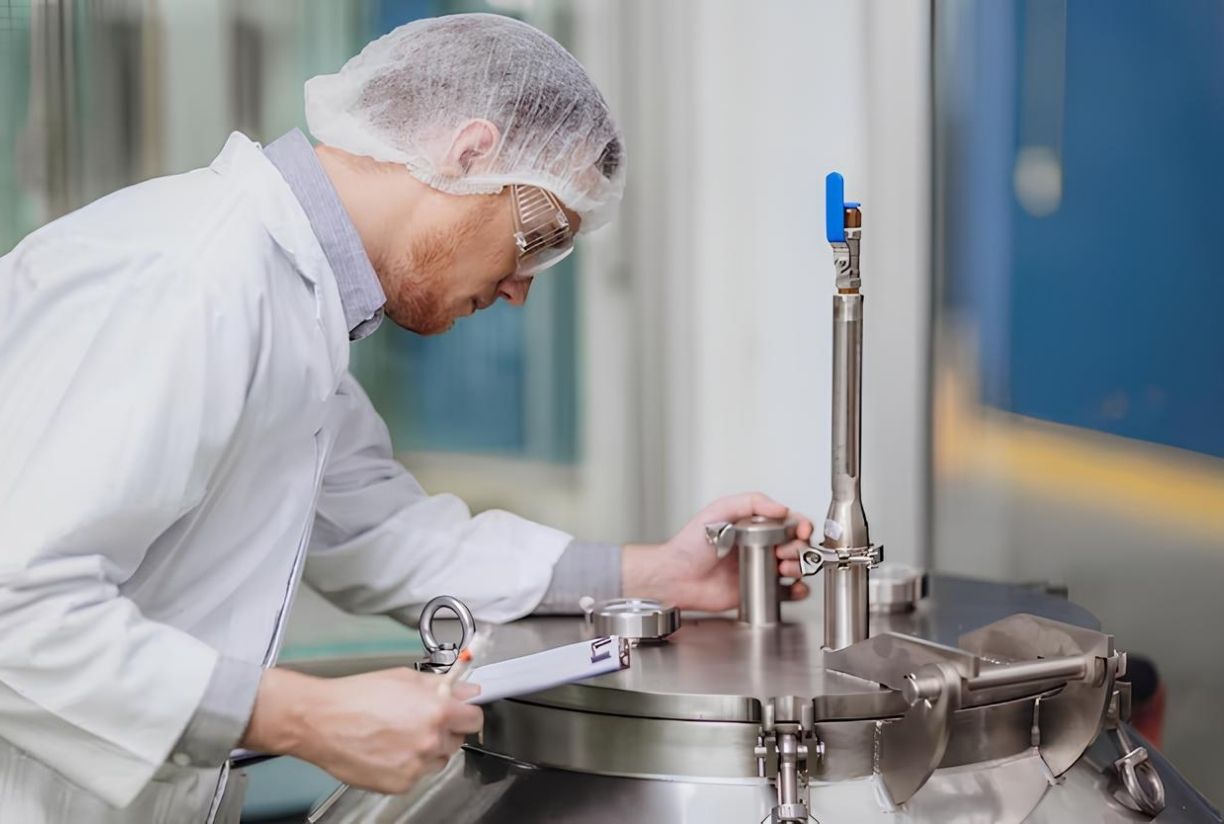
What Are CIP and SIP Processes? CIP (Cleaning in Place) and SIP (Sterilization in Place) processes are procedures developed for industrial facilities, particularly in production lines, to ensure hygiene and sterilization. CIP is a method that allows the cleaning of equipment within a facility without removing products or devices. This process is carried out using water, chemical cleaners, and sometimes hot steam, making it both time-saving and efficiency-enhancing. SIP, on the other hand, ensures the sterilization of equipment in production facilities. It is widely used in industries such as food, pharmaceuticals, and biotechnology. This process typically involves methods like hot steam, chemical agents, or sometimes UV light. Both processes are of critical importance for maintaining hygiene, increasing efficiency, and guaranteeing product quality. Industrial Importance of CIP and SIP Processes In industrial facilities, CIP and SIP processes are indispensable for ensuring healthy production continuity. Especially in the food, pharmaceutical, and cosmetic sectors, the importance of hygiene and sterilization is paramount. CIP ensures the cleanliness of equipment used in the production process while also extending the service life of this equipment. This reduces the need for constant maintenance and lowers operating costs. SIP processes play a critical role, particularly in biotechnological and pharmaceutical production, in preventing microorganism growth. Equipment sterilization eliminates the risk of cross-contamination, ensuring that products are safe and high-quality. Therefore, CIP and SIP hold significant importance in industrial facilities from the perspective of sustainability and efficiency. What Are the Differences Between CIP and SIP Processes? The primary difference between CIP and SIP lies in the purpose of the cleaning and sterilization processes. CIP aims to clean equipment without disassembly, while SIP ensures the sterilization of this equipment to prevent contamination by microorganisms. CIP typically uses chemical cleaning agents, water, and hot steam for cleaning, whereas SIP employs steam sterilization or chemical agents to provide effective disinfection against microorganisms. Another difference is their application areas. CIP is more common in processes like liquid handling and food production, while SIP is predominantly used in the pharmaceutical and biotechnology industries. Both processes prioritize hygiene and safety while enhancing industrial efficiency. What Are the Advantages of CIP and SIP Systems? CIP and SIP systems offer numerous advantages in industrial production. The CIP system enables fast and effective cleaning without the need to disassemble equipment, increasing production continuity and boosting facility efficiency. Additionally, by optimizing water and chemical usage, it minimizes environmental impact. SIP systems ensure that hygiene standards are maintained at the highest level. In pharmaceutical and food production, production lines that are completely free of microorganisms are of great importance. The SIP process provides reliable sterilization without manual intervention, helping businesses maintain quality standards. Use of CIP Processes in Industrial Facilities The use of CIP processes in industrial facilities is particularly widespread in the food and beverage production sector. This process ensures the cleanliness of tanks, pipes, mixers, and other equipment used during production. CIP saves both time and labor since equipment can be cleaned without disassembly. As the cleaning process can be automated, it minimizes human error and provides a high hygiene standard. CIP processes also offer significant advantages in terms of sustainability. When cleaning agents are used correctly, the risk of environmental harm is minimized. At Ss Proje, we prioritize efficiency and sustainability in the design of CIP systems, offering facilities highly efficient solutions. Use of SIP Processes in Industrial Facilities SIP plays a critical role in all industrial facilities where microorganism control is necessary. Particularly in pharmaceutical production and the manufacturing of biotechnological products, the sterilization process is highly important. SIP ensures equipment sterilization, guaranteeing the safe continuation of the production process. Sterilization is achieved using methods such as hot steam, chemical sterilization, or, in some cases, UV light. At Ss Proje, we provide solutions for the installation and maintenance of SIP systems, targeting high efficiency and sustainability for industrial facilities. By accurately analyzing the sterilization needs of facilities, we develop the most suitable solutions. Why Is the Integration of CIP and SIP Processes Important? The integration of CIP and SIP processes significantly increases the efficiency of industrial facilities. This integration ensures that cleaning and sterilization processes follow one another seamlessly. For example, after cleaning with CIP, sterilization is performed with SIP. Such integration provides time savings and enhances operational efficiency. The integration of both processes reduces labor costs and enables processes to be carried out more quickly and safely. At Ss Proje, we design integrated CIP and SIP systems tailored to facility needs, offering more efficient and sustainable production processes. Technologies Used in CIP and SIP Processes The technologies used in CIP and SIP processes are continuously evolving to ensure the cleaning and sterilization of industrial facilities effectively. For instance, automated CIP systems accelerate the cleaning process while optimizing energy and water usage. In modern SIP systems, more precise temperature and pressure control enhances sterilization effectiveness. At Ss Proje, we offer CIP and SIP solutions based on the latest technologies. Facilities equipped with advanced sensors and automation systems deliver high performance in both hygiene and energy efficiency. Impact of CIP and SIP Processes on Energy Efficiency The impact of CIP and SIP processes on energy efficiency is substantial. Optimizing steam energy and water usage can significantly reduce energy costs for businesses. Automated CIP and SIP systems minimize energy consumption by operating processes in the most efficient manner. At Ss Proje, we prioritize energy efficiency, offering solutions that reduce energy consumption in facilities. These solutions provide both environmental friendliness and economic benefits. Impact of CIP and SIP Processes on Quality The proper implementation of CIP and SIP processes directly affects product quality. CIP ensures equipment cleanliness, while SIP sterilizes the equipment, thereby keeping microorganisms under control during production. These processes improve product quality and reduce contamination risks. At Ss Proje, we provide technological solutions to ensure both processes are meticulously applied, elevating the quality standards of production facilities. Compatibility of CIP and SIP Processes with Emerging Industrial Trends The industry leverages continuously evolving technologies to achieve sustainability and efficiency goals. CIP and SIP processes are also being updated to align with these trends. In particular, environmentally friendly cleaning and sterilization methods are becoming more widespread in industrial facilities. At Ss Proje, we develop innovative solutions to keep pace with these emerging trends, offering facilities sustainable processes. The Future of CIP and SIP Processes The future of CIP and SIP processes will be shaped by industrial facilities operating more efficiently, sustainably, and with greater automation. Digitalization and automation in these processes will increase speed and quality on production lines. Environmentally friendly and energy-efficient solutions will gain even greater importance in the future. Ss Proje provides facilities with CIP and SIP systems based on the latest technologies to shape this future. What Are Ss Proje’s CIP and SIP Solutions? At Ss Proje, with our expertise in CIP and SIP systems, we offer industrial facilities high efficiency and sustainable solutions. By integrating both processes, we ensure facilities achieve peak performance in hygiene, quality, and energy efficiency. Contact us to develop and install the most suitable CIP and SIP systems for your facility. Ss Proje is ready to make your industrial processes more efficient with tailored solutions.
See More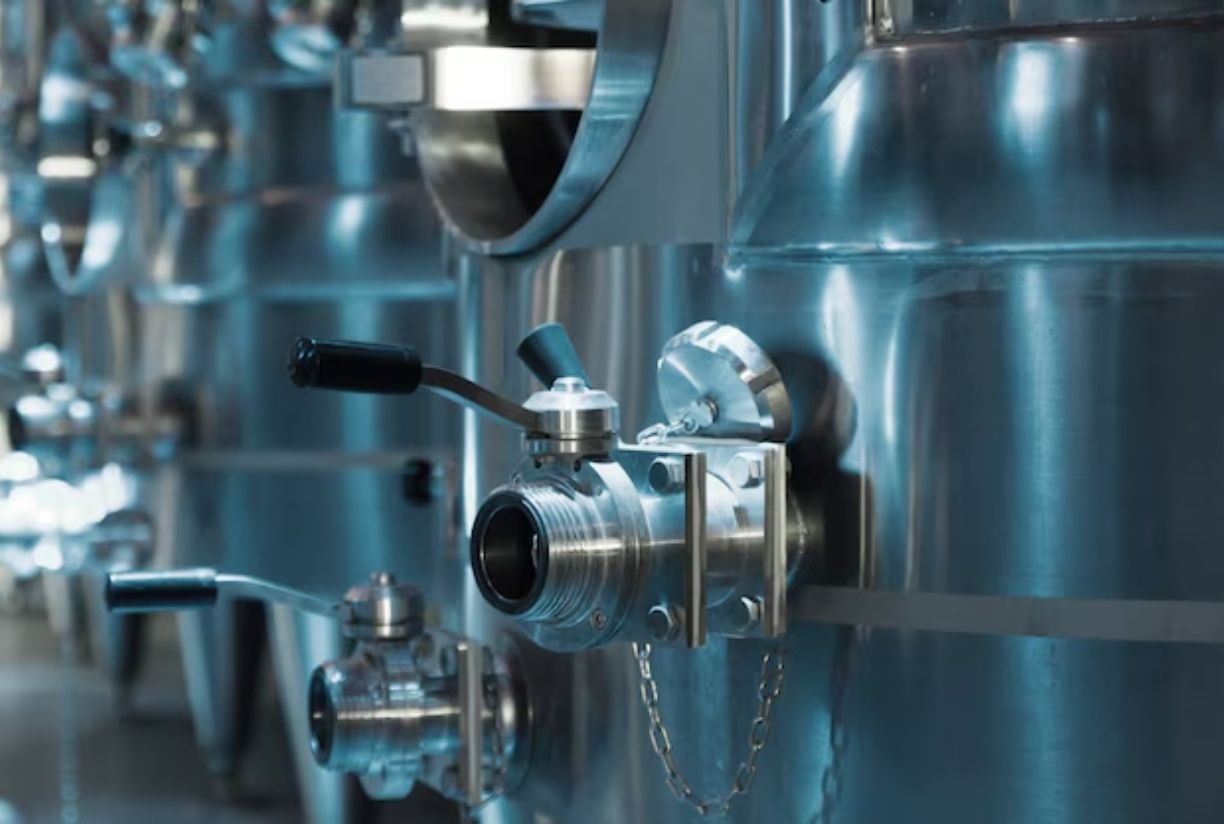
In the food and pharmaceutical sectors, hygiene and sanitation are among the most critical elements of product quality. The CIP (Cleaning in Place) and SIP (Sterilization in Place) applications used in these industries play a vital role in enhancing the efficiency of production facilities and ensuring product safety. As we approach 2025, understanding how these applications will evolve and what new trends will emerge in the industry is of great importance. At Ss Proje, we closely monitor industry developments and provide facilities with high-efficiency principles and sustainable solutions. What Are CIP and SIP, and Why Are They Important? CIP (Cleaning in Place) and SIP (Sterilization in Place) applications are automated systems used in production facilities for the cleaning and sterilization of equipment. CIP enables in-place cleaning of systems without external intervention, while SIP performs sterilization on-site. These applications are particularly vital in the food and pharmaceutical industries to minimize microorganism risks and maintain product quality. As we reach 2025, CIP and SIP applications are expected to become more customized and efficient. Solutions based on advanced technology, focusing on energy efficiency and sustainability innovations, will make these processes more reliable and environmentally friendly. At Ss Proje, we follow industry advancements and deliver efficient solutions based on the latest technologies to facilities. What Innovations Are Expected in CIP and SIP Systems in 2025? Entering 2025, anticipated innovations in CIP and SIP systems include technologies that are faster and more energy-efficient. These innovations will enable systems to operate in less time and consume fewer resources, thereby reducing costs for facilities. With smarter systems, monitoring and managing cleaning and sterilization processes will become significantly easier. Among these innovations are digitalization and IoT (Internet of Things)-based solutions. This will allow CIP and SIP systems to be monitored in real-time, with system failures detected earlier. At Ss Proje, we aim to provide high efficiency to facilities in the food and pharmaceutical sectors by developing sustainable solutions based on these technologies. How Can Energy Efficiency Be Improved in CIP and SIP Applications? Energy efficiency in CIP and SIP systems is a key factor in both processes. These systems can require high energy and water consumption, but new technologies and improvements can enhance energy efficiency. By 2025, these processes are expected to be optimized to operate with less energy. Using smart sensors and data analytics, only the necessary amount of energy and water can be utilized. Energy recovery methods will also become a significant trend. Recovering heat used in CIP and SIP processes will become a widespread method for achieving energy savings. At Ss Proje, we aim to provide facilities with sustainable and cost-effective systems through innovative solutions to enhance energy efficiency. Digitalization and IoT Integration in CIP and SIP Systems The digitalization of CIP and SIP applications has become a major trend in the food and pharmaceutical sectors. CIP and SIP systems integrated with IoT technology offer real-time data collection and monitoring capabilities. This enables facility managers to monitor cleaning and sterilization processes more effectively. In 2025, this digitalization process is expected to advance further. With AI (Artificial Intelligence)-supported analytics, cleaning and sterilization processes will be further optimized. At Ss Proje, we closely follow developments in digitalization to provide solutions that ensure facilities operate more efficiently. Why Is Hygiene Important in the Food and Pharmaceutical Sectors? In the food and pharmaceutical sectors, hygiene is a critical factor in maintaining product quality and ensuring consumer safety. CIP and SIP applications are among the most effective methods for meeting these hygiene standards. By 2025, hygiene standards are expected to become even stricter and supported by technological solutions. CIP and SIP systems prevent microorganisms from contaminating production processes, ensuring product safety. These applications allow every piece of equipment in the production line to be cleaned and sterilized, minimizing the risk of cross-contamination. At Ss Proje, we provide hygiene solutions tailored to the industry, enabling facilities to produce safe and high-quality products. How Can Sustainability Be Achieved in CIP and SIP Systems? Sustainability is one of today’s most important trends, and CIP and SIP applications play a significant role in this area. Energy efficiency, water conservation, and waste management are core components of sustainable CIP and SIP systems. By 2025, environmentally friendly and sustainable systems are expected to become more widespread in the industry. Strategies such as recycling water used in CIP and SIP applications, utilizing energy-efficient equipment, and minimizing chemical use will be crucial for sustainability. Ss Proje develops environmentally friendly and sustainable solutions, helping facilities use natural resources efficiently. Technological Innovations Used in CIP and SIP Systems Technologies used in CIP and SIP systems significantly enhance the efficiency and accuracy of processes. In particular, automation systems and smart sensors enable more precise and effective management of cleaning and sterilization operations. By 2025, new technologies in CIP and SIP systems are expected to reduce labor requirements and increase operational efficiency. These technologies will include artificial intelligence and machine learning. This will allow real-time performance analysis of systems and determination of the most efficient cleaning/sterilization processes. Ss Proje leverages these innovations to provide solutions that ensure facilities operate more efficiently and sustainably. Automation of CIP and SIP Systems: Increased Efficiency Automated CIP and SIP systems deliver far more efficient results compared to manual cleaning and sterilization processes. By 2025, the use of automated systems is expected to become even more widespread. These systems provide time savings and enhance process safety by eliminating human error. Automated systems are particularly important in the food and pharmaceutical sectors, where hygiene must be continuously monitored. These systems reduce environmental impact by using less water and energy. At Ss Proje, with a specialized team in the design and installation of automated CIP and SIP systems, we offer facilities innovative solutions. Compliance of CIP and SIP Applications with Legal Regulations Compliance of CIP and SIP applications with legal regulations in the food and pharmaceutical sectors is of critical importance. By 2025, industry regulations are expected to become even stricter. The documentation and auditing of hygiene and sterilization processes provide assurance for both producers and consumers. At this point, comprehensive reporting and monitoring systems come into play to prove that CIP and SIP systems operate correctly and reliably. At Ss Proje, we offer CIP and SIP solutions designed to international standards and compliant with legal regulations, facilitating facilities’ compliance processes. Advanced Monitoring and Data Analysis in CIP and SIP Systems In 2025, monitoring and data analysis processes in CIP and SIP systems are expected to reach more advanced levels. Solutions supported by IoT (Internet of Things) and artificial intelligence will enable real-time monitoring of every stage of the systems. These advancements will make cleaning and sterilization processes more efficient. Through data analysis, any disruptions in the processes will be instantly detected and addressed quickly. System performance will be continuously monitored, and necessary optimizations will be implemented. Ss Proje uses such data-driven solutions to continuously improve the performance of facilities. Training and Personnel Competency in CIP and SIP Systems For CIP and SIP systems to operate effectively, proper training of personnel is of great importance. With evolving technologies, personnel must be knowledgeable about how these systems function. By 2025, as CIP and SIP systems become more complex, training processes are expected to become more comprehensive and conducted through digital platforms. Training should cover not only the correct use of systems but also their maintenance and repair. At Ss Proje, we place great emphasis on personnel training, offering comprehensive training programs to ensure facilities use the systems most efficiently. Future Potential Application Areas of CIP and SIP Systems By 2025, the application areas of CIP and SIP systems are expected to expand further. Beyond the food and pharmaceutical sectors, these systems are predicted to be effectively utilized in fields such as biotechnology, cosmetics, and chemicals. This expansion will enable CIP and SIP technologies to meet the hygiene and sterilization needs of more industries. With the automation and digitalization of these systems, more businesses will invest in them in the future. At Ss Proje, we continue to offer innovative and sustainable CIP and SIP solutions tailored to the needs of various industries.
See More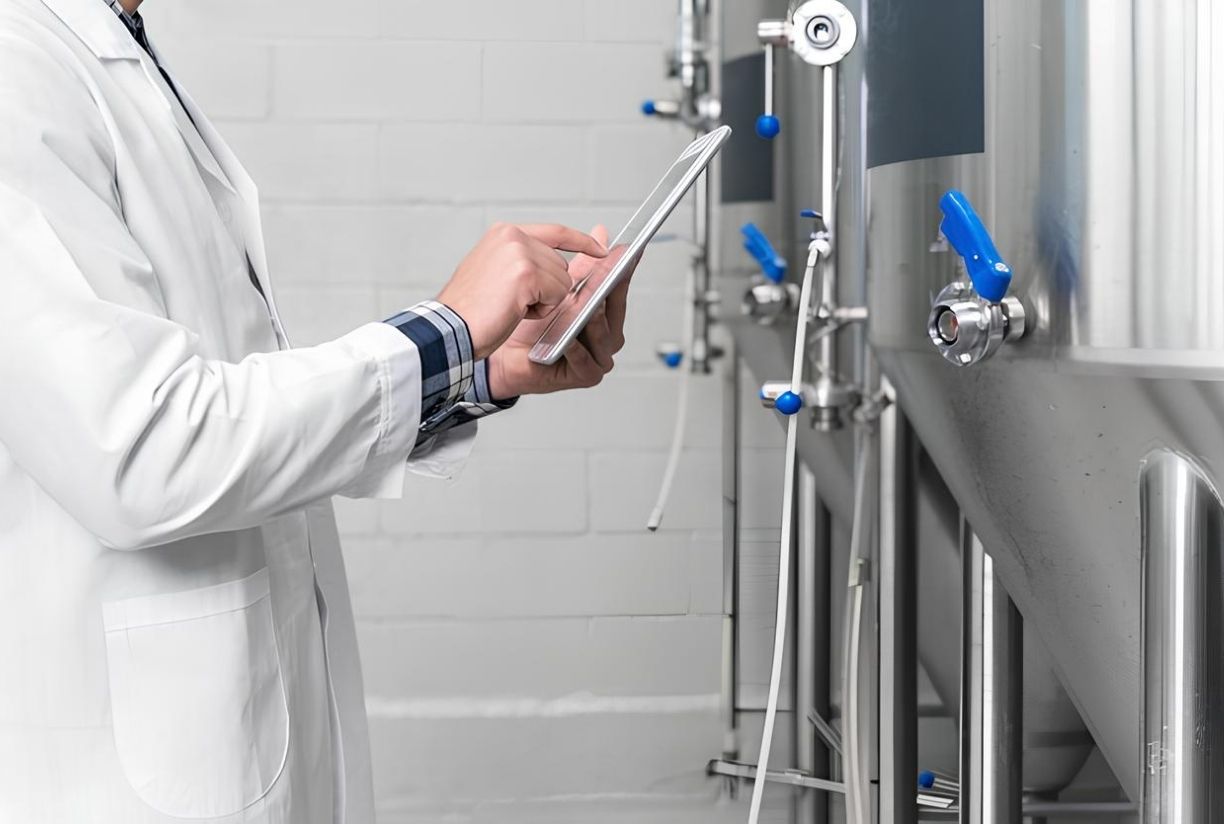
CIP (Clean in Place) and SIP (Sterilize in Place) systems are among the most effective ways to enhance hygiene standards in the food and pharmaceutical sectors. These systems automate cleaning and sterilization processes, minimizing human intervention and eliminating errors. This significantly improves hygiene levels. By 2025, these systems are expected to be further refined, making processes more reliable and efficient. Advanced CIP and SIP systems ensure that products and production areas are maintained under hygienic conditions. This is particularly crucial in sectors like food safety and pharmaceutical manufacturing, ensuring that every stage of the production process adheres to high hygiene standards. At Ss Proje, we provide our clients with state-of-the-art CIP and SIP systems, helping them elevate their hygiene standards. How Do CIP and SIP Systems Continuously Monitor Your Hygiene? Another key advantage of CIP and SIP systems is their ability to continuously monitor cleaning and sterilization processes. By 2025, these systems will feature more advanced monitoring technologies, with every step of the cleaning process recorded digitally. This ensures transparency in cleaning and sterilization operations and makes audit processes easier to track. These monitoring systems ensure that hygiene is maintained not just initially but at all times. Any disruptions or errors in the system can be detected instantly, allowing for immediate intervention. This is especially critical in the food and pharmaceutical industries, where hygiene must always meet high standards. At Ss Proje, we use these monitoring and control systems to help facilities consistently maintain high hygiene levels. Reducing Environmental Impact with CIP and SIP Systems The efficient operation of CIP and SIP systems not only enhances hygiene levels but also significantly reduces environmental impact. These systems minimize water and energy consumption during cleaning and sterilization, offering environmentally friendly solutions. By 2025, environmental sustainability is expected to gain even greater prominence, with CIP and SIP systems playing a key role in achieving this goal. CIP and SIP systems don’t just perform efficient cleaning; they also help reduce waste. By optimizing water and chemical usage, they ensure more efficient use of resources. Ss Proje provides environmentally friendly and sustainable CIP and SIP solutions, contributing to facilities’ efficiency in both hygiene and environmental terms. How Can You Reduce Human Error with CIP and SIP Systems? Manual cleaning and sterilization processes are always susceptible to human error. Such mistakes can jeopardize hygiene standards and even lead to product contamination. CIP and SIP systems, by providing automated cleaning and sterilization, minimize human errors. By 2025, as these systems become more sophisticated, operational errors could be completely eliminated. These automated systems use the right chemicals and water at the right time, ensuring every stage of the cleaning process is performed accurately. Monitoring and controlling the systems is much easier, making the detection of faulty operations quicker. At Ss Proje, we enhance facility efficiency with these error-free solutions, guaranteeing hygiene standards. How Can You Shorten Process Times with CIP and SIP Systems? The automated nature of CIP and SIP systems significantly shortens the duration of cleaning and sterilization processes. By 2025, as these systems become faster and more effective, the time spent on production processes will decrease further. This allows businesses to increase production output and use resources more efficiently. This increase in speed improves not only production efficiency but also hygiene standards. Achieving high hygiene in a short time is especially critical in the food and pharmaceutical sectors for enhancing quality. Ss Proje, with solutions that boost the speed and efficiency of CIP and SIP systems, helps facilities accelerate their processes while maintaining hygiene. Application Areas and Benefits of CIP and SIP Systems The benefits of CIP and SIP systems are not limited to the food and pharmaceutical sectors. These systems are also widely used in biotechnology, cosmetics, and chemical industries. By 2025, the application areas of CIP and SIP systems are expected to expand further, enabling their adaptation to various industries. One of the greatest benefits of CIP and SIP systems is their ability to ensure uninterrupted hygiene in production processes. These systems help eliminate human-induced errors, reduce environmental impact, and shorten production times. Ss Proje provides customized CIP and SIP solutions tailored to the needs of different sectors, delivering maximum hygiene and efficiency benefits to all types of facilities. How Can You Increase Production Efficiency with CIP and SIP Systems? CIP and SIP systems do more than just elevate hygiene levels; they also enhance production efficiency. Thanks to automated cleaning and sterilization processes, the need for labor decreases, and downtime is minimized. By 2025, with further optimization of these systems, unexpected production stoppages will decrease, boosting facilities’ production capacity. Efficiency lies not only in the speed of machines but also in the proper management of every stage. CIP and SIP systems perform cleaning operations in the most effective way without disrupting production processes. At Ss Proje, we offer advanced CIP and SIP solutions to help businesses increase efficiency and reduce operational costs. How Can You Reduce Maintenance Costs with CIP and SIP Systems? Another significant advantage of CIP and SIP systems is the reduction of maintenance costs. These systems are typically equipped with durable, long-lasting components, eliminating the need for frequent maintenance. Their automated nature allows early detection of malfunctions, preventing major repairs. By 2025, as these systems advance, maintenance costs are expected to decrease even further. Low maintenance requirements significantly reduce businesses’ costs. Automated cleaning and sterilization processes enable quick detection of maintenance needs, preventing production interruptions. Ss Proje minimizes your maintenance expenses with CIP and SIP systems, providing facilities with long-term efficiency. How Can You Ensure Food Safety with CIP and SIP Systems? In the food sector, hygiene affects not only quality but also food safety. CIP and SIP systems play a key role in enhancing safety at every stage of food production processes. By automating cleaning and sterilization, the risk of microbiological contamination in products is minimized. By 2025, as CIP and SIP systems become more sophisticated, food safety standards will reach an even higher level. These systems provide significant benefits, particularly in high-risk production areas. CIP and SIP solutions effectively eliminate chemical residues and microorganisms, guaranteeing product safety. At Ss Proje, we offer innovative and high-standard CIP and SIP solutions to keep food safety at the highest level. How Can You Improve Quality in Pharmaceutical Production with CIP and SIP Systems? In the pharmaceutical sector, quality control and high hygiene standards directly impact product efficacy and safety. CIP and SIP systems are of critical importance in pharmaceutical production processes. These systems ensure continuous hygiene and proper sterilization across production lines. By 2025, as these systems become smarter, quality control in pharmaceutical production will become even more reliable. Ensuring hygiene at every step of pharmaceutical production is vital for maintaining product quality. CIP and SIP systems provide minimal margin for error during sterilization and cleaning operations. At Ss Proje, we offer safe and high-quality production processes to the pharmaceutical industry with CIP and SIP solutions, enhancing quality. What Is the Future Role of CIP and SIP Systems? By 2025, the future of CIP and SIP systems will be shaped by more integrated and intelligent solutions. Thanks to new technologies, these systems will not only provide cleaning and sterilization but also enable more efficient process management through integrated data analytics. This transformation will make all operations in facilities more flexible and faster. The future of these systems is being shaped by digitalization and automation. CIP and SIP systems monitor every moment of production lines through machines and sensors, offering a more efficient and sustainable production process. Ss Proje keeps pace with these developments, continuing to provide clients with cutting-edge CIP and SIP solutions. Can You Gain a Competitive Advantage with CIP and SIP Systems? As competition in the food and pharmaceutical sectors intensifies, enhancing facility efficiency and maintaining hygiene standards have become more critical than ever. CIP and SIP systems provide facilities with a significant competitive advantage. The automated cleaning and sterilization solutions they offer reduce costs while keeping hygiene levels consistently high. By 2025, as these systems become more effective, this competitive edge will become even more pronounced. CIP and SIP systems enhance not only hygiene but also production speed and quality. These systems enable facilities to produce more quickly and efficiently. At Ss Proje, we offer the most advanced CIP and SIP solutions to help you seize this competitive advantage, ensuring you maintain leadership in your industry.
See More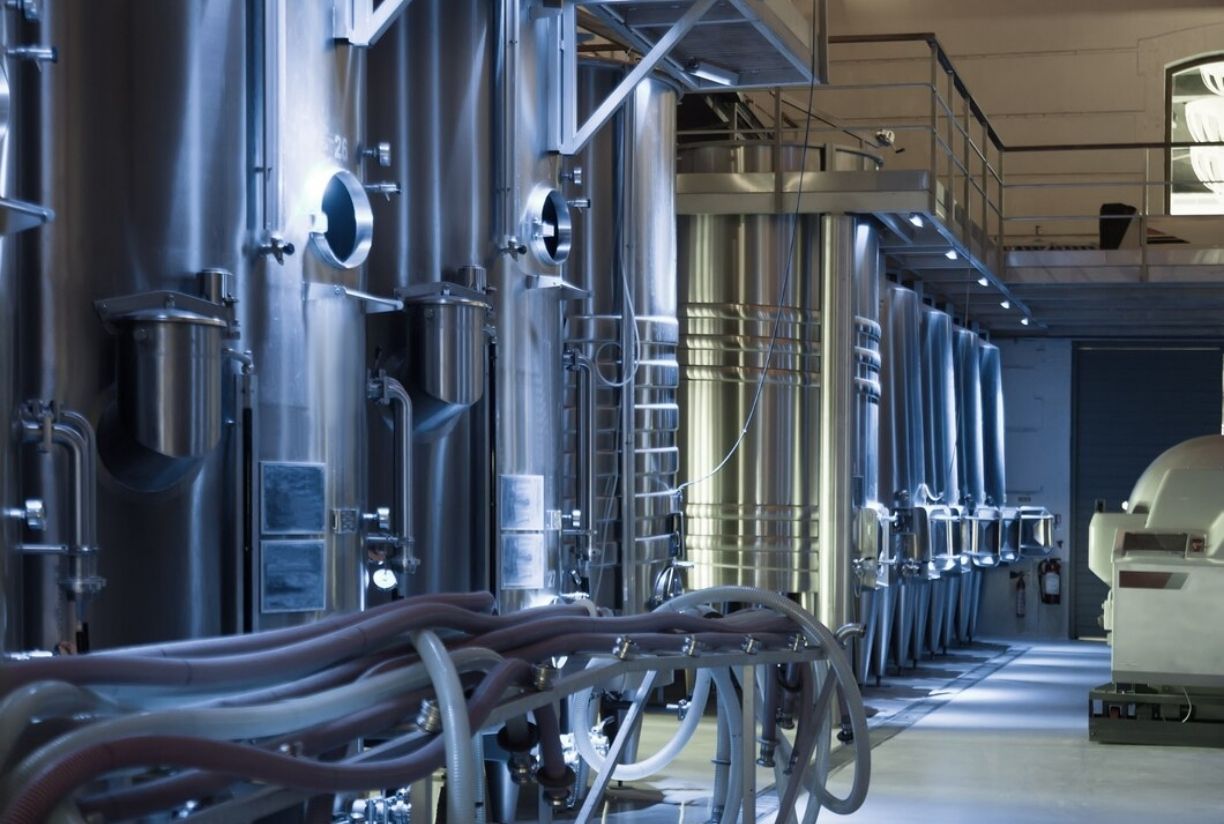
What Are CIP and SIP Systems? CIP (Clean-in-Place) and SIP (Sterilize-in-Place) systems are automated cleaning and sterilization methods that hold significant importance in industrial facilities for hygiene and efficiency. The CIP system enables the in-place cleaning of equipment in production facilities without disassembly, while the SIP system aims to eliminate microorganisms from this equipment. Particularly in the food, pharmaceutical, and chemical industries, these systems play a critical role in ensuring the continuity of production processes and elevating hygiene standards. Thanks to automation technologies, CIP and SIP processes become more controlled and efficient. Compared to manual cleaning methods, they consume less water, chemicals, and energy, thereby reducing environmental impact. This lowers operating costs for businesses while contributing to sustainable production processes. What Is the Importance of Automation in CIP and SIP Systems? Traditional CIP and SIP processes, which require manual controls, are prone to human error. Automation systems make these processes more reliable and precise, thereby enhancing quality. Through sensors and software, critical parameters such as temperature, pressure, and flow rate are monitored and optimized in real-time. Automated CIP and SIP systems operate according to predefined recipes, ensuring that every cleaning and sterilization process is compliant with standards. This provides consistency across production lines and elevates hygiene safety to the highest level. What Sensors Are Used in CIP and SIP Automation? In automated CIP and SIP systems, temperature, conductivity, pH, and flow sensors are commonly used. These sensors are vital for ensuring the systems operate efficiently. For example, temperature sensors ensure that sterilization processes occur at the specified temperatures. Conductivity sensors determine whether the chemical solutions used during cleaning are at the correct concentrations. This maintains hygiene standards while preventing unnecessary chemical consumption. How Is Energy Efficiency Achieved in CIP and SIP Systems? Automation-supported CIP and SIP systems use advanced algorithms to minimize energy consumption. Water recovery systems, smart chemical dosing methods, and low-energy pumps enable businesses to create more sustainable cleaning and sterilization processes. Particularly, systems with heat recovery reuse energy expended during CIP and SIP processes, reducing costs. Additionally, processes optimized according to set parameters reduce both water and detergent consumption. Why Are Data Logging and Tracking Important in CIP and SIP Systems? Today, many production facilities use advanced SCADA and IoT solutions to digitally track cleaning and sterilization processes in CIP and SIP systems. These systems record every operation, ensuring the sustainability of production standards. Automated data logging helps identify potential errors instantly and simplifies audit processes for regulatory bodies. This ensures that production processes consistently maintain the highest levels of hygiene and quality. How Is Chemical Usage Optimized in CIP and SIP Systems? Automation systems precisely control the amount of chemicals used in CIP and SIP processes, preventing unnecessary consumption. Through chemical dosing systems, the ideal amount of chemicals is determined for each cleaning and sterilization cycle. Smart sensors continuously monitor the concentration of detergents used, preventing overuse and minimizing environmental impact. This provides cost advantages for businesses while supporting sustainable production processes. What Are the Advantages of Automation in CIP and SIP Systems? One of the greatest advantages automated CIP and SIP systems offer businesses is time savings. While manual cleaning processes can take hours, automation significantly shortens this time, minimizing production downtime. Additionally, automation systems provide more consistent and reliable cleaning. By eliminating human errors, they ensure the continuity of hygiene standards. This extends the lifespan of production line equipment and reduces failure risks. What Are Industry 4.0 Applications in CIP and SIP Systems? Industry 4.0 technologies bring numerous innovations to make CIP and SIP systems smarter and more efficient. Thanks to IoT-based devices, remote monitoring and management of systems have become possible. With artificial intelligence-supported analytics systems, continuous improvements can be made to enhance the efficiency of cleaning processes. Data analysis allows potential issues to be identified in advance, optimizing maintenance processes. How Is SCADA Used in CIP and SIP Automation Systems? SCADA systems provide a centralized control mechanism in CIP and SIP automation, enabling process monitoring and optimization. SCADA software offers operators real-time data, allowing remote management of cleaning and sterilization processes. These systems also help increase process efficiency in production facilities. With automated reporting features, comparisons between production lines can be made to determine the most efficient cleaning cycles. What Are Maintenance and Failure Prevention Strategies in CIP and SIP Systems? Performing regular maintenance on automated CIP and SIP systems ensures their longevity. Preventive maintenance strategies, such as sensor calibration, pipeline checks, and pump maintenance, help prevent failures. Moreover, advanced monitoring systems detect potential failures in advance, minimizing intervention time. This prevents disruptions in production processes and ensures high efficiency for businesses. Data Analytics and Traceability in CIP & SIP Systems In CIP (Clean-in-Place) and SIP (Sterilize-in-Place) systems, data analytics and traceability are crucial for making facility hygiene processes more efficient and secure. Thanks to automation technologies, all cleaning and sterilization cycles can be monitored and recorded in real-time. This data is used to analyze system performance, identify efficiency losses, and optimize processes as needed. In sensitive industries (food, pharmaceuticals, biotechnology), detailed reports can be generated to meet the requirements of regulatory bodies and ensure compliance with quality standards. Data analytics offers significant advantages in minimizing water and chemical consumption, increasing energy efficiency, and reducing downtime. Modern CIP & SIP systems equipped with IoT (Internet of Things) sensors and AI-supported software enable real-time tracking of the entire cleaning process. These systems alert operators to deviations or potential failures, triggering proactive maintenance processes. This allows facilities to maintain hygiene standards while reducing operational costs and developing sustainable production processes. Data Analytics and Traceability in CIP & SIP Systems In CIP (Clean-in-Place) and SIP (Sterilize-in-Place) systems, data analytics and traceability are vital for making facility hygiene processes more efficient and secure. Automation technologies allow all cleaning and sterilization cycles to be monitored and recorded in real-time. This data is used to analyze system performance, identify efficiency losses, and optimize processes when necessary. Additionally, in sensitive industries (food, pharmaceuticals, biotechnology), detailed reports can be generated to meet regulatory requirements and ensure compliance with quality standards. Data analytics provides significant benefits in reducing water and chemical usage, improving energy efficiency, and minimizing downtime. Modern CIP & SIP systems equipped with IoT (Internet of Things) sensors and AI-supported software enable real-time monitoring of the entire cleaning process. These systems notify operators of any deviations or potential issues, initiating proactive maintenance processes. This allows facilities to uphold hygiene standards while lowering operational costs and advancing sustainable production processes. The Future of Automated CIP & SIP Systems and Emerging Trends Automation in CIP and SIP systems continues to offer increasingly innovative solutions with advancing technology. In the future, the integration of artificial intelligence and machine learning algorithms is expected to enable systems to self-learn and automatically optimize cleaning processes. Smart sensors can analyze variables in the cleaning process, making real-time adjustments to create the most efficient cleaning cycles. This ensures maximum hygiene with minimal resource use. Additionally, cloud-based data management systems will enable remote monitoring and control of CIP & SIP systems. Operators will be able to track system performance via mobile applications and intervene in critical processes instantly. At the same time, sustainability-focused solutions will gain increasing importance. Next-generation CIP & SIP systems that maximize water and energy savings and use eco-friendly chemicals will help industrial facilities reduce their carbon footprint. These innovative approaches will provide cost advantages while elevating industry standards to the next level.
See More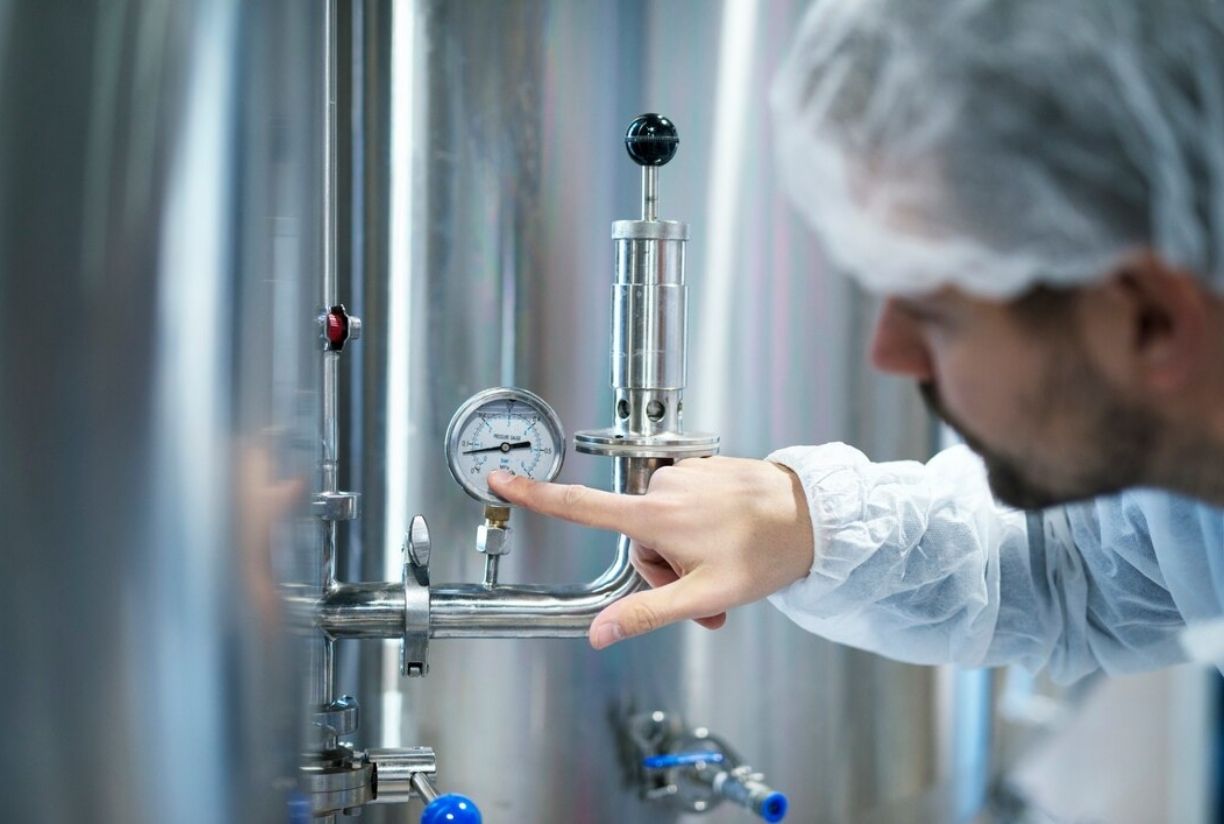
The selection of CIP (Clean-in-Place) and SIP (Sterilize-in-Place) systems is of critical importance in maintaining hygiene and quality standards in production processes. When determining the right system, factors such as the facility's production capacity, raw materials used, hygiene requirements, and existing infrastructure must be considered. Particularly in sensitive industries like food, pharmaceuticals, and biotechnology, the effectiveness of CIP and SIP systems can directly impact product quality and consumer safety. During the selection process, factors such as the frequency of cleaning, the type of chemicals used, and temperature values should be taken into account. A choice must be made between manual, semi-automatic, or fully automated systems based on the process requirements. Fully automated CIP and SIP systems minimize operator intervention, reducing error margins while offering more efficient solutions in terms of energy and chemical usage. Cost Analysis: Investment and Operating Expenses Cost analysis plays a significant role in the selection of CIP and SIP systems. While the initial investment cost may seem high, choosing the right system can reduce operating expenses in the long run. For instance, CIP and SIP systems equipped with modern automation technologies can optimize water, chemical, and energy consumption, significantly lowering operating costs. In addition, maintenance costs should also be evaluated. Systems that are more durable and require less maintenance can provide economic advantages over time. The return on investment period should be calculated, considering the system’s rapid payback time. At this point, the optimal cost-benefit balance should be determined by factoring in the system’s energy efficiency and environmental sustainability elements. Efficiency: Process Optimization and Resource Management Efficiency in CIP and SIP systems is crucial for ensuring uninterrupted production processes, minimizing downtime, and achieving maximum hygiene. An efficient system shortens cleaning time while reducing the use of resources, thereby contributing to increased production capacity. Modern CIP and SIP systems can optimize cleaning times using smart sensors and automation technologies. For example, real-time monitoring systems measure water and chemical consumption on the spot, preventing unnecessary resource use. Modular systems can easily adapt to different production lines, offering operational flexibility and enabling facilities to quickly adjust to changing needs. Safety Criteria: Hygiene Standards and Risk Management Safety in CIP and SIP systems is one of the most important criteria for protecting both product hygiene and operator health. Particularly in the food and pharmaceutical sectors, it is mandatory for CIP and SIP systems to comply with hygiene standards. In this context, system design must minimize dead zones, use appropriate stainless steel materials, and ensure that cleaning processes are fully traceable. From a safety perspective, operator-friendliness is also essential. To minimize user errors, automation solutions such as touchscreen control panels and remote monitoring systems should be preferred. Emergency stop mechanisms and integrated safety sensors can automatically activate in case of any risk, enhancing workplace safety. Chemical and Water Usage: Sustainable CIP and SIP Solutions Sustainability is becoming increasingly important in today’s industrial processes. Optimizing water and chemical consumption in CIP and SIP systems is critical for both reducing environmental impact and lowering costs. Proper cleaning procedures can prevent excessive water and chemical use, creating environmentally friendly production processes. In next-generation CIP systems, recyclable water usage and low-chemical cleaning cycles are widely preferred. For example, multi-stage cleaning systems allow water used in certain stages to be reprocessed and reused in others. Such solutions help businesses reduce water consumption while making a significant contribution to environmental protection. Application Examples for Determining the Right CIP and SIP Process To make the most informed decisions in selecting CIP and SIP processes, application examples and field data should be considered. For instance, dairy processing facilities requiring high hygiene levels have different cleaning requirements compared to a chemical production facility. Dairy plants may need more frequent cleaning cycles, while in the chemical sector, the durability of system components is critical due to the use of aggressive chemicals. In this context, analyzing the performance data of CIP and SIP systems tailored to different industries helps identify the most suitable solutions for a facility’s needs. Detailed process analyses conducted by experienced engineering teams assist in selecting the most efficient systems. Expected Developments in CIP and SIP Systems in the Future With Industry 4.0 technologies, significant changes are occurring in CIP and SIP systems. In the future, systems supported by artificial intelligence and big data analytics are expected to become widespread. These systems can analyze past cleaning cycles to automatically determine optimal cleaning times and chemical dosages, optimizing resource use while ensuring maximum hygiene. With the growing prevalence of IoT-supported smart sensors, CIP and SIP processes will become remotely monitorable and manageable. This allows operators to track the production process in real-time and respond quickly to any anomalies. Remote access features will particularly enhance operational efficiency in large production facilities, simplifying maintenance processes. Selection of Chemicals Used in CIP and SIP Systems The correct selection of chemicals used in CIP and SIP systems is critical for the effectiveness of cleaning and sterilization processes. In CIP systems, alkaline and acidic cleaners are commonly used. Alkaline cleaners dissolve organic residues (such as fats and proteins), while acidic cleaners remove mineral deposits. In SIP systems, steam or chemical sterilization agents are typically used for disinfection. Hydrogen peroxide, ozone, and chlorine-based disinfectants are among the frequently preferred options. When selecting chemicals, the facility’s production line, materials used, and wastewater management must be considered. Incorrect chemical use can damage equipment or leave residues after cleaning. The biological compatibility and eco-friendly properties of chemicals should also be taken into account. Effective rinsing of chemicals used in CIP and SIP systems is essential for ensuring product safety. Therefore, chemical selections should align with the production sector and hygiene standards. The Role of Automation in CIP and SIP Systems Automation in CIP and SIP systems enhances efficiency, consistency, and safety, providing significant advantages to production facilities. Compared to manual cleaning processes, automated systems optimize chemical usage, reduce water and energy consumption, and minimize human error. These systems automatically initiate and complete cleaning cycles based on predefined parameters. Sensors continuously monitor critical factors such as temperature, pressure, flow rate, and chemical concentration, ensuring each cycle meets the highest hygiene standards. Automation also plays a key role in process traceability. Since data is recorded digitally, it can be easily accessed and reported during audits. Systems supported by IoT and artificial intelligence enable real-time monitoring of cleaning cycles and remote intervention when needed. This elevates quality control standards, particularly in the food, pharmaceutical, and chemical industries, making production processes safer. Methods to Achieve Water and Energy Savings in CIP and SIP Processes Achieving water and energy savings in CIP and SIP processes is crucial for reducing costs and contributing to sustainable production practices. One common method to reduce water consumption is the use of recycled rinsing systems, which filter and reuse rinse water from one cycle. Low-volume, high-pressure water spray systems can achieve effective cleaning with less water. For energy savings, optimized temperature control systems offer significant benefits. Automated temperature adjustment systems that prevent unnecessary heating minimize energy use. Energy recovery systems allow heat generated during CIP and SIP processes to be reused. In SIP systems using steam sterilization, low-pressure steam reduces energy consumption while maintaining efficiency. These methods help reduce environmental impact and lower operational costs for businesses. Differences in CIP and SIP Applications Across Various Sectors CIP and SIP systems have different requirements across various industries. In the food and beverage sector, temperature-controlled CIP systems are widely used to achieve high hygiene standards for products like milk and juice. In beer production, specially formulated chemicals are preferred for cleaning fermentation tanks. In the pharmaceutical industry, where sterilization is paramount, SIP systems dominate. Pharmaceutical CIP systems are designed to comply with FDA and GMP standards to minimize contamination risks in production lines. In the chemical and petrochemical industries, CIP and SIP applications may require more aggressive cleaning agents. High-temperature systems are common for cleaning reactors and pipelines. In the cosmetics industry, where complete removal of product residues is essential, cleaning cycles may be longer than in other sectors. Since each industry has unique production needs, the design, chemical selection, and automation features of CIP and SIP systems must be sector-specific. Common Challenges and Solutions in CIP and SIP Processes One of the most common issues in CIP and SIP processes is residue buildup on equipment surfaces due to inadequate cleaning, which can lead to product contamination and lower quality standards. As a solution, it’s recommended to regularly measure chemical concentrations during cleaning cycles and check for dead legs in the system. Another frequent challenge is high water and energy consumption. This can be mitigated by using water recycling systems and energy-efficient heating mechanisms. Incorrect temperature or pressure settings in CIP systems can reduce cleaning effectiveness. To prevent such issues, regular maintenance of automation systems should be conducted, ensuring that sensors function correctly. Establishing a systematic maintenance program is essential to ensure continuity and increase efficiency in CIP and SIP processes.
See More
Contents What is Argon Welding? The Role of Argon Source in the Manufacturing Industry Advantages of Argon Welding Methods to Increase Durability with Argon Welding Technique Application Areas of Argon Welding Argon Welding Equipment and Selection Argon Source Prices and Cost Analysis The Future of Argon Welding in the Manufacturing Industry What is Argon Welding? While SS Project offers durable and reliable production solutions, it adopts an innovative approach that also uses argon welding technique. This technique enables high-quality welds to be obtained, especially in the metalworking and manufacturing industry. argon weldingIt is one of the industrial welding techniques and ensures that the atmosphere around the metal to be welded is protected from harmful components, especially oxygen and nitrogen. during welding argon gas By using it, the weather conditions around the metal to be welded are controlled, which ensures a healthier and safer welding process. Argon gas used in this process works better at high temperatures without damaging the metal surfaces of the weld. a clean source allows it to be done. By preventing oxidation, it is more aesthetic and durable connections allows you to achieve. The role of argon welding in the processing and joining of metal, especially high precision It is evident in industrial applications that require In welding processes of metals prone to oxidation such as stainless steel, aluminum and titanium, argon gas is used in the welding process. quality standard maximizes it. The Role of Argon Source in the Manufacturing Industry In the manufacturing industry, argon sourcehas a critical role in a wide variety of industries that require quality and durable metal workmanship. Especially in sectors such as automotive, aviation, shipbuilding and energy production, argon source provides high performance, is becoming more and more preferred day by day. Metal parts used in these sectors durability, safety and longevity are of great importance. SS Project offers solutions that increase durability in the manufacturing industry with products produced using argon welding. This process extends the life of the products, especially by increasing the strength of metal structures. Argon welding optimizes the weather conditions around the metal, increasing the strength of the weld seams and making them resistant to external factors. In the automotive industry, welding processes on vehicle bodies and engine parts depend on the precision and robustness takes advantage of its features. In the aviation industry, aircraft parts and spacecraft equipment safely Argon welding is preferred for joining. Welding of stainless steel and other metals on ships is done by taking advantage of the cleaning feature of argon welding. In the energy sector, the use of argon welding is common for the safe assembly of pipes and power plant components. Advantages of Argon Welding Argon welding attracts attention with the many advantages it provides in the manufacturing industry. Firstly, thanks to this welding technique, the weld seams aesthetics and durability ensures high quality. Oxidation, contamination and metal deformations that occur during welding argon gas Thanks to this it is prevented. This is more than the source durable and long lastingmakes it happen. SS Project's experienced engineer staff offers durability, speed and efficiency advantages in the manufacturing industry, thanks to the superior welding quality provided by argon welding technique. In this way, long-lasting and high-quality products are produced.ique is that it provides a more controlled distribution of heat around the metal. thermal deformation is to get ahead of it. This feature is of great importance, especially in the processing of thin metal parts. Argon gas protects the atmosphere around the weld and ensures that the metal being welded is cleaner. Thus, with lower cost and less margin of error to high quality you can reach. Thanks to the safety, durability and aesthetic benefits provided by this source, argon welding is largely preferred in industrial works. Methods to Increase Durability with Argon Welding Technique argon sourceis an important technique that increases durability, and this is often thermal damage achieved by minimizing it. argon gasBy creating an atmosphere around the metal during welding, it prevents oxidation and external factors from damaging the metal surface. In this way, the integration of the weld with the metal becomes stronger and longer-lasting. Keeping the heat effects around the weld to a minimum is of great importance, especially in the processing of sensitive metals. SS Proje is a leader in increasing the durability of the units produced with argon welding technique. Thanks to engineering solutions, the durability of the products is optimized, resulting in high-performance structures even under harsh conditions. the metal being welded increase endurance Another method used is to select appropriate metal fillings. By using compatible fillers according to the type of metal, the welding structural integrity and becomes more resistant to external factors. Technological equipment used in argon welding also increases the quality of the weld, long lasting and safe Allows connections to be made. Today's advanced argon welding machines optimize the efficiency of the weld while performing the function of increasing durability with precise welding seams. Application Areas of Argon Welding Argon welding is used in many industrial applications. One of the most common areas of application of this resource automotive industryis. In automobile production, argon welding techniques are used to weld vehicle body parts, safe and sound connections are obtained. In the aviation and space industry, argon welding is also of great importance for the assembly of aircraft parts and spacecraft equipment. Welding processes in the aviation industry high security and meets durability requirements. SS Proje offers robust and long-lasting solutions by using argon welding techniques in different areas such as automotive, aviation and construction sectors. Contributing to the country's economy through exports, the company gains a competitive advantage in the global market. In the shipping industry, argon welding is used especially for the engines and hulls of ships. In the energy sector, argon welding is widely preferred for pipes and various metal structures in large-scale projects such as nuclear power plants and oil refineries. The construction industry is another important area where argon welding can be used. metal structures durability and safetyis provided by argon source. Apart from this, the medical and biomedical industry uses argon welding in the assembly of devices and joining metal parts. Argon Welding Equipment and Selection The equipment used in argon welding directly affects the success of the welding. TIG welding machinesis one of the most preferred equipment for argon welding. These machines allow the welding process to be carried out in a precise and controlled manner. Welding torches ensure that the metal is kept at the correct temperature during welding and argon gas allows its effective use. The quality of the argon gas used in the welding process also affects the weld seam. cleanliness and durability effects. Argon gas must have high purity because impurity of the gas can cause contamination of the metal during the welding process. Correct selection of equipment, welding process quality and efficiency direct effects. Regular maintenance of the welding equipment used, preserving the quality of the weld workforce efficiencyincreases. When selecting equipment, the type of metal to be welded, the type of process, and the requirements of the weld should be considered. SS Project works with the latest technology in argon welding equipment. It ensures customer satisfaction with its innovative engineering staff, correct equipment selection and high quality welding processes. Argon Source Prices and Cost Analysis Prices of argon welding vary depending on the equipment used and the type of metal being welded. Prices of welding machines may vary depending on their technological features. Advanced models, high precision Although it is preferred for applications that require it, its initial costs are high. SS Project manages to reduce costs and increase efficiency by optimizing the use of argon resources. These savings in manufacturing processes allow economical solutions to be offered in both local and international projects. argon gas Prices vary depending on the size of the area where welding will be done and the amount of gas required for the welding process. Additionally, the argon source provides high quality resourcesIt provides savings to businesses in the long run by reducing maintenance and repair costs. Less error and deformation after the welding process leads to less labor and lower production costs over time. However, the high durability provided by argon welding means less malfunction and more long lasting parts produces. Ultimately, argon welding is more cost-effective and cost-effective in the long term, beyond the initial cost. an efficient option presents. The Future of Argon Welding in the Manufacturing Industry SS Project constantly develops argon welding technologies and aims to offer more innovative solutions regarding this technique in the future. In its future projects, it will focus on more environmentally friendly and sustainable production processes through the use of argon resources. The future of argon welding looks very bright with the rapid advancement of technology. New generation welding machines, faster and more precision welding will allow transactions to be carried out. robotic systems Its integration will enable argon welding to become more widespread in production processes. Studies on environmentally friendly welding methods show that argon welding its sustainability will increase and make it preferred in more industries. More effective use of argon source with industrial automation systems, productivity increase will reduce costs. With the diversification of industrial applications, argon welding will begin to be used in more sectors and this technology will further develop.
See More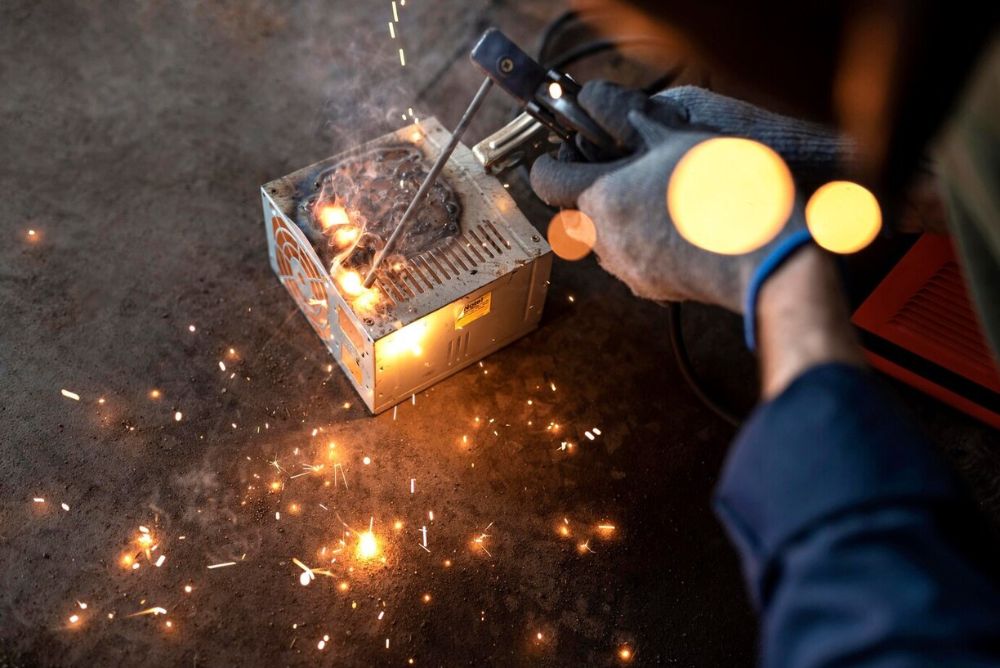
Contents What is Argon Welding and Why is it Preferred in Automotive? The Role of Argon Source in the Automotive Industry Advantages of Argon Welding in Automotive Production of Light and Durable Parts with Argon Welding Argon Welding Application Areas Used in Automotive Efficiency Increase with Argon Source in the Automotive Sector Argon Welding Technology and Its Future in Automotive Argon Welding Equipment and Selection What is Argon Welding and Why is it Preferred in Automotive? SS Project strengthens its place in the automotive industry by producing strong and durable parts with argon welding technique. This method is preferred in the automotive industry to provide high strength and durability when joining metal parts. argon sourceIt is one of the industrial welding techniques and prevents the oxidation of the metal by controlling the air around the weld. This method in the automotive industry It is preferred for the production of assembled parts with high quality and durability. argon gasIt eliminates the effect of oxygen and nitrogen during the welding process by isolating the atmosphere around the weld, thus ensuring a clean and strong joining of the metal. In the automotive industry, parts operating under high temperatures and stress must be joined robustly and safely. Provided by argon source preventing oxidation This feature increases the durability of automotive parts and ensures their longevity. argon source aesthetic advantage is also big; It also increases the visual quality of automotive products with neat and smooth welding seams. The Role of Argon Source in the Automotive Industry The automotive industry is an area where the quality and safety of welding processes are critical. SS Project offers solutions and products for the automotive industry using argon welding. This technology increases the safety of vehicles through the production of lightweight and durable parts, while allowing for less energy consumption and environmentally friendly production processes. Vehicles require welding of many metal components, from engine parts to chassis. argon source, these metal components its durability It is a frequently preferred technique to increase Especially, light metals When jointing is required, argon welding offers a reliable option. For example, lightweight metals such as aluminum are widely used in automotive to improve fuel efficiency and produce more environmentally friendly vehicles. However, welding aluminum requires very careful handling as it is prone to oxidation. Argon welding allows aluminum parts to be joined securely without oxidation and contamination. This ensures the long life of the vehicle and the engine to work efficiently It helps. The role of argon welding in the automotive industry is to optimally meet both aesthetic and functional requirements. Advantages of Argon Welding in Automotive There are a number of advantages of using argon welding in the automotive industry. Firstly, argon gas The oxygen protection it provides to the source makes the source much cleaner and more durable. This is especially true for engine parts such as to high temperature It is of great importance in the exposed components. SS Proje's experienced engineer staff produces more durable and long-lasting vehicle parts for the automotive industry using argon welding techniques. In this way, it is possible to raise performance and safety standards in the automotive industry. Using argon welding ensures that the weld seams are smooth and aesthetic makes it happen. Visual quality is important in automotive, especially for the exterior structures of vehicles, and the smooth seams provided by this welding meet this requirement. In terms of durability, it is possible to say that welding made with argon welding is longer lasting and safer. This method, which prevents undesirable situations such as oxidation and deformation, ensures that the vehicles last for many years. smoothly It helps it work in some way. The usage time of argon welding is short and a fast production process, which provides significant time savings for automotive manufacturers. Production of Light and Durable Parts with Argon Welding In the automotive industry, especially fuel efficiency The use of lightweight materials has become an important trend. such as aluminum, magnesium and titanium light metalsBy reducing the weight of vehicles, it reduces fuel consumption and reduces environmental impacts. However, these materials are difficult to weld and it can be difficult to make a smooth and strong weld with traditional welding methods. argon source, which enables high-quality and durable joining of such light metals. Argon gas prevents the oxidation of metals, allowing more durable and reliable welds to be made. This gives automotive manufacturers a slight but strong parts offers the opportunity to produce Obtaining strong welds in terms of both durability and aesthetics ensures that vehicles are both long-lasting and visually appealing. Success in the welding of light metals ensures the overall performance of the vehicle. performance direct effects. SS Project produces lightweight but extremely durable parts in the automotive industry using argon welding. While these parts increase the fuel efficiency of the vehicles, they also ensure long-term use with their durability. Argon Welding Application Areas Used in Automotive Argon welding has many different application areas in the automotive industry. engine partsArgon welding is commonly used on critical automotive components such as chassis components, exhaust systems and brake parts. Since engine parts are exposed to high temperature and pressure, their welds strong and reliable It should be. SS Project uses argon welding technology in a wide range of automotive applications. From engine parts to chassis and body structures, more durable, safer and lighter products are obtained thanks to argon welding. Argon welding ensures long life of engine parts. By using argon welding in the chassis part of the vehicles, strong and durable connections is created. The chassis is critical to ensuring the safety of the vehicle, and argon welding increases the durability of these parts. In exhaust systems, welding seams must be clean and solid due to the high temperature effect. Argon welding ensures that exhaust systems last long and work efficiently provides. The durability provided by argon welding is an important advantage when welding parts used in brake systems. Quality welding made in these areas ensures the overall quality of the car. safety and performance increases. Efficiency Increase with Argon Source in the Automotive Sector Production processes in the automotive industry fast and efficient It is very important to have. argon sourcemakes it possible to make quality welds quickly. Compared to traditional welding methods, cleaner welds are made with less thermal effects and oxidation, which reduces post-weld cleaning and maintenance. argon source high precision Producing resources results in fewer errors and the need for rework. This increases efficiency in the production process and provides automakers with time and cost savings provides. The fast and effective results provided by argon welding allow automotive manufacturers to produce more vehicles in shorter periods of time. Thus, while production capacity increases, quality standards are also maintained. This is in the industry competitivenessincreases and reduces production costs. SS Proje provides high efficiency and reduces costs in the automotive industry by optimizing production processes with argon welding. Thanks to this technology, while production is faster, the quality and durability levels of the products also increase. Argon Welding Technology and Its Future in Automotive SS Project aims to further popularize argon welding technology in the automotive industry in the future and increase its competitive advantage in the sector with innovations. This technology has the potential to transform the industry by increasing sustainability and efficiency in automotive. The use of argon welding in the automotive industry will increase further in the future. New technologies allow welding to be processed faster and more efficiently. hassas This will ensure that it is done in a way that will increase the efficiency of production processes. Robotic welding machinesBy further optimizing the argon source, it will make it possible to produce fewer errors and more production. With developing technologies, argon welding has become more environmentally friendly It is aimed to reduce energy consumption during welding processes. This means that automotive manufacturers sustainable production will make it easier for them to achieve their goals. The fact that argon welding produces durable and high-quality results has led automobile manufacturers to safety and performance will allow them to improve further. With developing technologies, the use of lighter and stronger materials will increase and argon welding will continue to play an important role in welding such materials. Argon Welding Equipment and Selection The equipment used in argon welding directly affects the quality of the weld. TIG welding machinesIt is widely used for argon welding in the automotive industry. These machines provide the ability to make thin and precise welds and high quality Ideal for resources. used during welding argon gasIt prevents oxidation by isolating the air around the source. Welding equipment must be ergonomic and easy to use to enable operators to work efficiently and safely. Choosing the right equipment is important in the production processes of automotive manufacturers. to increase productivity It helps. Quality and safety in equipment selection durabilityIt should be kept at the forefront because every welding to be done in the automotive industry requires high safety and performance. SS Project uses state-of-the-art equipment for argon welding applications in the automotive industry. With the right equipment selection, high quality and durable products are produced, which raises the quality standards in the industry.
See More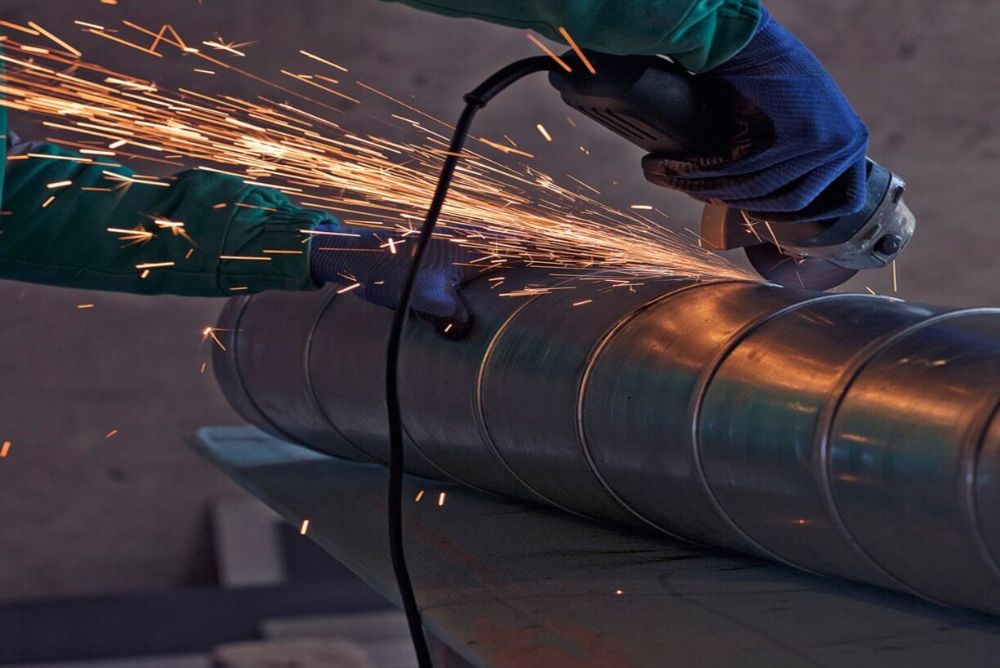
Contents Argon Welding Technology and Its Place in the Aviation-Defense Industry Advantages of Argon Welding in the Aviation and Defense Industry Production of Durable and Light Parts with Argon Welding Argon Welding Applications in Aviation and Defense Industry Performance of Parts Produced with Argon Welding The Future of Argon Welding Technology and Innovation Safety and Durability Provided by Argon Welding Argon Welding Technology and Its Place in the Aviation-Defense Industry SS Project, in the aviation and defense industry argon welding technology using security ve durability offers high-level solutions. This technology high precision by increasing the quality of parts that require to critical production processes contributes. Argon welding is a frequently preferred technology for welding processes in the industrial world. This technology is of great importance, especially in sectors that require high precision and durability. The aviation and defense industry is one of the sectors that benefit most from the advantages provided by argon welding. Argon gas prevents the oxidation of the metal during welding, Welding seams are stronger and more durable makes it happen. Processes performed with argon welding minimize the risk of deformation by enabling metals to fuse at lower temperatures. This feature is a very important factor in the aviation and defense industry, because products such as aircraft, helicopters, missiles and armored vehicles high security and durability requirements There is. In the aviation industry, aircraft such as planes and helicopters are high temperature, pressure and harsh weather conditions is exposed. Therefore, the resources of the materials used must be very strong and durable. The superior quality connections offered by argon welding make these tools longevity allows it to happen. In the defense industry, similar safety and durability criteria apply for the production of military vehicles, weapons and other sensitive equipment. Argon welding strengthens the components of these vehicles while also maximizing safety. Thanks to technological developments, the application areas of argon welding are expanding day by day. Advantages of Argon Welding in the Aviation and Defense Industry One of the main advantages of argon welding in the aerospace and defense industry is that it increases the suitability of the metal for welding. argon, one inert gas As such, it protects the atmosphere surrounding the source and prevents the oxidation of metals. SS Proje uses argon welding technique in the aviation and defense industry and contributes to projects in this field. high performance and reliable parts It brings profit. This technique high strength and low weight plays an important role in meeting the needs. This is especially titanium and aluminum It is very important for materials frequently used in aircraft such as The oxygen protection provided by argon gas ensures that the welding process is more efficient and the quality of weld seams increases. Argon welding operates at lower temperatures than traditional welding methods. This prevents the metal from heating and deformation and ensures excellent results in projects that require more precise workmanship. Another advantage is that the argon source is more aesthetic and smooth welding seams is to create. In the aviation industry, aesthetics are as important as functionality. Proper welding seams on the fuselages of aircraft and helicopters, aerodynamic performance It has a great impact on. In addition to the welding seams being smooth and aesthetic, these seams will be stronger and more durable. This is also flight safety It ensures that critical parts operate at high performance. At the same time, welds made thanks to argon welding become resistant to rust and serve as a protective shield for a long time. These advantages play an important role, especially in aerospace and defense vehicles exposed to outdoor conditions. Production of Durable and Light Parts with Argon Welding In the aviation and defense industry, lightness and durability The balance between them is very important. Planes, helicopters and other aircraft in particular must try to be built with the lightest materials possible, while at the same time maintaining their durability. Argon welding is an important technology that provides this balance. light metals, titanium, aluminum and magnesium Materials such as are known for their low weight combined with high durability. While argon welding performs the welding processes of these metals efficiently, mechanical properties It also heals. The durability of welded parts is strengthened under both static and dynamic loads, which increases flight safety. SS Project produces durable and lightweight parts using argon welding technology for the aviation and defense industry. These parts flight safety and efficiency of systems and raises the quality standards in the sector. The precision provided by argon welding in welding these metals allows the weight of the parts to be reduced. In the aviation and defense industry, every gram counts. The use of lightweight parts saves fuel and also increases aerodynamic efficiency. At the same time, these lightweight and durable pieces can be designed to withstand all weather conditions. Argon welding enables the safe and durable production of these types of parts and allows the parts to have a long life. This increases operational efficiency while minimizing the need for maintenance of aircraft, helicopters and other vehicles. Argon Welding Applications in Aviation and Defense Industry Argon welding in the aerospace and defense industry has a wide variety of application areas. SS Project, in the aviation and defense industry critical parts It uses argon welding technology for its production. This technology is especially important for aircraft and defense systems. durable and high performance It is preferred in the production of its components. Many different components, from the aircraft body to engine parts, from landing gear to fuel systems, are produced by argon welding. During the production of these parts, high quality welding is extremely important for both safety and performance. Especially the fuselage of aircraft, Very resistant to external influences should be. While argon welding provides high strength and long life in such critical parts, it also makes it possible to achieve excellent aesthetic results. In the defense industry, argon welding plays an important role in the production of military vehicles, armored carriers, rockets and missile systems. Since these vehicles are used extensively on the battlefield, the parts must be durable and reliable. is vital. Argon welding provides high strength in the welding of such parts and prevents possible malfunctions. The low-temperature process provided by argon welding ensures that the parts become less heated and deformed, making the production process more efficient. In the defense industry, fast production and high quality is very important and argon welding is the ideal solution to meet these needs. Performance of Parts Produced with Argon Welding Provided by argon source high performanceis an important advantage, especially in the aerospace and defense industry. Argon gas used during welding prevents the metal from oxidizing and ensures that the weld seams are strong and durable. This includes aircraft engines, landing gear and armored vehicles. parts requiring high security It is a critical factor in production. Thanks to argon welding, the welds become resistant to high pressure and heat. This feature is one of the most important performance criteria in the aviation and defense industry. The aesthetically smooth and clean welding seams made with argon welding increases the durability of the parts. A well-made weld seam causes less fatigue of the metal and to last longer It allows. This allows aircraft and military vehicles to operate safely for longer. The advantage of working with low temperatures provided by argon welding makes it possible to weld without damaging the internal structure of metals. This strengthens the mechanical properties of the parts and minimizes safety risks. The parts produced by SS Project with argon welding are used in the aerospace and defense industry. security and performance provides excellent results. The parts produced are designed to withstand extreme conditions and meet high standards in terms of safety. The Future of Argon Welding Technology and Innovation The future of argon welding technology has an important place in industrial fields. New developments make this technology even more to become efficient will provide. In the future, faster and more precise welding machines will improve the quality of argon welding and speed up production processes. SS Project is constantly talking about the future of argon welding technology. innovation By doing so, it contributes to more efficient and safe production processes in the aerospace and defense industry. This technology is constantly evolving to meet evolving needs in the industry. Innovations in argon welding technology will be used especially in welding more complex and smaller parts. This is especially true for parts in the aerospace and defense industry. light and durable will allow it to happen. Environmentally friendly properties of argon welding, sustainable production processes will make it a part of it. Safety and Durability Provided by Argon Welding Argon welding in the aviation and defense industry security needs It is the ideal solution to meet This technology ensures that the welded parts are of high strength and durability, minimizing the risk of any failure. Argon welding provides safety-critical parts such as airplanes, helicopters and armored vehicles. superior durabilityProvides long-term security. Especially in the defense industry, this durability increases the effectiveness of vital vehicles and systems. SS Project uses argon welding in the aerospace and defense industry in production processes. high security and durability provides. This allows for increased safety standards, especially in critical areas such as air transport vehicles and military systems.
See More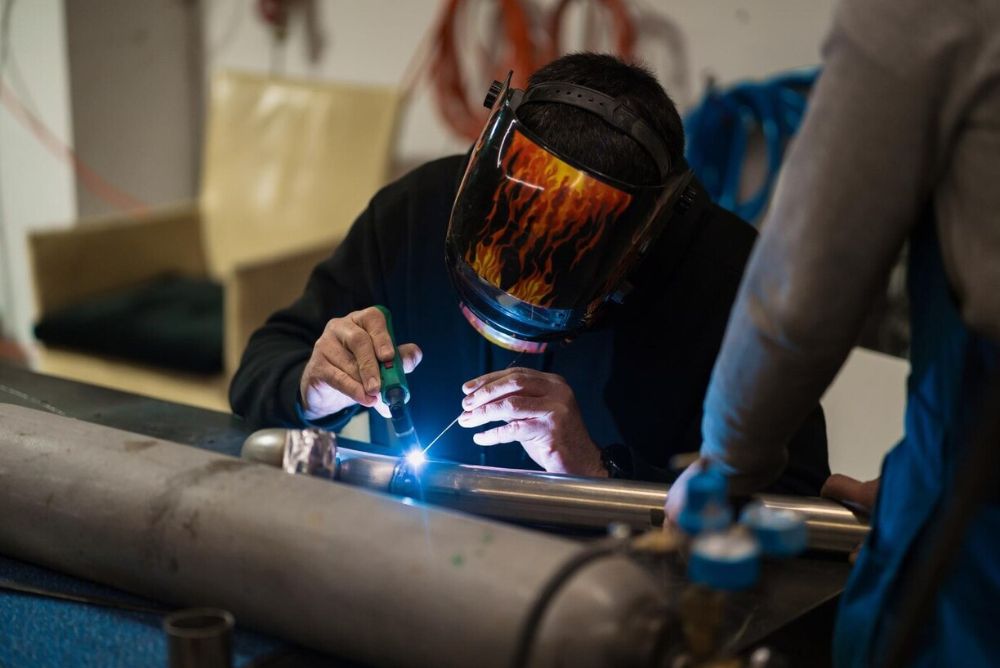
Contents Argon Source and the Need for Hygienic Production The Role of Argon Welding in the Food Industry Benefits of Argon Welding in the Medical Industry Increasing Hygiene in Food Production with Argon Source Hygienic Standards in the Production of Medical Devices with Argon Welding The Future of Argon Welding in the Food and Medical Industry Argon Source and Environmentally Friendly Production Methods Argon Source and the Need for Hygienic Production SS Project, in the food and medical industry hygienic production standards in order to meet argon welding technology uses it effectively. High purity welding applications Thanks to this, hygiene and safety are maximized in production processes. The food and medical industry is among the constantly growing and developing areas worldwide. In these areas, the first priority is for the products to be safe, hygienic and of high quality. Since food and medical devices are directly related to human health, hygiene must be fully ensured at every stage. Argon welding is an important tool to meet these requirements. Argon, an inert (non-reactive) gas Therefore, it prevents oxidation in welding processes. In this way, the hygiene level is maintained during the production process of food and medical products. Welding processes using argon welding ensure that surfaces remain clean, which prevents the entry of contamination and microorganisms. In the food and medical industries, ensuring that everything is done in accordance with hygienic conditions is not only a legal obligation, but also consumer safety is of vital importance. For this reason, problems such as contamination, oxidation or corrosion that may occur on the welded equipment and products must be prevented. Argon welding contributes to maintaining hygienic conditions during production. argon source low temperature processing This eliminates the possibility of deterioration on the surface of the materials, thus ensuring sterility and safety. This is a critical feature, especially for products such as surgical instruments and medical implants. The Role of Argon Welding in the Food Industry food industry, Ensuring hygiene meticulously at every stage It is a necessary sector. Equipment used in food production facilities is constantly exposed to high temperatures and various chemical effects. This can lead to problems such as oxidation, corrosion and contamination on metal surfaces. Argon welding is an effective solution to prevent such problems. Argon gas prevents the welded surfaces from oxidizing, thus preventing equipment coming into contact with food. in hygienic conditions makes it stay. In this way, food safety is provided. SS Project guarantees hygienic conditions by producing production equipment used in the food industry with argon welding technique. In this way, production lines risk of contamination is minimized and product safety is ensured. Another important advantage in increasing hygiene in the food industry is the energy provided by argon source. smooth weld seamsis. Smooth welding surfaces prevent the formation of bacteria and dirt deposits. This is an extremely important factor, especially in food production facilities, because microorganisms can multiply rapidly on unhygienic surfaces. Welding processes using argon welding ensure long life of machine parts. The equipment used in food production requires less maintenance, thus making the production process more efficient. Processes performed with argon welding ensure that the equipment is exposed to less heat, risk of deformation eliminates it. Benefits of Argon Welding in the Medical Industry In the medical industry hygiene and safetyare critical factors that must be ensured at every stage of the production process. Oxidation or contamination on any metal surface can directly affect the safety and functionality of medical devices. SS Proje uses argon welding technology in the production of equipment used in the medical sector, high hygiene standards offers suitable products. This technology ensures that medical devices remain safe and sterile. Argon welding plays a very important role in ensuring hygiene in the production of medical devices. Using this source prevents metal surfaces from oxidizing, which ensures that medical devices remain compliant with sterility conditions. Hygienic production is extremely important, especially in products directly related to health such as surgical instruments and implants. Argon welding helps keep the surfaces of materials used in the production of medical devices clean and bacterial contamination prevents. Medical devices must be hygienic even during the production phase, before being subjected to sterilization procedures. The ability of argon welding to operate at low temperatures prevents the deformation of metals, which protects the functionality and safety of medical products. For example, in sensitive products such as dental implants and surgical devices, the surfaces smooth and clean is ensured to remain. This feature improves the quality of medical devices and ensures that healthcare professionals can use them safely. Increasing Hygiene in Food Production with Argon Source in food production ensuring hygiene, not only ensures the health of the products, but also ensures the safety of the production process. Machines and equipment used in food production are constantly exposed to high temperatures, chemical effects and physical wear. Argon welding helps avoid such problems. Argon prevents oxidation of surfaces exposed to welding, thus equipment used in food production hygienic remains. Processes performed with argon welding provide smoothness on the welding surfaces, which prevents the accumulation of microorganisms. Stainless steel machines used in food processing facilities become more durable thanks to argon welding. Stainless steelIt is a frequently preferred material in equipment that comes into contact with food because it is highly resistant to corrosion and contamination. Welding processes using argon welding create a hygienic environment without damaging the properties of stainless steel. This, food safety is an important factor that increases Maintaining hygienic conditions in food production facilities also increases workforce efficiency. Welding processes performed with argon welding ensure less machine malfunction and reduce maintenance costs. SS Project uses argon welding technology to raise hygiene standards in food production. Argon welding technique, which is used especially in equipment where liquid and semi-solid products are processed, helps prevent microbial formation. Hygienic Standards in the Production of Medical Devices with Argon Welding The production of medical devices is a process that is critically important for health. SS Proje prefers argon welding technology to ensure hygiene in medical device production. formed during welding operations smooth surfacesIt ensures that hygienic standards are maintained by preventing bacteria and germs from adhering. Since these products are used directly in surgical interventions and treatment processes, hygiene and sterilization are extremely important. Argon welding is an important aid in ensuring hygienic standards in the production of medical devices. Using this source ensures that metal surfaces remain clean and prevents oxidation. This ensures that medical devices comply with sterility conditions. In particular, products such as implants and surgical instruments in hygienic conditions needs to be produced. The low-temperature welding feature provided by argon welding eliminates the risk of deformation of medical devices. This means that devices functional properties ensures it remains intact. Dirt that may occur on the surface of medical devices, bacterial contamination may increase the risk. Argon welding minimizes such risks and ensures that the products are hygienic. Medical devices are generally put into use after being sterilized, but they must be hygienic even during the production phase. This feature of argon welding increases the safety of medical devices and provides a safe environment for users. The Future of Argon Welding in the Food and Medical Industry SS Project invests in the future of argon welding technology in the food and medical industry, providing safer and hygienic production solutions is developing. In this way, it aims to exceed industry standards. The future of argon welding in the food and medical industries is very bright. With the rapid advancement of technology, argon welding is expected to be used in more industries. Increasing hygiene in food production and safe production of medical devices will become more efficient with the development of argon source. Innovations in argon welding technologies have made production processes in these industries more sustainable will make it happen. Argon welding will meet the needs of both industries by offering more environmentally friendly and hygienic production methods. As the importance of the argon source increases, the demand for environmentally friendly and hygienic production processes among manufacturers and consumers will also increase. The food and medical industry uses this technology to provide better quality and safe products will be able to produce. This will further improve health standards and increase consumers' access to safe, hygienic products. Argon Source and Environmentally Friendly Production Methods Environmentally friendly production methods have become one of the priorities of production sectors today. Argon welding, without harming the environment high quality products It offers a way to produce. Argon gas prevents the risks of oxidation and corrosion in materials exposed to welding, which ensures that the materials can be used for a longer time. Thus, the amount of waste during production is reduced and more a sustainable production process is created. Environmentally friendly production methods are of great importance in the food and medical industries, because in these industries the safety of products depends not only on the health of consumers but also on their impact on the environment. Using argon source in environmentally friendly production processes is an important step contributing to sustainability. When producing food and medical products, applying environmentally friendly production methods not only fulfills legal obligations, but also ensures the future of the industry. is critical. The environmentally friendly properties of argon welding reduce energy consumption in the production process and lead to less greenhouse gas emissions. This minimizes the environmental impact of the food and medical industries. SS Project offers sustainable production solutions by combining argon welding technology with environmentally friendly production methods. These methods, which increase energy efficiency, increase both environmental awareness and production quality.
See More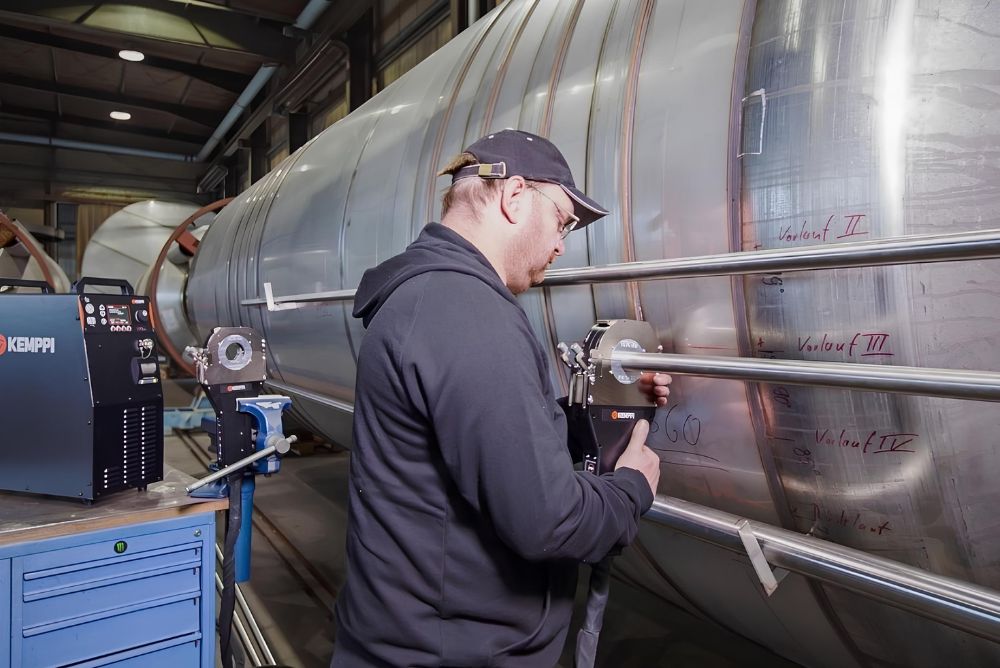
Contents Argon Source and Maritime Industry The Importance of Argon Welding in Shipbuilding Corrosion and Maritime Challenges Corrosion Resistant Solutions with Argon Welding Advantages of Argon Welding in Shipbuilding Durability of Ships and Marine Vehicles with Argon Source The Future of Argon Welding and Its Role in the Maritime Industry Argon Source and Maritime Industry SS Project, in the production of equipment used in the maritime industry argon welding technology actively uses it. Salt water and harsh weather conditions for the production of resistant structures high quality welding applications We are realizing it. In this way, we offer long-lasting and safe solutions. The maritime industry is an area that struggles with harsh environmental conditions and requires high safety standards. Shipbuilding is one of the most critical activities in this sector and durability, safety and longevity It is of great importance to have. In this context, argon welding plays an important role in shipbuilding and the maritime industry. Argon gas helps create stronger and more durable connections by preventing the metal surfaces where welding will be done from oxidizing. This ensures that the materials used in shipbuilding are resistant to corrosion. The durability of metals used in the maritime industry, especially in shipbuilding, poses a great challenge due to the influence of water. Salt water quickly gets on metal surfaces. corrosion and oxidation This can weaken the structure of ships. Argon welding eliminates such problems and durable and long lasting allows it to happen. The use of argon welding also ensures that welding processes are clean and of high quality. Thus, the safety, durability and long life of marine vehicles are guaranteed. The Importance of Argon Welding in Shipbuilding Materials used in shipbuilding, high durability and must have excellent welding properties. As SS Project, we provide solutions provided by argon welding technology in shipbuilding. high strength and corrosion resistanceWe benefit from . By creating an inert environment during welding, oxidation on metal surfaces is prevented, thus increasing the durability of ship structures. used in shipbuilding steels and aluminums Metals such as go through resource-based production processes. However, corrosive factors such as sea water can cause damage to the surfaces of these metals over time. Argon welding increases the strength of the metal by preventing any oxidation or contamination on the surface where the weld is made. In this way, the materials used in shipbuilding are durable for longer and ships become safer. In shipbuilding, welding processes used when assembling both internal and external structural components play a critical role. argon source, high quality welded seams and thus ensures the integrity of the structures. During the shipbuilding process, parts exposed to water are constantly at risk of oxidation and corrosion. Argon welding eliminates this risk, making ships more durable and safe. The ability of argon welding to weld at low temperatures prevents deformation in the metal, which increases the structural integrity of ships. Corrosion and Maritime Challenges Corrosionis one of the biggest threats in the maritime industry. ships, sea water, humidity and salty air It is constantly exposed to environmental factors such as This can lead to corrosion of ship hulls over time and weakening of structures. Corrosion can reduce the durability of ships, causing safety risks. Corroded ships can increase operating costs because such ships are more expensive to maintain and repair. In the maritime industry, salt water, high humidity and constantly changing temperature conditions are the most important factors causing corrosion. SS Project solves these problems with argon welding technology. effective solutions It provides protection of metal surfaces against corrosion. Corrosion prevention plays a major role in determining the materials and welding techniques used in shipbuilding. Argon welding is an effective solution to overcome this problem. Argon prevents the oxidation of the metals on which the welding is made and thus the surfaces clean and durable makes it stay. This helps ensure the longevity of ships and reduces the need for maintenance. Welding processes using argon welding help increase durability even in areas of ships exposed to water. In this way, ships become more resistant to corrosion. Corrosion Resistant Solutions with Argon Welding SS Project, with argon welding technology corrosion resistant carries out the production of buildings. argon gas inert structure Thanks to this, the risk of oxidation and rust on the welded surfaces is minimized, which ensures longer life of marine structures. Argon welding offers one of the most effective solutions against corrosion in shipbuilding and the maritime industry. This welding method prevents oxidation on metal surfaces and increases the durability of the welded parts. These connections, which are resistant to corrosive factors such as salt water, allow ships to last for a long time. safe and sound makes it stay. The use of argon welding allows the weld surfaces to be smooth, which prevents the accumulation of microorganisms and dirt. This feature helps ships to be used in hygienic conditions for a long time. Corrosion is a factor that makes it difficult for the metals used in shipbuilding to have a long life. Argon welding eliminates such problems and makes the metals used in shipbuilding more durable. At the same time, welding processes with argon welding create strong connections without compromising the structural integrity of the ships. In this way, the vessels remain safe and sound even during long-term use. This resistance to corrosion reduces the maintenance costs of ships and makes them more efficient. Advantages of Argon Welding in Shipbuilding Argon welding in shipbuilding solid, durable and safe Provides resources. The use of this resource preserves the structural integrity of ships and risk of corrosion reduces. Ensuring the longevity of the materials used in shipbuilding not only increases the durability of ships but also reduces maintenance costs. Argon welding provides high durability even in areas of ships exposed to sea water, which prolongs the life of ships. Using this welding method in shipbuilding helps improve safety standards in the industry. One of the most important advantages of argon welding in shipbuilding is that it ensures that the welding surfaces are smooth and clean. This feature prevents the accumulation of dirt, rust and other harmful components. At the same time, argon welding ensures uniform distribution of heat in the metal, which risk of deformation eliminates it. These features increase the structural integrity and durability of ships. Welding processes performed with argon welding also increase the waterproofing properties of the external structures of ships. SS Proje produces stronger, lighter and longer-lasting structures by using argon welding in shipbuilding. Thanks to the high heat and gas protection generated during welding, the welding quality increases, thus increasing the safety and performance of marine structures to the maximum level. Durability of Ships and Marine Vehicles with Argon Source Ships and marine vehicles durabilityis of great importance in long-term use. SS Proje's expert engineer staff increases the durability of marine vehicles by using argon welding technology. Argon gas used in welding processes prevents the formation of cracks and deformation on metal surfaces. long term durability provides. Argon welding plays an important role in ensuring this durability in the maritime industry. Argon welding creates more durable and long-lasting connections by preventing oxidation of the welded metals. In this way, ships and marine vehicles become more resistant to corrosive factors such as sea water. This durability provided by argon welding allows ships to require less maintenance and operate efficiently for longer. Since ships and marine vehicles are in constant contact with sea water, the risk of corrosion is quite high. Argon welding eliminates this risk and ensures that the metals used in shipbuilding last longer. This means that ships waterproofness It increases the durability of marine vehicles. The use of argon welding increases safety standards in shipbuilding and enables the maritime industry to achieve the highest quality. In this way, ships are both safe and durable. The Future of Argon Welding and Its Role in the Maritime Industry Argon welding will play an even more important role in shipbuilding and the maritime industry in the future. Technological developments have made argon welding more to become efficient will provide. This will allow shipbuilding processes to be carried out faster and safer. Advances in argon welding technologies have made the materials used in the maritime industry more environmentally friendly and sustainable will make it happen. Future development of argon welding in the maritime industry security and durability will help further improve standards. These technologies, which will allow the metals used in shipbuilding to be stronger and longer-lasting, will make the production processes in the sector more efficient and environmentally friendly. The future of argon welding will increase the quality of ships and marine vehicles used in the maritime industry and make the industry more sustainable. SS Proje makes investments for the future of argon welding technology in the maritime industry. SS Proje, which pioneers the production of lighter and more durable structures with developing technology, continues to offer innovative solutions in the sector.
See More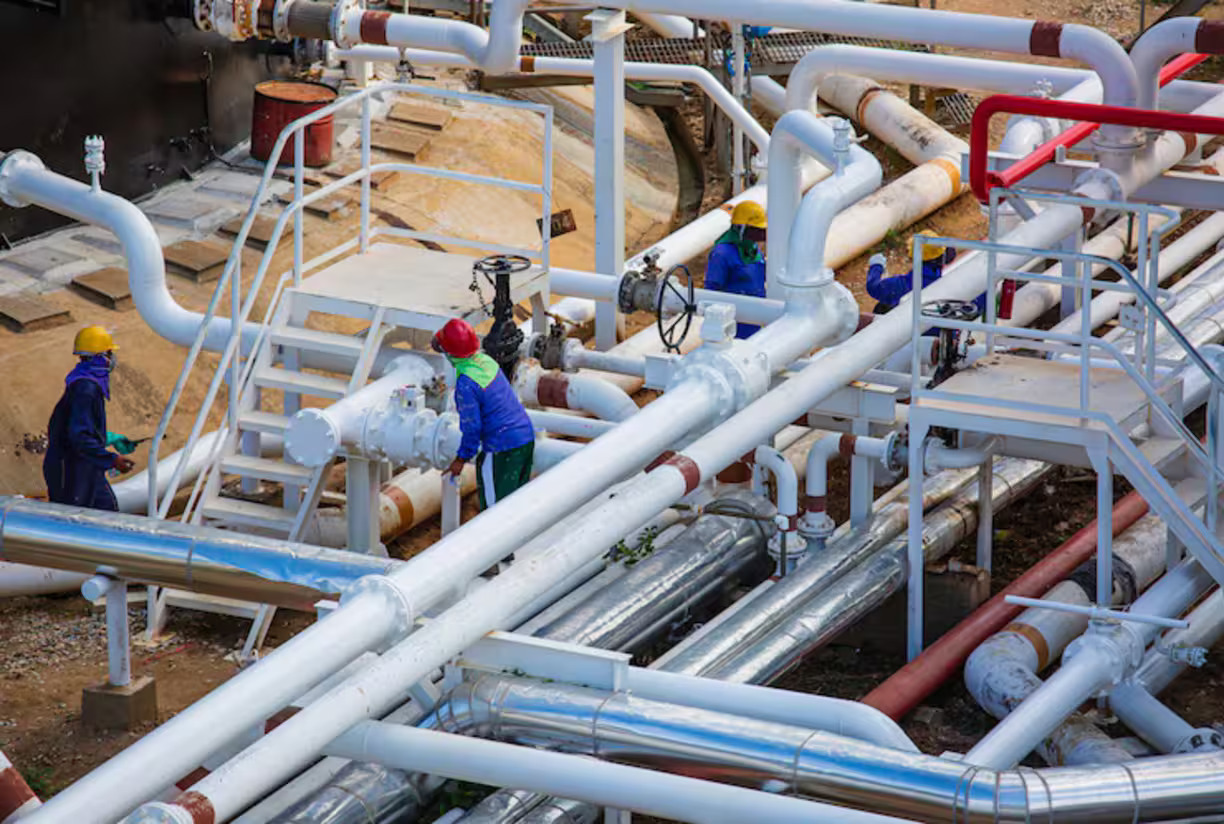
Table of Contents What is Hygienic Piping Installation? What Are the Key Features of Hygienic Piping? Which Industries Use Hygienic Piping? Materials Used in Hygienic Piping Installation What Are the Advantages of Hygienic Piping? How is Hygienic Piping Installation Performed? Maintenance and Cleaning of Hygienic Piping Standards and Certifications for Hygienic Piping Key Considerations in Hygienic Piping Installation Cost Factors of Hygienic Piping What is Hygienic Piping Installation? Hygienic piping installation refers to the setup of piping systems designed to prevent contamination and microbial growth, particularly in environments requiring high cleanliness and safety standards. These systems ensure the sterile transport of liquids, gases, or other substances. Unlike traditional piping systems, hygienic piping stands out with its smooth surfaces and easy-to-clean properties, making it a preferred choice for sensitive production processes. Hygienic piping is typically made from durable, corrosion-resistant materials like stainless steel. These systems minimize the risk of contamination, ensuring product safety. For instance, in a food production facility, bacterial growth during the transfer of liquid food through pipes can directly impact product quality. Thus, hygienic piping installation enhances operational efficiency while safeguarding consumer health. What Are the Key Features of Hygienic Piping? The most prominent feature of hygienic piping systems is their compliance with high cleanliness standards. The pipes, fittings, and valves used in these systems have smooth surfaces, designed to prevent microbial buildup. Additionally, these systems are easily disassembled and cleaned, enabling fast and effective maintenance processes. Another critical feature is corrosion resistance. Hygienic piping often encounters chemicals or high temperatures. Therefore, high-quality materials are used to ensure durability. The inner surfaces of the pipes are designed to facilitate fluid flow, minimizing product loss. These characteristics make hygienic piping both economically and operationally advantageous. Which Industries Use Hygienic Piping? Hygienic piping systems are widely used in industries where cleanliness and safety are critical. One of the primary sectors is the food and beverage industry. In the production of products like milk, juice, beer, or chocolate, the hygienic transfer of liquids is essential. Any contamination can degrade product quality and jeopardize consumer health. Another key sector is the pharmaceutical industry. The transport of raw materials and final products in drug manufacturing requires a sterile environment. Hygienic piping eliminates the risk of contamination in these processes. Additionally, industries such as chemicals, biotechnology, and cosmetics frequently rely on hygienic piping. In these sectors, product purity and safety depend directly on the quality of the piping system. Materials Used in Hygienic Piping Installation Materials used in hygienic piping installation are carefully selected to ensure the system is long-lasting and safe. The most common material is stainless steel, particularly grades 304 and 316L, valued for their corrosion resistance and ease of cleaning. These materials withstand high temperatures and chemical exposure. Fittings and gaskets are also vital components of hygienic piping. These are typically designed to ensure leak-proof performance and maintain sterility. Food-grade gaskets, such as those made from silicone or EPDM, prevent leaks and keep the system hygienic. Valves and fittings, with their smooth surfaces, are designed for easy cleaning and can be disassembled as needed. What Are the Advantages of Hygienic Piping? Hygienic piping systems offer benefits that provide both economic and operational advantages for businesses. Primarily, they reduce the risk of contamination, enhancing product safety. This is crucial for maintaining brand reputation, especially in the food and pharmaceutical sectors. Additionally, their easy-to-clean design saves time during maintenance. Another advantage is durability. Materials like stainless steel remain intact for years without deformation, lowering maintenance costs. Furthermore, hygienic piping systems improve energy efficiency, as their smooth inner surfaces facilitate fluid flow, reducing the energy consumption of pumps. How is Hygienic Piping Installation Performed? Hygienic piping installation is a specialized process. The first step is project planning, where the needs of the installation area are analyzed, and appropriate pipe diameters, fittings, and materials are selected. The installation is then carried out in a sterile environment, ensuring all connection points are leak-proof. Installation typically involves welding techniques or specialized fittings. If welding is required, precise methods like orbital welding are used to maintain smooth surfaces. Once completed, the system is tested to check for leaks or defects, ensuring long-term performance. Maintenance and Cleaning of Hygienic Piping Regular maintenance of hygienic piping is essential to preserve its efficiency and hygiene. Cleaning processes are often performed using CIP (Clean-in-Place) systems, which enable automated cleaning without dismantling the pipes, saving time. Food-grade chemicals or hot water are typically used during cleaning. During maintenance, the condition of gaskets and the integrity of connection points are inspected. The inner surfaces of the pipes are regularly checked for buildup. Periodic inspections ensure the system’s longevity and prevent production interruptions. Proper maintenance enhances performance and reduces operational costs. Standards and Certifications for Hygienic Piping Hygienic piping systems must comply with international quality standards. For example, piping used in food and pharmaceutical industries is typically subject to standards set by the FDA (Food and Drug Administration) or EHEDG (European Hygienic Engineering and Design Group). These standards ensure the systems are safe and hygienic. Materials used in hygienic piping must also carry certification documents. For instance, stainless steel pipes with 3A or ASME BPE certifications enhance system reliability. Compliance with standards simplifies audits for businesses and strengthens consumer trust. Key Considerations in Hygienic Piping Installation Several critical factors must be considered during hygienic piping installation. First, proper material selection is essential. Pipes and fittings must meet industry standards. Additionally, maintaining sterile conditions during installation is vital to preserve system hygiene. Another key point is that the installation should be performed by a specialized team. Inexperienced installation can lead to leaks or hygiene issues. During the design phase, planning must ensure unobstructed fluid flow and avoid dead zones (areas where liquids could accumulate). These details directly impact the system’s long-term performance. Cost Factors of Hygienic Piping The cost of hygienic piping installation depends on several factors. The quality of materials used is a primary driver. High-quality materials like stainless steel or specialized gaskets may be more expensive but offer long-term savings. The project size and complexity of the piping system also influence costs. The expertise of the installation team and the technological equipment used also play a role in pricing. For example, specialized techniques like orbital welding may increase costs but provide precision. Additionally, the system’s maintenance and cleaning requirements affect long-term costs. Proper planning and quality materials optimize the total cost, delivering economic benefits to businesses.
See More
Table of Contents What is the Importance of Hygiene in the Food Industry? What is Hygienic Piping and Why is it Critical? What are the Key Features of Hygienic Piping? How is the Role of Piping Determined in Food Safety? Hygienic Piping Materials and Standards What to Consider in Piping Design? Maintenance and Cleaning of Hygienic Piping Common Piping Mistakes in the Food Industry Cost and Efficiency Benefits of Hygienic Piping Sustainability and Hygienic Piping The Future of Hygienic Piping and Innovations What is the Importance of Hygiene in the Food Industry? The food industry directly impacts human health, making hygiene a top priority. Failure to adhere to cleanliness standards at any stage—from production to packaging—can lead to serious health issues. The risk of contamination, particularly from microorganisms, poses a significant threat to both consumers and producers. Hygiene not only ensures product quality but also defines a brand’s reliability. Consumers trust food produced in hygienic conditions, which strengthens a company’s market position. One of the most critical components in maintaining hygiene is the piping systems used in production facilities. Pipes, valves, pumps, and other equipment form the pathways for food products. If these systems are not properly designed or regularly cleaned, microbial buildup becomes inevitable. In the food industry, hygiene goes beyond surface cleaning; the internal structure of piping is just as crucial. Thus, hygienic piping systems are a cornerstone of food safety. For instance, in facilities processing sensitive products like dairy, non-hygienic piping can lead to spoilage and health risks, damaging both reputation and compliance. What is Hygienic Piping and Why is it Critical? Hygienic piping refers to systems designed for the food industry with a focus on cleanability and contamination prevention. These systems ensure the safe transport of food during production, processing, and distribution. The primary goal of hygienic piping is to guarantee that food reaches consumers without exposure to chemical, biological, or physical contaminants. It is indispensable in sectors like dairy, beverages, and ready-to-eat food production. The criticality of these systems stems from the fact that food safety depends directly on piping quality. For example, residues in poorly designed piping can cause bacterial growth, jeopardizing the entire production line. When designed to international standards, hygienic piping helps businesses meet regulatory requirements and protect consumer health. Moreover, these systems enhance production efficiency, optimizing costs. Without hygienic piping, achieving quality and reliability in the food industry is nearly impossible, as it ensures both product integrity and consumer trust. What are the Key Features of Hygienic Piping? Hygienic piping systems are tailored to the food industry’s unique needs. First, the materials used, such as stainless steel, must be corrosion-resistant and easy to clean. Additionally, the inner surfaces of the pipes should be smooth, with no dead zones where residues could accumulate. This feature prevents microbial retention and simplifies cleaning processes. Another key feature is the modular design of the piping. Modular systems make maintenance and cleaning faster and more effective. Furthermore, hygienic piping must meet high sealing standards to prevent contaminants from entering the system from the external environment. Smooth surfaces, consistent flow, and accessibility enhance the importance of hygienic piping in ensuring food safety and operational efficiency. How is the Role of Piping Determined in Food Safety? Food safety requires meticulous oversight at every stage of production. Hygienic piping serves as critical control points in this process. For instance, residues in pipelines carrying liquid foods can increase the risk of cross-contamination. Therefore, the design and maintenance of piping are integral to food safety protocols. Piping’s role extends beyond transportation to include technical aspects like temperature control and pressure balance. Sensitive products, such as dairy, require processing within specific temperature ranges. Hygienic piping maintains these conditions, preventing spoilage. Regular inspections of piping systems allow early detection of risks, ensuring food safety. These inspections help businesses protect consumer health and minimize production losses. Hygienic Piping Materials and Standards Materials used in food industry piping must be food-contact safe. The most common material is high-quality stainless steel, which is durable and resistant to chemical reactions. Additionally, piping components must comply with international standards like FDA and EHEDG, ensuring no toxic substances are released during food contact. Another consideration in material selection is resistance to cleaning chemicals. Strong disinfectants used in food facilities can corrode materials if not properly chosen. Thus, hygienic piping is designed to be long-lasting and chemical-resistant. Compliant materials enable businesses to meet regulatory requirements while maintaining product quality. Stainless steel, for example, offers both hygiene and durability, making it ideal for food industry standards. What to Consider in Piping Design? Hygienic piping design is one of the food industry’s most complex processes. First, the flow direction must be considered. Proper food transport requires optimized pipe slopes and connection points. Additionally, dead zones must be avoided, as these areas promote bacterial buildup. Another critical aspect is automation systems. Automated valves and sensors ensure precise operation, minimizing human error. Furthermore, piping accessibility simplifies maintenance and cleaning. Well-designed piping enhances production efficiency and maximizes food safety. Automated systems, for instance, streamline cleaning processes, saving time and resources. Maintenance and Cleaning of Hygienic Piping Regular maintenance of hygienic piping ensures continuity in the food industry. Cleaning is typically performed using CIP (Clean-in-Place) systems, which clean the interior without disassembly, saving time. CIP systems use disinfectants and hot water to ensure every part of the piping is hygienic. Maintenance involves checking sealing gaskets and other components regularly. Additionally, microbiological tests verify cleanliness levels. Proper maintenance extends piping lifespan while safeguarding food safety. Neglecting these processes can lead to product losses and regulatory penalties. CIP systems are indispensable for maintaining hygiene standards in modern food facilities. Common Piping Mistakes in the Food Industry Piping errors in the food industry can have severe consequences. The most common mistake is choosing inappropriate materials. Non-food-safe materials can cause chemical contamination. Additionally, designing piping with dead zones increases bacterial buildup and complicates cleaning. Another frequent error is lack of regular maintenance. Failure to clean piping for extended periods leads to biofilm formation, threatening food safety. Furthermore, inadequate inspections allow minor issues to escalate. Businesses must regularly review piping systems and seek professional support to avoid these mistakes. Cost and Efficiency Benefits of Hygienic Piping While hygienic piping requires a significant initial investment, it offers long-term cost benefits. High-quality piping reduces maintenance and cleaning costs while improving efficiency. Compliant systems also help businesses avoid regulatory fines. Efficiency-wise, hygienic piping minimizes production losses and ensures energy savings. Well-designed systems reduce water and chemical usage, lowering operational costs and environmental impact. Hygienic piping supports businesses in achieving economic and environmental sustainability goals. Sustainability and Hygienic Piping In the food industry, sustainability is gaining importance both environmentally and economically. Hygienic piping optimizes water and energy use, reducing the environmental footprint. For example, CIP systems significantly cut water consumption during cleaning. Durable materials also extend piping lifespan, reducing replacement needs. Sustainable piping facilitates waste management. Designs that prevent residue buildup minimize waste and support recycling. Integrated with smart technologies, piping enhances energy efficiency, helping businesses lower carbon emissions. This aligns with the food industry’s environmental responsibilities. The Future of Hygienic Piping and Innovations Hygienic piping in the food industry is evolving with technological advancements. Internet of Things (IoT) technology enables real-time monitoring of piping systems, allowing preventive maintenance. Additionally, artificial intelligence automates cleaning and maintenance processes. In the future, nano-coatings and antimicrobial surfaces may become standard, further preventing bacterial growth. Moreover, energy-efficient designs will reduce costs and environmental impact. Hygienic piping will play an increasingly vital role in the food industry’s future, driven by innovation.
See More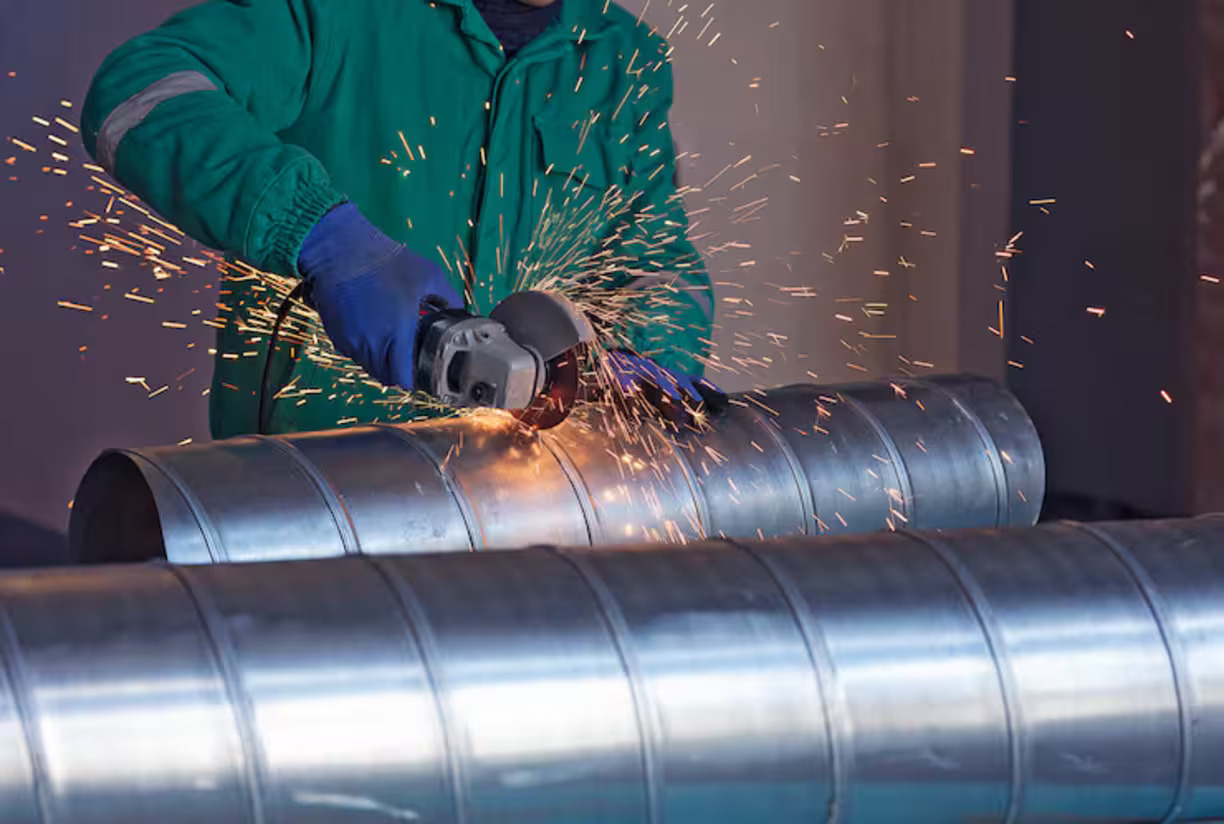
Table of Contents What is the Importance of Hygiene in the Pharmaceutical Industry? What is Stainless Steel Piping? Key Advantages of Stainless Steel in the Pharmaceutical Industry Corrosion Resistance of Stainless Steel Piping Cleanability and Hygiene Maintenance Capacity Durability and Longevity Cost Advantages of Stainless Steel Piping Compliance with International Standards Flexible Design Features of Stainless Steel Piping Sustainability and Environmental Benefits The Future of Stainless Steel Piping in the Pharmaceutical Industry What is the Importance of Hygiene in the Pharmaceutical Industry? The pharmaceutical industry directly impacts human health, making hygiene a top priority. Any risk of contamination during drug production can jeopardize product reliability and patient safety. A sterile production environment ensures the quality and efficacy of pharmaceuticals. Therefore, the equipment and piping systems used in production facilities must be cleanable and reliable. Stainless steel piping plays a critical role in meeting these hygiene standards. In pharmaceutical manufacturing, microbiological control and chemical purity are paramount. Piping systems must not introduce any contamination sources. Stainless steel is an ideal material for these requirements, supporting safe production processes. For instance, in sensitive applications like vaccine or intravenous drug production, stainless steel piping ensures consistent hygiene, enhancing product safety. What is Stainless Steel Piping? Stainless steel piping refers to corrosion-resistant pipe and fitting systems used in the pharmaceutical industry to transport liquids, gases, and other substances. These systems are designed to maintain sterile conditions in high-purity production processes. Stainless steel’s chemical inertness and smooth surface make it a preferred choice for pharmaceutical manufacturing. These systems, with their modular designs, adapt to various production needs. Stainless steel piping maintains performance even under high pressure and temperature conditions. Additionally, its compatibility with cleaning processes meets the pharmaceutical industry’s stringent hygiene requirements, making it an indispensable material. Key Advantages of Stainless Steel in the Pharmaceutical Industry Stainless steel piping offers numerous advantages in the pharmaceutical industry. First, its hygienic structure minimizes contamination risks. Smooth surfaces make it difficult for microorganisms to adhere, simplifying cleaning processes. Additionally, its corrosion resistance supports long-term use. Another benefit is its chemical compatibility. Stainless steel does not react with various chemicals used in drug production, preserving product purity. Its durability and longevity reduce maintenance costs and ensure uninterrupted production, making stainless steel a cornerstone material in the industry. Corrosion Resistance of Stainless Steel Piping Stainless steel is highly resistant to corrosion. Acids, alkalis, and other chemicals used in pharmaceutical production can corrode standard materials, but stainless steel withstands these aggressive chemicals, maintaining the piping’s integrity. This corrosion resistance enhances product safety, as deterioration in the piping’s inner surface could introduce harmful substances into drugs. Stainless steel’s resistance to oxidation and rust eliminates this risk. Its long-term reliability also minimizes maintenance needs, making it an ideal choice. Cleanability and Hygiene Maintenance Capacity In the pharmaceutical industry, cleanability is a critical feature of piping systems. Stainless steel piping, with its smooth and dead-zone-free surfaces, is easily cleaned and sterilized. This prevents microbiological contamination and maintains high hygiene standards in production. Compatible with CIP (Clean-in-Place) systems, stainless steel piping enables fast and effective cleaning. These systems disinfect internal surfaces without disassembly, reducing production downtime. Stainless steel’s resistance to chemical cleaners further supports hygiene processes. Durability and Longevity Stainless steel piping offers high durability, standing up to the pharmaceutical industry’s demanding conditions. High pressure, temperature fluctuations, and chemical exposure can degrade standard materials, but stainless steel maintains its structural integrity. This durability ensures the piping’s longevity, sparing businesses frequent replacement costs. Additionally, its mechanical strength delivers reliable performance in intensive production processes. This feature is a key advantage for operational continuity. Cost Advantages of Stainless Steel Piping While stainless steel piping requires an initial investment, it provides long-term cost benefits. Its durability and low maintenance needs reduce operational expenses. Furthermore, its hygienic design prevents product losses and contamination-related costs. Stainless steel also aligns with energy-efficient designs. For instance, smooth-flow piping reduces pump energy consumption, leading to long-term savings. Compliance with regulations avoids penalties, further enhancing cost advantages. Compliance with International Standards The pharmaceutical industry adheres strictly to international standards. Stainless steel piping complies fully with FDA, GMP, and EHEDG standards, ensuring suitability for food and drug contact without releasing toxic substances. This compliance enables businesses to pass regulatory audits successfully. It is also critical for competing in global markets. Stainless steel provides a reliable solution by meeting these rigorous standards. Flexible Design Features of Stainless Steel Piping Stainless steel piping offers flexible design options, adapting to the pharmaceutical industry’s diverse needs. Its modular structure allows easy customization and integration into existing systems, enabling rapid setup of new production lines. Available in various diameters and shapes, stainless steel suits a range of applications. Precision connection points and sealing features enhance system reliability. This flexibility supports innovative solutions in pharmaceutical manufacturing. Sustainability and Environmental Benefits Stainless steel piping contributes significantly to sustainability. As a recyclable material, it reduces the environmental footprint. Its long lifespan minimizes the need for frequent replacements, conserving resources. Designs that require less water and chemicals for cleaning promote energy savings. Stainless steel piping supports eco-friendly production processes, aligning with the pharmaceutical industry’s sustainability goals, offering both environmental and economic benefits. The Future of Stainless Steel Piping in the Pharmaceutical Industry Stainless steel piping continues to evolve with technological advancements in the pharmaceutical industry. Smart sensors and IoT technology enable real-time monitoring, optimizing maintenance processes. Additionally, antimicrobial coatings could further enhance hygiene levels. In the future, energy-efficient designs and sustainable production methods will increase the importance of stainless steel piping. These innovations will elevate the industry’s quality and reliability standards, solidifying stainless steel’s role as an essential material.
See More
Table of Contents What is the Importance of Hygiene in Hospitals? What is Hygienic Piping and Why is it Critical in Hospitals? Types of Hygienic Piping Used in Hospitals Key Considerations in Hygienic Piping Design Important Criteria for Material Selection Cleaning and Maintenance Processes Common Piping Issues in Hospitals and Solutions Contribution of Hygienic Piping to Patient Safety Energy Efficiency and Sustainability Compliance with International Standards and Regulations The Future of Hygienic Piping and Technological Innovations What is the Importance of Hygiene in Hospitals? Hospitals are critical environments where human health is protected and treated, making hygiene a top priority. In these high-risk settings, contamination directly threatens patient safety. A sterile environment supports patient recovery and ensures the safety of healthcare workers. Consequently, piping systems used in hospitals play a key role in maintaining hygiene standards. Water, air, and medical gas systems in hospitals require microbiological control. For instance, bacteria like Legionella can proliferate in water systems, leading to serious health issues. Hygienic piping solutions minimize such risks, creating a safe environment. In areas like operating rooms, intensive care units, and patient wards, hygienic piping is a cornerstone of infection control. What is Hygienic Piping and Why is it Critical in Hospitals? Hygienic piping refers to systems designed for hospitals to transport water, air, medical gases, and waste, focusing on cleanability and contamination prevention. These systems are specifically developed to maintain sterile conditions and reduce infection risks in hospital settings. The primary goal of hygienic piping is to ensure the safety of patients and healthcare staff. The critical nature of piping in hospitals stems from the fact that any failure or inadequacy can directly impact patient health. For example, a contaminated water system can lead to hospital-acquired infections. Hygienic piping prevents bacterial growth and ensures reliable system operation, mitigating these risks. Additionally, it enhances operational efficiency, enabling hospitals to provide uninterrupted services. Types of Hygienic Piping Used in Hospitals Hospitals utilize various types of hygienic piping to meet different needs. Water systems provide sterile water for drinking, hot water, and processes like dialysis. Medical gas systems safely transport oxygen, nitrogen, and anesthesia gases. Additionally, ventilation systems ensure clean air circulation in operating rooms and intensive care units. In waste management, drainage systems ensure the safe removal of contaminated materials. Each piping type is designed to meet specific hygiene requirements. For instance, leak-proof medical gas systems are vital, as any leakage could endanger patient lives. Key Considerations in Hygienic Piping Design Hygienic piping design must be meticulously planned to address the complex needs of hospitals. First, systems should avoid dead zones, as these areas promote bacterial buildup. Additionally, piping accessibility should facilitate maintenance and cleaning processes. Technical factors like flow rate and pressure control are also critical in design. For example, low flow rates in water systems can trigger bacterial growth. Modular piping offers flexible solutions, adapting to hospital requirements. Proper design ensures both hygiene compliance and long-term system durability. Important Criteria for Material Selection Piping materials used in hospitals must be hygienic and durable. Stainless steel is commonly chosen for its corrosion resistance and ease of cleaning. In some systems, medical-grade plastic or copper may also be used. Key criteria for material selection include chemical compatibility and longevity. Materials resistant to disinfectants extend piping lifespan. Compliance with international standards is another critical factor, enhancing hospital reliability and safety. Cleaning and Maintenance Processes Regular cleaning and maintenance of hygienic piping are fundamental to infection control in hospitals. CIP (Clean-in-Place) systems effectively disinfect water and medical gas piping interiors. Additionally, HEPA filters in ventilation systems maintain air quality. Maintenance processes should include regular sealing and performance tests. Microbiological analyses verify system hygiene levels. These processes ensure hospitals consistently provide a safe and sterile environment. Common Piping Issues in Hospitals and Solutions Common piping issues in hospitals include bacterial growth and leaks. For instance, Legionella bacteria in water systems can cause severe infections. This can be prevented through regular disinfection and proper flow rates. Leaks in medical gas systems pose risks to patient safety. Equipping piping with high-quality seals and fittings addresses this issue. Furthermore, routine inspections prevent minor problems from escalating, ensuring system reliability. Contribution of Hygienic Piping to Patient Safety Hygienic piping is crucial for enhancing patient safety in hospitals. Sterile water and clean air reduce infection risks, supporting recovery processes. Medical gas systems deliver gases at correct pressure and purity, ensuring surgical safety. Additionally, hygienic drainage systems safely remove biological waste, preventing cross-contamination. By reducing hospital-acquired infections, hygienic piping elevates the quality of healthcare services. Energy Efficiency and Sustainability Hygienic piping in hospitals offers significant energy efficiency and sustainability benefits. Optimized water systems prevent unnecessary consumption, while energy-efficient ventilation technologies reduce electricity use. Materials like stainless steel, which are recyclable, minimize environmental impact. Long-lasting piping eliminates frequent replacements, ensuring resource conservation. These features help hospitals meet their environmental responsibilities. Compliance with International Standards and Regulations Hospital piping systems must comply with international standards. Standards like ISO 9001, EN 13485, and WHO guidelines ensure system reliability and hygiene. These standards verify that materials and systems are safe for patient use. Regulatory compliance enables hospitals to pass audits successfully. Additionally, adherence to international standards enhances hospitals’ competitiveness in the global healthcare sector. Hygienic piping provides a reliable infrastructure to meet these requirements. The Future of Hygienic Piping and Technological Innovations Hygienic piping in hospitals continues to evolve with technological advancements. Smart sensors and IoT technology enable real-time monitoring, optimizing maintenance processes. Antimicrobial coatings more effectively prevent bacterial growth. In the future, energy-efficient designs and automation systems will enhance piping performance. These innovations will elevate hospitals’ hygiene and safety standards, making healthcare services more reliable.
See More Table of Contents Importance of Material Selection in Hygienic Plumbing Installation Main Materials Used for Hygienic Plumbing Criteria to Consider in Material Selection Stainless Steel: Why Is It Preferred? Plastic Materials and Their Applications Copper and Other Alternative Materials International Standards in Material Selection Material Selection Based on Environmental Conditions Cost and Performance Balance Long-Term Benefits of Proper Material Selection Common Mistakes in Material Selection and Prevention Methods Importance of Material Selection in Hygienic Plumbing Installation Hygienic plumbing systems play a critical role in ensuring hygiene and safety in industries such as food, pharmaceuticals, and hospitals. Proper material selection directly impacts both the performance and reliability of the plumbing system. An incorrect material choice can increase the risk of contamination and shorten the system's lifespan. Therefore, material selection should be made considering the system's intended use and environmental conditions. Material selection is not just a technical decision but also a process that directly affects human health. For instance, the inner surface of a pipe used in the food industry must be smooth to prevent microbial adhesion. In hospitals, selecting the right material to prevent bacterial growth in water systems is of vital importance. Main Materials Used for Hygienic Plumbing Materials used in hygienic plumbing are generally corrosion-resistant and easy to clean. The most common materials include stainless steel, plastic (e.g., PEEK or PTFE), and copper. Each material offers specific advantages for different applications. Stainless steel stands out for its high durability and hygienic properties. Plastic materials are preferred for their chemical resistance, while copper is notable for its antimicrobial properties in certain water systems. Material selection is determined based on the industry and the characteristics of the substances being transported. Criteria to Consider in Material Selection Several key criteria must be considered for proper material selection. First, the material must be hygienic, meaning it should have a surface that makes microbial adhesion difficult. Second, chemical resistance is crucial, especially against cleaning agents used in the food or pharmaceutical industries. Additionally, the material's mechanical strength determines its performance under conditions like high pressure and temperature. Leak-proof properties and longevity are also critical factors in the selection process. These criteria ensure the plumbing system is both safe and cost-effective. Stainless Steel: Why Is It Preferred? Stainless steel is the most preferred material in hygienic plumbing. This is due to its high resistance to corrosion and smooth surface structure. Stainless steel prevents bacterial accumulation and is easy to clean. It is also resistant to high temperatures and chemical substances. Particularly in the pharmaceutical and food industries, stainless steel plumbing is ideal for maintaining product purity. For example, 316L grade stainless steel maintains performance even in acidic environments and can be reliably used for many years. Plastic Materials and Their Applications Plastic materials, particularly PTFE, PEEK, and PVC, are used in specific applications for hygienic plumbing. These materials are preferred for their lightweight nature and chemical resistance. For instance, PTFE is highly resistant to aggressive chemicals and is frequently used in pharmaceutical production. However, plastic materials may be limited in systems requiring high temperatures or pressure. Therefore, their use is generally restricted to low-risk applications. While plastic plumbing offers cost advantages, it cannot compete with stainless steel in terms of longevity. Copper and Other Alternative Materials Copper stands out for its antimicrobial properties, particularly in hospital water systems. Copper naturally inhibits bacterial growth and is commonly used in drinking water plumbing. However, its corrosion risk and incompatibility with certain chemicals can limit its use. Other alternative materials include titanium and glass-lined steel. Titanium offers exceptional corrosion resistance despite its high cost and is preferred for specialized applications. Glass-lined steel is used in situations requiring chemical purity but requires careful installation due to its fragility. International Standards in Material Selection Hygienic plumbing materials must comply with international standards. Standards such as FDA, EHEDG, and ISO ensure that materials are suitable for contact with food and pharmaceuticals. These standards guarantee that the material does not release toxic substances and supports hygienic conditions. Compliance with standards ensures that the plumbing system passes inspections successfully. Additionally, this compliance is critical for competing in international markets. Choosing certified products during material selection enhances reliability. Material Selection Based on Environmental Conditions The environmental conditions in which the plumbing system will be used are a determining factor in material selection. For example, in environments with high humidity or saltwater, corrosion-resistant stainless steel is preferred. Temperature and pressure conditions also affect material durability. Furthermore, the substances the plumbing system comes into contact with, such as acidic or alkaline chemicals, guide material selection. Environmental analysis is a critical step in determining the right material and ensures the system's long-term performance. Cost and Performance Balance When selecting materials, a balance must be struck between cost and performance. High-quality materials like stainless steel may be more expensive initially but offer advantages through longevity and low maintenance costs. Plastic materials, on the other hand, are more cost-effective but limited in durability. Cost analysis should include not only the purchase price but also maintenance and replacement expenses. The right material provides a solution that is both economical and safe in the long term. Long-Term Benefits of Proper Material Selection Proper material selection extends the lifespan of the plumbing system and enhances its reliability. In hygienic plumbing, suitable materials reduce contamination risks, protecting product and patient safety. They also provide energy efficiency and lower maintenance costs. Long-term benefits include regulatory compliance and environmental sustainability. For example, recyclable materials reduce environmental impact and contribute to businesses' sustainability goals. Common Mistakes in Material Selection and Prevention Methods Common mistakes in material selection include the use of inappropriate materials and cost-driven decisions. For instance, low-quality materials can lead to corrosion or leakage issues in a short time. Such mistakes can be prevented through detailed analysis and expert consultation. Additionally, ignoring environmental conditions or system requirements negatively impacts the plumbing system's performance. Compliance with standards and quality control are the most effective ways to avoid these errors. Proper material selection ensures the plumbing system operates safely and efficiently for many years.
See More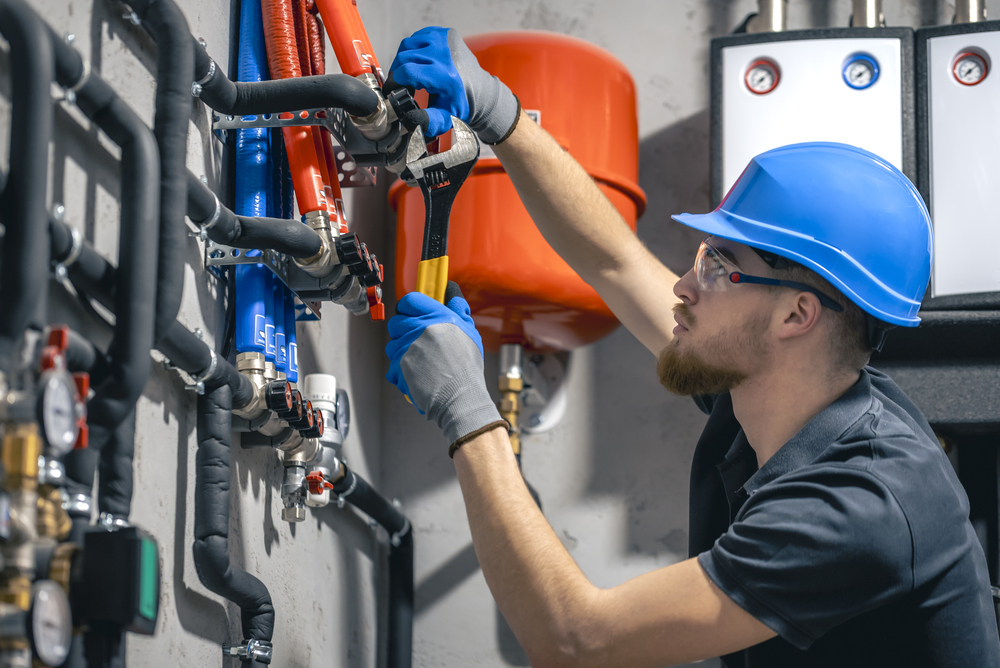
What is Hygienic Piping and Why is it Important? Hygienic piping is a specialized mechanical piping system that ensures the cleanliness and quality of water from its source to the end user. It is particularly preferred in hospitals, laboratories, pharmaceutical, and food production facilities, where materials like stainless steel that do not harbor bacteria are used. This protects user health and ensures full compliance with legal hygiene standards. The most important feature of hygienic piping systems is their ability to minimize the risk of infectious diseases, providing safe usage. Additionally, the system's easy-to-clean nature makes maintenance processes highly practical. Proper design and implementation of these systems are crucial in areas where hygiene is critical. We offer tailored solutions for the needs of the hygienic piping industry. From design to installation, we apply our engineering expertise and experience to create long-lasting and reliable systems. Which Materials Are Preferred in Hygienic Piping? Materials used in hygienic piping systems must not compromise water quality, must be bacteria-resistant, and must be easy to clean. Therefore, every material chosen must meet both health standards and long-term usability criteria. Stainless steel (especially AISI 304 and AISI 316L grades) is the most commonly used material in hygienic piping systems. Its corrosion-resistant structure, smooth inner surface, and ease of sterilization make it ideal for use in hospitals, laboratories, pharmaceutical, and food production facilities. This material preserves water quality by not altering its physical or chemical properties. Special gaskets, clamps, hygienic valves, flow control equipment, and leak-proof fittings are also integral components of the system. All these components must comply with international hygiene standards and be integrated to ensure system integrity. Why is Hygienic Piping Important in the Food and Pharmaceutical Industries? The food and pharmaceutical industries require the highest hygiene standards in their production processes. The hygienic transfer of water and other liquids is vital for product safety and public health. Hygienic piping systems ensure cleanliness at every stage of the production line. Thanks to stainless steel pipes, hygienic valves, and special connection systems, liquids are transported without contamination. This minimizes the risk of microorganisms, bacteria, or chemical residues. Additionally, the easy-to-clean design of these systems saves time during cleaning and maintenance, supporting production continuity. We meet high safety standards with hygienic piping solutions tailored for the food and pharmaceutical industries. By establishing systems compliant with national and international regulations, we aim to create a seamless and sustainable hygiene infrastructure in production areas. What Are the Most Common Problems in Hygienic Piping Systems? Since hygienic piping systems serve sensitive applications, even minor issues can lead to serious consequences. Therefore, the design and implementation of the system, as well as identifying and preventing potential problems, are of great importance. One of the most common issues is inadequate material selection. Using unsuitable alloys instead of stainless steel can cause corrosion over time, compromising water quality. Improper pipe slopes or faulty installation can lead to liquid accumulation and bacterial growth. Additionally, leaks at connection points can cause both hygiene risks and energy losses. Neglecting cleaning and maintenance can lead to biofilm formation and long-term performance degradation. Furthermore, inadequate design and non-compliant applications shorten the system's lifespan and burden users with additional costs. What Should Be Considered When Installing Hygienic Piping? The installation of hygienic piping systems is not only a technical process but also critical for health. In areas like food, pharmaceuticals, healthcare, and laboratories where hygiene is paramount, proper installation directly impacts product quality and user safety. The choice of materials is of primary importance during installation. Stainless steel (preferably AISI 316L) must have a smooth inner surface and be corrosion-resistant. During the design phase, the system's flow direction, pipe slopes, and connection points must be accurately determined to ensure liquids flow without pooling and cleaning processes are seamless. Leak-proof fittings and hygienic gaskets should be used, and welding must be performed by expert teams. Precision in measurements and installation is critical for both safe operation and maintenance ease. Post-installation leak tests and cleaning procedures must be thoroughly completed. How is Hygienic Piping Maintained and Cleaned? Regular maintenance and cleaning are essential for the healthy and uninterrupted operation of hygienic piping systems. In sensitive sectors like food, pharmaceuticals, and healthcare, even minor contamination or residue can reduce production quality and create serious hygiene risks. Therefore, cleaning processes must be conducted periodically and professionally. The most common cleaning method is the CIP (Clean-In-Place) system. This method allows the system to be cleaned without disassembly by passing cleaning solutions through the pipes, effectively cleaning surfaces. The chemicals used must be non-damaging to stainless steel and residue-free. During maintenance, components like valves, connection points, gaskets, and filters should be regularly inspected, and worn or leaking equipment should be replaced promptly. Additionally, leak and flow tests must not be neglected. SS Proje provides technical support for the maintenance and cleaning of the hygienic piping systems it installs, ensuring long-term operation. Our professional approach ensures your systems remain safe and hygienic at all times. What New Technologies Are Used in Hygienic Piping Solutions? Hygienic piping systems are becoming more secure, efficient, and sustainable with technological advancements. The increasing quality expectations in the food, pharmaceutical, and healthcare sectors necessitate continuous innovation in these systems. Today, automatic cleaning systems (CIP - Clean-In-Place) eliminate the need for manual cleaning, saving time and minimizing human error. These systems, supported by special sensors, can automatically detect when cleaning is complete. Additionally, smart sensors monitor parameters like temperature, pressure, and flow in real-time, keeping system performance under constant control. The use of orbital welding technology in stainless steel piping systems ensures smooth inner surfaces, reducing bacterial growth risks. Advanced sealing technologies in hygienic fittings enable the installation of longer-lasting and safer systems. As SS Proje, we closely follow the latest technologies in hygienic piping applications and effectively incorporate these innovations into our projects. Our goal is to provide solutions that meet not only today's needs but also future requirements.
See More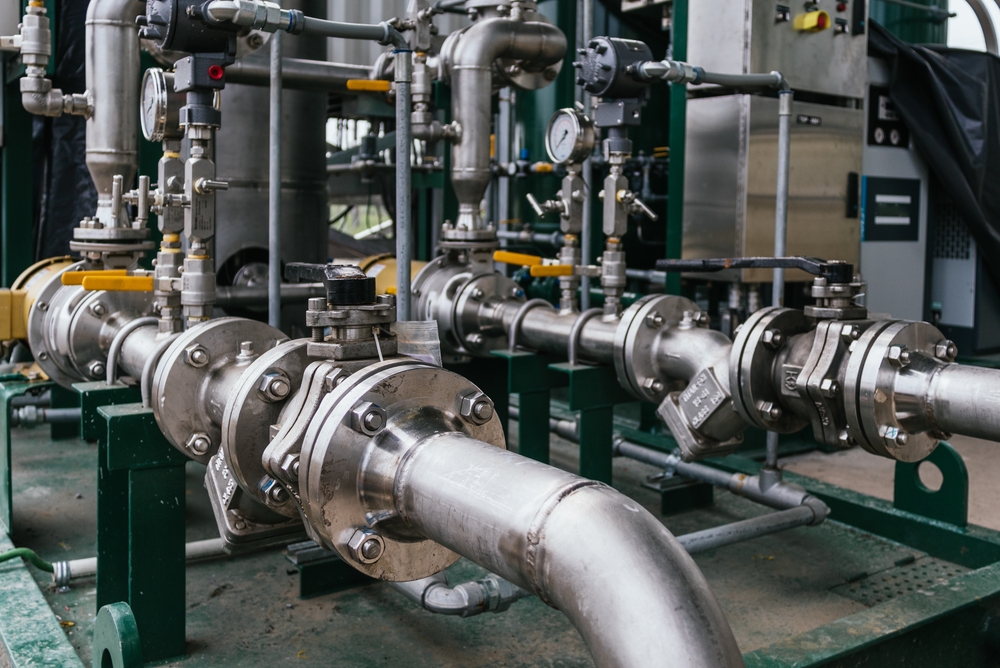
What is Industrial Hygienic Piping and Where is it Used? Industrial hygienic piping refers to specialized piping systems designed to ensure the hygienic transportation of liquids and gases used in production processes. These systems are designed with materials that prevent bacterial growth, are easy to clean, and have high chemical resistance, particularly at points of direct contact with the product. Notably, stainless steel pipes, hygienic valves, gaskets, and specialized fittings form the core components of the system. Industrial hygienic piping is used in sectors where product safety and quality standards are of critical importance. The main application areas include: Food and beverage production: Processing and transportation of milk, fruit juice, beer, water, and other food products under hygienic conditions. Pharmaceutical and biotechnology sector: Safe transportation of medicines and medical products in sterile production environments. Cosmetics production: Processing of products that come into direct contact with the skin in compliance with hygienic standards. Chemical industry: Controlled transfer of pure chemicals and liquids. SS Proje provides engineering solutions tailored to the specific dynamics of each sector in industrial hygienic piping solutions. With our expertise, we make your production processes both safe and sustainable. What is the Main Purpose of Hygienic Piping in Industrial Facilities? The primary purpose of hygienic piping in industrial facilities is to ensure the safe transportation of liquids and gases used in production processes without the risk of contamination, pollution, or bacterial growth. In sectors producing products that directly impact human health, these systems are both a legal requirement and an integral part of quality assurance systems. Hygienic piping systems are designed with smooth, stainless, and easy-to-clean materials that prevent microorganism growth on surfaces in contact with the product. This ensures that product quality is maintained throughout the production line, eliminates contamination risks, and prevents unplanned downtime. These systems facilitate cleaning and maintenance processes, ensure production continuity, and reduce operating costs. In sensitive sectors such as food, pharmaceuticals, cosmetics, and chemicals, the proper design and implementation of hygienic piping are critical for product safety and brand reputation. As SS Proje, we provide tailored hygienic piping solutions for industrial facilities, establishing safe, hygienic, and sustainable systems to secure your production processes. Which Standards Are Hygienic Piping Systems Designed According To? Hygienic piping systems, used in sectors directly affecting human health, must be designed in accordance with national and international technical standards. These standards ensure the system operates in safe, durable, and sterile conditions. Some of the most commonly referenced standards include: ASME BPE (Bioprocessing Equipment): The most comprehensive standard for piping systems in biotechnology, pharmaceutical, and healthcare sectors, detailing material quality, surface roughness, welding methods, and cleaning criteria. DIN 11850 / DIN 11866: Widely used in Europe, these standards address the dimensions, connection details, and tolerances of stainless steel pipes. 3-A Sanitary Standards: Defines hygiene criteria for equipment used in the food and dairy industries. FDA (U.S. Food and Drug Administration): Oversees the suitability of surfaces in contact with food and pharmaceuticals. EHEDG (European Hygienic Engineering & Design Group): A key European organization providing guidance on hygienic design. We plan and implement all our hygienic piping projects in compliance with these international standards. With the right engineering approach, we ensure both your facility’s safety and support long-term performance. Why is Stainless Steel Preferred in Industrial Hygienic Piping? The use of stainless steel in industrial hygienic piping systems offers significant technical and hygienic advantages. As production lines in direct contact with products must be durable, cleanable, and health-compliant, stainless steel stands out as the ideal material. The main reasons for preferring stainless steel include: Corrosion Resistance: Offers long-term use even in acidic or alkaline environments, critical for resistance to cleaning chemicals. Hygienic Surface Structure: Its smooth, non-porous surface prevents bacterial adhesion and microorganism growth, contributing to sterile environments. Ease of Cleaning: Can be cleaned without leaving residues and is fully compatible with CIP (Clean-In-Place) systems. Heat and Pressure Resistance: Operates without deformation under high temperatures and pressures, providing significant advantages for process safety. Longevity and Low Maintenance: Its durability reduces maintenance needs and lowers operating costs. SS Proje uses only certified stainless steel materials in industrial hygienic piping applications, establishing long-lasting, safe, and standards-compliant systems. This ensures both hygiene and efficiency in your production processes. What Should Hygienic Piping Be Like in Food Production Facilities? In food production facilities, hygienic piping is one of the most critical infrastructure components for product safety and consumer health. These systems ensure that water, steam, cleaning chemicals, or liquid food products are transported without contamination. Therefore, the entire piping system must be designed and implemented in accordance with hygienic design principles. Pipes used in the system must be stainless steel (preferably AISI 304 or 316L), with smooth inner surfaces and flawless welded sections to eliminate bacterial adhesion risks. Welding should be performed using orbital welding technology, and sealing components must use FDA-approved materials. Additionally, the system must be installed with proper slopes to prevent liquid pooling. Cleaning continuity is essential in food production. Therefore, hygienic piping must be designed to be compatible with CIP (Clean-In-Place) systems and resistant to cleaning chemicals. Connection points should be easily detachable, and valves, gaskets, and filters should be positioned for regular maintenance. SS Proje considers sectoral requirements and international hygiene standards in hygienic piping solutions for the food industry, creating reliable and sustainable systems tailored to each facility. We expertly build infrastructure that maintains your facility’s production quality. What Are the Technical Details to Consider in Hygienic Piping Installation? The installation of hygienic piping systems requires not only the right material selection but also high technical precision. In hygiene-focused sectors like food, pharmaceuticals, and cosmetics, flawless installation is critical for production safety, ease of cleaning, and longevity. The main technical details to consider during installation include: Material Suitability: Pipes, fittings, and gaskets must be stainless steel and selected to be compatible with CIP systems. All equipment must comply with international hygiene standards like FDA and ASME BPE. Slope and Flow Direction: Piping must be installed with appropriate slopes to prevent liquid accumulation and contamination risks. The flow direction should be planned with cleaning and maintenance ease in mind. Orbital Welding Application: Welding must be smooth, homogeneous, and free of cracks, with weld points polished and no burrs left on the inner surface. Sealing: Gaskets, gasket seats, and fittings must be installed to ensure micro-sealing, with all connections being hygienic. Cleaning and Accessibility: All system parts must be accessible during cleaning, avoiding blind spots and enclosed volumes. Manual cleaning or automated CIP lines should be integrated where necessary. Testing and Approval Process: Post-installation, the system must undergo leak, pressure, and cleaning tests before commissioning. SS Proje approaches hygienic piping installations with meticulous attention to these technical details. In every application, compliance with standards, long-term use, and hygiene safety are our priorities. We treat the installation process not just as setup but as an engineering phase that guarantees seamless system operation.
See More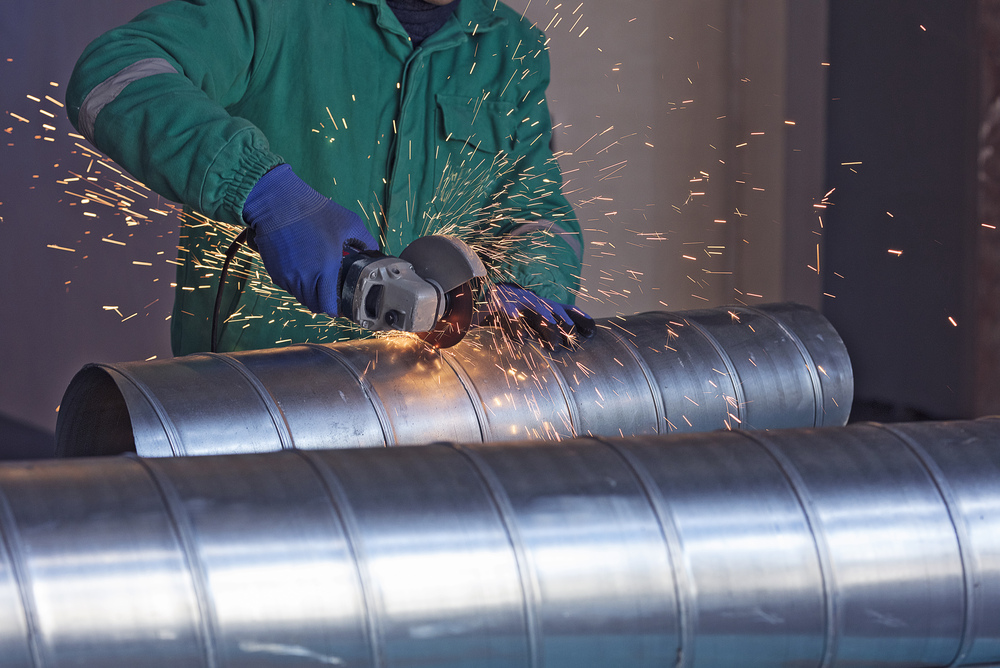
What is Hygienic Stainless Steel Piping and Where is it Used? Hygienic stainless steel piping is a specialized piping system used in production processes that directly affect human health, designed to prevent microbiological contamination. The stainless steel pipes used in these systems are selected for their high surface smoothness, strong corrosion resistance, and full compatibility with cleaning processes. In particular, AISI 304 and 316L grade stainless steel are commonly preferred in hygienic piping systems. These piping systems are supported by techniques such as orbital welding, special gaskets, hygienic connection components, and automatic cleaning systems (CIP) to meet high hygiene standards while providing a long-lasting and leak-proof system. The primary goal is to prevent residue accumulation on inner surfaces, ensure smooth fluid flow, and eliminate bacterial growth. Hygienic stainless steel piping is widely used in the following areas: Food and beverage production facilities Pharmaceutical and biotechnology industry Cosmetics production facilities Healthcare and medical product manufacturing Chemical and cleaning product manufacturing As SS Proje, we design and implement stainless steel piping systems that meet the high hygiene requirements of these sectors in accordance with international standards. Our goal is to make our clients’ production processes safe, hygienic, and sustainable. What Are the Advantages of Stainless Steel for Hygienic Piping? Stainless steel is one of the most preferred materials for hygienic piping systems. Its use in sectors such as food, pharmaceuticals, cosmetics, and healthcare, which require high hygiene standards, stands out due to its technical performance and health-related benefits. Here are the main advantages of stainless steel for hygienic piping: Corrosion Resistance: It exhibits high resistance to acidic and alkaline environments, ensuring long-term use without degradation against cleaning chemicals. Smooth Surface Structure: Its glossy, non-porous surface prevents microbial and bacterial adhesion, facilitating hygienic cleaning. Ease of Cleaning: Fully compatible with CIP (Clean-In-Place) and SIP (Sterilize-In-Place) systems, reducing cleaning time and ensuring production continuity. Temperature and Pressure Resistance: Maintains its structure under high temperatures and pressures, resulting in a safe and efficient production process. Mechanical Durability: Resistant to external factors such as impact, abrasion, and vibration, extending the lifespan of the piping system. Food and Pharmaceutical Compliance: Complies with international hygiene standards such as FDA, ASME BPE, 3-A, containing no substances harmful to human health. As SS Proje, we maximize the benefits of stainless steel, implementing hygienic piping projects that are safe, sustainable, and compliant with standards. Which Types of Stainless Steel Are Preferred in Hygienic Piping? In hygienic piping, AISI 304 and AISI 316L stainless steel types are generally preferred. Below is a brief overview of their properties and why they are chosen: AISI 304 Stainless Steel: The most commonly used stainless steel type, it is corrosion-resistant, easily workable, and cost-effective. It is widely used in food and beverage sectors for standard hygienic applications. AISI 316L Stainless Steel: Offers higher corrosion resistance, particularly in environments with chlorides or aggressive chemicals. It is commonly used in pharmaceutical and biotechnology sectors with more stringent hygiene requirements. The “L” indicates low carbon content, reducing corrosion risks post-welding. Both types have smooth, non-porous surfaces that prevent microbial adhesion, are easy to clean, and comply with international hygiene standards. We select the most suitable stainless steel type for your projects based on the application and environmental conditions, designing systems to these standards. How Are Stainless Steel Pipes Joined in Hygienic Piping? The joining of stainless steel pipes in hygienic piping is critical for ensuring the system’s hygiene, leak-proof nature, and durability. The most common and preferred method is the orbital welding process. In this method, pipes are automatically welded using specialized machines, resulting in a smooth, crack-free, and non-porous weld seam. This prevents bacterial and dirt accumulation, facilitating cleaning. Additionally, Tri-Clamp clamp connections, frequently used in hygienic piping, enable fast and secure pipe joining. This connection method allows for easy disassembly and reassembly during maintenance and cleaning. While threaded or flanged connections may be used in some cases, extra attention must be paid to leak-proofing and hygiene conditions in these methods. Polishing the inner surfaces after welding is a critical step to prevent microbial adhesion and ensure hygiene standards. As SS Proje, we use the most appropriate joining methods to provide long-lasting and hygienic solutions for your piping systems. What Advantages Do Weldless Stainless Steel Connections Offer? Weldless stainless steel connections offer significant advantages in hygienic piping systems, both in terms of ease of installation and maintenance practicality. These connections allow pipes to be joined using specialized components without welding. Examples include Tri-Clamp (clamped), compression, and flanged systems. The primary advantage is their removable structure, which allows for easy maintenance, cleaning, and component replacement. This ensures uninterrupted production and facilitates regular hygiene checks. Additionally, weldless systems avoid inner surface irregularities that may occur during welding, reducing bacterial accumulation risks and enhancing hygiene levels. Weldless connections also preserve the material’s structural integrity by avoiding heat exposure, eliminating deformation risks. This contributes to the system’s longevity. As SS Proje, we integrate weldless system solutions into projects as needed, making installation and maintenance processes more practical. This ensures both hygiene standards and adds flexibility to your production processes. How is Cleaning Achieved in Stainless Steel Piping Systems? Cleaning in stainless steel piping systems is critical for maintaining the system’s hygienic structure and preventing microbial contamination. The most commonly used cleaning method is CIP (Clean-In-Place), a closed-loop system that cleans inner surfaces automatically without disassembling the piping. In the CIP system, hot water, chemical solutions, and rinse water are circulated through the piping at specific temperatures and pressures. This process removes residues, oils, proteins, and microorganisms from the inner surfaces of the pipes. The smooth, non-porous structure of stainless steel ensures that cleaning agents are evenly distributed across all surfaces, leaving no residues. In some cases, manual cleaning (SIP – Sterilize-In-Place) may be preferred. In this method, specific system components are disassembled for detailed manual cleaning, typically applied to hard-to-reach or specialized areas. As SS Proje, we prioritize CIP compatibility in the stainless steel piping systems we install, designing and assembling systems to maximize cleaning efficiency. This ensures both hygiene and operational continuity. Why is Stainless Steel Use Important in the Food and Pharmaceutical Sectors? The use of stainless steel in the food and pharmaceutical sectors is essential for ensuring product safety and maintaining hygiene standards. Materials used in these sectors must not cause chemical reactions that threaten human health during production, must not promote microbial contamination, and must be easily cleanable. Stainless steel is one of the few materials that meets all these criteria. Its smooth, non-porous surface prevents bacterial adhesion, and its full compatibility with CIP and SIP systems allows for effective cleaning without disassembling the production line. Additionally, stainless steel is highly resistant to temperature changes, cleaning chemicals, and corrosive substances, ensuring uninterrupted and safe production processes. As SS Proje, we leverage the advantages of stainless steel to provide hygienic piping solutions in the food and pharmaceutical sectors. Our system designs and implementations, compliant with international standards, support production safety and ensure businesses fully meet legal and sectoral requirements.
See More
What Piping Systems Are Used in the Food Industry? Piping systems used in the food industry are specially designed to ensure production processes are conducted in a hygienic, safe, and efficient manner. Every system that comes into direct contact with food must be installed to prevent microbial contamination and be easy to clean. Therefore, both the materials used and the application techniques are chosen with utmost care. Commonly used piping systems in the food industry include hygienic stainless steel piping systems, CIP (Clean-In-Place) cleaning lines, process lines, heating-cooling lines, liquid and semi-fluid product transfer systems, mixing and dosing units, filtration systems, storage tanks, and pump & valve systems. These systems both maintain product quality during production and facilitate cleaning and maintenance. All piping systems must comply with international hygiene standards such as FDA, 3-A, EHEDG applicable to food production. In particular, pipe inner surface roughness, connection methods, and sealing components are critical to mitigating contamination risks. As SS Proje, we provide system solutions that ensure high hygiene, reliability, and efficiency for all piping needs specific to the food industry. With our engineering approach tailored to industry dynamics, we create safe and sustainable infrastructure for your production lines. Why is Hygiene Critical in Food Piping Systems? Hygiene in food piping systems is critical because it directly impacts human health. Pipes, tanks, valves, and connection equipment used in the production process are in constant contact with food products. During this contact, microbial residues, bacteria, or chemical deposits that accumulate in the system can lead to product spoilage, contamination, and consequently, public health risks. In a facility where hygiene is not maintained, product quality declines, shelf life shortens, and recall risks increase. Additionally, a lack of hygiene can violate the facility’s legal responsibilities, leading to severe penalties during inspections and damage to brand reputation. Therefore, all systems used in food piping must be easy to clean, leak-proof, and have smooth surfaces. As SS Proje, we prioritize hygiene as the primary criterion in our piping solutions for the food industry. From stainless steel piping systems to CIP cleaning lines, we design and implement all infrastructure in compliance with international hygiene standards. This ensures both product safety and supports production continuity. Which Piping Systems Are Preferred in Food Production? Piping systems preferred in food production must meet high standards for hygiene, durability, and cleanliness. Therefore, the most commonly used piping systems are hygienic stainless steel pipes. In particular, AISI 304 and AISI 316L grade stainless steel pipes are preferred in areas with direct food contact. These pipes, with their non-porous and smooth inner surfaces, prevent microbial adhesion and are fully compatible with cleaning systems like CIP (Clean-In-Place) and SIP (Sterilize-In-Place). In addition, food-compatible plastic pipes (e.g., PFA, PTFE, PP, or PVDF) may be used in specific applications. However, these pipes are typically used in acidic or low-temperature lines as supplementary systems. For main transfer lines, stainless steel is the primary choice due to its longevity, thermal resistance, and hygiene advantages. Pipes used in food production that are electropolished reduce surface roughness, enhancing hygiene levels. It is also important that connection components in piping systems are clamped (tri-clamp), gasketed, and leak-proof. Why is Stainless Steel Used in Piping Systems Specific to the Food Industry? The primary reason for using stainless steel in piping systems specific to the food industry is its ability to meet hygienic requirements and its superior performance in terms of durability. Surfaces in direct contact with food must be easy to clean, resistant to microbial adhesion, and chemically resistant. Stainless steel, with its smooth and non-porous structure, prevents bacterial adhesion to surfaces, thereby minimizing contamination risks. Additionally, stainless steel is resistant to high temperatures and pressures, allowing processes like steam sterilization to be safely applied. Its resistance to cleaning chemicals and acidic substances ensures longevity, enabling years of use without deformation. It is also fully compatible with CIP (Clean-In-Place) systems commonly used in food production. As SS Proje, we use AISI 304 and AISI 316L grade stainless steel for all piping and connection systems in food production facilities, maintaining hygiene standards and ensuring sustainability of production processes. This protects product quality and ensures full compliance with legal and industry audits. How is Cleaning and Sterilization Achieved in Food Piping Systems? Cleaning and sterilization in food piping systems are essential processes to ensure product safety and prevent microbial contamination. These processes ensure the system is cleaned at regular intervals and hygiene is consistently maintained. One of the most commonly used methods is the CIP (Clean-In-Place) system. CIP involves circulating hot water, detergents, and disinfectants through the pipes in a closed loop without disassembling the system. This method saves time and ensures the production line remains hygienic without interruption. After cleaning, rinse water is used to completely remove residual chemicals from the system. In some specialized production lines, the SIP (Sterilize-In-Place) method, which uses high-temperature steam sterilization, is applied. This process completely eliminates microorganisms from the system. The smooth inner surface of stainless steel enhances the effectiveness of cleaning and sterilization processes. Additionally, clamped (Tri-Clamp) connections allow necessary sections of the system to be easily opened and inspected. As SS Proje, we design all food piping systems to be fully compatible with CIP and SIP systems, ensuring hygiene is sustainable not only initially but throughout the entire production process. How Do CIP Systems Work in Food Production Facilities? In food production facilities, CIP (Clean-In-Place) systems provide a hygienic solution for automatically and effectively cleaning the production line in a closed loop without disassembly. The CIP system cleans the inner surfaces of pipes, tanks, valves, and other process equipment using chemical detergents, hot water, and disinfectants without interrupting the production process. The system begins with a pre-rinse to remove product residues. Then, alkaline or acidic detergents are introduced to dissolve contaminants like fats and proteins. After cleaning, a rinse is performed to completely remove chemical residues. In the final stage, sterilization is often achieved using steam or chemical disinfectants. The automated control of CIP optimizes water and chemical usage, minimizes human error, and shortens cleaning times. Additionally, the smooth inner surfaces of stainless steel piping systems enable CIP processes to occur with high efficiency. As SS Proje, we integrate CIP systems in food production facilities using the latest technologies, making your piping infrastructure both hygienic and economically sustainable. This helps safeguard your production quality.
See More
What Are Hygienic Piping Systems and Where Are They Used? Hygienic piping systems are specialized piping systems designed with surfaces in contact with products that are easy to clean, resistant to bacterial growth, and highly chemically stable. These systems typically use stainless steel (particularly AISI 304 and 316L grades), with inner pipe surfaces processed to maintain a low roughness level. Additionally, pipes are joined using clamped (tri-clamp) connections to ensure leak-proof seals and facilitate cleaning processes. Hygienic piping systems are used in: Food production facilities (milk, snacks, meat processing, etc.), Pharmaceutical and biotechnology industries, Beverage industry, Cosmetics manufacturing facilities, Production of cleaning and personal care products. The primary goal of these systems is to ensure product safety, prevent microbial contamination, and enhance the efficiency of cleaning processes during production. Their compatibility with CIP (Clean-In-Place) and SIP (Sterilize-In-Place) systems allows for hygiene maintenance without halting production. As SS Proje, we design and implement hygienic piping systems tailored to industry needs, adhering to international standards, and providing reliable infrastructure to support your production processes safely. Which Materials Are Preferred in Hygienic Piping Systems? Hygienic piping systems play a critical role in product safety and quality control, particularly in the food, pharmaceutical, cosmetics, and beverage industries. Therefore, the materials used must ensure ease of cleaning and possess high chemical and physical durability. The most commonly used material is stainless steel. In particular, AISI 304 and AISI 316L grade stainless steels are frequently chosen for hygienic applications. AISI 304 meets general hygiene requirements, while AISI 316L is preferred in environments with aggressive chemicals or high corrosion risks. These steel types, with their smooth surfaces, prevent bacterial buildup and enhance the effectiveness of cleaning processes. Additionally, gaskets and connection components use food-contact-safe elastomers such as EPDM, PTFE (Teflon), and silicone. These materials are resistant to heat and chemicals, ensuring the system’s leak-proof integrity. As SS Proje, we carry out system designs using materials compliant with international hygiene standards, offering long-lasting and safe solutions. This ensures both quality and sustainability in your production processes. Why Is Pipe Inner Surface Roughness Important for Hygiene? One of the most critical technical details in hygienic piping systems is the inner surface roughness of pipes. This is because the surfaces in contact with liquid or semi-liquid products during production directly determine the hygiene level. Rough surfaces provide a breeding ground for bacteria, microorganisms, and product residues at a microscopic level. Over time, this leads to contamination, product spoilage, and hygiene issues in the production line. Moreover, cleaning a rough inner surface is more challenging and requires more water and chemical consumption, reducing cleaning efficiency and increasing costs. Hygienic pipes typically aim for low roughness values, such as Ra ≤ 0.8 microns. This level of surface smoothness prevents bacterial growth and allows for easy and effective cleaning with CIP (Clean-In-Place) systems. As SS Proje, we place special emphasis on inner surface quality in piping systems, establishing safe, long-lasting, and trouble-free production infrastructure with surface roughness compliant with international hygiene standards. What Are the Connection Methods for Hygienic Pipes? The method of joining pipes in hygienic systems is critical for the system’s cleanability, leak-proof nature, and long-term hygiene performance. Therefore, connection methods are designed with much greater care compared to conventional systems. Tri-Clamp (Clamped) Connections: The most common connection type in hygienic systems. In tri-clamp systems, two pipe ends are joined with a gasket and secured with a stainless steel clamp. This method allows for easy disassembly, offering quick cleaning and maintenance. It is ideal for systems requiring frequent assembly and disassembly. Welded Connections: Highly reliable in terms of leak-proofing, this method reduces maintenance needs. However, the weld must be performed accurately, maintaining a smooth inner surface, and post-weld passivation processes must be thoroughly applied. It is preferred for permanent connections in stationary lines. Threaded and Flanged Connections: Rarely used in hygienic systems. They are employed in limited cases for lines exposed to external environments or where disassembly is required. Surface contact must be minimized, and gasket materials must comply with hygienic standards. How Is Leak-Proofing Achieved in Hygienic Piping Systems? Leak-proofing in hygienic piping systems not only prevents liquid or gas leaks but is also crucial for preventing microbial contamination, facilitating cleaning processes, and ensuring product safety. In sensitive production areas like food, pharmaceuticals, and cosmetics, a hygienic leak-proof system is essential. Leak-proofing is typically achieved with specially designed gaskets and connection components. One of the most common methods is the tri-clamp connection system. In this system, a hygienic gasket (usually EPDM, PTFE, or silicone) placed between two pipe ends, combined with a stainless steel clamp, creates a high-pressure-resistant, leak-proof structure. Gaskets are selected from FDA-approved, food-contact-safe materials. Additionally, welded connections also provide leak-proofing; however, care must be taken to ensure the inner surface smoothness is not compromised post-welding, and the passivation process must be correctly applied. This process eliminates potential corrosion risks in the weld area and restores the pipe surface to a passive state. How Should Maintenance and Cleaning Processes Be Conducted in Hygienic Piping Systems? Regular maintenance and cleaning are vital for the efficient, safe, and healthy operation of hygienic piping systems. In sensitive industries like food, pharmaceuticals, and cosmetics, even minor cleaning oversights can lead to microbial contamination risks. Therefore, maintenance and cleaning processes must be planned, controlled, and conducted in accordance with standards. Cleaning in hygienic piping systems is typically performed using the CIP (Clean-In-Place) method. This system allows pipes to be cleaned automatically with chemicals and hot water without disassembly. The cleaning cycle includes rinsing, washing, disinfection, and final rinsing steps. CIP systems save time and minimize human error. The maintenance process involves checking gaskets, ensuring the tightness of connection components, testing valve leak-proofing, and inspecting pipe inner surfaces for potential residues or deformations. Periodic inspections help maintain the system’s hygiene level and prevent failures.
See More
Table of Contents SS Project What It Is and What It Offers Facility Efficiency Importance Energy Management and Conservation Methods Automation Systems Role Project Planning and Analysis Processes Digital Transformation and Industry 4.0 Applications Cost Reduction Strategies Performance Monitoring and Continuous Improvement Sectoral Success Stories Long-Term Collaboration and Support Services Technology in Efficiency and the Balance of Human Factor SS Project What It Is and What It Offers SS Project is one of the leading firms offering comprehensive engineering solutions to maximize the efficiency of industrial facilities' production and management processes. With its expert team, it provides advanced services in areas such as energy management, process optimization, automation, and mechanical and electrical project planning. The solutions offered by SS Project are tailored to the specific sector in which the business operates. Thus, the unique needs of each facility are accurately analyzed, and the most suitable solutions are developed. Beyond mere consultancy, it supports implementation and field management, ensuring the successful execution of projects. With years of experience and an innovative approach, SS Project holds a prestigious position in Turkey and on the international stage. By utilizing modern technologies, it optimizes resource use in facilities. This increases production quality while reducing operational costs. The primary goal of SS Project is to ensure facilities are sustainable and competitive. By aligning with Industry 4.0 trends, it accelerates businesses’ digital transformation processes. Developing solutions that enable businesses to adapt quickly to changing market conditions is one of SS Project’s most important objectives. Facility Efficiency Importance In industrial facilities, efficiency is the fundamental condition for gaining a competitive advantage. The efficient use of resources, optimization of production processes, and minimization of energy consumption directly impact businesses’ profitability. Rising energy prices and environmental awareness make it essential for facilities to focus more on operational efficiency. Enhancing efficiency reduces production costs while improving product quality and customer satisfaction. Efficiency is not limited to energy and raw material savings. It also encompasses workforce efficiency, effective maintenance process management, and the prevention of time losses, which are integral parts of this concept. Facility managers must continuously develop strategies to enhance efficiency. These strategies ensure the long-term sustainability of the business. Therefore, facility efficiency shapes not only the present but also the future. Adopting an efficiency culture across the facility yields positive results in every department of the business. This creates a critical difference for sector leadership. Energy Management and Conservation Methods Energy is one of the largest cost items in industrial facilities and can lead to significant losses if not managed properly. SS Project conducts comprehensive analyses to increase energy efficiency in facilities and identifies energy consumption points. Based on this data, it designs and implements systems to minimize energy losses. Improvements in HVAC systems, pumps, and electric motors prevent unnecessary energy consumption. Optimizations in high-energy-consumption infrastructures, such as compressed air systems and lighting, provide significant savings for businesses. Energy efficiency not only reduces costs but also contributes to environmental sustainability by lowering the carbon footprint. In today’s industry, energy management has become a cornerstone of operational efficiency. The integration of renewable energy sources and smart energy management systems enables facilities to meet their energy needs in more environmentally friendly and cost-effective ways. In this context, SS Project develops energy-saving solutions while helping businesses achieve their sustainability goals. Automation Systems Role Automation systems are critical in reducing human errors and ensuring the continuity of production processes in facilities. SS Project develops facility-specific automation solutions, enabling seamless data flow between machines and systems. This integration reduces operational disruptions and increases production speed. Automation standardizes production processes and strengthens quality control. Data-driven automation systems provide real-time control and intervention capabilities during production. These systems predict maintenance needs, preventing unplanned downtime. This enhances the facility’s efficiency and safety. With Industry 4.0, the importance of automation has grown further. SS Project establishes AI and machine learning-supported automation systems, facilitating the digitalization and optimization of production processes. This increases flexibility and speed in facilities while reducing costs. Automation systems, with their data collection and analysis capabilities, also enable businesses to develop future-oriented strategies. Project Planning and Analysis Processes Proper planning and analysis are essential for the success of projects aimed at increasing efficiency. SS Project thoroughly examines the current state of facilities and conducts comprehensive analyses. Parameters such as operational infrastructure, processes, equipment condition, and resource use are considered. Based on this data, feasibility reports and engineering calculations are prepared. During the project planning phase, material selection, labor quality, and compliance with legal regulations are meticulously ensured. These processes guarantee that the project is fast, cost-effective, and sustainable. SS Project’s disciplined approach ensures long-term efficiency gains in facilities. Additionally, detailed risk analyses identify potential issues in advance, allowing preventive measures to be taken. This shortens the return on investment period and ensures effective resource use. The project team works in coordination with all stakeholders to ensure transparent and swift progress. This approach maintains high-quality standards. Digital Transformation and Industry 4.0 Applications In the era of Industry 4.0, digitalization is at the heart of production processes. SS Project accelerates digital transformation by implementing AI-supported monitoring systems, remote access solutions, and data analytics infrastructure in facilities. These systems allow real-time performance monitoring and instant process optimizations. Digitalization facilitates the analysis of past production data. SS Project connects facility equipment through IoT (Internet of Things) applications, strengthening communication between machines and making production lines more flexible. Digital transformation enhances transparency in production, enabling early error detection. This minimizes production interruptions and improves maintenance planning. These applications also ensure businesses remain competitive. With technological infrastructure and data management, SS Project offers its clients the factories of the future. Cost Reduction Strategies One of the main goals of increasing efficiency in facilities is operational cost reduction. SS Project examines every stage of processes to identify unnecessary expenses and create savings opportunities. It offers concrete solutions in areas such as energy savings, material optimization, and reducing maintenance costs. Planned maintenance systems extend equipment lifespan while minimizing breakdown costs. Additionally, training and process improvements enhance workforce efficiency. This comprehensive approach allows businesses to control costs and increase profitability. SS Project develops cost-effective solutions that accelerate return on investment. Cost reduction strategies provide not only short-term savings but also long-term sustainable success. Since each sector has unique dynamics, SS Project creates customized cost reduction plans to meet its clients’ specific needs. Performance Monitoring and Continuous Improvement Efficiency gains become permanent through continuous monitoring and improvement processes. SS Project collects performance data regularly through monitoring systems installed in facilities. Based on this data, areas for improvement in operational processes are identified. Performance criteria are evaluated and reported against predefined standards. Regular analyses enable quick resolution of emerging issues. The continuous improvement approach allows facilities to respond flexibly to changing needs. SS Project collaborates with its clients, offering training and consultancy services. This enhances the competencies of facility staff and strengthens the efficiency culture. Performance monitoring also enables proactive risk identification. This approach supports uninterrupted and efficient operations. Technology-supported continuous improvement facilitates businesses’ rapid adaptation to market dynamics. Sectoral Success Stories SS Project has delivered successful projects across various sectors. Its work in industries such as food, textiles, automotive, and chemicals has achieved significant efficiency gains in facilities. These projects optimized energy consumption, increased production capacity, and reduced operational costs. The customer-centric approach is evident in SS Project’s reference projects. Offering tailored solutions for each project’s unique needs sets the firm apart in the industry. Success stories inspire confidence and motivation for new clients. SS Project combines technical expertise and field experience to raise the bar with every new project. Reference projects solidify its leadership position in the sector. Thus, businesses working with SS Project achieve sustainable success both today and in the future. Long-Term Collaboration and Support Services SS Project adopts a partnership approach that extends beyond project delivery. It provides technical support, periodic maintenance, and training services to ensure the continuity of systems installed in facilities. These services ensure facilities operate at optimal performance at all times. Long-term collaboration enables timely and effective responses to business needs. SS Project supports its clients with regular performance analyses and improvement recommendations. Training programs keep employees’ knowledge and skills up to date. This approach helps facilities stay competitive and keep pace with technological advancements. Customer satisfaction is a top priority for SS Project. Strong relationships with businesses form the foundation of long-term success. Technology in Efficiency and the Balance of Human Factor Facility efficiency relies on the complementary roles of technology and the human factor. SS Project develops technological solutions while prioritizing employees’ knowledge and experience. Staff training and process optimization strengthen the human factor. This balance ensures facilities operate at high efficiency. The harmonious use of technology and human resources reduces operational errors and boosts productivity. SS Project enhances employee competencies through training and digital tools, enabling quick and effective interventions in unexpected situations. A human-centric approach plays a critical role in facilities’ sustainable success. Technology supports efficiency through process automation and data management. SS Project integrates these two elements to ensure businesses achieve maximum performance.
See More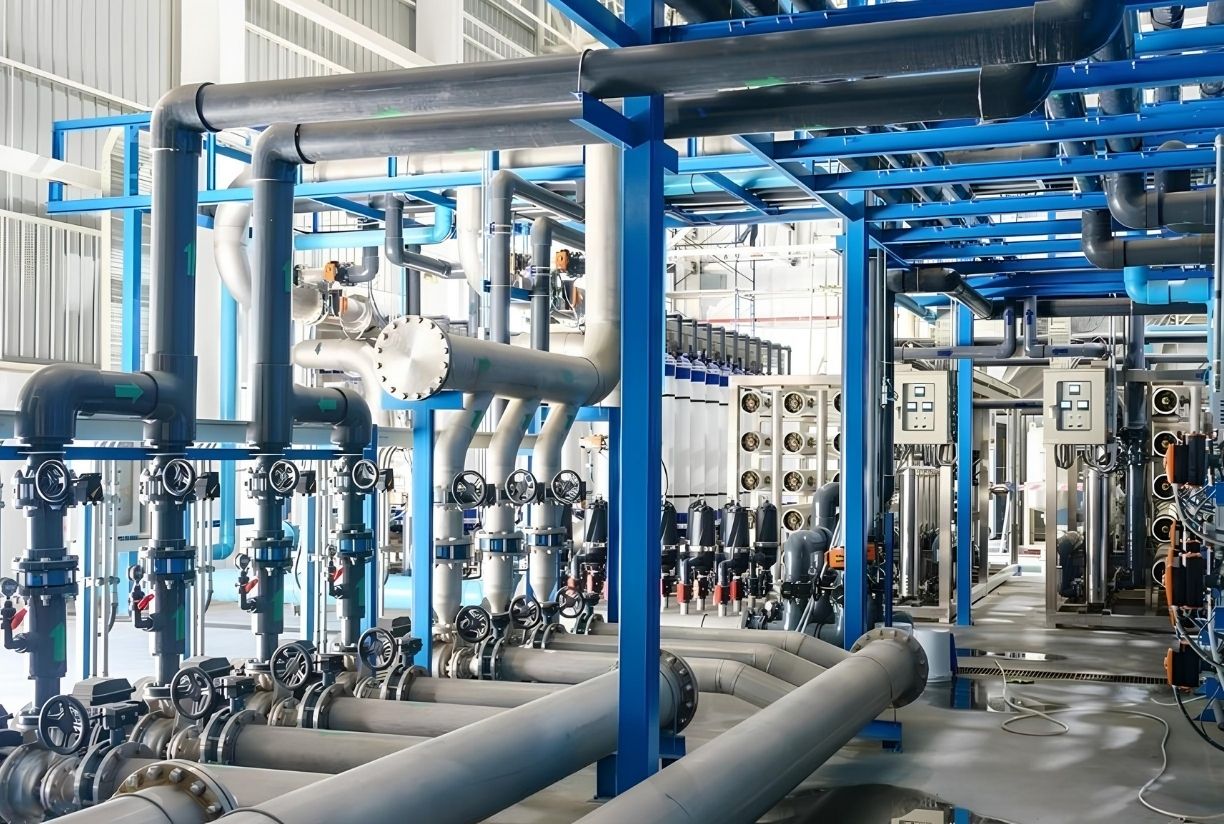
Table of Contents Sustainable Process Infrastructure Importance Energy Efficiency and Renewable Resource Integration Water Management and Wastewater Recovery Waste Management and Circular Economy Approaches Smart Automation Systems for Process Improvement Carbon Footprint Reduction and Environmental Performance Regulatory Compliance and Social Responsibility Future-Oriented Technological Developments and Innovative Approaches SS Project’s Role in Sustainable Facilities Sustainable Process Infrastructure Importance The sustainability goals of industrial facilities provide not only environmental responsibility but also economic and operational advantages. Sustainable process infrastructures optimize resource use, ensuring energy and raw material savings. These infrastructures minimize waste while enhancing process efficiency. Such systems, which boost the long-term competitiveness of facilities, form the cornerstone of sustainable production processes. SS Project offers integrated solutions to help its clients achieve these goals, making processes environmentally sensitive. Businesses, through sustainable infrastructures, secure not only the present but also the future. With growing environmental awareness, sustainability in industrial facilities has become a necessity. Sustainable practices in critical areas such as energy consumption and waste management contribute to preventing environmental pollution. Additionally, consumers and investors prefer environmentally responsible businesses, increasing the market share of sustainable facilities. SS Project integrates solutions that provide both cost advantages and reduced environmental impacts. This makes industrial production processes both more efficient and respectful of nature. Energy Efficiency and Renewable Resource Integration Energy is one of the largest cost items in industrial facilities. Therefore, achieving energy efficiency is a critical component of sustainable process infrastructures. SS Project establishes advanced energy management systems to optimize energy use. These systems monitor consumption data in real-time, preventing unnecessary energy expenditure. Additionally, integrating renewable energy sources reduces carbon emissions. The use of solar energy, wind energy, and biogas minimizes the environmental impact of facilities. SS Project offers cost-effective solutions in energy efficiency projects, supporting facilities’ energy independence. Integrating renewable energy sources into processes enhances the sustainability performance of facilities. Hybrid energy systems, in particular, ensure uninterrupted and flexible energy supply. This reduces operational disruptions and lowers energy costs. SS Project develops customized renewable energy solutions for its clients. Supported by energy storage systems, these infrastructures provide flexibility against fluctuations in energy demand. Thus, industrial facilities achieve environmentally friendly production goals while gaining economic advantages. Water Management and Wastewater Recovery Water is a critical resource in industrial production. In sustainable facilities, water management focuses on efficient use and recovery. SS Project develops technologies to minimize water consumption in facilities. Wastewater treatment and recovery systems enable water recycling, closing the water cycle. These practices contribute to reducing environmental impacts and lowering operational costs. SS Project supports facilities in achieving sustainability goals through innovative solutions in water management. Industrial water management systems ensure pollutant control and water quality improvement. Wastewater treatment and reuse reduce dependence on natural water resources. SS Project integrates high-performance water treatment technologies compliant with environmental standards. These systems facilitate compliance with environmental regulations. Water conservation ensures uninterrupted and efficient production processes. Thus, water management is a vital component of sustainable process infrastructures. Waste Management and Circular Economy Approaches Waste management in industrial facilities is a key dimension of sustainability. Reducing, reusing, and recycling waste is integrated with circular economy principles. SS Project prevents resource waste by improving waste management processes. Efficient use of raw materials and transforming waste into valuable products reduce environmental impacts. This approach creates economic value while preserving ecological balance. SS Project makes production processes more environmentally friendly by offering sustainable waste management strategies. The circular economy aims to protect natural resources and minimize waste. SS Project leads in the classification, collection, and recycling infrastructure setup in facilities. These systems support environmental sustainability and reduce business costs. Proper waste management reduces legal risks and enhances brand value. SS Project helps facilities adapt to the future by developing integrated solutions aligned with circular economy principles. Smart Automation Systems for Process Improvement Sustainability in industrial facilities is strengthened by supporting processes with smart automation systems. SS Project enhances process efficiency by implementing IoT-based monitoring and control systems. These systems optimize energy and material use in production lines. Smart sensors detect process deviations through real-time data analysis, enabling preventive interventions. This ensures processes operate seamlessly and efficiently. SS Project’s automation solutions facilitate achieving sustainability goals. Automation also improves workplace safety and employee efficiency. SS Project develops smart systems that support the human factor. Operational errors are reduced, and maintenance and downtime are minimized, preventing production losses. Digitalization of processes simplifies reporting and performance tracking. SS Project’s smart infrastructure solutions are central to the sustainable production cycle, enhancing the competitiveness of industrial facilities. Carbon Footprint Reduction and Environmental Performance Future industrial facilities continuously improve their environmental performance by minimizing their carbon footprint. SS Project offers integrated solutions for calculating and managing carbon emissions. Carbon-reducing practices are developed in areas such as energy efficiency, renewable energy use, and waste management. These approaches measurably reduce the environmental impact of facilities. SS Project contributes to sustainability reporting with eco-friendly technologies, helping businesses comply with regulations and build a green image. Carbon management brings not only environmental but also economic benefits. SS Project supports businesses in earning carbon credits through projects aligned with carbon markets. Reducing greenhouse gas emissions also lowers energy costs. Improving environmental performance enhances a business’s societal value. SS Project’s carbon footprint management is a key component of sustainable process infrastructures. Regulatory Compliance and Social Responsibility Sustainable process infrastructures facilitate industrial facilities’ compliance with national and international environmental regulations. SS Project provides comprehensive support to ensure clients fully meet legal requirements. Solutions compliant with regulations are developed in critical areas such as waste management, emission control, and energy use. This protects businesses from legal risks and reduces the threat of penalties. Acting with social responsibility, SS Project implements environmentally and community-friendly projects. This enables businesses to achieve a strong position both legally and ethically. Social responsibility is an indispensable part of sustainability. SS Project implements programs that enhance environmental protection and workplace safety standards in facilities. Employee awareness and communication with local communities form the foundation of this approach. Regulatory compliance is not only a legal obligation but also the basis of a business’s corporate reputation. SS Project offers holistic solutions that encompass all stakeholders in sustainability projects. This ensures businesses effectively fulfill their social and environmental responsibilities. Future-Oriented Technological Developments and Innovative Approaches Sustainable process infrastructures continuously evolve with technological advancements. Innovative technologies such as artificial intelligence, machine learning, and data analytics enhance process optimization. SS Project delivers cutting-edge solutions to facilities by keeping up with future technologies. These advancements revolutionize energy management, maintenance planning, and production efficiency. Industrial facilities achieve both environmental and economic sustainability through digital transformation. SS Project prepares facilities for the future with technological innovations. Digitalization brings real-time control and flexibility to processes. SS Project creates continuous improvement models with sensor-based systems and cloud technologies. These systems minimize resource use while improving output quality. Technological innovations continuously enhance the sustainability performance of facilities. SS Project’s innovative approach plays a critical role in the sustainability journey of industrial facilities. SS Project’s Role in Sustainable Facilities SS Project provides comprehensive services from the design to the implementation of sustainable process infrastructures. It develops integrated solutions in energy efficiency, water management, waste transformation, and automation. It ensures clients achieve both environmental and economic goals. Continuous support and training programs enhance facility performance. SS Project enables industrial facilities to become future-ready, eco-friendly, and competitive structures. With its professional team and advanced technological infrastructure, SS Project is a leader in its sector. It prioritizes sustainability principles at every stage of projects. It reduces operational costs while minimizing environmental impacts. This approach strengthens both profitability and eco-friendly branding. SS Project’s solutions combine Industry 4.0 and sustainability concepts to build the facilities of the future.
See More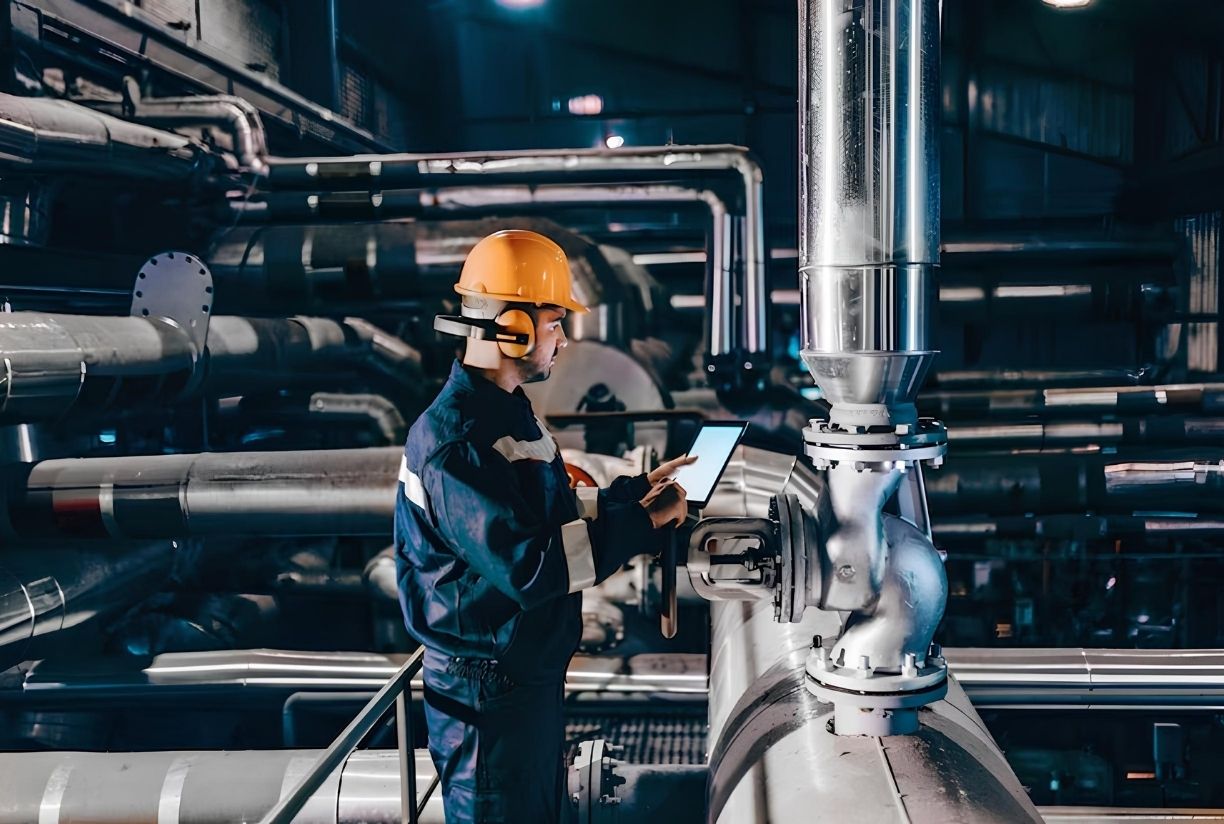
Table of Contents Importance of Energy Efficiency in Industry SS Project’s Energy Management Approach Energy Savings with Smart Automation Systems SS Project Solutions in Renewable Energy Integration Waste Energy Recovery and Utilization Role of Digital Transformation in Energy Efficiency SS Project’s Customer-Centric Energy Solutions Future Trends in Energy Efficiency Importance of Energy Efficiency in Industry In industrial facilities, energy efficiency is a cornerstone of sustainable production and cost control. High energy consumption increases operating expenses and amplifies environmental impacts. Therefore, developing and implementing energy management systems has become increasingly critical. Efficient use of energy resources enhances facilities’ competitiveness and reduces their carbon footprint. SS Project optimizes energy use by providing tailored solutions for industrial facilities. Without energy efficiency, resource waste is inevitable, and businesses fall behind economically. The global rise in energy costs has driven industrial firms to seek innovative energy-saving methods. SS Project’s expertise focuses on developing modern, practical solutions to meet this need. These solutions align with sustainable production goals while enhancing operational efficiency. SS Project’s Energy Management Approach SS Project adopts a systematic and integrated approach to energy management. It offers comprehensive services, including real-time monitoring, analysis, and optimization of energy consumption in facilities. Energy efficiency projects include customizable solutions applicable across all production processes. This approach not only ensures energy savings but also guarantees compliance with sustainability and environmental policies. Under energy management, SS Project ensures balanced use of energy resources. This maintains production continuity while preventing unnecessary consumption. Data-driven decision-making processes help facilities reduce energy costs and carbon emissions. SS Project’s solution packages are designed to enhance energy performance and support businesses’ growth objectives. Energy Savings with Smart Automation Systems Smart automation is a revolutionary technology in energy efficiency. SS Project optimizes energy use by developing facility-specific automation systems. Sensors, data analytics platforms, and automated control mechanisms minimize energy consumption. These systems adapt instantly to facility conditions, preventing unnecessary energy expenditure. In energy management, automation reduces human errors and provides continuous monitoring. SS Project’s solutions optimize energy use while boosting operational efficiency. This enables facilities to achieve a sustainable structure both environmentally and economically. Automation systems ensure consistently high facility performance. SS Project Solutions in Renewable Energy Integration SS Project provides expert solutions for integrating renewable energy sources into industrial facilities. It enables the adaptation of clean energy sources like solar, wind, and biomass into production processes. This reduces energy costs while minimizing environmental impacts. Renewable energy systems significantly shrink facilities’ carbon footprint. Renewable energy integration is critical for businesses aiming to achieve sustainability goals. SS Project leads the industry with comprehensive consulting and implementation services. Renewable energy investments enable long-term energy independence for businesses. This makes energy costs predictable and manageable. Waste Energy Recovery and Utilization Waste energy generated in industrial processes can be recovered and reused with the right methods. SS Project enhances energy efficiency by developing innovative solutions in this area. Waste heat recovery systems reduce facilities’ energy consumption and contribute to sustainability. This lowers costs and minimizes environmental harm. Waste energy management helps businesses achieve both economic and environmental goals. SS Project enables energy recovery through process analysis and appropriate technological infrastructure. These solutions create a closed energy cycle, preventing resource waste. Utilizing waste energy positively impacts overall facility performance. Role of Digital Transformation in Energy Efficiency Digital transformation is revolutionizing energy management. SS Project maximizes energy efficiency by leveraging all advantages of digitalization. IoT (Internet of Things), artificial intelligence, and data analytics enable detailed tracking and optimization of energy consumption. These technologies make energy savings sustainable. Digital systems analyze energy usage patterns to provide proactive solutions. SS Project’s digital platforms monitor facility performance in real-time. This ensures the most efficient use of energy resources. Digital transformation creates cost and time advantages in energy efficiency projects. SS Project’s Customer-Centric Energy Solutions SS Project designs and implements tailored energy efficiency solutions based on customer needs. Each facility has unique structures and requirements, so solutions are personalized. Close collaboration with customers ensures maximum savings in energy use. Long-term support and training services enhance businesses’ energy management capabilities. A customer-centric approach is key to the success of sustainable energy goals. SS Project develops strategies aligned with customers’ operational goals and environmental policies. This makes energy efficiency projects both effective and sustainable. SS Project supports customers at every step, ensuring successful project completion. Future Trends in Energy Efficiency Energy efficiency technologies and methods are constantly evolving. SS Project keeps pace with these developments, offering customers the latest solutions. AI-supported energy management systems, energy storage technologies, and sustainable material use are among future trends. Facilities become more eco-friendly and cost-effective with these innovations. In the future, energy efficiency will be achieved through more integrated and intelligent systems. SS Project invests in R&D to align with this vision. Energy-saving projects will become integral to industrial transformation. This allows businesses to remain competitive while fulfilling environmental responsibilities.
See More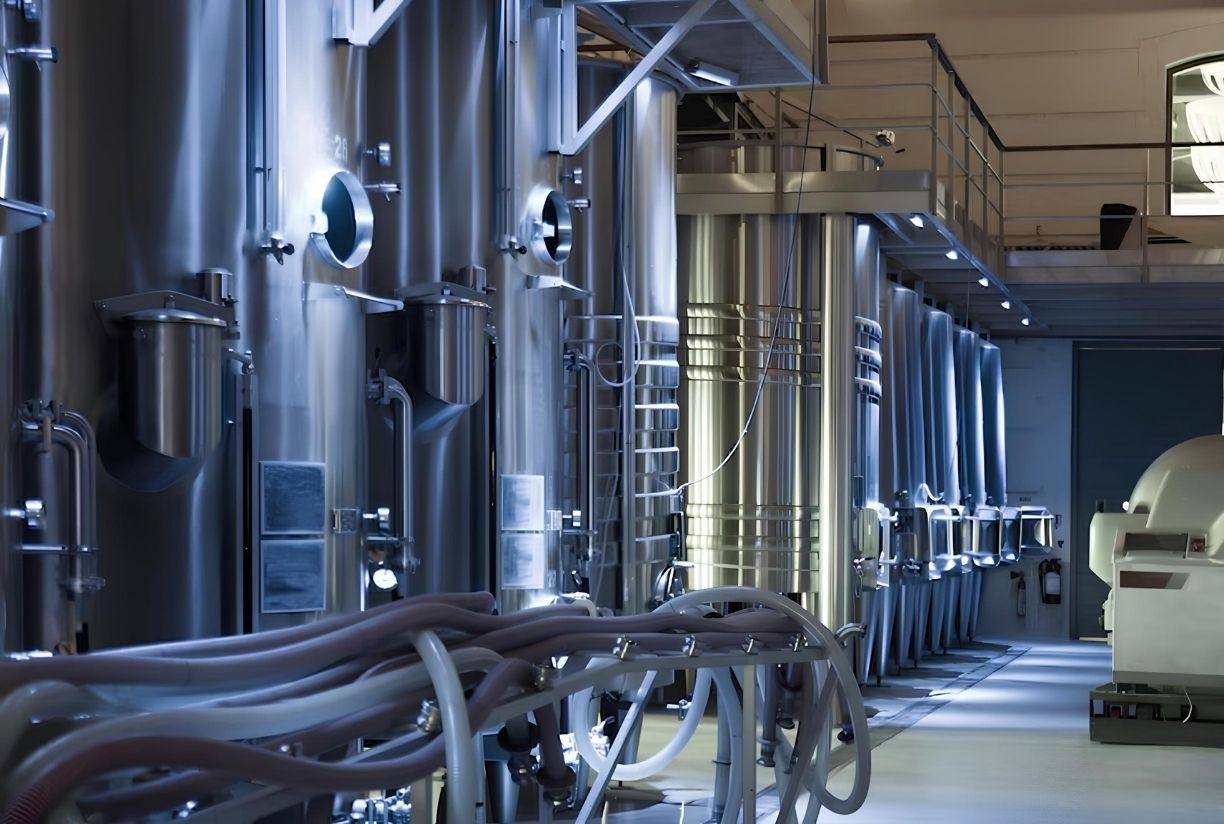
Table of Contents Importance of Process Optimization in Smart Facilities Data Collection and Analysis Processes in Smart Facilities Process Improvement with Artificial Intelligence and Machine Learning Role of Automation Systems in Process Optimization Optimization in Energy Consumption and Resource Management Operational Efficiency and Error Reduction Techniques Role of Continuous Improvement Culture in Process Optimization Future of Process Optimization in Smart Facilities Importance of Process Optimization in Smart Facilities Smart facilities transform production processes by leveraging the full potential of technology in today’s Industry 4.0 landscape. At the heart of this transformation lies process optimization. Process optimization is a comprehensive approach that ensures production processes operate at maximum efficiency, with minimal costs and the highest quality. Regardless of how advanced a facility’s technological infrastructure is, expected efficiency gains cannot be achieved without properly optimized processes. Thus, process optimization stands out as a critical factor in the success of smart facilities. Process optimization is essential for ensuring seamless production flow, preventing resource waste, and maintaining consistently high product quality. In industrial facilities, machines, equipment, and human resources form a cohesive whole, and every component must operate in harmony. Process optimization provides the methodology to achieve this harmony. As a result, businesses not only meet production targets but also gain the ability to respond quickly and flexibly to market demands. Data Collection and Analysis Processes in Smart Facilities The core dynamic of smart facilities relies on data-driven decision-making processes. Data collected in real-time from production lines enables precise monitoring of process performance. This data includes critical parameters such as temperature, pressure, speed, and energy consumption, gathered via sensors. Additionally, information on production quality, machine downtime, and defective product rates is continuously recorded. These large data sets gain meaning only through proper analysis methods. Data analysis not only observes the current state but also enables predictive insights for the future. Advanced analytical techniques and data processing algorithms allow potential errors to be identified in advance, enabling proactive management of production processes. Innovative companies like SS Project support this process by developing tailored data analysis solutions for facilities. This approach allows smart facilities to enhance efficiency through preventive management strategies, moving beyond reactive measures. Data visualization techniques further simplify decision-making for facility operators. User-friendly interfaces and real-time reporting make complex data sets comprehensible. This supports rapid and effective decision-making by facility management. Ultimately, data collection and analysis processes are an indispensable component of process optimization, forming the core of smart facilities. Process Improvement with Artificial Intelligence and Machine Learning Artificial intelligence and machine learning technologies are among the revolutionary elements in process optimization. These technologies have the capacity to uncover complex relationships within data sets and determine optimal production parameters. In smart facilities, AI algorithms dynamically optimize production processes, delivering the best response to varying conditions. This improves production quality while reducing costs. Through machine learning, systems can adapt to evolving production conditions over time. Models update themselves based on new data, minimizing emerging process errors. SS Project provides a competitive edge to its clients with AI-based solutions in this field. For instance, if a component or process parameter in a production line exhibits constant variability, AI quickly analyzes this variability and automatically makes necessary adjustments. These advancements minimize manual interventions in production while significantly reducing human-induced errors. Additionally, AI-supported systems predict maintenance needs, preventing unplanned downtime. The flexibility and foresight offered by AI in process improvement sustainably enhance the performance of smart facilities. Role of Automation Systems in Process Optimization Automation is a foundational pillar of smart facilities and enables the practical implementation of process optimization. In highly automated facilities, processes continue seamlessly with minimal human intervention. This reduces errors, maintains consistent production standards, and enhances operational safety. Automation ensures precise control of process parameters, guaranteeing optimal resource utilization. SS Project focuses on enhancing facility performance with advanced automation systems. Control systems like PLC, SCADA, and DCS manage production processes accurately and on time. These systems coordinate all equipment on the production line, delivering both energy savings and optimized material use. Moreover, automation enables easy process monitoring and rapid interventions when needed. The high level of control provided by automation allows immediate detection of process deviations. This minimizes inconsistencies in production quality. Operational efficiency increases, and the facility’s production capacity reaches its maximum. Automation systems stand out as the most critical element in the sustainable success of smart facilities. Optimization in Energy Consumption and Resource Management Energy costs constitute a significant portion of industrial facilities’ operating expenses. In smart facilities, energy consumption and resource management are essential areas of process optimization. SS Project employs advanced analysis and control methods to enhance energy efficiency. This eliminates unnecessary energy consumption, allowing production processes to operate with the most cost-effective energy profile. Resource management extends beyond energy to include water, raw materials, and other inputs, which directly impact facility efficiency. Process optimization prevents resource waste, fostering a sustainable production environment. Effective resource management is strategically vital for reducing environmental impacts and costs. SS Project’s solutions help facilities achieve both environmental and economic goals. Optimization in energy consumption and resource management reduces facilities’ carbon footprint while boosting competitiveness. This approach plays a key role in aligning smart facilities with sustainability objectives. Operational Efficiency and Error Reduction Techniques Process optimization aims to enhance operational efficiency and minimize error rates. In smart facilities, this goal is achieved through advanced analytical methods and automated control systems. SS Project identifies bottlenecks and inefficiencies by thoroughly mapping processes. This data serves as the foundation for planning operational improvements. Error reduction techniques improve production quality, lowering product return rates. Automation systems and real-time monitoring tools detect errors instantly, enabling immediate intervention. This ensures safer, faster, and more consistent production processes. Improvements in operational efficiency not only boost profitability but also enhance customer satisfaction. Reducing error rates lowers maintenance costs and extends equipment lifespan. This decreases overall operational costs while increasing production capacity. In smart facilities, error reduction and efficiency enhancement strategies are among the most effective ways to create a competitive advantage. Role of Continuous Improvement Culture in Process Optimization Process optimization is not a one-time intervention but a process requiring continuous improvement. In smart facilities, a continuous improvement culture is adopted to achieve this. Engaging all employees in this mindset increases the effectiveness of transformation processes. SS Project provides comprehensive training and consulting services to instill this culture in facilities. Continuous improvement is driven by regular data analysis and the discovery of new opportunities. Performance evaluations, employee feedback, and technological innovations are consistently integrated into the process. This enables facilities to adapt quickly to market conditions and technological advancements. The continuous improvement culture is a cornerstone of the long-term success of smart facilities. Widespread adoption of this culture enhances not only processes but also organizational structures. Team collaboration increases, knowledge sharing accelerates, and innovation is encouraged. This makes facilities resilient and adaptable to changing conditions. Future of Process Optimization in Smart Facilities Rapid technological advancements are shaping the future of process optimization in smart facilities. The Internet of Things (IoT), big data analytics, artificial intelligence, and robotic systems are emerging as key components of this future. SS Project plays a pioneering role in integrating these technologies, ensuring its clients are future-ready. In the future, process optimization will become more autonomous, intelligent, and flexible. Human intervention will be minimized, and systems will gain self-improvement and adaptation capabilities. These developments will exponentially increase facilities’ efficiency and competitiveness. The future of smart facilities will revolve around sustainability and digital transformation. Innovative companies like SS Project will be key players in this transformation, driving industry change. The future of process optimization will be a dynamic, ever-evolving journey in Industry 4.0 and beyond.
See More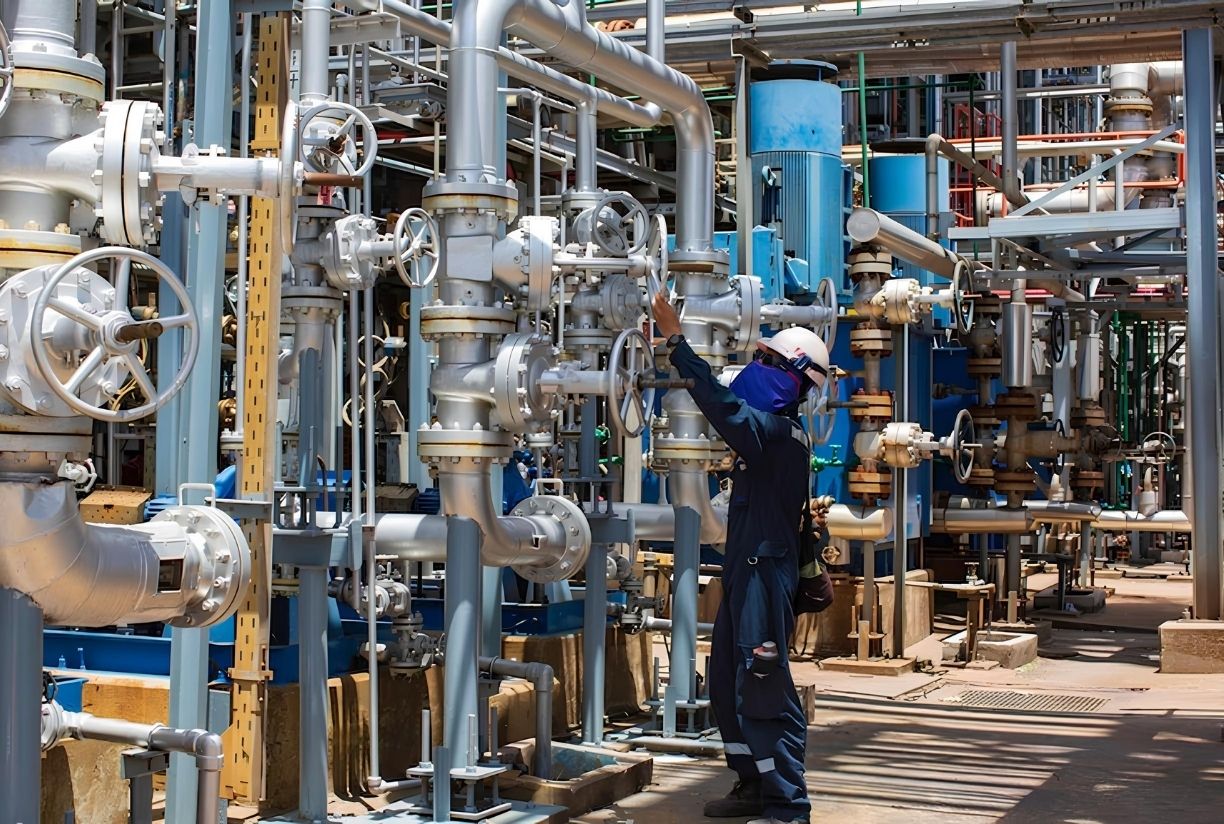
Table of Contents What is Digital Transformation and Its Importance in the Business World Ss Project’s Digital Transformation Approach Role of Digitalization in Operational Efficiency Competitive Advantage with Data Analytics and Artificial Intelligence Benefits of Smart Automation Systems Managing the Digitalization Process with Ss Project Sustainability and Flexibility with Digital Transformation Integration of Digital Technologies and Customer Experience Preparing for the Future: Ss Project’s Technology Vision What is Digital Transformation and Its Importance in the Business World Digital transformation has become essential for success in today’s business world. Rapid technological advancements, changing consumer expectations, and globalized competition are compelling businesses to fundamentally reshape their operations. Digital transformation is not merely about investing in technology but adopting an innovative and flexible approach across corporate culture, process management, organizational structure, and customer communication. This transformation enables businesses to make faster decisions, use resources more efficiently, and respond instantly to customer demands. The competitive landscape is growing increasingly complex, making it challenging for businesses to survive with traditional methods. Digital transformation offers a strategic opportunity for firms to gain a cost advantage and increase market share. In industrial sectors, digitalization enables the optimization of production processes, predictive maintenance, and enhanced efficiency. Ss Project, as a strong partner in this complex transformation, helps businesses maximize the benefits of digitalization. Ss Project’s Digital Transformation Approach Ss Project views digital transformation not just as a technological process but as a comprehensive business model shift. Recognizing that each business has unique structures and needs, Ss Project develops customer-centric and flexible solutions. By meticulously analyzing the current state of businesses, it designs tailored projects to maximize the return on technology investments. These projects aim for success by considering both technological infrastructure and human factors. One of the biggest challenges in digital transformation is employee adaptation to new systems and resistance to change. Ss Project facilitates this transition with training and awareness programs. Through continuous communication and support, it ensures that all employees embrace the transformation. This makes digital transformation not just a technological innovation but a lasting change embedded in the business’s DNA. Ss Project’s holistic approach enables businesses to fully benefit from digitalization. Role of Digitalization in Operational Efficiency The importance of digitalization in operational processes is growing daily. Traditional operations are prone to errors and delays, but digital technologies optimize these processes. With advanced automation systems and sensor technologies offered by Ss Project, every stage of the production line is monitored in real-time. This allows potential disruptions to be detected and addressed proactively. Seamless and planned production reduces costs and enhances product quality. The operational efficiency achieved through digitalization provides businesses with a significant competitive advantage. Solutions developed by Ss Project enable the integration of all processes, from production to logistics, in a digital environment. Comprehensive analysis of data ensures more efficient resource utilization. Production planning becomes more flexible, and capacity reaches its maximum. This broad efficiency boost strengthens businesses’ market position and accelerates their growth objectives. Competitive Advantage with Data Analytics and Artificial Intelligence Data lies at the heart of digital transformation. Today, the greatest strength of businesses is their ability to access accurate and meaningful data. Ss Project transforms this data into valuable insights using advanced data analytics and artificial intelligence applications. Big data platforms analyze past performance data to make future predictions, enabling businesses to minimize risks and base strategic decisions on solid foundations. AI algorithms play a key role not only in data analysis but also in automated decision-making. AI solutions from Ss Project enhance process efficiency, reduce human errors, and accelerate operations. These technological advantages significantly boost businesses’ competitive edge, helping them stand out in the market. The data-driven approach of digital transformation, combined with Ss Project, ensures sustainable success for businesses. Benefits of Smart Automation Systems Automation is the most effective way to enhance efficiency and quality in industrial facilities. Smart automation systems developed by Ss Project optimize production and management processes, delivering significant benefits. These systems minimize manual intervention, ensuring consistent operations. The speed brought by automation increases production capacity, shortens delivery times, and boosts customer satisfaction. Smart automation solutions from Ss Project also enable flexible production models. This allows businesses to quickly adapt to sudden market demand changes. Automation facilitates easy reconfiguration of production lines and seamless transitions to new products. This flexibility is critical for ensuring sustainability in today’s fast-changing market conditions. Ss Project’s technological infrastructure simplifies this transformation and solidifies competitive advantage. Managing the Digitalization Process with Ss Project Digital transformation is not limited to technology selection; it requires comprehensive management and organizational change. Ss Project meticulously manages this process to support businesses in achieving successful transformation. Initially, a detailed analysis of the business’s current state is conducted to identify weak points and areas for improvement. A comprehensive roadmap is then created, aligning technology investments, human resources, and training needs. Throughout the process, Ss Project provides continuous support and consulting. Training programs, technical assistance, and change management services ensure businesses are supported at every stage. A proactive approach identifies potential risks early, enabling swift solutions. This detailed management model ensures digital transformation is sustainable and enduring. Ss Project’s experienced team mobilizes all necessary resources to help businesses achieve their goals. Sustainability and Flexibility with Digital Transformation Sustainability is one of today’s most critical business objectives. With digital transformation, businesses minimize environmental impacts, achieving a more sustainable structure. Ss Project’s digital solutions deliver significant improvements in energy efficiency, waste management, and resource utilization. Smart sensors and data analytics prevent unnecessary resource consumption, reducing costs and enabling eco-friendly production. Digital transformation also enhances business flexibility. The ability to adapt quickly to changing market conditions is vital during crises. Technologies provided by Ss Project allow businesses to develop proactive solutions for demand fluctuations. This flexibility makes survival in competitive markets easier. When digitalization and sustainability goals are addressed together, businesses align fully with both current and future needs. Integration of Digital Technologies and Customer Experience Digital transformation is a powerful tool for enhancing customer experience. Ss Project enables businesses to establish effective and personalized communication with customers through digital channels. CRM systems, data analytics, and AI applications provide deeper insights into customer needs, enabling targeted solutions. This increases customer satisfaction and loyalty. Customer experience is crucial not only before sales but also in after-sales processes. Ss Project’s integrated solutions ensure seamless service and support on digital platforms. This maintains continuous customer interaction and resolves issues quickly. With digitalization, businesses stay ahead of customer expectations, creating a market differentiator. Ss Project’s customer-centric approach maximizes the effectiveness of digital technologies. Preparing for the Future: Ss Project’s Technology Vision Ss Project has a robust vision for the future of digital transformation. By closely monitoring technological advancements, it delivers solutions that businesses will need in the future. Integration of technologies like IoT, AI, cloud computing, and 5G makes businesses more intelligent and connected. Ss Project plays a pioneering role in this transformation, ensuring clients maintain a competitive advantage. Flexibility and sustainability are prioritized in its technology vision. Ss Project ensures businesses not only meet today’s needs but also adapt easily to future innovations. This approach guarantees long-term value from investments. By developing solutions aligned with the fast-evolving dynamics of digital transformation, Ss Project helps businesses remain strong, competitive, and innovative in the digital age.
See More
Table of Contents Dust Transfer System - What Is It and How Does It Work? In Which Industries Is Dust Transfer Used? Pneumatic and Mechanical Dust Transfer Systems - What Are the Differences? How to Increase Efficiency in Dust Transfer Systems? Why Is Filtration Important in Dust Transfer? How Should Maintenance and Cleaning of Dust Transfer Systems Be Performed? What Sets SS Proje's Dust Transfer Solutions Apart from Competitors? Dust Transfer System - What Is It and How Does It Work? A dust transfer system is a specialized system designed to safely, efficiently, and controllably transport dry, fine particulate materials (e.g., flour, cement, chemical powders) from one point to another in industrial facilities. These systems are typically used to optimize material flow in production processes, prevent environmental dust dispersion, and enhance workplace safety. Dust transfer systems can be pneumatic (operated by air pressure) or mechanical (using conveyor belts, screws, etc.). Pneumatic systems use air to either pull materials through pipes via vacuum or push them with pressure. This method minimizes dust leakage due to its closed system design. Mechanical systems, on the other hand, utilize rotary valves, screw conveyors, or elevators to physically transport materials. Factors such as dosing, filtration, and pressure control are critical to the operation of these systems. A well-designed dust transfer system accelerates the production process and contributes to sustainability by preventing harmful dust emissions. In Which Industries Is Dust Transfer Used? Dust transfer is an indispensable part of production processes in many industrial industries. These systems play a critical role in the processing, transportation, and storage of dry, fine particulate raw materials. Key industries where dust transfer systems are widely used include food, chemical, pharmaceutical, cement, plastic, paint, glass, and mining industries. In the food industry, dust transfer systems are preferred for the hygienic and controlled transport of materials like flour, sugar, cocoa, and milk powder. In the chemical industry, the safe transport of flammable or toxic dusts is of vital importance. In pharmaceuticals, high hygiene standards make closed-system dust transfer solutions essential. In the cement and construction materials industry, durable and high-capacity systems are required to transport large quantities of heavy dusty materials like lime, gypsum, and cement. In the plastic and paint industries, pigments and additives are transported to mixing lines using these systems. Customized dust transfer systems tailored to each industry’s needs improve production quality while providing significant advantages in terms of workplace safety and environmental protection. Pneumatic and Mechanical Dust Transfer Systems - What Are the Differences? Dust transfer systems are divided into two main categories based on material transport methods: pneumatic and mechanical. There are significant differences between these systems, and the appropriate choice depends on the application. Pneumatic dust transfer systems transport dust through pipelines using air pressure or vacuum power. Their closed system design minimizes environmental dust dispersion. Due to contactless transport, they are widely used in industries like food and pharmaceuticals where hygiene is critical. They also offer the advantage of transporting materials over long distances and complex routes. However, they may have higher energy consumption and relatively higher initial setup costs. Mechanical dust transfer systems operate using equipment such as screw conveyors, belt systems, or bucket elevators. Since materials are physically transported, these systems can operate with lower energy consumption. They are ideal for short-distance, fixed routes and are commonly used in heavy industry sectors like cement, mining, and construction chemicals. The advantages and disadvantages of both systems should be evaluated based on process requirements. How to Increase Efficiency in Dust Transfer Systems? Efficiency in dust transfer systems is crucial for increasing production capacity and reducing energy and maintenance costs. An efficient system minimizes material loss, prevents environmental dust dispersion, and ensures uninterrupted production flow. The first step to improving efficiency is proper system design. The transfer method should be selected based on the material’s properties (density, moisture content, particle size). For example, pneumatic systems are preferred for fine and light dusts, while mechanical systems are more effective for heavy and dense materials. Automation and sensor integration enable real-time monitoring of the system, allowing early intervention for issues like blockages or overloading. Regular maintenance and cleaning are also critical for maintaining system performance; filters, pipes, and rotary valves should be periodically inspected. Why Is Filtration Important in Dust Transfer? Filtration in dust transfer systems is critical for both environmental and operational reasons. The primary purpose of filtration is to prevent dust particles generated during transport from dispersing into the environment, thus protecting workers’ health. It also plays a vital role in ensuring efficient system operation and extending equipment lifespan. Filters prevent dust from escaping pipelines, providing a clean working environment. In sensitive industries like food, chemicals, and pharmaceuticals, filtration systems are essential for meeting hygiene standards. In environments with explosive dusts, improperly designed filtration systems can pose serious safety risks. Filtration also cleans the air or gas within the system, preventing damage to vacuum pumps, fans, and other equipment. This reduces maintenance costs and enhances system performance. Companies like SS Proje provide application-specific filtration systems that ensure compliance with legal requirements and contribute to sustainable production processes. How Should Maintenance and Cleaning of Dust Transfer Systems Be Performed? Regular maintenance and cleaning are essential for ensuring that dust transfer systems operate efficiently, safely, and with a long lifespan. Accumulated dust in these systems can lead to blockages, efficiency losses, and even explosion risks. Therefore, both mechanical and pneumatic systems require a periodic maintenance plan. First, filter systems should be checked at regular intervals and replaced if necessary. Clogged filters restrict airflow, reducing system performance. Pipes, screws, rotary valves, and conveyor components should also be regularly cleaned to remove dust buildup. During cleaning, the system must be completely shut down, and operations should comply with workplace safety regulations. Sensors, motors, and control panels should also be inspected as part of maintenance. Early detection of wear, loosening, or electrical faults can reduce downtime and costs. What Sets SS Proje's Dust Transfer Solutions Apart from Competitors? SS Proje stands out in the industry with its innovative, customized, and high-efficiency dust transfer solutions. The company designs each project tailored to the facility’s structure, the characteristics of the material being transported, and production requirements, ensuring maximum performance and minimal energy consumption. Its primary distinction from competitors lies in combining process engineering expertise with practical application. SS Proje not only supplies equipment but also professionally manages system installation, commissioning, automation integration, and ongoing technical support. Additionally, its closed system designs prevent dust leakage, high-precision dosing solutions, and safety measures against explosion risks prioritize workplace safety and environmental protection. With its R&D and engineering infrastructure, SS Proje offers high-quality, cost-effective solutions through local production, adopting a customer-focused and long-term partnership approach that delivers exceptional service.
See More
Table of Contents Dust Weighing System - What Is It? What Is the Purpose of a Dust Weighing System? In Which Industries Are Dust Weighing Systems Preferred? Why Is Precision Weighing So Important for Dust Products? What Are the Differences Between Automatic and Manual Dust Weighing Systems? How Do Dust Weighing Systems Affect Efficiency in Industrial Production? Which Materials Are Suitable for Dust Weighing Systems? Dust Weighing System - What Is It? A dust weighing system is an automation system designed to precisely and controllably weigh fine, free-flowing dust materials in industrial environments. These systems play a critical role in ensuring accurate and efficient production processes across industries such as food, chemicals, pharmaceuticals, plastics, paints, cement, and mining. Dust weighing systems typically consist of a load cell, weighing container, feeding unit, and control panel. Raw materials are transferred to the weighing container via a dosing unit, and the system automatically stops feeding once the target weight is reached. This prevents material waste and ensures accurate application of production formulations. Modern systems can be easily controlled with PLC automation and touch screens. Additionally, data recording, reporting, and integration with central production management systems are possible. What Is the Purpose of a Dust Weighing System? Dust weighing systems are used to ensure precise, controlled, and automated weighing of dust-form raw materials in production processes. These systems are critical for operations such as dosing, mixture preparation, packaging, and recipe-based production. The primary purpose is to maintain product quality standardization by ensuring the same amount and proportion of materials are used in each batch. Incorrect or incomplete weighing can lead to quality degradation, production errors, and customer dissatisfaction, making dust weighing systems an integral part of quality control. Automatic dust weighing systems eliminate measurement errors common in manual processes and reduce labor requirements. This increases efficiency and lowers costs. In facilities handling hazardous or explosive environments, minimizing human contact with dust enhances workplace safety. SS Proje’s professional dust weighing solutions are tailored to the needs of various industries, offering high precision, durability, and automation integration to stand out. In Which Industries Are Dust Weighing Systems Preferred? Dust weighing systems are widely used in industries requiring precision, hygiene, and efficiency. These systems ensure that dust-form raw materials are weighed in accurate proportions for production, preserving product quality and preventing waste. In the food industry, ingredients like flour, cocoa, sugar, and milk powder are precisely mixed using dust weighing systems, which are essential. Hygienic design and food-grade materials, such as stainless steel, are preferred. In the chemical and pharmaceutical industries, formula-based production requires high precision, so automated and controlled weighing systems are used. Due to the hazardous nature of some dusts, closed systems are preferred. In the plastics, paint, and construction chemicals industries, pigments, additives, and fillers are weighed with precision for mixing. In the cement and mining industries, high-volume, heavy dusts require controlled processing. Why Is Precision Weighing So Important for Dust Products? Precision weighing is critical for the quality, safety, and efficiency of production processes involving dust products. Dust-form raw materials typically need to be used in specific ratios in mixture recipes. Even small deviations in weight can alter the physical or chemical properties of the product, leading to quality loss, product returns, or customer dissatisfaction. In industries like food, pharmaceuticals, and chemicals, precision weighing is essential for product safety. Incorrect dosing can negatively affect taste, efficacy, or shelf life. Additionally, some dusts are hazardous or reactive, and improper weighing can lead to explosion, combustion, or health risks. Precision weighing also ensures cost control. Overuse of raw materials causes waste, while underuse leads to quality issues. What Are the Differences Between Automatic and Manual Dust Weighing Systems? Automatic and manual dust weighing systems are categorized based on their integration into production processes. Each system has distinct advantages and applications, and the choice depends on production volume, precision requirements, and operational costs. Manual dust weighing systems are operator-controlled. Raw materials are weighed by hand and added to the production line. These systems are suitable for small-scale production or businesses with limited budgets but are prone to human error, time loss, and challenges in maintaining consistent product quality. Automatic dust weighing systems operate with software and sensors for fully controlled processes. Load cells, dosing valves, and PLC systems enable fast, precise, and repeatable weighing of dust materials. These systems enhance production continuity, reduce waste, and minimize reliance on labor. How Do Dust Weighing Systems Affect Efficiency in Industrial Production? In industrial production, dust weighing systems directly impact overall efficiency by ensuring accurate, fast, and safe processes. Precise weighing of raw materials in the production line standardizes product quality, prevents waste, and reduces defect rates. In manual weighing, issues like human errors, time loss, and inconsistent product quality are common, but these are eliminated with automatic dust weighing systems. These systems use high-precision load cells and automation controls to minimize weight deviations, ensuring consistent quality in every production batch. Additionally, the fast operation of automatic systems provides time savings in production processes. Producing more products in the same timeframe increases a facility’s capacity utilization rate. Data logging, reporting, and centralized control features make the system traceable, offering businesses opportunities for process analysis and improvement. Expert solution providers like SS Proje enhance production quality and provide a competitive advantage with tailored dust weighing systems. Which Materials Are Suitable for Dust Weighing Systems? Dust weighing systems are designed for free-flowing materials with small particle sizes that require precise weighing. These systems enable controlled and accurate measurement of both lightweight and high-density dusts. The system design may vary depending on the physical and chemical properties of the material. In the food industry, materials like flour, cocoa, milk powder, starch, spices, and sugar are processed with dust weighing systems, where hygiene and precision are prioritized. In the chemical and pharmaceutical industries, materials like talc, titanium dioxide, magnesium carbonate, and active ingredient powders require precise dosing. These materials can often be explosive or toxic, necessitating safe weighing in closed systems. In the plastics and paint industries, pigments, additives, and filler dusts are weighed to meet formulation requirements. In the construction and cement industries, heavy-duty systems are preferred for high-density dusts like lime, gypsum, and cement.
See More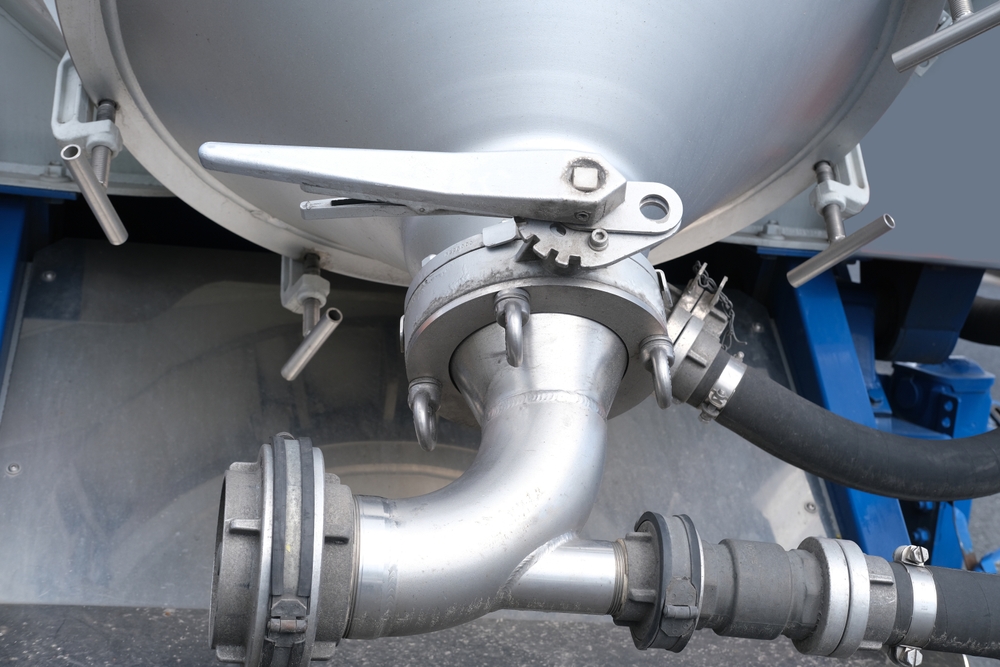
Table of Contents What Is Vacuum Dust Transfer? How Does Vacuum Dust Transfer Work? What Advantages Do Vacuum Dust Transfer Systems Offer? What Are the Differences Between Vacuum Systems and Mechanical Dust Transfer? Which Industries Are Suitable for Vacuum Dust Transfer? Which Materials Can Be Safely Transferred in Vacuum Transfer Systems? Why Should Vacuum Dust Transfer Systems Be Preferred for Hygienic Production? How Should Vacuum Dust Transfer Systems Be Set Up for High-Efficiency Production? What Is Vacuum Dust Transfer? Vacuum dust transfer is an industrial transfer method that enables the transport of dust-form materials within closed systems using air suction (vacuum). These systems are typically used in production facilities to transfer raw materials to mixing, filling, or processing units in a hygienic and safe manner. In vacuum systems, a pump or ejector operating with negative pressure draws the dust along with air through pipelines and directs it to the target container. This method offers significant advantages in sensitive production environments where dust leakage and material loss are undesirable. It also enhances workplace safety and hygiene standards by minimizing operator contact. Vacuum dust transfer is commonly used in industries such as food, pharmaceuticals, chemicals, plastics, and cosmetics. Preventing dust dispersion and preserving the material's structure during transport are key reasons for its preference. SS Proje adds value to production processes by designing customized, efficient, and safe vacuum transfer solutions. How Does Vacuum Dust Transfer Work? Vacuum dust transfer is a system where dust materials are transported within a closed pipeline using negative pressure (vacuum) instead of air pressure. The system typically consists of a vacuum unit (pump or ejector), transfer pipes, filters, and a collection container. The process begins with the activation of the vacuum unit, which creates suction power in the pipeline, pulling the dust along with air from its source. The dust is then directed through the transfer pipes to the designated collection container. This contactless transport provides significant advantages in terms of cleanliness, hygiene, and product safety. Filters in the system prevent the dust from dispersing into the environment and enable its recovery. In some systems, the transfer occurs in specific doses, integrated with automatic weighing and feeding processes. SS Proje’s vacuum dust transfer systems contribute to production lines with advantages such as low energy consumption, quiet operation, a dust-free environment, and high transfer efficiency. They are particularly effective and safe for handling sensitive and hazardous dusts. What Advantages Do Vacuum Dust Transfer Systems Offer? Vacuum dust transfer systems offer numerous advantages in industrial production, both in terms of efficiency and hygiene. These systems transport dust materials through closed pipelines using air suction, ensuring product quality and preventing dust dispersion in the work environment. One of the most significant advantages is providing a dust-free and clean production environment. This makes a substantial difference in industries like food, pharmaceuticals, and chemicals, where hygiene is critical. Vacuum transfer also minimizes material loss, leading to raw material savings and cost advantages. In terms of workplace safety, these systems stand out by minimizing operator contact with dust, reducing health risks such as respiratory issues. Additionally, their compact design allows easy installation in confined spaces and seamless integration into existing production lines. What Are the Differences Between Vacuum Systems and Mechanical Dust Transfer? Vacuum systems and mechanical dust transfer systems are two primary methods used for transporting dust materials in production processes. Each system addresses different needs, and the choice depends on factors such as production type, hygiene requirements, and space constraints. Vacuum dust transfer systems use negative pressure to draw dust through pipelines to the target point. Their closed-loop operating principle offers significant advantages in terms of dust containment, hygiene, and operator safety. They are particularly preferred in sensitive industries like food, pharmaceuticals, and chemicals. Installation is straightforward, and they can be easily integrated into confined spaces. Mechanical dust transfer systems, on the other hand, use physical equipment such as screws, conveyor belts, bucket elevators, or chain conveyors. They are typically used for high-volume and heavy materials. Mechanical systems are more durable but require more maintenance and have a higher risk of dust leakage. SS Proje provides both vacuum and mechanical system solutions tailored to your facility’s needs, creating efficient, safe, and sustainable production environments. Which Industries Are Suitable for Vacuum Dust Transfer? Vacuum dust transfer is an ideal solution for industries prioritizing hygiene, precision, and a dust-free work environment. These systems ensure the safe and efficient transfer of dust-form raw materials, preventing product loss and enhancing operator safety through their closed-loop design. The food industry is one of the primary sectors utilizing these systems. Fine and sensitive products like flour, cocoa, sugar, and milk powder are transferred hygienically and dust-free into processes. In the pharmaceutical industry, vacuum transfer is critical for moving active ingredients accurately and without contamination. The chemical industry uses these systems to minimize environmental and occupational health risks when handling hazardous or reactive dusts. In the plastics and cosmetics industries, pigments, additives, and other dust raw materials are transferred in a controlled manner. Vacuum systems are also frequently used in energy, construction, and environmental technology applications where dust material management is critical. Which Materials Can Be Safely Transferred in Vacuum Transfer Systems? Vacuum transfer systems are closed systems capable of safely and efficiently transferring a wide range of dust and granular materials. These systems can handle both lightweight and dense, free-flowing or sticky materials. The key is designing the system according to the physical properties of the material being transferred. In the food industry, materials like flour, sugar, cocoa, starch, spices, and milk powder are transferred hygienically using vacuum systems, benefiting from dust containment and contactless transport. In the pharmaceutical industry, sensitive and reactive materials such as active ingredient powders, vitamins, and excipients can be safely transferred without contamination risks. In the chemical industry, volatile and potentially hazardous dusts like talc, pigments, carbon black, and titanium dioxide are ideally handled with vacuum systems. In the plastics and paint industries, granular raw materials, additives, and filler dusts are efficiently transferred. SS Proje offers customized vacuum transfer solutions for materials with varying densities, moisture content, and flowability, ensuring both safety and production efficiency. Why Should Vacuum Dust Transfer Systems Be Preferred for Hygienic Production? Hygienic production is critical in industries like food, pharmaceuticals, cosmetics, and chemicals due to legal requirements and product safety concerns. Vacuum dust transfer systems are among the most suitable solutions to meet these needs. Their closed-loop design prevents product contact with the external environment and eliminates dust leakage. In these systems, dust is transported through pipes in an air-isolated environment, minimizing the risk of microbial contamination and environmental contamination. The absence of physical operator contact protects both worker health and product sterility. Vacuum systems can be equipped with cleanable surface designs, CIP (Clean-in-Place) compatibility, and hygienic materials like stainless steel, ensuring compliance with GMP (Good Manufacturing Practices) standards. How Should Vacuum Dust Transfer Systems Be Set Up for High-Efficiency Production? Setting up vacuum dust transfer systems with proper engineering approaches is crucial for creating a high-efficiency production line. For optimal system performance, the material’s properties (density, flowability, moisture content) must first be thoroughly analyzed. These data determine key parameters such as vacuum power, pipe diameter, filter type, and feed duration. A critical aspect of setup is designing the system to integrate seamlessly with the production line. Material entry and exit points should be compatible with dosing systems and communicate with the automation infrastructure. Additionally, the piping route should be optimized to minimize bends and friction, reducing material loss. Filtration systems play a critical role in ensuring efficient and long-lasting operation. Effective filters that recover dust reduce product loss and maintain environmental cleanliness.
See More
Table of Contents What Is Mechanical Dust Transfer? How Does Mechanical Dust Transfer Work? What Are the Differences Between Mechanical and Vacuum Dust Transfer Systems? In Which Industries Is Mechanical Dust Transfer Used? How to Increase Efficiency in Mechanical Dust Transfer Systems? What Advantages Do Screw Conveyors Offer for Dust Transfer? How Are Bucket Elevators Used in Mechanical Dust Transfer? Achieve Production Quality with SS Proje’s Mechanical Dust Transfer Solutions What Is Mechanical Dust Transfer? Mechanical dust transfer is the process of transporting dust or granular materials from one point to another using physical moving parts. These systems operate with equipment such as screw conveyors, belt conveyors, bucket elevators, and chain conveyors. The primary goal is to transfer the material continuously and controllably with minimal loss to the desired location. Mechanical systems are particularly preferred for transporting high-volume and heavy dusts. Their robust structure provides an advantage in challenging production environments compared to vacuum systems. Additionally, the transfer process can be adjusted based on the material type, offering a flexible and customizable solution. These systems are commonly used in industries such as cement, mining, construction chemicals, energy production, and agriculture. Factors like dust density, abrasiveness, and flowability are critical in system design. How Does Mechanical Dust Transfer Work? Mechanical dust transfer is a system that transports dust or granular materials from one point to another using physical transport equipment. These systems utilize mechanical tools such as screw conveyors, bucket elevators, chain conveyors, or vibratory conveyors. The material is moved through the system via the rotating or pushing motion of these components. One of the most common systems, screw conveyors, transport dust horizontally or at an incline using a rotating screw shaft. Bucket elevators, on the other hand, are used for vertical transport needs, lifting materials upward with buckets. These systems are typically powered by motors, and their transport speeds can be adjusted to meet production requirements. Mechanical systems are designed specifically for the capacity and material type. The particle size, density, and abrasiveness of the dust are considered when selecting the appropriate material and structure. What Are the Differences Between Mechanical and Vacuum Dust Transfer Systems? Mechanical and vacuum dust transfer systems are two distinct methods for transporting dust materials. These systems differ based on their application areas, material characteristics, and production conditions. Mechanical systems operate with moving parts such as screw conveyors, bucket elevators, or chain conveyors. This method is particularly advantageous for transporting high-capacity and heavy dusts. Their robust structures make them preferred in demanding industrial environments. However, due to moving parts, they require more maintenance and have a higher risk of dust leakage. Vacuum systems, on the other hand, are closed systems that use negative pressure to draw dust through pipes. These systems are commonly used in hygiene-critical industries (food, pharmaceuticals, chemicals). Vacuum transfer offers advantages like dust-free operation, operator safety, and easy cleaning but may be more limited in high-capacity applications compared to mechanical systems. In Which Industries Is Mechanical Dust Transfer Used? Mechanical dust transfer is widely used in numerous industrial sectors due to its high-capacity and durable structure. These systems ensure the safe, continuous, and controlled transport of dust or granular raw materials. The cement and construction industry is one of the primary sectors utilizing mechanical transfer systems. Abrasive materials like cement, lime, and gypsum are transported seamlessly using screw conveyors or bucket elevators.In the mining and metallurgy sectors, durable mechanical systems are preferred for transporting heavy and coarse dusts.In the energy sector, these systems are used for transferring coal dust, ash, and similar byproducts. In the food and agriculture industries, mechanical systems are used for horizontal or vertical transport of products like flour, feed, and grains.In the chemical industry, they provide a reliable solution for transferring pigments, fillers, and mineral-based dusts. SS Proje develops long-lasting and efficient mechanical dust transfer solutions tailored to the material characteristics and production needs of each sector. How to Increase Efficiency in Mechanical Dust Transfer Systems? Increasing efficiency in mechanical dust transfer systems is critical for ensuring production continuity and reducing maintenance costs. Proper system design, regular maintenance, and automation integration are key elements for efficiency improvement. First, the equipment must be selected based on the dust’s properties (density, moisture, particle size, abrasiveness). For instance, heavy or sticky materials require more durable screw or chain conveyors to prevent system blockages or frequent breakdowns. To reduce energy consumption, motor power and transport speed should be accurately calculated. Overworking systems lead to both energy waste and equipment wear. Integrating the system with automation allows real-time monitoring and optimization of material flow. Regular maintenance and critical component checks prevent unexpected downtimes. Using sealed structures to ensure dust containment enhances environmental cleanliness and minimizes product loss. What Advantages Do Screw Conveyors Offer for Dust Transfer? Screw conveyors are widely used mechanical transport systems for dust and granular materials. Their rotating screw structure enables efficient and continuous transfer of dust horizontally, at an incline, or vertically. These systems are favored across industries for their simple design and low operating costs. One of their key advantages is their closed system design, which prevents dust leakage and keeps the environment clean. Additionally, their compact design allows easy installation in confined spaces and seamless integration into existing lines. Screw conveyors provide consistent and controlled flow, ensuring high precision in weighing and dosing operations. Maintenance and cleaning are straightforward, and with fewer moving parts, the risk of breakdowns is low. SS Proje enhances transport efficiency with screw conveyor solutions tailored to your production line, offering a long-lasting and safe system that ensures continuity and minimizes costs. How Are Bucket Elevators Used in Mechanical Dust Transfer? Bucket elevators are mechanical transport systems designed to move dust and granular materials vertically or at an incline. These systems operate using buckets fixed to a belt or chain. The material is picked up from the entry point at the bottom, transported upward, and discharged controllably at the top. Bucket elevators are particularly preferred in high-capacity and vertical transport facilities. They are widely used in industries like cement, flour, feed, chemicals, and mining for the safe transport of dusty products. Their enclosed structure ensures dust containment, enhancing both environmental cleanliness and operator safety. These systems offer high transport capacity even in confined spaces. They are also energy-efficient, as gravity assists in material transport, achieving high performance with low energy consumption. Achieve Production Quality with SS Proje’s Mechanical Dust Transfer Solutions Success in industrial production depends not only on raw material quality but also on the accurate and efficient transport of those materials. SS Proje offers high quality, continuity, and durability with mechanical dust transfer solutions. Systems designed with equipment like screw conveyors, bucket elevators, and chain conveyors are ideal for high-capacity and challenging production environments. SS Proje develops customized engineering solutions tailored to each industry’s needs. Factors such as dust density, moisture content, abrasiveness, and transport distance are considered to determine the optimal transport system. This minimizes material loss, energy consumption, and maintenance costs. When integrated with automation, mechanical systems provide high production speed and traceability. With SS Proje’s expertise, your facility gains not only efficiency but also sustainability. Choose reliable mechanical dust transfer systems to achieve production quality and experience the difference.
See More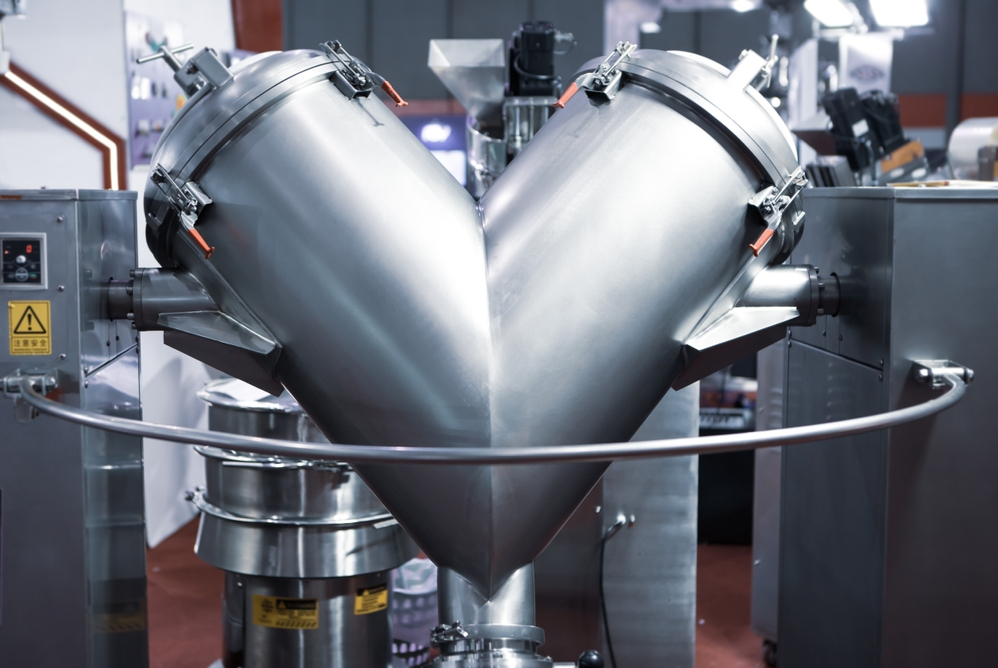
Table of Contents What Is Powder Integration in Liquid Systems? In Which Industries Has Powder Integration System Become Mandatory? How Is Powder Dosing in Liquid Systems Automated? How Are Powder Feeding Systems Integrated into Liquid Lines? How Do Powder-Liquid Integration Systems Enhance Efficiency in the Chemical Industry? What Does Powder and Liquid System Integration Provide in Terms of Hygiene in Food Production? What Are the Differences Between Powder Integration Systems and Manual Dosing? What Is Powder Integration in Liquid Systems? Powder integration in liquid systems is a technological solution that enables the precise and automated addition of powder raw materials to liquid-based production lines. Widely used in industries such as chemicals, pharmaceuticals, food, and cosmetics, this method enhances production quality while minimizing human error. In manual applications, inconsistent powder quantities can lead to fluctuations in product quality. Automation systems, however, ensure consistent dosing at the same quantity and speed each time, providing high reliability. Additionally, dust dispersion that occurs in open systems is eliminated in automated, closed-loop integration structures. This offers significant advantages in terms of both hygiene and workplace safety. The system typically consists of vacuum conveyors, mixers, and automated control panels. Each component works together to ensure the homogeneous distribution of powder into the liquid. Offering speed, cleanliness, accuracy, and sustainability, this method has become an indispensable standard in modern industrial facilities. In Which Industries Has Powder Integration System Become Mandatory? Powder integration systems have become mandatory in industries requiring precise formulations and high production standards. The food, chemical, pharmaceutical, and cosmetic industries, in particular, rely on these systems as a standard for production lines where powder and liquid components must be mixed in precise ratios under hygienic conditions. In the food industry, full compliance with hygiene regulations is essential when mixing powder components like flour, sugar, or additives with liquids. Open systems increase the risk of contamination, whereas automated powder integration systems eliminate this risk. The same applies to the pharmaceutical industry, where the accurate dosing of active ingredients is critical for the safety of therapeutic products. In the chemical and cosmetic industries, dosing errors in high-volume production directly impact product quality. Moreover, dust dispersion into the environment can harm worker health and pose workplace safety risks. In line with legal regulations, quality certifications, and industry standards, these systems have transitioned from being optional to mandatory in many sectors. How Is Powder Dosing in Liquid Systems Automated? Powder dosing in liquid systems is automated using advanced measurement, transfer, and mixing equipment integrated into production lines. The goal is to ensure the correct amount of powder is added to the liquid phase in every production cycle, eliminating human-induced errors. The first step involves transferring powder raw materials from silos or bag-emptying systems in a controlled manner. Typically, screw conveyors or vacuum transfer systems are used. The powder is directed to an automated dosing unit, where weighing systems control the quantity, stopping the transfer once the target amount is reached. The powder is then directed to the liquid tank, where the mixing process begins. Mixers ensure the powder is fully and homogeneously dispersed in the liquid. The entire process is managed through a PLC-controlled automation panel. Operators only need to input the necessary parameters, and the system executes the remaining steps according to its control algorithms. This structure provides continuity, speed, accuracy, and hygiene advantages, contributing to maintaining quality standards in industrial processes. How Are Powder Feeding Systems Integrated into Liquid Lines? Powder feeding systems are integrated into liquid lines using automation-based engineering solutions. The primary goal is to ensure the controlled, precise, and continuous addition of solid raw materials to the liquid phase. The system is designed based on the production line’s capacity, the viscosity of the product, and the physical properties of the powder used. In the first stage, powder raw materials are sourced from big bags, sacks, or silos. They are then directed to the dosing unit through closed-loop systems using vacuum transfer systems or screw feeders. Precise weighing systems ensure the desired amount is transferred. Since there is no external contact during the process, dust dispersion into the air is prevented, ensuring hygiene and workplace safety. The entry point of the powder into the liquid line is typically at the mixing tank. High-efficiency mixers ensure the powder fully dissolves and forms a homogeneous structure in the liquid. The entire process is monitored and managed through a PLC-controlled automation system, enabling production lines to operate more stably, safely, and efficiently. How Do Powder-Liquid Integration Systems Enhance Efficiency in the Chemical Industry? Powder-liquid integration systems significantly enhance efficiency in the chemical industry, where production processes require high precision and repeatability. These systems are particularly utilized in reactor feeding, mixture preparation, and additive dosing stages. Automated integration structures enable the seamless and precise transfer of powder raw materials into the liquid medium. The elimination of manual intervention reduces human error to a minimum. Processes are completed faster, delays are avoided, and material waste is prevented, making raw material usage more efficient and reducing production time. Operating as closed systems, these structures prevent dust dispersion, enhancing workplace safety and reducing cleaning requirements. Additionally, integration systems can be designed to be compatible with existing production lines. Recipe-based operation capabilities provided by automation infrastructure accelerate transitions between different product variations. Efficiency is enhanced not only in production speed but also in quality, cost control, and sustainability, providing a competitive advantage. What Does Powder and Liquid System Integration Provide in Terms of Hygiene in Food Production? Powder and liquid system integration in food production is critical for both product quality and consumer health. These systems enhance hygiene levels by reducing physical contact and eliminating the risk of cross-contamination. Manual powder addition in open environments can lead to particle dispersion and environmental contamination, but integrated systems eliminate these risks through closed-loop transfer. Automated dosing and mixing systems perform operations without operator intervention, reducing the risk of microbiological contamination to a minimum. Additionally, these structures, compatible with CIP (Clean-in-Place) cleaning systems, offer regular and effective cleaning capabilities. Transferring powders to liquid systems without exposure to moisture, temperature, or external environments also helps preserve raw materials. This extends product shelf life and facilitates compliance with quality standards. Integrating hygiene into production processes ensures sustainable food safety and successful regulatory inspections. What Are the Differences Between Powder Integration Systems and Manual Dosing? Powder integration systems and manual dosing differ significantly. Automated powder integration systems ensure the controlled, precise, and repeatable addition of powder components to the liquid phase. Manual dosing, however, involves operators manually adding specific amounts of powder, which comes with several disadvantages. In automated systems, measurement errors are largely eliminated because dosing is performed precisely using electronic sensors and weighing units. In manual dosing, human-induced errors, incorrect measurements, or inconsistencies in mixing are common, leading to fluctuations in product quality. From a workplace safety perspective, automated systems prevent dust dispersion, while manual methods allow powder particles to spread into the air, potentially harming workers’ health. Additionally, automated solutions increase production speed and provide continuous operation. Manual dosing, on the other hand, is slower, labor-intensive, and carries a higher risk of errors.
See More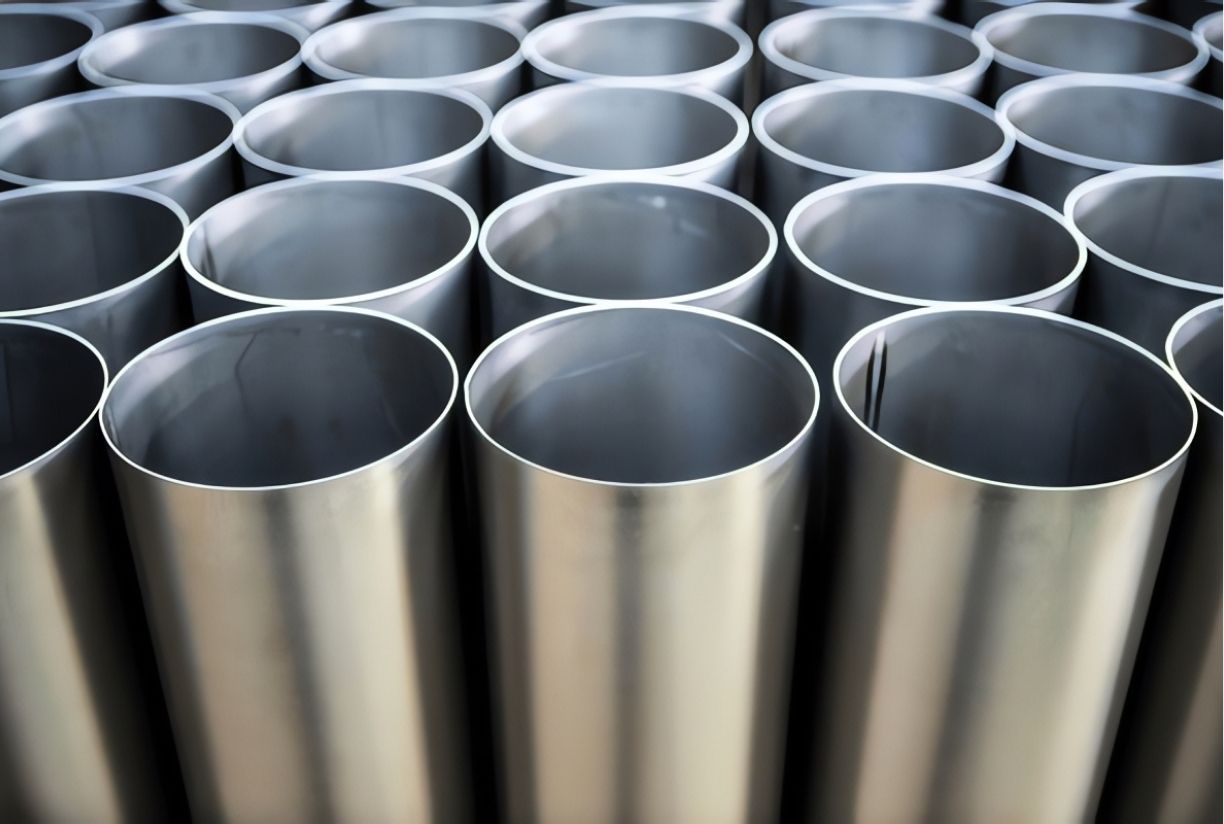
Table of Contents What is passivation in pharmaceutical manufacturing How does passivation prevent corrosion in food processing Why is passivation critical for our facility's efficiency What are the chemical steps in a passivation process How to verify stainless steel passivation meets standards Why does passivation extend industrial equipment life How does passivation ensure compliance in pharmaceutical plants What are the cost benefits of proper equipment passivation How to integrate passivation for sustainable facility operations Why choose a full-cycle engineering partner for passivation What is passivation in pharmaceutical manufacturing In pharmaceutical manufacturing, maintaining the highest levels of product purity and equipment integrity is non-negotiable. This is where the passivation process becomes a critical operational necessity, not merely an optional treatment. As an end-to-end engineering solutions provider, SS Proje recognizes that surface treatment is foundational to achieving long-term facility efficiency engineering and uncompromising food industry compliance. Passivation is the controlled chemical process used to enhance the natural corrosion resistance of stainless steel passivation, forming a protective oxide layer that prevents contaminants from interacting with product streams. The technical application of passivation directly addresses the core challenge of extending industrial equipment life. For critical assets like reactors, storage tanks, and distribution piping, this process removes free iron particles and other contaminants introduced during fabrication or welding. This creates a chemically inert surface that resists pitting and crevice corrosion, dramatically reducing maintenance frequency and the risk of catastrophic failure. This prophylactic approach is a cornerstone of process optimization consultancy, ensuring systems operate within rigorous specifications for decades, minimizing downtime and associated production losses. Effective implementation demands precision and adherence to standards like ASTM A967. SS Proje's methodology integrates passivation as part of a holistic facility strategy, where each piece of equipment, from complex mixing vessels to final-fill lines, is prepared for peak performance. This systematic approach prevents rouge formation, eliminates potential sites for microbial harborage, and ensures batch-to-batch consistency. The result is a reliable operational environment where equipment longevity is maximized, and the risk of product contamination—a costly event in both financial and regulatory terms—is virtually eliminated. Ultimately, investing in a professionally executed passivation program is an investment in sustainable facility performance. It is a proactive measure that delivers a clear return by safeguarding capital-intensive equipment, ensuring uninterrupted production schedules, and guaranteeing compliance with international regulatory bodies. Partnering with a specialist like SS Proje for this critical service embeds durability and reliability into the very fabric of your operations, transforming a routine procedure into a strategic advantage for long-term industrial equipment life and superior facility efficiency engineering. How does passivation prevent corrosion in food processing In food processing environments, equipment is constantly exposed to aggressive agents like acids, chlorides, and caustic cleaning agents that aggressively attack metal surfaces. The passivation process is the essential first line of defense, a controlled chemical treatment that fundamentally alters the surface of stainless steel passivation components to prevent corrosive degradation. For facility managers prioritizing food industry compliance and product integrity, understanding this mechanism is key to preventing contamination and ensuring operational continuity. Passivation works by dissolving free iron particles embedded in the stainless steel's surface during fabrication, welding, or mechanical abrasion. These iron inclusions are highly reactive sites where corrosion initiates. The process promotes the rapid formation of a continuous, inert chromium oxide layer that is chemically passive. This ultra-thin, protective barrier shields the underlying metal from reacting with process chemicals and moisture, a critical factor for achieving industrial equipment life extension and minimizing unscheduled maintenance. This kind of process optimization consultancy is fundamental to preventive maintenance strategies. The application of this technology is vital across the entire production line, from mixers and conveyors to cooking vats and filling machines. When executed as part of an end-to-end engineering solutions approach by a partner like SS Proje, passivation ensures that every surface contacting product is optimized for durability. This prevents pitting and crevice corrosion, which can harbor microbial contaminants and lead to product recalls, directly supporting facility efficiency engineering goals by eliminating a major source of operational risk. Ultimately, the corrosion prevention afforded by professional passivation is a direct contributor to sustainable operations. It reduces the need for frequent part replacements, conserves energy by maintaining optimal heat transfer in pharmaceutical manufacturing and food processing equipment, and ensures compliance with stringent hygiene standards. Investing in this proven surface treatment is not a cost but a strategic safeguard, integral to maximizing asset performance and protecting brand reputation through unwavering product quality and operational reliability. Why is passivation critical for our facility's efficiency For industrial facilities, operational efficiency is intrinsically linked to equipment reliability and process integrity, making the passivation process a critical, non-negotiable investment. Far from being a superficial treatment, passivation is a foundational element of facility efficiency engineering that directly impacts uptime, maintenance budgets, and product quality. In sectors like pharmaceutical manufacturing and food production, where any surface irregularity can lead to contamination or equipment failure, its role becomes paramount. The core efficiency gain stems from the dramatic extension of industrial equipment life. By creating a robust passive layer on stainless steel passivation surfaces, the treatment prevents corrosive pitting and the initiation of stress corrosion cracking. This eliminates unscheduled shutdowns for emergency repairs and drastically reduces the frequency of planned maintenance cycles. This kind of proactive process optimization consultancy transforms maintenance from a reactive cost center into a strategic asset protection program. Furthermore, a properly passivated surface ensures optimal operational performance. In heat exchangers, it maintains peak thermal conductivity, reducing energy consumption. In fluid processing lines, it minimizes friction and prevents particulate shedding that can clog filters and sensors. When implemented as part of end-to-end engineering solutions, passivation ensures every component works at its designed efficiency from installation onward. This holistic approach is essential for maintaining stringent food industry compliance and operational consistency. Ultimately, the efficiency argument for passivation is compelling. It directly reduces operational expenditures by lowering energy use, minimizing spare parts inventory, and avoiding costly production halts. For a facility manager or investor, it is a high-return action that safeguards the entire production value chain. Partnering with an expert like SS Proje ensures this critical process is executed to the highest standards, embedding long-term reliability and sustainable performance into the facility's core operations. What are the chemical steps in a passivation process Understanding the precise chemical steps of the passivation process is essential for production managers who prioritize facility efficiency engineering and long-term asset integrity. This methodical procedure, when executed correctly, transforms reactive stainless steel passivation surfaces into passive, corrosion-resistant assets. The sequence is not a single dip but a controlled series of stages designed to ensure maximum durability and compliance, forming a cornerstone of reliable end-to-end engineering solutions. The first critical step is meticulous alkaline cleaning to remove all organic residues, oils, and shop dirt from fabrication. This is followed by a thorough water rinse to eliminate any cleaning agent remnants. Next, the component is immersed in an acid bath, typically nitric or citric acid, which is the heart of the passivation process. This acid immersion selectively dissolves free iron particles from the surface while leaving the chromium-rich layer intact. This stage requires precise control of concentration, temperature, and contact time to be effective. Following the acid treatment, a final high-purity water rinse is conducted to neutralize and remove all acidic residues, ensuring no chemicals remain that could affect product quality in pharmaceutical manufacturing or compromise food industry compliance. The final, passive oxide layer then forms upon exposure to air, creating the protective barrier. This disciplined approach, representative of high-level process optimization consultancy, ensures the treatment is not just a coating but a fundamental enhancement of the material's properties. Each of these steps is critical to achieving the ultimate goal: significantly extending industrial equipment life and ensuring operational reliability. Skipping or improperly executing any phase can lead to incomplete passivation, leaving surfaces vulnerable to corrosion and contamination. Trusting this precise operation to specialists like SS Proje guarantees that these chemical steps are performed to international standards, securing your facility's efficiency, sustainability, and product integrity for years to come. How to verify stainless steel passivation meets standards In industries governed by stringent hygiene and safety protocols, verifying that stainless steel passivation meets international standards is a critical quality control checkpoint, not an optional audit. For plant managers in pharmaceutical manufacturing and food processing, this verification is the definitive proof that the passivation process has successfully created a corrosion-resistant surface, ensuring both food industry compliance and long-term operational integrity. This validation process is a core component of professional process optimization consultancy. The most common and reliable verification method is the water immersion test, guided by standards like ASTM A967. This involves immersing the passivated component in high-purity water for a specified period and subsequently analyzing the water for iron contamination. A more advanced technique is the copper sulfate test, where a solution is applied to the surface; the absence of copper plating indicates a successful passive layer. These tests provide objective data confirming the surface is free of free iron and ready for service, a fundamental requirement for extending industrial equipment life. Surface analysis techniques, such as X-ray Photoelectron Spectroscopy (XPS), offer a more detailed evaluation by measuring the thickness and chemical composition of the oxide layer itself. Integrating these verification protocols into an end-to-end engineering solutions framework ensures that every project delivers auditable results. This level of diligence prevents costly failures and rework, directly contributing to superior facility efficiency engineering by guaranteeing equipment performs as designed from day one. Ultimately, rigorous verification transforms passivation from a theoretical procedure into a guaranteed performance enhancer. It provides the documented evidence required for regulatory audits and instills confidence that equipment will deliver reliable service, minimizing unplanned downtime and protecting product purity. Partnering with a specialist like SS Proje for verification ensures these critical checks are embedded within the project lifecycle, delivering the sustained reliability and compliance that define world-class industrial operations. Why does passivation extend industrial equipment life The primary mechanism by which the passivation process significantly extends industrial equipment life is through the fundamental prevention of corrosion initiation. Industrial environments in sectors like pharmaceutical manufacturing and food processing are inherently corrosive, exposing stainless steel passivation surfaces to chlorides, acids, and caustic cleaners. Passivation proactively eliminates the microscopic sites where corrosion begins, transforming the material's surface to resist these aggressive agents for the long term. During fabrication, machining, and welding, microscopic iron particles become embedded in the stainless steel surface. These inclusions are electrochemically active and act as preferred sites for pitting corrosion, a localized attack that can rapidly penetrate and compromise the structural integrity of tanks, pipes, and reactors. The passivation process chemically dissolves these free iron particles, allowing the chromium in the alloy to form a uniform, inert chromium oxide layer. This passive film is impervious to most chemical attacks, preventing the initiation of pits and cracks that lead to premature failure. This corrosion resistance is the cornerstone of facility efficiency engineering, as it directly reduces the mechanical wear and degradation that necessitate frequent part replacements and overhauls. By preventing corrosion, passivation ensures that equipment maintains its dimensional stability and mechanical strength over decades, a critical consideration for achieving food industry compliance and product purity. Incorporating this treatment into end-to-end engineering solutions is a definitive step in any process optimization consultancy aimed at maximizing asset longevity. Ultimately, the life extension provided by passivation delivers a substantial return on investment by drastically lowering the total cost of ownership. It defers major capital expenditures for equipment replacement and minimizes operational disruptions caused by unplanned maintenance. This proactive approach, championed by engineering partners like SS Proje, ensures that industrial facilities not only meet but exceed their performance and lifespan expectations, securing a foundation of sustainable and reliable operations for years to come. How does passivation ensure compliance in pharmaceutical plants In pharmaceutical manufacturing, regulatory compliance is intrinsically tied to equipment surface quality, making the passivation process a critical validation requirement. Agencies like the FDA and EMA mandate that all product contact surfaces be non-reactive, non-absorptive, and resistant to corrosion to prevent drug contamination. Passivation is the engineered solution that fulfills this mandate by creating a chemically inert surface on stainless steel passivation equipment, directly supporting audit readiness and product safety. The process ensures compliance by systematically removing free iron and other contaminants that could otherwise leach into pharmaceutical products. These microscopic impurities are potential sites for rouge formation—a type of iron oxide contamination that can compromise drug purity and lead to devastating regulatory actions. By establishing a robust, uniform passive layer, passivation eliminates this risk, a fundamental aspect of process optimization consultancy aimed at guaranteeing food industry compliance and pharmaceutical standards. This proactive surface treatment is documented evidence of a facility's commitment to quality-by-design principles. Beyond contamination control, passivation is essential for maintaining the sterile integrity of processing systems. It prevents pitting and crevice corrosion that can harbor biofilms and microbial contaminants, which are unacceptable in aseptic processing environments. When integrated into end-to-end engineering solutions, the passivation of vessels, piping, and filtration systems becomes a verifiable step in the qualification protocol. This level of facility efficiency engineering ensures that equipment not only functions optimally but also meets the exacting documentation and performance standards required for regulatory approval. Ultimately, passivation transforms compliance from a reactive checklist into a built-in asset characteristic. It provides the defensible data and proven surface condition that inspectors require, while simultaneously extending industrial equipment life by preventing corrosive degradation. For pharmaceutical plant managers, partnering with an expert like SS Proje for certified passivation services is a strategic decision that embeds compliance, reliability, and long-term value directly into the production infrastructure. What are the cost benefits of proper equipment passivation The financial justification for the passivation process extends far beyond the initial treatment cost, delivering a substantial return on investment through direct operational savings and risk mitigation. For decision-makers focused on facility efficiency engineering, proper stainless steel passivation is a strategic investment that minimizes lifetime equipment costs. The most immediate financial benefit is the dramatic reduction in unplanned maintenance and premature component replacement. By preventing corrosion, passivation directly extends industrial equipment life, deferring major capital expenditures for new reactors, tanks, and piping systems. This longevity is critical in high-cost environments like pharmaceutical manufacturing, where a single vessel represents a significant investment. Furthermore, a corrosion-free surface maintains optimal thermal and hydrodynamic performance, leading to measurable energy savings in heating and cooling processes. This operational efficiency is a core tenet of high-level process optimization consultancy. Perhaps the most significant cost avoidance comes from ensuring food industry compliance and pharmaceutical regulatory standards. A failure in surface integrity can lead to massive costs associated with product recalls, batch rejections, and regulatory fines. Passivation acts as an insurance policy against these catastrophic financial risks. When executed as part of end-to-end engineering solutions, it ensures that equipment is validated for purity from the start, avoiding costly retrofits or shutdowns for corrective surface treatment. The cost benefits of passivation are therefore cumulative and long-term. It transforms equipment from a depreciating asset into a durable, reliable production tool that operates at peak efficiency for decades. For facility managers and investors, partnering with a specialist like SS Proje to integrate certified passivation into the project lifecycle is a financially astute decision that safeguards profitability, ensures compliance, and maximizes the value of every capital equipment investment. How to integrate passivation for sustainable facility operations Integrating the passivation process into a sustainable facility strategy requires viewing it as a foundational element of the asset lifecycle, not a standalone post-installation task. True sustainability in industrial operations is achieved by maximizing resource efficiency and minimizing waste, goals directly supported by proactive surface treatment of stainless steel passivation equipment. This integration begins at the design phase and is a hallmark of advanced facility efficiency engineering. The most effective integration occurs within an end-to-end engineering solutions framework, where passivation is specified as a mandatory step during the fabrication and installation of all process equipment. This ensures that vessels, piping, and heat exchangers in pharmaceutical manufacturing and food processing lines are delivered with optimal corrosion resistance from day one. This proactive approach, guided by expert process optimization consultancy, prevents the resource-intensive cycle of premature repairs and replacements, conserving materials and energy. Sustainability is further enhanced by the operational efficiencies gained. A properly passivated surface maintains heat transfer efficiency, reducing energy consumption for heating and cooling processes. It also supports food industry compliance by eliminating the risk of product contamination and the associated waste from rejected batches. By substantially extending industrial equipment life, passivation reduces the environmental footprint linked to manufacturing new components and disposing of degraded ones. Ultimately, integrating passivation transforms sustainability from an abstract goal into a measurable operational outcome. It aligns long-term economic performance with environmental stewardship by ensuring assets perform reliably for their full design life. For facility managers committed to sustainable operations, partnering with SS Proje to embed certified passivation into the project lifecycle is the most effective strategy for achieving durable, efficient, and compliant performance that stands the test of time. Why choose a full-cycle engineering partner for passivation Selecting a single-source provider for the passivation process is a strategic decision that eliminates the coordination gaps and accountability issues inherent in using multiple subcontractors. A full-cycle end-to-end engineering solutions partner like SS Proje manages the entire lifecycle, from material specification and equipment fabrication to field installation and final validation. This holistic approach ensures that stainless steel passivation is not an afterthought but an integral, guaranteed component of the final asset. The primary advantage lies in seamless integration and unwavering accountability. When the same entity responsible for facility efficiency engineering design also executes the passivation, every fabrication step is optimized for the final surface treatment. This prevents common pitfalls where welding techniques or material choices inadvertently complicate the passivation process. For critical applications in pharmaceutical manufacturing, this single-point responsibility is essential for achieving and documenting food industry compliance. This comprehensive service model embodies the highest level of process optimization consultancy. The engineering partner can pre-emptively design systems for easy maintenance and recoating, ensuring long-term industrial equipment life extension. They possess the deep technical knowledge to select the correct passivation method—nitric or citric acid—based on the alloy and application, and they manage all chemical handling, waste disposal, and verification testing under one roof, ensuring safety and environmental compliance. Ultimately, partnering with a full-cycle expert transforms passivation from a procedural step into a value-driver for the entire project. It guarantees that the significant investment in new equipment is protected from day one, delivering maximum operational reliability and return on investment. By choosing an integrated partner like SS Proje, facility managers secure not just a service but a long-term commitment to performance, sustainability, and the uninterrupted efficiency of their operations.
See More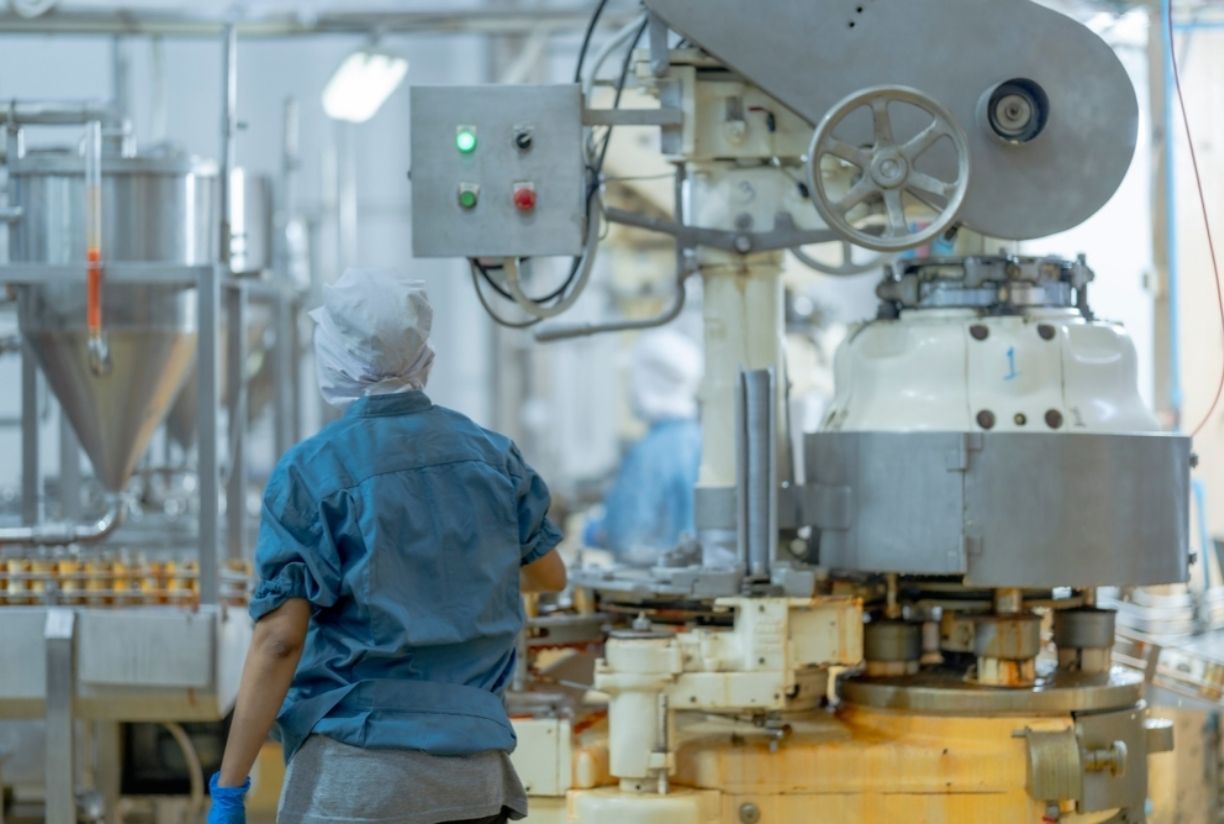
Table of Contents What Are CIP and SIP Systems and Why Are They Critical in Hygienic Production? CIP or SIP: Which Cleaning Method Is More Effective? Most Common Mistakes in CIP and SIP Applications How CIP and SIP Usage in the Food and Pharmaceutical Industry Guarantees Hygiene Can Corrosion and Contamination Be Prevented with CIP and SIP Systems? Different CIP and SIP Models: Which Is Optimized for Your Industry? What Are CIP and SIP Systems and Why Are They Critical in Hygienic Production? In modern food and pharmaceutical production facilities, ensuring continuous hygienic production depends on effective cleaning of equipment; this is where CIP and SIP systems come into play. CIP (Clean-In-Place) systems allow production lines to be cleaned automatically without disassembly, minimizing errors and contamination risks caused by manual intervention. SIP (Sterilize-In-Place) sterilizes equipment using high temperature and/or chemicals, making it safe from microorganisms. The effectiveness of CIP and SIP systems depends on executing cleaning cycles with correct parameters. Chemical concentration, temperature, flow rate, and contact time determine system performance; cleaning efficiency is achieved through the proper combination of these parameters. SS-Proje optimizes these parameters in facilities, ensuring both energy and chemical savings while maintaining consistent hygiene standards. Protecting passive surfaces is also critical in CIP and SIP applications. Biofilm formation must be prevented on surfaces, and metal ion release should be minimized. SS-Proje monitors the integrity of equipment surface passivation through field measurements and validation protocols, implementing corrective measures if needed. From an industrial hygiene perspective, GMP and ISO requirements mandate regular verification of CIP/SIP procedures. Cleaning efficiency is verified through surface sampling, conductivity measurements, and microbiological tests. These data ensure traceability and continuous control of production processes. System design details, including pipe diameters, valve positions, and circulation layout, directly affect cleaning effectiveness. Irregular flow may leave some areas untouched by chemical agents; therefore, SS-Proje ensures critical points are cleaned effectively through facility-specific optimization studies. Periodic maintenance and control cycles reduce contamination risks and maintain hygiene continuity. Standardization of CIP and SIP systems increases production efficiency while guaranteeing product safety. Operator training, automation, and periodic validation procedures allow continuous monitoring of system performance; with SS-Proje’s field support services, facilities can achieve safe production even under the most stringent hygiene conditions. CIP or SIP: Which Cleaning Method Is More Effective? In industrial hygiene and food/pharmaceutical production, equipment cleaning is critical for product safety. Two main methods, CIP and SIP, offer different advantages. CIP (Clean-In-Place) provides automatic cleaning without disassembly, removing dirt and microorganisms with chemical agents, temperature, and circulation. SIP (Sterilize-In-Place) reduces microbial load to a minimum with high temperature or chemical sterilization, especially critical for sterilization-required production lines. CIP is fast and cost-efficient; it is suitable for pipes and tanks. Optimizing chemical parameters ensures high cleaning efficiency. SS-Proje analyzes field data to improve CIP cycle efficiency while optimizing energy and chemical usage. SIP’s advantage is sterilization power. Especially in pharmaceutical production, where microbial contamination cannot be tolerated, SIP is indispensable. High temperature and pressure combinations ensure elimination of bacteria, yeast, and molds even on passive surfaces. SS-Proje ensures SIP parameters are correctly set for the facility, maximizing process reliability. Validation and traceability are critical for both systems. Post-CIP or SIP sampling, conductivity, and microbiological testing should support the process. These tests demonstrate consistency and compliance with hygiene standards; SS-Proje integrates validation packages on-site to help operators follow procedures accurately. The choice depends on the production line’s needs and risk assessment. CIP provides continuity and cost advantage, while SIP delivers superior performance at critical sterilization points. A CIP/SIP combination often represents the optimal solution in many facilities; SS-Proje designs this combination according to facility data, ensuring both hygiene and operational efficiency. Operator training, automation, and procedure standards enhance the effectiveness of both methods. Periodic checks, tests, and on-site measurements ensure continuous monitoring of systems; SS-Proje’s field support fully manages this process. Most Common Mistakes in CIP and SIP Applications The effectiveness of CIP and SIP systems is critical for production line hygiene and product safety. However, several common mistakes frequently occur. One primary issue is incorrect CIP parameters; unsuitable chemical concentration, temperature, or flow rate reduces cleaning efficiency and may leave residues on equipment surfaces. In SIP applications, insufficient sterilization time or temperature is a common problem. Low temperature or short contact time allows microorganisms to survive, increasing contamination risk. SS-Proje ensures parameters are applied correctly through field measurements and validation protocols. Another critical error relates to material selection and surface workmanship. Inappropriate stainless steel alloys or post-welding defects weaken the passive layer, reducing cleaning efficiency in both CIP and SIP cycles. SS-Proje verifies material and process compatibility with field data and optimizes risk points. Operator errors are also common. Incorrect recipe preparation, delayed cleaning cycles, or neglected documentation lead to traceability gaps and procedural deviations. Standard operator training and SS-Proje’s on-site support minimize these risks. Neglecting cleaning and sterilization validation is another critical mistake. Skipping surface sampling, conductivity measurements, or microbiological tests prevents proof of cleaning efficiency. Therefore, validation should be applied periodically across the production line. Finally, system design shortcomings invite errors. If pipe diameters, valve positions, or circulation layout are inadequate, chemical agents may be ineffective in some areas. SS-Proje’s facility-specific optimization ensures critical points are properly cleaned and maximizes both CIP and SIP effectiveness. How CIP and SIP Usage in the Food and Pharmaceutical Industry Guarantees Hygiene Maintaining hygiene in production lines is vital for product safety and quality in the food and pharmaceutical industries. CIP and SIP systems play a critical role. CIP provides automatic cleaning without disassembly; chemical agents and controlled flow remove residues from surfaces. SIP reduces microbial load with high temperature and/or chemical sterilization, ensuring safety at sterilization-critical points. The success of CIP and SIP cycles depends on applying correct parameters. Factors like temperature, chemical concentration, flow rate, and contact time directly determine cleaning efficiency. SS-Proje analyzes facility data to optimize these parameters, minimizing energy and chemical usage for efficient operation. Protecting passive surfaces enhances CIP and SIP effectiveness. Preventing biofilm formation and minimizing metal ion release is necessary. SS-Proje monitors passive film integrity via field measurements and validation protocols, applying corrective measures as needed to maintain continuous hygiene. GMP and ISO requirements mandate process verification. Sample analysis, microbiological testing, and conductivity measurements provide traceability and document cleaning efficiency. SS-Proje integrates validation packages on-site, ensuring operators follow procedures accurately. System design—including pipe diameters, valve positions, and circulation layout—also affects cleaning efficiency. Irregular flow may prevent chemical agents from reaching some areas. SS-Proje guarantees critical point cleaning through facility-specific optimization, ensuring CIP and SIP maintain hygiene standards. Operator training, automation, and periodic control cycles ensure continuous monitoring; SS-Proje’s field support sustains hygienic production conditions. Can Corrosion and Contamination Be Prevented with CIP and SIP Systems? Long-lasting, safe operation of equipment in food and pharmaceutical production depends on minimizing both corrosion and contamination risks. CIP and SIP systems play a critical role in preventing these risks. CIP cleans equipment without disassembly, removing dirt and microorganisms using chemical agents and controlled temperature. SIP ensures sterilization, eliminating microorganisms in critical areas. Protecting passive surfaces is vital for preventing corrosion and contamination. Proper passivation prevents metal surfaces from becoming reactive and enhances cleaning effectiveness during CIP/SIP cycles. SS-Proje continuously monitors passive layer integrity via field measurements and validation, intervening as needed. Biofilm formation, metal ion release, and micro-particle detachment in critical equipment areas increase contamination risk. Regular CIP and SIP cycles minimize these risks. SS-Proje guarantees both cleaning effectiveness and surface protection at critical points with optimized facility-specific cleaning cycles. System design and process parameters are crucial. Inadequate pipe diameters, valve positions, or circulation layout can reduce chemical agent effectiveness and increase corrosion risk. CIP/SIP optimization targets these areas, ensures uniform cleaning, and preserves equipment integrity. Validation and traceability support process sustainability. Sample analysis, microbiological tests, and conductivity measurements provide traceability and minimize contamination risks. SS-Proje’s field support enables continuous monitoring and optimization throughout operations. Operator training, automation, and periodic control cycles maximize CIP and SIP effectiveness, keeping corrosion and contamination risks under constant control. Different CIP and SIP Models: Which Is Optimized for Your Industry? Different CIP and SIP models are used to ensure hygienic processes in industrial production. Each model is optimized according to facility production capacity, equipment type, and hygiene standards. CIP systems are especially suitable for tanks and pipelines, providing cleaning with chemical agents and controlled flow. SIP systems reduce microbial load in critical lines requiring sterilization. CIP models include counterflow, rotary, and modular designs. In counterflow systems, chemical solution flows backward through the production line, cleaning surfaces and even hard-to-reach areas. Rotary and modular systems maximize cleaning efficiency and conserve chemicals. SS-Proje analyzes facility data to recommend the best CIP model, enhancing process efficiency. SIP models are optimized according to temperature and pressure combinations. Steam sterilization systems are critical, especially in pharmaceutical production. SIP systems supported with chemical sterilization are preferred for heat-sensitive product lines. These models minimize microbial contamination risk and preserve passive surface integrity. When choosing, system design, pipe diameters, valve positions, and flow layout must be considered. Poor design may prevent chemical agents from reaching some areas. SS-Proje ensures critical point cleaning through facility-specific optimization, enhancing CIP and SIP effectiveness. Operator training, automation, and periodic validation allow continuous monitoring of system performance. Traceability and data-driven control clearly identify which model is suitable for each process, maintaining hygiene standards consistently.
See More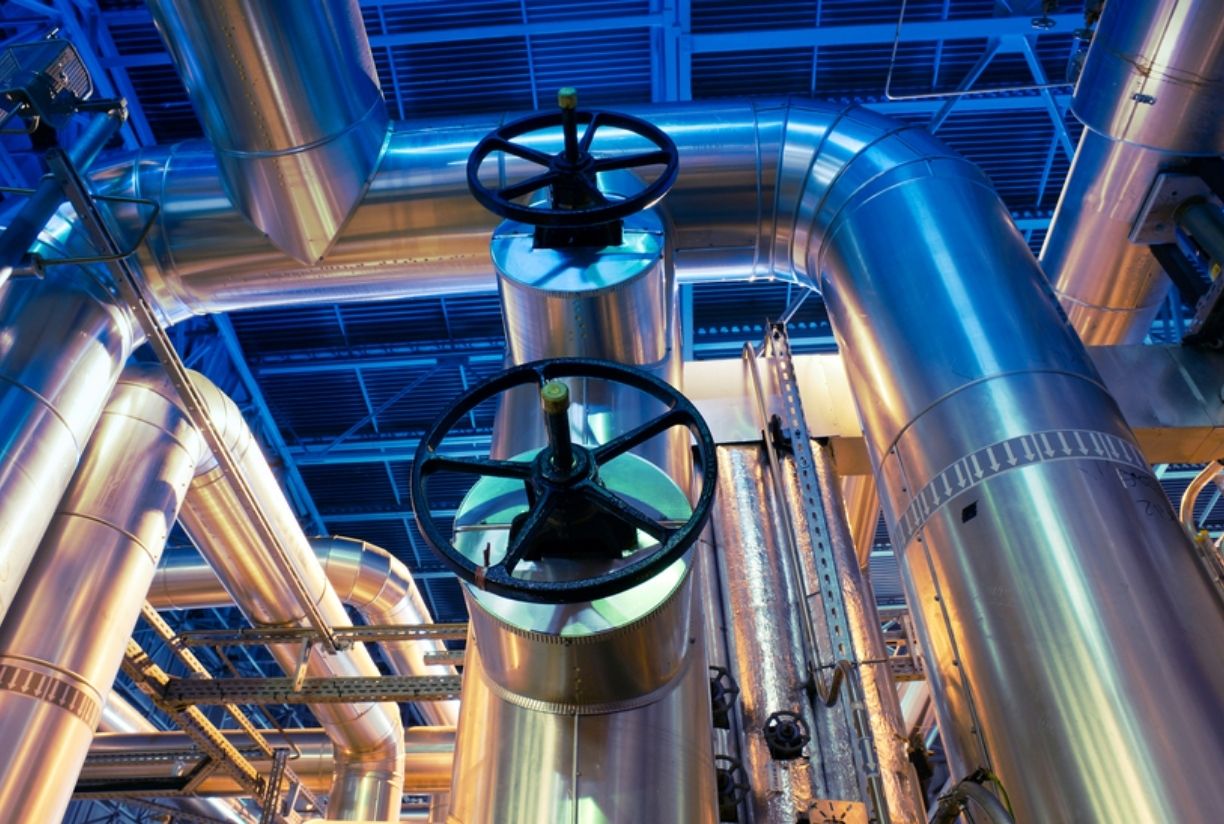
Table of Contents What is Hygienic Piping and Why is it Important in Food and Pharmaceutical Production? Which Hygienic Piping Solutions Should be Preferred for High-Quality Production? How Does Hygienic Piping Contribute to Production Efficiency? How is Piping Hygiene Controlled in the Food and Pharmaceutical Industry? Does Investment in Hygienic Piping Reduce Costs in the Long Term? Stainless Steel or Special Alloys? Material Comparison in Hygienic Piping What is Hygienic Piping and Why is it Important in Food and Pharmaceutical Production? In food and pharmaceutical production, having hygienic piping is vital for product safety and quality. Hygienic piping refers to pipe, valve, and equipment systems designed from planning to installation to prevent microbial growth. Smooth surfaces, minimal welding points, and designs suitable for cleaning cycles are fundamental features of this piping. The cleanability of pipelines and equipment is critical for reducing contamination risks during production. Hygienic piping integrated with CIP and SIP systems allows automatic cleaning and sterilization without disassembling the equipment. SS-Proje analyzes field data to optimize hygienic piping design and ensure cleaning cycles are maximally effective. Material selection directly affects hygienic piping performance. Stainless steel, proper alloys, and post-welding passivation processes ensure surfaces are resistant to corrosion. This prevents biofilm formation, and cleaning cycles effectively remove chemical agents from surfaces. Operators understanding how hygienic piping works, complying with procedures, and performing proper cleaning are also important. Training, automation systems, and periodic control cycles provide traceability and ensure production lines remain continuously hygienic. SS-Proje supports the facility in maintaining hygienic standards with field services. Properly designed hygienic piping preserves equipment integrity, increases production efficiency, and guarantees safe products in both food and pharmaceutical production. Continuous monitoring through periodic validation and optimization minimizes risks and keeps production hygienic. Which Hygienic Piping Solutions Should be Preferred for High-Quality Production? Obtaining high-quality products in food and pharmaceutical production is directly related not only to raw material quality but also to hygienic piping solutions. The design, material selection, and cleanability of the piping ensure safe and efficient production. Hygienic piping should allow cleaning and sterilization without disassembly. Stainless steel pipes and suitable alloys with smooth surfaces and proper welding processes minimize contamination risks. Hygienic piping integrated with CIP and SIP systems automates cleaning and sterilization processes during production, reducing operator errors. SS-Proje performs facility-based analyses to recommend the most suitable hygienic piping solution and ensure maximum cleaning efficiency. Modular and flexible piping systems should be preferred for different production lines. This allows equipment to be relocated according to production capacity changes without disrupting cleaning processes. Additionally, proper passivation and surface treatments are critical to prevent passive surface deterioration and biofilm formation. Operator training, standard procedures, and periodic control systems enhance the efficiency of hygienic piping. Traceability ensures cleaning and sterilization cycles are verified and documented. SS-Proje continuously optimizes these processes with field support to maintain hygienic standards. Proper hygienic piping solutions guarantee product safety and quality on the production line. With system design, material selection, CIP/SIP integration, and regular validation, production is managed hygienically and efficiently while minimizing risks and maintaining quality standards. How Does Hygienic Piping Contribute to Production Efficiency? One of the main ways to increase production efficiency in food and pharmaceutical production is using hygienic piping. These pipes allow cleaning and sterilization without disassembly, keeping production uninterrupted and safe. Operator errors and downtime are minimized, and production capacity is maintained at maximum levels. When hygienic piping is integrated with the correct cleaning and sterilization cycles, it reduces biofilm formation and contamination risks on equipment surfaces. CIP and SIP-compatible piping automates cleaning cycles, saving time and ensuring the production line remains hygienic. SS-Proje analyzes facility data to optimize this integration and improve process efficiency. Material selection and surface finishing directly impact production efficiency. Stainless steel alloys, smooth surfaces, and passivation treatments extend equipment lifespan, reducing downtime and maintenance periods. Equipment durability supports continuous efficiency. Operator training and procedure standards enhance consistency in production processes. Traceability and validation confirm cleaning cycles and prevent deviations. SS-Proje field support ensures operators follow procedures correctly, increasing production efficiency. Well-designed hygienic piping directly contributes to production efficiency by minimizing downtime, maximizing cleaning effectiveness, and enabling continuous quality control. System design, material selection, CIP/SIP integration, and periodic optimization ensure production is managed safely and efficiently. How is Piping Hygiene Controlled in the Food and Pharmaceutical Industry? Controlling piping hygiene in food and pharmaceutical production is critical for product safety and quality. Piping hygiene is ensured through regular cleaning, sterilization, and surface monitoring methods. Hygienic piping integrated with CIP and SIP systems can be cleaned and sterilized without disassembly, guaranteeing uninterrupted hygiene on production lines. Surface samples and microbiological tests are frequently used in hygiene monitoring. Swab tests measure microbial load on equipment surfaces and verify the effectiveness of cleaning cycles. SS-Proje ensures these tests are correctly applied through field measurements and validation protocols, increasing result reliability. The correct application of cleaning chemicals and temperature parameters must also be monitored. During CIP cycles, chemical concentration, flow rate, and contact time are tracked to avoid residues and minimize microbial risk. Cleaning parameters must be properly recorded and documented in validation reports. Integrity and corrosion status of passive surfaces are also part of hygiene control. Biofilm or corrosion on metal surfaces reduces CIP and SIP effectiveness. SS-Proje minimizes these risks through facility-based analysis and optimization, keeping equipment continuously hygienic. Operator training, procedure standards, and periodic control cycles continuously monitor system performance. Traceability ensures all cleaning and sterilization steps are tracked. SS-Proje field services optimize piping hygiene control and provide safe, continuous hygiene in production processes. Does Investment in Hygienic Piping Reduce Costs in the Long Term? Although the initial cost of hygienic piping investment is high, it provides significant long-term savings in food and pharmaceutical production. Hygienic piping allows cleaning and sterilization without disassembly, minimizes production line downtime, and reduces losses caused by operator errors. This directly lowers production costs. Automation of cleaning and sterilization cycles is made possible through hygienic piping integrated with CIP and SIP systems. Cleaning efficiency increases, and chemical and energy consumption is optimized. SS-Proje analyzes facility data to maximize cleaning cycle effectiveness and help control costs. Preserving passive surfaces and preventing corrosion also provide long-term savings. High-quality materials, proper welding, and passivation processes extend equipment life. Reduced failures and maintenance periods minimize production interruptions and lower costs. Operator training and standard procedures enhance consistency in production processes. Traceability and validation ensure all cleaning and sterilization steps are monitored. SS-Proje field support increases long-term operational efficiency and prevents unexpected costs. Properly designed and integrated hygienic piping systems ensure production safety and reduce long-term maintenance, energy, and cleaning costs. With system design, material selection, and CIP/SIP integration, the investment provides high returns over time. Stainless Steel or Special Alloys? Material Comparison in Hygienic Piping Although the initial cost of hygienic piping investment is high, it provides significant long-term savings in food and pharmaceutical production. Hygienic piping allows cleaning and sterilization without disassembly, minimizes downtime, and reduces operator-related losses, directly lowering production costs. Automation of cleaning and sterilization cycles is possible with hygienic piping integrated with CIP and SIP systems. Cleaning efficiency increases, and chemical and energy consumption is optimized. SS-Proje analyzes facility data to maximize cleaning cycle effectiveness and maintain cost control. Protecting passive surfaces and preventing corrosion also provides long-term savings. High-quality material selection, proper welding, and passivation extend equipment life. Reduced failures and maintenance periods minimize production downtime and lower costs. Operator training and standard procedures enhance process consistency. Traceability and validation ensure all cleaning and sterilization steps are monitored. SS-Proje field support increases operational efficiency over the long term and prevents unexpected costs. Properly designed and integrated hygienic piping systems ensure production safety and reduce long-term maintenance, energy, and cleaning costs. With system design, material selection, and CIP/SIP integration, the investment provides high returns over time.
See More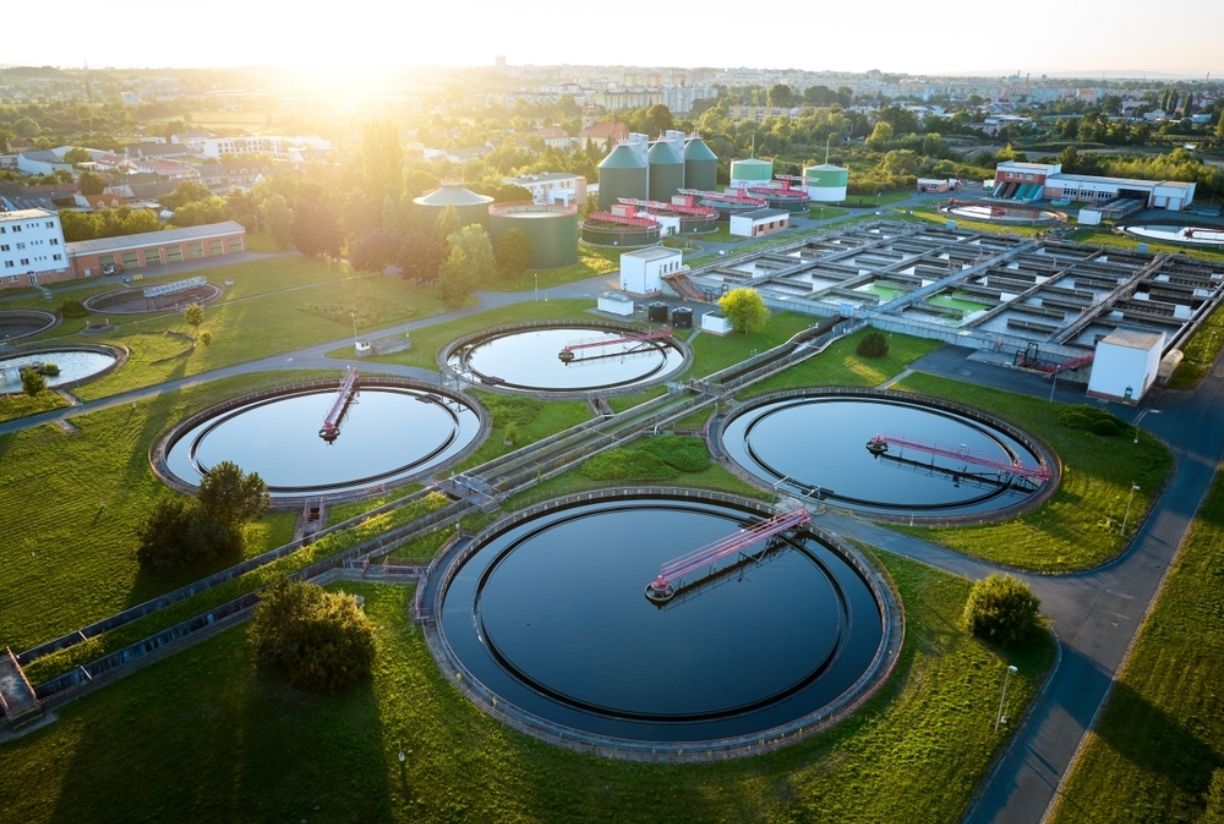
Table of Contents Why Are Wastewater Systems the Key to Sustainability in Industrial Facilities? How Can You Reduce Costs and Environmental Impact with Modern Wastewater Management? Which Innovations Stand Out in Industrial Wastewater Treatment Technologies? Which Wastewater Systems Are Most Effective for Sustainable Water Use? How Do Wastewater Systems Increase Industrial Efficiency? Investing in Wastewater Systems: Short-Term Costs vs Long-Term Gains Why Are Wastewater Systems the Key to Sustainability in Industrial Facilities? Wastewater systems play a critical role in ensuring sustainability in industrial facilities. Proper management of water generated from production processes contributes both to reducing environmental impact and improving cost efficiency. Wastewater systems enable the control and recovery of pollutants, forming the foundation of sustainable production processes. Modern wastewater systems support water treatment and reuse. Water recovery helps preserve natural resources while reducing operational costs. SS-Proje optimizes wastewater management through facility-based analyses, contributing to achieving environmental sustainability goals. Improper wastewater management in industrial facilities can harm the environment and lead to regulatory penalties. Therefore, wastewater systems are essential for both pollution control and process safety. Efficient treatment and monitoring systems ensure proper disposal of contaminants in water. Operator training, automation, and periodic inspection cycles increase the efficiency of wastewater systems. Traceability allows continuous monitoring of water quality and documentation of processes. SS-Proje’s on-site support services optimize system performance and secure the facility’s sustainability targets. Properly designed and integrated wastewater systems reduce environmental impact while enhancing production efficiency. Water management, treatment, and recovery solutions allow industrial facilities to operate sustainably and economically. How Can You Reduce Costs and Environmental Impact with Modern Wastewater Management? Modern wastewater management plays a key role in reducing costs and environmental impact in industrial facilities. Proper treatment and reuse of wastewater from production processes reduce water consumption and prevent regulatory penalties. This ensures environmental sustainability while lowering operational costs. Advanced wastewater systems support water reuse and energy efficiency. Water recovery preserves natural resources and optimizes production costs. SS-Proje plans water management efficiently through facility-based analyses and maximizes operational savings. Poor wastewater management increases pollution and environmental risks. Modern systems are therefore vital for both pollution control and process safety. Automated monitoring and treatment technologies continuously track water quality and provide operational assurance. Operator training, procedure standards, and periodic inspection cycles improve system effectiveness. Traceability ensures all cleaning and treatment processes are documented, preventing deviations. SS-Proje’s on-site support services optimize system performance and reduce both costs and environmental impact. Properly designed modern wastewater management systems minimize environmental impact while increasing production efficiency. With water treatment, recovery, and traceability solutions, industrial facilities can operate sustainably and economically. Which Innovations Stand Out in Industrial Wastewater Treatment Technologies? Wastewater treatment technologies are constantly evolving to manage industrial wastewater more efficiently. New-generation systems enhance environmental sustainability and optimize costs. Microfiltration, ultrafiltration, and advanced oxidation technologies maintain high water quality while improving process efficiency. Energy efficiency and automation are central in modern treatment systems. Smart sensors and automated control systems optimize treatment cycles by monitoring water quality in real time. SS-Proje provides the most suitable automation solutions through facility-based analyses, ensuring maximum efficiency in water management. Innovative methods are emerging for separating chemical and biological components in industrial wastewater. Membrane bioreactors (MBR), electrocoagulation, and photocatalytic treatment systems both remove pollutants and help facilities achieve sustainability goals. These technologies reduce environmental risk and lower water costs in production processes. Operator training and regular validation cycles improve treatment technology effectiveness. Traceability and reporting ensure the accuracy of all treatment steps. SS-Proje’s on-site support services optimize system performance and secure long-term sustainability. Next-generation wastewater treatment technologies reduce environmental impact while increasing operational efficiency. Energy savings, automation, and advanced treatment methods allow facilities to operate sustainably and economically. Which Wastewater Systems Are Most Effective for Sustainable Water Use? Sustainable water use is vital for industrial facilities both environmentally and economically. Efficient wastewater systems reduce water consumption while minimizing environmental impact. Advanced treatment and recovery systems enable water reuse, enhancing the sustainability of production processes. Technologies such as membrane bioreactors, advanced oxidation, and ultrafiltration stand out in modern wastewater systems. Water recovery and filtration processes remove contaminants and allow clean water to be redirected back to production lines. SS-Proje offers optimized system designs through facility-based analyses to maximize water efficiency. Energy savings and automation are other critical aspects of effective wastewater systems. Smart sensors and real-time monitoring technologies continuously track wastewater quality and optimize treatment cycles, reducing energy consumption and operational costs. Periodic maintenance, validation, and operator training ensure long-term system performance. Traceability documents all treatment processes and prevents deviations. SS-Proje’s on-site support services improve the efficiency of wastewater systems, ensuring both environmental and economic sustainability. Properly designed and optimized wastewater systems reduce water usage while increasing production efficiency. Recovery, filtration, and traceability solutions allow facilities to operate sustainably and economically. How Do Wastewater Systems Increase Industrial Efficiency? Wastewater systems are an important tool for increasing production efficiency in industrial facilities. Properly designed and optimized systems ensure efficient water treatment and recovery, reducing production downtime and optimizing energy use. This lowers operational costs and stabilizes processes. Modern wastewater systems equipped with automation and smart monitoring technologies continuously track water quality and optimize treatment processes. Water recovery preserves natural resources and reduces production costs. SS-Proje provides the most efficient recovery solutions through facility-based analyses, creating operational advantages. Removal of chemical and biological pollutants in industrial wastewater extends equipment lifespan. Pollution control keeps machinery and pipelines cleaner for longer, reducing maintenance and repair needs. This ensures safer and uninterrupted operation of production lines. Operator training and procedure standards support the efficiency of wastewater systems. Traceability records all treatment steps, allowing quick detection and correction of deviations. SS-Proje’s on-site support services optimize water management and increase production efficiency. Properly designed wastewater systems reduce environmental impact while improving production performance. With water treatment, recovery, and traceability solutions, facilities operate sustainably and economically. Investing in Wastewater Systems: Short-Term Costs vs Long-Term Gains Investments in wastewater systems in industrial facilities require careful balance between short-term costs and long-term gains. While initial installation costs may be high, properly designed and optimized systems reduce water consumption, lower operational expenses, and support environmental sustainability. Recovery technologies stand out in modern wastewater management. Water recovery preserves natural resources and provides long-term cost advantages. SS-Proje offers system solutions that maximize investment return and operational savings through facility-based analyses. Efficient treatment of chemical and biological components in industrial wastewater extends equipment life and reduces maintenance costs. Pollution control ensures safer and uninterrupted operation of production lines. Short-term costs are offset by long-term gains. Operator training, automation, and periodic inspections increase system performance. Traceability monitors all treatment processes and quickly corrects errors. SS-Proje’s on-site support services preserve investment value and secure long-term facility efficiency. Properly planned and integrated wastewater systems provide sustainable and economic advantages beyond short-term costs. Recovery, filtration, and traceability solutions allow facilities to achieve both environmental and financial long-term gains.
See More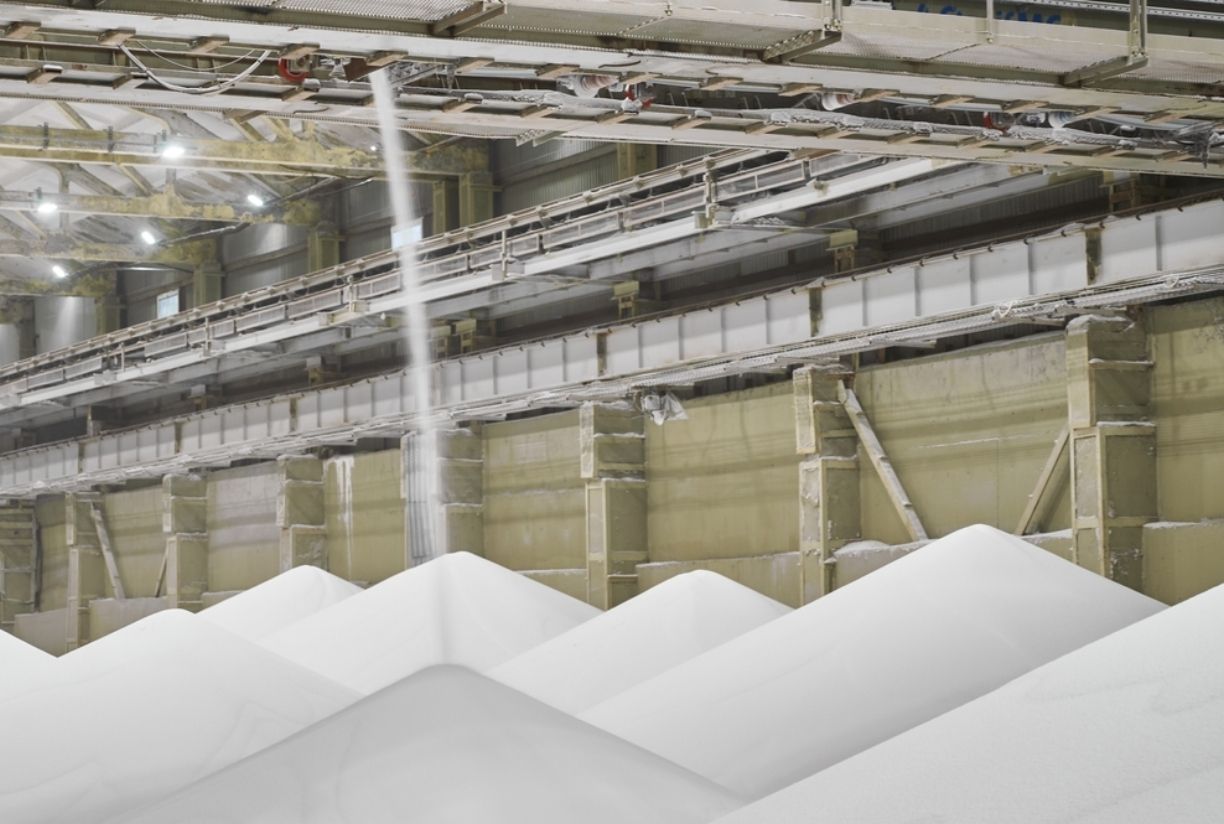
Table of Contents How Do Dust Transfer Systems Increase Efficiency in Industrial Production? Which Systems and Procedures Should Be Used for Safe Dust Transfer? Which Mistakes Should Be Avoided in Dust Transfer in Industrial Facilities? How Are Energy Efficiency and Occupational Safety Ensured in Dust Transfer Systems? How Much Advantage Do Modern Dust Transfer Systems Offer Compared to Traditional Systems? Energy Consumption and Cost Analysis in Dust Transfer in Industrial Facilities How Do Dust Transfer Systems Increase Efficiency in Industrial Production? In industrial production processes, dust transfer systems optimize material flow and increase efficiency. These systems enable powders to be transported quickly and cleanly between lines, reducing production time and labor requirements. SS-Proje ensures these processes run smoothly with high-quality and integrated solutions. Modern dust transfer systems primarily use vacuum or pneumatic technologies. Material transport is carried out in a controlled and uniform manner, minimizing interruptions on the production line. This increases production efficiency while reducing product losses. Hygiene and safety in dust transfer are especially critical for the food and pharmaceutical industries. Reducing dust contamination risk ensures both product quality and employee safety. SS-Proje’s systems are designed to meet these standards and have passed field tests. Automation and sensor integration enhance the performance of transfer systems. Real-time monitoring allows material flow to be tracked, and errors are quickly detected and resolved. This ensures operational efficiency remains consistently high. Dust transfer systems not only increase speed and efficiency in industrial production but also contribute to energy savings and reduced maintenance costs. With SS-Proje solutions, facilities enhance production capacity and gain long-term operational advantages. Which Systems and Procedures Should Be Used for Safe Dust Transfer? Safe dust transfer in industrial production processes is critical for both product quality and employee safety. Implementing the correct systems and procedures minimizes dust contamination risks and prevents production line disruptions. SS-Proje provides solutions that ensure safe and efficient transfer processes. Pneumatic and vacuum transfer systems enable controlled transport of powders, increasing production efficiency. Material flow is continuously monitored and integrated with automation systems, preventing blockages and backflows, thus improving line efficiency. Procedures are as important as the systems. Operator training, standard operating procedures (SOPs), and periodic maintenance plans support safe operation of transfer systems. Traceability ensures all transfer steps are documented, and any deviations are quickly identified. SS-Proje’s field support services ensure these processes are effectively executed. Hygiene and safety measures in dust transfer systems are especially critical for the food and pharmaceutical industries. Precautions against dust accumulation and explosion risks ensure both facility safety and product quality. Filtration, pressure control, and proper piping design are key components of these measures. Safe and optimized dust transfer systems increase operational efficiency in industrial production while reducing maintenance and energy costs in the long term. With SS-Proje’s integrated solutions, facilities achieve a sustainable and safe production environment. Which Mistakes Should Be Avoided in Dust Transfer in Industrial Facilities? Mistakes during dust transfer in industrial production facilities reduce efficiency and increase occupational safety risks. Neglect in system design, incorrect equipment selection, or insufficient maintenance are common issues. SS-Proje offers high-quality solutions that minimize these mistakes and secure production processes. If material flow is not monitored in pneumatic or vacuum systems, blockages and backflows can occur, causing production line stoppages and time loss. Regular system maintenance and sensor-based monitoring solutions are critical to preventing these issues. Neglecting hygiene and safety standards in dust transfer poses serious risks, especially in the food and pharmaceutical sectors. Dust accumulation and contamination reduce product quality and may lead to regulatory compliance issues. SS-Proje’s integrated solutions maintain hygiene and safety while improving efficiency. Lack of operator training and failure to follow procedures are also common mistakes. Standard operating procedures and traceability practices ensure all transfer steps are documented and errors are promptly addressed. Proper system selection, regular maintenance, and adherence to procedures minimize mistakes in dust transfer and enhance efficiency in industrial production. With SS-Proje solutions, facilities achieve both safe and uninterrupted production processes. How Are Energy Efficiency and Occupational Safety Ensured in Dust Transfer Systems? In industrial production processes, energy efficiency in dust transfer systems is critical for reducing operational costs and increasing sustainability. Properly designed systems reduce unnecessary energy consumption while ensuring uninterrupted production. SS-Proje maximizes facility efficiency with energy-saving solutions. Occupational safety is as important as energy efficiency. Dust explosion and contamination risks can be minimized with appropriate equipment and procedures. Closed systems, filtration, and pressure-controlled transfer mechanisms ensure employee safety while allowing continuous operation. Automation and sensor technologies are used to enhance energy efficiency. Real-time monitoring optimizes system performance and prevents excessive energy use. This approach also enables predictive maintenance and contributes to workplace safety. Procedures and training are essential to reduce safety risks in dust transfer. Standard operating procedures and periodic training ensure operators use the system correctly and safely. SS-Proje’s support and consulting services ensure these processes are implemented effectively. Energy efficiency and occupational safety are interconnected, and both can be achieved with well-designed dust transfer systems. SS-Proje solutions reduce costs while providing a safe and sustainable production environment. How Much Advantage Do Modern Dust Transfer Systems Offer Compared to Traditional Systems? In industrial production, modern dust transfer systems offer significant advantages over traditional systems. They stand out in terms of energy savings, lower maintenance requirements, and operational efficiency. SS-Proje optimizes production processes with these modern solutions. Traditional systems often require manual intervention for material flow and have low line efficiency. Modern systems, integrated with automation and sensor technologies, minimize issues like blockages and backflows. This ensures production continuity and quality control. Energy efficiency is another advantage of modern systems. Pneumatic and vacuum transfer technologies optimize energy consumption while providing low noise levels and minimal dust loss. These features reduce operating costs and enhance safety. Hygiene and contamination control are critical, particularly in the food and pharmaceutical sectors. Closed systems and filtration technologies ensure materials are transported cleanly and safely. SS-Proje solutions meet industrial hygiene standards and support sustainable production. Modern dust transfer systems also offer traceability and ease of maintenance. Automatic sensors and control panels allow real-time monitoring of system performance and early detection of potential malfunctions. This ensures uninterrupted and safe production processes. Energy Consumption and Cost Analysis in Dust Transfer in Industrial Facilities Energy consumption in dust transfer systems in industrial facilities is a key factor directly affecting operational costs. Using modern systems can increase energy efficiency and minimize unnecessary expenses. SS-Proje supports facility sustainability with energy-saving solutions. Traditional systems generally consume high and uncontrolled energy. Pneumatic and mechanical transfer methods increase operating costs due to heavy energy usage. Modern systems equipped with optimized pumps and sensors save both energy and labor. Cost analysis is directly related to energy consumption. Real-time monitoring and data collection systems allow energy usage optimization and identification of potential savings. This approach provides both short-term and long-term cost advantages. Occupational safety and environmental impacts in dust transfer should also be included in cost analysis. Closed transfer systems and filtration technologies ensure employee safety and minimize product loss. SS-Proje’s innovative systems provide safe and cost-effective solutions for production facilities. Energy consumption and cost analysis play a critical role in selecting systems for industrial facilities. Properly designed modern dust transfer systems reduce costs while improving efficiency and safety, and SS-Proje provides these solutions according to industry standards.
See More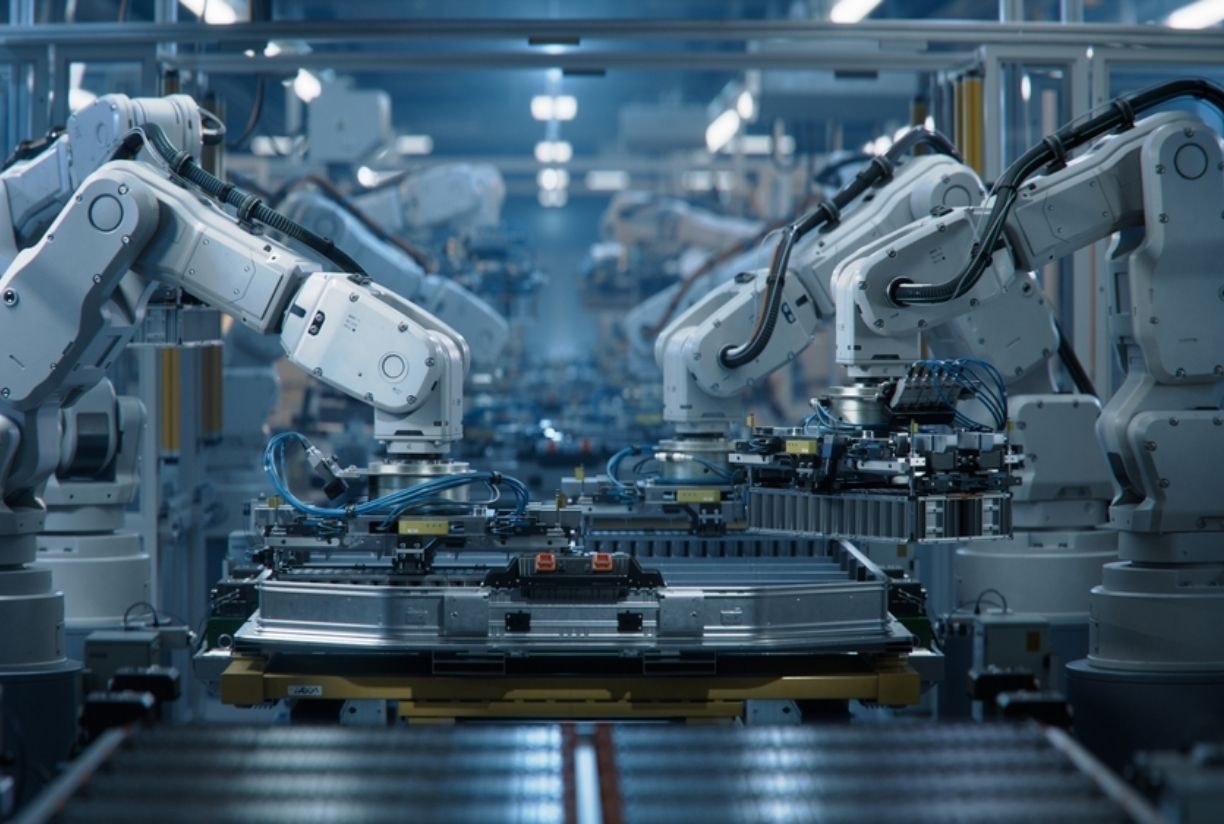
Table of Contents What is the Production Process and Why is it Important? How Does the Production Process Work in Different Sectors? What is the Relationship Between the Production Process and Efficiency? What Are the Differences Between Modern Production Processes and Traditional Methods? Key Points to Consider in Production Process Management Examples of Production Processes in Different Sectors What is the Production Process and Why is it Important? The production process is a systematic procedure that covers all stages from the concept of a product to its completion. This process includes steps such as design, planning, raw material procurement, production, and quality control. SS Proje successfully implements projects by prioritizing high efficiency and quality in production processes. The production process enables businesses to reduce costs, improve time management, and increase product quality. Establishing correct strategies during the planning phase ensures efficient use of resources and helps prevent potential issues on the production line. SS Proje provides clients with detailed analyses and optimized solutions at this stage. Quality control is an essential part of the production process. Ensuring that each product meets established standards is critical for customer satisfaction and brand reliability. SS Proje minimizes defective products through strict quality inspections throughout the production process. In modern production processes, automation technologies and software play a significant role. These tools reduce labor costs, increase production speed, and minimize human errors. SS Proje optimizes production processes in its projects by using the latest technologies. When managed correctly, the production process provides a competitive advantage and ensures product quality. SS Proje successfully manages this process with its experienced team and expert approach. How Does the Production Process Work in Different Sectors? The production process can vary significantly across different sectors, as each has unique requirements and standards. For example, in the automotive sector, the production process requires detailed planning from design to assembly lines. SS Proje offers specialized solutions to ensure high efficiency and quality in such projects. In the food sector, the production process focuses primarily on hygiene and freshness. Strict control mechanisms are applied at every stage from raw material procurement to packaging and distribution. SS Proje optimizes this process to reduce costs while raising quality standards. In the textile sector, the production process includes design, fabric selection, sewing, and quality control. Fast production and error-free products are critical for market competitiveness. SS Proje organizes production lines efficiently, considering sectoral differences. In the electronics sector, the production process involves assembling and testing sensitive devices. Technological infrastructure and automation systems are used at every stage. SS Proje manages production processes smoothly using advanced technology in this sector. The production process in each sector determines product quality, safety, and market success. SS Proje successfully implements projects with optimized solutions tailored to sector-specific requirements. What is the Relationship Between the Production Process and Efficiency? The production process and efficiency are two critical elements that directly affect each other. An effective production process minimizes wasted time through proper and planned use of resources. SS Proje prepares optimized production plans considering this relationship in its projects. A well-planned production process requires the correct combination of labor, materials, and technological infrastructure. To increase efficiency, SS Proje identifies bottlenecks in the process and implements necessary adjustments. This reduces production costs while maintaining quality standards. Disruptions or poor planning on the production line lead to loss of efficiency. SS Proje offers customized production solutions for each project while considering sectoral differences and manages the production process without interruption. Production lines integrated with automation systems increase efficiency while minimizing human error. SS Proje balances technology and human resources to achieve optimum production performance. The relationship between production process and efficiency is directly linked to business planning and process management. SS Proje integrates these two elements to achieve maximum success in its projects. What Are the Differences Between Modern Production Processes and Traditional Methods? The differences between modern production processes and traditional methods range from production speed to quality control. SS Proje speeds up and improves efficiency in processes using modern production techniques. Traditional methods rely mainly on manual operations and heavily depend on labor. This can increase error rates and extend production time. In contrast, modern production processes are supported by automation and digital tools, and SS Proje ensures continuity in production with these systems. Modern methods also provide advantages in efficiency and resource optimization. Material usage is more controlled, and energy consumption is lower. SS Proje leverages these advantages to minimize costs and improve production quality in its projects. In traditional methods, quality control is usually manual, which prolongs error detection. In modern production processes, sensors, software, and automatic monitoring systems are used. SS Proje ensures consistency and standards in production through these technologies. Additionally, modern production processes provide flexibility and scalability. SS Proje can quickly adapt the same processes for different projects and respond rapidly to customer demands. Key Points to Consider in Production Process Management Production process management is a critical procedure for maintaining efficiency and quality standards. SS Proje implements effective management methods to run projects smoothly. First, resource planning and time management are among the most important aspects of production management. Ensuring materials and equipment are available on time keeps production flow uninterrupted. SS Proje plans processes in advance to prevent delays. Quality control is another fundamental element of production management. Standard operating procedures and automated control systems minimize errors. SS Proje continuously monitors quality during production to maintain high standards. Communication and coordination play a critical role in production management. Regular information flow among employees and departments ensures smooth execution of processes. SS Proje establishes open communication channels among all team members to minimize disruptions. Risk management and process optimization should not be overlooked. Taking precautions for potential disruptions improves production performance. SS Proje continuously analyzes production processes, identifies improvement opportunities, and applies them. Examples of Production Processes in Different Sectors Production process applications in different sectors are tailored to meet the unique requirements of each industry. In the automotive sector, SS Proje optimizes assembly processes on the production line to improve both quality and efficiency. Steps such as parts procurement, production sequencing, and quality control are critical in this sector. In the food sector, hygiene and freshness are prioritized. SS Proje manages automated packaging and storage processes to ensure food safety. Temperature control and monitoring of expiration dates directly affect production quality. In the textile sector, sewing and cutting stages form the foundation of production. SS Proje plans each step on the production line to ensure efficient use of labor and materials. The transition from design to production, quality control, and packaging are carefully managed. In the electronics sector, circuit board assembly and testing processes are critical points in production. SS Proje supports electronic production processes with automation and precise control systems, ensuring error-free product delivery. Although production processes differ across sectors, the primary goals remain efficiency, quality, and time management. SS Proje optimizes production processes across all sectors, helping businesses gain a competitive advantage.
See More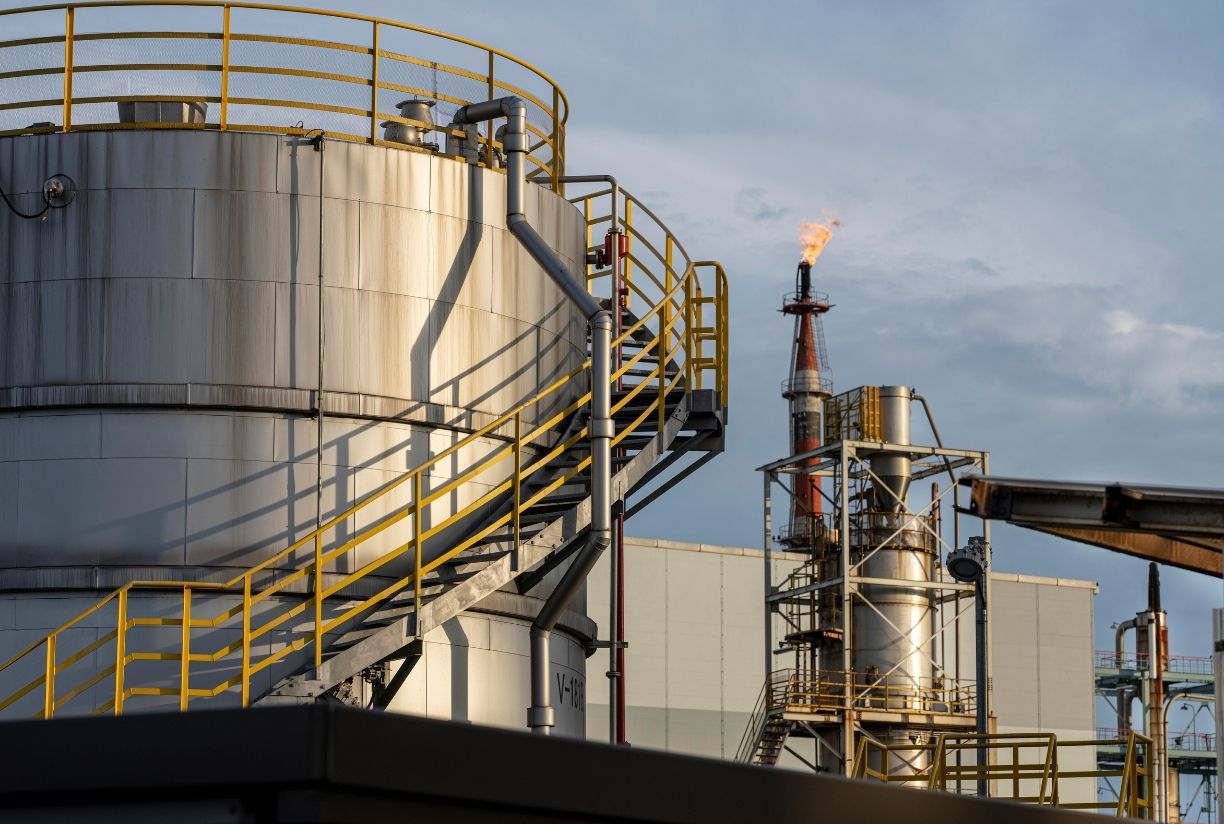
Table of Contents What is a Chemical Tank and What is it Used For? What Role Do Chemical Tanks Play in the Industry? What to Consider When Choosing a Chemical Tank? What Are the Differences Between Different Types of Chemical Tanks? How is the Durability and Safety of Chemical Tanks Ensured? Critical Factors to Consider When Selecting a Chemical Tank What is a Chemical Tank and What is it Used For? Chemical tanks are specialized equipment used in industrial processes for the safe storage and transport of various liquids or chemicals. SS Proje stands out in this field with its high-strength tank solutions, offering both safety and efficiency. Chemical tanks are critical for controlling chemical reactions, maintaining storage conditions, and ensuring continuous material flow to the production line. The materials used to manufacture tanks are chosen based on the type of chemical to be stored. SS Proje uses durable materials such as stainless steel, polyethylene, or fiberglass to provide long-lasting and safe tanks. These materials minimize the corrosive effects of chemicals and enhance operational safety. Chemical tanks play a crucial role in production processes. For example, in a chemical production line, tanks designed by SS Proje ensure homogeneous storage of chemical mixtures and support continuous production. Additionally, when integrated with filling and emptying systems, they allow operators to perform tasks safely and efficiently. Designed according to industrial safety standards, chemical tanks are also equipped with special equipment to reduce environmental risks and prevent leaks or accidents. SS Proje leverages its expertise to offer clients reliable and long-lasting tank solutions. What Role Do Chemical Tanks Play in the Industry? Chemical tanks play a critical role in industrial production processes. SS Proje provides high-durability tank solutions that ensure both safety and operational efficiency. These tanks allow chemicals to be stored, transported, and used in a controlled manner throughout the process. Industrial chemical tanks ensure continuity and safety in production lines, especially considering the sensitive and hazardous nature of chemicals. Tanks designed by SS Proje are resistant to wear from chemical reactions due to different material types and coating options, providing long-lasting and safe usage. The role of chemical tanks in industry goes beyond storage. Tanks developed by SS Proje, integrated with filling and emptying systems, provide continuous and controlled material flow to production lines. Features like homogeneous mixing and temperature control enhance production quality. From a safety perspective, industrial chemical tanks are designed to reduce leakage risk and prioritize environmental safety. SS Proje, with its expertise, provides businesses with reliable and efficient tank solutions, ensuring both production efficiency and workplace safety. What to Consider When Choosing a Chemical Tank? Choosing a chemical tank is a critical decision for both safety and efficiency in industrial production processes. SS Proje facilitates correct selection with durable and reliable tank solutions. Factors such as material type, capacity, intended use, and chemical properties must be carefully evaluated. First, material compatibility is essential. Selecting a tank material suitable for the chemical reduces risks of reactions or leaks. SS Proje ensures compatibility by offering various material options such as stainless steel, polyurethane-coated, or special alloy tanks resistant to chemicals. The tank’s capacity and intended application also play a critical role in selection. SS Proje’s solutions are designed in various sizes suitable for small-scale laboratory use or large industrial facilities. Integration with filling and emptying systems is also seamless. From a safety perspective, leak-proofing and durability should be checked. SS Proje designs tanks with covers and seals that minimize leakage risk. Features like mixing and temperature control enhance production quality and operational efficiency. All these factors determine the correct chemical tank selection in industry. What Are the Differences Between Different Types of Chemical Tanks? Chemical tank types vary in purpose, material structure, and capacity. SS Proje provides various tank solutions suitable for industrial needs and clearly highlights the advantages of each type. Understanding these differences ensures safe and efficient production processes. First, stainless steel tanks are ideal for high-temperature and chemically resistant applications. SS Proje’s stainless steel tanks offer high corrosion resistance and long-term durability. Plastic tanks, on the other hand, are lightweight and cost-effective, especially suitable for acids or bases. Polyurethane-coated tanks are preferred for chemical resistance and leak prevention. SS Proje manufactures these tanks with the precision required for industrial processes. The choice between open or closed tanks depends on the chemical properties and safety requirements. Closed system tanks prevent evaporation, minimizing both safety risks and product loss, while open system tanks allow faster access and easier maintenance. SS Proje’s various tank models are designed to meet such industry needs. Finally, capacity and installation options are other key differences, enabling selection according to production line requirements. How is the Durability and Safety of Chemical Tanks Ensured? Durability and safety of chemical tanks are critical for smooth production. SS Proje offers tank solutions designed according to industrial standards, combining safety and longevity. Material selection, coating technologies, and assembly details are key determinants of durability. Stainless steel and polyurethane-coated tanks provide high resistance to chemicals, protecting both user safety and product quality. SS Proje applies mechanical durability tests and quality control processes during manufacturing to minimize leakage and corrosion risks. For safe operation, pressure sensors, level indicators, and safety valves play a critical role. SS Proje integrates these safety systems into each tank for industrial applications. Adhering to standards during installation and maintenance also helps prevent potential accidents. Durability and safety tests should be conducted regularly, and tank performance monitored. SS Proje provides technical support during use, ensuring both longevity and safe operation. This guarantees operator safety and production efficiency in industrial chemical processes. Critical Factors to Consider When Selecting a Chemical Tank Selecting a chemical tank is a critical step for safety and efficiency in industrial processes. SS Proje offers high-quality tanks to simplify the selection process. Capacity, chemical type, and working conditions are the first factors to evaluate. Material choice directly affects tank durability and chemical resistance. Stainless steel, polyurethane, and other protective coatings ensure long-lasting and safe tanks. SS Proje conducts industry-standard tests for each material. Pressure resistance, leak-proofing, and safety equipment are critical safety elements. SS Proje integrates systems like pressure sensors, level indicators, and safety valves during tank design, prioritizing operator safety. Installation and maintenance details are also important for safe and efficient use. Transportation and storage conditions should also be considered. Tank placement, loading/unloading procedures, and environmental factors directly affect performance. SS Proje provides solutions suited to client needs, guaranteeing long-term safety and durability.
See More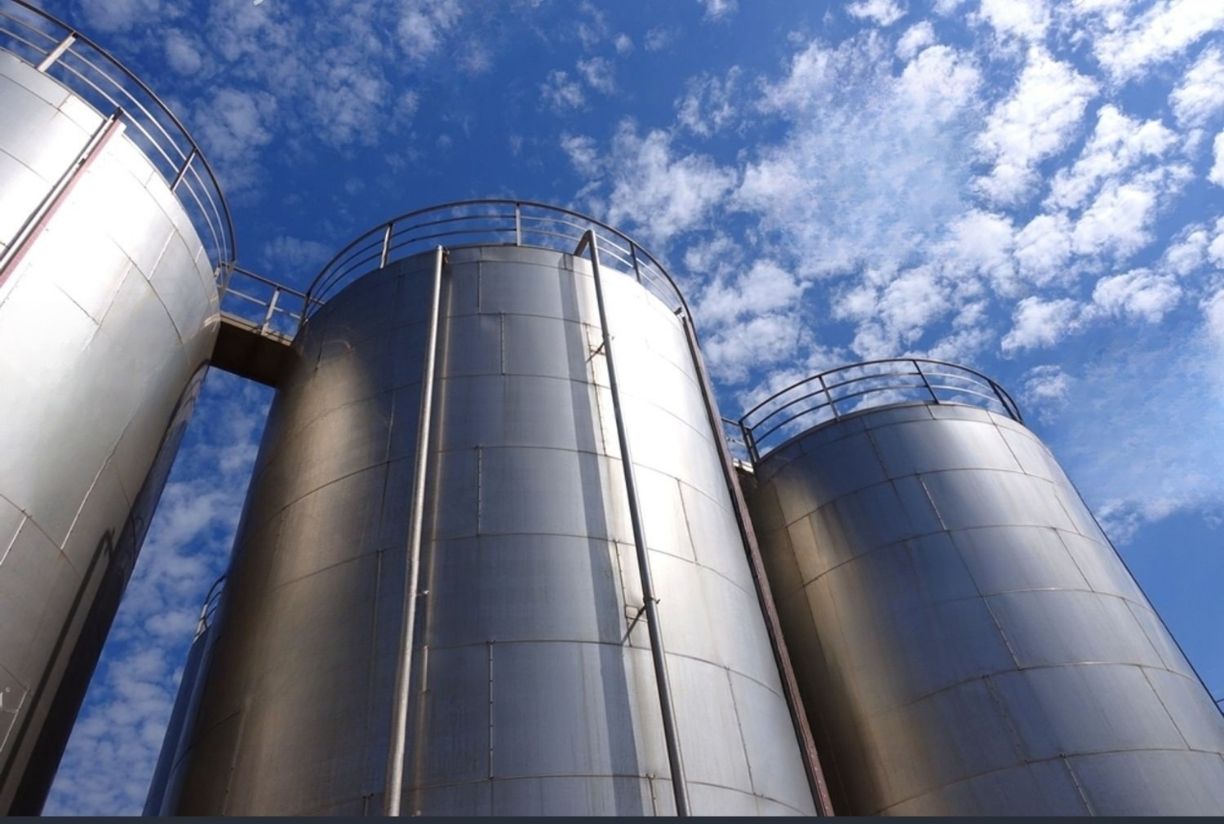
Table of Contents What is Chemical Tank Manufacturing and What Stages Does It Involve? What Materials Are Used in Chemical Tank Production? What Should Be Considered in Industrial Chemical Tank Manufacturing? What Are the Differences Between Chemical Tank Manufacturing and Standard Tanks? How Can You Ensure Quality in Chemical Tank Production? Price and Performance Comparison in Chemical Tank Manufacturing What is Chemical Tank Manufacturing and What Stages Does It Involve? Chemical tank manufacturing is a detailed process aimed at producing safe and durable tanks for industrial processes. SS Proje manufactures high-quality tanks with solutions tailored to the sector, keeping quality control at the forefront at every stage. This manufacturing process begins with design and planning. The design stage considers the tank's capacity, chemical type, working conditions, and material properties. SS Proje offers optimized designs using CAD software and engineering calculations. After the design, material selection is carried out; stainless steel, polyurethane, or other durable materials ensure long-lasting and safe tanks. The production stage involves cutting, shaping, and assembling the materials. Welding processes, leak tests, and surface coatings are applied at this stage. SS Proje performs standard-compliant tests for each tank to guarantee quality. The assembly and testing stage includes installing safety valves, level indicators, and other equipment. Once the tank is complete, pressure and leak tests are performed. These processes are meticulously applied in SS Proje’s production workflow to produce safe tanks that comply with industrial standards. What Materials Are Used in Chemical Tank Production? Chemical tank production is a process that requires durability and safety, and the materials used directly affect the tank's lifespan and performance. SS Proje produces tanks with industrial-standard materials to ensure long-lasting and safe solutions. Stainless steel is one of the most commonly used materials due to its chemical resistance and high corrosion resistance. SS Proje provides safe solutions for acidic and basic chemicals with stainless steel tanks. In addition, polypropylene and polyurethane-based plastics offer weight and cost advantages. Glass-coated steel is preferred when working with high temperatures and abrasive chemicals. Tanks manufactured with these materials by SS Proje provide long-term durability. Additionally, fiber-reinforced plastic materials play a critical role in flexibility and strength. The choice of materials in tank production depends on the chemical type, usage conditions, and transport requirements. SS Proje determines the correct material combination for each project to produce safe and efficient chemical tanks. What Should Be Considered in Industrial Chemical Tank Manufacturing? Industrial chemical tank manufacturing is a process that requires precision in terms of safety and durability. SS Proje prioritizes quality and standards during production to create long-lasting and safe chemical tanks. One of the most critical aspects to consider during production is material selection. Using inappropriate materials for the stored chemical increases the risk of corrosion and leaks. Welding and assembly techniques are another crucial consideration. SS Proje enhances tank durability using high-quality welding methods and minimizes potential leak risks. Additionally, testing and quality control processes ensure that each production stage is meticulously checked, allowing safe use and preventing workplace accidents. The design criteria of tanks are also important. Depending on the chemical type, pressure resistance, temperature tolerance, and volume capacity must be determined. SS Proje provides customized designs for each project to produce optimal solutions in terms of both performance and safety. Ensuring compliance with environmental and legal standards during production is also critical. The tank's suitability for industrial use conditions and compliance with regulations are essential for workplace safety and sustainability. What Are the Differences Between Chemical Tank Manufacturing and Standard Tanks? Chemical tank manufacturing differs from standard tanks primarily in purpose and production techniques. SS Proje applies special material and design criteria in chemical tank production to ensure high chemical resistance and safety. Standard tanks are generally designed for less aggressive conditions such as water or food storage, so material quality and durability standards are not as strict. Welding and assembly techniques play a critical role in chemical tanks. SS Proje uses advanced manufacturing methods that minimize welding errors, reducing leak and corrosion risks. Standard tanks may use simpler methods without considering chemical effects. Chemical tanks have high design and safety standards. Tanks are tested for pressure resistance, temperature tolerance, and resistance to chemical reactions. SS Proje develops custom designs for each project according to these criteria. Standard tanks typically undergo limited testing and have lower durability requirements. Additionally, compliance with environmental and legal standards is mandatory in chemical tank manufacturing. SS Proje ensures both regulatory compliance and industrial safety throughout production. Standard tanks are not subject to most of these requirements because the usage conditions carry less risk. How Can You Ensure Quality in Chemical Tank Production? Ensuring quality in chemical tank production is directly related to material selection and production process management. SS Proje applies meticulous quality control at every stage, offering high durability and long lifespan guarantees. Quality assurance requires that materials are certified and comply with production standards. Welding techniques and assembly stages are crucial in the production process. SS Proje uses advanced technology equipment to minimize welding errors and reduce leak risks. Additionally, every tank undergoes pressure and chemical resistance tests to ensure quality and prevent potential defects. Quality assurance procedures should be applied at every stage of production. From material input to final assembly, SS Proje continuously monitors quality with international standards compliance and regular inspection mechanisms. Furthermore, personnel training and process optimization are critical for sustainable production quality. SS Proje works with experienced engineers and expert technicians to achieve consistent quality in every production batch. This ensures that safety and performance standards are maintained continuously. Price and Performance Comparison in Chemical Tank Manufacturing When it comes to chemical tank manufacturing, the balance between price and performance is critical. SS Proje offers economical and long-lasting solutions through high-quality materials and advanced manufacturing techniques. Low-cost tanks may exist in the market, but they pose risks in terms of chemical resistance and safety standards. In SS Proje’s production process, material selection is one of the key factors affecting price. Materials like stainless steel, polyethylene, or special coatings determine performance criteria and ensure the tank’s long lifespan. Additionally, automation and quality control techniques used during production optimize labor costs while enhancing performance. When performing a price-performance comparison, SS Proje provides customized solutions based on tank capacity, usage area, and chemical type. This reduces unnecessary costs while guaranteeing high performance. Low-cost alternatives may seem attractive in the short term but can increase maintenance and replacement costs over time. Achieving the right balance between price and performance in chemical tank manufacturing is possible through correct material selection and production technologies. SS Proje maintains this balance at an optimal level with its innovative and safe production solutions.
See More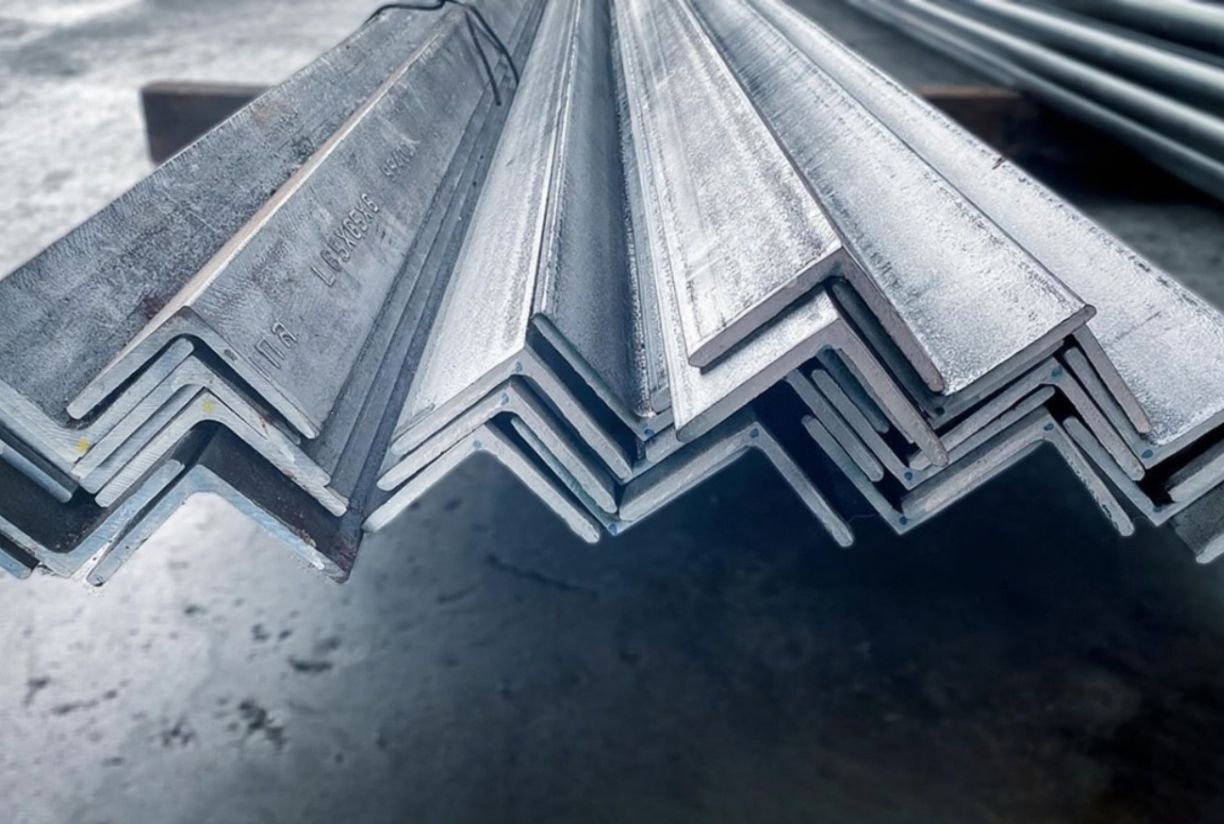
Table of Contents What Are the Types of Stainless Steel and Where Are They Used? What Are the Differences Between 304, 316, and 430 Stainless Steel? Which Type of Stainless Steel Should Be Preferred in Industrial Production? How Do Stainless Steel Types Differ in Terms of Durability and Corrosion Resistance? What Should You Pay Attention to When Choosing Stainless Steel Types? Key Features of Stainless Steel Types Used in Industry What Are the Types of Stainless Steel and Where Are They Used? Stainless steel types have a wide range of applications in industry and daily life. SS Proje meets the needs of various sectors with its high-quality stainless steel production. The main types of stainless steel include austenitic, ferritic, martensitic, and duplex steels. Austenitic stainless steel is known for its high corrosion resistance and formability. It is preferred in areas where hygiene is a priority, such as food processing, chemical, and pharmaceutical industries. At SS Proje’s production facilities, this type is processed with precision techniques to meet high quality standards. Ferritic stainless steel has magnetic properties and is widely used in automotive and kitchen equipment. Martensitic steels are preferred for knives, valves, and pump parts that require high hardness and durability. Duplex steels stand out in the oil and gas industry, where both corrosion resistance and mechanical strength are critical. SS Proje processes different types of stainless steel to provide customized solutions for its clients. Appropriate production and quality control processes are applied for each steel type, ensuring maximum durability and performance. This guarantees long-lasting and safe products in industrial applications. What Are the Differences Between 304, 316, and 430 Stainless Steel? 304 stainless steel is one of the most commonly used types in the industry and is known for its high corrosion resistance. SS Proje particularly prefers this type in the production of food and kitchen equipment. Thanks to its formability and durability, 304 steel can be safely used in a wide variety of applications. 316 stainless steel has higher corrosion resistance compared to 304. With the addition of molybdenum, it is especially prominent in marine and chemical industries. SS Proje provides long-lasting and safe solutions for chemical tanks and industrial facilities with 316 steel. This type offers superior durability against aggressive environments. 430 stainless steel is a ferritic steel with magnetic properties. Its corrosion resistance is lower compared to 304 and 316, but it is more cost-effective. SS Proje generally uses 430 steel in decorative applications and low-risk industrial equipment. 304 and 316 stainless steels, due to their austenitic structures, provide high flexibility and formability, while 430 emphasizes hardness and durability with its ferritic structure. SS Proje selects each type of stainless steel according to the application area to ensure maximum performance and longevity. Which Type of Stainless Steel Should Be Preferred in Industrial Production? The choice of stainless steel in industrial production depends on the usage area and environmental conditions. SS Proje carefully selects materials that ensure durability and long service life in its facilities. 304 stainless steel stands out in food, kitchen equipment, and indoor applications thanks to its high corrosion resistance and formability. 316 stainless steel is particularly preferred in chemical and marine industries. With molybdenum content, it shows superior durability against aggressive environments. SS Proje safely uses this material in chemical tanks and industrial pipelines. In applications requiring high corrosion resistance, type 316 is the best choice. 430 stainless steel, with its ferritic structure, offers magnetic properties and high hardness. This material provides cost advantages in low-corrosion environments and is used by SS Proje in decorative and low-risk equipment. In industrial use, the choice of steel depends on the requirements of the process. SS Proje ensures efficiency, safety, and durability by selecting the right type of stainless steel for each application. While austenitic steels provide flexibility and formability, ferritic steels offer advantages in projects requiring hardness and long service life. How Do Stainless Steel Types Differ in Terms of Durability and Corrosion Resistance? In industrial production, stainless steel types stand out with their different durability and corrosion resistance properties. SS Proje selects each material according to its purpose to guarantee long service life and safety in projects. 304 stainless steel, with its austenitic structure, provides high corrosion resistance and is preferred in kitchens, food, or indoor equipment. 316 stainless steel, with molybdenum content, offers superior durability against aggressive chemical environments and marine conditions. SS Proje uses this material in chemical tanks and industrial pipelines to provide long-lasting solutions. This type, with its high corrosion resistance, is especially critical in abrasive environments. 430 stainless steel, with its ferritic structure, offers high hardness and magnetic properties, but its corrosion resistance is lower compared to 304 and 316. SS Proje uses this type in decorative or low-risk industrial applications. The choice of material in terms of durability and corrosion resistance depends on the application conditions and intended service life. SS Proje determines the appropriate processes and treatment methods for each type of stainless steel to maximize both durability and corrosion resistance. While austenitic steels provide flexibility and formability, ferritic steels stand out in projects requiring hardness and long service life. What Should You Pay Attention to When Choosing Stainless Steel Types? When choosing stainless steel, factors such as corrosion resistance, durability, and application area play a critical role. SS Proje determines the right type of stainless steel for each application in its projects, providing long-lasting and safe solutions. For example, 304 stainless steel is frequently preferred in food and kitchen equipment because of its high corrosion resistance and formability. In aggressive conditions such as chemical or marine environments, it is important to use 316 stainless steel. With molybdenum content, its corrosion resistance increases, and SS Proje applies this material for tanks and pipelines. Durability and environmental factors are always priorities in selecting stainless steel. Ferritic 430 steel offers high hardness and magnetic properties but has lower corrosion resistance compared to 304 and 316. SS Proje uses this type of steel in low-risk or decorative applications. In selection, material cost, processability, and aesthetic criteria should also be considered. Considering material quality, processing techniques, and operating conditions, SS Proje ensures optimum performance in the selection of stainless steel in its projects. Appropriate maintenance and usage recommendations for each steel type also play a critical role in maintaining quality. Key Features of Stainless Steel Types Used in Industry Stainless steel types used in industry offer different advantages in terms of durability, corrosion resistance, and processability. SS Proje selects the right material in each project to ensure both performance and long-lasting solutions. Particularly, 304 stainless steel is one of the most preferred types in food, pharmaceutical, and kitchen equipment due to its high formability and corrosion resistance. 316 stainless steel, with molybdenum content, provides superior protection in seawater, chemical tanks, and aggressive environments. Thanks to this feature, SS Proje frequently uses 316 steel in its projects to achieve reliable results under challenging conditions. Ferritic 430 steel, although it has lower corrosion resistance, stands out with its magnetic properties and cost-effectiveness, making it suitable for decorative applications. In industry, duplex stainless steels such as 2205 are also important. These types provide high strength and enhanced corrosion resistance in chloride-rich environments, commonly used in pipelines and pressure vessels. SS Proje prioritizes quality and safety by selecting the right types of stainless steel according to different industrial needs. Since each type of stainless steel offers different advantages in the production process, factors such as application area, cost, and durability should be considered when making a choice. SS Proje integrates the most suitable solutions into its projects by taking these criteria into account.
See More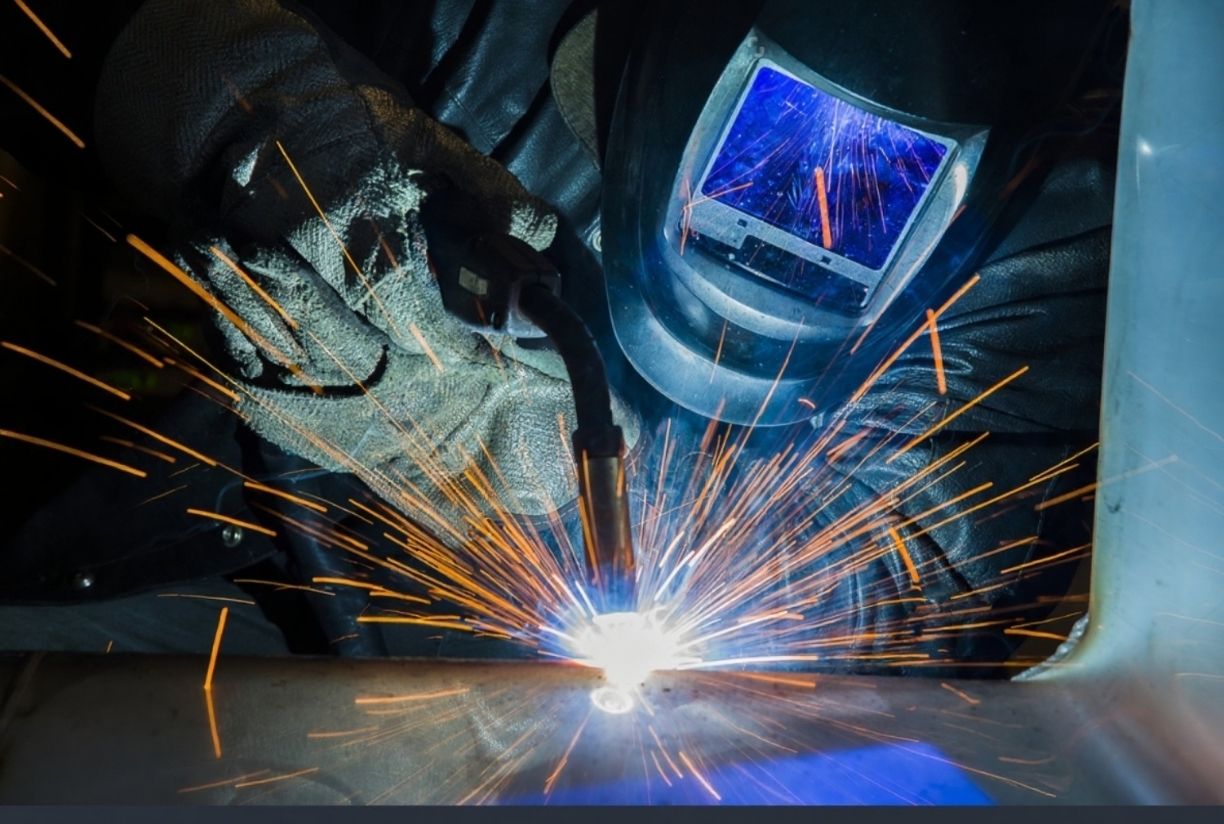
Table of Contents What Are the Main Differences Between MIG Welding and Arc Welding? When Should MIG Welding Be Used, and When Should Arc Welding Be Preferred? Which Is More Durable: MIG Welding or Arc Welding? How Do the Differences Between MIG and Arc Welding Affect Workplace Safety? What Is the Cost Difference Between MIG Welding and Arc Welding? Understanding MIG and Arc Welding: A Beginner's Guide What Are the Main Differences Between MIG Welding and Arc Welding? MIG welding and arc welding are among the most commonly used welding methods in the industry. However, each method has different advantages, disadvantages, and applications. SS Proje ensures quality and durability by selecting the right welding method for its projects. MIG welding is performed under a protective gas atmosphere. This protects the weld area from external factors, resulting in a cleaner, smoother seam. It is especially preferred in serial production, automotive applications, and precision work on thin materials. Its high melting speed also increases work efficiency. SS Proje makes a difference in projects that require precise and aesthetic welds using this method. Arc welding uses an electrode to create the weld. The rod electrode acts as both the filler material and conductor for the arc. Because it can be applied with simpler equipment, it is advantageous for field repairs and maintenance. It also provides strong solutions for welding thick materials. SS Proje emphasizes the strength provided by arc welding in heavy industrial projects. MIG welding delivers faster, cleaner, and more aesthetic results, while arc welding stands out for portability and durability with thick materials. Therefore, the choice depends entirely on the project's requirements. SS Proje uses its experience to determine the most suitable solutions in this selection process. When Should MIG Welding Be Used, and When Should Arc Welding Be Preferred? MIG welding and arc welding are the most frequently used welding methods in the industry. However, the choice depends on the type of work, material thickness, and desired outcome. SS Proje guarantees both durability and efficiency by choosing the correct method. MIG welding is generally preferred for serial production and thin materials. The protective gas isolates the weld area from external factors, producing a smooth seam. Its high melting speed also saves time. In automotive, thin sheet, and stainless steel projects, SS Proje achieves clean and aesthetic results using this method. Arc welding is more suitable for thick materials and field maintenance or repair work. This rod-electrode method is portable and provides strong penetration, making it ideal for heavy industry. SS Proje safely executes projects in challenging field conditions by leveraging the advantages of arc welding. MIG welding excels in precision and speed, while arc welding is preferred for practicality and strength with thick materials. Therefore, project requirements determine the choice of welding method. SS Proje’s experience plays a key role in selecting the correct technique. Which Is More Durable: MIG Welding or Arc Welding? One frequently discussed topic in the industry is the durability difference between MIG welding and arc welding. Both methods offer advantages, but material type, environmental conditions, and project expectations directly affect durability. SS Proje applies both methods professionally to produce the most suitable solutions. MIG welding protects the weld area from oxidation and external factors thanks to the shielding gas, resulting in a clean and smooth seam. It is particularly preferred for thin sheets and serial production, minimizing the risk of cracks or porosity. SS Proje effectively leverages this advantage for precise projects. On the other hand, arc welding provides deep penetration in thick and heavy materials, increasing durability. This method, using electrodes, can create strong, long-lasting connections even under field conditions. It is preferred in construction and heavy industry for its strength. SS Proje highlights this durability in large-scale projects. Overall, MIG welding is superior in aesthetics and precision, while arc welding excels in strength for thick materials. Choosing the right method is critical for project success. SS Proje’s experienced team provides the best guidance to ensure reliable welding solutions in all conditions. How Do the Differences Between MIG and Arc Welding Affect Workplace Safety? The differences between MIG welding and arc welding are not only important for performance and aesthetics but also have significant safety implications. Factors like smoke, light, sparks, and heat during welding directly impact worker safety. SS Proje applies both methods while adhering strictly to safety standards. MIG welding provides a controlled environment due to protective gases. However, inadequate ventilation can pose serious health risks in enclosed spaces. Therefore, SS Proje uses professional equipment and proper ventilation solutions to maintain the highest safety standards during MIG welding. Arc welding can be more hazardous due to high heat and intense sparks, increasing the risk of burns and eye injuries. Additionally, smoke from electrodes can negatively affect the respiratory system over time. Proper personal protective equipment is essential. SS Proje ensures all necessary safety precautions are followed during arc welding. Another safety consideration is workplace ergonomics. MIG welding is usually faster and easier to apply, while arc welding may require heavier and longer work sessions. This can increase worker fatigue and the risk of accidents. SS Proje considers these differences to select the safest welding method and protect workforce health. What Is the Cost Difference Between MIG Welding and Arc Welding? The cost difference between MIG welding and arc welding is a critical factor in project budget planning. Material, labor time, and equipment requirements form the basis of this difference. SS Proje analyzes both methods to provide clients with the most cost-effective solution. MIG welding is generally faster, reducing labor costs. However, the need for shielding gas and specialized equipment makes the initial cost higher. In high-volume or serial production projects, it provides a long-term cost advantage. SS Proje optimally leverages this benefit in MIG welding projects. Arc welding can be applied with simpler equipment and usually has lower initial investment. However, longer process time can increase labor costs. For small-scale or low-budget projects, it may be more economical. SS Proje develops solutions to improve labor efficiency in arc welding processes. Another important factor is consumables. MIG welding requires continuous wire feed and gas consumption, while arc welding relies on electrode consumption. This can affect long-term cost calculations. SS Proje considers these variables to recommend the most suitable method both technically and economically. Understanding MIG and Arc Welding: A Beginner's Guide For beginners in welding, there are two primary methods: MIG welding and arc welding. Both are effective for joining metals but differ in application, equipment, and risk profile. SS Proje prioritizes quality and efficiency by selecting the right method for each project. MIG welding works with continuous wire feed under a protective atmosphere (usually argon/mix), reducing oxidation and producing a clean seam. It is efficient for serial production and thin sheet work; it is fast and provides good surface aesthetics. However, it requires shielding gas, gas feeding equipment, and proper ventilation. Arc welding (rod electrode) is practical in field conditions, thick materials, and repair work. The equipment is simpler and highly portable but produces more sparks and splatter. Electrode consumption and operator skill directly affect quality and cost. SS Proje effectively utilizes the durability of this method in field projects. Penetration is critical for durability: a method that ensures good penetration in thick materials provides a safer joint. Workplace safety should not be overlooked; MIG work carries the risk of gas accumulation in enclosed spaces, while arc welding increases risks from sparks and light. SS Proje applies personal protective equipment and proper procedures for both methods. When calculating costs, initial investment, consumables, and labor time should be considered. MIG welding requires higher initial investment but reduces labor costs in high-volume work; arc welding has lower initial investment but longer labor time. Beginners are advised to seek guidance from experts for safety, proper equipment usage, and material selection. SS Proje’s experience helps them make accurate choices quickly.
See More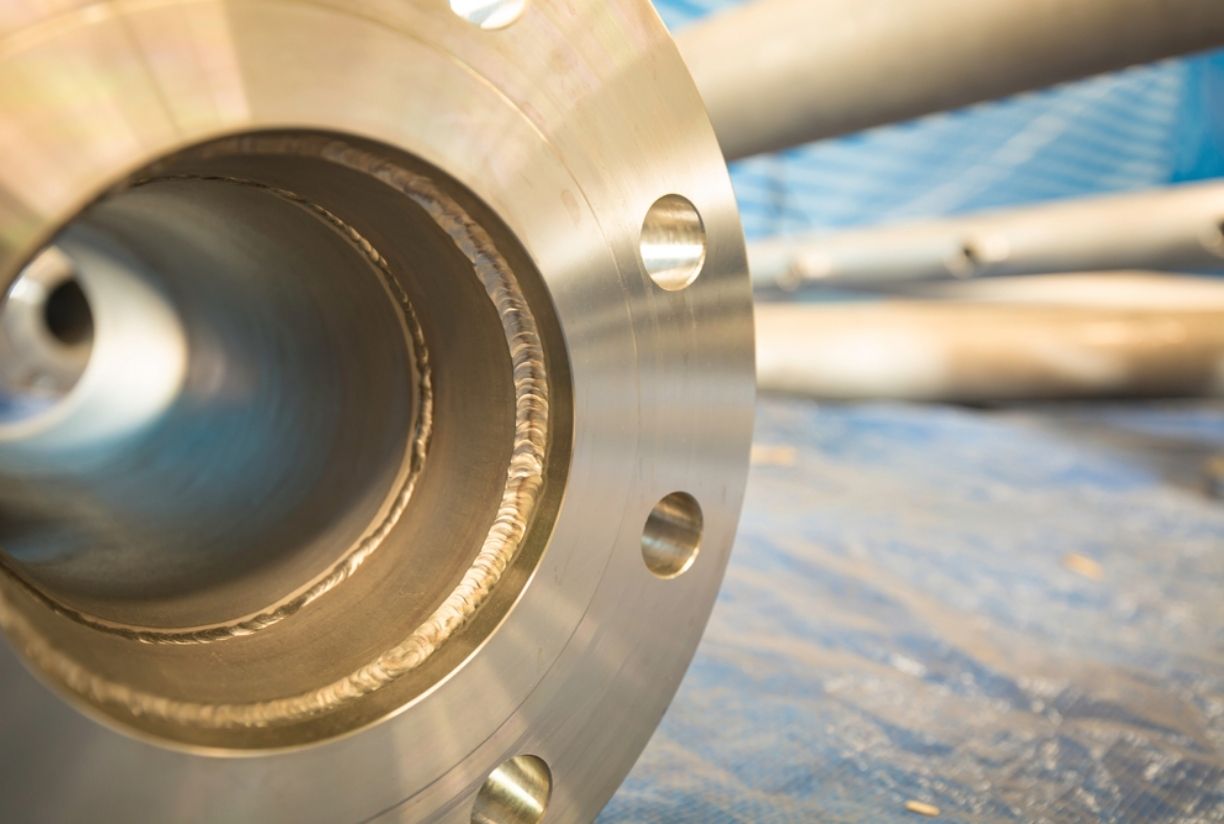
Table of Contents What is Passivation Coating and How is it Applied? What to Consider During the Passivation Coating Process? Which Materials are Suitable for Passivation Coating? How is Passivation Coating Applied in Industry? Guide to Passivation Coating for Enhancing Material Durability Passivation Coating Methods on Different Materials: Advantages and Disadvantages What is Passivation Coating and How is it Applied? The passivation coating process is applied to metal surfaces to ensure long-lasting durability, and it is especially preferred for stainless steels. This process minimizes the risk of corrosion on the metal surface, extending the lifespan of the material. SS Proje provides solutions tailored to industrial needs with expert teams specialized in passivation coating. The passivation coating process typically begins with treating the metal surface using special acidic solutions. During this stage, free iron particles on the surface are removed and the oxide layer is strengthened. This layer acts as a natural barrier protecting the metal from external factors. SS Proje prioritizes the quality of materials and process parameters to achieve highly durable results. Factors such as temperature, solution concentration, and process duration directly affect passivation quality. Incorrect parameters can reduce the coating’s effectiveness and decrease the metal surface’s resistance to corrosion. Therefore, SS Proje implements special control and testing procedures for each project to ensure optimal performance. After the process, regular maintenance and cleaning of the surface support the long-term effectiveness of the coating. This period is crucial for stainless steel protection and maintaining an aesthetic appearance. SS Proje provides post-coating maintenance guides, enabling users to utilize metal surfaces safely and efficiently. In industrial production, construction, and various engineering applications, passivation coating is a critical process to enhance metal surface durability and achieve long-lasting products. SS Proje executes this process safely and effectively with extensive industry experience. What to Consider During the Passivation Coating Process? The passivation coating process, aimed at increasing metal surface durability and corrosion resistance, involves several critical factors. Surface preparation, selection of correct chemical solutions, and proper control of process parameters directly influence coating effectiveness. SS Proje manages this process according to professional standards to ensure high-quality, long-lasting results. First, cleaning the surface to be passivated is a critical step. Complete removal of oil, dirt, or metal residues on the surface plays a decisive role in passivation quality. SS Proje uses specialized cleaning techniques to prepare the surface optimally before the process and minimize post-process corrosion risks. Second, the suitability of the solutions and chemicals used is highly important. Ensuring the correct concentration of acidic solutions, controlling process duration, and monitoring temperature are essential for enhancing coating effectiveness. SS Proje precisely manages these parameters for every project to guarantee surface protection. Additionally, the surface should be regularly monitored and tested during and after the process. Surface analysis and quality control tests are critical for measuring passivation success. SS Proje validates coating quality with advanced testing methods, ensuring compliance with industrial standards. After the process, attention to maintenance and usage conditions of metal surfaces supports long-term coating effectiveness. SS Proje’s maintenance recommendations ensure stainless steel protection and aesthetic preservation, allowing users to safely use metal surfaces. Which Materials are Suitable for Passivation Coating? Passivation coating is applied to increase corrosion resistance and ensure long-lasting use of metal surfaces. This process is particularly suitable for stainless steel and certain alloyed steel types. SS Proje uses methods and chemical solutions appropriate for the material type to provide maximum durability and quality. The process works by removing free iron from the surface and strengthening the metal’s natural oxide layer. Therefore, it is effective mainly on corrosion-resistant metals. Besides stainless steel, alloys with high chromium and nickel content are also suitable. SS Proje analyzes different alloys to determine the optimal process parameters for each material and ensures safe application. Passivation coating is also preferred for surfaces requiring aesthetics and hygiene. For example, stainless metal equipment used in food and medical industries becomes both long-lasting and less prone to microbial accumulation thanks to passivation. SS Proje offers specialized solutions for such sectors, ensuring both durability and safe usage of metal surfaces. The applicability of passivation coating depends directly on the chemical composition and usage conditions of the material. Surface preparation, correct chemical selection, and control of process parameters are critical for passivation success. SS Proje carefully manages all stages to deliver industrial-standard, high-quality coatings. Passivation coating applied to different metals and alloys enhances durability, ensuring reliability and performance in industrial applications. SS Proje offers tailored passivation solutions for every material type with its experienced team and sector knowledge. How is Passivation Coating Applied in Industry? Industrial passivation coating is a critical process applied to increase corrosion resistance and extend the lifespan of metal surfaces. It is particularly effective for stainless steel and alloyed metals. SS Proje implements these applications at industrial scale with high-quality standards, ensuring metal surface durability. The process starts with the chemical removal of free iron from the surface and strengthening the natural oxide layer. Surface preparation is crucial for passivation success. SS Proje cleans oils, dirt, and metal residues to ensure a smooth process. This step maximizes corrosion-preventive effects. Selection of chemical solutions and control of process parameters are another critical step. Correct solution concentration, precise process duration, and temperature adjustment ensure optimal metal protection. SS Proje uses specialized formulas and protocols for each metal type, securing passivation quality. During and after passivation, the surface should be regularly tested. Surface analysis and quality control tests verify corrosion resistance. SS Proje guarantees effectiveness and compliance with industrial standards using advanced analysis techniques. Industrial passivation coating not only enhances metal durability but also preserves aesthetics and ensures hygienic use. SS Proje’s extensive experience manages industrial passivation processes, providing high performance and reliability across all metal applications. Guide to Passivation Coating for Enhancing Material Durability Increasing material durability is critical in industrial production and manufacturing for long-lasting and reliable performance. Passivation coating plays a key role in this process. SS Proje provides professional passivation services to enhance corrosion resistance and extend the lifespan of metal surfaces, particularly stainless steel and alloyed metals. The passivation process begins with surface cleaning and removal of free iron. Eliminating dirt, oil, and metal residues directly affects effectiveness. SS Proje uses advanced cleaning techniques to maximize corrosion resistance. Surface preparation is a key factor for long-lasting coating. Chemical solutions are selected according to the metal type. Correct solution concentration and precise control of process duration are crucial for passivation quality. SS Proje applies high-standard protocols for different metal groups to maximize surface protection. After passivation, surfaces must be regularly tested. Surface analysis and quality control tests verify corrosion resistance and ensure compliance with industrial requirements. SS Proje uses advanced testing methods to meticulously monitor post-process quality. Passivation coating enhances durability, preserves aesthetic appearance, and ensures hygienic usage. SS Proje’s expertise provides reliable, long-lasting solutions across all metal applications. Passivation Coating Methods on Different Materials: Advantages and Disadvantages Passivation coating is critical for increasing corrosion resistance and extending durability. Methods vary depending on material type and usage purpose. SS Proje offers optimized passivation solutions for stainless steel, alloyed metals, and specialized industrial materials, maximizing the advantages of each method. For stainless steels, passivation is generally performed using acidic solutions. This method removes free iron on the surface, enhancing metal surface durability and preventing oxidation. Advantages include high corrosion resistance and long lifespan; disadvantages include the need for careful control of chemical solutions and slight potential impact on surface shine. Aluminum and alloyed metals require different passivation techniques, important for surface protection and aesthetics. Advantages include increased durability without compromising lightness; disadvantages may include longer process times and higher costs for certain chemical combinations. SS Proje determines suitable passivation protocols for each material and applies the process meticulously. Pre-treatment, proper chemical selection, and post-process quality control ensure coating effectiveness. This strengthens metal surface durability and guarantees long-term industrial performance. Analyzing advantages and disadvantages of different methods allows SS Proje to deliver reliable and effective protection across various metal surfaces.
See More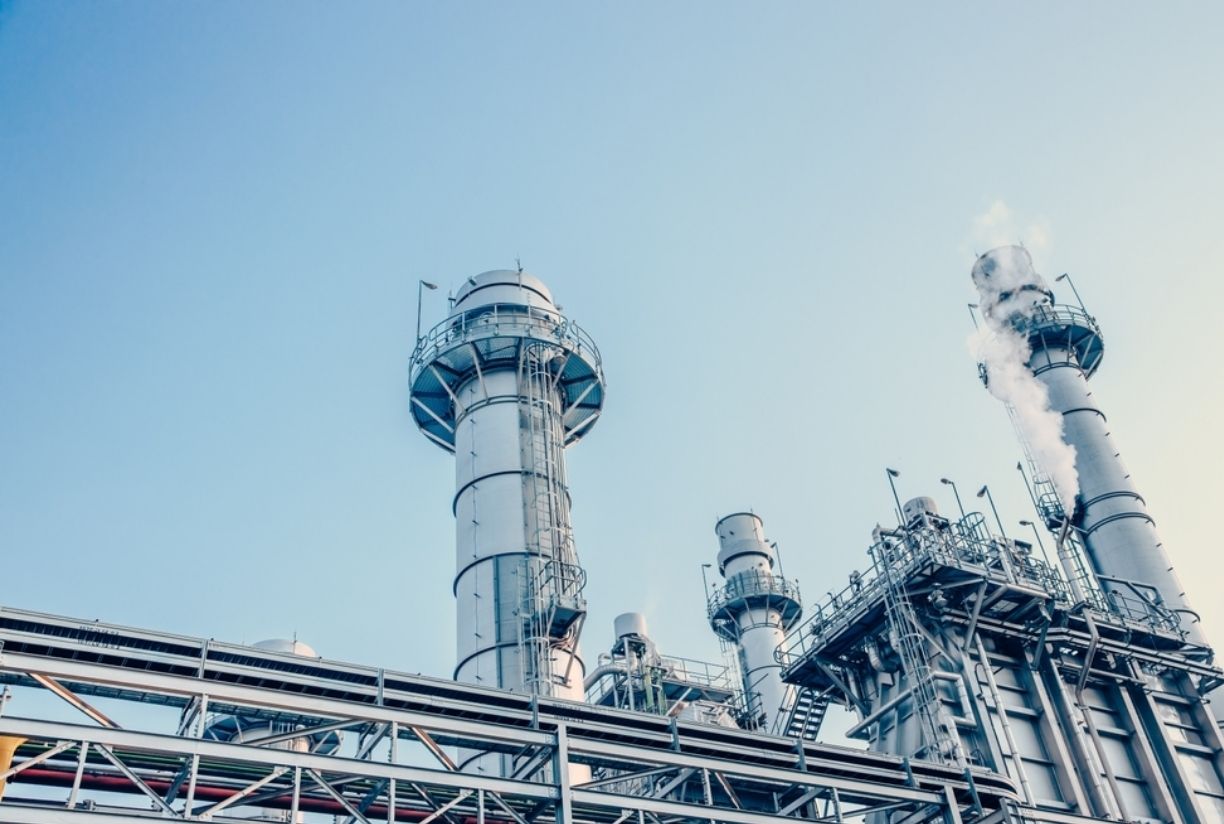
Table of Contents Why Process Design is Critical for Efficiency in Industrial Facilities Which Solutions Make a Difference in Process Design with SS Proje? How Do Custom Solutions Reduce Costs in Industrial Facilities? New Dynamics of Process Design in Industrial Facilities in 2025 The Industrial Solutions of the Future: Focusing on Efficiency with SS Proje Intelligent Process Design: Sustainable Efficiency in Industrial Facilities Why Process Design is Critical for Efficiency in Industrial Facilities In industrial facilities, process design is a critical factor that directly affects production efficiency and operational effectiveness. A process that is not optimized at every step can lead to both time loss and increased costs. Therefore, businesses should adopt a detailed and systematic approach when planning their facilities. The main goal of process design is to maximize efficiency and safety. Properly planning workflows, optimizing material flow, and minimizing energy use reduces production costs while maintaining quality standards. SS Proje offers solutions in this field that can structure industrial processes in the most effective way. Another important aspect is the flexibility of process design. As market conditions and production needs constantly change, facilities must be able to adapt quickly to these changes. Planning that provides flexible solutions in industrial design processes supports sustainable growth for businesses in the long term. Process design also plays a critical role in occupational safety. Optimizing human-machine interactions prevents potential accidents. At this point, integrating risk analysis and safety protocols helps minimize operational disruptions. Energy and resource management also have a significant impact on efficiency. Optimizing the energy and raw material usage in facilities reduces costs and increases environmental sustainability. Process optimization is a key tool in this regard. Technological integration and automation solutions are indispensable components of modern process design. Sensors, data analytics, and automatic control systems ensure continuous monitoring and improvement of production processes. This enables facilities to operate at maximum performance. Which Solutions Make a Difference in Process Design with SS Proje? In industrial facilities, process design is critical for efficiency and cost management. SS Proje aims to increase facility performance with its custom solutions. Modern approaches and technological integrations are used to develop applications that make a difference in operational processes. The first game-changing solution is planning focused on process optimization. SS Proje analyzes production steps in detail and provides strategies that minimize material and energy usage. This reduces costs and ensures resources are used more effectively. The second key factor is automation and technological integration solutions. Sensors, data analytics, and automatic control systems ensure continuous monitoring and improvement of production processes, raising efficiency and quality to the highest level. Flexibility and scalability are other prominent solutions of SS Proje. Processes are designed to be modular and easily adaptable so that businesses can quickly adjust to changing market conditions. This creates a competitive advantage in industrial design. Occupational safety is also a priority in process design. SS Proje integrates risk analysis and safety protocols into the implementation process to minimize potential accidents, ensuring both employee safety and reduced operational disruptions. SS Proje’s data-driven decision support systems allow managers to access real-time information. This accelerates performance measurement, strategic decision-making, and process improvement activities. How Do Custom Solutions Reduce Costs in Industrial Facilities? Cost optimization is always a top priority in industrial facilities. In today’s competitive environment, businesses look for ways to maximize efficiency while minimizing expenses. This is where custom solutions come into play. SS Proje offers systems tailored to facility needs, delivering significant savings in energy and labor costs. In many industrial facilities, standard systems may be sufficient for specific production scenarios, but customized approaches reduce unnecessary consumption and labor losses. Industrial efficiency provided by custom designs shortens process times while maximizing production capacity. This optimizes both energy consumption and raw material usage. SS Proje’s process automation solutions minimize manual intervention, reducing error rates and lowering maintenance costs. Supported by sensors and data analytics, systems can detect potential failures in advance, reducing downtime and saving costs. Additionally, custom solutions improve energy management and minimize unnecessary energy expenditures. Facilities equipped with smart systems reduce environmental impact while controlling operational costs. This approach allows the investment to pay off quickly and supports sustainable long-term profit growth. SS Proje’s custom solutions not only reduce costs but also improve production quality and enhance overall operational efficiency. Tailored systems are designed according to each facility’s unique needs, ensuring maximum efficiency in resource usage. New Dynamics of Process Design in Industrial Facilities in 2025 The year 2025 stands out as a significant period for process design in industrial facilities. Businesses are moving away from traditional methods to improve efficiency and reduce operational costs, shifting toward more flexible, digitized systems. In this context, industrial automation solutions play a critical role in optimizing production processes. SS Proje’s solutions are designed to meet the specific needs of each facility. This increases energy efficiency while reducing unnecessary downtime on production lines. Advanced sensor technology and data analytics enable early detection of potential failures, minimizing maintenance costs. In 2025, the concept of smart manufacturing is becoming increasingly important. Businesses can monitor every step of the production line in real-time and accelerate decision-making with instant data. This reduces labor costs and improves production quality. Additionally, digital tracking systems improve resource efficiency and minimize environmental impact. SS Proje’s custom solutions not only optimize production processes but also prepare facilities for the future. Data-driven decision-making mechanisms provide solutions tailored to each facility’s operational dynamics, maximizing resource efficiency. This approach balances sustainability and cost-effectiveness in industrial facilities. Creating flexible production lines with new process designs allows businesses to adapt quickly to changing market conditions. SS Proje develops optimized process automation solutions customized for each facility, enhancing efficiency and minimizing operational risks. The Industrial Solutions of the Future: Focusing on Efficiency with SS Proje In industrial facilities, efficiency has become a top priority in today’s competitive environment. SS Proje helps businesses optimize their production processes by offering custom industrial solutions. These solutions not only reduce costs but also improve operational performance. Traditional production methods often result in energy and labor losses, while the smart process design systems developed by SS Proje minimize these losses. By equipping production lines with customized solutions, businesses can achieve significant savings in energy efficiency and material usage. SS Proje’s solutions are supported by process automation. Minimizing manual intervention reduces error rates and maintenance costs. Systems operate with real-time data analytics, allowing for early detection of failures and minimizing production downtime. The use of digital tracking systems in modern industrial facilities ensures optimal resource utilization. SS Proje provides solutions tailored to each facility, creating efficiency-enhancing strategies. As a result, both labor and energy costs show a noticeable reduction. Integrated smart production lines with SS Proje enable a flexible and fast production process. Businesses can quickly adapt to changing market conditions and manage production processes seamlessly. Additionally, customized solutions contribute to reducing operational risks and improving production quality. The industrial solutions of the future are shaped not only by technology but also by strategic process management and optimized resource utilization. By adopting this approach, SS Proje maximizes efficiency in facilities and supports long-term sustainability. Intelligent Process Design: Sustainable Efficiency in Industrial Facilities Intelligent process design forms the foundation of sustainable efficiency in industrial facilities. The custom solutions developed by SS Proje optimize production lines, minimizing energy and material usage. This reduces operational costs and mitigates environmental impact. While traditional production methods often lead to labor and energy losses, digital tracking systems offered by SS Proje allow processes to be monitored in real time. Each step in the production lines is controlled with data analytics, and failures are detected early, minimizing downtime. SS Proje’s solutions are supported by process automation. Reduced manual intervention lowers error rates and maintenance costs. Customized systems are designed to meet the specific needs of facilities, maximizing resource utilization. In modern industrial facilities, energy efficiency and environmental sustainability are now inseparable. SS Proje provides facility-specific efficiency-enhancing strategies, increasing production capacity while optimizing energy consumption. This approach delivers long-term economic and environmental benefits. Integrated smart production lines with SS Proje provide a flexible and rapid production process. Businesses can adapt to changing market conditions and use resources more effectively. Additionally, operational risks are minimized, and production quality is improved through customized solutions. Intelligent process design stands out as the key to sustainable efficiency in industrial facilities. The solutions offered by SS Proje combine technology and strategic planning to deliver maximum performance and long-term savings.
See More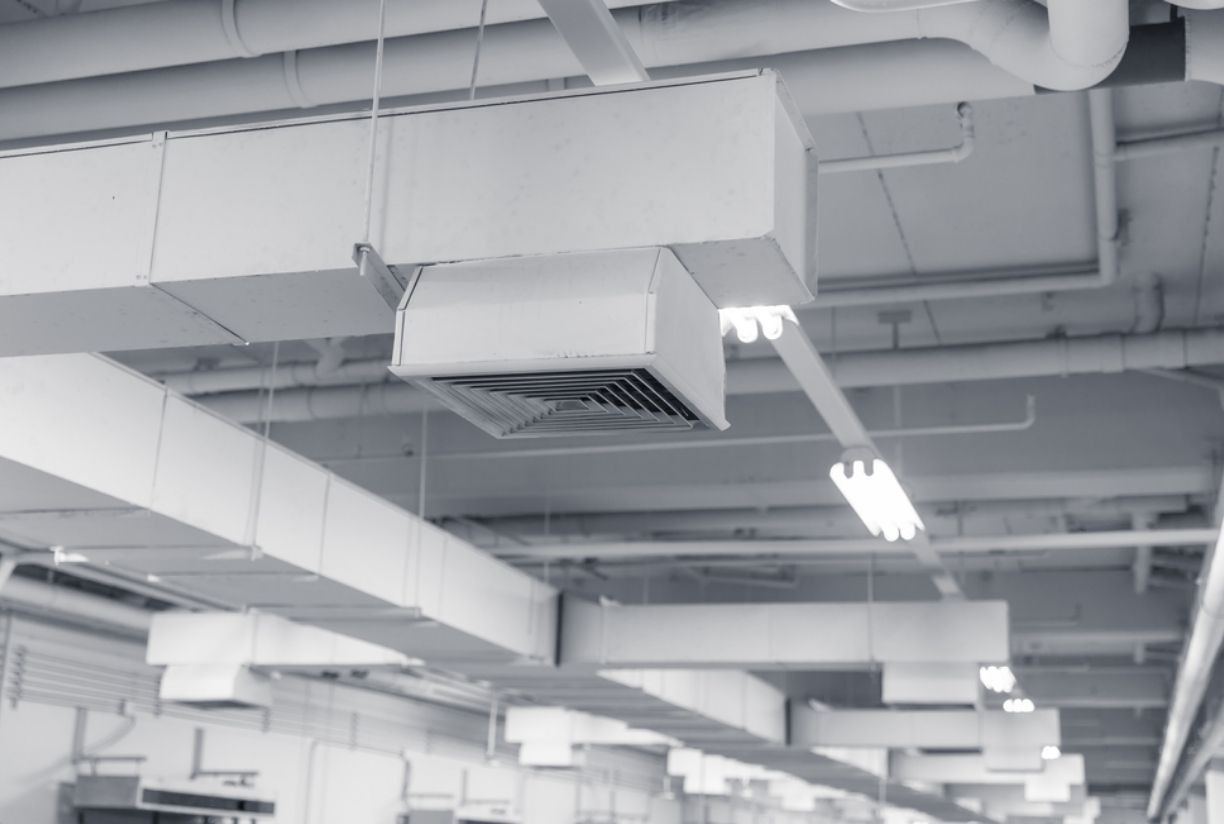
Contents Step-by-Step Guide to Executing Assembly and Integration Processes 7 Critical Steps for Successful Assembly and Integration Processes Effective Planning and Management of Assembly and Integration Processes Differences Between Assembly and Integration and Tips for Process Management Checklist to Avoid Errors in Assembly and Integration Processes Methods to Optimize Assembly and Integration Processes in 2025 Step-by-Step Guide to Executing Assembly and Integration Processes For businesses, assembly and integration processes are critical for the successful completion of projects. As Ss Proje, we provide a roadmap that addresses these processes step by step, serving as a practical guide. 1. Planning and Preparation The first step in the assembly and integration process is comprehensive planning. Project goals, resource requirements, and timelines are determined. Assigning the right team members and procuring necessary materials at this stage ensures smooth execution of subsequent steps. 2. Site and System Preparation Checking the installation area, preparing the required infrastructure, and ensuring safety standards create the foundation for assembly and integration processes. The Ss Proje team examines the technical requirements of the site in detail. 3. Assembly Phase Proper installation of system components is one of the most critical points of the assembly process. Assembling parts according to technical documentation facilitates subsequent integration tasks. 4. Integration and Testing After assembly, the compatibility of systems is ensured. During integration, both software and hardware components are tested, and any detected errors are corrected. This step is crucial for operational efficiency. 5. Training and Commissioning Providing necessary training to system users is essential for smooth operation after assembly and integration processes. Ss Proje prepares teams with training materials and support services and commissions the system. 6. Continuous Monitoring and Support After installation, performance monitoring and support services ensure optimal system operation. This stage involves analyzing data obtained throughout the assembly and integration processes and quickly resolving potential issues. These steps enable businesses to execute assembly and integration processes in a planned and effective manner. 7 Critical Steps for Successful Assembly and Integration Processes In business, assembly and integration processes play a crucial role in ensuring smooth project progression. As Ss Proje, we have compiled the 7 essential steps to successfully manage this process. 1. Detailed Planning A successful assembly and integration process starts with comprehensive planning. The project scope, resources, and timeline must be defined, and potential risks and preventive measures identified in advance. 2. Selecting the Right Team and Defining Responsibilities The right team members should be selected for each phase of assembly and integration, and responsibilities clearly assigned. The Ss Proje team ensures smooth process execution with its expert staff. 3. Infrastructure and Site Preparation The technical infrastructure of the installation area should be checked, and necessary adjustments made. This forms the basis for efficient assembly and integration processes. 4. Assembly Operations Installing hardware and components according to technical documentation is one of the critical steps. Care and precision during assembly facilitate subsequent integration steps. 5. Integration and Testing Once assembly is complete, system compatibility is ensured. Through integration and testing, software and hardware components operate smoothly and potential errors are detected early. 6. User Training and Commissioning Providing training to system users is essential for operational success after assembly and integration processes. The Ss Proje team completes the process with training and commissioning services. 7. Monitoring and Continuous Support Performance monitoring and support services after installation ensure long-term efficiency. This step helps operate assembly and integration processes smoothly. These 7 steps serve as a guide for the successful execution of assembly and integration processes. Effective Planning and Management of Assembly and Integration Processes In modern projects, failing to plan assembly and integration processes correctly inevitably leads to time loss and cost increases. As Ss Proje, we share the steps to effectively manage these processes in your projects. 1. Comprehensive Pre-Analysis and Planning A successful assembly and integration process starts with a detailed analysis. Examining the installation area, identifying necessary equipment, and creating a timeline form the foundation of the process. 2. Proper Resource and Team Management Correct distribution of workforce and resources is crucial for the smooth progress of assembly and integration processes. The Ss Proje expert team clearly defines roles and responsibilities. 3. Time Management and Stage Definition A clear schedule should be established for each step, and alternative scenarios prepared for possible delays. This increases efficiency in assembly and integration processes. 4. Technical Infrastructure Check and Preparation The infrastructure must be complete and suitable before installation. Technical details such as electricity, network connections, and site layout ensure smooth assembly and integration. 5. Process Monitoring and Quality Control Continuous monitoring and quality control should be applied during assembly and integration steps. This allows early detection of errors and corrective measures. 6. Communication and Coordination Effective communication between teams prevents process disruptions. The Ss Proje team coordinates with all stakeholders to manage assembly and integration processes smoothly. 7. Commissioning and Continuous Support After assembly and integration, the system should be commissioned and performance monitored. Continuous support guarantees the long-term success of assembly and integration processes. These steps serve as a guide for businesses aiming to plan and manage assembly and integration processes effectively. Differences Between Assembly and Integration and Tips for Process Management In industrial and technical projects, assembly and integration processes are often confused. As Ss Proje, we share the differences between these two processes and tips for effective management. What is Assembly? Assembly is the physical construction of a system by putting parts together. This process includes placing equipment and mechanical components correctly and typically requires on-site work. What is Integration? Integration involves software and system connections to ensure that assembled parts work together seamlessly. This process guarantees data and functional compatibility between systems. Differences and Management Tips While assembly focuses on physical installation, integration focuses on system compatibility and data flow. Important management tips include: Planning: Assembly and integration steps should be planned in detail in advance. Team Coordination: Roles of different teams should be clearly defined and coordination ensured. Technical Check: The technical infrastructure should be checked after assembly and before integration. Testing and Quality Control: System performance and compatibility should be tested during integration. Documentation: Step-by-step documentation of all processes is important for quick resolution of any issues. The Ss Proje team applies these management strategies in both assembly and integration processes to ensure projects are completed smoothly and on time. These approaches serve as a guide for understanding the differences between assembly and integration and effectively managing processes. Checklist to Avoid Errors in Assembly and Integration Processes In industrial projects, assembly and integration processes are prone to errors. As Ss Proje, we have prepared a comprehensive checklist to help you avoid these mistakes. 1. Planning and Preparation For a successful process, a detailed assembly plan and integration plan should be prepared. Team task assignments, timelines, and necessary materials must be clearly defined. 2. Team Communication Continuous communication between assembly and integration teams should be maintained. Misunderstandings can lead to delays and errors in the process. 3. Technical Checks After assembly, all components should be checked for technical compatibility and connection points. This step before integration minimizes system errors. 4. Testing and Simulation Before starting the integration process, tests and simulations should be conducted on the systems. This allows potential errors to be identified and resolved in advance. 5. Documentation Recording all processes step by step ensures quick resolution of future issues. As Ss Proje, we recommend detailed documentation of every step. 6. Continuous Feedback Regular feedback from the team during assembly and integration helps detect errors at an early stage. 7. Final Checks After completing all steps, a final overall check should be conducted. This ensures the system operates safely and smoothly. This checklist, prepared with the experience of Ss Proje, helps you avoid errors in assembly and integration processes and ensures your projects progress smoothly. Methods to Optimize Assembly and Integration Processes in 2025 Increasing the efficiency of assembly and integration processes in industrial projects is critical to reducing project costs and preventing time loss. As Ss Proje, we have compiled the most effective methods for optimizing these processes. 1. Detailed Pre-Planning For a successful assembly process and integration process, detailed pre-planning should be done. Material lists, team task assignments, and timelines should be defined in this stage. 2. Use of Modern Tools and Technologies Assembly equipment and software-supported integration tools accelerate processes and minimize errors. 3. Strengthening Internal Team Communication Regular meetings and communication channels should be established among all assembly and integration teams. This prevents misunderstandings and ensures coordinated progress of processes. 4. Defining Test and Control Points Identifying test and control points before the integration process helps detect potential errors early. 5. Continuous Improvement and Feedback After completing assembly and integration processes, feedback from the team and performance data should be used to continue optimizing processes. 6. Documentation and Standardization Detailed documentation of every step prevents recurring errors and standardizes processes. Ss Proje uses this approach to achieve success in process optimization. Applying these methods in 2025 to optimize assembly and integration processes ensures projects are completed on time and cost-effectively.
See More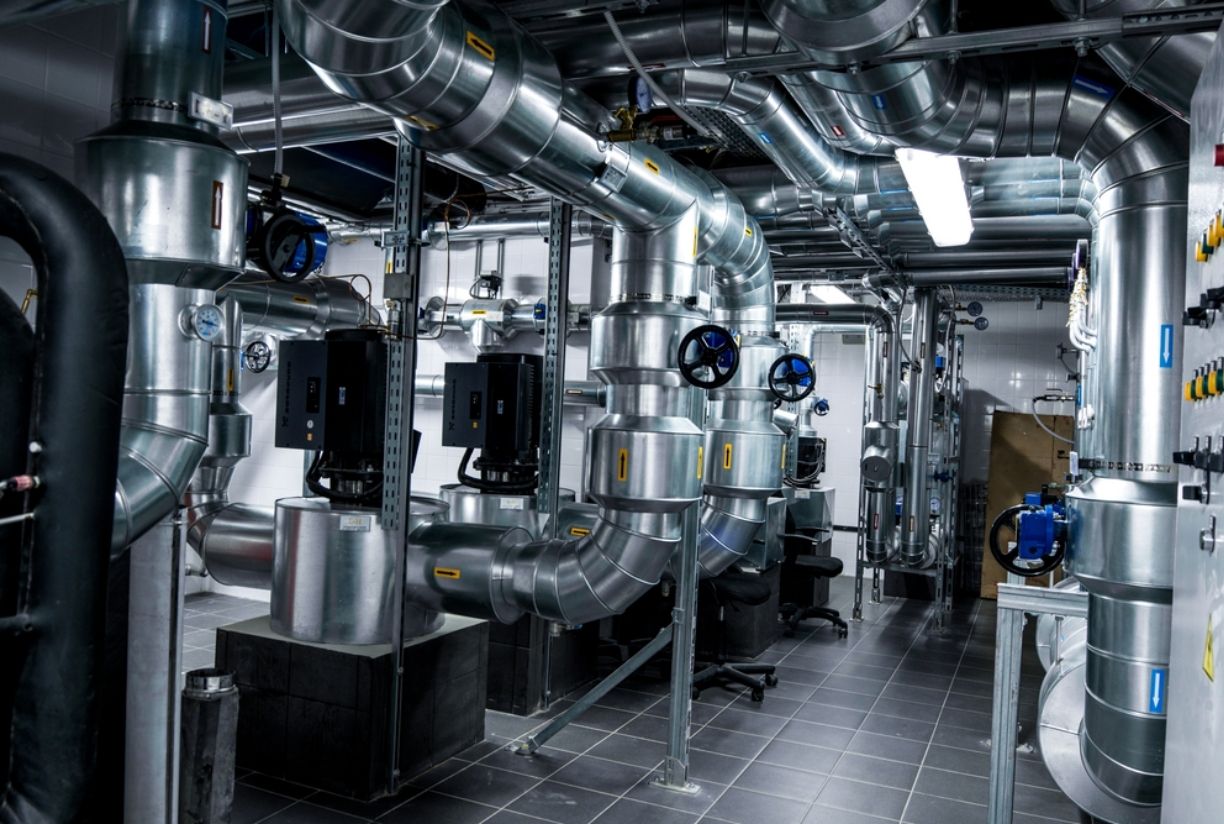
Table of Contents What Are the Causes of Failures in Industrial Water Systems? What Measures Should Be Taken to Prevent Failures in Your Industrial Water Systems? How to Reduce the Risk of Failures in Industrial Water Systems? Common Mistakes in Water System Maintenance and Their Solutions Ensuring Smooth Operation of Water Systems in Industry Periodic Maintenance vs. Reactive Intervention: Which Is More Effective in Industrial Water Systems? What Are the Causes of Failures in Industrial Water Systems? Industrial water systems play a critical role in ensuring the smooth operation of production processes, and failures in these systems can lead to operational interruptions and financial losses. SS Proje conducts detailed analyses to optimize the performance of industrial water systems, identifying common causes of failure and offering solution-oriented approaches. These failures are often related to low water pressure, pipe blockages, and pump failures, which can stem from mechanical or operational sources. Deposits in pipelines reduce flow rates, negatively affecting efficiency. SS Proje focuses on preventing such blockages through regular maintenance and inspection protocols. Additionally, water quality and content can cause failures; high mineral content or corrosion can damage pipes and equipment surfaces. Mechanical issues in pumps and valves cause pressure imbalances and energy losses in the system. SS Proje minimizes such problems by continuously monitoring pump performance and making necessary adjustments. Electrical faults or control system issues can also lead to water system failures, requiring comprehensive system audits. Preventing failures in industrial water systems is possible through regular maintenance, proper equipment selection, and monitoring water quality. SS Proje offers customized solutions for each system, enhancing both performance and durability, supporting smooth operations for businesses. What Measures Should Be Taken to Prevent Failures in Your Industrial Water Systems? Preventing failures in industrial water systems is essential for uninterrupted and efficient operations. SS Proje identifies and implements critical measures to ensure long-lasting and trouble-free system performance. First, regular maintenance of pipelines and equipment prevents potential blockages and mechanical issues. Deposits and corrosion inside pipes can reduce flow rates and impair system performance. SS Proje mitigates these risks through cleaning and protective coating applications. Monitoring and controlling water quality also plays a critical role in preventing failures. High mineral content or chemical imbalances can lead to corrosion and wear on equipment. SS Proje addresses these issues with water analysis and chemical balancing solutions. Regular performance checks of pumps and valves reduce pressure drops and energy losses. Periodic inspection of electrical systems and control units ensures early detection of potential failures. SS Proje utilizes system monitoring technologies to identify issues in real-time, allowing for immediate intervention. This increases both efficiency and durability, ensuring uninterrupted system operation. Preventing failures in industrial water systems is achievable through regular maintenance, water quality control, and equipment monitoring. SS Proje applies these measures integrally, supporting smooth operations and minimizing potential risks. How to Reduce the Risk of Failures in Industrial Water Systems? Industrial water systems play a critical role in ensuring efficient operation in production facilities. However, failures over time can lead to production losses and increased costs. Therefore, developing strategies to reduce failure risks in industrial water systems is crucial for every business. First, establishing regular maintenance and inspection programs is one of the most effective ways to minimize failures in industrial water systems. SS Proje analyzes water systems in detail, optimizing maintenance plans and detecting potential issues in advance. This helps prevent unexpected system shutdowns. Water quality directly affects system lifespan and performance. Hard water, corrosion, and sediment accumulation can cause serious failures. Preventing industrial water system failures requires regular water testing and proper filtration systems. SS Proje supports businesses with water analysis and treatment solutions. The use of automation and monitoring systems provides efficiency and allows preemptive intervention in industrial water facilities. Real-time sensors and monitoring software detect abnormalities immediately. SS Proje integrates these technological solutions according to the facility’s needs. Personnel training is another important factor. Operators who are aware of water system operation principles and maintenance procedures can prevent small issues from turning into major failures. SS Proje offers training and technical consultancy, ensuring reliability in industrial water systems. Common Mistakes in Water System Maintenance and Their Solutions Maintenance of water systems is vital in industrial and commercial facilities. However, common mistakes increase costs and shorten system lifespan. Correctly identifying errors and implementing solutions is therefore critical. One of the most common mistakes is irregular maintenance of water systems. Without periodic inspections, minor issues can escalate into major problems. SS Proje provides customized maintenance programs, ensuring routine checks are conducted on time and preventing system disruptions. Neglecting water quality is another mistake. Hard water and sediment accumulation increase failure risks in water systems. Regular water analysis and filtration are required to prevent such problems. SS Proje tests chemical and physical properties of water regularly and offers appropriate solutions. Incorrect equipment use and installation errors are also frequent issues. Wrong valves, pumps, or pipe connections can reduce system efficiency. SS Proje minimizes these risks with proper equipment selection and professional installation services. Personnel shortage or lack of training is another factor that leads to errors in water system maintenance. Operators unfamiliar with maintenance procedures can escalate small problems. SS Proje provides training and technical consultancy to ensure proper system operation. Finally, failure to keep maintenance records is a significant mistake. Without historical maintenance data, the source of recurring problems cannot be identified, prolonging resolution time. SS Proje ensures comprehensive record-keeping and reporting, tracking all maintenance processes effectively. Ensuring Smooth Operation of Water Systems in Industry Smooth operation of industrial water systems is critical for production efficiency and safety. System disruptions can lead to operational interruptions and high costs. Therefore, regular monitoring and proper maintenance are essential. Regular maintenance and periodic inspections are the fundamental steps to maintain performance in industrial water systems. SS Proje creates tailored maintenance programs, ensuring pipelines, pumps, and valves are checked regularly. This allows potential failures to be detected early and guarantees operational continuity. Water quality significantly impacts system health. Hard water and sediment accumulation accelerate failure formation in water systems. SS Proje regularly tests chemical and physical water values, applying necessary filtration and treatment solutions to support efficient and long-lasting system operation. Automation and monitoring technologies play a crucial role in industrial water system management. Sensors and monitoring software allow real-time tracking of pressure, temperature, and flow. SS Proje offers customized automation solutions, detecting issues before they occur. Personnel training and awareness are also essential for smooth operation. Operators knowledgeable in water system maintenance procedures can resolve minor issues before they become major failures. SS Proje increases staff competence through training and consultancy services. Lastly, using regular record-keeping and reporting systems is important for efficiency and safety in water systems. SS Proje documents all maintenance and inspection processes in detail, enabling quick resolution of future problems. Periodic Maintenance vs. Reactive Intervention: Which Is More Effective in Industrial Water Systems? Maintenance strategies in water systems directly affect operational efficiency and cost control in industrial facilities. There are two main approaches: periodic maintenance and reactive intervention. Each method’s advantages and limitations should be assessed and applied according to the facility’s needs. Periodic maintenance allows potential issues to be detected early and preventive measures to be taken. Regular inspections monitor pumps, valves, and pipelines, preventing minor failures from escalating. SS Proje creates specialized periodic maintenance programs, identifying potential issues in advance and ensuring uninterrupted system operation. On the other hand, reactive intervention refers to actions taken after a failure occurs. While this method may save costs in the short term, unexpected downtime and production losses can result in higher long-term expenses. SS Proje provides rapid resolution and repair services in reactive interventions, minimizing system losses. Another advantage of periodic maintenance is that it ensures reliability and longevity in industrial water systems. System performance is continuously monitored, and minor issues are addressed before escalation. SS Proje uses sensors and monitoring technologies to enhance maintenance effectiveness with real-time data. Reactive intervention is generally preferred for emergencies. However, operational risk in water systems increases, and unexpected downtime can negatively impact business continuity. SS Proje ensures rapid fault detection and resolution, restoring system functionality promptly. Ideally, industrial facilities should balance maintenance strategies in water systems, combining periodic maintenance and reactive intervention to control costs while guaranteeing operational continuity. SS Proje provides professional consultancy to integrate these strategies into facilities effectively.
See More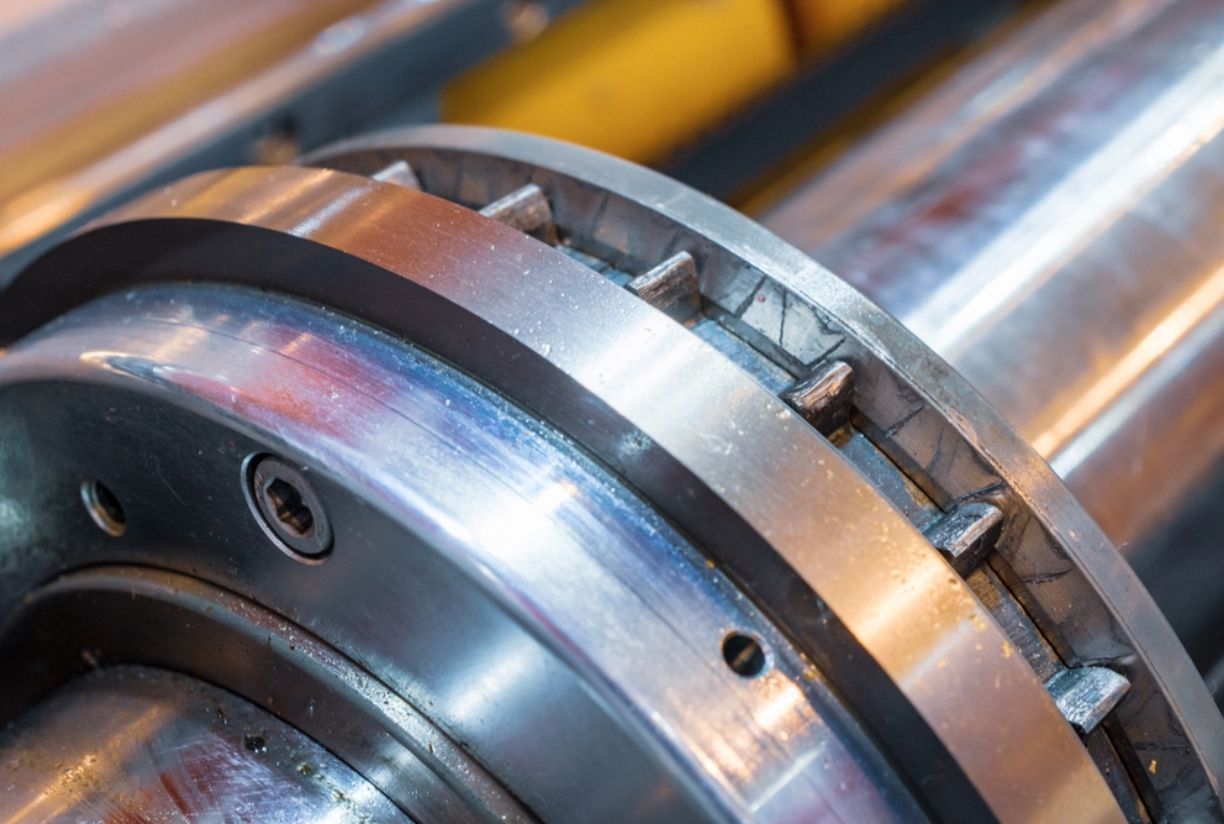
Contents What to Pay Attention to When Purchasing Passivation Services? Step-by-Step Guide 7 Critical Criteria for Choosing Passivation Services Most Common Mistakes When Purchasing Passivation Services and Their Solutions Passivation Service or Alternative Methods? How to Make the Right Choice How to Understand Quality and Safety in Passivation Services Key Points to Consider When Choosing Passivation Services in 2025 What to Pay Attention to When Purchasing Passivation Services? Step-by-Step Guide In industrial production, passivation is a critical step for protecting metal surfaces against corrosion. At Ss Proje, we examine step by step the points to consider when obtaining high-quality passivation services. 1. Identify the Material Type When obtaining passivation services, the type of metal to be processed must first be clearly determined. Passivation chemicals and methods vary depending on the material, such as steel, stainless steel, or aluminum. 2. Service Provider Experience When choosing a passivation service provider, the company's experience and references should be considered. Ss Proje has been providing reliable solutions in this field for many years. 3. Chemicals and Methods Used The safety and environmental friendliness of chemicals are critical. The compliance of passivation methods and chemicals with standards ensures long-term protection of the metal surface. 4. Measurement and Testing Processes Passivation quality must be tested. Weight loss tests, chromate coating measurements, and surface roughness analyses show the effectiveness of the process. 5. Process Tracking and Reporting All steps during the passivation process should be recorded and reported. This facilitates quality control and easy management of any feedback. 6. Cost and Time Planning Cost and process duration should be planned in advance. Ss Proje offers cost-effective solutions with on-time delivery, ensuring uninterrupted workflow for clients. 7. Warranty and Support The warranty and technical support options of the passivation service provider provide long-term assurance. Quick intervention in case of issues minimizes production interruptions. 7 Critical Criteria for Choosing Passivation Services In industrial production, passivation services are crucial for protecting metal surfaces against corrosion. At Ss Proje, we have compiled 7 critical criteria to consider for choosing the right passivation service. 1. Checking Material Compatibility The passivation process varies depending on the type of material. Selecting the appropriate chemical and method for different materials such as steel, stainless steel, or aluminum is crucial. 2. Provider Experience Experienced companies like Ss Proje provide high-quality passivation services with years of expertise. References and past projects should be evaluated. 3. Chemical and Method Safety The safety and environmental friendliness of passivation methods and chemicals are important for both occupational safety and sustainability. 4. Quality Control and Testing Passivation quality should be verified with standard tests. Surface roughness, chromate coating measurement, and weight loss tests ensure quality. 5. Process Tracking and Reporting Recording and reporting every step ensures quick resolution of potential issues. The passivation process should be transparent and traceable. 6. Cost and Time Management The service's cost and duration should be planned in advance. Firms like Ss Proje optimize processes with cost-effective and on-time delivery guarantees. 7. Warranty and Technical Support Post-service warranty and technical support provide quick intervention in case of issues, minimizing production downtime. Most Common Mistakes When Purchasing Passivation Services and Their Solutions The passivation process of metal surfaces provides corrosion protection, but neglect can cause problems. At Ss Proje, we have compiled common mistakes in passivation services and their solutions. 1. Using Chemicals Unsuitable for Material Type Appropriate passivation chemicals must be used for each material type. Incorrect chemical selection can cause surface roughness or inadequate protection. Solution: Prefer chemicals recommended by experienced companies according to the material type. 2. Insufficient Pre-Cleaning Processes If the surface is not thoroughly cleaned before the passivation process, the protective layer cannot form. Solution: Perform and verify surface cleaning according to standards. 3. Neglecting Time and Temperature Control The process duration and temperature are critical for passivation quality. Solution: Control time and temperature according to standards and use measurement devices. 4. Skipping Quality Control Tests If surface tests are skipped, issues may go unnoticed. Solution: Do not neglect tests such as weight loss or chromate coating measurement. 5. Lack of Technical Support and Warranty Not receiving post-service support complicates problem resolution. Solution: Choose companies like Ss Proje that offer warranty and technical support. 6. Incorrect Storage and Transportation Storing materials under inappropriate conditions after the process can cause corrosion. Solution: Pay attention to storage and transport conditions, ensuring humidity and temperature control. 7. Ignoring Standards Non-compliance with standards like ISO and ASTM reduces quality. Solution: Work with companies that provide passivation services in compliance with standards. How to Understand Quality and Safety in Passivation Services Passivation services play a critical role in ensuring the durability and long-term use of metal surfaces. However, not every passivation process meets the same quality and safety standards. At Ss Proje, we share ways to distinguish high-quality and safe passivation services. Key Criteria for Measuring Quality First, the compliance of the chemicals and processes used with international standards is important. ISO-certified passivation and material compatibility are indicators of a high-quality service. Additionally, surface analyses, corrosion resistance tests, and reporting conducted before and after application are the most reliable methods to verify quality. Factors Ensuring Safety Passivation safety protects both the integrity of the material and user health. Proper equipment usage, expert personnel, and adherence to safety protocols ensure a safe process. Furthermore, correct storage of chemicals and proper waste management guarantee environmental safety. Ss Proje Approach At Ss Proje, we maintain the highest standards of quality and safety in every passivation process. Every step, from material analysis to process control and post-application testing, is carried out meticulously. This ensures our customers can have both durability and safety guaranteed in passivation services. Passivation Service or Alternative Methods? How to Make the Right Choice When it comes to protecting metal surfaces, deciding between passivation services and alternative methods is critical. At Ss Proje, we examine in detail which method is more suitable under different conditions. Advantages of Passivation Services The passivation process increases corrosion resistance, especially in stainless steel, and creates a permanent protective layer on the surface. This method is the safest choice for projects requiring long-term durability. Additionally, standardized procedures ensure quality control and reliability. Alternative Methods Alternative methods include electroplating, anodizing, or chemical coatings. These methods may be preferred for short-term protection or specific aesthetic requirements. However, in terms of long-term durability and compliance with standards, they may not be as reliable as passivation services. How to Make the Right Choice? First, the material type and usage conditions must be determined. In projects with high corrosion risk or hygiene requirements, passivation stands out. For lower-risk or aesthetics-focused projects, alternative methods can be considered. Additionally, application costs, maintenance duration, and technical support options play an important role in the decision-making process. At Ss Proje, we provide customers with clear advantages and disadvantages of both methods, ensuring they make the most suitable choice for their projects. Our expert team professionally handles every step, from material analysis to process management. How to Understand Quality and Safety in Passivation Services The durability and long-term use of metal surfaces depend heavily on passivation services. However, not every passivation process meets the same quality and safety standards. At Ss Proje, we share ways to distinguish high-quality and safe passivation services. Key Criteria for Measuring Quality First, the compliance of chemicals and processes with international standards is important. ISO-certified passivation and material compatibility are indicators of a quality service. Additionally, surface analyses, corrosion resistance tests, and reports before and after application are the most reliable methods to verify quality. Factors Ensuring Safety Passivation safety protects both material integrity and user health. Proper equipment, expert personnel, and adherence to safety protocols ensure a safe process. Furthermore, correct storage of chemicals and proper waste management guarantee environmental safety. Ss Proje Approach At Ss Proje, we maintain the highest standards of quality and safety in every passivation process. Every step, from material analysis to process control and post-application testing, is carried out meticulously. This ensures our customers have both durability and safety guaranteed in passivation services. Key Points to Consider When Choosing Passivation Services in 2025 Protecting metal surfaces and ensuring long-term usage makes passivation services critically important. However, not all service providers offer the same quality and safety. At Ss Proje, we have compiled the most important points to consider when choosing passivation services in 2025. 1. Compliance with Standards The passivation process should comply with international standards and ISO certifications. Documented and approved chemicals and application techniques increase the reliability of the service. 2. Experienced Personnel and Process Management A passivation application carried out by experts protects material integrity and minimizes the risk of errors in the process. Ss Proje stands out with its trained teams in this regard. 3. Tests and Analyses Surface analyses and corrosion tests conducted before and after application provide clear information about passivation quality. These tests help identify which service provider meets your expectations. 4. Safety and Environmental Factors Passivation safety includes both worker health and environmental protection. Proper chemical usage, waste management, and equipment safety are essential considerations when making a choice. 5. References and Customer Experience Previous projects and customer feedback provide information about the passivation service provider. Ss Proje offers reliable services with past successes and a customer-focused approach.
See More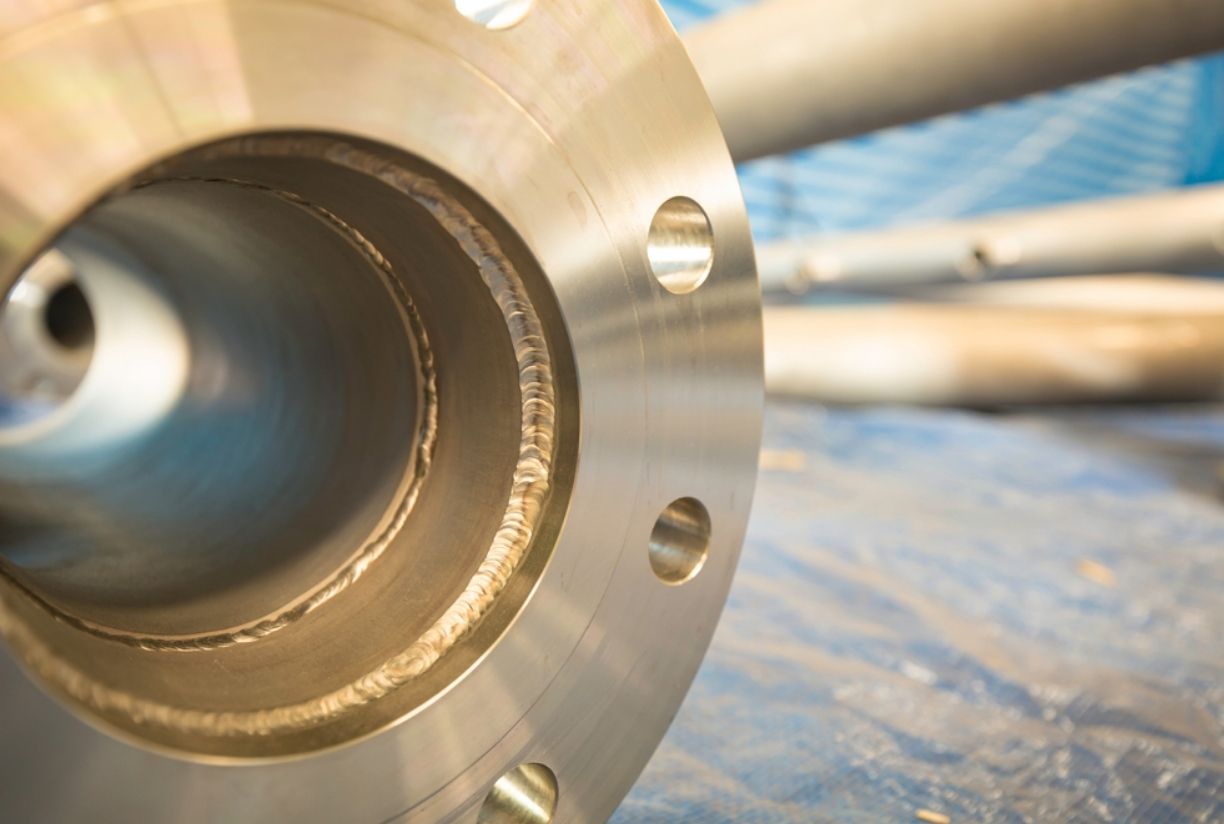
Table of Contents Pre-Passivation Preparation: Checklist for Successful Projects 7 Critical Steps to Avoid Mistakes During the Passivation Process What to Pay Attention to in Passivation Before Starting a Project Pre-Passivation Guide for Guaranteed Success: Step-by-Step Control Common Issues in Passivation Projects and Prevention Methods Analysis of Pre-Project Checks for Successful Passivation Pre-Passivation Preparation: Checklist for Successful Projects The passivation process is a critical step in protecting metal surfaces against corrosion, and pre-process preparations are crucial for a successful project. SS-Proje meticulously applies passivation preparation checks to ensure flawless management of the pre-passivation process. These checks enhance workplace safety and guarantee the final product quality. The first step is cleaning and properly preparing the surface. Any remaining oil, dirt, or oxide layers on the surface can reduce the effectiveness of the passivation process. SS-Proje sets standards for metal surface preparation and ensures each step is applied correctly, ensuring the surface is in optimal condition before passivation. Pre-project material and equipment checks are also a critical part of success. Preparing chemicals in the correct ratios and calibrating equipment helps the process run smoothly. SS-Proje performs passivation equipment checks completely to prevent possible errors and enhance process safety. Additionally, planning and documenting the steps to be followed throughout the project increases process manageability. SS-Proje keeps records of each stage with a passivation checklist, ensuring projects are completed according to standards. This approach optimizes both quality and time management. All these steps observed in the pre-passivation preparation process directly affect the durability and longevity of the final product. SS-Proje achieves high success in passivation projects with a comprehensive and systematic project preparation process, ensuring safe and effective results. 7 Critical Steps to Avoid Mistakes During the Passivation Process The passivation process is critical for increasing the durability of metal surfaces and protecting them against corrosion. However, mistakes during the process can negatively affect both product quality and project efficiency. SS-Proje meticulously applies the steps to follow to achieve flawless results in passivation process management. First, surface cleaning and preparation are the most critical steps. Any remaining oil, dirt, or oxide layers can reduce passivation effectiveness. SS-Proje applies metal surface preparation standards to ensure the process starts safely and effectively. Additionally, preparing chemicals in correct ratios and applying them at the proper temperature is essential for a flawless process. Second, equipment checks directly impact process success. SS-Proje verifies the calibration and functionality of each piece of equipment through passivation equipment checks, ensuring the process proceeds continuously and correctly. Third, pre-project documentation and checklists should be prepared; this step helps detect errors in advance and ensures process manageability. SS-Proje monitors critical parameters such as temperature, duration, and chemical concentration at every stage, providing passivation quality control. Regular inspections and tests are also conducted to identify potential risks in advance. This approach minimizes errors and guarantees consistent project outputs. Finally, properly following all steps in the passivation process increases product longevity and ensures workplace safety. SS-Proje guarantees high success in projects and optimal performance of metal surfaces with error-free passivation steps. What to Pay Attention to in Passivation Before Starting a Project The passivation process is a critical step in enhancing the durability of metal surfaces and protecting them against corrosion. However, preparations made before starting a project play a decisive role in process success. SS-Proje ensures smooth progress of each stage and minimizes errors through pre-passivation checks. First, surface cleaning and proper preparation form the foundation of the process. Residual dirt, oil, or oxide layers on the metal surface can reduce passivation effectiveness. SS-Proje applies metal surface preparation standards to eliminate these risks. A smooth and homogeneous surface ensures chemicals work effectively. Second, checking equipment and chemicals is very important. SS-Proje verifies the calibration and functionality of all devices and ensures chemicals are prepared in correct ratios through passivation equipment checks. This guarantees a safe and consistent process. Third, planning and documenting the steps throughout the process is a critical preparation step. SS-Proje records every stage using a passivation checklist and detects potential disruptions in advance. This approach increases quality and facilitates project management. All these factors observed before starting the project directly impact passivation success and the longevity of metal surfaces. SS-Proje ensures high success with a comprehensive passivation preparation process and supports safe and effective results. Pre-Passivation Guide for Guaranteed Success: Step-by-Step Control The passivation process plays a critical role in protecting metal surfaces against corrosion, and success is directly related to pre-process preparations. SS-Proje applies pre-passivation checks step by step to ensure flawless progress of the pre-passivation process. This approach minimizes errors and guarantees quality at every stage of the project. A successful passivation process begins with surface preparation. Any remaining oil, dirt, or oxide layers can reduce passivation effectiveness. SS-Proje strictly applies metal surface preparation standards to ensure a homogeneous and clean surface. This preparation supports the effectiveness of chemical applications and long-term durability. Another critical step is properly checking equipment and chemicals. SS-Proje verifies the calibration of devices and ensures chemicals are prepared at appropriate concentrations through passivation equipment checks. This ensures the process proceeds safely, consistently, and without errors. Project planning and documentation are also important for success. SS-Proje keeps records of every stage using a passivation checklist and detects potential issues in advance. This systematic approach facilitates project management and helps maintain quality standards. Carefully applying pre-passivation steps ensures metal surfaces are durable and long-lasting. SS-Proje guarantees high project success and safe results through a comprehensive passivation preparation process. Common Issues in Passivation Projects and Prevention Methods Passivation projects are critical for protecting metal surfaces against corrosion. However, common issues during implementation can negatively impact project quality and metal durability. SS-Proje ensures high success by identifying passivation issues in advance and applying effective prevention methods. One of the most common issues is residues of dirt, oil, or oxide on the surface. Such residues prevent passivation chemicals from properly penetrating the surface and reduce the effectiveness of the protective layer. SS-Proje meticulously applies metal surface preparation steps to eliminate these risks. A homogeneous and clean surface is essential for a smooth process. Another critical issue is incorrect chemical concentrations or equipment settings. Wrong ratios or miscalibrated equipment can result in ineffective passivation or defective layer formation. SS-Proje ensures all devices work correctly and chemicals are prepared in appropriate concentrations through passivation equipment checks. Lack of planning and documentation of steps throughout the process can also cause errors. SS-Proje keeps records of every stage using a passivation checklist and identifies potential errors in advance. This systematic approach increases quality and makes projects safer and more manageable. Proper preparation, equipment checks, and process management are essential to prevent issues in passivation projects. SS-Proje ensures high success and safe results through comprehensive passivation prevention methods. Analysis of Pre-Project Checks for Successful Passivation Passivation projects are critical for protecting metal surfaces against corrosion. Common issues during implementation can negatively affect project quality and metal durability. SS-Proje ensures high success by identifying passivation issues in advance and applying effective prevention methods. One of the most common issues is residues of dirt, oil, or oxide on the surface. These residues prevent passivation chemicals from properly penetrating the surface and reduce the effectiveness of the protective layer. SS-Proje meticulously applies metal surface preparation steps to eliminate these risks. A homogeneous and clean surface is essential for smooth process execution. Another critical issue is incorrect chemical concentrations or equipment settings. Wrong ratios or miscalibrated equipment can result in ineffective passivation or defective layer formation. SS-Proje ensures all devices operate correctly and chemicals are prepared at proper concentrations through passivation equipment checks. Lack of planning and documentation of steps throughout the process can also cause errors. SS-Proje records every stage using a passivation checklist and detects potential errors in advance. This systematic approach increases quality and ensures projects are safer and more manageable. To prevent issues in passivation projects, proper preparation, equipment checks, and process management are essential. SS-Proje ensures high success and safe results through comprehensive passivation prevention methods.
See More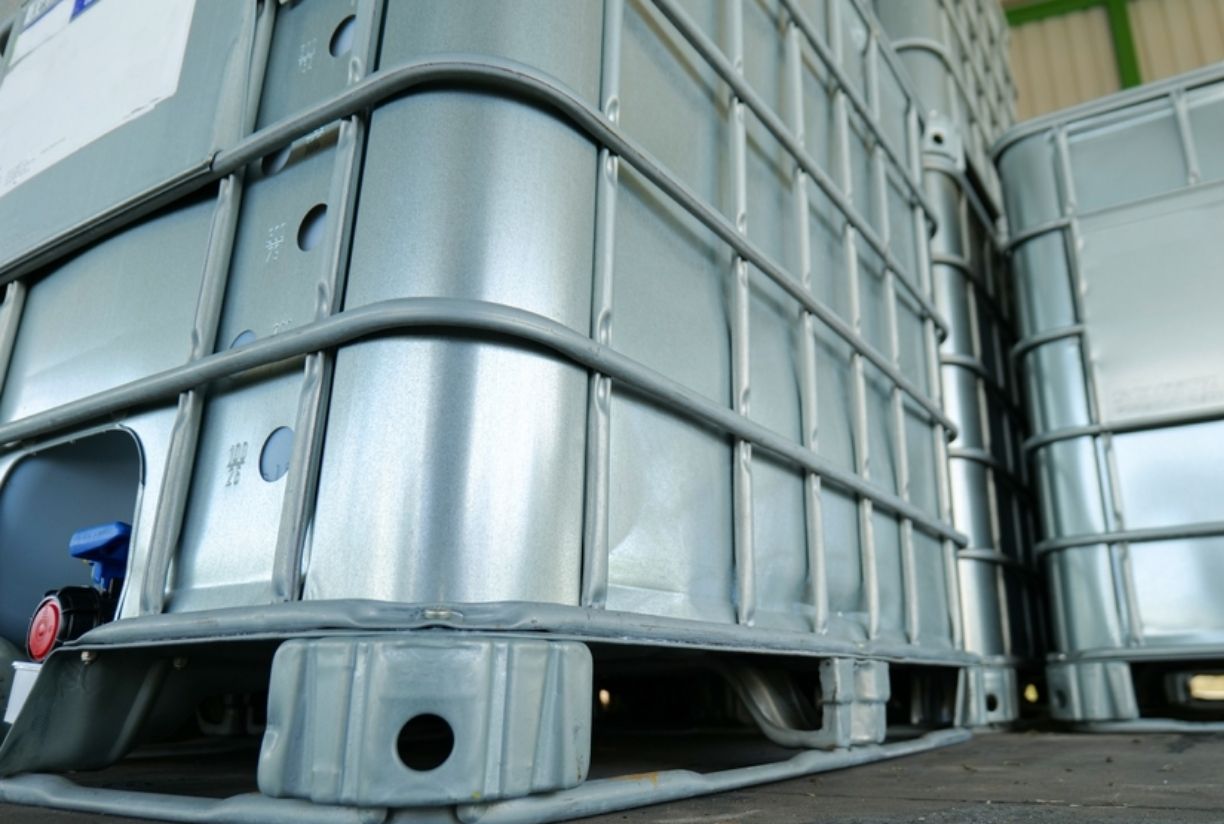
Table of Contents Tank Retrofit Guide: Steps to Successfully Apply Passivation in Old Facilities Renewal and Passivation in Old Facilities: Which Steps Are Critical? Common Issues in Tank Retrofit Processes and Suggested Solutions Renewal Project for Old Tanks: Methods to Extend Lifespan with Passivation Tank Retrofit Planning: Step-by-Step Passivation and Modernization Passivation and Retrofit: Strategies to Increase Efficiency and Durability in Old Facilities Tank Retrofit Guide: Steps to Successfully Apply Passivation in Old Facilities Applying passivation in old facilities is one of the most critical processes encountered in tank retrofit projects. Correct steps must be taken to ensure metal surfaces are long-lasting and corrosion-resistant. SS-Proje ensures successful passivation in old facilities with its tank retrofit passivation guide. The first step is a detailed analysis of the current condition of the tanks. Dirt, oxides, and remnants of old coatings on the surface can reduce the effectiveness of the passivation process. SS-Proje meticulously cleans all surfaces during the metal surface preparation phase and prepares them for the process. This preparation maximizes the effectiveness of chemical applications. Control of equipment and chemicals used in tank retrofit projects is also critical. SS-Proje ensures calibration of devices and verifies that chemicals are prepared at proper concentrations with its passivation equipment checks. This guarantees a safe and error-free passivation process. Planning and documenting the steps in the project is important for process manageability. SS-Proje uses a passivation checklist to record each stage and detect potential issues in advance. This approach increases quality and ensures retrofitted tanks have a long service life. Successful application of passivation in tank retrofit projects is achieved through proper surface preparation, equipment control, and systematic process management. SS-Proje guarantees safe and effective results in old facilities with its comprehensive retrofit passivation steps. Renewal and Passivation in Old Facilities: Which Steps Are Critical? Renewal activities in old facilities are critical for increasing the durability of metal surfaces and ensuring the effectiveness of the passivation process. SS-Proje carefully plans renewal and passivation steps in old facilities to ensure projects are successfully completed. This process enhances the performance of the existing facility and provides long-term corrosion protection. First, the current condition of the surface must be analyzed in detail. Dirt, oxides, and remnants of old coatings can reduce the effectiveness of passivation. SS-Proje cleans, levels, and prepares the surface for chemical processes during metal surface preparation. This step guarantees a safe and effective process. Another critical step is the proper preparation and control of equipment and chemicals. SS-Proje ensures calibration of devices and verifies that chemicals are prepared at proper concentrations with passivation equipment checks. This ensures an error-free and efficient passivation process. Planning and documenting the steps to be followed in the project is also a fundamental basis for success. SS-Proje uses a passivation checklist to record each stage and detect potential issues in advance. This systematic approach increases quality and ensures the facility’s long-term durability. Correct application of critical steps in the renewal and passivation process in old facilities directly affects the durability and corrosion resistance of metal surfaces. SS-Proje guarantees safe and effective results with its comprehensive retrofit passivation steps. Common Issues in Tank Retrofit Processes and Suggested Solutions Tank retrofit projects involve critical processes for successfully applying passivation and renewal in old facilities. However, common issues in this process can negatively affect both project efficiency and the durability of metal surfaces. SS-Proje identifies tank retrofit issues in advance and provides suggested solutions to ensure smooth project execution. One of the most common issues is accumulated dirt, oxides, and old coating residues on the tank’s inner surfaces. These residues prevent passivation chemicals from penetrating the surface evenly, reducing the effectiveness of the protective layer. SS-Proje thoroughly cleans surfaces during metal surface preparation and prepares them for the process. Another frequent issue is improper use of equipment and chemicals. Incorrect concentrations or faulty equipment settings can result in ineffective passivation or defective layer formation. SS-Proje ensures all devices are calibrated and chemicals are used in correct ratios through passivation equipment checks. Inadequate process planning and lack of documentation are also factors that negatively affect project success. SS-Proje uses a passivation checklist to record each stage and detect potential disruptions in advance. This systematic approach simplifies project management and improves quality. To prevent issues in tank retrofit processes and achieve safe, effective results, proper surface preparation, equipment control, and systematic process management are essential. SS-Proje ensures successful projects in old facilities with comprehensive retrofit passivation solutions. Renewal Project for Old Tanks: Methods to Extend Lifespan with Passivation Extending the lifespan of old tanks is critical for increasing facility efficiency and protecting metal surfaces. SS-Proje systematically and safely applies passivation processes in renewal projects for old tanks. This approach increases metal surface durability and ensures long-term facility performance. Before starting the project, the current condition of the tanks is thoroughly examined. Dirt, oxides, and remnants of old coatings can reduce the effectiveness of the passivation process. SS-Proje meticulously cleans the tanks during metal surface preparation and prepares them for optimal pre-treatment conditions. This preparation ensures effective chemical applications and reduces the risk of faulty passivation. Control of equipment and chemicals used in tank renewal projects is also critical. SS-Proje verifies the calibration of devices and ensures chemicals are used at proper ratios and conditions through passivation equipment checks. This guarantees a safe and error-free process. Planning and documentation are additional important factors that enhance the effectiveness of passivation and project quality. SS-Proje records each stage using a passivation checklist, detects potential disruptions in advance, and facilitates process management. This extends tank lifespan and ensures long-term durability. Renewal projects for old tanks significantly increase the lifespan of metal surfaces through proper surface preparation, equipment control, and systematic passivation steps. SS-Proje guarantees safe and effective results in old facilities with comprehensive passivation methods. Tank Retrofit Planning: Step-by-Step Passivation and Modernization Tank retrofit projects require comprehensive planning that covers both passivation and modernization processes in old facilities. SS-Proje ensures smooth and efficient process execution in tank retrofit planning through step-by-step applied methods. This approach enhances the durability of metal surfaces and ensures long-lasting facility operation. The first step is a detailed analysis of existing tanks to identify dirt, oxides, and remnants of old coatings. These residues can hinder the effectiveness of passivation chemicals. SS-Proje thoroughly cleans and optimizes the tanks prior to treatment during metal surface preparation. This maximizes the effectiveness of chemical applications. The next step is the control of equipment and chemicals. SS-Proje ensures all devices operate correctly and chemicals are used at proper concentrations through passivation equipment checks. This guarantees both the safety and error-free progress of the process. Planning and documentation play a critical role in the successful completion of tank retrofit projects. SS-Proje records each stage with a passivation checklist, detects potential problems in advance, and increases process manageability. This approach ensures that modernization steps progress in an integrated and coordinated manner. Systematic implementation of passivation and modernization steps in tank retrofit projects directly impacts the longevity of metal surfaces and the efficient operation of facilities. SS-Proje guarantees safe and effective results in old facilities with comprehensive retrofit passivation steps. Passivation and Retrofit: Strategies to Increase Efficiency and Durability in Old Facilities Increasing efficiency and durability in old facilities is critical for ensuring long-lasting operations. Passivation and retrofit applications play a key role in this. SS-Proje achieves safe and effective results in old facilities through its passivation and retrofit strategies. This process enables protection of metal surfaces against corrosion and facilitates facility modernization. First, the current condition of tanks and equipment is thoroughly analyzed. Dirt, oxides, and remnants of old coatings can reduce the effectiveness of the passivation process. SS-Proje meticulously cleans surfaces during metal surface preparation and prepares them for chemical applications. This preparation enhances passivation effectiveness and minimizes the risk of faulty treatment. Another critical step is the proper control of equipment and chemicals. SS-Proje calibrates devices and ensures chemicals are used at proper ratios through passivation equipment checks. This allows the process to proceed safely, error-free, and efficiently. Planning and documentation are vital for the success of retrofit and passivation projects. SS-Proje records each stage with a passivation checklist and detects potential disruptions in advance. This systematic approach enables smooth and integrated facility modernization. Correct implementation of passivation and retrofit in old facilities increases the durability of metal surfaces and optimizes facility efficiency. SS-Proje guarantees safe and effective results with comprehensive retrofit passivation methods.
See More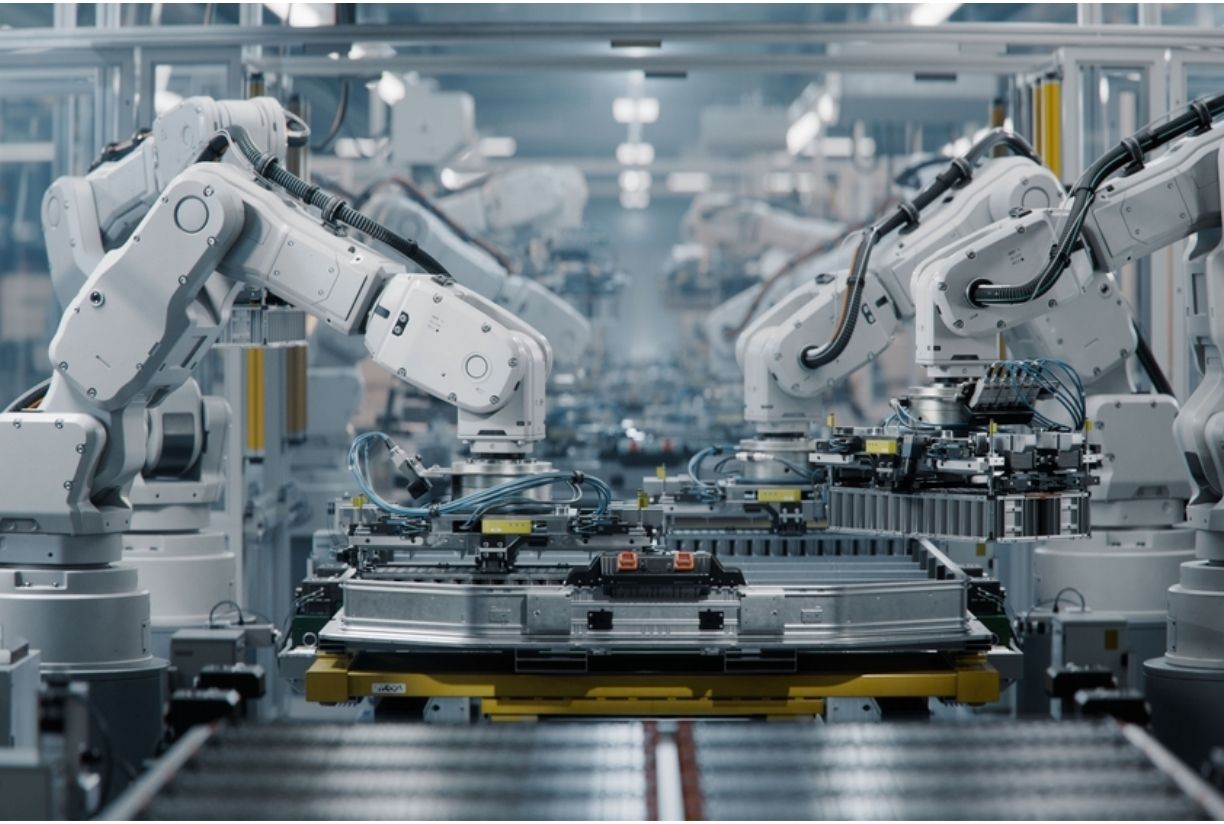
Table of Contents Assembly Site Preparation Guide: Minimize Project Delays 7 Critical Steps to Prevent Delays in Site Assembly Pre-Assembly Checklist for Project Success: How Should Site Preparation Be? Common Issues During Assembly and Preventive Strategies Ways to Increase Efficiency in Assembly Through Site Preparation Pre-Assembly Planning: Effective Tactics to Prevent Project Delays Assembly Site Preparation Guide: Minimize Project Delays Assembly site preparation is a critical step to ensure projects are completed on time and without issues. SS-Proje minimizes project delays through meticulous planning and control steps in the assembly site preparation process. Proper preparation enhances equipment efficiency while supporting workplace safety. Before starting a project, a detailed analysis of site conditions must be conducted. Factors such as ground condition, electrical and water infrastructure, and material storage areas directly affect the speed and accuracy of assembly. SS-Proje meticulously inspects these elements through site preparation checks and takes necessary precautions. This prevents potential disruptions during assembly. Equipment and material management is also a critical part of site preparation. SS-Proje verifies that all tools and equipment are operational through assembly equipment checks and ensures necessary materials are available on-site. This approach allows workflow to continue uninterrupted and helps maintain the project schedule. Planning and coordination are other key factors that enhance site preparation effectiveness. SS-Proje documents each step and tracks processes using a project checklist, anticipating possible delays and taking preventive action. This method improves quality and minimizes time losses in the project. Assembly site preparation prevents project delays and ensures high efficiency through proper planning, equipment checks, and process monitoring. SS-Proje guarantees smooth and timely project completion with comprehensive site preparation steps. 7 Critical Steps to Prevent Delays in Site Assembly Delays in site assembly are among the most common issues that increase project costs and disrupt workflow. SS-Proje ensures timely and smooth project progress through 7 critical steps to prevent site assembly delays. These steps cover the entire process, from planning to equipment checks, and increase efficiency. The first step is a detailed evaluation of site conditions. Pre-checking factors such as ground condition and electrical and water infrastructure prevents potential disruptions. SS-Proje ensures the site is ready for assembly and minimizes risks through site preparation checks. The second step is equipment and material management. SS-Proje verifies that all tools and equipment are operational and ensures required materials are available on-site through assembly equipment checks. This supports uninterrupted workflow. Thirdly, process planning and coordination are critical. SS-Proje documents each step using a project checklist, anticipates potential delays, and intervenes as needed, ensuring adherence to the project schedule. Communication and internal team coordination also play a vital role in preventing delays. SS-Proje facilitates effective information flow between the site team and office, ensuring each step proceeds in harmony. Risk analysis and preventive measures provide rapid solutions to unexpected issues. Preventing delays in site assembly is possible through proper planning, equipment and material checks, systematic process management, and effective communication. SS-Proje guarantees timely and smooth project completion with comprehensive site assembly steps. Pre-Assembly Checklist for Project Success: How Should Site Preparation Be? Timely and smooth project completion depends on proper pre-assembly site preparation. SS-Proje carefully evaluates all elements on-site through a pre-assembly checklist to prevent potential delays. Proper planning, equipment, and material checks enhance project success. The first step is a detailed examination of site conditions. Factors such as ground level, electrical and water infrastructure, and material storage areas directly affect assembly efficiency. SS-Proje inspects all these elements and ensures necessary adjustments through site preparation checks. Equipment and material management is a critical part of pre-assembly preparation. SS-Proje guarantees all tools and equipment are complete and operational and ensures required materials are on-site through assembly equipment checks. This supports uninterrupted workflow. Planning and coordination further enhance the effectiveness of site preparation. SS-Proje documents each step, identifies potential issues in advance, and prepares intervention plans using a project checklist. This systematic approach ensures smooth and timely assembly. Communication and team coordination also play a critical role in site preparation. SS-Proje ensures effective information flow between the on-site team and office, guarantees harmonized progress at each step, and provides rapid solutions to unexpected situations. These methods ensure high-quality and efficient project execution. Pre-assembly site preparation enables successful project completion through proper planning, equipment checks, and process management. SS-Proje guarantees safe and efficient results in projects with comprehensive site preparation steps. Common Issues During Assembly and Preventive Strategies The assembly process is a critical phase for timely and smooth project completion. However, common issues during this stage can disrupt workflow and increase costs. SS-Proje identifies common issues during assembly in advance and applies effective preventive strategies to ensure smooth project progress. One of the most common issues is insufficient prior evaluation of site conditions. Incomplete checks of factors such as ground condition, electrical, and water infrastructure can cause assembly delays. SS-Proje inspects all critical elements in advance and eliminates potential risks through site preparation checks. Equipment and material shortages or incorrect usage are another frequent problem during assembly. SS-Proje ensures all tools and equipment are complete and operational and guarantees materials are available on-site through assembly equipment checks. This approach supports uninterrupted workflow. Lack of planning and documentation can also reduce process efficiency. SS-Proje records each step in detail using a project checklist, anticipates potential issues, and prepares solution strategies. This ensures the assembly process progresses in a planned and manageable manner. Poor communication and insufficient team coordination can lead to unexpected delays. SS-Proje ensures effective information flow between the site team and office, guaranteeing coordinated progress at each step. This approach enables high-quality and efficient project execution. Preventing issues during assembly is possible through proper planning, equipment checks, process management, and effective communication. SS-Proje guarantees safe and efficient outcomes in projects with comprehensive assembly preventive strategies. Ways to Increase Efficiency in Assembly Through Site Preparation Increasing efficiency during assembly depends on proper site preparation for timely and smooth project completion. SS-Proje optimizes assembly processes through site preparation, accelerating workflow and improving quality. Every detail considered during preparation directly affects project efficiency. First, a detailed assessment of site conditions is necessary. Factors such as ground condition, electrical and water infrastructure, and material storage areas ensure smooth assembly. SS-Proje meticulously inspects all these elements and makes necessary adjustments through site checks, enabling uninterrupted workflow. Equipment and material management is another important factor that increases assembly efficiency. SS-Proje ensures all tools and equipment are complete and operational and guarantees materials are available on-site through assembly equipment checks. This prevents delays and errors during assembly. Planning and process management further enhance site preparation effectiveness. SS-Proje documents each step, anticipates potential disruptions, and prepares solution plans using a project checklist. This systematic approach supports organized and efficient assembly. Communication and team coordination play a critical role in site preparation. SS-Proje ensures effective information flow between the site team and office, guaranteeing harmonized progress at each step. This maximizes efficiency during assembly and optimizes project completion time. Site preparation is the key to increasing assembly efficiency through proper planning, equipment checks, process management, and effective communication. SS-Proje guarantees smooth and efficient project completion with comprehensive site preparation steps. Pre-Assembly Planning: Effective Tactics to Prevent Project Delays Pre-assembly planning is a critical step to ensure timely and smooth project completion. SS-Proje prevents project delays through meticulous analysis and coordination in the pre-assembly planning process. Proper planning, site preparation, equipment and material management ensure efficient workflow. First, a detailed assessment of site conditions is necessary. Factors such as ground condition, electrical and water infrastructure, and material storage areas must be pre-checked to ensure smooth assembly. SS-Proje inspects these elements thoroughly and makes necessary adjustments through site checks. Equipment and material management is an indispensable part of pre-assembly planning. SS-Proje verifies that all tools and equipment are complete and operational and guarantees materials are ready on-site through assembly equipment checks. This prevents potential disruptions and delays. Planning and documentation are other critical steps that enhance pre-assembly process efficiency. SS-Proje records each step using a project checklist, anticipates potential risks, and prepares solution plans. This systematic approach ensures organized and efficient assembly progress. Communication and team coordination play a vital role in preventing project delays. SS-Proje ensures effective information flow between the site team and office, guaranteeing harmonized progress at each step. Thus, pre-assembly planning ensures projects are completed on time and without issues. Pre-assembly planning prevents project delays through proper site checks, equipment and material management, process monitoring, and effective communication. SS-Proje guarantees smooth and efficient project progress with comprehensive pre-assembly tactics.
See More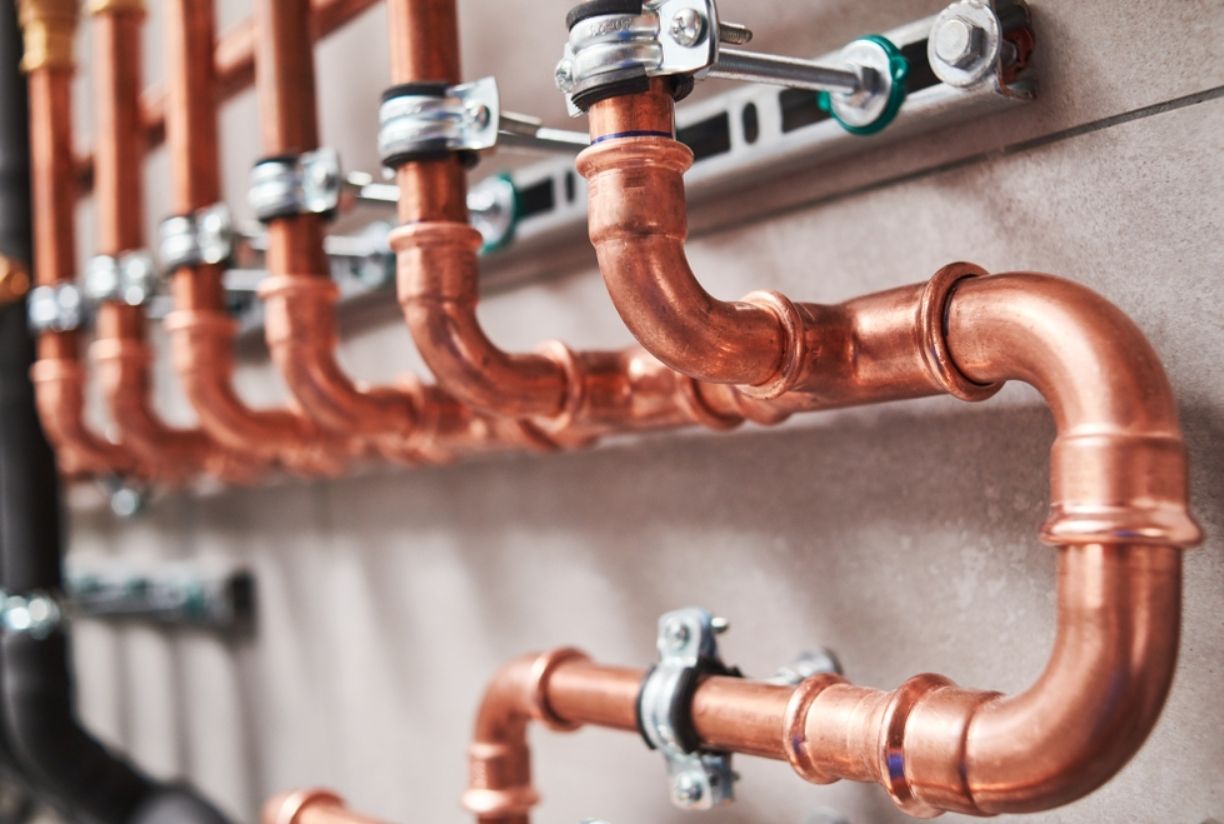
Table of Contents 7 Most Common Mistakes in Hygienic Piping Design and Prevention Methods Reasons Behind Design Errors in Piping Systems Critical Design Mistakes to Avoid in Hygienic Piping Piping Design Errors: Production Problems and Solutions Common Mistakes in Hygienic Piping Design and Their Impact on Operations Guide for Engineers to Prevent Hygienic Piping Design Errors 7 Most Common Mistakes in Hygienic Piping Design and Prevention Methods Hygienic piping design plays a critical role, especially in food, pharmaceutical, and biotechnology facilities. Improper design can lead to production inefficiencies, cleaning difficulties, and contamination risks. SS-Proje identifies common mistakes in hygienic piping design in advance and implements effective prevention methods. The most common mistake is incorrect pipe slope determination. Insufficient slope can cause fluid accumulation inside the pipes and leave residues during cleaning. SS-Proje prevents this problem with pipe slope checks, ensuring the line remains hygienic. Errors in pipe connections can also lead to serious problems. Incorrect welding or flange applications may result in leaks and microbial buildup. SS-Proje carefully inspects all joints through pipe connection checks to ensure error-free assembly. Material selection is critical for the durability and hygiene standards of the design. Using the wrong alloy or coating can lead to corrosion and cleaning difficulties. SS-Proje ensures long-lasting and hygienic piping design through material suitability checks. Other frequent mistakes include diameter mismatches, unnecessary elbows, and complex line designs. These factors reduce flow efficiency and complicate cleaning processes. SS-Proje maximizes flow and hygiene standards through pipe line optimization. Lack of planning and documentation can also increase design errors. SS-Proje uses a hygienic piping checklist to record each step and ensure quality throughout the process. These methods minimize errors and enhance production line efficiency. Preventing common mistakes in hygienic piping design is possible through proper slope, connection checks, material selection, pipe optimization, and documentation. SS-Proje guarantees safe and efficient systems with comprehensive hygienic piping prevention methods. Reasons Behind Design Errors in Piping Systems Design errors in piping systems are critical factors that directly affect facility efficiency and hygiene standards. SS-Proje analyzes the root causes of design errors in piping systems and develops solutions to prevent these mistakes. Correctly identifying the source of errors reduces costs and enhances system performance. One of the most common causes is insufficient planning and site analysis. Failure to adequately assess the floor condition, existing infrastructure, and pipe layout can result in incorrect slopes and diameter selections. SS-Proje identifies these shortcomings in advance through site preparation checks, ensuring a sound design. Incorrect material selection is another frequent cause of design errors. Choosing inappropriate alloys or coatings can lead to corrosion, leaks, and cleaning issues. SS-Proje designs long-lasting and safe piping systems using material suitability checks. Connection and installation errors are also significant factors reducing design effectiveness. Improper welding techniques or incorrect flange applications can cause leaks and microbial buildup. SS-Proje ensures error-free assembly through pipe connection checks. Complex line designs, unnecessary elbows, and diameter mismatches also reduce flow efficiency. These issues complicate cleaning processes and disrupt production. SS-Proje maximizes flow and hygiene standards through pipe line optimization. Lack of documentation and planning makes detecting errors difficult and reduces process control. SS-Proje records every step with a piping checklist to ensure quality. These practices prevent design errors and guarantee safe and efficient system operation. Critical Design Mistakes to Avoid in Hygienic Piping Design in hygienic piping systems is crucial for production efficiency and maintaining hygiene standards. SS-Proje identifies critical design mistakes in hygienic piping in advance to ensure safe and smooth flow within facilities. Improper design can increase cleaning difficulties, contamination risks, and negatively impact production quality. One of the most frequent mistakes is incorrect pipe slope determination. Insufficient or incorrect slope causes fluid accumulation inside pipes and leaves residues during cleaning. SS-Proje eliminates this issue through pipe slope checks, maintaining hygiene standards. Errors in pipe connections also create critical problems. Improper welding, incorrect flanges, or missing gaskets can lead to leaks and microbial buildup. SS-Proje ensures joint points are safe and hygienic with pipe connection checks. Material selection is another crucial factor affecting durability and hygiene standards. Wrong alloy or coating use may cause corrosion and cleaning difficulties. SS-Proje ensures long-lasting and safe piping systems through material suitability checks. Other common mistakes include unnecessary elbows, diameter mismatches, and complex line designs. These deficiencies reduce flow and extend cleaning times. SS-Proje maximizes both flow and hygiene standards through pipe line optimization. Lack of planning and documentation further increases errors. SS-Proje uses a hygienic piping checklist to record each step and ensure quality throughout the process, preventing design mistakes and guaranteeing safe and efficient operation. Piping Design Errors: Production Problems and Solutions Errors in piping design can lead to significant disruptions and quality losses in production processes. SS-Proje analyzes the problems caused by piping design errors in production and offers effective solutions. Correctly identifying the source of errors improves production efficiency and ensures hygiene standards. One common problem is miscalculation of pipe slopes. Insufficient slope causes fluid accumulation and cleaning difficulties. SS-Proje identifies and corrects slope errors with pipe slope checks, ensuring smooth flow. Errors in pipe connections also create serious production problems. Improper welding, incorrect flanges, or missing gaskets can lead to leaks and microbial buildup. SS-Proje ensures all joints are safe and hygienic with pipe connection checks. Material selection errors can cause corrosion and long-term cleaning issues. SS-Proje ensures correct alloy and coating choices through material suitability checks, guaranteeing system durability. Complex line designs, unnecessary elbows, and diameter mismatches also reduce flow efficiency. SS-Proje simplifies designs through pipe line optimization to ensure efficient production operation. Lack of documentation and planning complicates error detection and process control. SS-Proje records each step using a piping checklist, ensuring quality and preventing production piping errors, guaranteeing safe and efficient system operation. Common Mistakes in Hygienic Piping Design and Their Impact on Operations Hygienic piping design is critical for efficiency and safety in production processes. Improper design can create both cost and operational issues for facilities. SS-Proje identifies common mistakes in hygienic piping design and provides solutions to minimize their impact on operations. One frequent mistake is incorrect pipe slope determination. Wrong slope causes fluid accumulation in the pipes and makes cleaning difficult. This reduces production quality and increases cleaning costs. SS-Proje prevents these problems through pipe slope checks. Errors in pipe connections also pose serious risks for operations. Incorrect welding, faulty flanges, or missing gaskets can lead to leaks and microbial buildup. SS-Proje ensures all joints are safe and hygienic through pipe connection checks. Incorrect material selection also causes operational problems. Using the wrong alloy or coating can lead to corrosion and cleaning difficulties. SS-Proje ensures long-lasting and safe systems through material suitability checks. Complex line designs, unnecessary elbows, and diameter mismatches reduce flow efficiency and cause production disruptions. SS-Proje ensures efficient and hygienic design through pipe line optimization. Insufficient planning and documentation make error detection difficult and weaken quality control. SS-Proje records every step using a hygienic piping checklist, ensuring quality throughout the process and maintaining production performance. Guide for Engineers to Prevent Hygienic Piping Design Errors Designing hygienic piping systems is a critical responsibility for production and process engineers. Incorrect design reduces production efficiency, prolongs cleaning processes, and increases contamination risk. SS-Proje provides engineers with comprehensive guides on preventing hygienic piping design errors and ensures proper steps are followed in practice. The first key consideration is pipe slopes. Incorrect or insufficient slope can cause fluid accumulation and cleaning difficulties. SS-Proje detects these issues in advance with pipe slope checks and contributes to smooth flow. Errors in pipe connections also lead to critical problems. Improper welding, missing gaskets, or incorrect flange use increases the risk of leaks and microbial buildup. SS-Proje guarantees safe and hygienic joint points through pipe connection checks. Material selection is crucial for system durability and hygiene standards. Using the wrong alloy or coating can cause corrosion and cleaning problems. SS-Proje helps design safe and long-lasting piping systems through material suitability checks. Additionally, complex line designs, unnecessary elbows, and diameter mismatches impede flow and extend cleaning times. SS-Proje ensures efficient and hygienic design through pipe line optimization. Finally, insufficient planning and documentation make detecting design errors difficult. SS-Proje records all steps using a hygienic piping checklist, ensuring quality throughout the process, allowing engineers to carry out an error-free design workflow.
See More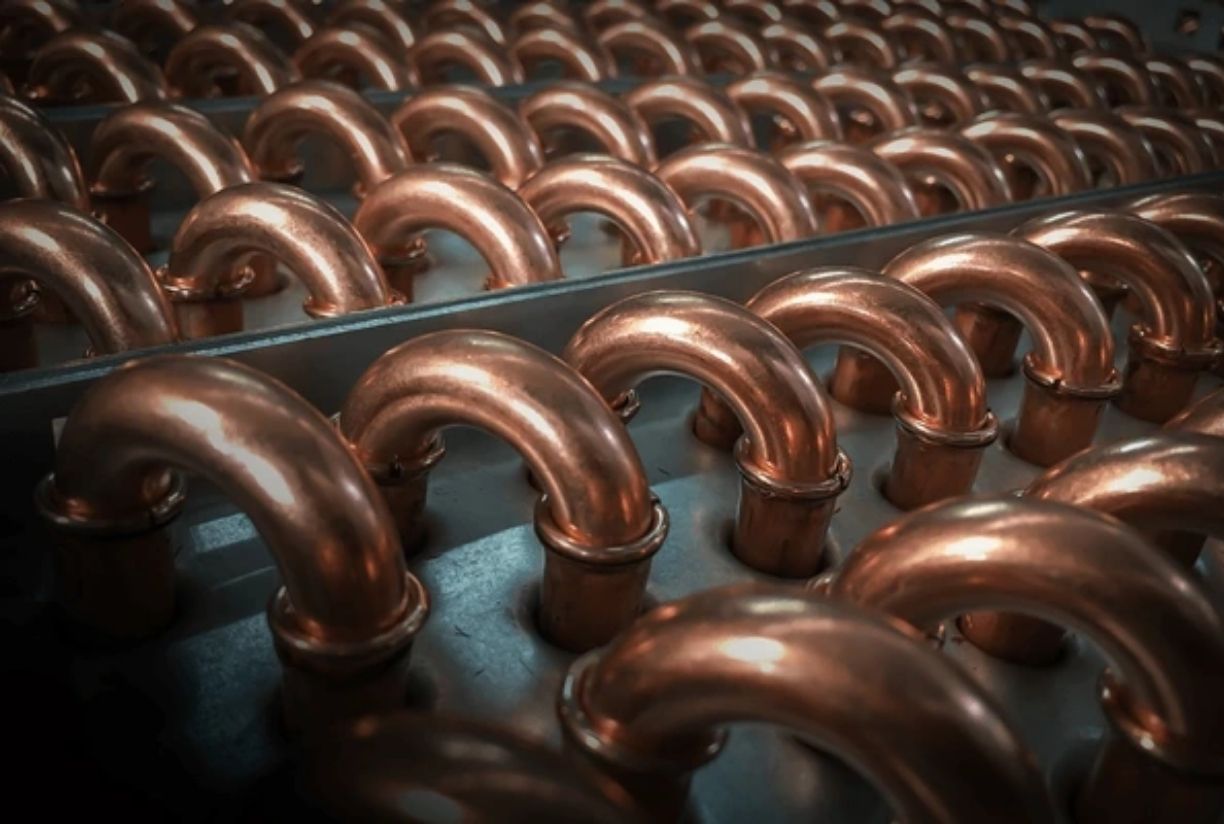
Table of Contents Indicators That Show the Need for Heat Exchanger Cleaning and Its Impact on Process Optimization The Contribution of Industrial Heat Exchanger Cleaning to Energy Savings and Sustainability The Role of Regular Heat Exchanger Maintenance in Equipment Lifespan and Standards Compliance The Impact of Professional Heat Exchanger Cleaning on Scalable Production and Risk Reduction Managing Facility Efficiency and Maintenance Costs Through Heat Exchanger Cleaning The Contribution of Heat Exchanger Cleaning to Thermal Performance and Sustainable Facility Solutions The Effect of Expert Heat Exchanger Cleaning on Energy Consumption and Long Term Operational Reliability Indicators That Show the Need for Heat Exchanger Cleaning and Its Impact on Process Optimization Early detection of heat exchanger fouling is critical for preventing cascading inefficiencies that threaten production continuity and profitability. A gradual increase in pressure drop across the unit is often the first technical indicator, signaling that flow paths are becoming restricted by scale or debris. Concurrently, a noticeable decline in heat transfer efficiency forces the system to work harder, leading to elevated energy consumption and operating costs. Recognizing these signs proactively is the foundation of strategic industrial facility optimization, enabling managers to schedule interventions that reduce operational downtime and avoid emergency repairs. Beyond system metrics, observable symptoms include inconsistent product temperatures and longer cycle times to achieve thermal setpoints, directly compromising process optimization. In severe cases, localized overheating can lead to thermal stress and corrosion, accelerating wear and potentially causing leaks that necessitate full shutdowns. Integrating regular performance monitoring into your maintenance schedule transforms heat exchanger maintenance services from a reactive expense into a predictive investment. This data-driven approach is a core component of a comprehensive process optimization consultancy, aimed at preserving optimal industrial equipment performance. Addressing these warning signs with professional heat exchanger cleaning directly translates to measurable operational and financial benefits. Restoring clean heat transfer surfaces can restore system efficiency to near-original levels, often cutting energy use by over 15 percent and significantly lowering the facility's environmental footprint. This action not only extends the asset's lifespan but also protects downstream equipment from abnormal operating conditions. Specialized engineering partners like SS Proje engineering deliver these services with precision, ensuring compliance and maximizing uptime. Ultimately, viewing heat exchanger condition monitoring as an integral part of your operational strategy is key to achieving long-term sustainable facility solutions. Timely cleaning prevents minor issues from escalating into major failures that disrupt production schedules and incur substantial capital costs. This proactive maintenance philosophy safeguards your investment, ensures consistent output quality, and solidifies a reputation for reliability and industrial facility optimization that is critical for competitive advantage in demanding industrial markets. The Contribution of Industrial Heat Exchanger Cleaning to Energy Savings and Sustainability A systematic approach to heat exchanger cleaning is non-negotiable for facilities targeting maximum energy savings and long-term operational sustainability. The process begins with a comprehensive shutdown and isolation of the unit, ensuring absolute safety and preventing cross-contamination of process fluids. A thorough visual and non-destructive inspection follows to accurately assess the type and severity of fouling, whether it be scaling, biological growth, or corrosion products. This diagnostic phase is critical for selecting the most effective cleaning methodology and forms the basis of any professional process optimization consultancy aimed at long-term industrial facility optimization. The execution phase employs specialized techniques tailored to the fouling identified. High-pressure water jetting effectively dislodges hard scales, while targeted chemical cleaning dissolves stubborn deposits with precision, minimizing aggression towards the base metal. For delicate tubings, mechanical brushing ensures a thorough cleaning without damage. Each step is meticulously planned by experts in heat exchanger maintenance services, such as SS Proje engineering, to efficiently restore system efficiency and significantly reduce operational downtime. The primary objective is to return the heat transfer surfaces to their original clean state, which directly translates to lower energy consumption and enhanced industrial equipment performance. Post-cleaning procedures are equally vital for securing lasting benefits. A final rinse removes all cleaning residues, and a passivation treatment is often applied to stainless steel components to create a protective oxide layer that resists future corrosion. Performance verification through flow and heat transfer testing confirms that the unit operates within its designed parameters, delivering the promised energy savings. This rigorous validation is a hallmark of sustainable facility solutions, ensuring the intervention provides measurable, long-term value rather than a temporary fix. By adhering to this disciplined, step-by-step protocol, industrial operators transform maintenance from a cost center into a strategic investment. The immediate recovery of thermal efficiency cuts fuel and electricity costs, while the extended equipment lifecycle defers major capital expenditure. This systematic approach to heat exchanger care is fundamental to building a resilient, efficient, and compliant operation, solidifying a facility's commitment to superior performance and environmental stewardship through proven engineering practices. The Role of Regular Heat Exchanger Maintenance in Equipment Lifespan and Standards Compliance In regulated industrial environments, a disciplined schedule of heat exchanger maintenance services is a dual-purpose strategy that simultaneously extends asset longevity and guarantees adherence to international quality and safety standards. Fouling and corrosion are not merely efficiency issues; they are degradation mechanisms that accelerate wear, leading to premature failure and potential compliance violations. Proactive heat exchanger cleaning directly counters these forces, preserving the mechanical integrity of tubes, plates, and gaskets. This preventative approach is a cornerstone of robust industrial facility optimization, ensuring equipment operates reliably within its design envelope for its maximum possible service life. The link between maintenance and compliance is unequivocal. Standards such as ASME and PED mandate regular inspection and maintenance of pressure equipment to verify structural soundness and prevent hazardous failures. A well-documented maintenance log, generated through professional services like those offered by SS Proje engineering, provides auditable proof of due diligence. Furthermore, consistent cleaning prevents microbial growth in systems handling process fluids, which is critical for meeting hygiene standards in sectors like food, pharmaceuticals, and biotechnology. This systematic care is integral to a forward-thinking process optimization consultancy that prioritizes both performance and regulatory assurance. From a purely operational standpoint, the benefits are transformative. Regular maintenance prevents the extreme operating conditions—such as elevated pressures and temperatures—that cause metal fatigue and stress corrosion cracking. By maintaining clean heat transfer surfaces, the system requires less energy to function, which not only saves costs but also reduces thermal cycling that contributes to material degradation. This disciplined practice is fundamental to achieving sustainable facility solutions and optimal industrial equipment performance, as it systematically works to reduce operational downtime and avoid catastrophic failures. Ultimately, investing in a regular maintenance program is an investment in operational certainty and capital preservation. It transforms the heat exchanger from a potential point of failure into a reliably performing asset that supports continuous production. This proactive philosophy, which aligns perfectly with the principles of lifecycle management, ensures that facilities not only meet the stringent demands of international standards today but are also well-positioned to adapt to evolving regulations tomorrow, securing long-term viability and market competitiveness. The Impact of Professional Heat Exchanger Cleaning on Scalable Production and Risk Reduction For industrial operations focused on growth, professional heat exchanger cleaning delivers critical advantages that directly enable scalable production and mitigate operational risks. A fouled heat exchanger acts as a bottleneck, constraining thermal efficiency and limiting a facility's ability to ramp up output without incurring disproportionate energy costs or equipment stress. Engaging expert heat exchanger maintenance services removes this constraint, ensuring that thermal systems can support increased production volumes efficiently. This strategic intervention is a fundamental component of any comprehensive process optimization consultancy and is essential for achieving true industrial facility optimization. The primary benefit of a professionally cleaned unit is the immediate recovery of thermal performance, which can restore system efficiency by over 15 percent. This energy saving translates directly into lower operating costs per unit of production, improving profit margins and enhancing competitiveness. Moreover, reliable heat transfer is crucial for maintaining consistent product quality, especially in temperature-sensitive processes. By preventing temperature fluctuations, professional cleaning, as executed by firms like SS Proje engineering, safeguards against batch losses and non-conforming products, thereby protecting brand reputation and revenue. From a risk management perspective, the value is equally profound. Unchecked fouling leads to corrosion under deposit and increased pressure loads, dramatically raising the probability of unplanned failures and safety incidents. Scheduled cleaning eliminates these hidden threats, systematically working to reduce operational downtime and avoid costly emergency repairs. This proactive approach to maintenance is a core element of sustainable facility solutions, as it ensures predictable industrial equipment performance and operational continuity, which are indispensable for meeting supply chain commitments and contractual obligations. Ultimately, investing in professional heat exchanger cleaning is a strategic decision that underpins both growth aspirations and operational resilience. It transforms a critical piece of process equipment from a variable risk into a reliable asset capable of supporting expansion plans. This disciplined maintenance philosophy not only delivers immediate financial returns through energy savings but also builds a foundation of reliability that is essential for long-term market leadership, regulatory compliance, and sustainable value creation in demanding industrial sectors. Managing Facility Efficiency and Maintenance Costs Through Heat Exchanger Cleaning A systematic checklist is indispensable for executing heat exchanger cleaning that consistently delivers enhanced facility efficiency and minimized lifecycle costs. The process must begin with comprehensive pre-work planning, including the safe isolation and depressurization of the unit, review of P&IDs, and a detailed risk assessment. A critical first technical step is a baseline performance evaluation, recording pressure drops and temperature differentials to quantify the existing efficiency loss. This disciplined pre-assessment is the foundation of professional heat exchanger maintenance services and a core element of strategic industrial facility optimization. The execution phase of the checklist focuses on methodical fouling removal. This involves selecting the correct cleaning methodology—high-pressure water jetting, chemical circulation, or mechanical brushing—based on the deposit analysis conducted during inspection. Each step must be performed with precision to avoid damaging sensitive tubes or plates while ensuring complete contaminant removal. Partnering with an experienced engineering provider like SS Proje engineering ensures that these techniques are applied correctly to thoroughly restore system efficiency. A crucial item on any checklist is the integration of the cleaning schedule into production planning to strategically reduce operational downtime. Post-cleaning verification is where the return on investment is confirmed and documented. The checklist must mandate a performance re-test to measure the improvement in heat transfer coefficients and pressure drop, providing tangible data on energy savings. For corrosion-resistant materials, a passivation step should be included to protect the newly cleaned surfaces and extend the service interval. This rigorous validation process is what distinguishes a comprehensive process optimization consultancy from a basic cleaning service, ensuring long-term industrial equipment performance. Adhering to this ultimate checklist transforms a routine maintenance task into a powerful driver of operational excellence. It ensures that every cleaning project directly contributes to lower energy bills, reduced spare part consumption, and extended asset life. This structured approach is fundamental to implementing sustainable facility solutions, as it embeds precision, accountability, and measurable outcomes into the core of facility management, delivering continuous value and protecting your capital investment for years to come. The Contribution of Heat Exchanger Cleaning to Thermal Performance and Sustainable Facility Solutions Maximizing the thermal performance of a heat exchanger is a precise engineering discipline central to achieving genuine sustainable facility solutions. Fouling layers, even those measuring mere millimeters, act as significant thermal resistances, forcing systems to expend excessive energy to maintain process temperatures. This degradation directly undermines both economic and environmental performance, increasing carbon footprint alongside operational costs. A technical approach to heat exchanger cleaning is therefore not optional but essential for facilities committed to long-term industrial facility optimization and resource efficiency. The technical guide begins with accurate performance benchmarking, using measured parameters like LMTD (Log Mean Temperature Difference) and overall heat transfer coefficient (U-value) to quantify efficiency loss. This data-driven diagnosis informs the selection of a highly specific cleaning protocol, whether it involves chemically dissolving mineral scales or mechanically removing fibrous deposits. The objective of expert heat exchanger maintenance services, such as those provided by SS Proje engineering, is to methodically restore system efficiency by returning these critical values to their design specifications. This precision is a hallmark of advanced process optimization consultancy, targeting measurable outcomes rather than generalized cleaning. The execution must balance aggressive deposit removal with the preservation of the heat exchanger's material integrity. Techniques are tailored to the metallurgy and fouling composition, ensuring effective cleaning without inducing corrosion or erosion. A pivotal phase often overlooked is post-cleaning surface treatment, such as passivation for stainless steel, which creates a protective layer to delay fouling recurrence and sustain performance gains. This comprehensive approach is fundamental to maintaining superior industrial equipment performance and is strategically planned to reduce operational downtime. Ultimately, treating heat exchanger cleaning as a technical performance-maximization activity yields compounding benefits. The immediate energy recovery lowers operating expenses and environmental impact, while the extended equipment life defers capital replacement costs. This disciplined, data-informed methodology transforms a maintenance task into a strategic initiative for building a more resilient, efficient, and compliant operation, solidifying a facility's competitive edge through superior engineering and a steadfast commitment to sustainability. The Effect of Expert Heat Exchanger Cleaning on Energy Consumption and Long Term Operational Reliability Expert heat exchanger cleaning services deliver a dual strategic advantage by achieving immediate reductions in energy consumption while systematically building long-term operational reliability. The fundamental principle is that fouling acts as an insulating barrier, drastically reducing heat transfer efficiency and forcing auxiliary systems like pumps and boilers to work harder to compensate. This inefficiency translates directly into higher fuel and electricity costs, making professional cleaning one of the most effective interventions for industrial facility optimization. Engaging specialists ensures that heat exchanger cleaning is performed to exacting standards, maximizing the return on this critical maintenance investment. The energy savings are quantifiable and significant. By removing fouling layers, these services restore system efficiency, often leading to a 15-25 percent reduction in energy usage for thermal processes. This restoration allows systems to operate at designed temperature and pressure setpoints, eliminating the energy waste associated with overcoming excessive thermal resistance. Furthermore, a clean heat exchanger reduces the mechanical load on associated equipment, contributing to overall enhanced industrial equipment performance. This holistic improvement is a key objective of a thorough process optimization consultancy, which views the facility as an integrated system. Beyond energy, the enhancement of operational reliability is perhaps the greater long-term value. Fouling accelerates corrosion under deposit and increases stress on tubes and plates, elevating the risk of catastrophic failure. Expert cleaning, as delivered by firms like SS Proje engineering, eradicates these hidden risks, extending the asset's service life and ensuring predictable performance. This proactive maintenance is meticulously planned to seamlessly integrate with production schedules, a critical strategy to reduce operational downtime and avoid disruptive emergency shutdowns that impact entire operations. The compounded benefits of lower energy costs and unwavering reliability establish expert cleaning as a cornerstone of sustainable facility solutions. This practice not only improves the current bottom line but also protects the capital investment in the heat exchanger for years to come. By transforming a potential point of failure into a model of efficiency and dependability, facilities secure a competitive advantage grounded in predictable performance, reduced environmental impact, and optimal resource utilization, all hallmarks of world-class industrial management.
See More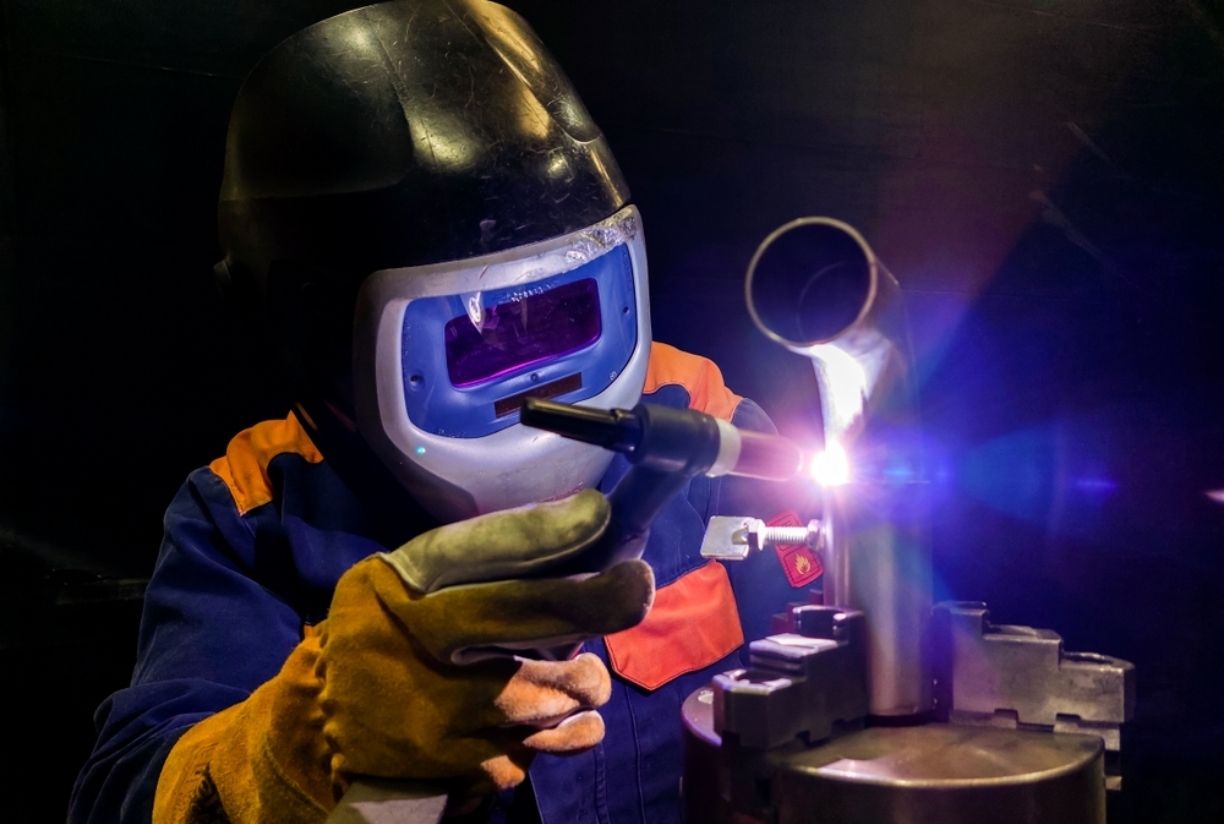
Table of Contents 7 Critical Points to Know When Choosing TIG Welding Services Supplier Selection Guide for Perfect TIG Welding Ways to Increase Quality and Efficiency in TIG Welding Common Mistakes in TIG Welding Services and Prevention Strategies Technical Criteria to Consider in TIG Welding Procurement Guide to Balancing Price and Performance When Purchasing TIG Welding Services 7 Critical Points to Know When Choosing TIG Welding Services TIG welding is one of the preferred methods for precise and high-quality joining operations. Choosing the right TIG welding service is critical for project quality and safety. SS-Proje highlights 7 critical points to consider during service selection, providing customers with the most suitable solution. First, the experience and expertise of the operator are important. An experienced welder determines parameters suitable for the material and ensures flawless joining. SS-Proje offers high-quality work through welding expertise checks. The modernity of the equipment and machines used directly affects welding quality. New-generation TIG machines offer precise settings and automation options, increasing process reliability. SS-Proje guarantees the use of appropriate devices for the project with welding equipment checks. Material knowledge and compatibility should not be overlooked. Different alloys require different welding techniques. SS-Proje ensures correct technique application through material compatibility tests. Post-weld inspections are important for detecting potential errors early. SS-Proje meticulously applies post-weld inspections to ensure quality assurance. The provider's references and past projects indicate reliability. SS-Proje demonstrates customer satisfaction and success through reference projects. Project management and delivery time are also critical points. Lack of planning can lead to delays in the production process. SS-Proje ensures timely completion of projects through delivery time management. Finally, safety and compliance with standards should be a priority in TIG welding services. SS-Proje ensures the safety of both employees and products through safety and standards compliance. Supplier Selection Guide for Perfect TIG Welding TIG welding operations stand out in applications requiring precision and high quality. The success of the project depends on selecting the right TIG welding supplier. SS-Proje emphasizes critical criteria in supplier selection to achieve perfect welding results. The experience and expertise of a supplier directly affect welding quality. Experienced operators determine parameters suitable for the material and project type. SS-Proje ensures smooth project progress through welding expertise checks. The equipment and technology level used are also decisive factors in selection. Modern TIG machines offer precise settings and automation capabilities, increasing efficiency. SS-Proje provides high-standard services with welding equipment checks. Material knowledge and compatibility play a critical role in the welding process. Each alloy requires different techniques. SS-Proje ensures correct methods are applied through material compatibility tests. Post-weld inspections should not be neglected to guarantee quality. SS-Proje meticulously performs post-weld inspections to detect potential errors in advance. The supplier's past projects and references indicate reliability. SS-Proje validates customer satisfaction and success through reference projects. Project management and scheduling are critical to prevent production process disruptions. SS-Proje ensures projects are completed on time through delivery time management. Compliance with safety standards should be prioritized throughout the process. SS-Proje ensures the safety of employees and products with safety and standards compliance, achieving perfect TIG welding results. Ways to Increase Quality and Efficiency in TIG Welding TIG welding operations are one of the primary methods in projects requiring precise and high-quality joining. Increasing quality and efficiency is possible with the right techniques and meticulous planning. SS-Proje provides practical solutions for enhancing TIG welding quality and efficiency. First, the operator's experience and technical knowledge play a critical role. An experienced welder determines parameters suitable for the material type and project requirements. SS-Proje ensures flawless and efficient processes through welding expertise. The modernity of the equipment and technology also directly affects quality. New-generation TIG machines offer precise adjustment and automation options, increasing process efficiency. SS-Proje ensures these standards are maintained with welding equipment checks. Material selection and compatibility determine the reliability of the welding process. Different alloys require different techniques and settings. SS-Proje maximizes welding performance through material compatibility tests. Post-weld inspections are important to ensure quality. SS-Proje meticulously applies post-weld inspections, allowing early detection and correction of potential errors. Planning and project management prevent production process interruptions. SS-Proje ensures welding operations progress on time and efficiently through project management and delivery time. Compliance with safety standards and correct application techniques ensures the safety of both employees and products. SS-Proje guarantees continuous quality and efficiency in the welding process with safety and standards compliance. Common Mistakes in TIG Welding Services and Prevention Strategies TIG welding services are preferred for precise and high-quality joining, but common mistakes in practice can negatively affect project efficiency and product quality. SS-Proje analyzes common errors in TIG welding services and details strategies to prevent them. Operator errors are among the most frequent problems. Inexperienced welders cannot determine parameters suitable for the material type, leading to faulty joins. SS-Proje minimizes these risks through welding expertise checks. Insufficient equipment and machines also lead to quality issues. Old or uncalibrated TIG machines cannot provide proper and safe welding. SS-Proje ensures each project uses standard equipment with welding equipment checks. Material incompatibility is another critical problem. Incorrect alloys or unsuitable electrode selection increase the risk of cracks or corrosion after welding. SS-Proje ensures a reliable welding process through material compatibility tests. Lack of post-weld inspections allows errors to go unnoticed. SS-Proje meticulously applies post-weld inspections to ensure quality. Deficiencies in planning and project management can lead to extended delivery times and increased costs. SS-Proje ensures smooth progress with project management and delivery time. Neglecting safety and standards compliance poses risks to both employees and products. SS-Proje ensures error-free and safe processes in TIG welding services through safety and standards compliance. Technical Criteria to Consider in TIG Welding Procurement Paying attention to technical criteria in TIG welding procurement is crucial for project quality and safety. SS-Proje highlights critical points to consider when selecting the right TIG welding supplier. First, the supplier's equipment and machine infrastructure should be evaluated. Modern TIG machines provide precise adjustment capabilities and automation options, increasing efficiency. SS-Proje guarantees the use of devices suitable for project requirements with welding equipment checks. The experience of operators is a critical factor for welding quality. Experienced and certified welders determine material-appropriate parameters, ensuring flawless and safe joins. SS-Proje maintains high standards through welding expertise checks. Material compatibility is another important factor affecting TIG welding efficiency. Incorrect alloy or incompatible electrode use can increase the risk of cracks and corrosion. SS-Proje ensures a reliable and high-quality welding process through material compatibility tests. Post-weld inspections are important for early detection of potential errors. SS-Proje meticulously applies post-weld inspections to guarantee quality. Project management and scheduling are critical for smooth production flow. SS-Proje ensures processes are completed as planned with project management and delivery time. Compliance with safety and standards must not be neglected. SS-Proje ensures the safety of employees and products and guarantees full implementation of technical criteria in TIG welding procurement through safety and standards compliance. Guide to Balancing Price and Performance When Purchasing TIG Welding Services Balancing price and performance when purchasing TIG welding services ensures that projects are both cost-effective and high-quality. SS-Proje highlights critical points to consider when maintaining this balance. First, the service provider's welding equipment checks are important. Modern and well-maintained TIG machines ensure precise and flawless welding. Insufficient equipment quickly negates any low-cost advantage due to rework or repair expenses. The experience and expertise of operators are decisive in price-performance balance. Experienced welders select parameters suitable for the material type, minimizing errors and optimizing production time. SS-Proje enhances efficiency and quality in the process through welding expertise. Material compatibility directly affects TIG welding performance. Incorrect alloy or incompatible electrode use both lowers welding quality and generates additional costs. SS-Proje ensures an efficient welding process through material compatibility tests. Post-weld inspections guarantee performance and long-term durability. SS-Proje detects errors early through post-weld inspections, preventing unnecessary costs. Planning and project management optimize the total cost and delivery time of the service. SS-Proje maintains the price-performance balance through project management and delivery time. Compliance with safety standards is critical for both workforce and product safety. SS-Proje ensures consistently high service quality and performance through safety and standards compliance.
See More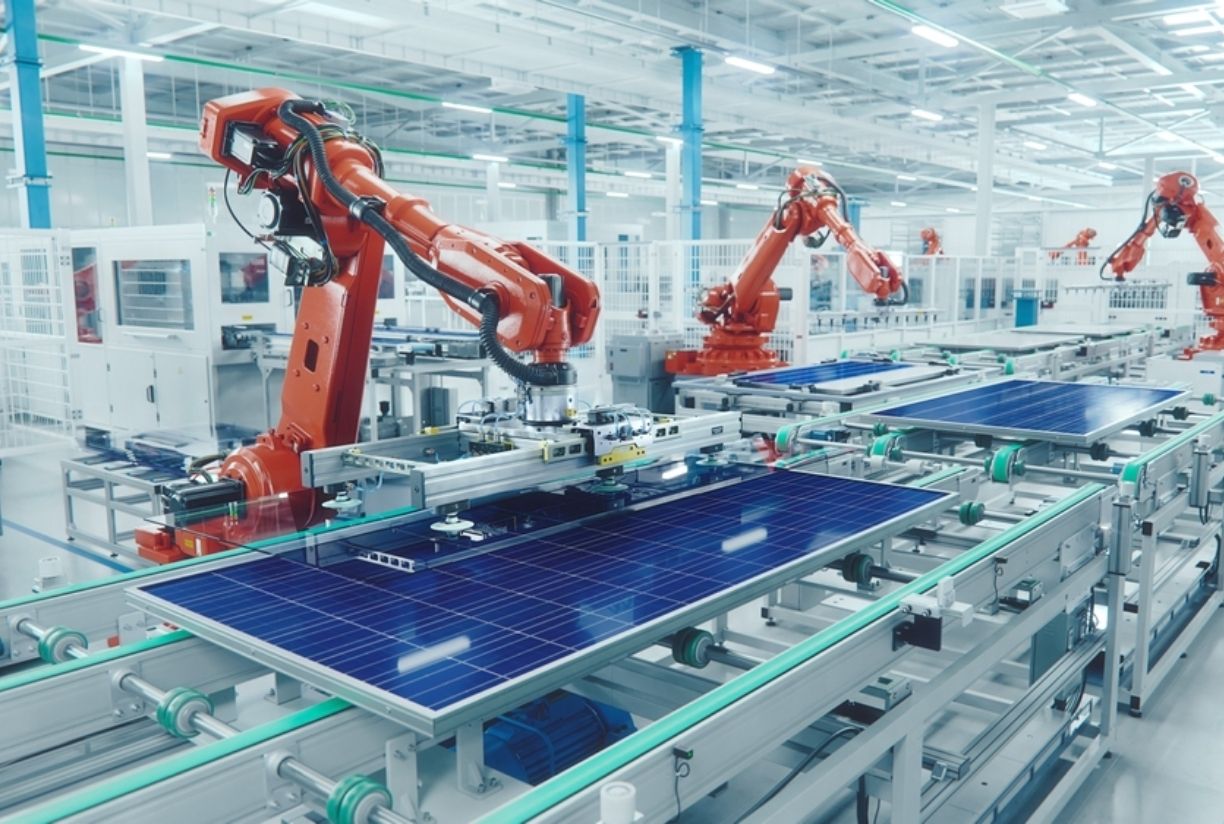
Contents Post-Installation Performance Testing: Which KPIs Should Be Measured and Why? Guide to Selecting KPIs for Successful Post-Installation Analysis The 7 Most Important KPIs in Post-Installation Performance Measurement 5 Ways to Increase Post-Installation Efficiency with KPIs Common Mistakes in Performance Testing and KPI-Focused Solutions Post-Installation KPI Analysis: Shaping the Future of Industrial Performance Post-Installation Performance Testing: Which KPIs Should Be Measured and Why? Post-installation processes in industrial projects are critical to ensuring systems operate efficiently and safely. Performance tests are conducted to detect potential issues in advance and minimize operational errors. SS Proje places special emphasis on the correct selection and measurement of KPIs during post-installation testing. The first KPI to measure is system operational efficiency. This indicates whether the system operates at the planned capacity. Low efficiency allows early detection of issues such as equipment malfunctions or installation errors. The second critical KPI is energy consumption. The energy performance of a post-installed system directly affects both costs and environmental impact. SS Proje ensures optimized operation by analyzing system energy efficiency. The third KPI is failure and maintenance frequency. Minor post-installation failures can lead to significant long-term costs. This KPI reflects system durability and maintenance requirements. Fourth, output quality should be measured. Especially in production lines, this KPI monitors whether post-installation quality standards are met. Defective products or services directly affect customer satisfaction. The fifth critical KPI is system reliability. This metric shows the system’s capacity for uninterrupted operation and minimizes operational risks. Additionally, performance indicators such as response time and processing speed determine the system’s effectiveness in daily operations. These KPIs are indispensable for optimizing the post-installation process and ensuring long-term performance. SS Proje conducts post-installation tests considering all these KPIs to ensure systems operate at maximum efficiency. Guide to Selecting KPIs for Successful Post-Installation Analysis Measuring the performance of industrial systems after installation is critical for operational efficiency and safety. Correct KPI selection helps detect potential problems early and ensures optimized system operation. SS Proje places special importance on selecting and applying KPIs in post-installation analyses. First, the operational efficiency KPI measures whether the system performs at its planned capacity. This metric helps identify production errors and disruptions in advance. SS Proje regularly conducts efficiency analyses to ensure system optimization. The second critical indicator is energy consumption. Post-installation energy use directly affects costs and environmental impact. Low energy efficiency may lead to high long-term costs. The third KPI is failure and maintenance frequency. Monitoring system durability and maintenance needs is essential to minimize operational risks. SS Proje tracks this KPI to optimize maintenance processes. Fourth, the output quality KPI evaluates whether the produced product or service meets quality standards. Post-installation quality control is a critical step for increasing customer satisfaction. The fifth KPI is system reliability. Systems that operate continuously and stably reduce operational disruptions and ensure long-term performance. Additionally, indicators like response time and processing speed allow tracking daily operational efficiency. SS Proje ensures systems operate at maximum efficiency and detects potential problems early by considering these KPIs in post-installation analyses. The 7 Most Important KPIs in Post-Installation Performance Measurement Ensuring systems work efficiently and safely after installation is a critical step in industrial operations. Correctly determining KPIs ensures accurate data collection during performance measurement. SS Proje considers these KPIs in post-installation performance measurements to optimize system operation. The first KPI is operational efficiency. This indicator determines whether the system operates at planned capacity. Low efficiency requires early detection of installation errors or equipment issues. The second critical KPI is energy consumption. System energy performance directly affects costs and environmental impact. SS Proje optimizes the system through energy efficiency analyses. The third KPI is failure and maintenance frequency. Even minor post-installation failures can cause long-term operational losses. This KPI measures system durability and maintenance needs. Fourth, output quality should be monitored. The quality of products or services directly affects customer satisfaction. The fifth KPI is system reliability. This metric reflects the system’s ability to operate continuously and minimizes operational risks. The sixth KPI is response time. Systems responding quickly and effectively improve operational efficiency. The seventh and final KPI is processing speed. This indicator measures how efficiently the system operates in daily post-installation tasks. SS Proje conducts post-installation performance measurements considering all these KPIs to ensure maximum system efficiency. 5 Ways to Increase Post-Installation Efficiency with KPIs Ensuring systems operate at optimal performance after installation is vital for operational efficiency. Correctly selecting and regularly monitoring KPIs enables early detection of potential issues. SS Proje highlights five key methods to enhance post-installation efficiency. The first method is continuously monitoring the operational efficiency KPI. Tracking whether systems operate at planned capacity quickly reveals production disruptions and allows preventive measures. The second method is optimizing the energy consumption KPI. Post-installation energy efficiency reduces costs and minimizes environmental impact. SS Proje analyzes energy usage data to optimize the system. The third method is controlling the failure and maintenance frequency KPI. Minor post-installation failures can lead to high long-term costs. This KPI makes maintenance planning more effective. The fourth method is monitoring the output quality KPI. Ensuring products or services meet quality standards increases customer satisfaction and reduces operational errors. The fifth method is tracking the system reliability and response time KPIs. Continuous and fast system operation enhances daily operational efficiency. SS Proje uses these KPIs to optimize post-installation processes and guarantee maximum system performance. Common Mistakes in Performance Testing and KPI-Focused Solutions Post-installation performance tests are critical for ensuring efficient and safe system operation. However, common mistakes can prevent accurate results and lead to operational disruptions. SS Proje addresses these common errors and KPI-focused solutions. The first common mistake is ignoring the operational efficiency KPI. If system operation at planned capacity is not regularly monitored, minor disruptions can escalate into major performance losses. SS Proje continuously tracks this KPI to maintain optimal production levels. The second mistake is insufficient measurement of energy consumption data. High energy consumption increases costs and environmental impact. Proper KPI measurements allow energy usage data to be analyzed and necessary optimizations applied. The third mistake is neglecting the failure and maintenance frequency KPI. Even small post-installation failures negatively affect system reliability. SS Proje uses this KPI to make maintenance plans more effective and predict failures in advance. The fourth mistake is not properly measuring the output quality KPI. Failing to monitor product or service quality reduces customer satisfaction and increases operational errors. KPI-based controls ensure quality standards are maintained. The fifth common mistake is ignoring system reliability and response time indicators. Systems must operate continuously and quickly to maintain performance in daily operations. SS Proje prevents these issues with KPI-focused solutions, ensuring efficient management of post-installation processes. Post-Installation KPI Analysis: Shaping the Future of Industrial Performance Post-installation processes in industrial systems are critical for ensuring operational efficiency and safety. Correctly identifying and regularly analyzing KPIs maximizes system performance. SS Proje aims to shape the future of industrial performance through post-installation KPI analysis. The first KPI is operational efficiency. Monitoring whether systems operate according to planned capacity prevents production errors and performance losses. SS Proje continuously tracks and optimizes this metric. The second KPI is energy consumption. Post-installation energy efficiency is a key way to reduce costs and minimize environmental impact. SS Proje analyzes energy use to ensure the system operates at an optimal level. The third KPI is failure and maintenance frequency. How often maintenance is required and the frequency of failures directly affect operational safety. SS Proje optimizes maintenance plans and prevents potential interruptions using this KPI. The fourth KPI is output quality. Compliance with product or service quality standards increases customer satisfaction and production efficiency. SS Proje continuously improves quality based on this KPI. The fifth KPI is system reliability and response time. Systems operating continuously and quickly ensure maximum performance in operational processes. SS Proje measures post-installation performance and enhances industrial efficiency through KPI-focused analysis.
See More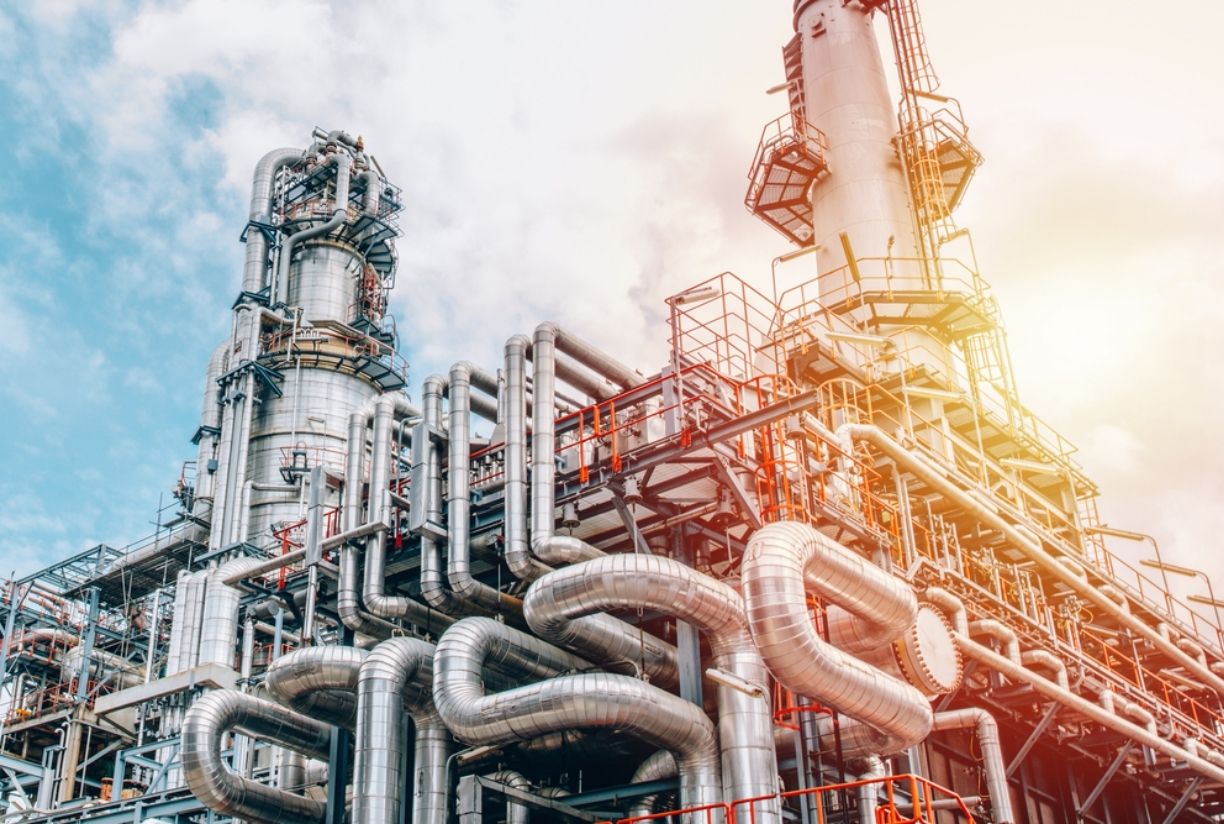
Contents Step-by-Step Guide to Quick-Scan for Process Improvement Ways to Rapidly Increase Efficiency in Production Processes with Quick-Scan The Top 7 Benefits of Quick-Scan Applications in Process Improvement Important Considerations When Conducting Process Analysis with Quick-Scan Quick-Scan vs Traditional Assessment: Which Method is More Effective in Process Improvement? Quick-Scan Trends and Success Stories in Process Improvement in 2025 Step-by-Step Guide to Quick-Scan for Process Improvement In industrial production, process improvement is one of the key ways to enhance efficiency and quality. The quick-scan method identifies bottlenecks in the production line rapidly and provides solution recommendations. SS Proje aims to improve operational performance of businesses using this approach. Step 1: current state analysis. All processes in the production line are reviewed and data is collected. At this stage, machine utilization rates, energy consumption, and efficiency KPIs are carefully examined. Step 2: bottleneck identification. Slower points and inefficient areas in processes are identified. SS Proje uses rapid analysis techniques in this step to reveal faulty or slow-performing sections. Step 3: prioritization. Identified bottlenecks are ranked according to the impact they will have on the business. This ensures resources are used to maximize efficiency in critical areas. Step 4: solution recommendations and improvement plan. Solution paths are developed for the issues identified during the quick-scan. SS Proje provides actionable and measurable steps to accelerate the process improvement journey. Step 5: monitoring and evaluation. The impact of implemented improvements is regularly monitored. Processes are optimized and continuous improvement is ensured through KPI tracking. Ways to Rapidly Increase Efficiency in Production Processes with Quick-Scan In today’s industrial environment, efficiency in production processes is a critical success indicator. SS Proje helps businesses quickly analyze their production lines and improve performance using the quick-scan methodology. This method identifies bottlenecks in processes and provides solution recommendations, delivering tangible results in a short time. The first step is to conduct a current state analysis. All equipment and workflows on the production line are reviewed, data is collected, and areas with losses are identified. At this stage, SS Proje focuses on energy consumption, machine utilization rates, and efficiency KPIs. The second step is bottleneck identification and determining critical points. It quickly reveals which processes are slow or where disruptions occur. SS Proje simplifies problem identification at this stage with practical analysis tools. The third step is prioritization and solution development. Bottlenecks and inefficient areas are ranked according to the benefit they will bring to the business. This ensures resources are applied in areas that create maximum impact. The fourth step is implementation and monitoring. Recommended improvements are applied on the field and their impact is measured through KPI tracking. SS Proje continuously evaluates performance and ensures process optimization. This methodology allows process improvement to be carried out quickly and effectively, enabling businesses to achieve higher production efficiency in a short time. The Top 7 Benefits of Quick-Scan Applications in Process Improvement Process improvement efforts in industrial enterprises play a critical role in increasing efficiency and reducing costs. SS Proje enables businesses to quickly and effectively analyze their processes with quick-scan applications. The seven most important benefits of this approach are: 1. Rapid Situation Analysis: Quick-scan evaluates the entire production line in a short time, quickly revealing bottlenecks and potential improvement areas. 2. Increased Efficiency: Small but effective improvements in analyzed processes optimize production performance and resource usage. 3. Critical KPI Tracking: KPIs identified during the quick-scan serve as key indicators to measure process effectiveness and enable continuous improvement. 4. Efficient Use of Resources: Determines priority areas to help businesses use human and equipment resources efficiently. 5. Fast Decision-Making: Management can immediately see issues and opportunities in processes and make strategic decisions quickly. 6. Cost Reduction: Identifies unnecessary operations and time losses, contributing to lower operational costs. 7. Culture of Continuous Improvement: Quick-scan methodology encourages teams to continuously review processes and make improvement a habit. SS Proje delivers these benefits in process improvement projects, allowing businesses to sustainably increase performance and efficiency. Important Considerations When Conducting Process Analysis with Quick-Scan Process analysis in industrial enterprises is critical for increasing efficiency and minimizing operational issues. SS Proje enables businesses to examine their processes quickly and effectively with the quick-scan method. However, some important points must be considered to obtain accurate and useful results. First, the preparation stage is crucial. Before the quick-scan, it should be clearly determined which areas will be analyzed and which KPIs will be measured. This ensures the analysis process is focused and efficient. Second, accuracy and completeness should be prioritized during data collection. Data collected during the quick-scan is used to identify bottlenecks and improvement opportunities. Incomplete or incorrect data can lead to wrong decisions. Third, during process observations, teams should examine workflows carefully and impartially. SS Proje experts quickly identify operational obstacles and efficiency opportunities by interacting with employees. Fourth, prioritization is of great importance. Issues identified through quick-scan should be ranked from the most critical to least critical for the business. This ensures limited resources are used effectively, maximizing short-term impact. Finally, a feedback and action plan should be created. Quick-scan results should be shared with management and teams, and actionable steps should be planned. This ensures lasting improvements in processes. SS Proje offers businesses fast, effective, and reliable process analysis with the quick-scan methodology, enhancing operational efficiency. Quick-Scan vs Traditional Assessment: Which Method is More Effective in Process Improvement? Process improvement initiatives play a critical role in increasing operational efficiency. SS Proje provides fast and effective analysis with the quick-scan approach, while traditional assessment methods are more detailed but time-consuming. Understanding the advantages and disadvantages of both methods is important to determine the right strategy. The quick-scan method evaluates large data sets in a short time and assesses process performance through critical KPIs. This approach enables rapid action and allows businesses to develop solutions for immediate problems. It is ideal for quickly identifying bottlenecks and inefficiencies in production lines. Traditional assessment methods involve detailed data collection, long observation periods, and comprehensive reporting. This method provides in-depth analysis but can be more costly in terms of time and resources. However, it delivers reliable and comprehensive information for long-term strategic decisions. A key difference between quick-scan and traditional assessment is speed and applicability. SS Proje focuses on evaluating processes quickly with the quick-scan methodology, while traditional methods rely on long-term data analysis. Therefore, quick-scan may be more suitable for businesses seeking effective short-term solutions. Another critical factor is effectiveness in prioritization and action plan creation. Quick-scan immediately ranks identified issues and offers solution recommendations, while traditional assessment mainly guides strategic planning and long-term improvement. SS Proje provides businesses with a fast and reliable process analysis opportunity with the quick-scan approach, enabling operational efficiency to be increased quickly. Quick-Scan Trends and Success Stories in Process Improvement in 2025 In 2025, quick-scan applications in process improvement are increasingly preferred. SS Proje offers solutions that enhance operational efficiency with pioneering approaches in this field. Rapid analysis, quick identification of critical KPIs, and action plan creation capabilities make quick-scan surpass traditional methods. 2025 trends emphasize data-driven process analysis and real-time performance measurement. Businesses quickly identify inefficiencies in production lines and implement solution recommendations to minimize costs. With SS Proje’s applications, the quick-scan approach not only saves time but also guarantees long-term efficiency gains. Success stories highlight the effectiveness of the quick-scan method. For example, in a production facility, a rapid asse
See More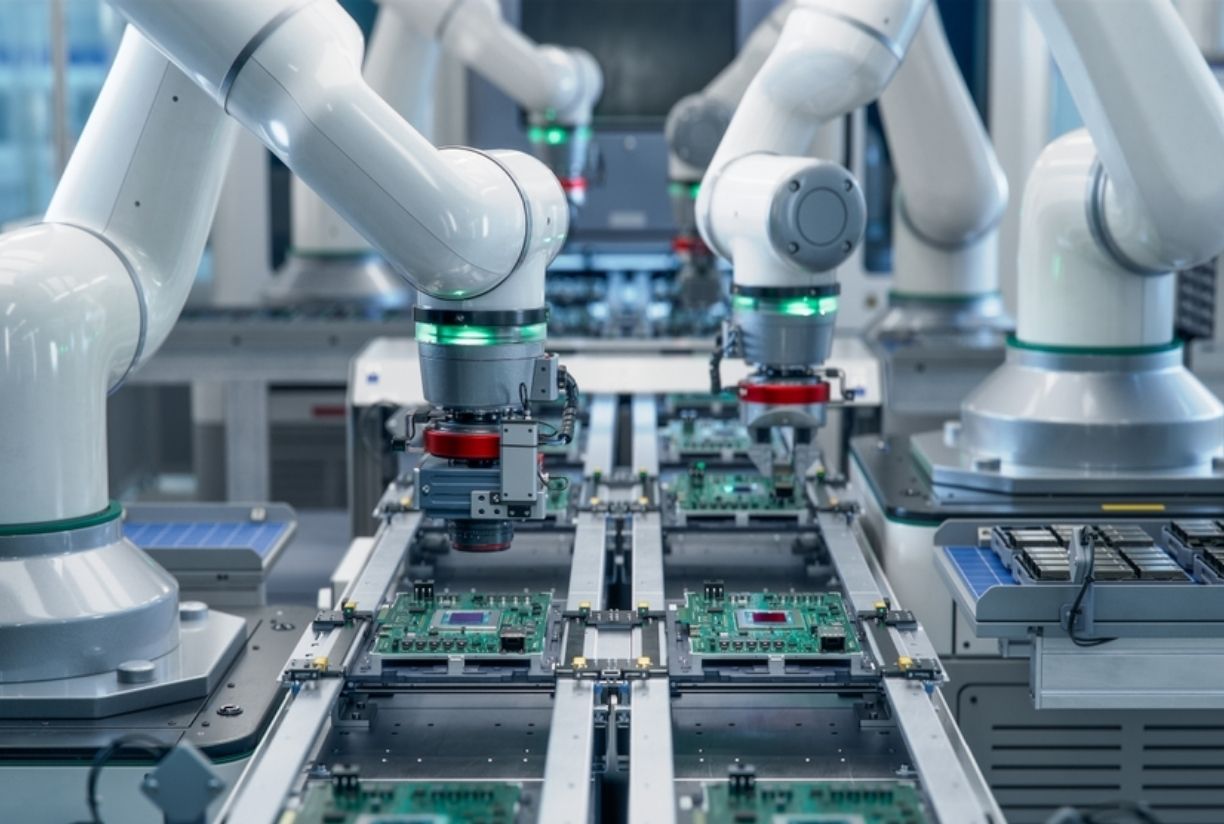
Contents Rapid Assembly Solutions: Step-by-Step Implementation Guide for Emergency Capacity Increase Practical Solutions to Apply in Assembly Processes to Quickly Increase Production Capacity 7 Ways to Be Prepared for Sudden Demand Surges with Rapid Assembly Speed and Efficiency in Assembly Processes: How KPIs Are Measured During Emergency Capacity Increase Rapid Assembly vs. Traditional Assembly: Which Is More Effective in Emergency Capacity Increase? Rapid Assembly Trends and Emergency Capacity Solutions in Production for 2025 Rapid Assembly Solutions: Step-by-Step Implementation Guide for Emergency Capacity Increase Sudden demand surges in industrial production can create serious capacity management challenges for businesses. SS Proje enables emergency capacity increases with rapid assembly solutions and minimizes operational efficiency losses on production lines. This guide details the steps to be taken in the rapid assembly process and key points to consider. The first step is a current state analysis and bottleneck identification of the existing production line. SS Proje identifies critical points in the processes and determines where rapid intervention is needed. This analysis ensures the most efficient use of resources and allows assembly times to be shortened. The second step is implementing modular assembly techniques. Modular systems allow teams to work in parallel and minimize disruptions on the production line. SS Proje optimizes the assembly of each module to implement emergency capacity increases quickly and safely. The third step emphasizes team coordination and workflow management. SS Proje ensures clear communication and task distribution among teams throughout the process, reducing errors and increasing production capacity. The fourth step involves setting up performance measurement and monitoring systems. KPI tracking and real-time data analysis allow delays and inefficiencies in the assembly process to be quickly identified and corrected. This method maximizes the impact of emergency capacity increases. The final step is the continuous improvement of the process. With SS Proje's rapid assembly solutions, processes are standardized, repeatable, and contribute to overall efficiency gains across the business. Practical Solutions to Apply in Assembly Processes to Quickly Increase Production Capacity Sudden demand increases in production facilities put pressure on production capacity. SS Proje enables rapid intervention in such situations through practical solutions in assembly processes. This article outlines step-by-step methods to increase production capacity. The first step is a detailed process analysis of the current production line. SS Proje identifies bottlenecks in the production flow and determines which points need acceleration. This analysis minimizes unnecessary waiting and delays. Secondly, modular assembly systems should be implemented. Modular structures allow assembly teams to work in parallel and reduce assembly time. SS Proje provides optimized assembly steps for each module to achieve rapid capacity increases on the production line. The third step focuses on workforce coordination and task distribution. SS Proje ensures clear communication and responsibilities among teams, reducing errors and improving production efficiency. The fourth step involves performance monitoring and KPI measurement. Data collected throughout the assembly process quickly identifies delays, allowing corrective actions. SS Proje ensures continuity and speed in production this way. Finally, continuous process improvement is crucial. The practical assembly solutions offered by SS Proje standardize and make production processes repeatable, achieving long-term efficiency gains. 7 Ways to Be Prepared for Sudden Demand Surges with Rapid Assembly Sudden demand surges can quickly strain production facility capacity. SS Proje offers effective solutions for such scenarios through rapid assembly methods. Here are seven ways to maintain uninterrupted performance in production: First, conduct a process analysis of the production line. SS Proje identifies bottlenecks and delay points to accelerate the assembly process. Second, use modular assembly systems. These systems allow teams to work on different modules simultaneously, rapidly increasing production capacity. Third, optimize workforce and task distribution. SS Proje reduces errors and improves efficiency through team coordination and clear responsibility allocation. Fourth, implement KPI tracking and performance measurement. This ensures that any issues during assembly are quickly identified and resolved. Fifth, optimize material and equipment management. SS Proje’s practical assembly solutions speed up material flow and prevent unnecessary waiting. Sixth, standardize production processes. Standard assembly protocols ensure high efficiency each time and reduce adaptation time for teams. Seventh, provide continuous training and employee skill development. This enables fast and error-free assembly during sudden demand surges. Speed and Efficiency in Assembly Processes: How KPIs Are Measured During Emergency Capacity Increase Emergency capacity increases make speed and efficiency critical in production processes. SS Proje focuses on enhancing operational performance through effective KPI measurement in assembly processes. KPIs are essential tools for evaluating assembly line efficiency, workforce productivity, and process optimization. First, the production speed KPI should be monitored. This indicator measures how many products are completed within a specific time and is critical for understanding capacity under emergency demand. Second, error rate should be tracked. SS Proje records errors during assembly to ensure quality and guide process improvements. The third KPI is workforce efficiency. Task allocation and time management directly affect efficiency; SS Proje provides detailed analyses to optimize performance. Fourth, material flow and inventory management KPIs are important. Delays in material supply can extend assembly times; SS Proje minimizes this risk with process adjustments. The fifth KPI is total cycle time, measuring the time from a product entering the assembly line to completion—a critical indicator during emergency demand periods. Sixth, comprehensive performance reporting should regularly track and analyze all KPIs. SS Proje ensures rapid implementation of efficiency-enhancing measures in assembly processes. Finally, a continuous improvement approach optimizes assembly processes based on KPI data, achieving sustainable performance during emergency capacity increases. Rapid Assembly vs. Traditional Assembly: Which Is More Effective in Emergency Capacity Increase? Emergency capacity increases directly impact the efficiency of assembly processes. SS Proje compares rapid assembly and traditional assembly methods to analyze which approach is more efficient during urgent demand periods. Rapid assembly minimizes production time using pre-planned modular components and standardized equipment. This method quickly scales the production line during emergency demand and increases production capacity. SS Proje maximizes efficiency by monitoring every stage of the process with KPI measurements. On the other hand, traditional assembly is more flexible but time-consuming. Each product or component is manually assembled, and the process requires high labor intensity. This approach limits rapid response to emergency capacity increases and may raise the error rate. SS Proje highlights the advantages of rapid assembly while noting that traditional assembly is suitable for complex and customized products. Additionally, rapid assembly ensures controlled and predictable processes regarding material flow and inventory management. With rapid assembly, cycle times are short, workforce efficiency is high, and quality standards are maintained. In traditional assembly, adaptation time is longer, and costs and labor requirements are higher. SS Proje compares both methods using KPI data to determine the best strategy for production management. In conclusion, rapid assembly methods stand out as the preferred choice for emergency capacity increases due to their flexible and efficient structure. Rapid Assembly Trends and Emergency Capacity Solutions in Production for 2025 The year 2025 brings significant innovations in rapid assembly solutions. SS Proje examines strategies that prepare production processes for emergency capacity increases and highlights the contribution of modern assembly methods to operational efficiency. Modular assembly systems are one of the most popular trends in 2025. These systems allow rapid reconfiguration of production lines and instant capacity increases. SS Proje emphasizes that applying modular systems can significantly shorten production times and save labor. Automation and robotic integration also play a critical role in rapid assembly processes. They reduce human error during emergency demand surges and increase production efficiency. SS Proje's KPI data shows that assembly times can be improved by up to 30% with automation. Another trend is process optimization and data analytics for monitoring production performance. SS Proje uses sensors and software solutions to detect bottlenecks and continuously monitor speed and quality metrics on the assembly line. In 2025, rapid assembly solutions not only shorten production time but also provide flexible capacity management and cost savings. SS Proje minimizes uncertainties in production with practical solutions and KPI-focused monitoring systems suitable for emergency capacity demands. The strategies implemented by SS Proje serve as an important reference for enhancing assembly process performance and ensuring sustainable efficiency in production.
See More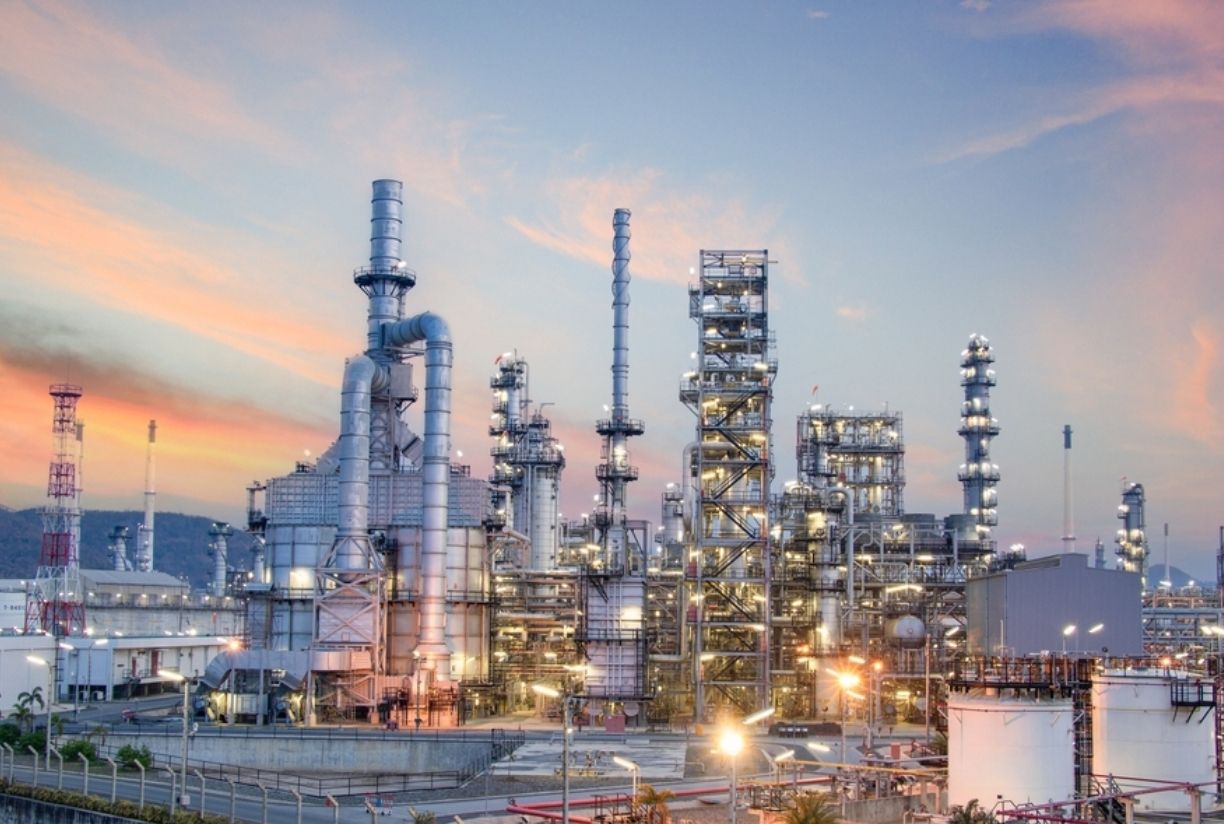
Contents Guide to Compatible Material Selection in Facility Design for Hygiene and Accessibility 7 Critical Points to Consider When Selecting Materials for Hygienic and Accessible Facilities Maximizing Hygiene and Accessibility Through Proper Material Selection in Facility Design Stainless, Antibacterial, and Easy-to-Clean: Best Material Choices for Facilities Practical Material Comparisons for Hygiene and Accessibility in Facility Design 2025 Facility Design Trends: Material Choices Focused on Hygiene and Accessibility Guide to Compatible Material Selection in Facility Design for Hygiene and Accessibility Hygiene and accessibility elements in facility design are critical not only for health standards but also for operational efficiency. SS Proje examines in detail the criteria to consider when selecting materials in modern facilities, ensuring that production and service areas are optimally designed. Particularly, easy-to-clean surfaces play a fundamental role in maintaining hygiene. SS Proje’s experience shows that stainless steel and high-quality composite materials are resistant to chemical cleaning agents and offer long-lasting use. Non-slip floors are important both for personnel safety and for maintaining hygiene standards. SS Proje prioritizes the material’s resistance to water and chemicals as well as its ease of cleaning when selecting flooring. The use of modular and compatible equipment allows flexible space management within the facility. SS Proje emphasizes that designing equipment to provide hygienic installation and maintenance ease reduces operational costs. Accessibility standards should also be considered in facility design. SS Proje ensures smooth movement of personnel and equipment through door widths, ramps, and ergonomic arrangements. Finally, material durability and long lifespan increase the sustainability of the facility. SS Proje integrates both hygiene and accessibility criteria in material selection to maximize the performance of modern facilities. 7 Critical Points to Consider When Selecting Materials for Hygienic and Accessible Facilities Material selection that meets hygiene and accessibility criteria in modern facility design is crucial for both operational efficiency and safety. SS Proje identifies the following 7 critical points in this process: Easy-to-clean surfaces: Stainless steel, high-quality composites, and laminates should be resistant to chemical cleaning agents and not cause issues during regular cleaning processes. Non-slip and durable floors: Flooring materials should be water and chemical-resistant to ensure personnel safety and maintain hygiene standards. Modular equipment: Portable and compatible equipment accelerates maintenance and cleaning processes and allows flexible facility usage. Hygienic installation: Materials should not accumulate residues at corners or joints during installation, enabling easy cleaning and maintenance. Ergonomic layout: Door widths, ramps, and passageways should be planned to allow smooth movement of both personnel and equipment. Long lifespan and durability: Selected materials should be long-lasting and resistant to wear and deformation. Sustainability: Environmental impact and recyclability potential should be considered when selecting materials. SS Proje emphasizes that facilities designed with these criteria achieve higher hygiene standards while maximizing accessibility and operational efficiency. Maximizing Hygiene and Accessibility Through Proper Material Selection in Facility Design In today’s modern industrial facilities, hygiene and accessibility are critical success factors. SS Proje details the impact of proper material selection on operational efficiency and safety. The main points in material selection are important for both employee health and the effectiveness of production processes. First, easy-to-clean materials should be preferred. Stainless steel, laminates, and specialized composites provide chemical resistance during cleaning and maintain high hygiene standards. Flooring and wall materials should be non-slip and durable to prevent potential accidents. Another key factor in material selection is modular and ergonomic design. Portable equipment and furniture speed up cleaning and maintenance while providing accessibility benefits. Door widths, ramps, and passages should be planned to allow smooth movement for both employees and equipment. SS Proje also highlights the importance of using long-lasting and durable materials. Selected materials should resist wear and deformation to ensure long-term facility use. Sustainability criteria should also be considered, evaluating environmental impact and recyclability potential. As a result, material selection guided by SS Proje maximizes hygiene and accessibility standards while increasing operational efficiency and safety. Proper material choices provide long-term cost-effectiveness and high performance in industrial processes. Stainless, Antibacterial, and Easy-to-Clean: Best Material Choices for Facilities Hygiene and safety are fundamental to operational success in modern industrial facilities. SS Proje emphasizes the importance of prioritizing material selection in facility design. Stainless steel, antibacterial surfaces, and easy-to-clean materials reduce maintenance costs and protect employee health. Stainless steel is one of the most preferred materials in industrial facilities. Its chemical and physical durability ensures a long lifespan while maintaining hygiene standards. Its smooth surface prevents microorganism settlement and accelerates cleaning processes. Antibacterial coatings are critical in sensitive areas such as food production and laboratories. SS Proje notes that these surfaces minimize bacteria and virus formation, increasing operational safety. Especially in high-contact areas, antibacterial materials create a work environment compatible with hygiene standards. Easy-to-clean materials simplify daily maintenance and reduce cleaning times. Used on floors, walls, and equipment, these materials increase efficiency and minimize potential production interruptions. SS Proje emphasizes that considering durability, hygiene, and accessibility in material selection provides long-term cost advantages. In conclusion, material choices guided by SS Proje—stainless steel, antibacterial surfaces, and easy-to-clean materials—maximize hygiene, accessibility, and efficiency standards in facilities. Practical Material Comparisons for Hygiene and Accessibility in Facility Design Hygiene and accessibility criteria are critical for operational efficiency and safety in facility design. SS Proje evaluates the advantages and disadvantages of different materials to guide correct selection during the design phase. Stainless steel surfaces stand out for chemical and physical durability. Their smooth texture prevents microorganism settlement and facilitates cleaning. Meanwhile, antibacterial coatings are ideal for food production facilities and laboratory areas. These coatings minimize bacteria and virus formation, ensuring an environment compatible with hygiene standards. SS Proje particularly recommends antibacterial surfaces in high-contact areas. Plastic and composite materials offer lightweight and flexible advantages but may have limitations in long-term cleaning and durability. SS Proje advises using these materials only in low-risk or decorative areas. On the other hand, easy-to-clean surfaces shorten maintenance times and reduce potential production disruptions. Another critical factor in material selection is accessibility. Ensuring that every area in the facility is easily reachable increases the effectiveness of cleaning and maintenance processes. SS Proje emphasizes that considering this criterion during design provides long-term operational efficiency. In conclusion, material comparisons guided by SS Proje—stainless steel, antibacterial coatings, and easy-to-clean surfaces—maximize both hygiene and accessibility standards in facilities. 2025 Facility Design Trends: Material Choices Focused on Hygiene and Accessibility In 2025, facility design is shaped by material selections focused on hygiene and accessibility. SS Proje closely follows these trends, providing guidance to ensure industrial facilities are sustainable, safe, and efficient. Stainless steel surfaces stand out in modern facilities for their durability and ease of cleaning. New trends are standardizing antibacterial coatings and easy-to-clean surfaces. These surfaces minimize microorganism formation in production and laboratory areas, fully aligning with hygiene standards. SS Proje especially recommends using such materials in high-contact areas. Additionally, accessibility criteria are central to design. Ensuring every point in the facility is easily reachable increases the effectiveness of cleaning and maintenance processes. Lightweight and durable composite materials provide flexible usage in low-risk areas but are not as preferred as stainless steel for long-term durability. SS Proje also considers environmental sustainability in material selection for 2025 trends. Recyclable and long-lasting materials reduce operational costs and enable environmentally friendly facility design. This approach sets a new standard in facility design and material selection processes. In conclusion, material selections and hygiene-accessibility-focused design approaches guided by SS Proje maximize both safety and operational efficiency in modern facilities.
See More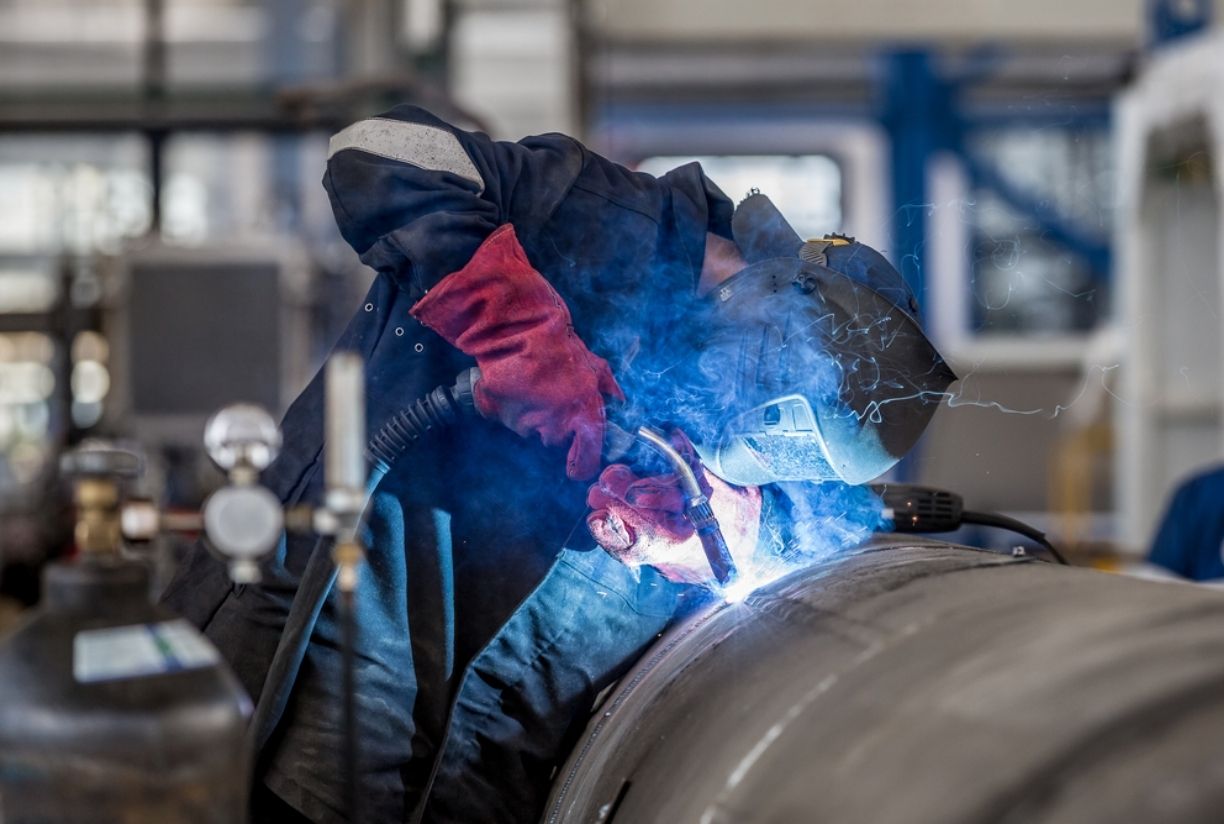
Contents Quality Assurance in Orbital Welding: Testing and Documentation Guide Proper Testing Methods and Documentation Processes in Orbital Welding Applications Ensuring Quality: Testing and Record-Keeping Standards in Orbital Welding Error Prevention and Quality Control KPIs in Orbital Welding: Step-by-Step Guide Orbital Welding Tests: Common Mistakes and Correct Documentation Practices 2025 Trends and Best Practices in Orbital Welding Quality Assurance Quality Assurance in Orbital Welding: Testing and Documentation Guide In industrial production, orbital welding is a critical method to ensure precise and repeatable joints. SS Proje thoroughly examines the testing and documentation procedures implemented to guarantee quality in this process. Weld quality should be verified not only during production but also through subsequent testing. Testing processes begin with visual inspection, where weld seam uniformity, gaps, and cracks are identified. In addition to visual checks, SS Proje recommends non-destructive testing (NDT). Ultrasonic, radiographic, and penetrant tests reveal the internal structure and integrity of the welds. Documentation is an integral part of the quality assurance process. SS Proje emphasizes recording each welding operation and reporting test results in detail. Welding procedures and test reports serve as references during production and customer audits, making the process fully transparent and traceable. SS Proje also highlights the importance of process optimization and continuous improvement cycles in the quality assurance workflow. Every test and documentation step contributes to early detection of potential defects and improves process efficiency. This approach ensures reliability and long-lasting performance in orbital welding operations. The methodologies implemented under SS Proje guidance maximize quality and safety in industrial production while standardizing production processes. Proper Testing Methods and Documentation Processes in Orbital Welding Applications In industrial production, orbital welding applications play a critical role in ensuring high precision and reliable joints. SS Proje emphasizes the correct application of testing methods and the thorough execution of documentation processes. Weld quality must be guaranteed not only during welding but also through testing and recording phases. Testing typically begins with visual inspection, checking for cracks, gaps, or irregularities in weld seams. SS Proje recommends supplementing visual checks with non-destructive testing (NDT). Ultrasonic, radiographic, and penetrant tests reveal the internal structure and integrity of welds, enabling early defect detection. Documentation is an essential part of quality assurance. SS Proje ensures that every weld and test is meticulously recorded. Welding procedures, test reports, and process records guarantee transparency and traceability in production. These records are vital for internal audits and customer approval processes. SS Proje also emphasizes process optimization and continuous improvement. Each testing and documentation step enhances production efficiency and maximizes reliability in orbital welding applications. This methodological approach maintains high-quality standards in industrial production. With proper testing methods and complete documentation processes, SS Proje ensures weld quality, supporting continuity and performance in production. Ensuring Quality: Testing and Record-Keeping Standards in Orbital Welding In industrial production, ensuring quality in orbital welding applications requires not only the correct equipment but also meticulous testing and record-keeping. SS Proje implements comprehensive standards and procedures to secure weld quality. The initial step involves visual inspection to detect visible cracks, gaps, or irregularities in weld seams. SS Proje then uses non-destructive testing (NDT) to assess seam integrity and durability. Ultrasonic, radiographic, and penetrant tests allow early detection of defects, enhancing safety during production. Documentation processes form the backbone of quality management. SS Proje requires detailed recording of test reports, welding procedures, and process records. Systematic archiving ensures transparency and traceability in production processes, critical for both internal audits and customer validations. SS Proje prioritizes continuous improvement within the quality assurance cycle. Every testing and record-keeping step maintains consistency in orbital welding applications and minimizes potential defects. This approach preserves high weld quality standards in industrial production. Through proper testing and comprehensive record-keeping standards, SS Proje maximizes safety, performance, and reliability in orbital welding operations. Error Prevention and Quality Control KPIs in Orbital Welding: Step-by-Step Guide Error prevention and quality control in orbital welding processes are crucial for improving production efficiency and reducing costs. SS Proje applies a KPI (Key Performance Indicator)-based approach to ensure safety and quality. First, the weld seam accuracy KPI is monitored. These indicators measure whether the weld meets planned tolerances, enabling early defect detection. SS Proje supports this with visual inspection and non-destructive testing (NDT). Second, defect rate and rework rate KPIs are tracked. These metrics reveal critical production issues and improvement opportunities. Continuous monitoring minimizes errors and enhances quality. Third, the process compliance KPI is evaluated. Each weld is compared against defined standard procedures and quality criteria, ensuring consistency and preventing deviations. SS Proje ensures systematic tracking and reporting of all KPIs. Quality control reports and weld records are critical for internal audits and customer validation. This methodology supports continuous improvement and a culture of error prevention. By using the right KPIs, orbital welding processes achieve reliable, consistent, and high-quality production results with SS Proje. Orbital Welding Tests: Common Mistakes and Correct Documentation Practices In industrial production, orbital welding tests are crucial for ensuring product quality and minimizing production defects. SS Proje enhances process effectiveness with correct testing practices and complete documentation. A common mistake is insufficient test coverage. Some manufacturers only perform visual inspection, overlooking critical defects. SS Proje ensures comprehensive verification through non-destructive testing (NDT) for early detection of potential production errors. Another mistake is incomplete or incorrect record-keeping. Failure to properly document test results and processes can cause major issues in quality control and audits. SS Proje maintains all weld test reports and documentation records in accordance with standard procedures. Additionally, process non-compliance is a common cause of welding defects. SS Proje continuously monitors whether each weld meets quality standards and procedures, ensuring consistency and reliability in production. Correct testing practices and documentation management with SS Proje make welding processes transparent and reliable, minimizing defects and maximizing production quality. 2025 Trends and Best Practices in Orbital Welding Quality Assurance In industrial production, orbital welding processes are increasingly critical for applications requiring high precision and quality. As of 2025, SS Proje adopts modern trends and best practices in welding quality assurance, creating a competitive advantage. One prominent trend is automated and sensor-supported testing systems, which detect weld defects instantly and minimize production disruptions. SS Proje ensures reliability of all welds through non-destructive testing (NDT), reducing the risk of defective production. Another key practice is process standardization and record-keeping procedures. SS Proje ensures each weld aligns with defined quality standards, enhancing transparency during audits and providing reliable data to guarantee quality. 2025 trends also highlight data analytics and KPI-driven evaluation. SS Proje monitors critical quality indicators to track weld performance and support continuous improvement, enhancing consistency and cost-effectiveness. Current trends and SS Proje’s best practices shape the future of orbital welding quality assurance, ensuring high precision, reliability, and efficiency in production.
See More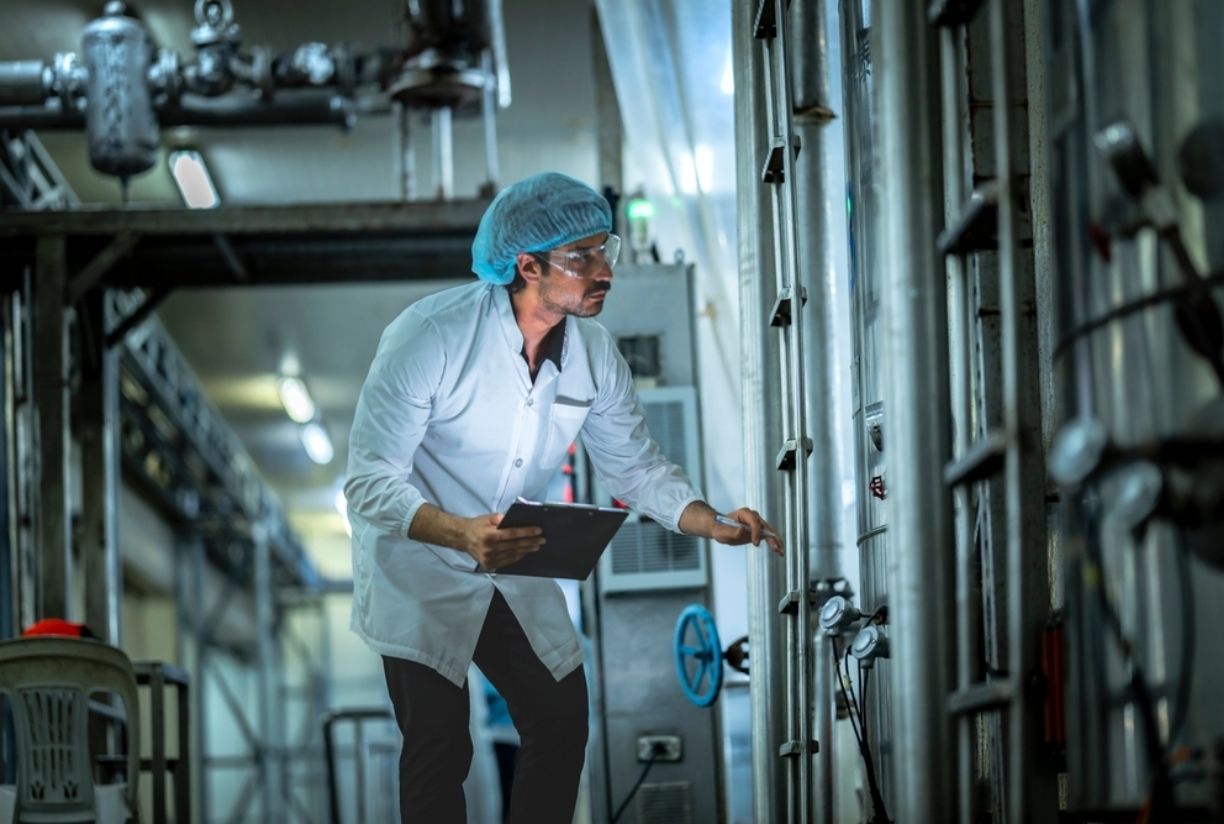
Table of Contents Achieving Twenty Five Percent Higher Facility Efficiency Through Sustainable Process Optimization Field Analysis Techniques That Reduce Maintenance Costs and Extend Equipment Lifespan in Industrial Facilities Scalable Production Growth Through Advanced Field Analysis and System Modifications An Approach to Minimizing Downtime and Ensuring Compliance with International Quality Standards Return on Investment in Process Optimization Through Energy Savings and Risk Reduction Assessment Integrating Process Optimization for Sustainable Performance and Lower Operational Costs Critical Field Analysis Metrics Production Managers Should Track for Maximum Facility Efficiency Achieving Twenty Five Percent Higher Facility Efficiency Through Sustainable Process Optimization Achieving a significant leap in facility efficiency requires a shift from reactive maintenance to a systematic, data-driven methodology focused on process optimization. For production managers targeting a 25 percent gain, this begins with a comprehensive field analysis to establish a true baseline of energy consumption, material yields, and equipment performance. This diagnostic phase is critical, identifying specific bottlenecks and inefficiencies that traditional oversight often misses, thereby laying the groundwork for operational reliability optimization and measurable sustainability improvements. The core of sustainable improvement lies in integrating findings from the initial analysis into the engineering design phase. This is where specialized process consultancy engineers add immense value, translating data into actionable upgrades for systems and custom industrial equipment. For instance, collaborating with tank manufacturing specialists can result in vessels designed for optimal mixing, reduced heat loss, and easier cleaning, directly contributing to energy savings and minimal downtime. This integrated approach ensures that new components are not just replacements but catalysts for a more efficient whole. Practical implementation, managed through precise industrial equipment installation, is the bridge between design and tangible results. The expertise of firms like SS Proje engineering ensures that installations adhere to international standards, with techniques such as passivation applied to extend asset life and protect investments. This meticulous attention to detail during deployment is what transforms theoretical gains into real-world sustainable industrial solutions, preventing future corrosion and contamination issues that lead to costly operational disruptions. Ultimately, the goal is to create a self-reinforcing cycle of efficiency where optimized processes reduce mechanical stress on equipment, lowering maintenance frequency and costs. This long-term perspective, championed by end-to-end engineering partners, directly enhances operational reliability and ensures compliance with evolving regulatory demands. By prioritizing a holistic strategy that encompasses design, installation, and continuous improvement, industrial facilities secure not just immediate efficiency gains but a foundation for enduring operational reliability optimization and market competitiveness. Field Analysis Techniques That Reduce Maintenance Costs and Extend Equipment Lifespan in Industrial Facilities Proactive field analysis is the cornerstone of predictive maintenance strategies, moving industrial plants beyond costly reactive repairs toward a model of sustained operational reliability optimization. By systematically collecting real-time performance data on critical assets, production managers can identify subtle anomalies—such as vibration patterns in mixers or thermal inefficiencies in heat exchangers—long before they escalate into failures. This data-driven approach is fundamental to any serious process optimization initiative, directly targeting the root causes of wear to drastically reduce maintenance costs and extend the functional life of equipment. Advanced techniques include thermographic imaging to detect overheating in electrical panels and motors, and vibration analysis for rotating equipment like pumps and agitators manufactured by specialized tank manufacturing specialists. These diagnostic tools, when applied by experienced process consultancy engineers, provide a quantifiable health assessment of the entire system. This allows for scheduling maintenance during planned shutdowns, thus achieving the critical goal of minimal downtime and protecting the long-term investment in custom industrial equipment. The integration of field analysis findings directly influences both operational procedures and future capital projects. For example, data on corrosion rates can inform the material selection and passivation protocols for new vessels, ensuring that subsequent industrial equipment installation from firms like SS Proje engineering is inherently more durable. This creates a feedback loop where empirical data continuously refines engineering standards, leading to designs that inherently promote higher facility efficiency and contribute to broader sustainable industrial solutions by minimizing waste and energy overconsumption. Ultimately, the consistent application of these analytical techniques transforms maintenance from a cost center into a strategic asset. It empowers facility managers to make evidence-based decisions that not only prevent unexpected breakdowns but also optimize the entire production lifecycle. This commitment to a disciplined, data-informed approach is what separates top-performing plants, ensuring compliance with international standards while securing a significant return on investment through extended asset lifecycles and unwavering production uptime. Scalable Production Growth Through Advanced Field Analysis and System Modifications Scaling production capacity efficiently requires more than just adding equipment; it demands a strategic engineering approach grounded in precise data. The initial and most critical phase involves a thorough field analysis to map the entire production workflow, identifying the true bottlenecks that limit throughput. This diagnostic step, often led by specialized process consultancy engineers, quantifies constraints in energy transfer, material flow, and equipment utilization, providing the empirical foundation for targeted process optimization that boosts facility efficiency without unnecessary capital expenditure. Data-driven modifications are then engineered to alleviate these specific constraints. For example, analysis might reveal that a reactor vessel from a tank manufacturing specialists is underutilized due to an inefficient heating or mixing system. The solution could involve retrofitting a high-efficiency heat exchanger or optimizing agitation, actions that represent a smarter investment than installing a duplicate tank. This precision ensures that system modifications deliver the maximum scalable output per dollar invested, a principle central to the work of firms like SS Proje engineering. The execution phase, involving meticulous industrial equipment installation, is where design becomes reality. Integrating new components into an existing live process requires careful planning to minimize disruption, ensuring that upgrades contribute to, rather than hinder, operational reliability optimization. Proper installation and passivation of new industrial equipment are crucial for maintaining product quality and extending the life of both new and existing assets, preventing new bottlenecks from emerging. Ultimately, this methodology transforms scalability from a gamble into a calculated engineering process. By leveraging field analysis to guide strategic modifications, facilities achieve sustainable production increases that are both cost-effective and compliant with international standards. This approach fosters long-term sustainable industrial solutions, where increased capacity is built on a foundation of enhanced efficiency and reliability, securing a competitive advantage and a strong return on investment for years to come. An Approach to Minimizing Downtime and Ensuring Compliance with International Quality Standards For production managers, unplanned downtime and compliance failures represent significant financial and reputational risks, making a systematic approach to operational reliability optimization essential. This begins with a comprehensive audit and field analysis to establish a baseline of current performance against international standards, identifying gaps in both equipment condition and procedural adherence. Engaging process consultancy engineers at this stage ensures an objective assessment, turning raw data into a strategic roadmap for achieving minimal downtime and guaranteed compliance through targeted process optimization. The core of the methodology involves redesigning critical processes and upgrading key assets based on the audit findings. This may involve collaborating with tank manufacturing specialists to specify vessels with improved clean-in-place (CIP) systems or surfaces that meet stringent hygienic requirements. Every modification, from material selection to the execution of industrial equipment installation, must be meticulously planned and documented. Firms like SS Proje engineering excel in this phase, ensuring that upgrades not only boost facility efficiency but are also inherently compliant by design. Implementation is followed by rigorous testing and validation to verify that the modified systems perform as intended under full production loads. This includes stress-testing new industrial equipment and conducting final passivation to ensure corrosion resistance and product purity. Establishing a continuous monitoring program is the final step, using the data collected to transition from preventive to predictive maintenance, which is the ultimate form of operational reliability optimization and a hallmark of sustainable industrial solutions. By adhering to this disciplined, multi-stage framework, facilities transform compliance from a reactive burden into a proactive competitive advantage. This structured engineering approach guarantees that systems are not only reliable but also adaptable to evolving regulations, securing long-term operational integrity. The result is a robust operation where peak facility efficiency, unwavering compliance, and maximized asset life converge to deliver superior ROI and market leadership. Return on Investment in Process Optimization Through Energy Savings and Risk Reduction Assessment The true Return on Investment (ROI) of a comprehensive process optimization initiative extends far beyond simple payback periods, encapsulating quantifiable gains in energy savings and significant reductions in operational risk. For facility managers, the calculation begins with a baseline established through detailed field analysis, which measures current energy consumption, identifies inefficiencies in heat transfer or fluid dynamics, and assesses equipment health. This data-driven diagnosis, often performed by expert process consultancy engineers, provides the critical inputs for projecting the financial impact of improvements on overall facility efficiency and operational reliability optimization. Energy savings constitute a direct and substantial component of ROI. Optimizing a process often involves upgrading key assets, such as working with tank manufacturing specialists to improve insulation or retrofit more efficient agitators, which directly lowers power requirements. The precision of the subsequent industrial equipment installation, as ensured by engineering firms like SS Proje engineering, guarantees that these theoretical savings are realized in practice. This systematic approach to upgrading industrial equipment transforms energy waste into a measurable financial return, while simultaneously reducing the carbon footprint. Perhaps the most profound ROI is found in risk reduction, which is more difficult to quantify but immensely valuable. A robust optimization strategy mitigates the risk of unexpected equipment failure, costly production halts, and non-compliance penalties. By proactively addressing issues identified in the initial analysis, facilities achieve a state of predictable operational reliability optimization, where maintenance is planned and budgets are stable. This proactive stance is the core of sustainable industrial solutions, preventing catastrophic losses and protecting brand reputation. When evaluated holistically, the investment in process optimization proves to be a strategic imperative rather than an optional expense. The combined value of lowered operational costs, extended asset lifecycles, and eliminated downtime creates a compelling financial case. This engineering-led approach ensures that facilities not only achieve immediate cost savings but also build a resilient, compliant operation capable of adapting to future challenges, securing long-term profitability and market leadership. Integrating Process Optimization for Sustainable Performance and Lower Operational Costs Integrating process optimization into an industrial facility's core strategy is a practical method for achieving the dual goals of sustainable performance and significantly lower operational costs. The journey begins with a comprehensive field analysis to capture a true snapshot of energy flows, material usage, and equipment effectiveness. This empirical assessment, typically conducted by seasoned process consultancy engineers, identifies specific areas where inefficiencies drain resources, providing a clear action plan for enhancing facility efficiency and initiating a cycle of continuous operational reliability optimization. The implementation phase translates data into tangible upgrades, often focusing on high-impact assets. For instance, collaborating with tank manufacturing specialists to redesign a reactor for better heat retention or implementing advanced control systems on existing mixers can yield immediate energy savings. The success of these modifications hinges on flawless execution during the industrial equipment installation phase, a competency of firms like SS Proje engineering, ensuring that new components integrate seamlessly to maximize the performance and longevity of the entire industrial equipment ecosystem. Sustainability is inherently woven into this optimized model, as reduced energy consumption and minimized waste output are direct outcomes. This systematic approach not only cuts utility bills but also positions the facility for compliance with increasingly stringent environmental regulations. The resulting sustainable industrial solutions create a virtuous cycle: lower operational costs free up capital for further innovations, which in turn drive additional efficiencies and strengthen the facility's market position against less agile competitors. Ultimately, viewing process optimization as an integrated, ongoing discipline rather than a one-time project is key to unlocking its full value. This long-term perspective ensures that every engineering decision contributes to a more resilient, cost-effective, and environmentally responsible operation. By building a foundation of data-driven management and precision engineering, facilities secure not just immediate savings but also a durable framework for future growth and unwavering operational reliability optimization. Critical Field Analysis Metrics Production Managers Should Track for Maximum Facility Efficiency For production managers, effective field analysis is not about collecting data but about tracking the right metrics that directly influence facility efficiency and bottom-line results. The most critical metrics include Overall Equipment Effectiveness (OEE), which combines availability, performance, and quality rates to provide a holistic view of production health. Energy consumption per unit of output is another vital indicator, as it uncovers hidden inefficiencies in systems like heating or pumping that are prime targets for process optimization. Tracking these metrics systematically is the first step toward achieving genuine operational reliability optimization. Equipment-specific metrics are equally crucial for predictive maintenance and life extension. Vibration analysis data for rotating machinery and heat transfer coefficients for exchangers provide early warnings of impending failures. This granular data enables process consultancy engineers to make precise recommendations, such as specifying improved materials from tank manufacturing specialists to reduce corrosion rates. When this analysis informs projects executed by firms like SS Proje engineering, it ensures that industrial equipment installation and subsequent upgrades are data-justified, delivering maximum impact on performance and longevity for the installed industrial equipment. Beyond machinery, process yield and material waste metrics are indispensable for sustainability and cost control. A decline in yield can signal inefficiencies in reaction times or mixing efficacy, while increasing waste streams point to opportunities for recycling or process refinement. Monitoring these parameters transforms the concept of sustainable industrial solutions from an abstract goal into a measurable outcome, directly linking environmental responsibility to improved profitability through reduced raw material costs and lower disposal fees. By consistently monitoring this core set of metrics, production managers gain an evidence-based command over their operations. This disciplined approach allows for proactive interventions that prevent small issues from escalating into major downtime events. It creates a culture of continuous improvement where every decision is informed by data, solidifying the plant's commitment to peak efficiency, compliance, and long-term financial sustainability through superior operational reliability optimization.
See More
Table of Contents Reducing Costs Quickly Through Industrial Process Optimization and Facility Efficiency The Impact of Process Optimization and Equipment Replacement on Production Cost Savings Data Driven Process Optimization to Lower Energy Costs and Minimize Downtime A Management Approach to Lean Process Optimization for Sustainable Performance and Compliance Return on Investment of Advanced Process Optimization on Production Costs Process Optimization Tools That Reduce Maintenance Costs and Extend Asset Lifespan Scalable Production and Long Term Savings Through End to End Process Engineering Reducing Costs Quickly Through Industrial Process Optimization and Facility Efficiency For production and process managers, achieving rapid production cost reduction is a critical operational challenge that hinges on systematic process optimization. Many industrial facilities grapple with hidden inefficiencies in energy consumption, material usage, and equipment output that directly erode profitability. The technical opportunity lies in deploying a data-driven, holistic approach to manufacturing process improvement, transforming existing operations into models of lean efficiency and reliability without capital-intensive overhauls. This strategic focus on facility efficiency solutions ensures that cost savings are sustainable and aligned with long-term performance goals, moving beyond temporary fixes to foundational enhancements. The first step in any successful optimization initiative is a comprehensive audit of current processes to identify key areas for operational reliability optimization. This involves analyzing energy flows, production cycle times, and maintenance schedules to pinpoint waste and bottlenecks. Following the audit, targeted interventions such as upgrading to high-efficiency industrial equipment installation—including optimized heat exchangers and custom-designed mixers—can yield immediate gains. Proper integration of this equipment, often managed through expert project consultancy, ensures that new components work synergistically with existing systems to maximize output and minimize downtime. Implementing these changes requires an end-to-end technical solution that spans from initial design to field implementation and ongoing support. A prime example is the application of precision passivation protocols to extend equipment lifespan and maintain product purity, a critical aspect of sustainable industrial engineering. Firms specializing in this holistic approach, such as SS Proje project consultancy, demonstrate how integrated engineering services can standardize processes for consistent quality and reduced operational risk. This phase is crucial for locking in the efficiency gains achieved during the initial optimization steps. Sustaining these improvements demands continuous monitoring and control system refinements to adapt to changing production demands. The integration of real-time data analytics allows for predictive maintenance, further driving down unplanned downtime and maintenance costs. This proactive approach is a hallmark of advanced manufacturing process improvement, ensuring that facilities not only meet but exceed international quality standards consistently. The result is a resilient operation capable of scaling production efficiently while managing operational risks. The ultimate value of a meticulously executed optimization strategy is a facility that operates at peak operational reliability optimization, with significantly lower total cost of ownership. By prioritizing sustainable industrial engineering principles and robust end-to-end technical solutions, industrial leaders can secure a competitive advantage through enhanced productivity, compliance, and asset longevity. This strategic investment in facility efficiency solutions delivers a rapid return while future-proofing operations against market volatility and escalating energy costs, solidifying long-term profitability and operational excellence. The Impact of Process Optimization and Equipment Replacement on Production Cost Savings Industrial managers facing pressure to cut costs must strategically choose between comprehensive process optimization for production cost reduction and capital-intensive equipment replacement. While new machinery promises advanced features, process optimization often delivers faster, more impactful savings by unlocking latent efficiency within existing systems. The decision fundamentally impacts cash flow, project timelines, and long-term operational reliability optimization, making a thorough analysis of both approaches critical for achieving sustainable financial and performance goals without unnecessary capital expenditure. Process optimization prioritizes a systematic review and refinement of existing workflows, energy usage, and control parameters. This approach to manufacturing process improvement can yield significant energy savings and throughput increases within weeks, as it addresses soft costs and inefficiencies that new equipment alone may not resolve. By contrast, equipment replacement involves longer lead times, significant capital outlay, and potential disruption during industrial equipment installation. However, targeted upgrades can be strategically integrated into a broader optimization plan, as seen in projects managed by firms providing SS Proje project consultancy, where new components are selected specifically to eliminate identified bottlenecks. The most effective strategy often involves a hybrid model, where initial facility efficiency solutions through optimization fund subsequent, more targeted equipment investments. For example, optimizing heat transfer parameters might reveal that only a specific heat exchanger needs replacement, rather than the entire system. This data-driven approach, a core tenet of sustainable industrial engineering, ensures capital is allocated precisely where it delivers the highest return. Expert project consultancy is invaluable here, providing the analysis needed to sequence interventions for maximum financial and operational impact. Ultimately, the velocity of cost savings favors optimization, but the magnitude and longevity of benefits can be amplified by judicious equipment upgrades. A successful implementation requires an end-to-end technical solution that begins with auditing and modeling, proceeds with phased interventions, and concludes with continuous monitoring. This holistic framework ensures that both strategies are leveraged not as opposites, but as complementary forces driving toward the same goal: a highly efficient, reliable, and profitable operation. The key is to avoid a binary choice and instead pursue a sequenced, evidence-based plan. For facilities prioritizing rapid ROI with minimal initial investment, process optimization for production cost reduction is the unequivocal starting point. It builds a foundation of data and efficiency that makes any subsequent capital investment in equipment more effective and less risky. This strategic, phased approach epitomizes modern sustainable industrial engineering, delivering immediate financial relief while paving the way for sustained growth, enhanced compliance, and superior operational reliability optimization that protects the long-term value of industrial assets. Data Driven Process Optimization to Lower Energy Costs and Minimize Downtime In an era of volatile energy prices and intense production schedules, data-driven process optimization has become the most powerful tool for industrial managers to achieve significant production cost reduction while simultaneously enhancing reliability. The operational challenge lies in identifying the precise inefficiencies within complex systems that lead to energy waste and unplanned stoppages. The technical opportunity is to leverage real-time sensor data and advanced analytics to move from reactive maintenance to predictive operational adjustments, forming the core of modern facility efficiency solutions. This approach transforms raw data into actionable intelligence for continuous manufacturing process improvement. The foundation of effective optimization is the establishment of a comprehensive data acquisition system that monitors energy consumption, equipment performance, and environmental conditions. This data enables the modeling of ideal operating parameters, pinpointing deviations that indicate inefficiency or impending failure. For instance, analyzing thermal efficiency data can lead to precise adjustments in reactor temperatures or heat exchanger flows, slashing energy use without compromising output. This level of precision is a hallmark of sustainable industrial engineering, where every kilowatt-hour saved contributes directly to both profitability and environmental goals. Implementing these techniques often reveals the need for targeted upgrades, which can be seamlessly integrated through expert project consultancy and precise industrial equipment installation. A specialized firm like SS Proje project consultancy would leverage this data to recommend and install high-efficiency motors, advanced control valves, or optimized filtration systems exactly where they are needed most. This avoids blanket equipment replacements, focusing capital on components that deliver the highest return on investment and contribute directly to operational reliability optimization. The true power of a data-driven strategy is realized when it is embedded within an end-to-end technical solution that covers design, implementation, and long-term monitoring. This holistic approach ensures that optimization is not a one-time project but a permanent feature of facility management. Continuous data analysis allows for the refinement of setpoints and the prediction of maintenance needs, effectively eliminating catastrophic failures and the associated downtime. The result is a self-optimizing system that consistently operates at peak efficiency. By adopting these advanced process optimization techniques, industrial facilities unlock a pathway to enduring competitiveness. The synergy between data analytics and precision engineering delivers a dual victory: immediate reductions in operational expenditure and a robust foundation for long-term sustainable industrial engineering. This strategic focus on facility efficiency solutions not only secures compliance and extends asset life but also builds a resilient operation capable of adapting to future market and regulatory demands, maximizing ROI through intelligent, evidence-based management. A Management Approach to Lean Process Optimization for Sustainable Performance and Compliance For industrial managers, the pursuit of sustainable performance and compliance demands a methodology that systematically eliminates waste while reinforcing quality standards. Lean process optimization provides this framework, transforming disparate efficiency efforts into a cohesive strategy for enduring production cost reduction. The operational challenge lies in moving beyond isolated improvements to create a culture of continuous, measurable enhancement that aligns operational output with stringent regulatory and environmental requirements. This strategic approach is the cornerstone of advanced facility efficiency solutions. The implementation of lean principles begins with value stream mapping to visually document every step in a production process, identifying non-value-added activities such as unnecessary material handling, excessive inventory, or energy-intensive idle times. This analytical phase is crucial for targeting specific areas for manufacturing process improvement, where even minor adjustments can yield substantial gains in throughput and resource utilization. Engaging specialized project consultancy, such as that offered by engineering partners like SS Proje project consultancy, can provide the external expertise needed to objectively assess processes and implement robust data-tracking systems from the outset. With waste sources identified, the focus shifts to optimizing physical assets through precision industrial equipment installation and calibration. This may involve retrofitting existing machinery with more efficient drives, automating manual valves to reduce cycle time variability, or installing advanced sensors for real-time quality control. Each intervention is designed not just for immediate performance gains but for long-term operational reliability optimization, ensuring that equipment operates within its ideal parameters to maximize lifespan and minimize maintenance interventions. This equipment-level focus is a critical component of sustainable industrial engineering. Sustaining these improvements requires embedding lean thinking into daily operations through standardized work procedures, visual management systems, and regular performance reviews. This creates a feedback loop where data from the floor informs continuous refinement, solidifying the gains achieved. The most successful implementations are those managed as an end-to-end technical solution, where design, execution, and long-term support are integrated into a single, accountable workflow. This holistic approach ensures that compliance is not an afterthought but a built-in feature of the optimized process. The strategic adoption of lean process optimization for production cost reduction delivers a competitive edge that is both financial and operational. By meticulously eliminating waste and variability, facilities achieve a state of predictable, high-performance operation that naturally adheres to quality standards. This commitment to sustainable industrial engineering through proven facility efficiency solutions builds a resilient enterprise capable of adapting to market shifts and regulatory changes, securing not just short-term savings but long-term market leadership and asset value. Return on Investment of Advanced Process Optimization on Production Costs The question of whether advanced process optimization can achieve a 20 percent production cost reduction is not speculative but grounded in demonstrable engineering outcomes from facilities that have embraced systematic manufacturing process improvement. The potential for such significant savings exists because most industrial operations harbor substantial hidden inefficiencies in energy, raw material utilization, and equipment uptime. The real ROI analysis must therefore extend beyond simple payback periods to encompass gains in operational reliability optimization, extended asset life, and compliance assurance, which compound the initial financial benefits. Attaining this level of savings requires a multi-faceted approach that targets the largest cost centers simultaneously. Energy consumption often represents the most immediate opportunity, where advanced control strategies for heating, cooling, and motor-driven systems can yield double-digit percentage reductions. This is a core objective of sustainable industrial engineering, where efficiency directly translates to lower carbon footprint and operational expense. Material yield optimization is another critical lever, minimizing waste through precise process control and recycling initiatives, further contributing to the overall cost reduction target. These techniques form the backbone of modern facility efficiency solutions. The implementation of these advanced techniques is most effective when guided by expert project consultancy that can accurately model expected savings and sequence interventions for maximum impact. For example, a comprehensive audit conducted by a firm like SS Proje project consultancy might reveal that targeted industrial equipment installation, such as high-efficiency pumps or heat recovery units, is necessary to unlock the full potential of control system upgrades. This integrated approach ensures that capital is invested where it generates the fastest and most substantial return, making the 20 percent goal financially feasible. The durability of these savings is secured by treating optimization as an end-to-end technical solution rather than a one-off project. This involves embedding continuous monitoring and adjustment capabilities into the facility's daily operations, creating a culture of perpetual efficiency. The resulting operational reliability optimization not only sustains the cost savings but also protects the facility from the steep costs of unplanned downtime and major equipment failures, adding a layer of financial resilience. Therefore, a 20 percent reduction in production costs is an ambitious but achievable target for facilities committed to a rigorous, expert-led optimization program. The ROI extends far beyond direct cost savings to include enhanced competitive positioning, improved regulatory standing, and greater asset sustainability. By investing in a proven end-to-end technical solution for process optimization for production cost reduction, industrial leaders transform their operations into models of efficiency and reliability, securing a decisive advantage in an increasingly competitive market. Process Optimization Tools That Reduce Maintenance Costs and Extend Asset Lifespan While many facilities focus on major equipment overhauls, significant gains in reliability and cost control often come from refining less obvious aspects of daily operations. These overlooked levers of process optimization directly attack the root causes of wear, inefficiency, and failure, offering a rapid path to production cost reduction through smarter asset management. The first critical lever is the optimization of fluid velocities and pressures within piping and reaction systems. Operating outside ideal hydraulic parameters causes excessive erosion, vibration, and seal failures, dramatically increasing maintenance frequency and costs while shortening equipment lifespan unnecessarily. A second powerful yet frequently ignored lever is the precise calibration of thermal cycles for batch processes. Many facilities run heating and cooling phases more aggressively than required, inducing thermal stress that fatigues vessel walls, heat exchanger tubes, and associated instrumentation. Implementing graduated temperature ramps, informed by sustainable industrial engineering principles, can substantially extend the life of these high-cost assets. This kind of detailed manufacturing process improvement is a hallmark of expert project consultancy, where specialists from firms like SS Proje project consultancy use simulation tools to identify and rectify such hidden stressors. The third lever involves implementing proactive lubrication and contamination control protocols that go beyond basic schedules. By analyzing lubricant condition and filtering particulates to sub-micron levels, bearings, gears, and hydraulic systems experience drastically reduced wear rates. The fourth lever is the strategic installation of intermediary protective equipment, such as high-efficiency filter housings ahead of sensitive instruments, which is a targeted form of industrial equipment installation that prevents costly downstream damage. This preemptive approach is central to achieving robust operational reliability optimization. The fifth and most integrative lever is the adoption of a centralized performance dashboard that correlates process parameters with maintenance events. This data-driven system allows engineers to see, for example, how a slight deviation in pump pressure correlates with an impending bearing failure, enabling intervention before a catastrophic breakdown. This transforms maintenance from a reactive cost center into a predictable, planned activity. Integrating these five levers requires an end-to-end technical solution that views the facility as an interconnected system. By systematically applying these often-overlooked optimization strategies, facilities can achieve a dramatic reduction in maintenance expenditures and a corresponding extension of asset service life. This proactive approach to process optimization for production cost reduction embodies the core of sustainable industrial engineering, where preserving capital equipment is as important as optimizing throughput. The result is a more resilient operation that delivers superior facility efficiency solutions, lower total cost of ownership, and a stronger foundation for long-term compliance and profitability. Scalable Production and Long Term Savings Through End to End Process Engineering In today's competitive industrial landscape, fragmented engineering approaches often lead to operational silos, compatibility issues, and unforeseen bottlenecks that constrain growth and inflate costs. A truly integrated end-to-end technical solution for process optimization addresses this core challenge by ensuring that every phase—from conceptual design and industrial equipment installation to continuous improvement—is aligned with the overarching goals of scalability, risk mitigation, and lifetime value. This holistic methodology, fundamental to sustainable industrial engineering, transforms capital projects into enduring assets that deliver consistent production cost reduction and operational excellence. The journey begins with strategic project design that incorporates scalability as a foundational principle, not an afterthought. This involves selecting modular equipment, designing piping and electrical systems with future capacity in mind, and implementing control architectures that can easily integrate new process units. Expert project consultancy, such as that provided by specialized firms like SS Proje project consultancy, is critical at this stage to model future production scenarios and ensure the initial design avoids costly retrofits later. This forward-thinking approach is the bedrock of effective facility efficiency solutions. Risk reduction is systematically engineered into the solution through rigorous operational reliability optimization practices during the implementation phase. This includes specifying equipment with proven durability, applying advanced passivation techniques to prevent corrosion, and designing redundant systems for critical processes. The seamless execution of industrial equipment installation by a single accountable partner ensures that design intent is perfectly translated into physical reality, eliminating the integration errors that often plague projects managed by multiple vendors. This single-source responsibility is a key advantage of the end-to-end model. Long-term savings are locked in during the operational phase through continuous manufacturing process improvement supported by the original design data and system knowledge. Because the engineering partner understands the entire system intimately, they can perform precise optimizations—such as adjusting heat exchanger duties or refining mixer speeds—that maximize energy efficiency and product yield without compromising equipment integrity. This creates a virtuous cycle where performance improves over time, and operational knowledge deepens, further de-risking the facility's future. By investing in a comprehensive end-to-end technical solution for process optimization for production cost reduction, industrial leaders secure a facility that is not only efficient today but also inherently adaptable and reliable for tomorrow. This strategic commitment to sustainable industrial engineering delivers unparalleled operational reliability optimization, transforming the production plant into a scalable, low-risk, and high-return asset that consistently outperforms competitors and meets the strictest international standards for years to come.
See More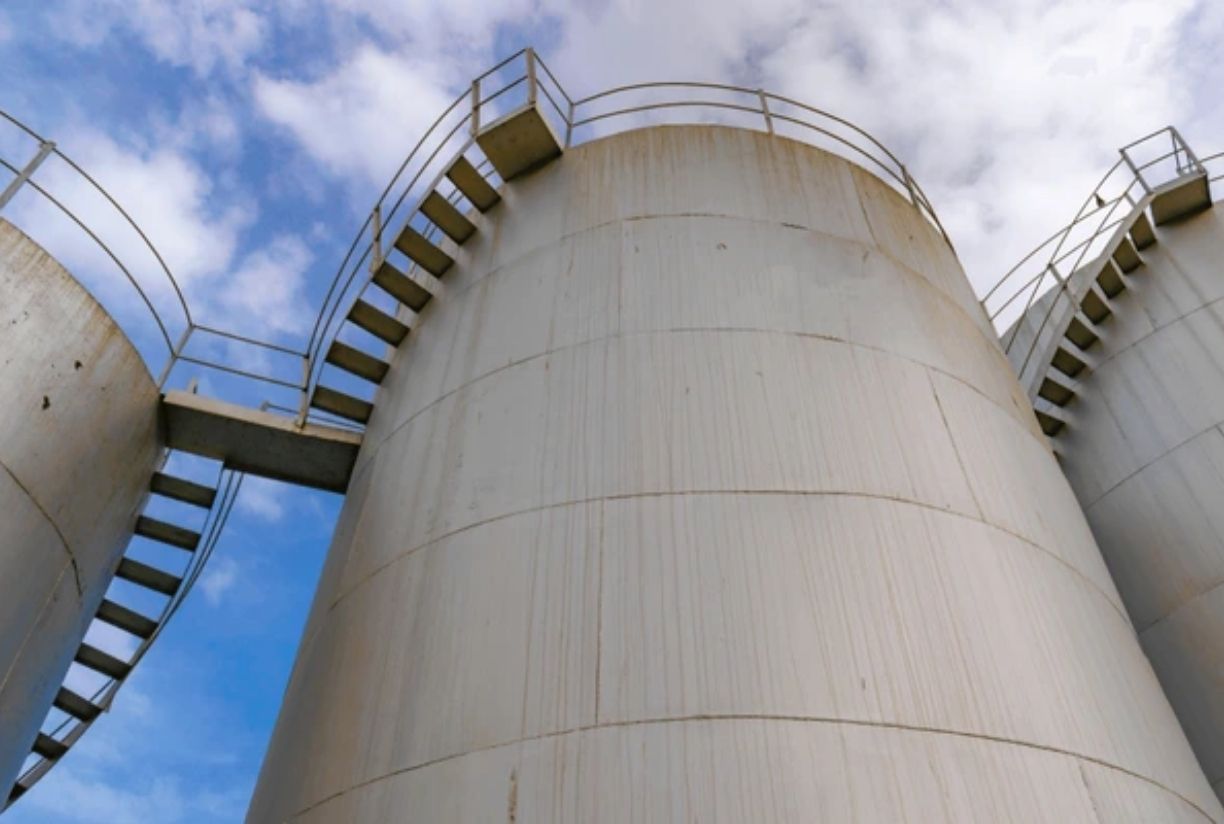
Table of Contents The Impact of Custom Tank Design Testing and Commissioning on Maintenance Costs and Facility Efficiency Process Optimization and Return on Investment Through Commissioning of Custom Industrial Tanks Operational Reliability and Compliance with International Standards in Custom Tank Manufacturing A Comparison of Lifecycle Cost Sustainability and Scalability Between Custom and Standard Tanks for Industrial Facilities The Effect of Precision Tank Testing and Commissioning on Downtime and Operational Safety Energy Savings and Sustainable Performance Enabled by Advanced Custom Tank Design Key Considerations in Custom Tank Commissioning for Long Term Asset Life and Process Integrity Risk Mitigation and Regulatory Compliance in Custom Industrial Tank Manufacturing and Testing The Impact of Custom Tank Design Testing and Commissioning on Maintenance Costs and Facility Efficiency In industrial operations, standard storage solutions often become significant sources of unplanned downtime and escalating facility efficiency optimization challenges. The strategic adoption of custom tank manufacturing, however, transforms tanks from passive vessels into active contributors to process reliability. By engineering vessels specifically for the chemical, thermal, and pressure profiles of a unique process, firms can proactively design out common failure points, directly targeting reductions in maintenance frequency and cost while enhancing overall throughput. The integrity of any industrial equipment installation hinges on rigorous validation, making comprehensive industrial tank testing a non-negotiable phase. This goes far beyond basic leak checks to include stress analysis, material compatibility verification, and performance simulation under peak operational loads. Such meticulous testing, as delivered by specialized engineering firms like SS Proje, identifies potential weaknesses before commissioning, preventing costly mid-cycle failures and ensuring compliance with stringent international quality standards from day one. Effective tank commissioning services complete the cycle, bridging the gap between installation and optimal operation. This critical phase involves system integration, control loop tuning, and operator training to ensure the asset performs as intended within the larger production ecosystem. This holistic approach, a core component of process optimization engineering, minimizes startup delays and aligns equipment performance with broader goals for energy savings and sustainable facility solutions. When these disciplines are integrated through expert project consultancy services, the benefits compound. A tank designed with precise corrosion allowances and subjected to professional passivation during fabrication will exhibit dramatically extended service life, reducing the total cost of ownership. This end-to-end focus on durability and precision directly supports strategic objectives like scalable production and enhanced operational reliability. Ultimately, viewing custom tanks through the lens of lifecycle asset management unlocks significant long-term value. The initial investment in superior design, testing, and commissioning pays continuous dividends through minimal unscheduled downtime, reduced spare parts inventory, and lower energy consumption. This engineered approach, exemplified by SS Proje engineering, ensures that storage assets become pillars of a resilient, efficient, and compliant industrial facility, delivering a superior return on investment through unparalleled operational stability. Process Optimization and Return on Investment Through Commissioning of Custom Industrial Tanks Commissioning is the critical bridge between custom tank manufacturing and achieving its promised return on investment, transforming a static asset into a dynamic contributor to process optimization engineering. Without a meticulous commissioning protocol, even the most expertly designed tank can fail to integrate seamlessly, leading to process inefficiencies, safety risks, and a failure to realize the full potential for operational reliability and cost savings that drove the custom investment initially. The foundation of effective tank commissioning services lies in a rigorous pre-startup acceptance phase. This begins with verifying that the physical industrial equipment installation aligns precisely with design specifications and P&IDs, followed by comprehensive industrial tank testing for structural integrity, leak-tightness, and coating system durability. This phase, often guided by specialized project consultancy services, ensures that the vessel is mechanically sound and ready for operational duty, preventing costly rework after production has commenced. Operational commissioning then focuses on integrating the tank into the live process environment. This involves calibrating level controls, pressure sensors, and temperature elements, and performing functional tests of associated mixers, pumps, and heat exchangers. The goal is to validate that the system responds correctly to all control inputs and process upsets, a key step for achieving true facility efficiency optimization. Proper documentation throughout this phase is vital for regulatory compliance and serves as a baseline for future performance audits. A successful commissioning process delivers immediate and long-term ROI by guaranteeing that the asset operates at peak efficiency from its first day of service. This minimizes energy waste, reduces the risk of product loss or contamination, and establishes a reliable performance benchmark. For investors and managers, this systematic approach de-risks the capital expenditure and validates the investment in sustainable facility solutions. Ultimately, viewing commissioning as an integral part of the engineering lifecycle, as practiced in SS Proje engineering, is what separates a mere installation from a strategic enhancement. It is the final, essential quality gate that ensures a custom industrial tank delivers on its design promise: optimized processes, extended asset life, minimal downtime, and a strong, demonstrable return on investment that supports long-term operational and sustainability goals. Operational Reliability and Compliance with International Standards in Custom Tank Manufacturing The journey to operational reliability in custom tank manufacturing begins with a disciplined, iterative design phase that prioritizes material science and process dynamics over a one-size-fits-all approach. This initial stage, often supported by specialized project consultancy services, focuses on selecting alloys with precise corrosion resistance and designing geometries that mitigate stress concentrations, directly impacting long-term maintenance costs and asset longevity. A fundamental commitment to international standards like ASME or PED at this stage ensures the design is not only optimal but also inherently compliant, setting a foundation for sustainable facility solutions. Fabrication accuracy is the next critical step, where certified welding procedures and precise component fit-up are non-negotiable for structural integrity. The application of professional passivation treatments after welding is crucial for restoring the corrosion resistance of stainless steels, a simple yet often overlooked process that profoundly extends equipment life and prevents product contamination. This meticulous attention to detail during the build phase, a hallmark of SS Proje engineering, ensures the vessel can withstand operational cycles without premature failure. Perhaps the most definitive phase is rigorous industrial tank testing, which validates every design and fabrication decision. This involves non-destructive examinations like radiographic testing of welds and hydrostatic tests to verify pressure containment under simulated worst-case scenarios. These tests provide objective evidence of compliance and operational safety, de-risking the subsequent industrial equipment installation and giving production managers absolute confidence in the asset's reliability. The value of this systematic approach is fully realized during tank commissioning services and ongoing operation. A tank built to these exacting standards integrates smoothly, minimizes startup delays, and operates with exceptional energy efficiency due to its optimized design. This directly contributes to overarching goals of facility efficiency optimization by reducing unplanned downtime and the resource consumption associated with frequent repairs. Ultimately, adherence to these critical manufacturing steps transforms a capital expenditure into a strategic investment. The higher initial engineering rigor pays continuous dividends through minimal maintenance, unwavering compliance, and predictable performance. This engineering-led methodology, central to effective process optimization engineering, ensures that custom tanks become durable, reliable assets that support scalable production and long-term operational excellence. A Comparison of Lifecycle Cost Sustainability and Scalability Between Custom and Standard Tanks for Industrial Facilities The choice between standard and custom tanks is a fundamental strategic decision impacting the total cost of ownership, operational agility, and long-term viability of an industrial facility. While off-the-shelf tanks offer a lower initial purchase price, they often represent a significant compromise, forcing processes to adapt to equipment limitations rather than the reverse. This misalignment can lead to chronic inefficiencies, higher maintenance, and constrained production growth, undermining core objectives of facility efficiency optimization and sustainable facility solutions. From a lifecycle cost perspective, the apparent savings of a standard tank can be quickly eroded by higher operational expenses. A vessel not optimized for a specific fluid's corrosivity or thermal profile will experience accelerated wear, requiring more frequent repairs, lining replacements, or premature failure. In contrast, custom tank manufacturing designs out these vulnerabilities from the start, selecting exact materials and incorporating features that directly extend equipment life and dramatically reduce long-term maintenance budgets. This engineering precision, supported by expert project consultancy services, ensures every component is fit-for-purpose. Production scalability is another critical differentiator. Standard tanks fix a facility's capacity and functionality, whereas a custom-designed vessel can incorporate scalability features like modular connections or future-ready control interfaces. This foresight, integral to advanced process optimization engineering, allows for seamless capacity expansions or process changes without the costly industrial equipment installation of an entirely new system, a benefit that becomes clear during strategic growth phases. Sustainability and compliance advantages are equally compelling. A custom tank can be engineered for optimal energy efficiency through perfect insulation, ideal aspect ratios, and integration with high-efficiency mixers or heat exchangers. Furthermore, rigorous industrial tank testing and documentation during fabrication, as practiced in SS Proje engineering, guarantee compliance with international pressure equipment and safety standards, mitigating regulatory risks that can accompany modified standard units. The true value of tank commissioning services for a custom solution is the assurance of peak performance from day one. While the upfront investment is higher, the long-term ROI through reduced downtime, lower energy consumption, and unparalleled operational reliability makes custom tank manufacturing the superior financial and operational choice for facilities prioritizing resilience, scalability, and sustainable performance over the entire asset lifecycle. The Effect of Precision Tank Testing and Commissioning on Downtime and Operational Safety Unplanned downtime and safety incidents in industrial facilities often trace their roots to inadequately validated equipment, where latent defects in storage systems manifest during full-scale operation. Precision industrial tank testing and systematic tank commissioning services function as a proactive quality gate, identifying and rectifying these issues before they can impact production schedules or personnel safety. This disciplined approach transforms the post-installation phase from a period of high risk into one of verified reliability, directly supporting goals of minimal downtime and enhanced facility efficiency optimization. The journey of a tank from fabrication to reliable operation begins with exhaustive testing that goes far beyond a simple visual inspection. Sophisticated non-destructive examination methods, such as ultrasonic thickness testing and dye penetrant inspection, are applied to critical welds and stress points to uncover microfissures or inclusions invisible to the naked eye. This level of scrutiny is essential for vessels produced through custom tank manufacturing, as it validates the intricate design choices made for specific process conditions. Discovering a flaw at this stage, under controlled conditions, prevents a catastrophic failure during a subsequent industrial equipment installation or production run. Operational safety is fundamentally enhanced during the commissioning process, which serves as a comprehensive shakedown of the entire system. This phase involves verifying the correct function of safety interlocks, pressure relief devices, and emergency shutdown systems under simulated abnormal conditions. Such validation, often guided by specialized project consultancy services, ensures that automated protections will perform as intended, safeguarding both personnel and capital assets. It is a critical component of a robust process safety management framework. The culmination of this rigorous protocol is a seamless transition into active service. Because every component has been stress-tested and every control loop finely tuned, the startup is predictable and efficient, eliminating the protracted troubleshooting that plagues poorly commissioned assets. This methodology, integral to SS Proje engineering, ensures that the tank contributes positively to sustainable facility solutions from its first day of operation, avoiding the waste and risk associated with operational uncertainty. Ultimately, investing in precision testing and commissioning is a direct investment in operational continuity and workforce safety. The upfront time and resource allocation are dwarfed by the long-term savings from avoided production stoppages, emergency repairs, and potential liability. This engineered approach, a cornerstone of sound process optimization engineering, delivers not just a functional tank, but a certified, reliable, and safe industrial asset that underpins long-term profitability and compliance. Energy Savings and Sustainable Performance Enabled by Advanced Custom Tank Design Industrial storage tanks are frequently overlooked as significant energy consumers, yet their design directly influences thermal management, pumping requirements, and overall process efficiency. Advanced custom tank manufacturing leverages engineering principles to transform these vessels from passive containers into active contributors to sustainable facility solutions. By optimizing geometry, insulation, and integration with other process units, a custom-designed tank can significantly reduce energy consumption, lower operational costs, and enhance a facility's environmental profile, aligning with strategic goals for facility efficiency optimization. The most immediate energy savings are achieved through precise thermal design. A custom tank can be engineered with an optimal surface-area-to-volume ratio and fitted with high-performance insulation systems tailored to the process's exact temperature maintenance needs. This minimizes heat loss or gain, drastically reducing the energy demand from associated heaters or chillers. This level of integration is a core aspect of holistic process optimization engineering, where the tank is designed as an integral component of the energy loop rather than an isolated unit. Beyond thermal efficiency, hydraulic optimization plays a crucial role. Custom nozzle placement, internal baffling, and geometry designed for efficient mixing can reduce the power required by agitators and transfer pumps. This not only cuts electricity costs but also extends the life of this ancillary equipment. Such detailed design work, often supported by expert project consultancy services, ensures that every aspect of the tank's operation is optimized for minimal energy expenditure during the industrial equipment installation and throughout its lifecycle. The sustainability benefits are validated through rigorous industrial tank testing and confirmed during tank commissioning services. Performance tests verify that insulation values are met and that mixing efficiencies achieve design targets, providing measurable data on energy savings. This commissioning phase, as executed by firms like SS Proje engineering, ensures the theoretical efficiencies of the design are fully realized in practice, delivering tangible ROI. Ultimately, investing in an advanced custom tank design is a forward-thinking strategy that pays continuous dividends. The reduction in energy consumption directly lowers operating expenses and carbon footprint, while the robust, purpose-built construction ensures extended service life and reduced material waste. This engineered approach to storage is a definitive step towards achieving superior operational performance, long-term cost control, and genuine sustainability leadership in industrial operations. Key Considerations in Custom Tank Commissioning for Long Term Asset Life and Process Integrity A successful industrial equipment installation is only complete after a meticulous commissioning process that validates performance and ensures long-term reliability. For tanks produced through custom tank manufacturing, overlooking key commissioning considerations can nullify the significant investment in optimized design, leading to premature wear, process contamination, or failure to achieve projected facility efficiency optimization. A systematic approach to tank commissioning services is therefore critical to securing the intended return on investment and process integrity. The first essential consideration is the verification of materials and surface conditions prior to introducing the process fluid. This includes confirming that post-weld passivation has been correctly performed and that the internal surface finish meets the specifications required to prevent adhesion or corrosion. This step, often overseen by specialized project consultancy services, is fundamental to preserving the tank's integrity and ensuring the purity of the stored product over its entire lifecycle, a core tenet of sustainable facility solutions. Another critical factor is the calibration and functional testing of all instrumentation and safety systems under realistic operating conditions. Level transmitters, temperature probes, and pressure sensors must be calibrated against known standards, while relief valves and shutdown interlocks are tested to confirm they activate at the correct set points. This rigorous validation, which builds upon the foundation of industrial tank testing, is what transforms a static vessel into a smart, reliable component of an optimized process system, directly contributing to operational safety and minimizing costly downtime. Integrating the tank seamlessly with auxiliary equipment like pumps, filters, and heat exchangers is equally vital. Commissioning must verify that the entire system operates harmoniously, with controls responding correctly to dynamic process changes. This holistic view, a specialty of process optimization engineering as practiced by firms like SS Proje engineering, ensures that the custom tank enhances overall system performance rather than becoming a bottleneck. Ultimately, these commissioning considerations are not mere checklist items but strategic actions that cement the long-term value of the asset. Proper commissioning locks in the designed performance, maximizes energy efficiency, and establishes a baseline for future predictive maintenance. By dedicating resources to this final, critical phase, facility managers guarantee that their custom tank delivers decades of reliable, compliant service, solidifying its role as a cornerstone of a high-performance, sustainable operation. Risk Mitigation and Regulatory Compliance in Custom Industrial Tank Manufacturing and Testing In the high-stakes environment of industrial processing, the risks associated with pressure equipment failure—from safety incidents and production halts to regulatory penalties—demand a proactive, engineered approach to asset creation. Custom tank manufacturing and validation offer a powerful framework for systematically mitigating these risks by embedding compliance and durability into the design from the outset. This methodology transforms regulatory adherence from a post-installation burden into a foundational design principle, directly supporting long-term facility efficiency optimization and operational safety. The first line of defense is a design phase governed by international standards such as ASME Boiler and Pressure Vessel Code or the Pressure Equipment Directive (PED). Adherence to these codes ensures that the tank's geometry, material thickness, and weld configurations are calculated to withstand specified operating pressures and temperatures. Engaging experienced project consultancy services during this phase is crucial for navigating complex regulatory landscapes and ensuring the design is not only optimized for process optimization engineering but is also inherently certifiable, avoiding costly redesigns later. Risk is further reduced through exhaustive industrial tank testing, which provides empirical evidence of the vessel's integrity. Non-destructive examinations like radiographic or ultrasonic testing of welds uncover subsurface defects, while hydrostatic or pneumatic tests verify the tank's ability to safely contain its design pressure. This rigorous validation process, a cornerstone of reliable industrial equipment installation, de-risks the project by confirming performance before the tank enters service, a practice upheld in SS Proje engineering. Compliance is solidified through meticulous documentation and certification. A complete data dossier, including material certifications, welding procedure records, and test reports, provides an auditable trail for regulatory bodies. This documentation is essential for achieving the CE marking or ASME stamp, which are not just stickers but guarantees of safety and quality that facilitate market access and protect against liability. The culmination of this risk-averse approach is realized during tank commissioning services, where the tank is proven safe and efficient in its operational context. The result is an asset that contributes to sustainable facility solutions by minimizing the likelihood of catastrophic failure, ensuring regulatory compliance, and delivering predictable, long-term performance. This engineered pathway to compliance is ultimately an investment in operational continuity, brand protection, and sustainable growth, providing investors and managers with unparalleled confidence in their critical infrastructure.
See More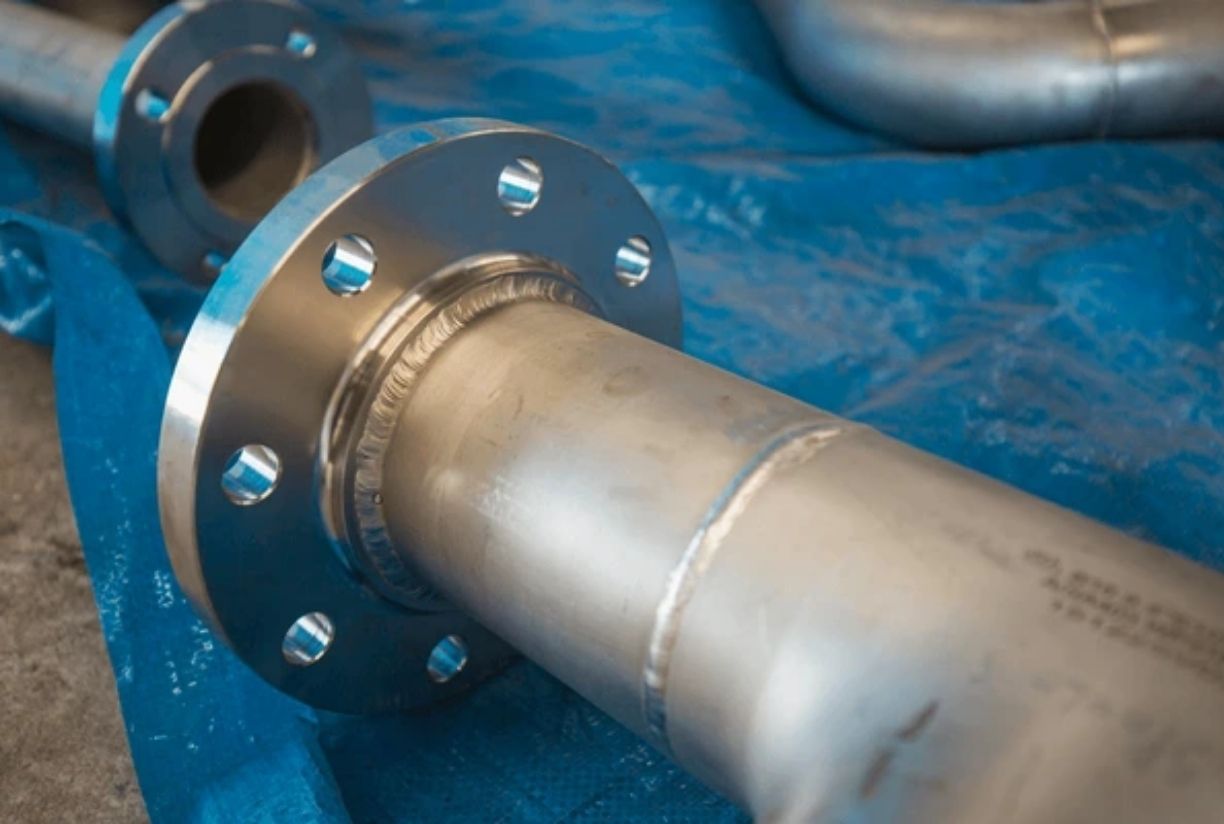
Table of Contents The Role of Pharmaceutical Grade Stainless Steel Tanks in Regulatory Compliance and Contamination Control Selecting Food Grade Tanks for Maximum Hygiene Efficiency and Scalable Production Key Stainless Steel Tank Design Features That Reduce Downtime in Pharmaceutical Applications A Comparison of Food Grade and Pharmaceutical Grade Tanks in Standards and Process Integrity Cleanability and Energy Efficiency in Hygienic Stainless Steel Tank Design The Impact of Advanced Passivation and Welding Techniques on Sanitary Process Tank Lifespan Risk Mitigation and cGMP Compliance in Stainless Steel Tank Manufacturing for the Pharmaceutical Industry Sustainable Performance and Operational Reliability with ISO 9001 Certified Sanitary Tanks The Role of Pharmaceutical Grade Stainless Steel Tanks in Regulatory Compliance and Contamination Control In the highly regulated pharmaceutical industry, the integrity of process equipment is synonymous with product safety and regulatory viability. Pharmaceutical grade stainless steel tanks are engineered specifically to meet this dual challenge, serving as a primary defense against contamination while providing a verifiable pathway to compliance with standards like cGMP and FDA requirements. The strategic specification of such vessels transforms a critical piece of industrial equipment installation from a potential liability into a certified asset that underpins sustainable facility solutions and operational certainty. The foundation of compliance and contamination control is cGMP compliant tank design. This mandates specific material certifications, fully drainable geometries, and polished internal surfaces that eliminate crevices where microbes or residues can accumulate. Such designs, which share principles with high-level food grade tank manufacturing, prevent cross-contamination between batches and facilitate rapid, validated cleaning cycles. This directly reduces water and chemical usage, contributing to energy savings and minimizing production downtime for sanitation. A critical and often underestimated process is hygienic tank passivation. This controlled chemical treatment restores the protective chromium oxide layer on stainless steel welds and surfaces, dramatically enhancing corrosion resistance. A properly passivated tank resists pitting and rouging, which are common sources of metallic contamination. This proactive measure, a specialty of engineering providers like SS Proje engineering, is essential for extending equipment life and ensuring the purity of sensitive biopharmaceutical products. The final assurance is provided by rigorous pharmaceutical tank commissioning. This phase involves verifying clean-in-place (CIP) system performance, confirming surface finish Ra values, and documenting all parameters for regulatory audits. A successfully commissioned tank provides a complete data trail that satisfies inspectors and de-risks the manufacturing process. This meticulous approach is integral to advanced sanitary process optimization, ensuring the equipment functions as intended within the validated process envelope. Ultimately, investing in true pharmaceutical-grade tanking is a strategic decision that safeguards product quality, protects brand reputation, and ensures continuous regulatory approval. The engineered features that ensure compliance also deliver tangible operational benefits: reduced cleaning time, lower risk of batch loss, and extended asset service life. By prioritizing these design and validation fundamentals, pharmaceutical manufacturers can achieve a state of controlled, reliable, and efficient production that supports long-term growth and market leadership. Selecting Food Grade Tanks for Maximum Hygiene Efficiency and Scalable Production Selecting the right storage vessel is a critical operational decision that directly impacts product safety, production throughput, and long-term facility economics. Optimal food grade tank manufacturing prioritizes a holistic approach where hygiene, efficiency, and scalability are engineered into the vessel from its initial design phase. This strategic selection process, which shares foundational principles with pharmaceutical grade stainless steel tanks, ensures the equipment supports rather than hinders goals for sustainable facility solutions and scalable growth. The foremost selection criterion is hygienic design, which dictates material certifications, surface finish, and geometry. Tanks must be constructed from certified 304 or 316L stainless steel and feature internally polished surfaces to a specific Ra value that prevents bacterial adhesion and facilitates cleaning. Design elements like radiused corners, sloped bottoms, and sanitary fittings are non-negotiable for achieving true sanitary process optimization, as they eliminate dead zones where product can stagnate and spoil, thereby reducing cleaning time and water consumption. Operational efficiency is engineered through features that minimize energy use and maintenance. Jacketed tanks for heating or cooling should be designed with optimal flow paths for thermal transfer fluids, while agitators must be sized correctly to achieve homogeneity without excessive power draw. This focus on efficiency during the industrial equipment installation phase ensures the tank contributes to lower operating costs over its entire lifecycle. Furthermore, applying expert hygienic tank passivation after welding is critical for preventing corrosion that could compromise both hygiene and structural integrity. Scalability for future production increases must be considered proactively. This involves selecting tanks with standardized connections that allow for easy integration with additional modules or larger processing lines. A tank designed with scalability in mind, following a cGMP compliant tank design philosophy for future validation, protects the initial investment and prevents costly system overhauls later. This forward-thinking approach is a hallmark of comprehensive engineering, as delivered by firms like SS Proje engineering. The selection process culminates in a rigorous pharmaceutical tank commissioning protocol to validate performance. By meticulously evaluating these factors—hygienic design, energy efficiency, and scalability—food and beverage producers can secure an asset that delivers maximum hygiene, reduces total cost of ownership, and supports uninterrupted production growth. This disciplined selection methodology is the cornerstone of building a resilient, efficient, and compliant manufacturing operation. Key Stainless Steel Tank Design Features That Reduce Downtime in Pharmaceutical Applications Unplanned downtime in pharmaceutical manufacturing carries immense costs, from lost product batches to missed regulatory deadlines, making equipment reliability a paramount concern. The design of pharmaceutical grade stainless steel tanks is the first and most critical line of defense against these disruptions. By integrating specific, proactive features into the vessel's architecture, engineers can systematically eliminate common failure points and lengthy cleaning cycles, directly supporting sustainable facility solutions through predictable, uninterrupted operation. A cornerstone of reliable design is the commitment to a fully drainable, crevice-free interior, a principle central to cGMP compliant tank design. This involves specifying a deeply dished bottom with a centralized outlet and ensuring all internal welds are ground and polished to a mirror finish. This meticulous approach prevents residue accumulation and biofilm formation, which are primary causes of contamination-related shutdowns. Such designs, which exceed the requirements of standard food grade tank manufacturing, enable faster and more effective clean-in-place (CIP) cycles, drastically reducing turnaround time between batches. The integration of robust, sanitary ancillary connections is equally vital for minimizing downtime during industrial equipment installation and maintenance. Sight glasses, sample valves, and probe ports must be designed for easy removal and replacement without compromising the system's sterility. Furthermore, the application of expert hygienic tank passivation after fabrication is non-negotiable; this process ensures the stainless steel surface maintains its corrosion resistance, preventing pitting and rouging that could necessitate premature tank replacement or extensive repairs. These design features are validated during a comprehensive pharmaceutical tank commissioning process. This phase tests the efficacy of the CIP system, verifies the integrity of all seals, and confirms that the tank performs as intended within the larger process loop. This validation, a specialty of engineering firms like SS Proje engineering, is the final step in de-risking the equipment and ensuring it contributes positively to sanitary process optimization. Ultimately, investing in these critical design features is an investment in operational continuity. The higher initial engineering rigor pays continuous dividends by eliminating the most common causes of pharmaceutical production halts: contamination, equipment failure, and lengthy sanitation. This proactive approach to tank design is the most effective strategy for achieving the high levels of reliability, compliance, and efficiency required in modern pharmaceutical manufacturing. A Comparison of Food Grade and Pharmaceutical Grade Tanks in Standards and Process Integrity The choice between food grade and pharmaceutical grade tanks is a fundamental specification decision with profound implications for compliance, operational risk, and lifecycle cost. While both categories of food grade tank manufacturing and pharmaceutical grade stainless steel tanks prioritize hygiene, the divergence in regulatory scrutiny and process criticality dictates a significant escalation in design and validation rigor for pharmaceutical applications. Understanding these differences is essential for selecting the right asset that balances performance with regulatory burden, a key aspect of developing sustainable facility solutions. The most discernible difference lies in the governing standards and the resulting documentation requirements. Food-grade equipment typically adheres to standards like 3-A Sanitary Standards, which focus on cleanability and material safety. In contrast, cGMP compliant tank design for pharmaceuticals requires exhaustive documentation, including material traceability, weld maps, and validation protocols (IQ/OQ/PQ) to prove the equipment consistently produces a product meeting its predetermined specifications. This level of scrutiny, while more resource-intensive upfront, de-risks production by providing an auditable trail for regulatory agencies. Surface finish specifications represent another critical differentiator. Food-grade tanks often specify a mechanical polish, while pharmaceutical applications demand an electropholished interior to achieve a superior micro-finish that minimizes bacterial adhesion. This enhanced finish is a cornerstone of advanced sanitary process optimization, as it reduces cleaning time and validation complexity. The necessity for impeccable hygienic tank passivation is universal, but the verification standards are typically more stringent in a pharmaceutical context. The complexity of industrial equipment installation and commissioning also escalates. A food-grade tank may be integrated with relative simplicity, whereas a pharmaceutical vessel undergoes a rigorous pharmaceutical tank commissioning process that validates every aspect of its operation under simulated production conditions. This ensures absolute process integrity and is a service provided by specialized engineering firms like SS Proje engineering. Ultimately, the selection is not about superiority but about fitness for purpose. Specifying a pharmaceutical-grade tank for a food application incurs unnecessary cost and complexity, while using a food-grade tank in a pharmaceutical process introduces unacceptable regulatory and contamination risks. Making the correct, informed choice based on a clear understanding of these distinctions is the first step toward achieving long-term operational reliability, compliance, and cost-effective production. Cleanability and Energy Efficiency in Hygienic Stainless Steel Tank Design In hygienic industries, the operational costs of cleaning and energy consumption are deeply intertwined with equipment design, presenting a significant opportunity for engineered optimization. Maximizing cleanability and energy efficiency in stainless steel tanks is not a matter of added features but of fundamental design principles embedded from the outset in both food grade tank manufacturing and pharmaceutical grade stainless steel tanks. A tank designed for effortless cleaning inherently uses less water, chemicals, and energy, making it a cornerstone of sustainable facility solutions and lower total cost of ownership. The primary driver of cleanability is a crevice-free, fully drainable geometry that aligns with cGMP compliant tank design principles. This involves specifying a steeply sloped bottom, fully radiused corners, and using sanitary fittings that eliminate dead legs where product can accumulate. When combined with an electropholished internal surface finish, this design ensures that cleaning agents flow smoothly across all surfaces, removing residues efficiently and validating sanitary process optimization by reducing cycle times and resource use. Energy efficiency is simultaneously achieved through intelligent thermal and mechanical design. For jacketed tanks, optimizing the flow path and volume of the heat transfer fluid minimizes the pump energy required and improves thermal exchange rates. Similarly, designing agitators with correctly sized motors and efficient impeller designs reduces power consumption while achieving the desired mixing results. This integrated approach to the industrial equipment installation ensures that every component works in harmony for minimal energy expenditure. The longevity of these efficiency gains is secured by hygienic tank passivation, which protects the stainless steel from corrosion that could roughen surfaces and increase cleaning difficulty over time. A passivated surface maintains its smoothness, ensuring cleanability and thermal efficiency remain consistent throughout the tank's life. This proactive treatment, a standard in SS Proje engineering, is a small investment with a substantial return in sustained performance. The synergy between cleanability and energy efficiency is validated during pharmaceutical tank commissioning, where cleaning cycles are timed and energy inputs are measured. By prioritizing these co-dependent attributes in the initial design, manufacturers can significantly reduce their environmental footprint, slash operational expenses, and ensure compliance. This holistic engineering approach delivers a tank that is not just a container, but an actively contributing asset to a facility's efficiency, reliability, and sustainability goals. The Impact of Advanced Passivation and Welding Techniques on Sanitary Process Tank Lifespan The longevity and hygiene of sanitary process tanks are critically dependent on the integrity of their welded joints and surface conditions, areas where advanced fabrication techniques deliver profound benefits. While the宏观design of pharmaceutical grade stainless steel tanks and food grade tank manufacturing establishes the foundation for performance, it is the micro-level execution of welding and passivation that ultimately dictates service life and operational reliability. Investing in these advanced processes is a direct strategy for achieving sustainable facility solutions by preventing degradation at its source. Advanced orbital welding technology represents a significant leap over manual techniques for sanitary applications. This automated process ensures consistent, full-penetration welds with minimal heat-affected zones, eliminating the undercut and porosity that can become initiation sites for corrosion and cracking. Such precision is a prerequisite for cGMP compliant tank design, as it produces smooth, crevice-free internal seams that are easily cleanable and verifiable. This directly supports sanitary process optimization by reducing the risk of biofilm formation and product entrapment. The true extension of asset life, however, is achieved through expert hygienic tank passivation. This controlled chemical process dissolves free iron from the surface and welds, allowing the formation of a robust, continuous chromium oxide layer that is highly resistant to corrosion. A properly passivated tank will not experience rust staining or pitting, even when exposed to aggressive cleaning chemicals or process fluids, thereby maintaining its structural and hygienic integrity for decades. This treatment is a critical final step in the fabrication process, safeguarding the investment made during industrial equipment installation. The combined effect of superior welding and passivation is a tank that requires minimal intervention throughout its lifecycle. The reduced need for repairs or abrasive cleaning preserves the original surface finish, which in turn maintains optimal heat transfer efficiency in jacketed vessels. This synergy between durability and efficiency, a focus of engineering providers like SS Proje engineering, translates into significant energy savings and reduced maintenance costs over time. These techniques are validated during pharmaceutical tank commissioning, where the integrity of the system is proven. By prioritizing these advanced fabrication methods, manufacturers secure an asset that delivers unparalleled durability, upholds the strictest hygiene standards, and contributes to a lower total cost of ownership. This engineering-led approach is the most effective means of ensuring that a sanitary tank remains a reliable, high-performing asset for its entire operational life. Risk Mitigation and cGMP Compliance in Stainless Steel Tank Manufacturing for the Pharmaceutical Industry For pharmaceutical manufacturers, the stakes of equipment failure extend far beyond downtime to include patient safety, regulatory approval, and corporate liability. A systematic approach to risk reduction and cGMP compliance in pharmaceutical grade stainless steel tanks is therefore not optional but a fundamental requirement for market access and sustainable operation. This disciplined engineering pathway transforms a potential source of vulnerability into a certified asset that underpins sustainable facility solutions and protects the entire production lifecycle. The foundation of this strategy is unwavering adherence to cGMP compliant tank design, which mandates material traceability, fully documented welding procedures, and hygienic design principles that exceed those of standard food grade tank manufacturing. This begins with selecting certified raw materials and employing automated welding techniques that produce consistent, inspectable joints. Such rigor during fabrication provides the empirical evidence needed to satisfy auditor requirements and prevents deviations that could lead to costly batch rejection or recalls. Risk is further mitigated through exhaustive validation protocols integrated into the industrial equipment installation and commissioning process. This includes hygienic tank passivation to verify corrosion resistance and surface finish analyses to ensure cleanability. Each step is documented to create a complete Equipment Qualification (EQ) dossier, which serves as the objective proof of compliance. This meticulous approach, a specialty of engineering firms like SS Proje engineering, is essential for de-risking the manufacturing process and achieving reliable sanitary process optimization. The culmination of this risk-averse methodology is a comprehensive pharmaceutical tank commissioning that validates performance under real-world conditions. This phase tests clean-in-place (CIP) efficacy, sensor accuracy, and system integration, ensuring the tank performs as intended within its validated process parameters. Successful commissioning provides the final assurance that the asset will operate predictably, minimizing the risk of unplanned interventions. Ultimately, viewing cGMP compliance as an integrated engineering discipline rather than a paperwork exercise is the key to long-term risk management. The investment in certified design, validated fabrication, and documented commissioning pays continuous dividends by ensuring regulatory acceptance, preventing contamination events, and delivering decades of trouble-free service. This proactive approach is the most effective strategy for pharmaceutical manufacturers to safeguard their operations, reputation, and bottom line. Sustainable Performance and Operational Reliability with ISO 9001 Certified Sanitary Tanks In an era where operational excellence and environmental stewardship are inextricably linked, ISO 9001 certification provides a verifiable framework for delivering sanitary tanks that excel in both performance and sustainability. This quality management standard ensures that every stage of food grade tank manufacturing and the production of pharmaceutical grade stainless steel tanks is governed by consistent, documented processes that prevent defects and optimize resource use. For facility managers, this certification is not merely a badge but a guarantee of a systematic approach to achieving long-term sustainable facility solutions and unwavering reliability. The core benefit of an ISO 9001-certified manufacturing process is the elimination of variability, which is a primary source of risk in industrial equipment installation and operation. From material receipt to final inspection, each action is performed according to a qualified procedure, ensuring that every tank meets the same high standard for cGMP compliant tank design and hygienic integrity. This repeatability directly translates to predictable performance, reduced maintenance surprises, and extended equipment lifespan, as the potential for workmanship-related failures is systematically designed out of the production process. Sustainability is engineered into certified tanks through optimized resource utilization. The quality system mandates continuous improvement, driving innovations in material efficiency, energy consumption during fabrication, and waste reduction. Furthermore, precision processes like automated welding and controlled hygienic tank passivation ensure that the tank's surface remains pristine, which is fundamental to effective sanitary process optimization. A smooth, passivated surface requires less water and energy for cleaning and maintains optimal thermal transfer rates in heated or cooled applications. The value of this certified approach is fully realized during pharmaceutical tank commissioning and throughout the asset's life. Because the tank is built to a proven, consistent standard, its integration is smoother, and its operational parameters are more predictable. This reliability, a hallmark of engineering services like SS Proje engineering, minimizes operational disruptions and ensures the tank contributes positively to overall plant efficiency from day one. Ultimately, specifying ISO 9001-certified sanitary tanks is a strategic decision that aligns capital investment with long-term operational and sustainability goals. The certification provides assurance that the equipment will deliver decades of reliable service with minimal environmental impact, reducing the total cost of ownership through lower energy use, fewer repairs, and eliminated compliance risks. This commitment to quality management is the most effective pathway to securing a high-performance, future-ready industrial asset.
See More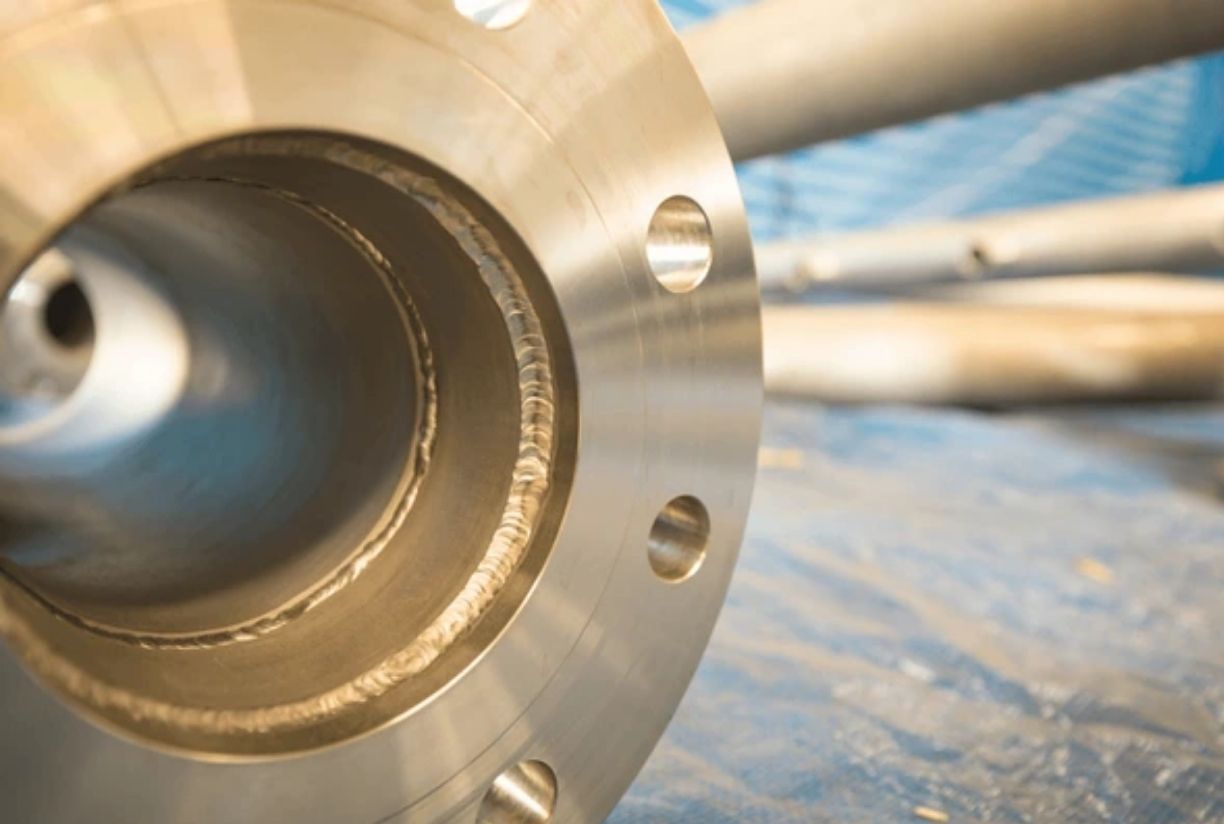
Table of Contents The Impact Of Certified Stainless Steel Passivation On Equipment Lifetime And Regulatory Compliance A Cost Benefit Comparison Of Passivation And Standard Coating For Long Term Facility Efficiency A Guide To Safe Surface Treatment With Certified Passivation For Minimal Downtime Why Stainless Steel Equipment Requires Professional Passivation For Sustainable Performance How Certified Passivation Meets International Quality Standards The Role Of Expert Passivation In Increasing Return On Investment For Stainless Steel Assets A Technical Guide To Stainless Steel Passivation For Corrosion Resistance And Lower Maintenance Costs The Impact Of Certified Stainless Steel Passivation On Equipment Lifetime And Regulatory Compliance Certified stainless steel passivation is a critical safe surface treatment that chemically enhances the innate corrosion resistance of stainless steel, forming a durable, invisible chromium oxide layer. In demanding industrial environments, even high-grade alloys are susceptible to pitting and crevice corrosion initiated by free iron contamination and welding scale. This degradation directly threatens asset integrity, product purity, and operational continuity. Implementing a certified passivation protocol is therefore a fundamental engineering practice to proactively extend equipment life and uphold the stringent requirements of international quality standards compliance. The technical process involves meticulous cleaning to remove all contaminants, followed by controlled immersion in an acid bath—typically nitric or citric acid—to dissolve free iron particles and promote the formation of the protective passive layer. The "certified" aspect is paramount, referring to adherence to strict protocols like ASTM A967 or AMS 2700, which ensure repeatable results and provide verifiable documentation for audits. This level of rigor, integral to a comprehensive process optimization consultancy, guarantees maximum corrosion resistance for industrial equipment such as tanks, mixers, and filter housings. Expertise from specialized firms like SS Proje engineering ensures this process is executed with precision, safeguarding critical assets. The operational and financial benefits are substantial. By preventing corrosion, passivation eliminates a primary cause of premature equipment failure, dramatically reducing maintenance costs and unplanned downtime. For facilities in regulated sectors like pharmaceuticals, food and beverage, and chemicals, this treatment is non-negotiable for validating clean-in-place (CIP) systems and ensuring product safety. This preventative measure is a cornerstone of sustainable facility solutions, as it minimizes waste from part replacement and maintains consistent, efficient process performance over decades rather than years. Ultimately, investing in certified passivation transforms stainless steel from a vulnerable material into a highly resilient one. It is a relatively low-cost intervention that delivers an exceptional return by protecting high-value capital equipment from degradation. This proactive approach to asset management is essential for any facility committed to long-term reliability, regulatory adherence, and operational excellence, ensuring that equipment not only survives but thrives in harsh industrial conditions. A Cost Benefit Comparison Of Passivation And Standard Coating For Long Term Facility Efficiency When selecting a surface protection strategy for industrial assets, the choice between certified stainless steel passivation and standard organic or epoxy coatings demands a rigorous cost-benefit analysis focused on lifecycle performance. While coatings apply an external layer that can chip, peel, or degrade over time, passivation is an electrochemical process that enhances the metal's inherent properties. This fundamental difference makes passivation the superior choice for applications demanding hygiene, durability, and long-term value, directly supporting goals for sustainable facility solutions and robust corrosion resistance for industrial equipment. The initial application cost of a standard coating may appear lower, but its lifecycle expenses are often significantly higher. Coatings require extensive surface preparation, are susceptible to damage during operation or cleaning, and necessitate frequent reapplication, leading to recurring costs and production interruptions. In contrast, safe surface treatment via passivation creates a integral oxide layer that cannot delaminate and actually self-repairs in the presence of oxygen. This inherent durability is a key factor to extend equipment life and is a central consideration in any thorough process optimization consultancy. For regulated industries, the compliance advantages of passivation are decisive. Coatings can harbor microorganisms, release particles, and complicate cleaning validation, posing significant risks to product quality and international quality standards compliance. Passivated surfaces, being monolithic and ultra-smooth, are inherently cleanable and sterilizable, making them essential for pharmaceutical, food, and biotechnology applications. Engineering partners like SS Proje engineering prioritize passivation for these critical systems to ensure unwavering reliability and audit-ready documentation. The long-term financial and operational benefits firmly establish passivation as the high-return option. It eliminates the maintenance cycles and downtime associated with coating repair, providing decades of reliable service with minimal intervention. By choosing this advanced safe surface treatment, facilities make a strategic investment in risk reduction, operational continuity, and total cost of ownership, securing a competitive edge through superior engineering and proven protection for high-value assets. A Guide To Safe Surface Treatment With Certified Passivation For Minimal Downtime A disciplined five-step protocol is essential for executing certified stainless steel passivation that delivers maximum protection with minimal disruption to production schedules. The process begins with a thorough alkaline cleaning to remove all organic residues, oils, and greases that could interfere with the chemical treatment. This is followed by a precise rinse with high-purity water to eliminate any cleaning agent traces, ensuring a contaminant-free surface. This meticulous preparation is the foundation of a truly effective safe surface treatment and is critical for achieving the desired corrosion resistance for industrial equipment. The core chemical stage involves controlled immersion in a passivation bath, typically using nitric or citric acid, which dissolves free iron particles from the surface without etching the base metal. The concentration, temperature, and immersion time are strictly controlled according to relevant standards like ASTM A967 to ensure consistency and certification. A subsequent neutralization and final rinse step removes all chemical residues, preparing the surface for the passive layer to form. This precision execution, a specialty of firms like SS Proje engineering, is integral to a comprehensive process optimization consultancy aimed at long-term asset protection. The final step is drying and documentation, where the component is dried completely to prevent water spotting and initiate the formation of the protective chromium oxide layer. A certificate of compliance is generated, providing auditable proof that the process meets international quality standards compliance. This documented process not only validates the treatment for regulatory purposes but also serves as a key record for lifecycle asset management. When planned effectively, this entire sequence can be completed during a planned maintenance window, minimizing impact on operations. Adhering to this structured five-step guide transforms passivation from a simple chemical process into a strategic reliability initiative. It ensures that critical assets like reactors, pipelines, and tanks receive uniform, verifiable protection that will extend equipment life for decades. This methodical approach is a cornerstone of sustainable facility solutions, as it maximizes asset utilization, reduces lifecycle costs, and builds a foundation of operational certainty that is essential for competitive industrial performance. Why Stainless Steel Equipment Requires Professional Passivation For Sustainable Performance Investing in professional certified stainless steel passivation is a non-negotiable strategy for asset managers targeting true sustainable performance. Stainless steel's corrosion resistance is not inherent but dependent on a continuous, uncontaminated chromium oxide layer that can be compromised during fabrication, welding, and handling. Without this vital safe surface treatment, even high-grade alloys are vulnerable to pitting, crevice corrosion, and surface contamination that degrade performance and shorten service life. This makes professional passivation a fundamental pillar of any long-term process optimization consultancy focused on lifecycle asset management. The first critical reason is contamination control. Fabrication processes embed microscopic iron particles into the stainless steel surface, which act as initiation sites for rust and corrosion. Professional passivation systematically removes these contaminants, restoring the material's innate resistance and ensuring product purity in sensitive applications. Secondly, the treatment provides unmatched corrosion resistance for industrial equipment operating in harsh chemical or high-humidity environments, directly helping to extend equipment life by decades. Specialized engineering providers like SS Proje engineering deliver this service with the precision required for critical assets. For regulated industries, the compliance imperative is paramount. Professional passivation provides verifiable documentation proving adherence to international quality standards compliance such as ASTM A967 and AMS 2700, which is essential for audit success in pharmaceutical, food, and chemical sectors. Furthermore, a properly passivated surface minimizes friction and biofilm adhesion, reducing energy consumption for pumping and cleaning while maintaining hygienic conditions. This contributes directly to operational efficiency and environmental goals. Ultimately, viewing passivation as a discretionary cost is a significant strategic error. It is a essential capital preservation technique that prevents exponentially higher expenses from premature asset replacement, product contamination, and regulatory non-compliance. By integrating this proven safe surface treatment into your maintenance philosophy, you secure not only the mechanical integrity of your equipment but also the operational reliability and regulatory standing of your entire facility, making it a cornerstone of modern industrial sustainability. How Certified Passivation Meets International Quality Standards For facilities operating under strict regulatory oversight, verifying surface treatment compliance is a critical operational requirement, not an optional audit exercise. Many surface treatments, including improper passivation methods or non-certified coatings, fail to meet the rigorous validation criteria demanded by global standards. Certified stainless steel passivation distinguishes itself by adhering to codified protocols like ASTM A967, AMS 2700, and ISO 16048, which provide a verifiable framework for achieving and demonstrating international quality standards compliance. This certification is the definitive proof that a safe surface treatment has been executed correctly. The certification process begins with meticulous documentation of every parameter, including chemical concentrations, bath temperatures, immersion times, and rinse water quality. Post-treatment verification tests, such as the copper sulfate test for free iron removal or salt spray testing for corrosion resistance, provide objective data confirming the treatment's efficacy. This level of traceability is essential for auditors and is a core deliverable of a professional process optimization consultancy. Engineering specialists like SS Proje engineering embed this documentation into their project lifecycle, ensuring full transparency and accountability. Beyond audit readiness, compliant passivation delivers direct operational advantages. The superior corrosion resistance for industrial equipment achieved through certified processes directly functions to extend equipment life and prevent contamination in sensitive processes. In industries like pharmaceuticals and food production, where surface cleanliness is synonymous with product safety, this compliance is non-negotiable. It ensures that equipment not only performs reliably but also protects brand reputation and consumer safety, aligning with the highest principles of sustainable facility solutions. Ultimately, choosing certified passivation is a strategic decision that mitigates regulatory risk while maximizing asset performance. It transforms a surface treatment from a potential liability into a documented asset, providing peace of mind and operational certainty. In an era of increasing regulatory scrutiny, this approach is indispensable for any facility committed to excellence, safety, and long-term market access, ensuring that every component meets the highest global benchmarks for quality and reliability. The Role Of Expert Passivation In Increasing Return On Investment For Stainless Steel Assets Maximizing the return on investment for high-value stainless steel assets requires a strategic approach that views equipment not as a purchase but as a long-term capital investment. While stainless steel is chosen for its durability, its performance and longevity are heavily dependent on the integrity of its protective oxide layer. Certified stainless steel passivation is the most cost-effective intervention to ensure this integrity, directly contributing to enhanced process optimization by eliminating corrosion-related inefficiencies and disruptions. This proactive safe surface treatment is a cornerstone of a sound asset management strategy. The financial return is realized through multiple channels. The most significant is the drastic extension of the asset's productive life; professional passivation can add decades of service by preventing the pitting and crevice corrosion that lead to failure. This directly defers massive capital expenditure on replacements. Furthermore, a passivated surface offers superior corrosion resistance for industrial equipment, which minimizes maintenance frequency, reduces spare part costs, and eliminates the production downtime associated with repairs. This holistic benefit is a key focus of any advanced process optimization consultancy. Expert execution is critical to achieving these returns. Proper passivation by specialists like SS Proje engineering involves rigorous cleaning, precise chemical treatment, and thorough verification to ensure the passive layer is fully formed and durable. This expertise guarantees that the treatment will consistently extend equipment life and meet the stringent requirements for international quality standards compliance, which is essential for facilities in regulated industries to avoid costly audit failures and production stoppages. When evaluated on a lifecycle cost basis, the ROI of expert passivation is exceptional. The initial investment is fractional compared to the avoided costs of premature asset replacement, unplanned downtime, and non-compliance penalties. This makes it a fundamental practice for achieving sustainable facility solutions, as it maximizes resource utilization and ensures that stainless steel assets deliver their full potential for reliability, efficiency, and value over their entire operational lifespan. A Technical Guide To Stainless Steel Passivation For Corrosion Resistance And Lower Maintenance Costs Stainless steel's renowned durability is contingent upon the integrity of its passive layer, a thin chromium oxide film that protects the base metal from oxidation. However, fabrication processes like welding, machining, and grinding contaminate the surface with free iron particles, compromising this natural defense and creating sites for corrosive attack. Certified stainless steel passivation is the engineered solution to this vulnerability, a chemical safe surface treatment that restores and enhances the material's innate corrosion resistance for industrial equipment. This process is fundamental to achieving long-term reliability and significantly reducing lifecycle maintenance costs. The technical procedure is a sequence of controlled steps. It begins with an alkaline clean to remove all organic soils, followed by a vigorous water rinse. The critical phase is immersion in a passivating acid bath—nitric or citric acid—which selectively dissolves the embedded free iron without significantly attacking the chromium-rich base metal. Parameters such as concentration, temperature, and contact time are strictly controlled according to standards like ASTM A967 to ensure a consistent, high-quality result. This precision, a hallmark of providers like SS Proje engineering, is essential for a successful outcome that will reliably extend equipment life. The benefits of this meticulous approach are direct and substantial. By eliminating the initiation points for corrosion, passivation prevents pitting and rust, which are primary causes of equipment failure and costly repairs. This leads to a dramatic reduction in maintenance frequency and spare part consumption. For process engineers, this translates into predictable operational budgets and minimized unplanned downtime. This strategic advantage is a key component of a comprehensive process optimization consultancy, focusing on total cost of ownership rather than isolated expenses. Ultimately, integrating certified passivation into your asset management protocol is a powerful strategy for sustainable facility solutions. It ensures compliance with international quality standards, protects your capital investment, and delivers a high return through avoided downtime and replacement costs. This technical guide underscores that passivation is not a minor finishing step but a critical engineering process that unlocks the full performance potential of stainless steel, ensuring it delivers decades of reliable, cost-effective service in the most demanding industrial environments.
See More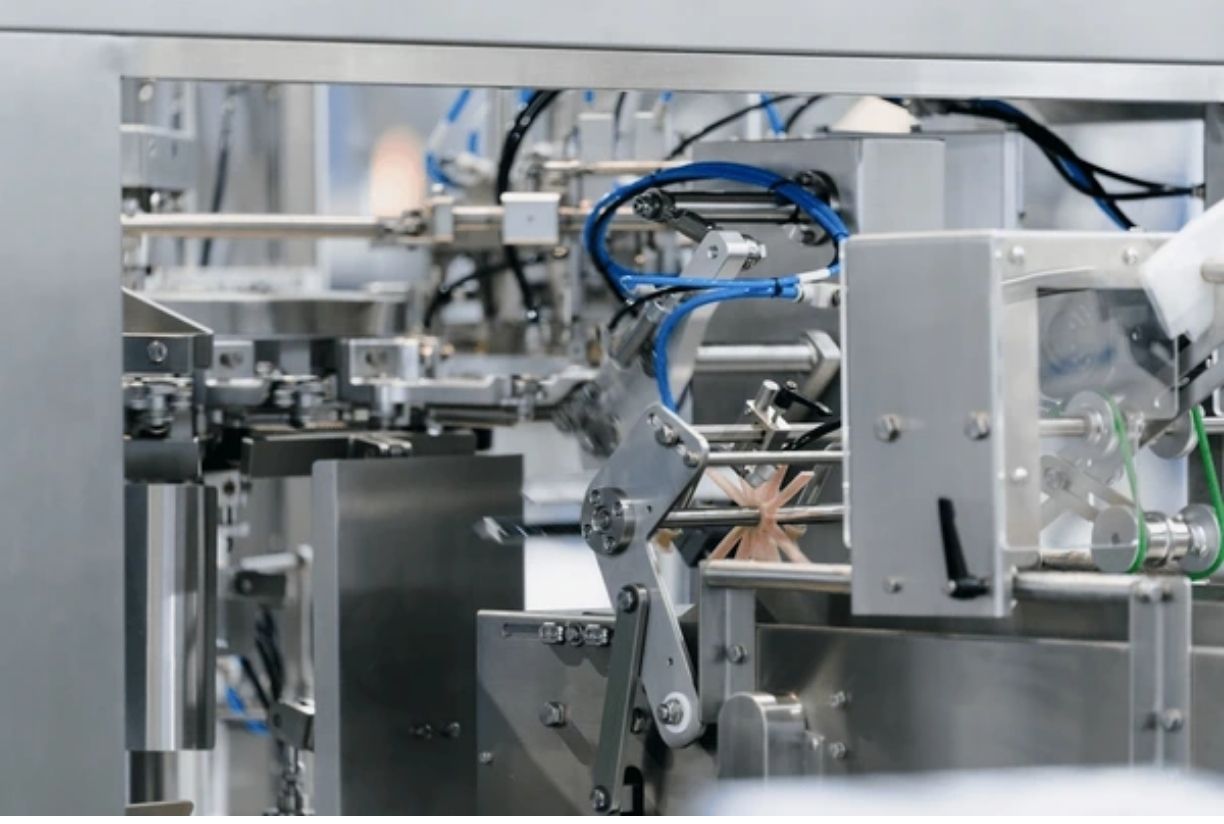
Table of Contents A KPI Driven Process Optimization Plan For Industrial Efficiency And Return On Investment Steps To Implement Performance Improvement That Reduce Downtime And Maintenance Costs Aligning KPIs With Sustainable Operations For Energy Savings And Compliance Critical KPIs Supporting Equipment Lifetime And Scalable Production A Data Driven Comparison Of Process Optimization ROI And Reactive Maintenance How Performance Improvement Plans Support Regulatory Compliance And Reduce Operational Risk A KPI Driven Improvement Framework For End To End Operational Reliability Integrating International Quality Standards Into Process Improvement Strategies A KPI Driven Process Optimization Plan For Industrial Efficiency And Return On Investment For production and process managers, achieving quantifiable gains in industrial facility efficiency requires a strategic, data-centric methodology. A meticulously designed process optimization plan anchored in Key Performance Indicators (KPIs) transforms operational data into actionable intelligence, directly linking engineering interventions to measurable ROI through reduced downtime and energy savings. This systematic approach to KPI-focused process improvement moves beyond reactive maintenance, establishing a proactive framework for continuous enhancement of operational reliability engineering and long-term asset performance. The core of this strategy involves mapping KPIs directly to critical equipment performance and process flows. This is where robust industrial equipment manufacturing and precise installation become foundational. For instance, monitoring the thermal efficiency of custom-designed heat exchangers or the flow rates through specialized industrial equipment like filter housings and mixers provides granular data. Integrating these performance enhancement KPIs allows for predictive adjustments that prevent costly failures, optimize throughput, and significantly extend equipment life, as delivered by specialized engineering firms like SS Proje. Effective implementation extends beyond hardware to encompass comprehensive project consultancy passivation and systematic validation. Passivation services ensure the long-term integrity of stainless-steel systems, a critical factor for compliance with international quality standards and preventing contamination. This end-to-end view, from initial project consultancy and design through field installation and post-commissioning optimization, ensures that the process optimization plan is fully realized, delivering sustained operational and financial benefits. Ultimately, a well-executed KPI-driven plan is the cornerstone of sustainable facility solutions. By aligning engineering excellence with precise performance metrics, facilities can achieve a virtuous cycle of efficiency gains, risk reduction, and regulatory adherence. This strategic focus on industrial facility efficiency and reliability not only maximizes immediate ROI but also future-proofs operations against evolving market and compliance demands, securing a competitive advantage through superior engineering and data-informed management. Steps To Implement Performance Improvement That Reduce Downtime And Maintenance Costs Unplanned downtime represents a critical financial drain for industrial facilities, making a proactive performance enhancement strategy essential for safeguarding profitability. The goal is to transition from reactive repairs to a predictive model where KPI-focused process improvement dictates maintenance schedules, directly targeting reductions in both downtime and maintenance costs. This strategic shift is foundational to achieving superior industrial facility efficiency and requires a disciplined, phased approach to implementation. The initial step involves a comprehensive operational audit, a core component of expert project consultancy, to establish a performance baseline. This audit must identify critical assets and map their performance against key metrics, creating a clear process optimization plan. For high-wear components integral to industrial equipment manufacturing—such as seals in mixers or heating elements in heat exchangers—this baseline enables the setting of precise performance enhancement KPIs that signal the need for intervention before failure occurs. Implementation then focuses on integrating robust monitoring technologies with high-quality equipment. Utilizing precision-engineered assets from reputable sources ensures inherent reliability, a principle central to operational reliability engineering. Furthermore, incorporating project consultancy passivation into the strategy protects system integrity, preventing corrosion-related failures in tanks and piping that lead to unplanned shutdowns. This holistic view, as delivered by specialized engineering firms like SS Proje, treats the entire facility as an interconnected system. Ultimately, the successful deployment of this strategy culminates in a state of continuous, data-driven optimization. The result is a significant extension of equipment life, a dramatic reduction in corrective maintenance, and a marked improvement in overall industrial facility efficiency. This disciplined approach forms the bedrock of truly sustainable facility solutions, where minimized operational disruptions and controlled costs unlock long-term value and reinforce a competitive market position through unparalleled reliability. Aligning KPIs With Sustainable Operations For Energy Savings And Compliance The drive for sustainable facility solutions necessitates a strategic alignment where environmental goals and operational performance are mutually reinforcing. A framework that systematically links performance enhancement KPIs to energy consumption and compliance metrics transforms sustainability from an abstract goal into a measurable driver of industrial facility efficiency. This approach ensures that every operational improvement, guided by a precise process optimization plan, concurrently advances energy savings and regulatory adherence. Effective alignment begins with selecting KPIs that directly reflect resource utilization and system integrity. For instance, monitoring the specific energy consumption of key assets like heat exchangers or the water efficiency of cleaning processes tied to project consultancy passivation provides actionable data. This data-centric KPI-focused process improvement methodology enables engineers to pinpoint inefficiencies, optimize thermal transfer, and validate that equipment from specialist industrial equipment manufacturing meets the highest environmental standards. The integration of this framework requires a holistic view of the facility's lifecycle, a core tenet of robust operational reliability engineering. From the initial design phase, where expert project consultancy ensures systems are built for minimal energy waste, through to installation and ongoing optimization, sustainability KPIs must be continuously tracked. This end-to-end perspective, as exemplified by engineering partners like SS Proje, ensures that compliance is not a periodic audit but a built-in, daily operational reality supported by durable, high-performance systems. By embedding sustainability directly into performance management, facilities achieve a powerful synergy between economic and environmental outcomes. This strategic framework not only secures compliance and reduces energy costs but also enhances overall equipment longevity and system reliability. The result is a resilient operation where sustainable facility solutions are intrinsically linked to superior financial performance, future-proofing the business against evolving regulations and resource constraints. Critical KPIs Supporting Equipment Lifetime And Scalable Production Achieving scalable production while extending asset longevity hinges on a disciplined process optimization plan governed by specific, actionable metrics. Selecting the right performance enhancement KPIs is paramount for any KPI-focused process improvement initiative, as they provide the data-driven foundation for predictive maintenance and capacity expansion. The first critical KPI is Overall Equipment Effectiveness (OEE), which quantifies availability, performance, and quality to provide a holistic view of industrial facility efficiency. Mean Time Between Failures (MTBF) is a second vital metric for maximizing equipment life, directly reflecting the success of operational reliability engineering principles. A rising MTBF indicates robust systems and effective maintenance strategies. Third, tracking energy consumption per unit produced is essential for sustainable facility solutions, linking operational output directly to resource use and cost control. This is particularly relevant for energy-intensive industrial equipment manufacturing assets like industrial ovens or large-scale mixers. The fourth indispensable KPI is compliance rate against international quality and environmental standards, ensuring that scalability does not compromise regulatory integrity. This is where incorporating services like project consultancy passivation into the maintenance schedule becomes a measurable indicator of system hygiene and longevity. Finally, production throughput variability serves as the fifth key metric, identifying bottlenecks and enabling smooth, scalable output increases. Integrating these KPIs requires expert project consultancy to ensure accurate data collection and interpretation. Collectively, these five KPIs form a powerful dashboard for strategic decision-making. When monitored as part of a comprehensive performance management system, as delivered by specialized engineering firms like SS Proje, they enable facilities to proactively manage asset health while confidently planning for growth. This systematic approach transforms reactive operations into a model of predictable, scalable, and sustainable facility solutions, securing long-term competitive advantage through superior asset management and operational intelligence. A Data Driven Comparison Of Process Optimization ROI And Reactive Maintenance For industrial decision-makers, the choice between a proactive process optimization plan and a reactive maintenance model is fundamentally a strategic financial decision. While reactive approaches may seem to lower short-term capital expenditure, they incur hidden costs through unplanned downtime, emergency repairs, and accelerated asset degradation. In contrast, a data-driven investment in KPI-focused process improvement delivers a clear, calculable ROI by systematically enhancing industrial facility efficiency and equipment longevity. The financial superiority of optimization is evident when analyzing direct cost factors. Reactive maintenance leads to higher labor costs for emergency call-outs and often requires expensive overnight parts shipping. A strategic process optimization plan, guided by precise performance enhancement KPIs, schedules maintenance during planned outages, leverages bulk purchasing for parts, and prevents catastrophic failures. This approach is bolstered by high-quality industrial equipment manufacturing and services like project consultancy passivation, which intrinsically reduce failure rates. Beyond direct costs, the operational impact creates a decisive ROI advantage. Unplanned downtime from reactive strategies halts production and risks missing delivery deadlines, damaging customer relationships and revenue. A proactive framework, rooted in operational reliability engineering, maximizes uptime and throughput consistency. This level of predictability is essential for scalable growth and is a hallmark of sustainable facility solutions implemented by expert partners. The most compelling data points to long-term value creation. Reactive maintenance slowly erodes asset base value, while a proactive KPI-focused process improvement strategy, as delivered by specialized engineering firms like SS Proje, extends the functional life of critical equipment. This not only defers major capital replacements but also ensures continuous compliance and operational excellence. The ROI of optimization is not merely a reduction in costs but a strategic investment in a more resilient, profitable, and competitive industrial operation built for the future. How Performance Improvement Plans Support Regulatory Compliance And Reduce Operational Risk In today's industrial landscape, regulatory compliance and operational risk are inextricably linked, where a single failure can result in significant fines, production stoppages, and reputational damage. A structured performance enhancement plan serves as a critical defense mechanism, transforming compliance from a passive obligation into an active, data-driven component of operational reliability engineering. This proactive approach embeds regulatory requirements directly into the core process optimization plan, systematically mitigating risk while driving industrial facility efficiency. The plan's effectiveness hinges on defining specific performance enhancement KPIs that monitor compliance-critical parameters. For example, in hygienic industries, tracking passivation cycles and surface integrity through dedicated project consultancy passivation services provides auditable proof of material safety compliance. Similarly, monitoring emissions from combustion systems or effluent quality from treatment tanks ensures adherence to environmental standards. This methodology of KPI-focused process improvement creates a continuous compliance dashboard, moving beyond sporadic audits. Risk reduction is further achieved by integrating compliance into equipment specifications and maintenance protocols. Sourcing from reputable industrial equipment manufacturing partners guarantees that assets like pressure vessels and heat exchangers are certified to international standards from inception. When expert project consultancy guides the entire project lifecycle, every installation and optimization step is validated against risk matrices, preventing non-conformities that lead to operational hazards and costly retrofits. Ultimately, a well-executed performance enhancement plan, as delivered by specialized engineering firms like SS Proje, creates a culture of proactive compliance and risk awareness. This strategic framework not only safeguards against regulatory penalties but also minimizes the operational risks associated with equipment failure and process deviations. By aligning continuous improvement with strict adherence to standards, facilities unlock a higher level of sustainable facility solutions, where compliance becomes a competitive advantage that ensures long-term operational integrity and market trust. A KPI Driven Improvement Framework For End To End Operational Reliability For industrial facilities aiming for peak performance, achieving true end-to-end operational reliability and maximum asset longevity requires more than isolated upgrades; it demands an integrated framework. Constructing a KPI-focused process improvement framework ensures that every decision, from initial design to daily operations, is guided by data that directly correlates to durability and uptime. This systematic approach transforms the overarching goal of industrial facility efficiency into a measurable, manageable reality across the entire asset lifecycle. The framework's foundation is a comprehensive process optimization plan that establishes clear performance enhancement KPIs for each critical system. This begins at the design phase, where expert project consultancy specifies equipment from certified industrial equipment manufacturing sources, building reliability in from the start. For instance, selecting corrosion-resistant materials and integrating scheduled project consultancy passivation as a KPI directly extends the service life of tanks and piping networks, a core principle of operational reliability engineering. Implementation involves creating feedback loops where field data continuously informs maintenance and optimization strategies. Monitoring vibration analysis on mixers or thermal efficiency on heat exchangers provides early warning signs of degradation, allowing for interventions that prevent catastrophic failure. This live-data approach ensures that the process optimization plan is a dynamic tool, constantly refined to enhance performance and predictability, a methodology championed by specialized engineering partners like SS Proje. The ultimate value of this framework is its ability to deliver sustained, long-term results. By aligning every operational activity with KPIs focused on reliability and longevity, facilities systematically reduce downtime, lower lifetime maintenance costs, and defer major capital expenditures. This strategic focus is the essence of sustainable facility solutions, creating a resilient operation where superior industrial facility efficiency and extended asset life become the defining characteristics of a market-leading enterprise. Integrating International Quality Standards Into Process Improvement Strategies Integrating international quality standards directly into a continuous improvement strategy is no longer a bureaucratic exercise but a core driver of competitive advantage and operational excellence. Treating compliance as an integral output of your process optimization plan ensures that quality is engineered into every process, rather than inspected in afterward. This proactive alignment is fundamental to achieving genuine sustainable facility solutions and superior industrial facility efficiency. A primary tactic involves translating standard requirements into specific, measurable performance enhancement KPIs. For instance, a standard mandating material purity can be operationalized by monitoring passivation efficacy through dedicated project consultancy passivation services and tracking related parameters. This transforms abstract clauses into actionable data points within a KPI-focused process improvement framework, making compliance a daily, managed outcome rather than an annual audit event. Another critical tactic is embedding standards compliance into the equipment lifecycle from the very beginning. This starts with sourcing critical components like filter housings and heat exchangers from industrial equipment manufacturing partners who provide full certification and traceability. During installation, expert project consultancy ensures that all field work meets the prescribed specifications, a cornerstone of robust operational reliability engineering. This end-to-end diligence, as practiced by firms like SS Proje, prevents costly non-conformities and rework. The cumulative effect of these tactics is a resilient operation where quality and efficiency are synergistic. By building international standards directly into the performance management system, facilities not only guarantee regulatory compliance but also unlock higher levels of reliability and process control. This strategic integration is the hallmark of forward-thinking sustainable facility solutions, delivering sustainable results through reduced waste, enhanced product quality, and a reputation for unwavering excellence that drives long-term customer trust and market value.
See More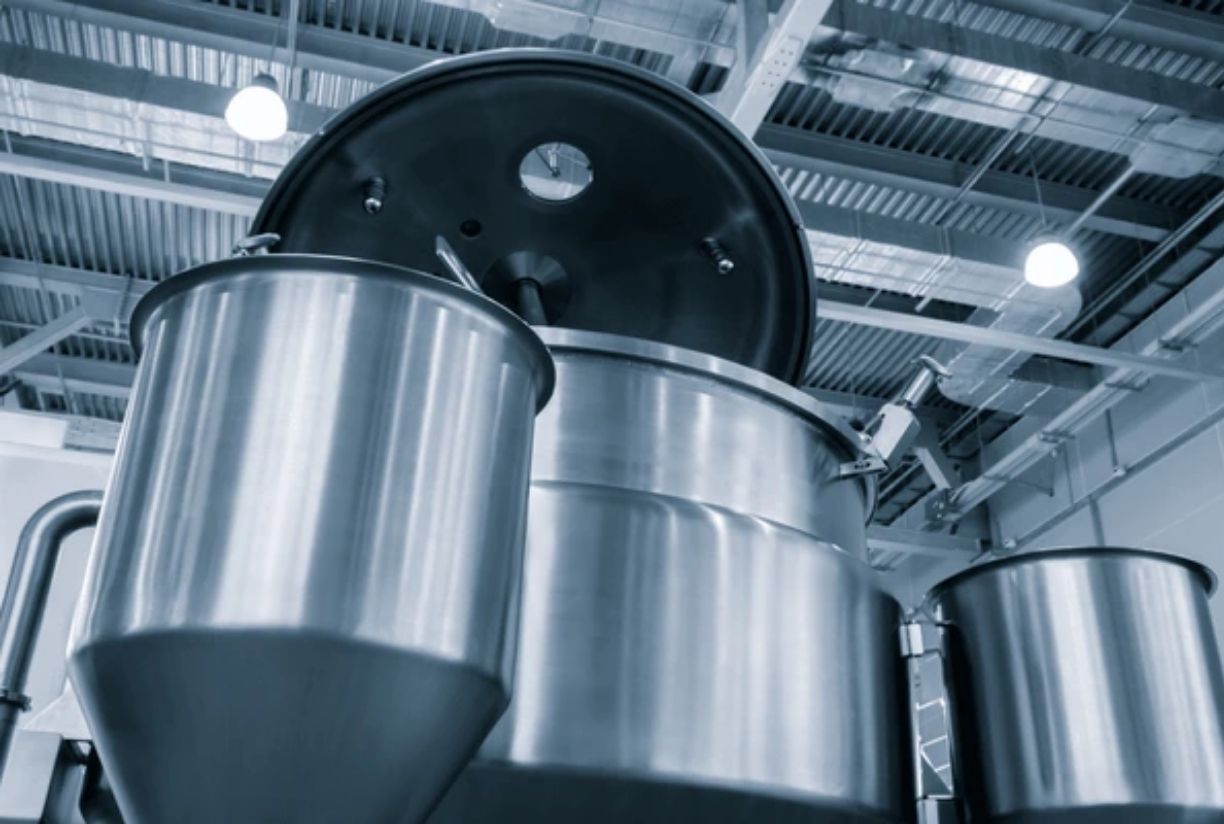
Table of Contents Process Optimization And Extended Equipment Life Through Professional Mixer Manufacturing And Installation A Guide To Reducing Maintenance Costs And Improving Facility Efficiency With Custom Industrial Mixers Key Benefits Of Integrated Mixer Manufacturing And Commissioning For Sustainable Facility Performance Standard And Custom Designed Mixer Comparison For Operational Reliability Scalable Production Through End To End Mixer Manufacturing And Commissioning Services Regulatory Compliance And Long Term Return On Investment With Professionally Installed Industrial Mixer Systems A Practical Guide To Risk Reduction And Energy Savings Through Expert Mixer Manufacturing And On Site Installation Process Optimization And Extended Equipment Life Through Professional Mixer Manufacturing And Installation Inconsistent mixing and premature equipment degradation are primary obstacles to achieving peak facility efficiency engineering solutions in chemical, food, and pharmaceutical processing. These issues directly lead to product variability, excessive energy consumption, and unplanned maintenance cycles that disrupt production flow. Overcoming these challenges requires a strategic approach to industrial mixer manufacturing and installation that prioritizes process compatibility from the outset. The goal is not merely equipment replacement but a holistic upgrade that integrates mixing technology directly into optimization strategies, ensuring every component from the agitator to the drive system is engineered for longevity and peak performance under specific operational conditions. The core of maximizing value lies in the initial project phase, where expert project consultancy for operational reliability translates operational data into precise mixer design specifications. This involves selecting corrosion-resistant alloys, optimizing impeller geometry for superior homogeneity, and integrating variable frequency drives for dynamic control. Firms specializing in tank and mixer installation services ensure structural integrity and perfect alignment during commissioning, eliminating vibrational stresses that shorten equipment life. This precision in process optimization with custom mixers directly translates to energy savings, reduced shear on sensitive products, and a significant extension of the mean time between failures. A critical yet often overlooked step is the application of rigorous industrial passivation and commissioning protocols post-installation. Passivation creates a protective chromium oxide layer on stainless steel surfaces, drastically improving corrosion resistance and ensuring product purity, which is vital for compliance with international standards. Proper commissioning involves meticulous testing under load to verify performance metrics, ensuring the system delivers the promised facility efficiency engineering solutions before full-scale operation begins. This comprehensive approach, as delivered by specialized engineering firms like SS Proje, turns a simple equipment installation into a long-term strategic asset. The ultimate return on investment is realized through sustained operational gains and minimized lifecycle costs. A professionally executed industrial mixer manufacturing and installation project delivers measurable outcomes consistent batch quality, up to 30 percent reductions in power consumption, and a dramatic decrease in unscheduled downtime. This commitment to sustainable industrial equipment ensures compliance with evolving environmental and safety regulations while future-proofing your production capabilities. Investing in this integrated methodology is the most effective strategy for securing a competitive edge through superior process optimization with custom mixers and unparalleled equipment durability. A Guide To Reducing Maintenance Costs And Improving Facility Efficiency With Custom Industrial Mixers Unplanned maintenance and suboptimal mixing processes are significant drains on operational budgets and facility efficiency engineering solutions, often stemming from generic, off-the-shelf equipment that fails to meet specific process demands. The strategic implementation of custom industrial mixer solutions presents a direct pathway to curbing these costs while simultaneously boosting overall plant performance. This begins with a deep analysis of the application, where factors like viscosity, abrasion, and corrosion potential inform a design that inherently reduces wear and energy consumption. Engaging in expert project consultancy for operational reliability at this stage is crucial for identifying the root causes of inefficiency and specifying mixers built for durability rather than frequent repair. The design phase focuses on selecting robust materials and advanced mechanical configurations that directly target cost drivers. Utilizing high-grade stainless steels, specialized shaft seals, and optimized impeller designs minimizes friction, corrosion, and mechanical stress the primary culprits behind component failure. This meticulous approach to industrial mixer manufacturing and installation ensures that every aspect of the equipment is engineered for a long service life with minimal intervention. Furthermore, professional tank and mixer installation services guarantee perfect alignment and secure mounting, preventing the misalignment issues that lead to premature bearing and gearbox failure, which are major contributors to maintenance budgets. Post-installation protocols are equally critical for sustaining these gains. A comprehensive industrial passivation and commissioning process is not an optional extra but a fundamental requirement for protecting the investment. Passivation enhances the material's inherent corrosion resistance, safeguarding product purity and extending the asset's lifespan significantly. The commissioning phase rigorously tests the system under real-world conditions, validating performance and ensuring the process optimization with custom mixers delivers the promised efficiency and reliability before full production commences. This level of diligence, as practiced by firms like SS Proje, transforms a capital expenditure into a long-term value generator. The cumulative effect of this engineered approach is a dramatic reduction in total cost of ownership and a consistent improvement in facility efficiency engineering solutions. Facilities experience fewer production stoppages, lower spare parts inventories, and reduced labor costs associated with reactive maintenance. Investing in sustainable industrial equipment through a tailored industrial mixer manufacturing and installation project is a proactive strategy that secures operational reliability, ensures compliance, and delivers a superior return on investment by fundamentally re-engineering the maintenance and efficiency profile of your production line. Key Benefits Of Integrated Mixer Manufacturing And Commissioning For Sustainable Facility Performance Adopting a fragmented approach to procuring and installing mixing equipment often leads to compatibility issues, performance gaps, and hidden costs that undermine sustainable facility performance. In contrast, an integrated methodology that combines custom industrial mixer manufacturing and installation with rigorous commissioning creates a seamless system optimized for long-term value. This holistic process begins with detailed project consultancy for operational reliability, ensuring the mixer design is perfectly aligned with specific process parameters and sustainability goals from the outset. The primary benefit is the elimination of interface problems between the mixer, tank, and process controls, which directly enhances system integrity and operational predictability. The most significant advantage is the direct enhancement of facility efficiency engineering solutions through precision engineering. When manufacturing and commissioning are managed by a single entity, every component from the motor and gearbox to the impeller is selected and tested for optimal energy consumption and minimal mechanical stress. This integrated approach enables superior process optimization with custom mixers, as the equipment is fine-tuned to achieve perfect homogeneity with the least possible power input. Furthermore, professional tank and mixer installation services ensure structural harmony, preventing vibrational energy losses and protecting ancillary equipment from premature wear. A cornerstone of sustainable performance is the inclusion of comprehensive industrial passivation and commissioning. This step is integral to the integrated model, providing a controlled, clean, and corrosion-resistant surface that extends the equipment's functional life and maintains product purity. The commissioning process validates all performance metrics under actual load conditions, guaranteeing that the system delivers on its efficiency promises before it enters continuous operation. This end-to-end accountability, as delivered by specialized engineering firms like SS Proje, ensures that the installation of sustainable industrial equipment is a one-time, high-value investment rather than a source of recurring problems. The culmination of these integrated efforts is a robust platform for achieving and maintaining certified sustainable facility performance. Facilities benefit from a dramatically reduced carbon footprint due to lower energy consumption, alongside minimal waste generation from fewer component replacements. This methodology not only meets but exceeds international environmental and quality standards, future-proofing the operation against regulatory changes. By investing in an integrated industrial mixer manufacturing and installation solution, managers secure a resilient, efficient, and compliant production asset that delivers consistent performance and tangible ROI for decades. Standard And Custom Designed Mixer Comparison For Operational Reliability The choice between standard, off-the-shelf mixers and custom-engineered solutions represents a fundamental decision impacting long-term operational reliability and total cost of ownership. Standard units offer a lower initial price but are designed for generalized applications, often leading to compatibility issues, inefficient performance, and higher lifetime maintenance in specialized processes. In contrast, a comprehensive industrial mixer manufacturing and installation service delivers a system precisely tailored to your specific media, vessel geometry, and production goals. This comparison highlights that true value is measured not by upfront cost but by sustained performance, energy efficiency, and minimal unplanned downtime over the equipment's entire lifecycle. Standard mixers frequently force processes to adapt to the equipment's limitations, resulting in suboptimal mixing, excessive energy use, and accelerated wear on components not suited to the application's demands. This approach negates the potential for genuine process optimization with custom mixers. Custom-engineered solutions, developed through expert project consultancy for operational reliability, invert this paradigm. Every element from the metallurgy selected for corrosion resistance to the impeller design optimized for flow patterns is calculated to enhance facility efficiency engineering solutions. Professional tank and mixer installation services further ensure perfect integration, eliminating the misalignment and vibrational issues common with standardized fittings. The disparity becomes most evident during commissioning and long-term operation. A standard mixer is typically started with minimal verification, risking process inconsistencies and early failures. A custom solution includes rigorous industrial passivation and commissioning, a critical phase that guarantees performance, ensures sanitary standards, and extends asset life. This process confirms that the mixer operates at peak efficiency from day one, delivering the promised benefits of sustainable industrial equipment. This level of assurance, as provided by firms like SS Proje, transforms the equipment from a commodity into a strategic, reliable production asset. Ultimately, the investment in a custom-engineered system with full installation support proves more economical and effective for achieving certified operational reliability. The higher initial cost is offset by significant reductions in energy consumption, maintenance expenses, and production losses due to downtime. This approach future-proofs your facility, ensuring compliance with evolving standards and providing a scalable platform for growth. Choosing a tailored industrial mixer manufacturing and installation is a definitive commitment to long-term productivity, sustainability, and operational excellence. Scalable Production Through End To End Mixer Manufacturing And Commissioning Services Unplanned shutdowns and inflexible production capacity are critical bottlenecks that prevent industrial facilities from reaching their full potential for growth and profitability. Achieving minimal downtime and scalable production requires a proactive engineering strategy that moves beyond simple equipment replacement to a holistic system integration. This is precisely where an end-to-end approach to industrial mixer manufacturing and installation delivers transformative results. By engaging in thorough project consultancy for operational reliability from the initial design phase, facilities can engineer out common failure points and build scalability directly into the mixing system's DNA, ensuring it can adapt to future increases in volume or changes in product formulation without requiring a complete overhaul. The foundation for continuous operation lies in robust design and flawless integration. Custom-engineered mixers are built with heavy-duty components, advanced sealing technologies, and corrosion-resistant materials selected through precise process optimization with custom mixers analysis. This inherent durability drastically reduces the frequency of maintenance interventions and the risk of catastrophic failure. Furthermore, professional tank and mixer installation services are crucial for ensuring perfect alignment and structural support, eliminating vibrational harmonics that cause premature wear and unplanned stops. This meticulous installation is a cornerstone of reliable facility efficiency engineering solutions, creating a system that runs smoothly under continuous demand. The commissioning phase is where operational readiness is validated and future scalability is assured. A comprehensive industrial passivation and commissioning protocol not only protects the equipment through enhanced surface treatment but also involves rigorous performance testing across a range of expected operating conditions. This process verifies that the system can handle peak loads and confirms that all safety and efficiency metrics are met before production begins. For specialized engineering providers like SS Proje, this step ensures that the installation of sustainable industrial equipment is a guaranteed success, not a potential liability. Investing in this comprehensive methodology transforms a mixing system from a maintenance-heavy asset into a driver of predictable, scalable growth. The result is a production line characterized by exceptional availability, the ability to seamlessly ramp up output, and significantly lower operating costs. This strategic approach to industrial mixer manufacturing and installation provides the operational resilience and flexibility needed to respond quickly to market opportunities, secure a competitive advantage, and build a foundation for long-term, sustainable expansion without the constant threat of disruptive downtime. Regulatory Compliance And Long Term Return On Investment With Professionally Installed Industrial Mixer Systems In today's stringent industrial landscape, regulatory compliance and financial performance are inextricably linked, with non-compliance carrying risks of fines, production halts, and reputational damage. A professionally executed industrial mixer manufacturing and installation project serves as a critical safeguard, ensuring that mixing systems not only meet but exceed international standards for safety, hygiene, and environmental impact. This proactive approach, initiated through expert project consultancy for operational reliability, embeds compliance into the very design of the equipment, selecting certified materials, hygienic designs, and safety features that preemptively address regulatory requirements. This foundational work is essential for achieving a superior long-term ROI, as it prevents costly retrofits and legal complications down the line. The path to guaranteed compliance is paved with precision engineering and validated processes. True process optimization with custom mixers involves designing for cleanability, material traceability, and containment, which are paramount in sectors like pharmaceuticals and food processing. Professional tank and mixer installation services ensure that all connections, supports, and electrical integrations adhere to strict codes, eliminating potential points of failure during audits. This meticulous attention to detail during installation is a core component of robust facility efficiency engineering solutions, creating a system that is inherently safe, reliable, and audit-ready from its first day of operation. Perhaps the most decisive step for both compliance and longevity is the implementation of a full industrial passivation and commissioning protocol. Passivation creates the passive layer required for corrosion resistance in stainless steel, a non-negotiable requirement for product purity in regulated industries. The commissioning process generates a comprehensive documentation package including test results, material certificates, and performance data that serves as irrefutable proof of compliance. This level of thoroughness, as delivered by specialized firms like SS Proje, certifies the installation of sustainable industrial equipment and provides the documented evidence necessary for regulatory approvals. The ultimate return on this disciplined engineering approach is a mixing system that operates as a low-risk, high-efficiency asset for its entire lifecycle. The avoidance of compliance-related stoppages, combined with the energy savings and minimal maintenance of a correctly installed system, creates a powerful financial advantage. Investing in a certified industrial mixer manufacturing and installation process is not an expense but a strategic move that protects your license to operate, enhances your brand's reputation for quality, and delivers compounding financial returns through uninterrupted, efficient, and fully compliant production. A Practical Guide To Risk Reduction And Energy Savings Through Expert Mixer Manufacturing And On Site Installation Industrial facilities face significant operational risks and escalating energy costs, often stemming from mixing systems that are inefficient, poorly integrated, or prone to failure. Expert-led industrial mixer manufacturing and installation provides a systematic framework for mitigating these challenges by addressing their root causes through precision engineering. This process begins with a thorough project consultancy for operational reliability to identify specific risk factors such as seal failure, motor overload, or product contamination and design them out of the system from the start. The subsequent focus on process optimization with custom mixers ensures that energy consumption is minimized by matching the mixer's power and torque characteristics exactly to the process requirements, eliminating wasteful oversizing. The most effective risk reduction is achieved through robust design and flawless field execution. Custom manufacturing allows for the selection of superior materials and advanced mechanical designs that inherently lower the probability of breakdowns. For instance, precision-machined components and high-performance seals drastically reduce the risk of leaks and bearing failures. Professional tank and mixer installation services are equally critical, as improper mounting is a primary source of vibration, misalignment, and premature wear. This meticulous installation is a fundamental pillar of reliable facility efficiency engineering solutions, ensuring structural integrity and optimal power transmission for maximum energy savings. Long-term risk management and energy efficiency are locked in during the final quality assurance stages. A comprehensive industrial passivation and commissioning process serves as a final verification, protecting the equipment against corrosion and validating its performance under real load conditions. This step confirms that the system operates within its designed efficiency envelope, delivering the promised energy savings and operational safety. For engineering providers like SS Proje, this rigorous protocol ensures that the installation of sustainable industrial equipment is a low-risk, high-return investment. By adopting this engineered approach, facilities transform their mixing operations from a source of vulnerability into a model of efficiency and reliability. The cumulative effect is a dramatic reduction in both operational risk and energy expenditures, leading to a lower total cost of ownership and a smaller environmental footprint. Investing in expert industrial mixer manufacturing and installation is therefore a strategic decision that directly safeguards production continuity, enhances sustainability credentials, and delivers measurable financial returns through consistent, energy-optimized performance year after year.
See More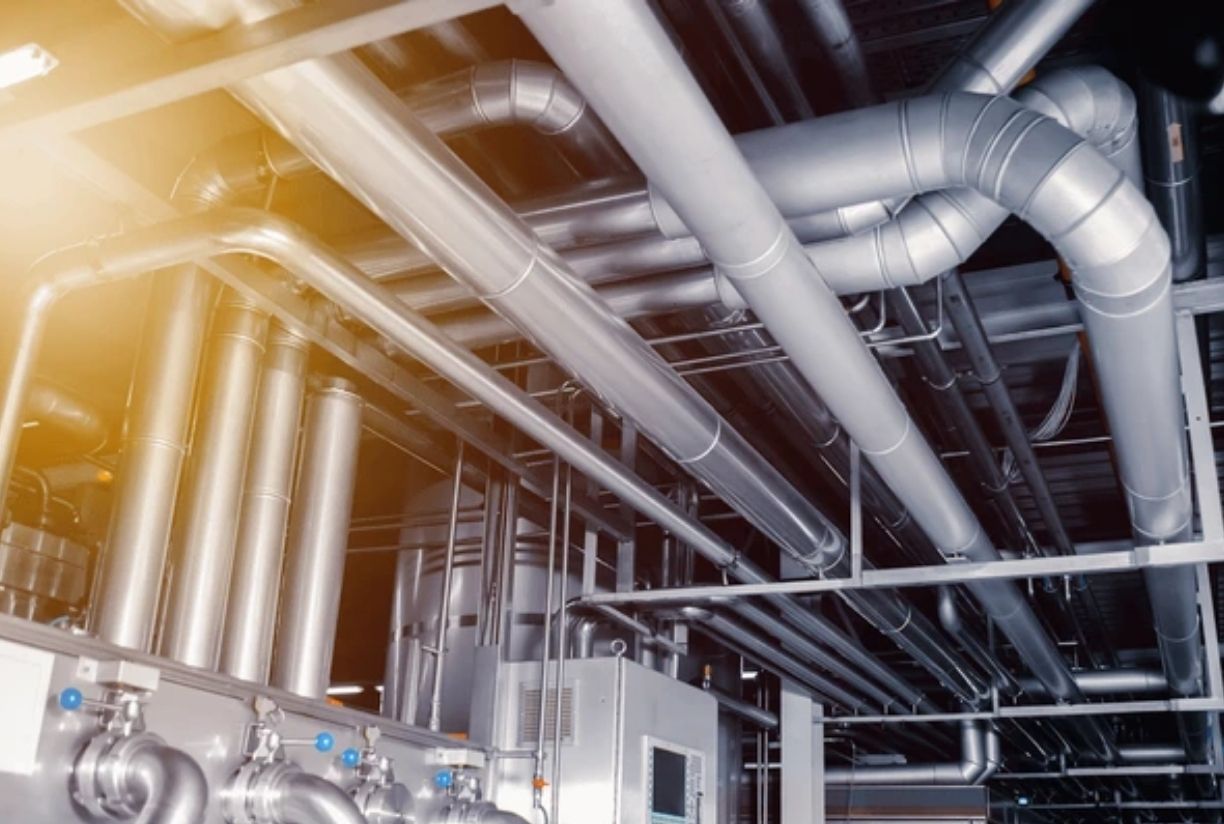
Table of Contents A Guide To Selecting FDA And EMA Compliant Filter Housings For Pharmaceutical And Food Production Filter Housing Design Features That Reduce Operating Costs And Extend Service Life A Technical Comparison Of Stainless Steel And Alternative Materials For Filter Housings A Process Engineering Guide To Optimizing Filtration Systems For Scalable Production Pharmaceutical Filter Housing Validation Steps Supporting GMP Compliance And Risk Reduction Filter Housing Design Supporting Energy Efficiency And Reduced Maintenance In Food Processing The Impact Of Automated Sterilization Systems In Modern Filter Housings On Process Consistency A Guide To Selecting FDA And EMA Compliant Filter Housings For Pharmaceutical And Food Production Selecting a pharmaceutical filter housing or a food-grade unit is a critical decision that directly impacts production uptime, product purity, and regulatory standing. The core challenge lies in balancing stringent compliance with operational efficiency, ensuring the chosen system supports scalable production without introducing contamination risks or unplanned downtime. This selection process is not merely about procuring a component but integrating a vital piece of compliant industrial equipment into a broader framework for process optimization engineering, where every detail contributes to long-term reliability and adherence to FDA/EMA standards. The foundation of a superior housing begins with material selection and construction integrity, directly influencing equipment longevity and minimizing lifecycle costs. For applications requiring absolute purity, such as biopharmaceutical processing, electropolished 316L stainless steel with validated surface finishes is non-negotiable. This level of quality, often seen in systems delivered by specialized engineering firms like SS Proje, ensures smooth, cleanable surfaces that resist corrosion and particulate shedding. Incorporating robust facility efficiency passivation services post-installation further enhances the passive layer, dramatically extending service life and reducing frequency of maintenance interventions. Beyond material science, the design must facilitate seamless compliant industrial equipment installation and integration with other critical units like sustainable tank and mixer design. A well-engineered housing will feature sanitary connections, proper drainability, and accessibility for cleaning and validation, which are essential for maintaining a closed system. This holistic approach to food grade filter housing manufacturing prevents bottlenecks and supports continuous, scalable operations. Properly executed, this integration is a cornerstone of achieving superior facility efficiency and operational fluidity. Ultimately, the selection is validated through rigorous documentation and testing protocols, a domain where GMP filter validation consultancy proves invaluable. This phase confirms that the housing meets all required standards for particulate extraction, sterilizability, and pressure integrity, providing auditable proof of compliance. Engaging with partners who offer SS Proje engineering solutions ensures this complex process is managed from design to operational qualification, mitigating risk and securing production licenses. This end-to-end oversight transforms a capital expenditure into a strategic investment in uninterrupted production and market compliance. The correct filter housing selection is therefore a decisive factor in building a resilient, sustainable production facility. It directly contributes to energy savings through optimized flow dynamics, reduces total cost of ownership by minimizing spare part needs and downtime, and safeguards brand reputation through guaranteed compliance. By prioritizing a technically sound selection process grounded in international quality standards, production managers can achieve significant gains in operational reliability and long-term ROI, solidifying their facility's position in a highly regulated market. Filter Housing Design Features That Reduce Operating Costs And Extend Service Life In high-stakes industries, the design of a pharmaceutical filter housing is a primary determinant of operational expenditure and asset longevity. Beyond mere containment, strategic engineering focuses on features that systematically lower total cost of ownership by reducing energy consumption, maintenance frequency, and contamination risk. This approach transforms the housing from a passive vessel into an active component of process optimization engineering, where every design decision contributes directly to extended service life and unwavering compliance. A foundational feature is the internal geometry and surface finish, which dictate cleanability and flow efficiency. A optimally designed dome and drain port ensure complete fluid evacuation, preventing batch-to-batch cross-contamination and reducing CIP cycle times and chemical usage. When combined with a high-quality electropolish and subsequent facility efficiency passivation services, the surface resists pitting and biofilm formation, a critical aspect of sustainable tank and mixer design principles applied to filtration systems. This durability is essential for the demanding cycles of food grade filter housing manufacturing. The integrity of the sealing mechanism is another critical cost-control factor. Double-O-ring seals on the filter element, combined with a robust clamp design, ensure a reliable seal under varying pressure and temperature cycles, preventing costly product loss and sterility breaches. This reliability is paramount during compliant industrial equipment installation, where proper torque specifications and alignment are verified to guarantee performance from startup. Such precision, characteristic of SS Proje engineering solutions, minimizes downtime associated with seal failures. Integrating pressure and temperature sensors directly into the housing design enables predictive maintenance and process control, moving from reactive fixes to proactive management. This data-driven approach allows for the optimization of filter change-out schedules based on actual differential pressure rather than conservative time-based estimates, maximizing filter usage and reducing waste. This level of integration supports the goals of a comprehensive GMP filter validation consultancy, providing the empirical data needed for validated performance. Ultimately, investing in these advanced design features is an investment in plant-wide efficiency and sustainability. The reduction in energy for pumping, water for cleaning, and chemicals for sanitation contributes to a lower environmental footprint and operating costs. By specifying housings with these engineered advantages, facility managers secure not just a component, but a long-term partner in production reliability, ensuring their operations remain competitive, compliant, and cost-effective for years to come. A Technical Comparison Of Stainless Steel And Alternative Materials For Filter Housings The choice of construction material for a pharmaceutical filter housing is a strategic decision with profound implications for lifecycle cost, regulatory compliance, and production integrity. While alternatives like polypropylene or coated carbon steel may present a lower initial investment, a rigorous technical comparison reveals that austenitic stainless steels, particularly 316L, deliver unparalleled long-term ROI through superior durability and cleanability. This analysis is central to effective process optimization engineering, where material selection directly influences maintenance schedules, sterility assurance, and overall facility efficiency. Durability is the first major differentiator, with stainless steel offering exceptional resistance to corrosion, thermalcycling, and physical impact. Unlike polymers that can become brittle or coatings that may chip, a properly fabricated stainless housing withstands aggressive CIP chemicals, steam sterilization, and high operating pressures for decades. This inherent robustness minimizes the risk of catastrophic failure and unplanned downtime, a critical consideration for any compliant industrial equipment installation. The longevity of stainless steel aligns perfectly with the principles of sustainable tank and mixer design, promoting a reduce-reuse lifecycle. Cleanability is another decisive factor, especially in food grade filter housing manufacturing and pharmaceutical applications. The non-porous, electropolished surface of 316L stainless steel prevents biofilm adhesion and allows for complete, validated cleaning. This is further enhanced by professional facility efficiency passivation services, which fortify the protective chromium oxide layer. Alternative materials often have microscopic surface imperfections that can harbor contaminants, increasing validation complexity and production risk, a challenge expertly navigated through GMP filter validation consultancy. The long-term financial calculation extends beyond purchase price to include total cost of ownership. Stainless steel housings, while a higher capital expense, incur significantly lower costs over time due to minimal maintenance, reduced replacement frequency, and negligible risk of product loss from material failure. This lifecycle approach is a hallmark of SS Proje engineering solutions, which prioritize enduring performance over short-term savings. The material's full recyclability also contributes to a facility's sustainability goals, offering an environmentally sound end-of-life option. Ultimately, selecting stainless steel for critical filter housings is an investment in operational reliability and regulatory confidence. The material's proven performance under demanding conditions ensures continuous production, protects product quality, and simplifies audit compliance. For facilities focused on maximizing uptime and achieving a superior return on investment through decades of dependable service, the technical and economic superiority of stainless steel makes it the unequivocal choice for high-performance filtration systems. A Process Engineering Guide To Optimizing Filtration Systems For Scalable Production Optimizing a filtration system transcends mere component selection, representing a core function of strategic process optimization engineering aimed at achieving scalable growth and sustainable operations. For process engineers, the goal is to design a system that efficiently handles current throughput while being inherently adaptable to future increases in volume or changes in product formulation, all without compromising on compliance or energy efficiency. This requires a holistic view that integrates the pharmaceutical filter housing or food grade filter housing manufacturing unit as a synergistic component within the larger production ecosystem. The foundation of scalable optimization lies in hydraulic design and sizing calculations that account for future state operations. An oversized housing may incur unnecessary capital and energy costs, while an undersized unit creates a bottleneck that limits expansion. Proper sizing, coupled with a modular design philosophy, allows for the straightforward addition of parallel skids as production demands increase. This foresight during the compliant industrial equipment installation phase, a specialty of firms like SS Proje, prevents costly retrofits and ensures a seamless path to higher capacity, embodying the principles of sustainable tank and mixer design. Sustainability is directly engineered into the system through features that reduce resource consumption. Automated air purges minimize product loss during filter changes, while optimized flow paths reduce pressure drop, thereby lowering the energy required for pumping. Specifying housings designed for efficient CIP cycles conserves water and chemicals. These features, when supported by expert facility efficiency passivation services to maintain surface integrity, contribute significantly to a facility's green credentials and operating cost reduction. Ensuring regulatory agility is equally critical for scalability. A system designed with data integrity in mind, featuring ports for sensors and sample valves, simplifies the GMP filter validation consultancy process for new products or larger batch sizes. This proactive approach to documentation and validation, as seen in comprehensive SS Proje engineering solutions, drastically shortens the time-to-market for new processes and eliminates compliance-related delays during scale-up activities. Ultimately, a well-optimized filtration system is a powerful driver of long-term profitability and operational resilience. It transforms a utility function into a strategic asset that supports business growth, minimizes environmental impact, and ensures unwavering product quality. By applying these principles, process engineers can deliver a filtration infrastructure that not only meets today's demands but is fully prepared to capitalize on tomorrow's opportunities, securing a competitive advantage through superior engineering and foresight. Pharmaceutical Filter Housing Validation Steps Supporting GMP Compliance And Risk Reduction A rigorous validation protocol is non-negotiable for any pharmaceutical filter housing integrated into a GMP process, serving as the definitive safeguard against product loss, sterility breaches, and regulatory action. This systematic approach, often guided by a specialized GMP filter validation consultancy, transforms a qualitative assurance into a quantifiable, documented reality. The protocol begins with User Requirement Specification (URS), defining critical parameters for performance, materials, and integration to ensure the housing supports broader goals of process optimization engineering and operational reliability. The subsequent steps involve Design Qualification (DQ) and Installation Qualification (IQ), verifying that the manufactured unit meets all specified design criteria and that the compliant industrial equipment installation adheres to engineered drawings and environmental conditions. This phase confirms the integrity of materials, such as 316L stainless steel, and the effectiveness of applied facility efficiency passivation services, which are critical for corrosion resistance and cleanability. A successful IQ, as managed in comprehensive SS Proje engineering solutions, ensures the physical system is ready for functional testing. Operational Qualification (OQ) then tests the housing under simulated run conditions, challenging its performance limits for pressure hold, flow rate, and temperature stability. This stage proves the equipment functions as intended within its operating range, a prerequisite for safe and efficient production. Following OQ, Performance Qualification (PQ) demonstrates that the housing consistently produces a required product quality when integrated with the actual process stream, confirming its role within a sustainable tank and mixer design ecosystem. The final steps encompass the establishment of standard operating procedures (SOPs) for use and maintenance, and a defined change control process to manage any future modifications. This holistic protocol, while rooted in compliance, delivers significant operational advantages by minimizing the risk of batch failure and unplanned downtime. The disciplined approach inherent in high-standard food grade filter housing manufacturing and pharmaceutical applications ensures that every production cycle is predictable and compliant. By adhering to this seven-step validation protocol, pharmaceutical manufacturers convert a significant compliance burden into a strategic asset for risk mitigation and operational excellence. The thorough documentation and testing provide undisputable evidence of system control, satisfying auditor requirements while building a foundation for continuous, trouble-free production. This investment in validation is ultimately an investment in supply chain security, brand protection, and long-term facility value, ensuring that filtration systems contribute reliably to business objectives for their entire service life. Filter Housing Design Supporting Energy Efficiency And Reduced Maintenance In Food Processing In the competitive food processing industry, energy costs and unplanned downtime are two of the most significant drains on profitability and operational continuity. Advanced food grade filter housing manufacturing directly addresses these challenges through intelligent engineering that optimizes hydraulic performance and enhances mechanical reliability. This strategic approach is a fundamental aspect of modern process optimization engineering, where equipment design is leveraged to achieve substantial gains in facility efficiency and sustainability. The primary lever for energy reduction lies in the internal geometry of the housing. A design that minimizes turbulence and pressure drop directly reduces the load on supply pumps, leading to significant electricity savings over continuous operation. Computational Fluid Dynamics (CFD) is often employed to optimize flow paths, ensuring smooth product transition and minimizing shear forces that can damage sensitive ingredients. This level of design sophistication, characteristic of high-quality pharmaceutical filter housing principles applied to food applications, turns the housing into an energy-conserving asset rather than a system burden. To combat maintenance downtime, advanced housings incorporate features that simplify service and enhance durability. Quick-release clamps, single-bolt seal designs, and ergonomic layouts drastically reduce the time required for filter change-outs and routine inspections. The application of robust facility efficiency passivation services after compliant industrial equipment installation ensures the stainless steel surfaces resist corrosion from aggressive cleaning agents, extending the interval between major overhauls. This durability is a core tenet of sustainable tank and mixer design philosophy, promoting long asset life. Integrating these advanced housings within a larger production system, as facilitated by firms offering SS Proje engineering solutions, creates a ripple effect of efficiency. A reliable filtration unit prevents bottlenecks in downstream processes, ensuring continuous operation of mixers, fillers, and packaging lines. Furthermore, the cleanability and material integrity of a well-designed housing simplify the validation processes akin to GMP filter validation consultancy, ensuring consistent product quality and audit readiness with minimal administrative burden. Ultimately, investing in an advanced filter housing design is a direct investment in reduced operational expenditure and enhanced production agility. The combined savings from lower energy consumption, decreased maintenance labor, and avoided downtime create a compelling return on investment. For food processors aiming to strengthen their market position, such engineering-led improvements are indispensable for building a resilient, cost-effective, and sustainable operation capable of meeting future demands. The Impact Of Automated Sterilization Systems In Modern Filter Housings On Process Consistency Automated sanitization represents a paradigm shift in filtration technology, moving hygiene protocols from a manual, variable task to a precisely controlled, repeatable process integral to process optimization engineering. In both pharmaceutical filter housing and food grade filter housing manufacturing applications, these systems eliminate human error in cleaning cycles, directly guaranteeing batch-to-batch consistency and product safety. This automation is a critical component for facilities pursuing superior facility efficiency and uncompromising quality control. The core of these systems lies in integrated spray balls, sensors, and programmable logic controllers (PLCs) that execute Clean-in-Place (CIP) and Sterilize-in-Place (SIP) sequences with exacting precision. Every parameter—time, temperature, chemical concentration, and flow rate—is meticulously controlled and documented, providing auditable proof of sanitation efficacy. This level of control is essential for a successful compliant industrial equipment installation and is a hallmark of advanced SS Proje engineering solutions, ensuring the system is validated from the outset. Beyond consistency, automation delivers substantial operational savings. By optimizing chemical, water, and energy usage per cycle, these systems reduce resource consumption and lower utility costs. They also minimize labor requirements and associated exposure risks, allowing technicians to focus on higher-value tasks. The compatibility of these automated systems with high-quality materials and facility efficiency passivation services ensures the housing interior remains pristine, extending the equipment's service life and protecting the investment. The integration of automated sanitization is a key enabler for a holistic sustainable tank and mixer design philosophy, creating a closed, hygienic loop throughout the production train. The data generated by each cycle provides invaluable insights for predictive maintenance and continuous improvement, supporting the objectives of a thorough GMP filter validation consultancy. This data-driven approach not only satisfies regulatory demands but also creates a foundation for operational excellence. Implementing automated sanitization is therefore a strategic decision that pays dividends in risk reduction, cost control, and production agility. It transforms a critical quality assurance step from a potential bottleneck into a reliable, efficient, and sustainable process. For modern facilities, this technology is not an optional luxury but a necessary investment to secure a competitive edge through unwavering product quality and optimized, future-ready operations.
See More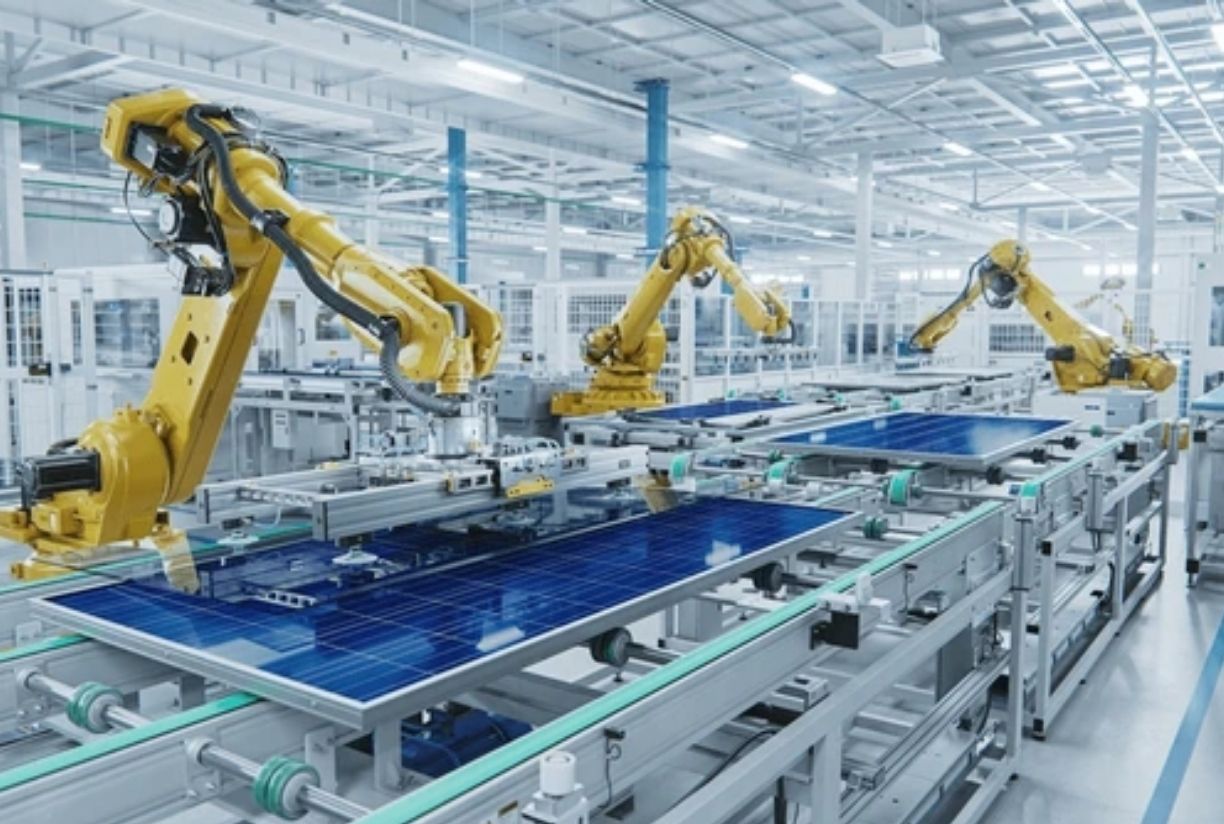
Table of Contents The Impact Of Integrated Installation Testing And Commissioning On Reducing Startup Delays Critical Stages In Industrial Installation And Commissioning For Equipment Lifetime And ROI A Cost Benefit Analysis Of In House And Professional Installation Services For Quality Speed And Facility Efficiency A Project Manager Guide To Risk Reduction And Compliance Through Factory Acceptance Testing And Site Acceptance Testing Achieving Energy Savings And Sustainable Performance From Day One With Professional Commissioning Ensuring Regulatory Compliance And Scalable Production Through End To End Installation And Validation Protocols The Effect Of Automated System Testing During Commissioning On Maintenance And Operational Downtime Costs The Impact Of Integrated Installation Testing And Commissioning On Reducing Startup Delays For any capital project, the transition from installation to full-scale production is a period of significant financial risk, where startup delays directly impact ROI and market opportunities. Integrated industrial assembly and commissioning services are engineered to eliminate this friction by managing the entire lifecycle from component integration to operational handover. This seamless approach, a cornerstone of advanced process optimization engineering, ensures that complex systems achieve nameplate capacity faster and with guaranteed reliability, turning a potential bottleneck into a competitive advantage. The process begins with meticulous tank and mixer assembly and other industrial equipment installation, where precision alignment and connection are verified against design specifications. This foundational accuracy is critical for preventing the vibrational issues and premature wear that plague poorly assembled systems. Following physical integration, rigorous factory acceptance testing FAT protocols are executed to validate individual unit performance before they become part of the larger process train, identifying and resolving defects in a controlled environment rather than on the active production floor. Commissioning is where the integrated system is proven as a whole, a phase dedicated to achieving operational reliability commissioning. This involves calibrating instruments, tuning control loops, and performing dry and wet runs to simulate actual production conditions. This methodical validation, often overseen by a dedicated project consultancy for compliance, ensures that every interaction between components—such as a pump and a filter skid—functions harmoniously. Specialized firms like SS Proje leverage this phase to embed energy-efficient setpoints and operational best practices from the outset. The ultimate value of this integrated approach is measured in operational readiness and long-term performance. A system that is properly assembled, tested, and commissioned experiences minimal infant mortality failures, leading to extended equipment life and radically reduced maintenance costs during its most critical early years. This disciplined methodology is essential for delivering sustainable facility performance and is a defining feature of comprehensive SS Proje technical solutions. By investing in professional assembly and commissioning, facility owners secure not just a functioning system, but a optimized asset capable of delivering its intended return from day one. The avoidance of costly startup delays, the assurance of regulatory compliance, and the foundation of reliable, efficient operation create a compelling financial case. This proactive investment in quality and validation is the most effective strategy for mitigating risk and ensuring a new facility or line upgrade becomes a immediate contributor to profitability and growth. Critical Stages In Industrial Installation And Commissioning For Equipment Lifetime And ROI A disciplined, phased approach to industrial assembly and commissioning services is the most effective strategy for transforming capital expenditure into long-term, high-yield operational assets. This structured methodology ensures that every stage, from initial component receipt to final performance validation, is executed with precision, directly contributing to maximized equipment lifespan and a superior return on investment. This systematic process is fundamental to achieving true process optimization engineering and is a hallmark of professional SS Proje technical solutions. The first phase involves meticulous pre-assembly planning and inspection, verifying that all components, such as those for tank and mixer assembly, meet specified material and dimensional standards before integration begins. This proactive quality gate prevents the installation of substandard parts that could lead to premature failure. The second phase is the precision industrial equipment installation itself, where alignment, torque, and connection integrity are strictly controlled to prevent the misalignments and stresses that cause excessive wear and energy loss over time. The third critical phase is pre-commissioning checks and factory acceptance testing FAT, where individual systems are validated for mechanical and basic electrical function. This step isolates and resolves issues before complex integration, saving considerable time and cost. The fourth phase, full system commissioning, is the core of operational reliability commissioning, where the entire process is tested under simulated production conditions to fine-tune performance and ensure all components work in harmony. The fifth and final phase is performance qualification and handover, which includes operator training and the creation of baseline documentation for future maintenance. This phase often benefits from expert project consultancy for compliance to ensure all regulatory requirements are met and documented. The collective outcome of these five phases is a facility primed for sustainable facility performance, with systems that operate at peak efficiency from day one. By adhering to this rigorous five-phase protocol, industrial operations can confidently expect a significant extension in asset service life, a drastic reduction in unscheduled downtime, and optimal energy consumption. This methodical approach not only safeguards the initial investment but also establishes a foundation for continuous, cost-effective production. It is the definitive pathway to achieving the operational excellence and long-term profitability that define world-class industrial facilities. A Cost Benefit Analysis Of In House And Professional Installation Services For Quality Speed And Facility Efficiency The decision between utilizing in-house labor and engaging professional industrial assembly and commissioning services is a strategic calculation that extends far beyond initial labor costs. While an internal team may appear cost-effective, a thorough analysis must weigh the hidden expenses of delayed startups, rework, and long-term equipment performance against the value of expert execution. This evaluation is critical for achieving true process optimization engineering and securing the intended return on a capital investment. Quality and precision are the primary differentiators, directly impacting equipment longevity and operational reliability. Professional services bring specialized tooling, calibrated torque wrenches, and standardized procedures for tasks like tank and mixer assembly, ensuring perfect alignment and connection integrity that prevents vibrational damage and premature wear. This level of precision in industrial equipment installation is difficult to replicate with a general-purpose maintenance crew, and the resulting quality directly translates to reduced maintenance costs and extended asset life. Project speed and risk mitigation are equally significant factors. A dedicated external team, such as those providing SS Proje technical solutions, works exclusively on the project, avoiding the distractions that often delay in-house staff. They also implement rigorous factory acceptance testing FAT and operational reliability commissioning protocols, systematically identifying and resolving issues before they cause costly production interruptions. This proactive approach, often supported by project consultancy for compliance, ensures regulatory adherence from the outset. The long-term benefits crystallize in sustained sustainable facility performance. A professionally assembled and commissioned system operates at peak energy efficiency from day one, with optimized pump curves and control settings that lower utility costs for the life of the equipment. The avoidance of installation errors means minimal unplanned downtime and a much higher degree of operational predictability, which is invaluable for meeting production targets and maintaining supply chain commitments. Ultimately, the higher initial investment in professional assembly services is justified by a significantly lower total cost of ownership. The combined value of faster time-to-revenue, guaranteed quality, reduced operational risk, and long-term efficiency gains delivers a far superior financial outcome. For facilities focused on maximizing lifespan, reliability, and profitability, partnering with experts is not an expense but a strategic investment in operational excellence. A Project Manager Guide To Risk Reduction And Compliance Through Factory Acceptance Testing And Site Acceptance Testing For project managers in highly regulated industries, structured Factory Acceptance Testing (FAT) and Site Acceptance Testing (SAT) are not optional checkboxes but fundamental risk management tools. These validated protocols form the critical bridge between equipment manufacture and successful industrial equipment installation, systematically identifying and resolving defects before they can impact production schedules or product quality. Integrating rigorous factory acceptance testing FAT into your industrial assembly and commissioning services strategy is a proactive measure that safeguards capital investment and ensures contractual obligations are met. The FAT process is conducted at the supplier's facility, allowing for a comprehensive evaluation of individual units like those for tank and mixer assembly before shipment. This stage verifies materials of construction, dimensional accuracy, mechanical function, and basic control logic against the purchase specification. Identifying a non-conformance at this point, with the vendor's resources readily available, is exponentially faster and cheaper than discovering the same issue after delivery, preventing costly delays during the main operational reliability commissioning phase. SAT occurs after installation at the final site, confirming that the equipment has been transported, installed, and integrated correctly and that it functions as intended within its operating environment. This test validates connections to utilities, interfaces with other plant systems, and performance under actual load conditions. A well-executed SAT, often guided by a project consultancy for compliance, provides the documented evidence required for regulatory audits and is a cornerstone of reliable sustainable facility performance. The cumulative benefit of FAT and SAT is a dramatic reduction in project risk and a significant acceleration of the time-to-revenue curve. By catching errors early, project managers avoid the domino effect of delays, cost overruns, and potential compliance failures. This disciplined approach is a key component of advanced process optimization engineering and is a standard practice within comprehensive SS Proje technical solutions, ensuring that systems are proven to perform before they are relied upon for production. Ultimately, viewing FAT and SAT as strategic investments rather than project overhead is essential for modern facility management. The documentation generated provides a baseline for future maintenance and performance benchmarking, while the confidence gained in system reliability allows for aggressive production scheduling. This methodical validation process is the most effective way to ensure a new asset delivers its promised efficiency, compliance, and profitability from the moment it is switched on. Achieving Energy Savings And Sustainable Performance From Day One With Professional Commissioning Professional commissioning is the strategic catalyst that transforms a static installation into a dynamically optimized production asset, delivering measurable energy savings, process refinement, and sustainable performance from the very first operating cycle. This critical phase goes beyond simple functional verification, embedding efficiency into the core of operations through systematic tuning and validation. For project managers, it represents the culmination of industrial assembly and commissioning services, where the theoretical benefits of a design are converted into tangible operational gains, establishing a foundation for superior sustainable facility performance. The journey to energy efficiency begins with precise calibration during operational reliability commissioning. Commissioning engineers fine-tune variable frequency drives (VFDs) on pumps and agitators, optimize temperature setpoints on heat exchangers, and validate control loops to ensure systems use the minimum energy required for the task. This meticulous adjustment, often applied after a successful factory acceptance testing FAT and industrial equipment installation, eliminates energy waste that would otherwise become a permanent operational cost, directly contributing to the goals of advanced process optimization engineering. Process optimization is achieved by testing the integrated system under real-world conditions, identifying and resolving bottlenecks that limit throughput or quality. For example, during the commissioning of a complex tank and mixer assembly, engineers may adjust agitation speeds or sequences to achieve perfect homogeneity without damaging product or consuming excess power. This holistic tuning ensures all components work in synergy, maximizing overall equipment effectiveness (OEE) and ensuring the facility operates at its designed capacity without unnecessary stress on individual assets. This rigorous approach is essential for compliance and longevity, benefits often underscored by a dedicated project consultancy for compliance. The comprehensive documentation generated during commissioning provides auditable proof that systems perform as intended, satisfying regulatory requirements. Furthermore, by verifying that equipment operates within its design parameters, professional commissioning prevents the undue wear and tear that leads to premature failure, as consistently demonstrated in robust SS Proje technical solutions. Investing in professional commissioning is therefore a direct investment in long-term profitability and environmental stewardship. The immediate energy savings and process improvements create a rapid return, while the extended equipment life and reduced risk of compliance violations secure the asset's value for years to come. By leveraging this disciplined final phase, facilities can ensure they are not just operational, but optimally efficient, compliant, and sustainable from the moment production begins. Ensuring Regulatory Compliance And Scalable Production Through End To End Installation And Validation Protocols In regulated industries, achieving and maintaining compliance while simultaneously enabling scalable production growth presents a complex operational challenge. End-to-end assembly and validation protocols provide a structured framework to master this duality, ensuring that every stage from component receipt to final performance qualification is documented, auditable, and designed for future expansion. This holistic approach to industrial assembly and commissioning services is essential for building facilities that are both compliant today and adaptable for tomorrow's demands, a key objective of strategic process optimization engineering. The foundation of compliance is laid during the initial industrial equipment installation and assembly phases. For critical systems like tank and mixer assembly, this means verifying material certifications, weld logs, and surface finish reports against Good Manufacturing Practice (GMP) standards. Following this, factory acceptance testing FAT serves as the first major compliance gate, generating documented evidence that equipment functions to specification before it ever leaves the factory, a process greatly enhanced by engaging a project consultancy for compliance. Scalability is engineered into the process through modular design and comprehensive testing. During operational reliability commissioning, systems are not only tested at baseline conditions but also at projected future capacities to validate their performance headroom. This proactive stress-testing identifies potential bottlenecks early, allowing for cost-effective modifications before production scaling begins. This forward-looking methodology is a defining feature of integrated SS Proje technical solutions, which prioritize long-term flexibility alongside immediate performance. The synergy between compliance and scalability culminates in a facility capable of sustainable facility performance. The rigorous documentation trail from assembly through commissioning satisfies auditor requirements, while the proven system headroom allows for confident production increases without regulatory re-qualification delays. This integrated approach minimizes the validation burden for future product lines or capacity expansions, turning compliance from a barrier into a business enabler. By investing in end-to-end protocols, industrial leaders secure a significant competitive advantage. The ability to rapidly scale production within a fully compliant framework accelerates time-to-market for new products and maximizes return on capital assets. This strategic approach to project execution is the most reliable path to building a resilient, efficient, and future-proof industrial operation that thrives in a dynamic regulatory and market landscape. The Effect Of Automated System Testing During Commissioning On Maintenance And Operational Downtime Costs Automated system testing represents a paradigm shift in the commissioning phase, transforming it from a manual, sample-based verification into a comprehensive, data-driven validation process. This advanced methodology is a critical component of modern industrial assembly and commissioning services, designed to proactively identify latent defects and performance deviations that would otherwise manifest as costly failures during production. By rigorously exercising every control sequence, safety interlock, and operational mode, automated testing is the most effective strategy for preventing unplanned downtime and establishing a baseline for sustainable facility performance. The process begins by extending the principles of factory acceptance testing FAT to the fully integrated system after industrial equipment installation. Scripted tests automatically cycle equipment through its entire operational range, validating the performance of complex assemblies like a tank and mixer assembly under simulated load conditions. This exhaustive testing uncovers issues such as faulty sensors, programming errors in PLCs, or mechanical resonances that manual checks might miss, enabling corrections before the system impacts valuable production batches. The direct impact on maintenance costs is profound. By identifying and rectifying infant mortality failures during commissioning, automated testing eliminates the frequent call-outs and reactive repairs that characterize a system's early operational life. This contributes significantly to operational reliability commissioning by ensuring the equipment is genuinely ready for continuous operation. The data collected also serves as a pristine performance baseline for future predictive maintenance, allowing technicians to spot deviations from optimal conditions long before a breakdown occurs. This rigorous approach is integral to a holistic process optimization engineering strategy and is a standard practice within advanced SS Proje technical solutions. The comprehensive test reports generated provide undeniable evidence for project consultancy for compliance requirements, demonstrating to regulators that every system function has been validated. This not only speeds up the approval process but also builds a foundation of compliance that reduces audit risks for years to come. Investing in automated system testing during commissioning is a strategic decision that pays continuous dividends throughout the asset's lifecycle. The upfront investment in thorough validation is offset many times over by the avoidance of a single major production stoppage. This proactive approach ensures that a facility launches with confidence, operates with exceptional reliability, and maintains a lower total cost of ownership, solidifying its competitive position through unparalleled operational consistency.
See More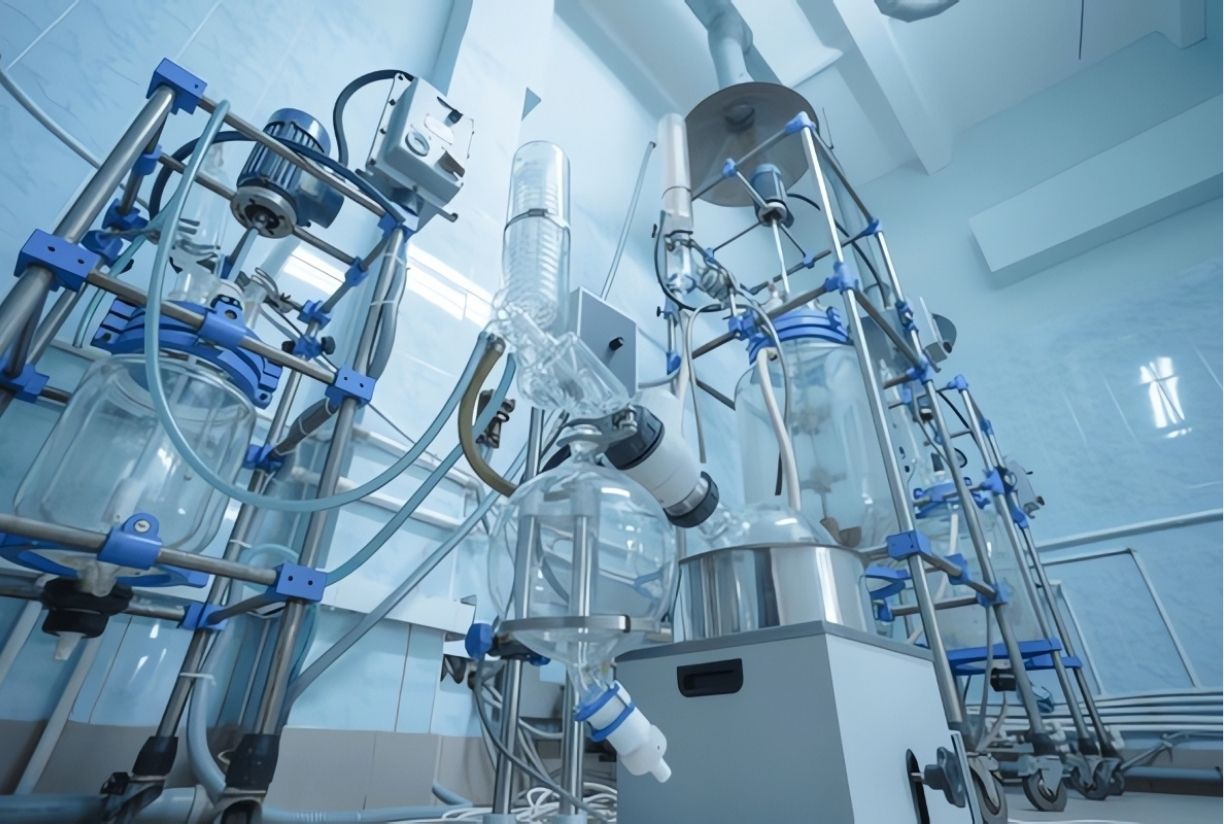
Table of Contents How Does an Industrial Process Drive Sustainable Facility Efficiency? Can Process Optimization Reduce Your Industrial Maintenance Costs? What Defines an Optimized Industrial Process for Asset Longevity? How to Achieve Compliance with International Quality Standards? Does an Efficient Industrial Process Minimize Operational Downtime? What Is the ROI of Optimizing Your Production Process? How Can Industrial Processes Be Designed for Energy Savings? What Is an Industrial Process That Reduces Operational Risk? How Does an Industrial Process Drive Sustainable Facility Efficiency? An optimized industrial process is the central nervous system of a high-performing facility, directly governing resource consumption, output quality, and long-term viability. When designed holistically, these processes transform operations by targeting waste reduction and energy conservation, which are fundamental to achieving superior facility efficiency. This systematic approach to process optimization goes beyond simple adjustments, embedding sustainability and operational reliability into the core of production, thereby minimizing environmental impact while maximizing return on investment for stakeholders. The foundation of this transformation lies in meticulous project design installation, where engineering precision ensures that every component contributes to the overarching goal of efficiency. This includes the integration of specialized industrial equipment manufacturing, such as custom-designed heat exchangers for optimal thermal management and high-efficiency mixers that ensure homogeneous blending with minimal energy input. Firms specializing in engineering consultancy can conduct granular analyses to pinpoint inefficiencies, recommending targeted upgrades that yield immediate gains in throughput and substantial energy savings. Critical to achieving sustainable facility solutions is the implementation of durability-enhancing protocols like passivation services. This vital process extends the service life of stainless steel equipment, such as reactors and storage tanks, by forming a protective oxide layer that resists corrosion. This proactive measure drastically reduces unplanned maintenance, prevents product contamination, and ensures compliance with stringent international quality standards, directly contributing to reduced lifecycle costs and enhanced asset longevity. Ultimately, viewing an industrial process as a dynamic asset allows facility managers to systematically drive down operational expenses while boosting productivity. By focusing on end-to-end technical solutions, from initial concept through to commissioning and continuous improvement, organizations can secure a competitive advantage through superior operational reliability. This commitment to excellence, as delivered by specialized engineering partners, translates into measurable outcomes: lower utility bills, extended equipment lifecycles, minimal production downtime, and a robust framework for scalable, sustainable growth that meets the demands of modern industry. Can Process Optimization Reduce Your Industrial Maintenance Costs? Unplanned maintenance is a primary driver of operational expenses, often stemming from inefficient or unstable production systems. Strategic process optimization directly addresses this by transforming reactive repairs into predictable, planned interventions. By analyzing and refining the core industrial process, managers can identify and eliminate conditions that cause premature wear, such as pressure spikes, thermal cycling, and chemical incompatibilities, thereby significantly reducing maintenance frequency and cost while boosting overall facility efficiency. A critical component of this strategy is robust project design installation, which ensures that equipment is correctly specified and integrated from the outset. Expert engineering consultancy focuses on selecting the right materials and configurations in industrial equipment manufacturing to withstand specific process demands. For instance, custom-designed filter housings and heat exchangers built for optimal flow distribution prevent clogging and erosion, directly extending service intervals and enhancing operational reliability. Furthermore, integrating protective protocols like passivation services is a cornerstone of preventive maintenance within sustainable facility solutions. This chemical treatment creates a inert surface on stainless steel tanks and mixers, drastically increasing their resistance to corrosion and contamination. By preventing the root cause of material degradation, passivation slashes the need for abrasive cleaning, part replacements, and unscheduled downtime, delivering long-term cost containment and ensuring consistent product quality. The cumulative effect of a meticulously optimized process is a fundamental shift from high-cost, disruptive maintenance to a regime of predictable, low-intervention operations. This proactive approach, as delivered by specialized engineering firms like SS Proje, not only cuts direct repair and labor costs but also minimizes production losses from downtime. The result is a more resilient operation with improved facility efficiency, extended asset lifecycles, and a stronger bottom line, proving that strategic investment in optimization is the most effective method for controlling industrial maintenance expenditures. What Defines an Optimized Industrial Process for Asset Longevity? An optimized industrial process designed for asset longevity is fundamentally engineered to minimize stress and degradation on capital equipment throughout its operational life. This goes beyond simple output maximization to embed preservation principles directly into the industrial process itself. True optimization for longevity involves a holistic approach that integrates superior project design installation, meticulous equipment selection, and protective protocols, all aimed at achieving maximum operational reliability and extended service life. The foundation is laid during the design phase, where expert engineering consultancy ensures that every component is specified to operate within its most efficient and least damaging parameters. This includes the strategic selection and custom industrial equipment manufacturing of assets like corrosion-resistant tanks and high-efficiency heat exchangers that are precisely calibrated to avoid thermal shock and mechanical fatigue. This foresight in design prevents the common pitfalls that lead to premature failure, establishing a baseline for exceptional facility efficiency and durability. A hallmark of a longevity-focused system is the integration of preventative treatments like passivation services, which are critical for sustainable facility solutions. By creating a protective chromium oxide layer on stainless steel surfaces, passivation drastically reduces corrosive wear on critical components such as mixers and filter housings. This proactive measure is a key differentiator in process optimization, directly contributing to asset preservation by eliminating a primary cause of deterioration and maintaining hygienic conditions without abrasive cleaning cycles. Ultimately, an industrial process optimized for longevity is characterized by its predictable performance and drastically reduced total cost of ownership. It transforms equipment from a consumable expense into a long-term, reliable asset. This level of integration, achievable through end-to-end partnerships with firms like SS Proje, delivers compounding benefits: slashing replacement capital, minimizing production interruptions, and ensuring compliance with the highest international quality standards. The result is a resilient operation where extended asset life is a measurable outcome of superior engineering and intelligent process optimization. How to Achieve Compliance with International Quality Standards? Achieving compliance with international quality standards is not merely a matter of documentation but a fundamental requirement embedded within the physical infrastructure and operational protocols of a facility. It demands a proactive engineering approach that integrates regulatory requirements directly into the industrial process from its inception. This begins with meticulous project design installation, where materials, layouts, and system architectures are selected to meet or exceed benchmarks like ISO and ASME, ensuring that operational reliability and product safety are designed into the facility's DNA. Expert engineering consultancy is critical for navigating the complex landscape of global standards, translating abstract requirements into tangible specifications for industrial equipment manufacturing. This involves designing equipment such as hygienic tanks and mixers with polished finishes, certified materials, and validated clean-in-place (CIP) systems that prevent contamination. Such precise process optimization ensures every component contributes to both superior facility efficiency and unwavering compliance, turning regulatory adherence into a competitive advantage. Critical surface treatments like passivation services are non-negotiable for compliance in industries with strict hygienic requirements, such as pharmaceuticals and food production. This process, a cornerstone of sustainable facility solutions, restores the protective oxide layer on stainless steel, eliminating free iron that can cause corrosion and product contamination. By ensuring material integrity, passivation directly supports standards that mandate material inertness and cleanability, thereby reducing the risk of audit failures and ensuring long-term asset protection. Ultimately, sustained compliance is achieved through a culture of continuous improvement and rigorous validation, supported by robust engineering. Partnering with firms like SS Proje for end-to-end implementation ensures that compliance is not a periodic hurdle but a built-in feature of daily operations. This systematic approach delivers tangible benefits beyond certification: it minimizes the risk of costly non-compliance penalties, enhances brand reputation, and builds a foundation for scalable, reliable production that meets the most demanding international markets, securing long-term business viability. Does an Efficient Industrial Process Minimize Operational Downtime? An efficient industrial process is the most powerful tool for minimizing operational downtime, as it systematically eliminates the root causes of unplanned stoppages. True process optimization transforms production from a reactive cycle of breakdowns and repairs to a predictive model of stability. By streamlining the industrial process to reduce mechanical stress, thermal cycling, and chemical imbalances, facilities can achieve a significant boost in operational reliability, directly translating into longer, more productive runtimes and enhanced facility efficiency. The foundation for this reliability is laid during the initial project design installation phase. Leveraging deep engineering consultancy ensures that equipment is not only correctly sized but also optimally integrated to prevent bottlenecks and points of failure. This includes advancements in industrial equipment manufacturing, such as designing robust filter housings with easy-access elements for rapid maintenance or heat exchangers resistant to fouling, which collectively reduce the frequency and duration of required interventions. Preventive measures are integral to a downtime-minimization strategy. Incorporating passivation services as part of a comprehensive sustainable facility solutions plan protects critical assets from corrosion, a common cause of unexpected leaks and system contamination that forces shutdowns. By ensuring the material integrity of tanks and piping, passivation extends maintenance cycles and prevents the quality deviations that often halt production, ensuring continuous operation. The correlation between an optimized process and minimized downtime is undeniable and financially significant. When systems are engineered for resilience from the ground up, as delivered by specialized partners like SS Proje, the result is a predictable operational schedule with minimal disruptive events. This proactive approach to process optimization not only secures production targets but also drastically reduces the labor and material costs associated with emergency repairs. The outcome is a facility characterized by superior uptime, consistent output quality, and a stronger competitive position in the market. What Is the ROI of Optimizing Your Production Process? The Return on Investment (ROI) from optimizing your production process is measured not just in immediate cost savings, but in the sustained competitive advantage gained through enhanced reliability and longevity. Strategic process optimization delivers a multifaceted ROI by fundamentally improving the industrial process to boost facility efficiency, extend asset lifecycles, and minimize costly disruptions. This investment transforms the production line from a cost center into a value driver, yielding measurable financial returns through reduced operational expenditures and increased output capacity. A significant portion of the ROI is realized through the initial project design installation, where expert engineering consultancy ensures optimal system configuration. This includes specifying high-efficiency equipment from precision industrial equipment manufacturing, such as heat exchangers that maximize thermal transfer or mixers that reduce cycle times, directly lowering energy consumption and increasing throughput. These upfront engineering decisions create a foundation for superior operational reliability, which pays continuous dividends by preventing the profit erosion associated with unplanned downtime. Preventive measures are crucial for maximizing long-term ROI. Implementing passivation services as part of a comprehensive sustainable facility solutions strategy protects expensive capital equipment from corrosion, dramatically extending its service life and deferring replacement costs. This proactive care, integral to a well-optimized process, reduces maintenance frequency, cuts spare parts inventory, and ensures consistent product quality, all of which contribute directly to a stronger bottom line and a rapid payback period. The ultimate ROI of process optimization is a more resilient and profitable operation. By partnering with specialized engineering firms like SS Proje for an end-to-end solution, companies can quantify gains through metrics like higher Overall Equipment Effectiveness (OEE), reduced utility bills, and compliance that avoids costly penalties. This strategic focus on process optimization ensures that every aspect of the production line works in concert to deliver sustained financial returns, making it one of the most impactful investments a facility can make for long-term growth and stability. How Can Industrial Processes Be Designed for Energy Savings? Designing an industrial process for energy savings requires a holistic engineering approach that integrates efficiency into every operational facet from the ground up. Strategic process optimization focuses on minimizing energy waste without compromising output, transforming the industrial process into a model of sustainable facility solutions. This is achieved through meticulous system design, advanced equipment selection, and intelligent control strategies that collectively drive down consumption while simultaneously enhancing facility efficiency and operational reliability. The most significant energy savings are locked in during the project design installation phase, guided by expert engineering consultancy. This involves optimizing plant layout to reduce pipeline pressure drops, specifying high-efficiency motors, and incorporating heat recovery systems. Advancements in industrial equipment manufacturing are pivotal; for instance, deploying plate heat exchangers with optimized corrugation patterns maximizes thermal transfer, allowing for lower utility temperatures and reduced heating or cooling loads across the entire operation. Energy-conscious design also extends to material preservation and system longevity. Integrating passivation services ensures that heat transfer surfaces in tanks and exchangers remain free of corrosive scale and biofilm, which act as insulators and force equipment to consume more energy to achieve the same output. This preventative maintenance, a key aspect of a well-optimized process, maintains peak thermal efficiency and prevents the gradual energy creep associated with fouled equipment. The financial and environmental returns from an energy-optimized process are substantial and compounding. By focusing on intelligent design and long-term operational reliability, facilities can achieve dramatic reductions in their carbon footprint and operational costs. Partnering with engineering specialists like SS Proje for a comprehensive approach ensures that energy savings are not an afterthought but a fundamental outcome of the system's architecture, delivering enduring value through lower utility bills, enhanced sustainability credentials, and a stronger competitive position. What Is an Industrial Process That Reduces Operational Risk? An industrial process that systematically reduces operational risk is one engineered with redundancy, precision, and proactive safeguards to mitigate failures before they escalate. This approach to process optimization transforms the industrial process from a potential liability into a bastion of operational reliability. By designing out single points of failure, incorporating robust controls, and ensuring material integrity, such a process minimizes the likelihood of safety incidents, production halts, and compliance violations, directly protecting both personnel and profitability. The foundation of risk reduction is laid during the project design installation phase, guided by thorough engineering consultancy. This involves selecting and integrating equipment from reputable industrial equipment manufacturing that is inherently safer, such as pressure vessels with certified relief systems and mixers with overload protection. A key aspect of this design philosophy for sustainable facility solutions is building in margins of safety and fail-safe mechanisms that maintain facility efficiency even under variable operating conditions. Critical to mitigating chemical and contamination risks is the implementation of passivation services. This vital treatment eliminates free iron from stainless steel surfaces, preventing corrosive pitting that can lead to leaks, product contamination, and structural weaknesses. By ensuring the passive layer on tanks and piping remains intact, this process drastically reduces the risk of uncontained releases and quality deviations, which are significant operational and regulatory hazards. Ultimately, a risk-reduced industrial process delivers unparalleled stability and business continuity. This level of engineered safety and predictability, as delivered by specialized partners like SS Proje, ensures that operations can withstand internal fluctuations and external pressures. The result is a robust system where the risks of costly downtime, environmental incidents, and equipment failure are systematically minimized, securing long-term asset value and reinforcing the facility's reputation for reliability and compliance with the highest international standards.
See More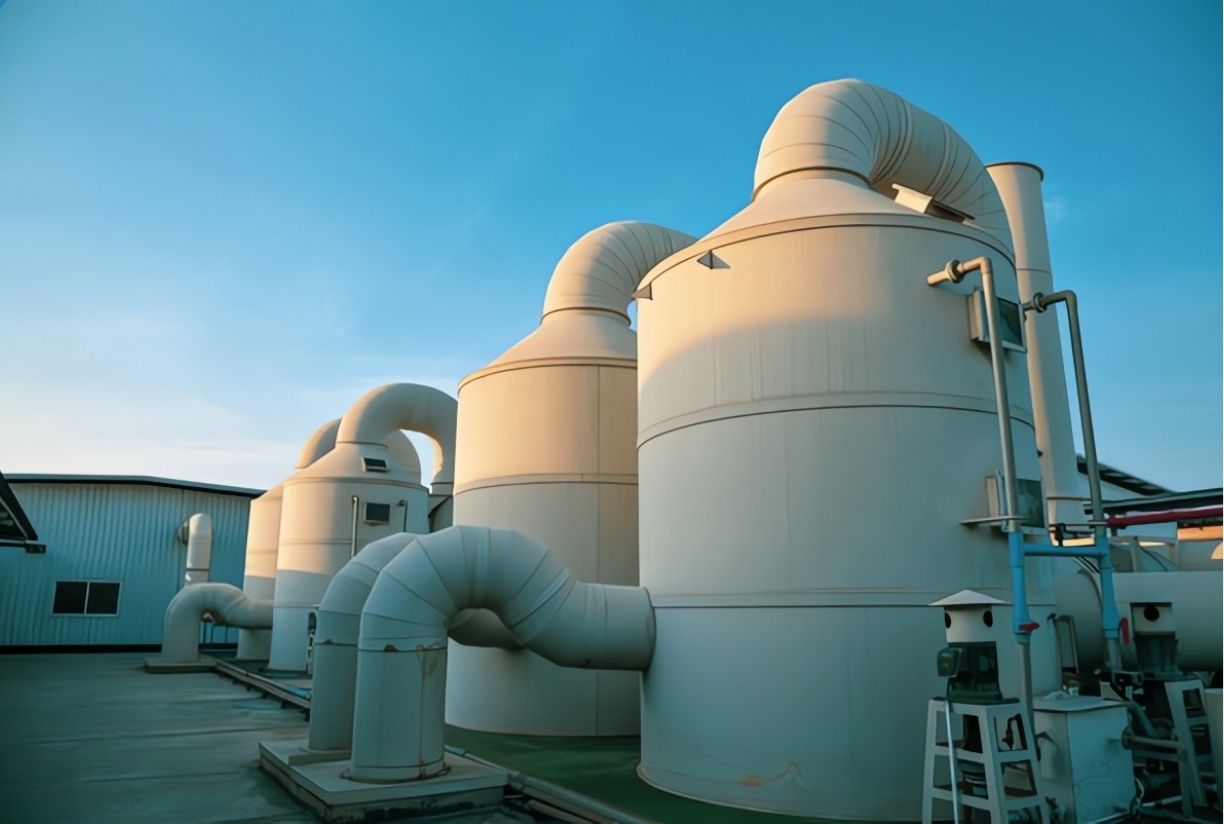
Table of Contents What Is An Industrial Storage Tank How Does An Industrial Tank Work What Industries Use Process Tanks What Are Industrial Tank Design Principles How To Select A Custom Industrial Tank What Materials Are Used For Tanks What Is The Function Of A Process Tank How To Ensure Tank Compliance Standards What Is Industrial Tank Passivation What Are Industrial Tank Applications What Is An Industrial Storage Tank An industrial storage tank is a critical asset designed for the containment of raw materials, intermediates, and final products, serving as the backbone of process flow and inventory management. For production managers, selecting the correct vessel is not merely about storage capacity but about optimizing the entire facility efficiency by ensuring material integrity, minimizing contamination risk, and supporting seamless process optimization. The foundational engineering of these units directly influences operational reliability, energy consumption, and long-term maintenance costs, making their specification a strategic decision. The core of effective tank manufacturing lies in meticulous process tank design that accounts for chemical compatibility, pressure, temperature, and agitation requirements. These vessels are integral industrial equipment that must be custom-engineered to handle specific substances, from corrosive acids to high-purity food-grade products. Advanced fabrication techniques, including robotic welding and post-weld passivation, are employed to enhance corrosion resistance and extend service life, directly reducing the total cost of ownership. In practice, these tanks are deployed within systems that include mixers for homogenization and heat exchangers for precise temperature control, forming a complete processing loop. This integration is essential for achieving sustainable facility solutions by minimizing waste and energy use. Companies like SS Proje engineering provide end-to-end project consultancy, overseeing everything from initial CFD modeling to field installation, ensuring that the equipment seamlessly integrates into existing operations for maximum uptime. Ultimately, a professionally engineered storage tank is a long-term investment in plant resilience and compliance. Partnering with a specialist for end-to-end technical solutions ensures that your industrial equipment not only meets but exceeds international standards, delivering unparalleled operational performance and contributing significantly to sustainable facility solutions. This strategic approach transforms a simple containment vessel into a powerhouse of reliability and efficiency. How Does An Industrial Tank Work An industrial tank operates as a controlled environment for storing, mixing, heating, or cooling process materials, forming the core of a production line's material handling system. Its function extends far beyond simple containment, directly influencing facility efficiency by ensuring consistent feedstock quality, precise reaction conditions, and seamless batch transitions. Understanding its operational principles is the first step toward significant process optimization and cost reduction through minimized waste and energy usage. The performance of this essential industrial equipment hinges on its design, which dictates flow dynamics, temperature uniformity, and mixing efficiency. During tank manufacturing, engineers apply principles of process tank design to incorporate features like baffles for vortex prevention, specialized agitators for homogenization, and internal coils or jackets for thermal control. This meticulous engineering ensures the vessel actively contributes to the process rather than passively holding material, which is crucial for achieving consistent output quality. In a real-world facility, the tank integrates with auxiliary systems like pumps, filter housing units, and instrumentation to form a complete loop. Proper integration, a specialty of SS Proje engineering, ensures that the entire system works in harmony, preventing bottlenecks and maximizing throughput. This holistic approach to end-to-end project consultancy guarantees that the equipment's operation aligns perfectly with production goals for superior sustainable facility solutions. Ultimately, a correctly functioning industrial tank is a key driver of operational reliability and longevity. Engaging a partner for end-to-end technical solutions ensures that your tank systems are not only correctly specified but also optimally integrated and maintained, leading to extended asset life and reduced total cost of ownership. This strategic focus on performance from design through operation is what transforms a standard piece of equipment into a cornerstone of plant efficiency. What Industries Use Process Tanks Process tanks are fundamental industrial equipment deployed across sectors where precise control over chemical or biological reactions, mixing, and storage is non-negotiable. Their application spans from pharmaceuticals and food & beverage to chemicals and water treatment, each with unique demands for purity, corrosion resistance, and temperature control. Selecting the right vessel is a critical step in achieving overarching facility efficiency and compliance with stringent industry-specific regulations. In the chemical industry, reactors and storage vessels must withstand aggressive media, necessitating advanced tank manufacturing with materials like high-grade stainless steel and specialized linings. For food and pharmaceutical applications, the focus shifts to hygienic process tank design with electropolished interiors and CIP (Clean-in-Place) systems to ensure product safety and meet GMP standards. This specialization underscores why custom-engineered solutions are vital for operational success and process optimization. Companies like SS Proje engineering provide end-to-end project consultancy, designing and integrating these tanks into complex production lines that may include mixers and heat exchangers. This holistic approach ensures the industrial tank functions as a seamless component within the larger system, maximizing throughput and contributing to sustainable facility solutions by minimizing energy and resource consumption. The versatility of process tanks makes them indispensable for modern manufacturing. Partnering with an expert for end-to-end technical solutions guarantees that your equipment is not only fit-for-purpose but also optimizes long-term performance and asset life. This strategic investment translates directly into reduced downtime, lower maintenance costs, and enhanced competitive advantage across any industrial sector. What Are Industrial Tank Design Principles The foundational principles of industrial tank design are engineered to transform a simple vessel into a high-performance asset that drives facility efficiency and operational reliability. These principles encompass material selection, structural integrity, functional integration, and compliance, ensuring the industrial equipment meets the exact demands of the process while minimizing lifecycle costs. A scientifically sound process tank design is the cornerstone of any successful process optimization initiative. Material compatibility is the foremost consideration, selecting alloys that resist corrosion from process media to guarantee long service life and product purity. Structural design calculates for static and dynamic loads, including wind, seismic activity, and internal pressure, ensuring absolute safety and durability. Functional integration involves designing for connections to mixers, heat exchangers, and instrumentation ports, which is critical for seamless operation. These elements are meticulously executed during advanced tank manufacturing. For companies like SS Proje engineering, these principles are applied through comprehensive end-to-end project consultancy, from initial CFD modeling to fabrication and field installation. This ensures that every design supports sustainable facility solutions by optimizing energy use, reducing waste, and incorporating features like passivation for enhanced corrosion resistance. The result is a tank that is not just a container but an active contributor to plant performance. Adhering to rigorous design principles is a direct investment in reduced maintenance, extended asset life, and unwavering regulatory compliance. Partnering with an expert for end-to-end technical solutions ensures your tank is built on a foundation of engineering excellence, delivering maximum facility efficiency and contributing to long-term operational and financial sustainability. How To Select A Custom Industrial Tank Selecting a custom industrial tank is a critical strategic decision that directly dictates long-term facility efficiency, operational safety, and total cost of ownership. This process requires a systematic evaluation of process parameters, material compatibility, and integration requirements to ensure the industrial equipment performs reliably under specific operating conditions. A methodical selection is the foundation for achieving significant process optimization and driving sustainable facility solutions. The selection begins with a thorough analysis of the chemical and physical properties of the process media, including temperature, pressure, corrosivity, and required agitation. This analysis informs the critical choice of construction material and the necessary process tank design features, such as jacket type for thermal control or internal baffles for mixing efficiency. Engaging a specialist early, such as through SS Proje engineering, ensures that these technical specifications are accurately defined to prevent costly redesigns or failures later. Next, consideration must be given to how the tank integrates with auxiliary systems like mixers, pumps, and heat exchangers. The selection process must account for connection points, instrumentation ports, and access points for maintenance to ensure seamless operation. This holistic view is a key component of end-to-end project consultancy, which transforms a standalone vessel into a fully optimized component of your production line during tank manufacturing. Ultimately, the correct selection of a custom industrial tank is an investment in operational excellence. Partnering with an expert for end-to-end technical solutions guarantees that your equipment is tailored for maximum performance, regulatory compliance, and extended service life, directly translating into lower maintenance costs, reduced downtime, and enhanced overall plant efficiency. What Materials Are Used For Tanks The selection of construction materials for an industrial tank is a foundational decision that determines its longevity, compliance, and contribution to overall facility efficiency. This choice directly impacts corrosion resistance, structural integrity, product purity, and maintenance frequency, making it a critical factor in process optimization and the pursuit of sustainable facility solutions. Incorrect material selection can lead to catastrophic failure, contamination, and significant operational downtime. Stainless steels, particularly grades 304 and 316L, are the most common materials due to their excellent corrosion resistance and hygienic properties, making them ideal for food, pharmaceutical, and many chemical applications. For highly corrosive environments, more specialized alloys like Hastelloy or duplex stainless steels are employed to ensure extended equipment life. The tank manufacturing process for these materials involves precision welding and often includes passivation to enhance the protective oxide layer, a critical step in process tank design for longevity. Beyond metals, fiberglass-reinforced plastic (FRP) and polypropylene are selected for their resistance to specific chemicals and lower cost. The key is aligning the material's properties with the process requirements, a core competency of SS Proje engineering. Through end-to-end project consultancy, experts assess the entire operational context to specify the optimal material, ensuring this vital industrial equipment performs reliably alongside mixers and other system components. Choosing the correct material is a direct investment in asset performance and risk mitigation. Partnering with a specialist for end-to-end technical solutions guarantees that material selection is not an isolated decision but an integrated part of a strategy for maximum durability, compliance, and operational uptime, ultimately driving down the total cost of ownership. What Is The Function Of A Process Tank The primary function of a process tank is to provide a precisely controlled environment for a specific unit operation, such as mixing, chemical reaction, heating, cooling, or storage, within a production line. As a core piece of industrial equipment, its performance is instrumental in achieving consistent product quality, batch-to-batch uniformity, and overall facility efficiency. A well-designed tank is fundamental to any process optimization strategy, directly impacting yield and operational costs. Beyond simple containment, its functions are defined by its integrated features, which are a direct result of meticulous process tank design and advanced tank manufacturing. Agitators ensure homogeneous mixing, internal coils or jackets facilitate precise temperature control, and specialized ports allow for the addition of ingredients or sampling. This transforms the vessel from a passive container into an active reactor, enabling complex chemical processes and contributing to sustainable facility solutions by minimizing energy and raw material waste. In a full system, the process tank works in concert with other components like mixers and heat exchangers to form a seamless production circuit. Integrating this industrial tank effectively requires the holistic approach of SS Proje engineering, which provides end-to-end project consultancy to ensure the equipment's function aligns perfectly with upstream and downstream operations for maximum throughput and reliability. Ultimately, understanding the multifaceted function of a process tank highlights its role as a critical investment in production capability. Partnering with an expert for end-to-end technical solutions ensures that your tank is engineered not just to perform a task, but to optimize the entire process, leading to extended equipment life, reduced downtime, and a stronger bottom line through enhanced operational performance. How To Ensure Tank Compliance Standards Ensuring an industrial tank meets stringent compliance standards is a non-negotiable requirement for operational legality, safety, and market access. This process begins at the earliest stage of process tank design and extends through tank manufacturing and commissioning, integrating regulatory requirements directly into the engineering blueprint. Proactive compliance is a strategic investment that mitigates risk and underpins long-term facility efficiency and sustainable facility solutions. The pathway to compliance involves adhering to specific codes like ASME BPVC for pressure vessels, FDA regulations for food contact surfaces, or GMP for pharmaceuticals. This requires meticulous material traceability, certified welding procedures, and rigorous non-destructive testing throughout fabrication. For industrial equipment like tanks, features such as surface finish, documented passivation, and integration capabilities with mixers must all be validated against the applicable standard. Engaging a partner like SS Proje engineering ensures these complex requirements are embedded from the start. This comprehensive approach is a core component of end-to-end project consultancy, where compliance is treated as an integral part of process optimization rather than a final inspection hurdle. It involves creating a complete documentation package, including Material Test Certificates and Design Calibrations, which provides a clear audit trail and simplifies regulatory approvals. This systematic method prevents costly rework, delays, and potential fines. Ultimately, ensuring tank compliance is a fundamental driver of operational reliability and asset value. Partnering with an expert for end-to-end technical solutions guarantees that your equipment is built to the highest international standards, delivering not just regulatory approval but also enhanced performance, extended service life, and a stronger competitive position. What Is Industrial Tank Passivation Industrial tank passivation is a critical chemical treatment process that enhances the inherent corrosion resistance of stainless steel, forming a durable, inert oxide layer on the metal surface. This procedure is a fundamental step in high-quality tank manufacturing that directly impacts the longevity and hygiene of the industrial equipment. For production managers, ensuring proper passivation is a proactive measure to prevent pitting corrosion, product contamination, and premature failure, directly supporting facility efficiency. The process involves meticulously cleaning the tank to remove contaminants like free iron particles introduced during fabrication, followed by the application of an oxidizing acid, typically nitric or citric acid. This treatment promotes the formation of a continuous chromium oxide layer that acts as a protective barrier against corrosive process media. This is a non-negotiable aspect of compliant process tank design for industries like pharmaceuticals and food processing, where surface purity is mandated by regulations. It is a key element in achieving true sustainable facility solutions by drastically extending asset life. As part of a comprehensive end-to-end project consultancy offered by firms like SS Proje engineering, passivation is integrated into the project lifecycle, not treated as an afterthought. This ensures that every weld and surface of the industrial tank is prepared to the highest standard, which is essential for maintaining the integrity of processes involving mixers and heat-sensitive reactions. Proper execution is a cornerstone of overall process optimization. Investing in professional passivation is a direct strategy for reducing long-term maintenance costs and ensuring uninterrupted production. Partnering with a specialist for end-to-end technical solutions guarantees that this vital process is performed to international standards, safeguarding your equipment investment and securing operational reliability for years to come. What Are Industrial Tank Applications The applications for an industrial tank are vast and varied, serving as the fundamental containment and processing vessel across nearly every manufacturing sector. From storing bulk chemicals to facilitating complex bioreactions, this essential industrial equipment is central to maintaining production flow and achieving facility efficiency. Its correct application, guided by precise process tank design, is a primary driver of process optimization and operational reliability. In the chemical industry, tanks function as reactors for synthesizing compounds or as storage vessels for raw materials and finished products, requiring robust tank manufacturing to handle corrosive substances. The food and beverage sector utilizes them for fermentation, mixing, and storage, where hygienic design and passivation are critical for compliance and product safety. In water treatment plants, they are used for clarification, filtration, and chemical dosing, forming the backbone of sustainable facility solutions by ensuring efficient resource management. Specialized applications include pharmaceutical manufacturing, where tanks must support sterile processes, and biotechnology, where they serve as bioreactors for cell culture. Integrating these vessels with mixers and temperature control systems is essential for process success. This level of integration is a core competency of SS Proje engineering, which provides end-to-end project consultancy to ensure the tank's application is perfectly aligned with the production line's demands. Understanding the broad spectrum of industrial tank applications underscores their role as a versatile and critical asset. Partnering with an expert for end-to-end technical solutions ensures that your tank is not only correctly specified for its immediate task but also engineered to enhance long-term performance, reduce lifecycle costs, and contribute significantly to the plant's overall efficiency and sustainability goals.
See More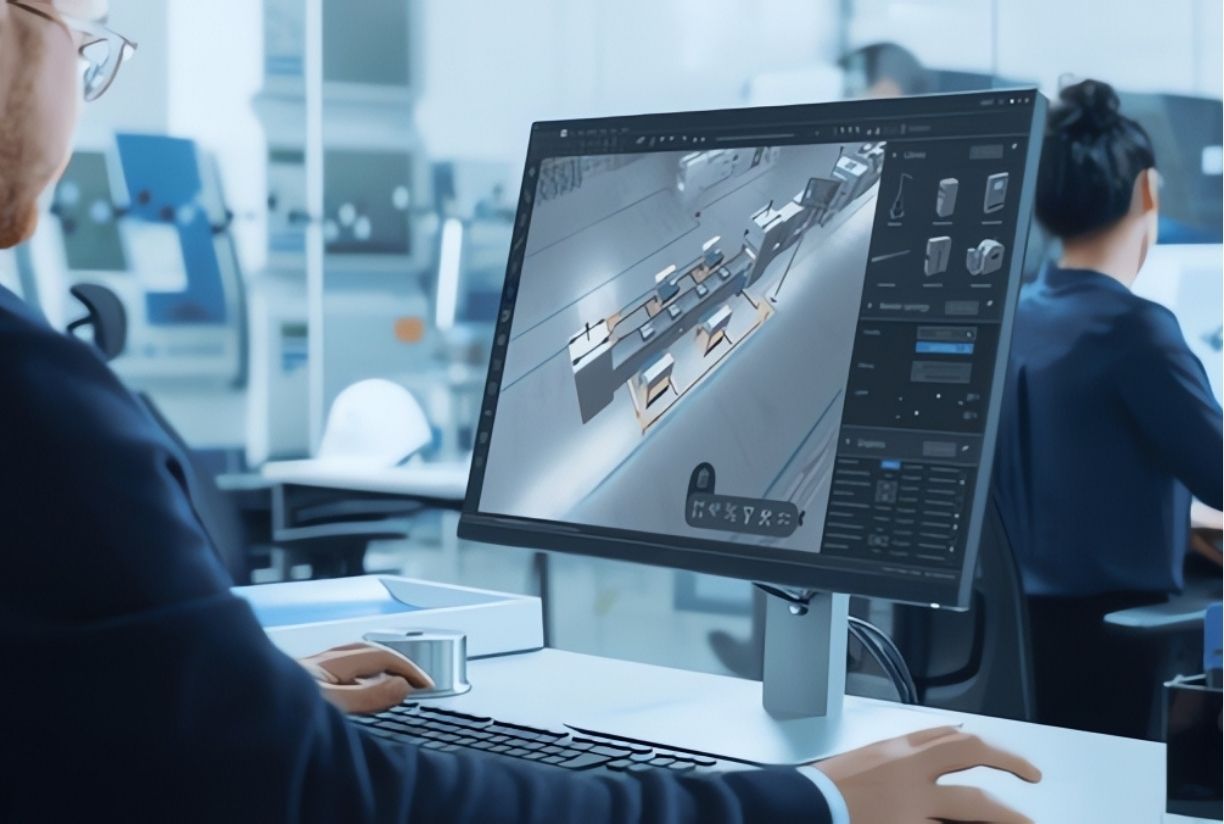
Table of Contents What Drives Efficient Process Design Outcomes? How Does Process Design Impact Facility Efficiency? What Is The Main Goal Of Process Design Engineering? How Does Process Design Optimize Operational Cost? What Role Does Process Design Play In Sustainability? How Does Process Design Improve Project Implementation? Why Is Process Design Critical For Production Managers? How Does Process Design Enhance Equipment Reliability? What Are The Long-Term Benefits Of Process Design? How Does Process Design Ensure Compliance Standards? What drives efficient process design outcomes? Efficient industrial process design is fundamentally driven by a systems-thinking approach that integrates every stage of production, from initial concept to final implementation. The primary goal is to architect workflows that maximize throughput, minimize waste, and ensure operational reliability engineering from day one. For production managers, this translates directly to achieving higher facility efficiency optimization, reduced energy consumption, and predictable performance metrics that protect the bottom line against unexpected downtime and costly corrections. A core driver is selecting and integrating purpose-built industrial equipment manufacturing into the process flow. This includes precisely engineered components like filter housing assemblies, custom tank manufacturing, high-shear mixers, and efficient heat exchangers. When these elements are designed to work in seamless concert, the result is a robust system capable of sustained high performance. Companies specializing in end-to-end technical solutions, such as SS Proje, bring this integrated vision to life, ensuring that every piece of equipment contributes to the overall goal of production process improvement. The expertise of experienced process engineering consultants is another critical factor. These professionals conduct thorough analyses to identify bottlenecks and opportunities for process optimization, often leveraging advanced simulation tools. This consultative approach, combined with precise field installation and passivation services, guarantees that installed systems not only meet but exceed initial performance specifications while ensuring long-term corrosion resistance and material integrity. Ultimately, an efficient design outcome is measured by its contribution to sustainable facility solutions that align with international quality standards. This encompasses more than just energy savings; it includes extended equipment service life, reduced maintenance cycles, and compliance with stringent environmental and safety regulations. The SS Proje project implementation methodology embodies this holistic view, delivering process designs that are not only effective upon startup but are also resilient and adaptable for future expansion, securing a long-term return on investment for facility owners and stakeholders. How does process design impact facility efficiency? Process design is the foundational blueprint that dictates the operational and economic performance of an industrial facility from the outset. A meticulously planned industrial process design directly determines the potential for facility efficiency optimization by minimizing energy waste, streamlining material flow, and establishing precise control parameters. For production managers, this upfront engineering investment directly translates to lower operating costs, predictable throughput, and enhanced operational reliability engineering, creating a framework for sustained productivity and profitability. The impact is amplified through the strategic integration of custom-engineered components. Effective industrial equipment manufacturing, including specialized filter housing systems, tank manufacturing, and high-efficiency heat exchangers, is specified based on the process design to eliminate bottlenecks and maximize output per unit of energy consumed. This holistic approach, central to end-to-end technical solutions, ensures that every asset contributes synergistically to the overall system's performance, driving significant production process improvement. Engaging with experienced process engineering consultants during the design phase is crucial for translating theoretical models into practical, high-yield operations. These experts use advanced simulation to validate the design, ensuring it delivers on promises of process optimization and energy conservation. The subsequent precision of field installation and the application of critical passivation services further solidify the design's efficiency by guaranteeing long-term equipment integrity and consistent performance without degradation. Ultimately, a superior process design is the cornerstone of sustainable facility solutions, impacting not just immediate efficiency but long-term viability. It builds in resilience against operational variances and ensures compliance with evolving international quality and environmental standards. A successful SS Proje project implementation demonstrates how a strategically engineered design delivers compounding returns through reduced maintenance, extended asset life, and a smaller environmental footprint, securing a competitive advantage for industrial investors. What is the main goal of process design engineering? The primary goal of process design engineering is to architect industrial systems that deliver peak performance, reliability, and economic viability over their entire lifecycle. It transcends simple layout planning to engineer a holistic framework for facility efficiency optimization, where every operational parameter is optimized to minimize resource consumption while maximizing output. This discipline provides the critical blueprint for achieving operational reliability engineering, ensuring that facilities run predictably with minimal unplanned downtime and maintenance interventions. This goal is realized through a meticulous approach to industrial process design that integrates best practices with advanced modeling. Process engineering consultants analyze material flows, energy requirements, and control strategies to create a design that is inherently efficient and scalable. The focus extends to specifying high-performance components from custom industrial equipment manufacturing, including filter housing units, reactors, and heat exchangers, each selected to contribute directly to the system's overall production process improvement. Success depends on executing this design through comprehensive end-to-end technical solutions that cover project design, precise field installation, and critical passivation services. This turnkey methodology ensures that the theoretical advantages of the design are fully realized in practice, delivering robust systems built to international standards. Expertise in process optimization is applied continuously, even after commissioning, to adapt to changing production demands and further enhance efficiency. Ultimately, the main goal culminates in delivering sustainable facility solutions that offer long-term value. A well-executed SS Proje project implementation demonstrates this principle by creating processes that are not only highly efficient but also durable and compliant. This strategic engineering focus directly translates into extended equipment life, significant energy savings, and a stronger competitive position, providing investors and facility managers with a reliable foundation for future growth and operational excellence. How does process design optimize operational cost? Strategic process design serves as the most powerful lever for optimizing operational costs by fundamentally re-engineering how resources are consumed and utilized. A well-executed industrial process design targets the largest cost centers—energy, raw materials, and labor—by creating inherently efficient workflows that minimize waste and maximize yield. This methodology is central to achieving lasting facility efficiency optimization, directly reducing utility expenses and enhancing operational reliability engineering to prevent costly unplanned shutdowns. The cost-saving potential is unlocked through intelligent equipment specification and integration. Expert process engineering consultants design systems that utilize high-efficiency components from precision industrial equipment manufacturing, such as optimized heat exchangers that recover thermal energy and specialized filter housing systems that extend media life. This deliberate selection, part of a comprehensive end-to-end technical solutions approach, ensures capital investment delivers the lowest possible total cost of ownership through reduced energy consumption and maintenance needs. Further cost optimization is achieved during implementation through rigorous process optimization and precise execution. Flawless field installation eliminates commissioning errors that lead to rework, while critical passivation treatments protect assets from corrosion, dramatically extending service life and deferring replacement capital. This meticulous attention to detail during the SS Proje project implementation phase translates the design's theoretical savings into tangible, long-term reductions in operational expenditure. Ultimately, a cost-optimized process design is the foundation of sustainable facility solutions, balancing economic performance with environmental responsibility. It systematically drives production process improvement by creating a lean, resilient operation that thrives on predictability and minimal waste. This engineering-led approach provides industrial investors with a clear path to superior profitability, ensuring that every element of the facility is engineered not just for initial function, but for perpetual cost efficiency and compliance. What role does process design play in sustainability? Process design is the fundamental engineering discipline that embeds sustainability principles directly into the operational DNA of an industrial facility. A strategic industrial process design goes beyond compliance to actively minimize environmental impact by optimizing resource consumption and reducing waste generation from the outset. This approach is integral to developing truly sustainable facility solutions, where facility efficiency optimization and environmental stewardship are achieved simultaneously, leading to significant energy savings and a smaller carbon footprint. The role of design in sustainability is executed through the specification of high-performance, durable equipment. Process engineering consultants leverage advanced industrial equipment manufacturing to integrate systems like energy-recovering heat exchangers and precision filter housing units that maximize filtration efficiency and minimize consumable use. This careful selection, a hallmark of end-to-end technical solutions, ensures that the facility's infrastructure supports long-term production process improvement while conserving water, energy, and raw materials. Sustainable outcomes are further secured through meticulous implementation focused on longevity. Precision field installation and comprehensive passivation services are critical to the SS Proje project implementation philosophy, protecting investments from corrosion and degradation to dramatically extend asset life cycles. This commitment to durability reduces the frequency of equipment replacement, thereby conserving the raw materials and energy required for manufacturing new components, which is a core tenet of circular economy principles and advanced process optimization. Ultimately, process design acts as the primary enabler for operational reliability engineering that is both economically and environmentally sustainable. By building facilities that are efficient, resilient, and compliant by design, industrial operators can achieve their production targets while meeting corporate social responsibility goals. This engineering-led approach provides a proven framework for investors and managers to future-proof their operations, turning sustainability from an aspirational goal into a measurable, operational advantage. How does process design improve project implementation? A robust process design serves as the definitive roadmap that streamlines and de-risks every phase of project implementation. By meticulously defining every operational parameter, equipment specification, and integration point upfront, a high-quality industrial process design eliminates ambiguity during construction and commissioning. This clarity is essential for achieving predictable timelines, controlled budgets, and the seamless execution characteristic of true end-to-end technical solutions, ensuring the project delivers on its promise of enhanced operational reliability engineering from day one. The design directly improves implementation by providing precise specifications for industrial equipment manufacturing. When components like custom tank manufacturing, filter housing assemblies, and heat exchangers are engineered to fit a coherent system design, the field installation phase proceeds with significantly fewer delays and interferences. This proactive approach, guided by experienced process engineering consultants, prevents the costly rework and modifications that plague projects with inadequate preliminary design work. Furthermore, a comprehensive design incorporates critical post-installation protocols from the beginning, such as passivation requirements and process optimization steps. This foresight ensures that the transition from construction to operational handover is smooth and that the facility immediately begins operating at peak facility efficiency optimization. The proven methodology of a SS Proje project implementation demonstrates how integrated design and execution teams work in concert to achieve rapid commissioning and immediate production process improvement. Ultimately, a superior process design transforms implementation from a sequence of tasks into a value-adding progression toward sustainable facility solutions. It ensures that capital investment is efficiently converted into a high-performing, compliant asset with a minimized total cost of ownership. For industrial investors and managers, this disciplined approach guarantees that project outcomes are not only achieved on schedule but also deliver the long-term operational excellence and reliability that underpin a competitive advantage. Why is process design critical for production managers? For production managers, a meticulously crafted process design is the foundational blueprint that dictates daily operational performance, cost control, and long-term asset reliability. It provides the critical framework for achieving consistent facility efficiency optimization by defining optimal workflows, resource consumption rates, and quality control points. This level of upfront engineering planning is indispensable for managers tasked with meeting aggressive production targets while maintaining strict operational reliability engineering and adherence to international standards. The critical nature of design is evident in its impact on equipment selection and performance. A sound industrial process design specifies purpose-built components from expert industrial equipment manufacturing, such as high-efficiency mixers, heat exchangers, and filter housing systems, each chosen to minimize energy use and maximize uptime. This strategic specification, a core part of end-to-end technical solutions, empowers production managers by delivering systems that are inherently reliable and easier to maintain, directly supporting production process improvement. Engaging with specialized process engineering consultants during the design phase provides production managers with a proactive tool for risk mitigation. These experts model scenarios to optimize material yields and incorporate passivation requirements into the design, preventing corrosion-related failures that disrupt schedules. The seamless integration of design with precise field installation and continuous process optimization, as seen in a SS Proje project implementation, ensures that managers inherit a facility built for predictable, low-intervention operation. Ultimately, process design is critical because it translates strategic operational goals into a tangible, high-performing asset. It is the essential first step in creating sustainable facility solutions that empower production managers to exceed efficiency targets while controlling costs. This engineering-led approach provides the predictability and control necessary to navigate complex production challenges, making it an indispensable investment for any manager focused on long-term operational excellence and competitive advantage. How does process design enhance equipment reliability? A fundamentally sound process design is the primary determinant of long-term equipment reliability, as it engineers operational conditions that minimize stress, wear, and unexpected failures on mechanical systems. By optimizing flow rates, temperatures, pressures, and chemical compatibilities, a superior industrial process design ensures that pumps, vessels, and valves operate within their ideal performance envelopes. This foundational approach to operational reliability engineering directly extends the service life of assets and is a cornerstone of achieving robust facility efficiency optimization. The enhancement of reliability is achieved through the strategic specification of equipment. Expert process engineering consultants design systems that utilize corrosion-resistant materials and incorporate robust components from precision industrial equipment manufacturing. This includes specifying appropriately sized heat exchangers to prevent thermal cycling fatigue and designing filter housing systems with adequate capacity to avoid excessive pressure drops. This meticulous selection process, integral to delivering end-to-end technical solutions, builds inherent durability into the very fabric of the production process improvement. Reliability is further cemented during the implementation phase through disciplined execution. Flawless field installation ensures perfect alignment and connection of components, eliminating the vibrations and misalignments that lead to premature wear. The application of expert passivation services, a critical step in any SS Proje project implementation, creates a protective oxide layer on stainless steel surfaces, fundamentally protecting them from corrosive attack and pitting that can initiate catastrophic failures. This comprehensive approach to process optimization from design through commissioning is what transforms individual pieces of equipment into a cohesive, reliable production system. Ultimately, a process design focused on reliability is the bedrock of sustainable facility solutions. It ensures that capital investments are protected and that operational targets are met with minimal unplanned interruptions. For production managers and investors, this engineering discipline delivers predictable performance, drastically reduced maintenance costs, and the confidence that comes from a facility engineered for unwavering reliability and long-term value. What are the long-term benefits of process design? The long-term benefits of a strategic process design extend far beyond initial commissioning, delivering compounding value through sustained facility efficiency optimization and unparalleled operational reliability engineering. A well-architected industrial process design establishes a foundation for lower total cost of ownership by systematically reducing energy consumption, minimizing raw material waste, and extending the service life of critical assets. This upfront investment in engineering excellence pays continuous dividends by ensuring predictable performance and minimizing costly operational disruptions over decades of service. These enduring advantages are realized through the integration of high-quality, durable equipment. The specification of robust components from precision industrial equipment manufacturing, such as corrosion-resistant tank manufacturing and efficient heat exchangers, ensures the physical infrastructure can withstand years of demanding operation. This focus on durability, guided by expert process engineering consultants, is a hallmark of end-to-end technical solutions that prioritize long-term production process improvement over short-term cost savings. The long-term benefits are further secured through implementation practices that enhance longevity. Precise field installation prevents foundational issues that lead to premature wear, while comprehensive passivation treatments protect stainless steel systems from degradation, effectively adding years to their operational life. This meticulous approach, central to a successful SS Proje project implementation, ensures that the facility maintains peak performance and avoids the steep costs associated with early equipment replacement or major overhauls. Ultimately, the most significant long-term benefit of process design is the creation of truly sustainable facility solutions that remain competitive and compliant for their entire lifecycle. A facility built on a foundation of superior process optimization adapts more easily to changing market demands and regulatory landscapes, protecting the owner's investment and ensuring a legacy of operational excellence. This forward-thinking engineering provides industrial stakeholders with a clear path to enduring profitability and market leadership. How does process design ensure compliance standards? Process design serves as the primary engineering mechanism for embedding compliance with international quality, safety, and environmental standards directly into a facility's operational framework. A meticulously developed industrial process design proactively addresses regulatory requirements by incorporating specific materials, safety interlocks, emission controls, and waste handling protocols from the initial concept stage. This foundational approach ensures that facility efficiency optimization and regulatory adherence are achieved simultaneously, protecting the operation from costly fines and operational shutdowns. Compliance is engineered through the deliberate specification of certified equipment and materials. Expert process engineering consultants select components from reputable industrial equipment manufacturing that carry necessary certifications, such as pressure vessel codes for tank manufacturing and hygienic design validation for filter housing systems. This rigorous selection process, integral to delivering end-to-end technical solutions, builds compliance into the physical assets, ensuring the system supports production process improvement without compromising on legal and safety mandates. The implementation phase solidifies this compliance through verified execution. Precision field installation following design specifications guarantees that all components are installed according to manufacturer guidelines and industry standards, while passivation processes provide documented evidence of material integrity for regulated industries. This methodical approach, a cornerstone of SS Proje project implementation, generates the necessary validation documentation and ensures the facility operates within its designed parameters for operational reliability engineering and compliance. Ultimately, a compliance-focused process design is the bedrock of sustainable facility solutions that can withstand regulatory audits and market scrutiny. It provides a defensible engineering basis for all operational decisions, turning compliance from a reactive burden into a proactive asset. This disciplined process optimization strategy offers industrial investors long-term security, ensuring their facility not only meets current standards but is also adaptable to future regulatory evolution, protecting both reputation and investment.
See More
Table of Contents How To Perform Process Analysis Effectively How To Analyze Industrial Processes Step By Step What Are The Steps In Process Analysis How To Improve Process Efficiency With Analysis How To Conduct A Manufacturing Process Analysis How To Identify Process Bottlenecks With Analysis What Tools Are Used For Process Analysis How To Measure Process Performance Metrics How To Optimize Processes Through Detailed Analysis How To Implement Process Analysis Findings How To Perform Process Analysis Effectively For production managers seeking to maximize throughput and minimize waste, a rigorous methodology for process analysis is the cornerstone of operational excellence. This systematic evaluation goes beyond simple observation to uncover inefficiencies, bottlenecks, and risks that compromise industrial facility efficiency. Implementing a structured approach allows for targeted interventions that yield measurable improvements in productivity and profitability, bridging the gap between current performance and optimal asset utilization. This strategic discipline is fundamental for achieving long-term competitiveness and compliance. The first phase of an effective manufacturing process analysis involves comprehensive data collection and mapping of material and energy flows. This granular view reveals hidden losses and identifies critical control points where interventions will have the greatest impact. By applying the principles of process optimization engineering, facilities can redesign workflows, recalibrate equipment, and integrate advanced control systems. This data-driven methodology ensures that every adjustment contributes directly to reducing operational costs and enhancing output quality. The insights gained from process mapping directly inform equipment selection and integration. For instance, an analysis might indicate the need for more efficient heat exchangers to recover waste energy or specialized mixers to ensure homogeneous product quality. This is where partnering with an expert provider like SS Proje delivers significant value, offering end-to-end technical solutions from custom tank manufacturing to precision field installation. This holistic approach guarantees that new equipment is optimally sized and seamlessly integrated into the existing process layout. Ultimately, true sustainable process improvement is achieved by embedding the findings of the analysis into the facility's operational DNA. This includes establishing new standard operating procedures, training personnel, and implementing continuous monitoring systems. Engaging specialized process consultancy services ensures that improvements are not temporary fixes but enduring enhancements. Companies like SS Proje provide the expert guidance needed to lock in gains, ensuring facilities achieve greater operational reliability and long-term compliance with international standards. The final outcome of a well-executed analysis is a more resilient and profitable operation. It transforms reactive maintenance into predictive care, extends equipment lifecycle, and solidifies a culture of continuous improvement. By leveraging SS Proje engineering solutions, from initial audit to final commissioning and passivation for durability, industrial leaders secure a sustainable competitive advantage. This end-to-end partnership delivers the operational reliability and long-term value that investors and managers demand. How To Analyze Industrial Processes Step By Step A systematic, step-by-step approach to industrial process analysis is essential for converting operational data into actionable improvements in efficiency and reliability. This disciplined methodology provides a clear roadmap for production managers to identify inefficiencies, quantify their impact, and implement targeted solutions. A structured process analysis framework ensures that every evaluation is comprehensive, repeatable, and directly aligned with strategic goals for industrial facility efficiency. The initial step involves defining the scope and objectives, precisely outlining the process boundaries and the key performance indicators to be measured. This foundational phase requires collecting baseline data on energy consumption, material yields, cycle times, and equipment performance. Engaging specialized process consultancy services at this stage ensures that the analysis is grounded in industry best practices and international quality standards, preventing wasted effort on irrelevant metrics. Next, the core manufacturing process analysis phase involves creating a detailed process map that visualizes every operation, decision point, and material flow. This map exposes bottlenecks, non-value-added steps, and sources of variability that hinder performance. For complex systems involving custom equipment like heat exchangers or mixers, this detailed mapping is critical for identifying integration flaws or suboptimal configurations that compromise overall system efficiency. The subsequent step is to analyze the collected data to pinpoint root causes of inefficiency. This is where the principles of process optimization engineering are applied, using statistical tools and simulation to model the impact of potential changes. The findings from this analysis directly inform the development of an implementation plan, which may include equipment upgrades, workflow redesign, or control system enhancements. Partnering with a provider like SS Proje ensures access to end-to-end technical solutions that seamlessly transition from analysis to execution. The final, critical step is the implementation and validation of improvements, followed by establishing a system for continuous monitoring. This ensures that the gains from the sustainable process improvement initiative are locked in and built upon. Leveraging SS Proje engineering solutions for this lifecycle management guarantees that the analysis translates into long-term operational reliability, extended asset life, and a stronger return on investment for facility owners and investors. What Are The Steps In Process Analysis Understanding the precise steps in process analysis is fundamental for any industrial facility aiming to systematically improve performance and sustainability. This structured methodology transforms abstract goals for industrial facility efficiency into a concrete, actionable plan. It provides a clear framework for identifying waste, optimizing resource allocation, and ensuring that every operational change delivers measurable value and compliance with rigorous standards. The initial step involves defining the scope and objectives with absolute clarity, establishing the boundaries of the process to be analyzed and the key metrics for success. This foundational phase requires meticulous data collection on current performance, including energy usage, material throughput, and equipment reliability. Engaging expert process consultancy services ensures this scoping is aligned with industry benchmarks and strategic business outcomes, preventing misdirected efforts from the outset. The core of the methodology is the detailed mapping and examination phase, where a comprehensive manufacturing process analysis is conducted. This involves creating a visual representation of every step, from raw material intake to final product output, to expose bottlenecks, redundancies, and quality control gaps. For processes reliant on specialized equipment like custom tank manufacturing or precision heat exchangers, this step is crucial for assessing their integration and pinpointing opportunities for upgrades or reconfiguration. Following data collection, the analysis phase applies rigorous process optimization engineering principles to identify root causes and formulate improvement hypotheses. This data-driven approach quantifies the potential impact of changes, whether through workflow redesign, equipment upgrades, or automation. This is where a partnership with a provider like SS Proje becomes invaluable, offering end-to-end technical solutions that seamlessly bridge the gap from diagnostic insight to practical implementation. The final, and often overlooked, steps are implementation, monitoring, and standardization. This is where the analysis delivers tangible results through careful execution and the establishment of new, optimized procedures. This commitment to sustainable process improvement ensures that gains are locked in for the long term. Leveraging SS Proje engineering solutions for this lifecycle management guarantees that the analysis translates directly into enhanced operational reliability, reduced lifecycle costs, and a stronger competitive position. How To Improve Process Efficiency With Analysis Improving industrial facility efficiency is not a matter of guesswork but a direct outcome of meticulous, data-driven process analysis. This systematic approach transforms operational data into a strategic blueprint for eliminating waste, optimizing resource use, and enhancing overall equipment effectiveness. For managers seeking measurable gains in output and sustainability, leveraging analysis is the most reliable method to identify and execute high-impact improvements that deliver a clear return on investment. The foundation of this improvement journey is a comprehensive manufacturing process analysis that maps every material flow, energy consumption point, and operational sequence. This detailed mapping reveals hidden bottlenecks, redundant steps, and quality variations that silently erode performance. Engaging specialized process consultancy services ensures this analysis is conducted with industry expertise, applying proven methodologies to pinpoint inefficiencies that internal teams might overlook. Once the bottlenecks are identified, the principles of process optimization engineering are applied to design targeted solutions. This often involves re-engineering workflows, upgrading critical components like filter housing systems or heat exchangers for higher throughput, and integrating advanced control systems. For seamless implementation, partnering with an expert provider like SS Proje offers access to end-to-end technical solutions that cover from design and custom tank manufacturing to precision field installation. The ultimate goal is to achieve sustainable process improvement by embedding the optimized workflows into the facility's operational culture. This requires not just technical changes but also training, updated procedures, and continuous monitoring systems to ensure the new level of performance is maintained. This holistic approach ensures that efficiency gains are not temporary but become a permanent feature of the operation, driven by data and reinforced by best practices. Ultimately, using analysis to drive efficiency creates a more resilient and profitable facility. It reduces energy consumption, minimizes unplanned downtime, and extends the lifecycle of critical assets. By leveraging the comprehensive capabilities of SS Proje engineering solutions, facilities can transition from identifying problems to implementing durable, high-performance solutions that meet international quality standards and deliver long-term operational reliability for investors and stakeholders. How To Conduct A Manufacturing Process Analysis Conducting a thorough manufacturing process analysis is a systematic discipline essential for uncovering hidden inefficiencies and driving tangible gains in productivity and profitability. This methodical investigation provides a factual basis for decision-making, moving beyond assumptions to pinpoint exactly where resources are wasted and performance lags. For production managers, it is the critical first step toward achieving superior industrial facility efficiency and operational excellence. The process begins with a clear definition of scope and objectives, establishing the specific production line or unit operation to be analyzed. Data collection is paramount, involving the meticulous recording of cycle times, material yields, energy consumption, and equipment performance metrics. This phase often benefits from specialized process consultancy services to ensure data integrity and the application of industry-standard measurement techniques, establishing a reliable baseline for all subsequent analysis. The core of the process analysis involves creating a detailed process flow diagram that visualizes every step, from raw material handling to final product dispatch. This visual map is instrumental in identifying bottlenecks, non-value-added activities, and quality control gaps. For systems incorporating custom-engineered assets like mixers or heat exchangers, the diagram reveals how well these components are integrated and whether they are operating at their designed capacity. Following the mapping exercise, a root cause analysis is performed to understand why inefficiencies exist. This is where process optimization engineering principles are applied, using tools like Pareto analysis and statistical process control to prioritize issues. The findings directly inform an actionable improvement plan, which may specify upgrades to filter housing systems for better filtration or recommend end-to-end technical solutions from a partner like SS Proje to redesign a workflow. The ultimate value of the analysis is realized in its implementation and the achievement of sustainable process improvement. This requires a disciplined approach to executing the recommended changes, training personnel, and establishing key performance indicators for continuous monitoring. By partnering with SS Proje engineering solutions, manufacturers ensure that the analytical insights are translated into durable, high-performance operations that deliver long-term reliability, reduced operational costs, and compliance with international standards. How To Identify Process Bottlenecks With Analysis Identifying process bottlenecks with precision is a cornerstone of achieving superior industrial facility efficiency. These choke points silently throttle throughput, inflate operational costs, and compromise product quality. A systematic process analysis provides the objective data needed to pinpoint these constraints, transforming bottleneck identification from guesswork into a data-driven science essential for boosting productivity and profitability. The first step involves mapping the entire production flow to visualize the sequence of operations. This detailed manufacturing process analysis tracks the movement of materials and information, revealing where queues form, cycle times extend, or equipment idles. Engaging expert process consultancy services ensures this mapping accounts for complex interactions between subsystems like heat exchangers or mixers, which are frequent culprits in hidden bottlenecks. Once mapped, quantitative data collection begins, measuring key metrics at each process step. This includes cycle time, throughput rate, asset utilization, and reject rates. Comparing these metrics across the workflow highlights disparities that signal a bottleneck. This quantitative approach, grounded in process optimization engineering, ensures decisions are based on empirical evidence rather than assumptions, allowing for targeted interventions. Analysis then shifts to identifying the root cause of each bottleneck, which may involve equipment limitations, material inconsistencies, or inefficient scheduling. For instance, a poorly sized filter housing might cause frequent clogging, while an undersized tank could lead to production stoppages. Addressing these issues often requires end-to-end technical solutions, where partners like SS Proje provide everything from design to installation. Effectively resolving bottlenecks delivers sustainable process improvement by ensuring the entire system operates at its designed capacity. This systematic approach prevents short-term fixes and instead establishes a foundation for continuous monitoring and optimization. Leveraging the expertise of SS Proje engineering solutions ensures that bottlenecks are not just identified but permanently eliminated, resulting in enhanced throughput, reduced energy consumption, and long-term operational reliability. What Tools Are Used For Process Analysis Selecting the right tools for process analysis is critical for transforming raw operational data into actionable insights that drive industrial facility efficiency. These instruments range from fundamental mapping techniques to advanced simulation software, each designed to measure, visualize, and diagnose different aspects of production. Using a comprehensive toolkit ensures a holistic understanding of system performance and identifies precise levers for optimization and cost reduction. Fundamental tools include process flow diagrams and value stream mapping, which create a visual representation of material and information flows. These foundational techniques are essential for any manufacturing process analysis, providing a clear overview that helps identify bottlenecks, redundancies, and non-value-added activities. Engaging specialized process consultancy services ensures these maps are constructed accurately, capturing the complex interactions between equipment like heat exchangers and mixers within the larger system. For quantitative measurement, data logging systems and statistical analysis software are indispensable. These tools collect real-time performance data on cycle times, energy consumption, and equipment utilization. This data is then analyzed using techniques like Pareto analysis or statistical process control, core components of process optimization engineering, to pinpoint the most significant opportunities for improvement and validate the impact of changes before implementation. Advanced simulations and digital twin technology represent the cutting edge of analysis tools. These software platforms create virtual models of the production process, allowing engineers to test scenarios and predict outcomes without disrupting live operations. This is particularly valuable when planning the integration of new end-to-end technical solutions, such as custom tank manufacturing or filter housing upgrades, ensuring seamless compatibility and optimal performance. The strategic application of these tools culminates in sustainable process improvement by providing a fact-based roadmap for enhancement. By leveraging the comprehensive capabilities of SS Proje engineering solutions, facilities gain access not only to the latest analytical tools but also to the engineering expertise required to interpret the data and implement effective, durable solutions that deliver long-term operational reliability and a strong return on investment. How To Measure Process Performance Metrics Accurately measuring process performance metrics is the foundation of any serious initiative to enhance industrial facility efficiency. Without reliable data, efforts at sustainable process improvement are based on conjecture rather than fact. A disciplined approach to measurement establishes a performance baseline, enabling managers to track progress, justify investments, and make data-driven decisions that directly impact profitability and operational reliability. The first step is to define Key Performance Indicators (KPIs) that are aligned with strategic objectives, such as Overall Equipment Effectiveness (OEE), energy consumption per unit, and first-pass yield. This requires a thorough process analysis to understand which metrics truly reflect the health of the operation. Employing process consultancy services ensures the selection of relevant KPIs that provide actionable insights rather than just data noise. Data collection must be systematic and precise, utilizing sensors, SCADA systems, and manual logging at critical control points. For a comprehensive manufacturing process analysis, it is essential to measure not only output but also input variables like raw material quality and energy usage in equipment such as heat exchangers and mixers. This granular data reveals the true efficiency of each component within the larger system. Once collected, the data is analyzed using statistical tools to identify trends, variances, and correlations. This phase, governed by process optimization engineering principles, transforms raw numbers into insights, pinpointing areas for improvement. For instance, analyzing the performance of a filter housing system might reveal an optimal cleaning cycle that minimizes downtime and extends filter life. The ultimate value lies in using these metrics to drive continuous improvement and validate the impact of changes. Partnering with a provider like SS Proje for end-to-end technical solutions ensures that performance measurement is integrated into the operational fabric, from the initial field installation of monitoring equipment to the ongoing analysis. This partnership with SS Proje engineering solutions turns performance data into a strategic asset for achieving long-term, measurable gains in efficiency and sustainability. How To Optimize Processes Through Detailed Analysis Optimizing industrial processes requires more than incremental adjustments; it demands a deep, detailed analysis that uncovers root causes and systemic inefficiencies. This rigorous approach is the engine of meaningful sustainable process improvement, transforming operations from a state of acceptable performance to one of peak industrial facility efficiency. It is the definitive methodology for production managers aiming to maximize output, minimize waste, and achieve a significant competitive advantage. The optimization journey begins with an exhaustive manufacturing process analysis that dissects every aspect of the production line. This involves creating detailed process maps, collecting high-frequency data on cycle times and resource consumption, and identifying every constraint. Leveraging specialized process consultancy services ensures this initial diagnostic phase is unbiased and comprehensive, capturing nuances that internal teams might miss and establishing a robust baseline for all subsequent optimization efforts. The core of the optimization lies in applying advanced process optimization engineering techniques to the collected data. This involves statistical analysis, simulation modeling, and bottleneck analysis to test various improvement hypotheses virtually. For processes dependent on specialized equipment, this phase might reveal that upgrading a heat exchanger for better thermal efficiency or reconfiguring a mixer for more homogeneous blending would yield substantial gains. This data-driven approach ensures that capital investments are precisely targeted for maximum return. Implementation is where analysis translates into tangible results. The findings dictate specific actions, which may include workflow redesign, equipment upgrades, or the integration of automation controls. For seamless execution, partnering with a provider offering end-to-end technical solutions is critical. This ensures that optimized designs, whether for a new filter housing system or custom tank manufacturing, are flawlessly installed and integrated into the existing operation. The final stage is the institutionalization of the optimized process, embedding the new standards into daily operations through training and continuous monitoring. This transforms a one-time project into a culture of perpetual improvement. By engaging SS Proje engineering solutions for this full lifecycle support, facilities ensure that the gains from detailed analysis are durable, delivering long-term operational reliability, reduced lifecycle costs, and unwavering compliance with international quality standards. How To Implement Process Analysis Findings The true value of a process analysis is realized only when its findings are effectively translated into tangible operational improvements. This implementation phase is where theoretical insights are converted into measurable gains in industrial facility efficiency and reliability. A disciplined, phased approach to implementation ensures that recommendations are executed precisely, minimizing disruption and maximizing the return on the analytical investment. The first step is to prioritize the findings based on their potential impact and feasibility, creating a clear roadmap for execution. High-impact, high-feasibility recommendations, such as optimizing the operational parameters of a heat exchanger or adjusting the sequencing in a mixing process, should be addressed first. This prioritization is a critical function of expert process consultancy services, ensuring resources are allocated to changes that deliver the fastest and most significant returns. For recommendations involving equipment modifications or new installations, detailed engineering design is essential. If the manufacturing process analysis identified a bottleneck in a filtration system, the solution may involve specifying and installing a new, higher-capacity filter housing. This phase applies process optimization engineering principles to ensure the new design is fully optimized for integration, performance, and longevity. Execution requires meticulous project management to coordinate field installation, commissioning, and personnel training. This is where a partner offering end-to-end technical solutions provides immense value, managing the entire lifecycle from the custom tank manufacturing workshop to the final on-site validation. This integrated approach ensures that the implemented solution performs exactly as designed, delivering the anticipated efficiency gains. The final, crucial step is to establish a system for monitoring post-implementation performance to validate the improvements and ensure they are sustained. This transforms a one-off project into a cycle of continuous sustainable process improvement. By leveraging the full capabilities of SS Proje engineering solutions, facilities can confidently implement analysis findings, achieving durable enhancements in productivity, significant cost savings, and long-term operational excellence that meet the highest international standards.
See More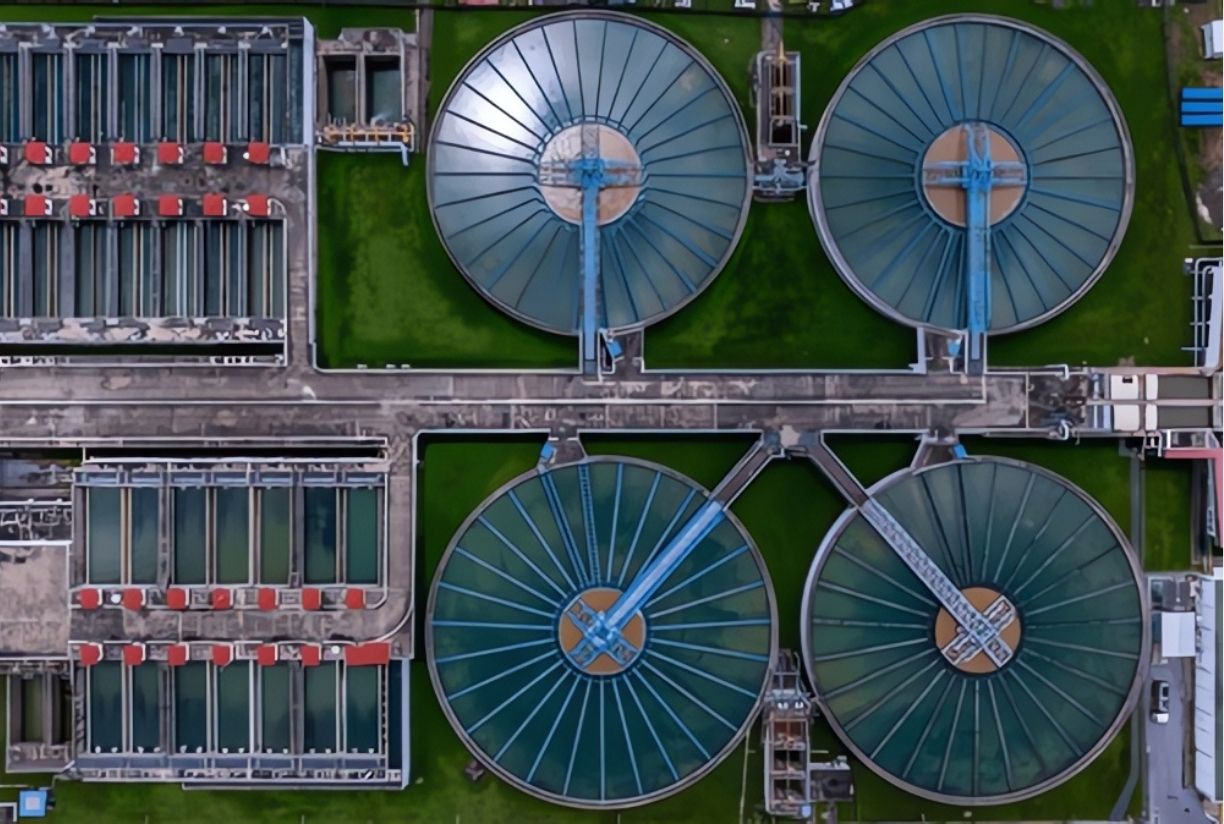
Table of Contents How Do Industrial Water Systems Improve Efficiency How To Optimize Industrial Water Treatment Processes How Does Tank Design Affect Water System Performance How To Achieve Sustainable Industrial Water Management How Do Heat Exchangers Work In Water Systems How To Reduce Water System Downtime With Passivation How Can Water Treatment Boost Operational Reliability How To Ensure Water Quality Meets International Standards How Does Project Design Impact Water System ROI How To Select Industrial Water Treatment Equipment How Do Industrial Water Systems Improve Efficiency Optimizing the performance of an industrial facility demands a holistic view of its core utilities, with water systems being a critical leverage point for significant facility efficiency gains. Inefficient or poorly maintained industrial water treatment systems lead to excessive energy consumption, scaling, corrosion, and frequent process improvement interruptions, directly impacting operational costs and asset longevity. Achieving true efficiency requires moving beyond basic functionality to embracing engineered solutions that integrate superior design principles, robust equipment, and proactive optimization strategies. Strategic water system optimization begins with custom-designed equipment like corrosion-resistant tanks from advanced tank manufacturing processes and high-performance heat exchangers that maximize thermal transfer while minimizing fouling. This precise engineering, guided by expert project consultancy, ensures that every component works synergistically to reduce energy demands and chemical usage. For example, a correctly sized and installed plate heat exchanger can recover waste heat from a process stream, pre-heating incoming water and substantially cutting boiler fuel requirements. Beyond design and installation, ongoing performance is secured through preventative measures such as passivation services, which create a passive oxide layer on stainless steel surfaces to prevent corrosion and extend equipment service life. This proactive approach to maintenance, a hallmark of sustainable water solutions, directly translates to reduced maintenance costs and minimal unplanned downtime. It ensures system integrity and consistent water quality, which is paramount for meeting stringent production standards and ensuring compliance with international quality benchmarks. Ultimately, enhancing efficiency through industrial water systems is not a one-time project but a continuous cycle of design, implementation, and refinement. Partnering with an end-to-end engineering firm like SS Proje allows facility managers to unlock compounded benefits: lower operational expenditure, extended asset lifespan, improved regulatory compliance, and a stronger foundation for sustainable water solutions. This comprehensive focus on long-term performance and reliability transforms water management from a utility cost center into a strategic asset driving overall facility competitiveness and sustainability. How To Optimize Industrial Water Treatment Processes Effective water system optimization transforms industrial facility efficiency by systematically addressing the core inefficiencies within industrial water treatment systems. These processes are often plagued by chemical overuse, energy waste, and scaling, which directly undermine operational reliability and cost control. A proactive approach to process improvement involves a meticulous audit of the entire water circuit to identify precise intervention points for maximizing performance and minimizing resource consumption. The foundation of optimization rests on integrating purpose-built equipment designed for longevity and precision. Custom-designed vessels from expert tank manufacturing ensure chemical resistance and structural integrity, while high-efficiency heat exchangers maximize thermal transfer rates to reduce energy loads on boilers and chillers. This equipment selection, guided by strategic project consultancy, ensures that each component contributes to a cohesive system designed for peak performance rather than just basic functionality. Sustaining these gains requires a disciplined maintenance strategy centered on chemical management and surface protection. Implementing targeted passivation services on all wetted stainless steel surfaces creates a robust corrosion-resistant layer, drastically extending the service life of tanks, pipelines, and pumps. This preventative measure is a cornerstone of sustainable water solutions, preventing costly unscheduled downtime and ensuring consistent water quality that meets rigorous production standards. True optimization is an ongoing cycle of monitoring, analysis, and refinement, not a one-time adjustment. Partnering with an end-to-end provider like SS Proje leverages deep engineering expertise to embed resilience and intelligence into the water treatment process. This commitment to comprehensive water system optimization delivers measurable outcomes, including reduced chemical spend, lower energy consumption, extended equipment lifespan, and unwavering compliance, ultimately securing the long-term operational and financial performance of the entire facility. How Does Tank Design Affect Water System Performance The performance and reliability of any industrial water treatment system are intrinsically linked to the foundational quality and engineering of its storage and process vessels. Inadequate tank manufacturing leads to a cascade of operational failures, including material corrosion, bacterial contamination, and inefficient mixing that compromise both facility efficiency and product quality. Optimal tank design is therefore not merely about containment but is a critical enabler of system-wide water system optimization. Strategic design incorporates elements that directly influence hydrodynamic efficiency and chemical stability. Internally, specifications like aspect ratio, baffle placement, and nozzle orientation are calculated to prevent dead zones and ensure homogenous mixing, which is vital for effective chemical dosing and reaction kinetics. Externally, the integration with other critical components, such as pumps and heat exchangers, must be engineered for minimal pressure drop and optimal flow rates. This level of integration requires precise project consultancy to align the tank’s function with the broader objectives of the treatment process. Material selection and surface finishing are paramount for longevity and compliance. Tanks fabricated from the appropriate grade of stainless steel and subjected to a rigorous passivation service develop a robust chromium oxide layer that resists pitting and corrosion from aggressive chemicals. This proactive measure is a fundamental component of sustainable water solutions, drastically reducing the risk of leaching contaminants and extending the asset's operational life far beyond that of non-passivated equipment. The direct impact of superior tank design on overall system performance underscores the necessity of partnering with an engineering firm like SS Proje that masters the entire lifecycle. From initial design and tank manufacturing to final commissioning, a focus on precision engineering ensures that every vessel contributes to the system's reliability, driving significant process improvement. This holistic approach transforms the tank from a passive container into an active, high-performance component that enhances the entire facility's operational and financial resilience. How To Achieve Sustainable Industrial Water Management Sustainable industrial water management is a strategic imperative that transcends simple conservation, focusing on optimizing the entire water lifecycle within a facility to maximize resource efficiency and operational resilience. Achieving this requires a shift from reactive treatment to a proactive, engineered system designed for minimal waste and maximum reuse. This approach directly enhances facility efficiency by reducing both freshwater intake and wastewater discharge, translating into significant cost savings and a stronger environmental compliance posture. The core of a sustainable strategy lies in deploying advanced industrial water treatment systems engineered for closed-loop or semi-closed-loop operations. Key to this is precision tank manufacturing that provides durable, corrosion-resistant storage for treated water and chemicals, ensuring long-term integrity. Integrating high-efficiency heat exchangers allows for optimal thermal management, recovering and reusing energy from process streams to drastically lower the overall plant energy footprint. Long-term sustainability is secured through diligent maintenance protocols and intelligent process improvement. Regular passivation services applied to all system components prevent metal degradation, extending asset life and preventing contaminant leaching that could compromise water quality for reuse. This preventative care, guided by expert project consultancy, is fundamental to creating truly sustainable water solutions that operate reliably for decades. Ultimately, achieving sustainable management is a continuous cycle of water system optimization that demands an end-to-end engineering partnership. Collaborating with a specialist like SS Proje ensures that sustainability goals are embedded from the initial design phase through to implementation and ongoing support. This holistic approach not only meets compliance standards but transforms water management into a competitive advantage, delivering lasting facility efficiency, reduced operational costs, and demonstrable environmental stewardship. How Do Heat Exchangers Work In Water Systems Heat exchangers are pivotal components in industrial water treatment systems, serving as the thermal engine that manages energy transfer to optimize process temperatures and drive facility efficiency. They operate on the principle of conductive heat transfer through a solid barrier, typically plates or tubes, separating a hot fluid stream from a cold one without mixing. In water systems, this allows for precise heating or cooling of process water, recovery of waste heat, and significant reduction in the energy load on primary boilers and chillers, forming a cornerstone of sustainable water solutions. The effectiveness of a heat exchanger is determined by its design, material selection, and integration into the broader system. Plate heat exchangers, for instance, offer a large surface area in a compact footprint, enabling high thermal efficiency and rapid response to changing process demands. Their performance is intrinsically linked to the quality of the water; scaling or fouling can drastically reduce heat transfer coefficients. This underscores the need for water system optimization and pre-treatment to protect the unit's integrity and maintain peak operational performance, often guided by expert project consultancy. Proper material selection, such as high-grade stainless steel, is critical for corrosion resistance. Subjecting these components to passivation services after fabrication enhances their inherent durability by forming a passive oxide layer, which is essential for preventing corrosive attack from aggressive water chemistries. This proactive maintenance directly impacts the lifecycle cost, minimizing downtime and preventing costly repairs, thereby contributing to broader process improvement initiatives. Integrating a correctly specified heat exchanger is a key strategy for achieving substantial energy savings and enhancing system reliability. It works synergistically with other engineered components, such as precision tank manufacturing, to create a cohesive and high-performing system. An end-to-end engineering partner like SS Proje ensures that heat exchanger selection, installation, and maintenance are perfectly aligned with the facility's operational goals, delivering a measurable boost to facility efficiency, reduced carbon footprint, and long-term operational resilience. How To Reduce Water System Downtime With Passivation Unplanned downtime in industrial water treatment systems is frequently a direct result of corrosion-related failures in stainless steel components, leading to costly production halts and emergency repairs. Proactive application of passivation services is a critical preventative measure that directly targets this root cause, significantly enhancing system reliability and facility efficiency. This chemical process fundamentally strengthens the material's inherent resistance, creating a robust passive layer that protects against corrosive attack from chlorides and other aggressive agents present in process water. The passivation process works by removing free iron from the surface of stainless steel and promoting the formation of a continuous, non-reactive chromium oxide layer. This microscopic barrier is integral to the metal itself, unlike a coating, and will self-repair if minor damage occurs in the presence of oxygen. Applying this treatment to critical components such as tanks from precision tank manufacturing, pipelines, and heat exchangers directly prevents pitting and crevice corrosion, which are primary causes of leaks and system contamination. This strategic intervention is a cornerstone of sustainable water solutions, maximizing asset lifespan and minimizing lifecycle costs. Integrating passivation into a comprehensive maintenance schedule, planned with expert project consultancy, transforms it from a simple procedure into a strategic process improvement. Performing it post-installation and during scheduled shutdowns ensures all wetted surfaces are protected before corrosive mechanisms can initiate. This disciplined approach to water system optimization eliminates the reactive cycle of breakdown-and-repair, directly translating into predictable operations and minimal unscheduled interruptions. Ultimately, viewing passivation as an essential investment in system integrity is key to achieving long-term operational stability. Partnering with an end-to-end engineering provider like SS Proje ensures that passivation is not an afterthought but an integral part of the system design and maintenance philosophy. This commitment to proactive care delivers a direct and measurable impact on operational uptime, reduces total cost of ownership, and ensures consistent water quality, securing the facility's productivity and compliance for years to come. How Can Water Treatment Boost Operational Reliability Beyond providing clean water, advanced industrial water treatment systems are fundamental engineering assets that directly strengthen the backbone of a facility's operational reliability. Uncontrolled water quality leads to scaling, corrosion, and biological fouling that degrade pumps, heat exchangers, and other critical equipment, resulting in unpredictable failures. A robust treatment strategy acts as a preventative shield, ensuring consistent process conditions and minimizing the variables that cause unplanned downtime, thereby enhancing overall facility efficiency. The reliability boost begins with the precise engineering of the system's core components. Durable vessels from expert tank manufacturing are designed to withstand chemical and pressure stresses, while properly selected treatment technologies remove contaminants that would otherwise impair system performance. This careful design, informed by thorough project consultancy, ensures the system is resilient against fluctuations in feed water quality and process demands, forming the foundation for stable operations and continuous process improvement. Long-term reliability is cemented through proactive maintenance protocols like passivation services, which fortify stainless steel surfaces against corrosive degradation. By creating a passive oxide layer, passivation prevents pitting and metal release that can compromise product quality and damage sensitive downstream equipment. This preventative measure is a key element of sustainable water solutions, directly extending the service life of the entire industrial water treatment system and reducing the total cost of ownership. Ultimately, a strategically implemented water treatment system is a direct investment in production predictability and asset longevity. Continuous water system optimization ensures that reliability is not a static state but a continuously maintained performance standard. Partnering with an end-to-end provider like SS Proje integrates this reliability-focused mindset from initial design through to ongoing support, guaranteeing that the water system consistently performs as a reliable utility, protecting production integrity, ensuring compliance, and delivering unwavering operational performance. How To Ensure Water Quality Meets International Standards Guaranteeing that industrial water quality consistently adheres to rigorous international standards is a complex engineering challenge that extends far beyond simple filtration. Non-compliance can result in product recalls, regulatory penalties, and severe damage to a facility's reputation. Achieving this demands a systematic approach to water system optimization, where every component from intake to discharge is engineered for precision and control, ultimately supporting the facility's core objectives of facility efficiency and unwavering compliance. The pathway to standardized water quality begins with robust process design and material integrity. Custom-engineered vessels from high-precision tank manufacturing prevent contamination leaching, while advanced treatment technologies within the industrial water treatment system target specific impurities like heavy metals, organics, or micro-organisms to meet purity specifications. Integrating efficient heat exchangers ensures process temperatures are maintained within exact ranges, which is critical for both treatment efficacy and preventing microbial growth, a key aspect of sustainable water solutions. Sustaining compliance requires proactive material protection and vigilant monitoring. The application of expert passivation services to all stainless steel surfaces is non-negotiable, as it prevents corrosion that could introduce iron and other metal ions into the water stream. This preventative measure, guided by strategic project consultancy, is a fundamental process improvement that safeguards water purity at the source, eliminating a common cause of parameter exceedance. Ultimately, ensuring ongoing compliance is a continuous cycle of validation and refinement, not a one-time certification. Partnering with an end-to-end engineering firm like SS Proje embeds compliance into the system's DNA from the initial design phase. This holistic approach, focused on precision engineering and proactive maintenance, transforms water quality management from a compliance burden into a strategic advantage, delivering reliable performance, protecting brand integrity, and underpinning the facility's commitment to international quality benchmarks. How Does Project Design Impact Water System ROI The return on investment for an industrial water treatment system is fundamentally determined during the initial project design phase, where strategic engineering decisions lock in decades of operational costs and performance. A design focused solely on upfront capital expenditure often leads to higher lifecycle expenses through inefficient energy use, frequent maintenance, and premature equipment failure. In contrast, a design optimized for total cost of ownership directly enhances facility efficiency and maximizes long-term financial returns. Strategic design incorporates scalability, redundancy, and component synergy to drive water system optimization. For instance, specifying correctly sized heat exchangers with high thermal efficiency reduces the energy load on boilers and chillers, yielding continuous operational savings. Similarly, selecting materials and layouts from expert tank manufacturing that minimize pressure drops and chemical dosing requirements lowers both energy and consumable costs. This level of integration, achieved through comprehensive project consultancy, ensures every element contributes to reduced operational expenditure. Designing for longevity is a critical ROI multiplier. Incorporating protocols like passivation services into the project specification protects the capital investment by drastically extending the service life of pumps, tanks, and piping. This proactive approach to durability is a foundational element of sustainable water solutions, preventing costly unscheduled downtime and replacement cycles. It represents a strategic process improvement that delivers compounding financial benefits over the system's entire lifespan. Ultimately, the most significant impact on ROI comes from viewing the design phase as an investment in future performance rather than a cost. A partnership with an end-to-end engineering firm like SS Proje ensures that financial and operational objectives are engineered into the system from the outset. This forward-thinking approach delivers a water system that is not just compliant but is a high-performing, low-maintenance asset that consistently drives down costs, boosts productivity, and secures a strong return for investors and facility operators alike. How To Select Industrial Water Treatment Equipment Selecting the right industrial water treatment equipment is a critical determinant of a facility's long-term performance, impacting everything from operational costs to regulatory compliance. A haphazard selection based solely on initial price often leads to inefficient operation, high maintenance burdens, and premature failure, severely undermining facility efficiency. A strategic approach, focused on the equipment's integration into the complete industrial water treatment system, ensures each component actively contributes to the overarching goal of reliable and economical operation. The selection process must begin with a clear understanding of the facility's specific water chemistry, flow rates, pressure requirements, and quality targets. For instance, choosing high-efficiency heat exchangers with the correct material and plate design is essential for optimal thermal performance and fouling resistance. Similarly, vessels sourced from reputable tank manufacturing must be specified with the correct metallurgy and internal configuration to handle the chemical and physical stresses of the process. This technical diligence, often guided by expert project consultancy, is the foundation of effective water system optimization. Long-term durability is a non-negotiable selection criterion that directly impacts lifecycle costs. Prioritizing equipment that is designed for and delivered with certified passivation services ensures that stainless steel surfaces are protected from the start, preventing corrosion-induced failures. This commitment to built-in durability is a hallmark of sustainable water solutions, transforming equipment selection from a procurement task into a strategic process improvement that guarantees extended service life and minimal unplanned downtime. Ultimately, equipment selection should be viewed as an investment in the system's total performance, not just an acquisition cost. Partnering with a provider like SS Proje, which offers end-to-end solutions from design to implementation, ensures that every selected component is optimized for synergy within the larger system. This holistic approach guarantees that the chosen equipment will deliver maximum reliability, drive down operational expenditures, and support the facility's goals for efficiency, sustainability, and compliance throughout its entire operational life.
See More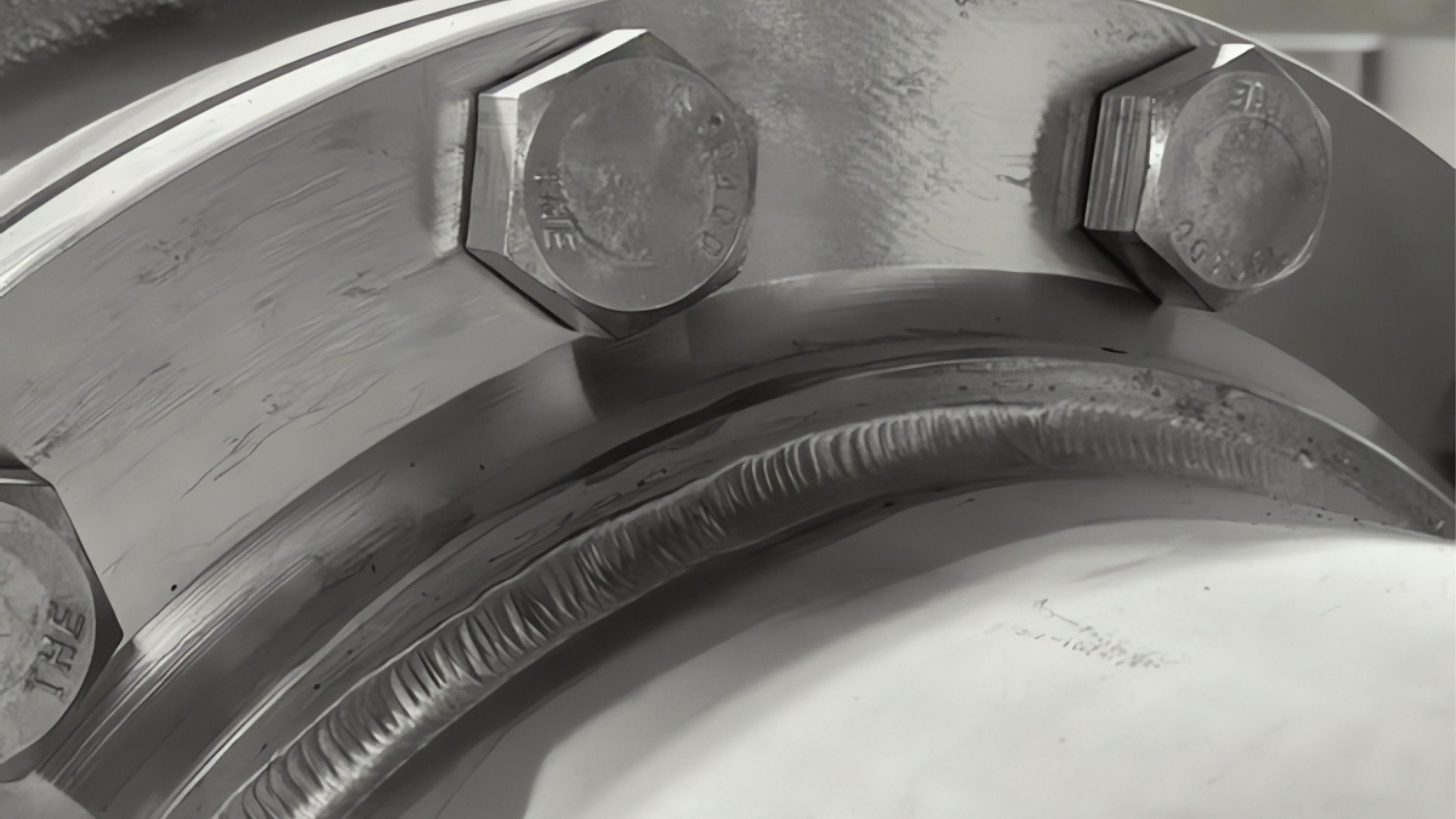
Table of Contents What Is Stainless Steel Passivation's Main Goal? Why Passivate Stainless Steel in Industrial Systems? How Does Passivation Improve Stainless Steel Lifespan? What Are Stainless Steel Passivation Process Steps? Does Stainless Steel Passivation Prevent Corrosion? How to Passivate Stainless Steel Equipment Properly? What Is Passivation's Role in Process Hygiene? Why Is Passivation Critical for Food Grade Equipment? Does Passivation Affect Stainless Steel Surface Finish? How to Validate a Passivation Treatment? What Is Stainless Steel Passivation's Main Goal? For production and process managers, the relentless threat of corrosion presents a constant challenge to facility efficiency optimization and the longevity of critical assets. The main goal of stainless steel passivation is to fundamentally enhance the material's innate resistance, creating a passive, chromium-rich oxide layer that acts as an impermeable shield against corrosive elements. This technical process is not merely a surface treatment but a vital corrosion resistance process that directly supports operational reliability and protects capital investment, aligning manufacturing outcomes with stringent international quality standards compliance. The effectiveness of this procedure is critical across a wide spectrum of industrial equipment maintenance regimes. For assets central to production, such as those produced through specialized tank mixer exchanger performance manufacturing, passivation ensures product purity and prevents contamination. In harsh chemical or high-purity environments, this controlled oxidation process eliminates free iron and other contaminants, significantly reducing pitting and crevice corrosion that can lead to costly failures. This proactive measure is a cornerstone of a robust process improvement consultancy strategy, transforming reactive repairs into predictable, planned maintenance cycles. Implementing a reliable passivation protocol, such as those integrated into SS Proje engineering services, delivers measurable long-term value. The resulting passive film minimizes friction and surface roughness, which can contribute to energy savings in pumping and mixing applications. More importantly, it drastically extends the service life of expensive components, reducing the total cost of ownership and minimizing unplanned downtime. This approach moves beyond simple treatment to become an integral part of the facility's lifecycle management. Ultimately, understanding and applying professional passivation is fundamental for achieving sustainable facility efficiency optimization. It ensures that industrial systems operate at peak performance with minimal industrial equipment maintenance interventions. By partnering with an expert provider like SS Proje for process improvement consultancy, facilities can secure this critical defense mechanism, safeguarding their operational integrity, ensuring compliance, and maximizing the return on investment for every piece of equipment. Why Passivate Stainless Steel in Industrial Systems? In high-stakes industrial environments, stainless steel components are foundational to process integrity, yet their inherent corrosion resistance is not absolute after fabrication. The imperative to passivate stainless steel in industrial systems stems from the need to restore and maximize this inherent property. Welding, machining, and handling introduce contaminants and microscopic iron particles that become active sites for corrosion, directly threatening operational reliability and undermining facility efficiency optimization. This controlled chemical corrosion resistance process is a non-negotiable step for ensuring long-term asset performance and compliance. The application of this procedure is critical for maintaining equipment that defines production quality, such as vessels produced through precision tank mixer exchanger performance manufacturing. In sectors like pharmaceuticals, food and beverage, and chemicals, even minor corrosion can lead to product contamination, batch failures, and severe regulatory non-compliance. Passivation creates a uniform, inert surface that prevents these issues, forming the bedrock of effective industrial equipment maintenance. This proactive approach is a core component of any forward-thinking process improvement consultancy, transforming potential vulnerabilities into pillars of durability. Partnering with specialized providers like SS Proje engineering services ensures the passivation is executed to the highest international quality standards compliance. The technical methodology involves precise chemical baths and rigorous validation, ensuring the chromium oxide layer is fully formed and stable. This maximizes the lifespan of filters, reactors, and piping systems, directly reducing lifecycle costs and unplanned downtime. The result is a system that not only resists corrosion but also operates with greater energy efficiency due to reduced surface friction and fouling. Ultimately, integrating professional passivation into the asset lifecycle is a strategic decision for sustainable operations. It is a fundamental practice for achieving superior facility efficiency optimization and unwavering international quality standards compliance. By engaging with expert partners for process improvement consultancy, industrial facilities can ensure their systems are protected from the outset, securing long-term performance, minimizing industrial equipment maintenance, and safeguarding their operational investment. How Does Passivation Improve Stainless Steel Lifespan? While stainless steel is renowned for its durability, its longevity in aggressive industrial environments is not guaranteed without proper surface treatment. The mechanism by which passivation improves stainless steel lifespan is fundamentally electrochemical, transforming the alloy's surface into a highly stable, self-repairing state. This corrosion resistance process removes embedded iron and other contaminants introduced during fabrication, allowing the chromium within the alloy to form a continuous, inert oxide layer. This passive film acts as a microscopic shield, drastically slowing the chemical reactions that lead to pitting, crevice corrosion, and eventual equipment failure, directly contributing to long-term facility efficiency optimization. This enhancement is critically important for high-value components central to production, such as those manufactured through specialized tank mixer exchanger performance processes. In applications where hygiene and purity are paramount, the flawless surface resulting from passivation prevents microbial harborage and product contamination. By eliminating sites where corrosion can initiate, the procedure ensures consistent operational reliability and reduces the frequency of costly industrial equipment maintenance. This proactive measure is a cornerstone of expert process improvement consultancy, shifting the focus from reactive repairs to predictive asset management. The longevity gains are maximized when the process is executed to exacting specifications, a hallmark of SS Proje engineering services. Proper validation against international quality standards compliance confirms the integrity of the passive layer, ensuring it can withstand prolonged exposure to chlorides, acids, and other corrosive agents. This extends the functional service life of critical assets by years, translating into significant reductions in replacement costs and production downtime. The improved surface also minimizes fouling and friction, leading to modest but consistent energy savings over the equipment's extended lifecycle. Ultimately, viewing passivation as a strategic investment in asset longevity is key to achieving sustainable operations. It is an essential practice for maximizing facility efficiency optimization and ensuring unwavering international quality standards compliance. By engaging with specialized partners for process improvement consultancy, industrial facilities can effectively double the operational life of their stainless steel systems, securing a higher return on investment and minimizing lifecycle industrial equipment maintenance expenditures. What Are Stainless Steel Passivation Process Steps? Achieving the full protective benefit of stainless steel passivation hinges on a meticulously controlled sequence of chemical and mechanical steps. This systematic corrosion resistance process begins with critical pre-cleaning to remove all organic and inorganic contaminants, including oils, greases, and shop debris. This initial phase is non-negotiable for ensuring the subsequent chemical treatments can act directly on the base metal, forming a uniform passive layer essential for long-term facility efficiency optimization. The precision of these steps directly impacts the final outcome, making adherence to strict protocols paramount. The core of the procedure involves immersing the components in an acid bath, typically nitric or citric acid, which dissolves free iron particles from the surface without attacking the underlying chromium. This key step selectively removes the contaminants that initiate rust, allowing the chromium to form a robust, continuous oxide layer. For critical assets like those involved in high-purity tank mixer exchanger performance, this ensures product integrity and prevents catastrophic failure. After immersion, a thorough neutralization and rinsing stage removes all residual chemistry, a critical measure for international quality standards compliance in sensitive industries. Final validation is where technical expertise proves its worth, a service integrated into comprehensive SS Proje engineering services. Techniques like water-break tests or copper sulfate tests verify the completeness and quality of the passive layer, confirming its ability to withstand operational stresses. This rigorous approach minimizes future industrial equipment maintenance demands and is a hallmark of expert process improvement consultancy. Each stage is documented to provide a verifiable trail of compliance and quality assurance. Mastering these process steps is fundamental to unlocking the full lifespan and performance of industrial assets. This disciplined methodology ensures that every treated component consistently achieves superior facility efficiency optimization and reliability. By partnering with specialists for process improvement consultancy, facilities can be confident their passivation investment delivers maximum protection, minimizes lifecycle costs, and upholds the highest standards of international quality standards compliance. Does Stainless Steel Passivation Prevent Corrosion? The fundamental question of whether stainless steel passivation prevents corrosion has a definitive answer rooted in materials science: it is the primary engineered method to achieve maximum resistance. While stainless steel inherently resists rust due to its chromium content, fabrication processes compromise this protection by embedding iron particles and contaminants. This specialized corrosion resistance process actively creates a flawless, chromium-rich passive layer that acts as an impermeable barrier, preventing the electrochemical reactions that cause pitting and uniform corrosion. For production managers, this translates directly into enhanced facility efficiency optimization by eliminating a primary cause of equipment degradation. The effectiveness of this barrier is most critical for high-value assets central to process streams, such as those manufactured to ensure optimal tank mixer exchanger performance. In these applications, passivation does not merely slow corrosion; it prevents the initiation of localized attacks that can lead to leaks, product contamination, and system-wide failures. This proactive defense is a cornerstone of strategic industrial equipment maintenance and a key offering within comprehensive process improvement consultancy. By preventing corrosion at the source, facilities achieve a higher degree of operational reliability and uphold stringent international quality standards compliance. When executed with precision, such as through the disciplined protocols of SS Proje engineering services, the passivation layer provides long-lasting protection that drastically reduces the frequency of repairs and replacements. This prevention of corrosion directly extends the functional lifespan of piping, vessels, and heat exchangers, minimizing lifecycle costs and unplanned downtime. The resulting smooth, inert surface also reduces friction and fouling, contributing to minor but persistent energy savings over the asset's operational life. Therefore, the role of passivation in corrosion prevention is absolute and indispensable for sustainable industrial operations. It is a fundamental enabler of long-term facility efficiency optimization and a non-negotiable step for achieving international quality standards compliance. By integrating this proven corrosion resistance process into their asset management strategy, facilities can effectively prevent the costly and disruptive effects of corrosion, securing their investment and ensuring continuous production integrity. How to Passivate Stainless Steel Equipment Properly? Properly executing the passivation of stainless steel equipment is a precise chemical engineering procedure essential for ensuring long-term operational reliability and maximizing asset performance. The process begins with a critical and often overlooked step: comprehensive pre-cleaning to remove all greases, oils, and particulates. This initial phase is vital because any residual contamination will shield the metal surface, compromising the effectiveness of the subsequent corrosion resistance process. For equipment designed for optimal tank mixer exchanger performance, this meticulous preparation is the foundation for achieving a flawless passive layer. The core of how to passivate stainless steel equipment properly involves controlled immersion in a certified acid solution, such as nitric or citric acid, at specified concentrations, temperatures, and durations. This bath selectively dissolves free iron and other surface contaminants while promoting the formation of a robust chromium oxide layer. Adherence to established standards like ASTM A967 is non-negotiable for international quality standards compliance. Following immersion, a rigorous neutralization and high-purity water rinse must be performed to remove all chemical traces, a step integral to the SS Proje engineering services methodology that ensures no secondary contamination. Validation is the final and most critical phase, confirming the success of the stainless steel passivation treatment. Techniques like the water break test or copper sulfate test provide immediate, verifiable evidence of a continuous passive film. This documented validation is a key component of strategic industrial equipment maintenance and a core offering within expert process improvement consultancy. Proper execution directly results in extended equipment lifespan, reduced maintenance frequency, and sustained facility efficiency optimization. Ultimately, mastering the correct passivation protocol is a strategic investment in the longevity and integrity of industrial assets. This disciplined approach ensures that facilities consistently achieve superior corrosion protection, directly supporting long-term facility efficiency optimization. By leveraging specialized process improvement consultancy, production managers can guarantee their equipment is protected to the highest standard, minimizing lifecycle costs and ensuring unwavering international quality standards compliance across all operations. What Is Passivation's Role in Process Hygiene? In industries where product purity is paramount, such as pharmaceuticals, food and beverage, and biotechnology, passivation's role in process hygiene is foundational. It transforms stainless steel from a potentially reactive surface into a microbiologically inert barrier, directly impacting batch integrity and consumer safety. This specialized corrosion resistance process eliminates microscopic pits, crevices, and embedded iron particles that can harbor bacteria and biofilms. By creating an ultra-smooth, non-reactive chromium oxide layer, passivation ensures that equipment surfaces can be effectively sterilized and cleaned, a critical factor for facility efficiency optimization and regulatory adherence. The significance of this role is most evident in critical processing equipment where tank mixer exchanger performance dictates product quality. An unpassivated surface with microscopic imperfections provides shelter for microorganisms that standard cleaning protocols cannot eradicate. Passivation removes these sanctuaries, ensuring that sanitizing agents contact and eliminate all contaminants. This proactive approach is a cornerstone of advanced industrial equipment maintenance and a key element of any comprehensive process improvement consultancy, directly supporting international quality standards compliance like GMP and FDA regulations. Implementing a rigorous passivation protocol, as part of integrated SS Proje engineering services, ensures this hygienic state is achieved and maintained. The process delivers a surface that resists the adhesion of proteins, minerals, and other soils, simplifying cleaning cycles and reducing the consumption of water and chemicals. This contributes directly to operational cost savings and enhanced sustainability. More importantly, it prevents product recalls and batch rejections caused by contamination, protecting both brand reputation and financial performance. Therefore, stainless steel passivation is not merely a corrosion control measure but a critical prerequisite for hygienic design. It is an essential practice for achieving uncompromising facility efficiency optimization and unwavering international quality standards compliance in sensitive industries. By prioritizing this process through expert process improvement consultancy, facilities can guarantee the highest levels of process hygiene, ensuring product safety and maximizing long-term operational reliability. Why Is Passivation Critical for Food Grade Equipment? The criticality of passivation for food grade equipment stems from the non-negotiable mandate to ensure product safety and uphold public health standards. In food and beverage processing, stainless steel surfaces are in constant contact with ingredients that can be highly corrosive or promote microbial growth. This essential corrosion resistance process eliminates the microscopic imperfections where bacteria, yeasts, and molds can establish colonies that are resistant to standard cleaning. By creating a flawless, inert surface, passivation ensures that equipment meets the stringent hygiene requirements critical for both facility efficiency optimization and regulatory compliance. For assets central to production, such as those manufactured to ensure superior tank mixer exchanger performance, an unpassivated surface poses a direct risk of metallic ion leaching and product contamination. Iron particles embedded during fabrication can dissolve into acidic foods or beverages, altering taste, color, and shelf stability. Passivation removes these contaminants, stabilizing the surface and preventing the release of metal ions that could compromise product quality. This proactive measure is a cornerstone of effective industrial equipment maintenance and a vital component within expert process improvement consultancy, ensuring adherence to global food safety standards. Executing this process to exacting specifications, a hallmark of SS Proje engineering services, is fundamental for achieving international quality standards compliance such as those from the FDA and EHEDG. A properly passivated surface withstands the aggressive cleaning chemicals and high temperatures used in sanitation-in-place (SIP) systems without degrading. This durability directly translates to extended equipment lifespan, reduced downtime for intensive cleaning or repairs, and lower lifecycle costs, all contributing to superior operational performance. Therefore, stainless steel passivation is not an optional treatment but a mandatory prerequisite for any food-grade application. It is the definitive process for ensuring product integrity, achieving maximum facility efficiency optimization, and maintaining unwavering international quality standards compliance. By integrating this critical step through specialized process improvement consultancy, food processing facilities can guarantee the safety of their products, protect their brand reputation, and secure long-term operational reliability. Does Passivation Affect Stainless Steel Surface Finish? A common technical question for engineers is whether passivation affects stainless steel surface finish, and the answer is fundamentally chemical rather than mechanical. Unlike abrasive processes that alter topography, this corrosion resistance process works at a microscopic level, dissolving free iron and other contaminants to reveal the underlying, uncontaminated alloy. The result is a surface that is chemically purified and optimized for the formation of the passive chromium oxide layer. This enhancement of the surface's chemical properties is critical for achieving long-term facility efficiency optimization and durability. The impact on the surface is most significant for its functional characteristics rather than its aesthetic appearance. By removing microscopic imperfections and inclusions, passivation creates a more homogeneous and less reactive surface. This is particularly important for equipment where smoothness impacts performance, such as in high-shear tank mixer exchanger performance applications. The process eliminates sites that can initiate pitting corrosion or harbor contaminants, which directly supports robust industrial equipment maintenance strategies. This chemical refining is a key consideration within any comprehensive process improvement consultancy aimed at maximizing asset life. When performed correctly by specialists like SS Proje engineering services, the treatment ensures the final surface meets the required international quality standards compliance for cleanliness and chemical inertness. The passivated finish exhibits superior resistance to fouling and staining, which simplifies cleaning protocols and reduces the need for aggressive chemical cleaners. This contributes to operational savings and supports sustainable practices by minimizing resource consumption, all while preserving the mechanical surface integrity established during manufacturing. Therefore, while stainless steel passivation does not mechanically polish the surface, it fundamentally improves its performance characteristics. The process optimizes the surface for maximum corrosion resistance and hygiene, which is essential for achieving superior facility efficiency optimization. By incorporating this vital step through expert process improvement consultancy, facilities ensure their equipment maintains an optimal functional finish that enhances longevity, reduces industrial equipment maintenance, and upholds the highest performance standards. How to Validate a Passivation Treatment? Understanding how to validate a passivation treatment is critical for ensuring the long-term success of this corrosion resistance process and the resulting operational reliability it provides. Validation is not a single test but a verification protocol that confirms the stainless steel surface has achieved a truly passive state, free from free iron and capable of forming a continuous oxide layer. This step is indispensable for achieving the promised facility efficiency optimization and is a mandatory requirement for demonstrating international quality standards compliance in regulated industries. The most common validation method is the water break test, where high-purity water is run over the surface; a continuous film indicates a clean, passive surface, while beading suggests residual contaminants. For more rigorous verification, the copper sulfate test is employed, where a solution is applied to detect the presence of free iron through a copper plating reaction. In critical applications involving high-purity tank mixer exchanger performance, salt spray testing or electrochemical methods like potentiostatic testing may be used to quantify the corrosion resistance. These methods form the backbone of a reliable industrial equipment maintenance strategy. Engaging with certified providers like SS Proje engineering services ensures that validation is performed according to established standards such as ASTM A967, providing documented evidence of the treatment's success. This documentation is a key deliverable within a comprehensive process improvement consultancy, offering traceability and proof of compliance for audits. Proper validation confirms that the stainless steel passivation will deliver its intended protective benefits, directly leading to extended equipment lifespan and reduced lifecycle costs. Ultimately, a validated passivation treatment is the only way to guarantee the investment in corrosion protection will yield the expected returns in performance and durability. This rigorous verification process is essential for achieving maximum facility efficiency optimization and ensuring unwavering adherence to international quality standards compliance. By partnering with experts for process improvement consultancy, facilities can be confident their validation protocols are robust, safeguarding their assets and ensuring long-term operational integrity.
See More
Table of Contents How to Start a Process Optimization Project How Does Process Optimization Reduce Costs How to Optimize Industrial Production Processes How to Improve Facility Efficiency with Optimization How to Measure Process Optimization Success How to Implement Lean Manufacturing Principles How Can Process Optimization Boost Sustainability How to Optimize Energy Use in Industrial Facilities How to Conduct a Process Optimization Audit How to Achieve Long-Term Operational Reliability How to Start a Process Optimization Project Initiating a process optimization project requires a systematic engineering approach to identify and eliminate workflow inefficiencies that compromise industrial facility efficiency. For production managers, the starting point is a comprehensive audit of current operations to benchmark performance against international quality standards and define measurable targets for improvement. This foundational analysis is critical for aligning the project scope with strategic business goals, whether targeting energy savings, waste reduction, or capacity expansion, thereby transforming operational challenges into quantifiable opportunities for enhancement. A successful launch hinges on engaging process improvement consulting expertise early in the project lifecycle. Specialized consultancies, like SS Proje project consultancy, apply methodologies such as lean manufacturing implementation to map value streams and pinpoint non-value-added activities. This phase defines clear parameters for the project, including data collection protocols, key performance indicators (KPIs), and a structured implementation plan that integrates seamlessly with existing production workflows to minimize disruption. The core of the initiative involves detailed planning for the tangible upgrades that drive production line optimization. This often includes specifying high-performance industrial equipment—such as custom-designed filter housings, mixers, or heat exchangers—that are engineered for durability and long life. Partnering with a provider offering end-to-end engineering services ensures a cohesive transition from design and manufacturing to precise field installation, guaranteeing that each component functions optimally within the larger system. Executing the optimization plan requires meticulous coordination of field installation and commissioning activities to achieve seamless integration. Focused project consultancy support during this phase oversees the technical implementation, including critical procedures like passivation for corrosion resistance on tanks and piping systems, which is essential for maintaining product purity and extending asset lifespan under demanding industrial conditions. The final, crucial step is establishing a framework for continuous monitoring and improvement to lock in the gains from the process optimization. This involves tracking the defined KPIs to validate performance improvements in energy consumption, output quality, and operational reliability. Ultimately, embarking on this structured path delivers sustainable facility solutions that not only meet immediate production targets but also build a foundation for long-term competitiveness, regulatory compliance, and reduced total cost of ownership. How Does Process Optimization Reduce Costs Process optimization systematically targets and eliminates hidden operational expenditures, directly impacting the bottom line by reducing waste, energy consumption, and unplanned downtime in industrial facilities. For production managers, this is not merely a cost-cutting exercise but a strategic reinvestment into industrial facility efficiency. By applying rigorous engineering analysis and modern lean manufacturing implementation principles, facilities can identify excess material usage, inefficient energy flows, and procedural bottlenecks that silently inflate operational costs while compromising output quality. A primary mechanism for cost reduction is through focused process improvement consulting, which delivers a granular view of resource allocation. Expert SS Proje project consultancy services, for instance, analyze utility consumption, maintenance cycles, and raw material yield to pinpoint specific areas for improvement. This data-driven approach facilitates precise production line optimization, leading to significant reductions in energy bills, lower consumption of consumables, and a marked decrease in scrap rates, thereby boosting both profitability and sustainability. Strategic equipment upgrades, delivered through end-to-end engineering services, further solidify these savings. Optimized industrial equipment, designed for reliability and longevity, minimizes reactive maintenance expenses and extends the operational life of critical assets. The implementation of sustainable facility solutions, such as high-efficiency heat exchangers or advanced filtration systems, directly translates to lower energy demand and reduced water usage, creating a continuous cycle of operational savings that compound over time. Ultimately, a well-executed process optimization project transforms cost centers into pillars of efficiency. The initial investment in expert analysis and targeted improvements yields a rapid return by slashing variable costs and enhancing production throughput. This creates a more resilient operation with a lower total cost of ownership, positioning facilities for long-term competitiveness and compliance with stringent international quality standards. How to Optimize Industrial Production Processes Optimizing industrial production processes begins with a comprehensive analysis of current operations to establish a baseline for industrial facility efficiency. This initial assessment, often guided by specialized process improvement consulting, identifies critical bottlenecks, energy waste, and quality variations that limit throughput and inflate operational costs. The objective is to transform these findings into a strategic roadmap for process optimization, setting clear, measurable targets for enhancement that align with overarching business goals for output, quality, and sustainability. The implementation phase leverages proven methodologies like lean manufacturing implementation to systematically eliminate non-value-added activities. This involves re-engineering workflow sequences, improving material handling, and integrating automation where feasible to streamline operations. For effective execution, partnering with a firm offering end-to-end engineering services, such as SS Proje project consultancy, ensures a cohesive approach from design through to field installation, minimizing disruption while achieving significant production line optimization. A critical component of sustainable improvement is the integration of high-performance equipment engineered for reliability and compliance. Upgrading to advanced filtration systems, energy-efficient heat exchangers, and precisely fabricated tanks directly contributes to sustainable facility solutions by reducing energy consumption and material waste. These technical enhancements, when executed as part of a holistic process optimization strategy, not only boost current production capacity but also extend the operational life of the entire facility infrastructure. The final stage involves establishing a culture of continuous monitoring and incremental improvement to sustain the gains. By tracking key performance indicators related to energy use, output quality, and equipment reliability, production managers can ensure the optimized processes deliver long-term value. This disciplined approach transforms industrial production into a strategic asset, achieving superior efficiency, reliability, and a reduced total cost of ownership that meets international quality standards. How to Improve Facility Efficiency with Optimization Improving facility efficiency through optimization requires a systematic engineering approach that targets the entire operational ecosystem for measurable performance gains. True industrial facility efficiency is not achieved through isolated equipment upgrades but through a holistic process optimization strategy that integrates people, processes, and technology. This begins with a comprehensive facility audit conducted via expert process improvement consulting to quantify energy losses, material waste, and workflow inefficiencies that directly hinder productivity and inflate operational costs. The core of this improvement lies in the rigorous application of lean manufacturing implementation principles to eliminate non-value-added activities across the production floor. This methodology streamlines material flow, reduces cycle times, and empowers the workforce to identify and resolve inefficiencies actively. For seamless execution, partnering with a provider like SS Proje project consultancy, which offers true end-to-end engineering services, ensures that process redesign is perfectly synchronized with precision field installation and equipment integration, delivering comprehensive production line optimization. Strategic upgrades to the physical plant are fundamental to locking in efficiency gains. This involves integrating high-performance sustainable facility solutions such as advanced heat exchangers for optimal thermal management and custom-fabricated tanks designed for maximum yield and minimal waste. These engineered solutions reduce the energy and resource intensity of operations, achieving not only immediate cost savings but also ensuring long-term compliance with evolving international environmental and quality standards. The culmination of this integrated effort is a transformed facility operating at peak industrial facility efficiency. A continuous monitoring framework validates the performance improvements, tracking key metrics like Overall Equipment Effectiveness (OEE) and specific energy consumption. This disciplined, engineering-led approach positions the facility for sustained competitiveness, significantly reduced total cost of ownership, and enhanced operational reliability, making it a strategic asset for any forward-thinking industrial enterprise. How to Measure Process Optimization Success Measuring the success of a process optimization initiative requires defining and tracking key performance indicators (KPIs) that objectively quantify improvements in industrial facility efficiency. The measurement process begins before implementation, establishing a robust baseline for metrics such as Overall Equipment Effectiveness (OEE), energy consumption per unit produced, and overall production yield. This pre-optimization data provides the critical benchmark against which the tangible impact of lean manufacturing implementation and other improvement strategies is rigorously assessed. The most telling indicators of success are found in operational data directly linked to cost and performance. A successful production line optimization will manifest as a quantifiable reduction in unplanned downtime, lower specific energy usage, decreased raw material waste, and a higher first-pass yield. Expert process improvement consulting, such as that offered by SS Proje project consultancy, is instrumental in setting up the data collection and analysis frameworks necessary to attribute these improvements directly to the optimization efforts, moving beyond anecdotal evidence to hard, financial justification. Financial metrics provide the ultimate validation of success, translating operational gains into business value. This includes calculating the return on investment (ROI) by comparing the project cost against the savings from reduced energy bills, lower maintenance expenditures, and increased throughput capacity. Furthermore, the integration of sustainable facility solutions adds another dimension of value, measured through a lower environmental footprint and enhanced compliance, which are increasingly critical for maintaining market access and corporate reputation. Long-term success is secured through the establishment of a continuous improvement culture, enabled by the end-to-end engineering services that embed monitoring capabilities into the facility's operations. This ensures that the KPIs tracked during the initial project continue to be monitored, allowing for proactive adjustments and sustaining the gains in efficiency and reliability. Ultimately, consistently meeting or exceeding the predefined performance targets confirms that the process optimization has successfully delivered its intended value, solidifying the facility's competitive edge and long-term viability. How to Implement Lean Manufacturing Principles Implementing lean manufacturing implementation begins with a cultural and operational shift focused on eliminating waste to maximize value. This fundamental approach to process optimization requires a thorough value stream mapping exercise to visualize the entire production flow and identify non-value-added activities such as waiting, excess inventory, and unnecessary motion. A successful implementation, guided by expert process improvement consulting, transforms these insights into a strategic action plan tailored to boost industrial facility efficiency. The practical application of lean principles involves deploying specific tools like 5S for workplace organization, Kanban for pull-based inventory control, and standardized work procedures to ensure consistency and quality. Engaging a partner with comprehensive end-to-end engineering services, such as SS Proje project consultancy, ensures these methodologies are correctly integrated with the physical layout and equipment. This synergy between process discipline and technical infrastructure is essential for achieving true production line optimization and sustainable performance gains. Lean implementation extends to the physical assets, where equipment design and maintenance strategies are optimized for reliability and minimal waste. Incorporating sustainable facility solutions, such as energy-efficient motors and optimized heat recovery systems, aligns perfectly with the lean goal of reducing resource consumption. The focus on preventative maintenance and quick changeover techniques further reinforces the lean philosophy, directly reducing downtime and extending the operational life of critical production assets. The final measure of successful lean manufacturing implementation is the establishment of a continuous improvement culture, or Kaizen, where every employee is empowered to identify and act on efficiency opportunities. This creates a self-sustaining cycle of process optimization that drives ongoing reductions in cost and waste while enhancing overall operational agility and resilience, securing a long-term competitive advantage for the industrial facility. How Can Process Optimization Boost Sustainability Process optimization serves as a powerful engine for boosting sustainability by systematically reducing the environmental footprint of industrial operations while simultaneously enhancing economic performance. For modern facilities, achieving sustainable facility solutions is intrinsically linked to improving industrial facility efficiency, as waste minimization and resource conservation are core principles of both disciplines. This synergy transforms sustainability from a compliance obligation into a strategic driver of cost savings and operational resilience. The application of lean manufacturing implementation is particularly effective, as its core mandate to eliminate waste directly translates into lower energy consumption, reduced raw material usage, and decreased emissions. Through expert process improvement consulting, facilities can reconfigure workflows and upgrade equipment to achieve significant production line optimization. Partnering with an expert like SS Proje project consultancy ensures that these improvements are delivered through cohesive end-to-end engineering services, from initial audit through to implementation. Optimization boosts sustainability by extending equipment lifespan and integrating advanced, eco-efficient technologies. Upgrading to high-efficiency motors, advanced heat recovery systems, and water recycling units drastically cuts resource intensity. These technical enhancements, when executed as part of a holistic strategy, not only reduce the facility's carbon footprint but also lower operating costs, creating a compelling business case for sustainable facility solutions that are both environmentally responsible and financially sound. Ultimately, a well-executed process optimization project embeds sustainability into the operational DNA of the facility. The continuous monitoring and improvement culture that follows ensures that environmental performance is perpetually enhanced alongside productivity. This creates a virtuous cycle where superior industrial facility efficiency delivers lasting competitive advantage through reduced ecological impact, robust compliance, and a significantly lower total cost of ownership. How to Optimize Energy Use in Industrial Facilities Optimizing energy use in industrial facilities is a critical component of a comprehensive process optimization strategy, directly impacting both operational costs and environmental sustainability. The journey begins with an energy audit conducted through expert process improvement consulting to establish a baseline and identify the largest energy sinks, whether from inefficient motors, poorly insulated systems, or suboptimal process control. This data-driven analysis is the cornerstone for developing a targeted plan to significantly enhance industrial facility efficiency. A key tactic involves integrating lean manufacturing implementation principles to eliminate energy waste associated with non-value-added activities. By streamlining material flows, reducing idle times, and optimizing equipment scheduling, facilities can achieve substantial reductions in power consumption. Engaging a partner like SS Proje project consultancy, which provides end-to-end engineering services, ensures that procedural changes are perfectly synchronized with technical upgrades for maximum production line optimization and energy savings. The strategic deployment of advanced sustainable facility solutions is essential for locking in long-term energy efficiency. This includes retrofitting facilities with high-efficiency heat exchangers, variable frequency drives (VFDs) on motors, and advanced building automation systems for lighting and HVAC. These technological improvements, when engineered and installed correctly, directly reduce the facility's energy intensity, lower its carbon footprint, and contribute to significant cost savings. The culmination of this effort is a facility that operates with optimized energy consumption as a core operational principle. Continuous monitoring of energy performance indicators (EnPIs) validates the success of the optimization and identifies opportunities for further improvement. This systematic approach not only delivers immediate financial benefits but also ensures long-term compliance with energy regulations, positioning the industrial facility as a leader in sustainable facility solutions and operational excellence. How to Conduct a Process Optimization Audit Conducting a process optimization audit is the essential first step in any initiative to systematically enhance industrial facility efficiency. This rigorous assessment provides an objective, data-driven snapshot of current operations, quantifying performance gaps in areas such as energy consumption, material yield, equipment uptime, and workflow bottlenecks. The audit establishes a verifiable baseline against which the success of subsequent lean manufacturing implementation and other improvement strategies can be accurately measured. The audit process itself involves a multi-faceted approach, combining data analysis with on-site observation to uncover root causes of inefficiency. Experienced process improvement consulting teams, such as those from SS Proje project consultancy, utilize tools like value stream mapping to visualize material and information flows, identifying delays, excess inventory, and redundant steps. This holistic examination is critical for pinpointing opportunities for comprehensive production line optimization that go beyond superficial fixes. A thorough audit delves into the technical performance of physical assets, assessing the condition and efficiency of critical equipment like heat exchangers, pumps, and filtration systems. This evaluation is vital for integrating sustainable facility solutions into the improvement plan, ensuring that equipment upgrades directly contribute to reduced energy usage and waste generation. The audit's findings form the foundation for a prioritized action plan that outlines specific projects, required investments, and projected returns. The ultimate value of a professional process optimization audit lies in its ability to create a clear, actionable roadmap for improvement. By identifying the most impactful opportunities, the audit ensures that resources are allocated effectively to deliver maximum industrial facility efficiency gains. This foundational work, especially when supported by end-to-end engineering services, translates directly into reduced operational costs, extended asset life, and a stronger competitive position through sustained, measurable performance improvements. How to Achieve Long-Term Operational Reliability Achieving long-term operational reliability requires a proactive engineering strategy that goes beyond reactive maintenance to embed resilience into the very design and operation of the facility. This foundational approach is the bedrock of true industrial facility efficiency, ensuring consistent output, minimal unplanned downtime, and predictable performance. A strategic process optimization initiative is central to this goal, systematically replacing variability and uncertainty with controlled, reliable processes. The pathway to reliability is paved with disciplined lean manufacturing implementation, which standardizes work procedures and empowers teams to identify potential failure points before they escalate. Engaging in expert process improvement consulting, such as that provided by SS Proje project consultancy, allows facilities to design robust systems where equipment, processes, and human factors are harmonized. This proactive analysis and design are crucial for achieving sustainable production line optimization that withstands the test of time. Long-term reliability is physically engineered into the facility through the selection and integration of high-quality sustainable facility solutions. This includes specifying equipment built to international quality standards, implementing precision end-to-end engineering services for installation, and applying protective treatments like passivation to critical components. These technical choices directly contribute to extended asset life, reduced frequency of breakdowns, and lower lifecycle costs. The final element is the establishment of a continuous monitoring and improvement culture that sustains reliability gains indefinitely. By tracking key reliability metrics like Mean Time Between Failures (MTBF) and Overall Equipment Effectiveness (OEE), facilities can transition from a fix-when-broken mindset to a predict-and-prevent philosophy. This holistic approach, combining robust engineering with disciplined process management, cements long-term operational reliability as a core competitive advantage, delivering unparalleled performance and a superior return on investment.
See More
Table of Contents Why Optimize Industrial Processes for Efficiency Why Is Process Optimization Crucial Now How Does Optimization Reduce Operational Costs Why Sustainable Processes Need Optimization Why Optimize for Manufacturing Compliance How Process Optimization Enhances Asset Life Why Does Optimization Prevent Production Downtime How Optimization Drives Quality Improvement Why Invest in Process Optimization Today How Does Optimization Boost Your Facility ROI Why Optimize Industrial Processes for Efficiency In today's competitive landscape, inefficient industrial processes silently erode profitability through energy waste, unplanned outages, and rising manufacturing costs. True industrial facility efficiency is not merely about speeding up a production line but involves a fundamental re-engineering of operations for maximum output with minimal resource input. This strategic approach to process optimization addresses the core challenge of achieving sustainable growth while maintaining compliance with stringent international standards. A systematic optimization program targets critical equipment performance for substantial gains. For instance, precise tank manufacturing optimization and upgrades ensure proper mixing, heating, and material containment, directly reducing waste and batch cycle times. Similarly, enhancing heat exchanger performance is crucial for managing thermal loads efficiently, leading to significant energy savings and consistent product quality. These equipment-specific improvements are most effective when guided by a comprehensive, end-to-end project consultancy model. This holistic methodology moves beyond isolated fixes, integrating design, fabrication, and installation to ensure all subsystems work in concert. The result is a dramatic increase operational reliability, minimized production bottlenecks, and a foundation for long-term asset health. Ultimately, investing in optimization transforms a facility’s operational DNA. SS Proje specializes in delivering these sustainable facility solutions, ensuring that every project phase—from initial process mapping to the passivation of new equipment—is executed to the highest international quality standards. This commitment to excellence secures not just immediate efficiency gains but builds a resilient, high-performance operation designed for the future. Why Is Process Optimization Crucial Now Global market volatility and escalating energy prices make immediate process optimization a strategic imperative, not a future initiative. The urgency stems from the direct link between outdated processes and rising manufacturing costs, which threaten competitiveness and operational viability. Delaying optimization locks in inefficiencies, wasting resources and forfeiting opportunities to increase operational reliability at a time when production stability is paramount. Modern sustainable facility solutions are engineered to address these pressures head-on. Specific upgrades, such as focusing on heat exchanger performance, can slash energy consumption by optimizing thermal transfer and reducing fuel demand. Concurrently, strategic tank manufacturing optimization improves material yield and process consistency, directly bolstering industrial facility efficiency. The complexity of integrating these upgrades necessitates an end-to-end project consultancy approach to avoid fragmented results. A piecemeal strategy often creates new bottlenecks, whereas a holistic review of the entire production line ensures synchronized improvements. This methodology guarantees that enhancements in one area, like filtration or mixing, do not undermine performance elsewhere. For facility managers and investors, the current economic climate demands actionable strategies that deliver rapid ROI through resilience. Partnering with an expert like SS Proje ensures that optimization projects are executed with precision, from design through installation and commissioning. This comprehensive focus transforms operational vulnerabilities into strengths, future-proofing facilities against market shifts and securing a competitive edge through superior, sustainable performance. How Does Optimization Reduce Operational Costs Process optimization directly targets the largest cost drivers in industrial operations: energy consumption, material waste, and unplanned downtime. By systematically analyzing and refining each production step, facilities achieve a significant increase operational reliability, which translates into predictable output and minimized emergency repair expenses. This strategic focus on industrial facility efficiency ensures that every resource is utilized to its maximum potential. Equipment-specific enhancements yield some of the most immediate financial returns. For example, upgrading a system to improve heat exchanger performance can cut energy usage by optimizing thermal efficiency, directly lowering utility bills. Similarly, implementing tank manufacturing optimization techniques reduces product loss and improves mixing homogeneity, which decreases raw material expenditure. These targeted interventions are cornerstones of sustainable facility solutions that deliver continuous cost savings. However, isolated improvements risk creating new inefficiencies if not integrated cohesively. This is where an end-to-end project consultancy proves invaluable, ensuring that improvements in one area do not create bottlenecks in another. A holistic review of the entire production sequence identifies synergistic opportunities to reduce manufacturing costs across the board, from material intake to finished product. The ultimate goal is to build a lean, resilient operation where cost reduction is a sustained outcome, not a one-time initiative. SS Proje specializes in delivering this long-term value through meticulously planned and executed optimization projects. By focusing on international standards and durable implementations, we help facilities transform their cost structure, ensuring that lower operational expenses are coupled with enhanced performance and compliance. Why Sustainable Processes Need Optimization Sustainability in industrial operations is fundamentally tied to optimizing how resources are consumed and managed. Without deliberate process optimization, even well-intentioned environmental goals remain out of reach, as hidden inefficiencies lead to excessive energy use and material waste. Achieving true industrial facility efficiency is therefore the primary pathway to realizing robust sustainable facility solutions that deliver both ecological and economic returns. Targeted equipment optimization plays a pivotal role in this transformation. For instance, enhancing heat exchanger performance minimizes the thermal energy required for processes, directly reducing a facility's carbon footprint and operational expenditure. Likewise, tank manufacturing optimization ensures precise control over material usage, cutting down on waste and preventing environmental contamination. These focused upgrades are essential for systematically reduce manufacturing costs while advancing sustainability metrics. A fragmented approach, however, risks sub-optimal results. An end-to-end project consultancy ensures that sustainability improvements are integrated cohesively across all subsystems. This holistic methodology evaluates the entire production lifecycle, identifying synergies that not only conserve resources but also significantly increase operational reliability by designing out inefficiencies that cause wear and premature equipment failure. Sustainability and optimization are two sides of the same coin, requiring expert integration to maximize long-term value. SS Proje specializes in engineering solutions that embed sustainability directly into the operational fabric of a facility. By leveraging our comprehensive approach from design to passivation, we help clients build facilities that are not only compliant but are leaders in efficient, responsible, and profitable production. Why Optimize for Manufacturing Compliance For industrial facilities, compliance is not merely a regulatory hurdle but a critical benchmark for operational integrity and market access. Strategic process optimization is the most effective method to systematically align operations with stringent international standards, turning compliance from a cost center into a driver of superior performance. This approach fundamentally enhances industrial facility efficiency by eliminating non-conforming practices that lead to waste and operational risk. Optimization targets specific equipment and processes to meet exacting quality and safety requirements. For example, precise tank manufacturing optimization ensures material compatibility, surface finish, and cleanability standards are met, preventing contamination and ensuring product purity. Similarly, optimizing heat exchanger performance guarantees precise temperature control, which is vital for processes where thermal cycles are critical to product specification and safety. Achieving and maintaining compliance demands more than isolated upgrades; it requires an integrated view of the entire production system. An end-to-end project consultancy assesses every component, from raw material intake to final product output, ensuring cohesive adherence to regulations. This holistic strategy not only secures certification but also delivers the parallel benefit to reduce manufacturing costs by streamlining compliant operations. Ultimately, optimizing for compliance builds a foundation of trust and reliability that extends beyond audits. SS Proje specializes in engineering sustainable facility solutions that are inherently compliant, leveraging international standards to increase operational reliability. This proactive approach ensures facilities operate with confidence, minimizing the risk of costly non-compliance incidents and solidifying their reputation for quality and safety. How Process Optimization Enhances Asset Life Premature equipment failure is a major source of unplanned downtime and capital expenditure, but it is often a symptom of inefficient processes rather than inherent flaws. Strategic process optimization directly targets the root causes of wear and tear, systematically extending the functional lifespan of critical assets. This approach is fundamental to achieving long-term industrial facility efficiency and maximizing return on investment for plant managers and investors. Optimization enhances asset longevity by ensuring equipment operates within its ideal parameters. For instance, improving heat exchanger performance prevents thermal cycling stress and fouling, which are primary contributors to metal fatigue and corrosion. Similarly, tank manufacturing optimization involves designing for proper agitation and material flow, eliminating abrasive conditions that degrade mixers and internal components. These targeted interventions form the core of sustainable facility solutions that protect capital investments. A holistic view is essential, as isolated improvements can inadvertently shift stress to other system components. Engaging in an end-to-end project consultancy ensures that optimizations are balanced across the entire production line. This coordinated strategy prevents new bottlenecks and uniformly reduces the operational strain on all assets, leading to a significant increase operational reliability and helping to reduce manufacturing costs associated with reactive maintenance. Ultimately, treating asset life extension as a direct outcome of process optimization transforms maintenance from a cost center into a strategic advantage. SS Proje integrates this philosophy into every project, designing systems that are not only efficient but inherently durable. By prioritizing smooth, balanced operations and international quality standards, we deliver facilities where equipment consistently performs reliably for years, securing long-term operational and financial stability. Why Does Optimization Prevent Production Downtime Unplanned production downtime is a primary disruptor of profitability, often stemming from process inefficiencies that place undue stress on equipment and systems. Proactive process optimization systematically eliminates these inefficiencies at their source, transforming unpredictable operations into a state of robust operational reliability. This strategic focus is essential for achieving high levels of industrial facility efficiency where uptime is the default condition. The prevention mechanism lies in optimizing the performance and interaction of critical assets. For example, enhancing heat exchanger performance prevents fouling and thermal shock, two common culprits of sudden failure that halt production lines. Similarly, tank manufacturing optimization ensures proper mixing and material flow, eliminating blockages and mechanical overloads that lead to unscheduled stops. These improvements are integral components of a comprehensive sustainable facility solutions strategy. A piecemeal approach can create new vulnerabilities, which is why an end-to-end project consultancy is critical. This methodology evaluates the entire production sequence to identify and rectify weak links, ensuring that optimizations in one area do not create a failure point in another. The result is a harmonized system where components work synergistically, drastically reducing the frequency of incidents that cause downtime and helping to reduce manufacturing costs associated with lost production. By addressing the root causes of equipment stress and systemic imbalance, optimization creates a resilient production environment. SS Proje specializes in engineering these fail-safe systems, designing facilities where reliability is engineered into every process. This commitment to holistic optimization ensures that your operations run smoothly and predictably, maximizing asset utilization and securing continuous output for superior long-term performance. How Optimization Drives Quality Improvement Product quality is intrinsically linked to the consistency and control of the manufacturing process. Strategic process optimization elevates quality by systematically reducing process variability, ensuring that every output meets exact specifications. This rigorous approach is a cornerstone of superior industrial facility efficiency, where high quality is a predictable outcome rather than an occasional result of inspection. The pathway to quality improvement lies in precise control over critical parameters governed by equipment performance. For instance, optimizing heat exchanger performance guarantees precise thermal profiles, which is vital for chemical reactions and material properties that define product integrity. Similarly, tank manufacturing optimization ensures homogeneous mixing and consistent residence times, eliminating batch-to-batch variations that lead to quality defects. These equipment-focused enhancements are fundamental to delivering sustainable facility solutions that prioritize excellence. An isolated upgrade can create imbalances, underscoring the need for an end-to-end project consultancy. This holistic approach synchronizes all process stages, from raw material handling to final product output, creating a seamless flow that prevents quality deviations. This integrated system not only ensures consistency but also contributes to an increase operational reliability and helps reduce manufacturing costs by minimizing scrap and rework. Ultimately, quality is engineered into a facility through deliberate process design and optimization. SS Proje specializes in creating such environments, where every technical solution is implemented to international standards. By focusing on the entire production lifecycle, we help clients build a reputation for unwavering quality, driving customer satisfaction and securing a competitive advantage in the market. Why Invest in Process Optimization Today In a landscape defined by rising energy costs, supply chain volatility, and intense global competition, delaying process optimization directly undermines a facility's financial health and competitive edge. The strategic imperative to invest today lies in converting latent inefficiencies into immediate gains in industrial facility efficiency, securing a decisive advantage. Every day of postponement accrues unnecessary manufacturing costs and forfeits potential revenue. The timeline for a positive return on investment is accelerated by targeting high-impact equipment. For example, a project focused on heat exchanger performance can yield rapid energy savings, while tank manufacturing optimization reduces raw material waste from the first optimized batch. These are not theoretical gains but quantifiable improvements that form the foundation of sustainable facility solutions, delivering both immediate cost reduction and long-term resilience. To capture the full value, these upgrades must be integrated cohesively, which is the core benefit of an end-to-end project consultancy. This approach ensures that improvements are synchronized across the production line, preventing sub-optimization and unlocking compounded benefits that significantly increase operational reliability. A fragmented strategy often misses these synergistic opportunities, delaying the full financial and operational payoff. The most significant cost is the opportunity cost of inaction. SS Proje specializes in executing timely optimization projects that deliver a rapid ROI through enhanced performance and cost control. By acting now, facility managers and investors can transform their operations into models of efficiency, future-proofing their assets against market fluctuations and establishing a leadership position built on superior, sustainable performance. How Does Optimization Boost Your Facility ROI Optimization is the most direct engineering lever to improve a facility's financial performance, transforming operational data into tangible returns. By systematically implementing process optimization, facilities directly attack the largest cost centers—energy, materials, and downtime—while boosting output quality and throughput. This focus on industrial facility efficiency ensures that every capital investment delivers a multiplier effect on operational reliability and profitability. The ROI materializes through targeted enhancements to critical equipment. For instance, a project to improve heat exchanger performance reduces fuel consumption, while tank manufacturing optimization increases yield and reduces raw material scrap. These are not marginal gains but substantial contributions that reduce manufacturing costs from the moment they are implemented, forming the bedrock of sustainable facility solutions that pay for themselves. Maximizing this return requires a holistic approach that prevents sub-optimization. An end-to-end project consultancy evaluates the entire production sequence, ensuring that improvements in one area amplify, rather than hinder, gains in another. This systems-level thinking eliminates hidden inefficiencies and creates a compound ROI far greater than the sum of individual upgrades, securing long-term financial health. The ultimate value of optimization is a facility that operates at its peak economic potential. SS Proje specializes in engineering these high-ROI transformations, delivering projects that are meticulously planned and executed to international standards. By focusing on the full lifecycle from design to passivation, we ensure that your investment generates continuous returns through lower operating costs, extended asset life, and superior, market-leading performance.
See More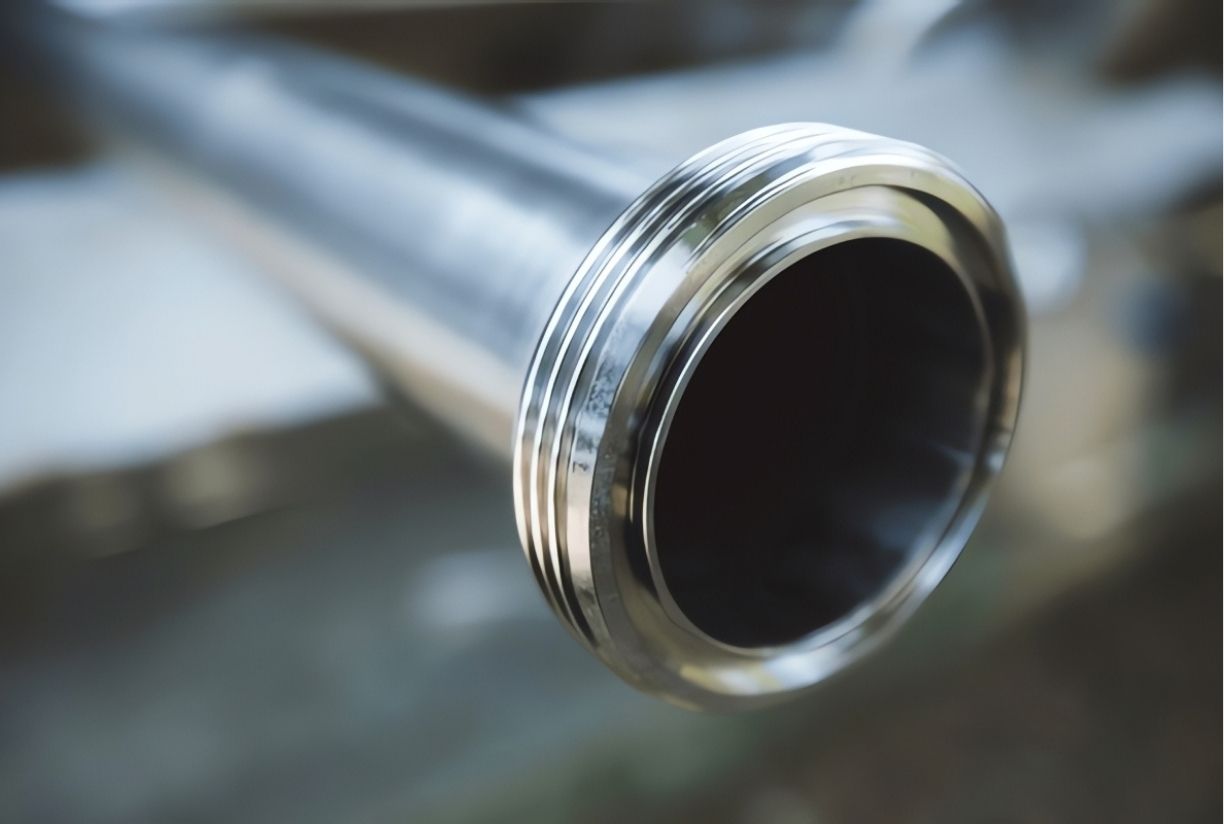
Table of Contents Why Is Passivation Essential for Stainless Steel How Does Passivation Prevent Corrosion in Equipment Why Is Passivation Critical for Process Hygiene How Does Passivation Extend Equipment Lifespan Why Is Passivation Required for Industry Compliance How Does Passivation Improve Product Purity Why Is Passivation a Key Maintenance Procedure How Does Passivation Reduce Operational Costs Why Is Passivation Vital for Sustainable Operations How Does Passivation Increase Facility Efficiency Why Is Passivation Essential for Stainless Steel Despite its inherent resistance, stainless steel remains vulnerable to surface contaminants and free iron particles introduced during fabrication, welding, and handling. These impurities act as initiation sites for corrosive attacks, severely undermining the material's longevity and the industrial equipment lifespan of critical assets. The process of stainless steel passivation is therefore not an optional treatment but a fundamental engineering requirement. It reinstates the alloy's intended corrosion prevention barrier, turning a potential operational liability into a reliable, long-term asset that underpins sustainable facility solutions. From a technical standpoint, passivation chemically removes embedded free iron without eroding the base chromium-rich layer, allowing a uniform, inert oxide film to form. This robust passive layer is the key to preventing pitting, crevice corrosion, and surface rust, which directly translates to enhanced performance in demanding applications. For equipment like tank and heat exchanger passivation, this ensures product purity, maximizes thermal efficiency, and eliminates costly contamination-related shutdowns. Similarly, subjecting filter housing manufacturing outputs to rigorous passivation process improvement protocols guarantees they can withstand aggressive chemistries and high-pressure cycles without degradation. The operational benefits extend far beyond mere material science. Effective passivation is a cornerstone of strategic process optimization consultancy, directly impacting a facility's bottom line by dramatically reducing maintenance frequency and unplanned downtime. It aligns with international quality standards for industries like pharmaceuticals, food and beverage, and chemicals, where surface integrity is non-negotiable. For production managers, this means predictable operational schedules and reduced lifecycle costs, while investors gain the assurance of extended asset viability and compliance. Ultimately, integrating professional passivation services from an end-to-end engineering partner like SS Proje ensures this critical procedure is executed to the highest standards, not as an isolated task but as part of a holistic approach to facility performance. This commitment to quality transforms stainless steel components from simple parts into durable, high-performance assets that drive efficiency, reliability, and long-term value for industrial operations, solidifying the foundation for truly sustainable and optimized production environments. How Does Passivation Prevent Corrosion in Equipment Corrosion in industrial equipment represents a significant threat to operational continuity, product integrity, and asset valuation, often originating from microscopic surface imperfections introduced during manufacturing. The mechanism of corrosion prevention through stainless steel passivation is a precisely controlled chemical process that fundamentally enhances the material's innate resistance. It works by selectively dissolving free iron contaminants from the surface while enriching the chromium content, allowing a dense, continuous chromium oxide layer to form. This passive film acts as an impermeable barrier against environmental oxidants, effectively stopping the electrochemical reactions that cause rust and pitting. The efficacy of this process is paramount for critical components subjected to harsh operating conditions. For instance, in tank and heat exchanger passivation, the formation of a flawless passive layer prevents scaling and metallic contamination, ensuring thermal efficiency and product purity are maintained. Similarly, applying rigorous passivation process improvement techniques to outputs from filter housing manufacturing guarantees these pressure vessels resist chloride-induced stress corrosion cracking, a common failure point in filtration systems. Integrating professional passivation into your operational strategy is a core component of effective process optimization consultancy. By eliminating corrosion as a failure mode, facilities achieve a dramatic extension in industrial equipment lifespan, which translates directly into reduced capital expenditure and maintenance overhead. This proactive approach minimizes unplanned downtime and aligns with stringent international quality standards, providing production managers with predictable performance and investors with assured long-term asset reliability. Ultimately, leveraging SS Proje's expertise in end-to-end engineering ensures that passivation is not a standalone treatment but a strategically implemented step within a broader framework for sustainable facility solutions. This comprehensive methodology transforms equipment from vulnerable assets into durable cornerstones of your operation, delivering measurable gains in efficiency, compliance, and operational resilience for years to come. Why Is Passivation Critical for Process Hygiene In industries where product purity is non-negotiable, such as pharmaceuticals, food and beverage, and biotechnology, process hygiene is the definitive benchmark for operational integrity. Microscopic surface imperfections on stainless steel, left behind from fabrication, can harbor microorganisms, biofilm, and chemical residues, posing a direct threat to product safety and batch consistency. Stainless steel passivation is the foundational engineering procedure that addresses this risk head-on, transforming a reactive surface into a pristine, inert state capable of withstanding rigorous sanitization protocols. This is the first and most critical step in achieving and maintaining the immaculate conditions required for compliant and reliable production. The process works by chemically removing embedded free iron and other contaminants, thereby eliminating the microscopic pits and crevices where pathogens and impurities accumulate. A robust, homogenous chromium oxide layer forms in their place, creating an ultra-smooth, non-porous surface that is easy to clean and sterilize. This level of surface integrity is especially vital for equipment like tank and heat exchanger passivation, where any biofilm formation can compromise thermal efficiency and lead to catastrophic product contamination. Similarly, applying advanced passivation process improvement techniques to components from filter housing manufacturing ensures sterile filtration processes by preventing particle shedding and bacterial adhesion. Beyond immediate hygiene, this rigorous approach is a strategic component of process optimization consultancy. A passivated surface significantly reduces the chemical and mechanical aggression required during cleaning-in-place (CIP) cycles, which directly extends the industrial equipment lifespan and reduces operational costs. This proactive corrosion prevention strategy ensures continuous compliance with international standards like FDA CFR 211.65 and EHEDG guidelines, mitigating the risk of regulatory actions and product recalls. Partnering with SS Proje integrates this critical hygiene safeguard into a holistic framework for sustainable facility solutions. By ensuring your equipment surfaces are optimally prepared for a lifetime of sterile operation, we help build a foundation for uncompromised product quality, operational reliability, and long-term value, essential for any facility prioritizing excellence and compliance. How Does Passivation Extend Equipment Lifespan The relentless operational demands of industrial facilities inevitably lead to equipment degradation, with corrosion being the primary factor that shortens service life and drives up lifecycle costs. Stainless steel passivation directly counters this degradation by fundamentally altering the material's surface properties to maximize durability. This chemical process removes free iron contaminants that act as preferential sites for rust initiation, allowing a robust, self-healing chromium oxide layer to form. This passive barrier is the key mechanism for sustained corrosion prevention, effectively shielding the underlying alloy from chemical attack and mechanical wear over decades of service. The extension of industrial equipment lifespan is most evident in high-stress applications. For critical assets like tank and heat exchanger passivation, the procedure prevents pitting and crevice corrosion that can lead to leaks, thermal inefficiency, and premature replacement. Continuous passivation process improvement ensures that components from filter housing manufacturing can endure high-pressure cycles and aggressive cleaning chemicals without succumbing to stress corrosion cracking, a common failure mode that passivation effectively mitigates. This proactive approach is a core element of strategic process optimization consultancy, transforming capital equipment from a depreciating asset into a long-term value driver. By drastically reducing the frequency of repairs and unplanned downtime, passivation lowers the total cost of ownership and improves return on investment. For production managers, this translates to predictable operational budgets and enhanced asset reliability, while investors benefit from extended depreciation schedules and improved facility valuation. Integrating expert passivation services from SS Proje into your facility's lifecycle management strategy is a definitive step toward sustainable facility solutions. Our end-to-end engineering ensures that every component is optimized for maximum longevity, delivering not just extended service life but also unparalleled operational reliability and compliance with international quality standards for years of uninterrupted production. Why Is Passivation Required for Industry Compliance In highly regulated sectors like pharmaceuticals, food and beverage, and biotechnology, compliance is not an option but a foundational requirement for operational legality and market access. Regulatory bodies, including the FDA, EMA, and ASTM, mandate specific material surface conditions to prevent contamination and ensure product safety. Stainless steel passivation is explicitly cited in standards such as ASTM A967 and ASME BPE as a mandatory procedure to achieve the required surface inertness and cleanliness. This transforms the process from a best practice into a non-negotiable compliance milestone for any facility operating under international quality standards. The compliance imperative stems from the direct link between surface integrity and product risk. Passivation provides verifiable corrosion prevention by creating a uniform, chemically inert barrier that prevents metallic ion leaching into sensitive processes. For critical assets like tank and heat exchanger passivation, this ensures that thermal transfer surfaces do not introduce contaminants that could compromise an entire batch. Similarly, adherence to stringent passivation process improvement protocols for equipment from filter housing manufacturing is essential to meet filtration standards and avoid failures during regulatory audits. Beyond avoiding penalties, this compliance-driven approach is integral to sophisticated process optimization consultancy. A properly passivated system demonstrates a commitment to quality that extends the industrial equipment lifespan by preventing failures that would trigger non-conformance reports and production halts. It provides documented evidence of due diligence, which is critical for licensing, audits, and maintaining a reputation for reliability in the global market. Partnering with SS Proje ensures your passivation protocols are executed to the exacting standards required for certification, turning a compliance requirement into a strategic advantage for sustainable facility solutions. Our end-to-end engineering integrates compliance directly into your asset lifecycle, delivering not just regulatory approval but also the operational resilience and long-term value that investors and production managers demand. How Does Passivation Improve Product Purity In industries where product integrity is paramount, such as pharmaceuticals, semiconductors, and high-purity food processing, even minuscule metallic contamination can compromise an entire batch, leading to catastrophic financial and reputational damage. The surfaces of stainless steel equipment, if not properly treated, can leach iron, chromium, and nickel ions into sensitive processes or provide microscopic niches for biological growth. Stainless steel passivation is the definitive engineering solution that directly addresses this risk by creating an ultra-inert surface barrier, fundamentally enhancing product purity by preventing the equipment itself from becoming a source of contamination. The mechanism of purity enhancement is both chemical and physical. The process selectively dissolves free iron and other surface contaminants, eliminating the primary source of metallic particulate release. This action promotes the formation of a continuous, non-porous chromium oxide layer that is chemically passive, meaning it will not react with process fluids. For critical applications like tank and heat exchanger passivation, this ensures that product contact surfaces do not impart any metallic taste, color, or catalytic effects that could alter product chemistry. Similarly, rigorous passivation process improvement applied to outputs from filter housing manufacturing prevents the shedding of particles that could clog membranes or pass through into the final product. This commitment to purity is a cornerstone of advanced process optimization consultancy, as it enables consistent product quality and compliance with stringent international standards. The superior corrosion prevention afforded by passivation also extends the industrial equipment lifespan by preventing the surface degradation that leads to increased maintenance and potential failure. This directly reduces the risk of batch spoilage and associated costs, providing production managers with unparalleled process control. By integrating SS Proje's expert passivation services into your quality assurance framework, you embed a vital safeguard for product purity within a broader strategy for sustainable facility solutions. This ensures your equipment contributes to, rather than detracts from, the pristine conditions required for manufacturing high-value, compliant products, delivering long-term operational reliability and market confidence. Why Is Passivation a Key Maintenance Procedure Effective maintenance strategies in industrial operations are defined by procedures that prevent failures rather than simply react to them, and stainless steel passivation is a quintessential example of this proactive philosophy. Unlike corrective maintenance that addresses damage after it occurs, passivation is a preventative measure that fortifies equipment against its primary adversary: corrosion. By implementing this process as a scheduled maintenance activity, facilities can systematically combat the gradual degradation that leads to costly unplanned downtime, expensive repairs, and compromised production cycles, making it a cornerstone of any robust asset management program. The procedure's role in maintenance is fundamentally linked to its mechanism of action. It reinstates and enhances the material's inherent corrosion prevention capability by removing contaminants that act as nucleation points for rust. For equipment subjected to cyclic stresses and aggressive environments, such as components from tank and heat exchanger passivation or filter housing manufacturing, periodic re-passivation is essential to maintain surface integrity. This ongoing passivation process improvement ensures that the protective oxide layer remains continuous and effective, preventing the pitting and cracking that would otherwise necessitate major component replacement. Integrating passivation into a scheduled maintenance plan is a strategic element of process optimization consultancy. This approach yields a direct and substantial extension of the industrial equipment lifespan, transforming maintenance from a cost center into a value-retention activity. For production managers, this translates to predictable scheduling, reduced spare parts inventory, and higher overall equipment effectiveness (OEE), while investors benefit from the long-term protection of their capital assets and sustained operational performance. By partnering with SS Proje for your preventative maintenance protocols, you elevate passivation from a simple task to an integral part of a holistic strategy for sustainable facility solutions. Our expertise ensures this key procedure is performed to the highest standards, delivering unmatched reliability, compliance, and long-term cost savings by keeping your critical equipment operating at peak performance for its entire designed lifecycle. How Does Passivation Reduce Operational Costs In the competitive landscape of industrial manufacturing, controlling operational costs is a primary driver of profitability and long-term viability. Unplanned equipment failures, frequent maintenance interventions, and premature asset replacement represent significant financial drains that can be systematically mitigated through strategic engineering practices. Stainless steel passivation serves as a powerful cost-containment tool by proactively addressing the root cause of such expenses: material degradation. This single, precisely executed procedure delivers a substantial return on investment by preventing the cascade of costs associated with corrosion-related failures. The cost-reduction mechanism is multifaceted, starting with enhanced corrosion prevention. By forming a resilient passive layer, passivation drastically reduces the frequency of repairs and part replacements, directly lowering maintenance labor and material expenditures. For high-value assets like those requiring tank and heat exchanger passivation, this means sustained thermal efficiency and the avoidance of energy waste caused by fouled surfaces. Continuous passivation process improvement for components from filter housing manufacturing prevents pressure drops and filter damage, reducing both energy consumption and consumable costs. This approach is a core tenet of strategic process optimization consultancy, as it significantly extends the industrial equipment lifespan. The deferred capital expenditure from not having to replace entire systems or major components represents one of the largest cost savings. Furthermore, by minimizing unplanned production halts, facilities achieve higher throughput and overall equipment effectiveness (OEE), which directly improves revenue generation and operational margins. Integrating SS Proje's expertise into your cost-management strategy transforms passivation from an expense into a critical investment for sustainable facility solutions. Our end-to-end engineering ensures that every application maximizes cost efficiency, delivering not just immediate savings but also building a foundation of reliability that minimizes total cost of ownership and protects your bottom line for years to come. Why Is Passivation Vital for Sustainable Operations Modern industrial sustainability extends beyond energy efficiency to encompass the entire asset lifecycle, focusing on resource conservation, waste reduction, and long-term operational integrity. Stainless steel passivation is a foundational practice for achieving these goals, as it directly counters the unsustainable cycle of premature equipment replacement and excessive resource consumption. By fundamentally enhancing the material's durability, this process aligns engineering practices with the core principles of sustainable facility solutions, turning capital investments into long-lasting, high-performance assets that minimize environmental impact over decades of service. The sustainability benefits are multi-layered, beginning with superior corrosion prevention that drastically reduces the need for raw material extraction and manufacturing energy required for replacement parts. For equipment like tank and heat exchanger passivation, a robust passive layer maintains optimal thermal efficiency, directly lowering energy consumption and the associated carbon footprint. Continuous passivation process improvement ensures that components from filter housing manufacturing achieve maximum service life, reducing the waste stream from discarded equipment and conserving valuable resources. This proactive approach is integral to forward-thinking process optimization consultancy, as it maximizes the industrial equipment lifespan and promotes a circular economy model within the facility. By preventing contamination and product loss through effective passivation, facilities also minimize water and raw material waste, contributing to a cleaner, more efficient production cycle. This holistic view of sustainability not only meets regulatory expectations but also enhances corporate social responsibility profiles. Partnering with SS Proje integrates this vital sustainability practice into a comprehensive engineering strategy, ensuring that every project delivers enduring environmental and economic benefits. Our commitment to end-to-end sustainable facility solutions means your operations are optimized for minimal waste, maximum efficiency, and long-term viability, aligning your industrial goals with the imperative of responsible resource management for a more sustainable future. How Does Passivation Increase Facility Efficiency Facility efficiency is measured by the seamless integration of reliability, throughput, and resource utilization, with any equipment degradation directly undermining these key performance indicators. Stainless steel passivation is a critical engineering intervention that boosts efficiency at a fundamental level by eliminating the primary source of performance loss: surface-induced inefficiencies. This process directly enhances operational uptime, energy performance, and resource allocation, making it an indispensable component of any strategy aimed at maximizing Overall Equipment Effectiveness (OEE) and achieving sustainable facility solutions. The efficiency gains begin with superior corrosion prevention, which maintains the pristine condition of critical process surfaces. For heat transfer equipment like that treated with tank and heat exchanger passivation, a perfectly passive surface prevents fouling and scaling, ensuring optimal thermal conductivity and minimizing energy consumption required for heating or cooling. Similarly, applying advanced passivation process improvement to outputs from filter housing manufacturing guarantees consistent flow rates and pressure, preventing energy waste from pump overwork and reducing filter change-out frequency. This systematic approach is central to effective process optimization consultancy, as it directly extends the industrial equipment lifespan and reduces the maintenance downtime that plagues production schedules. By preventing unplanned shutdowns for corrosion-related repairs, facilities achieve higher production availability and predictable output. The resultant decrease in reactive maintenance also frees up technical staff for proactive, value-adding activities, further optimizing human resource allocation and operational agility. Integrating SS Proje's expert passivation services into your facility management plan transforms this procedure into a powerful driver of efficiency. Our end-to-end engineering ensures that every asset contributes to a smoother, more reliable, and highly efficient operation, delivering the consistent performance and long-term cost savings that define a truly optimized and competitive industrial facility.
See More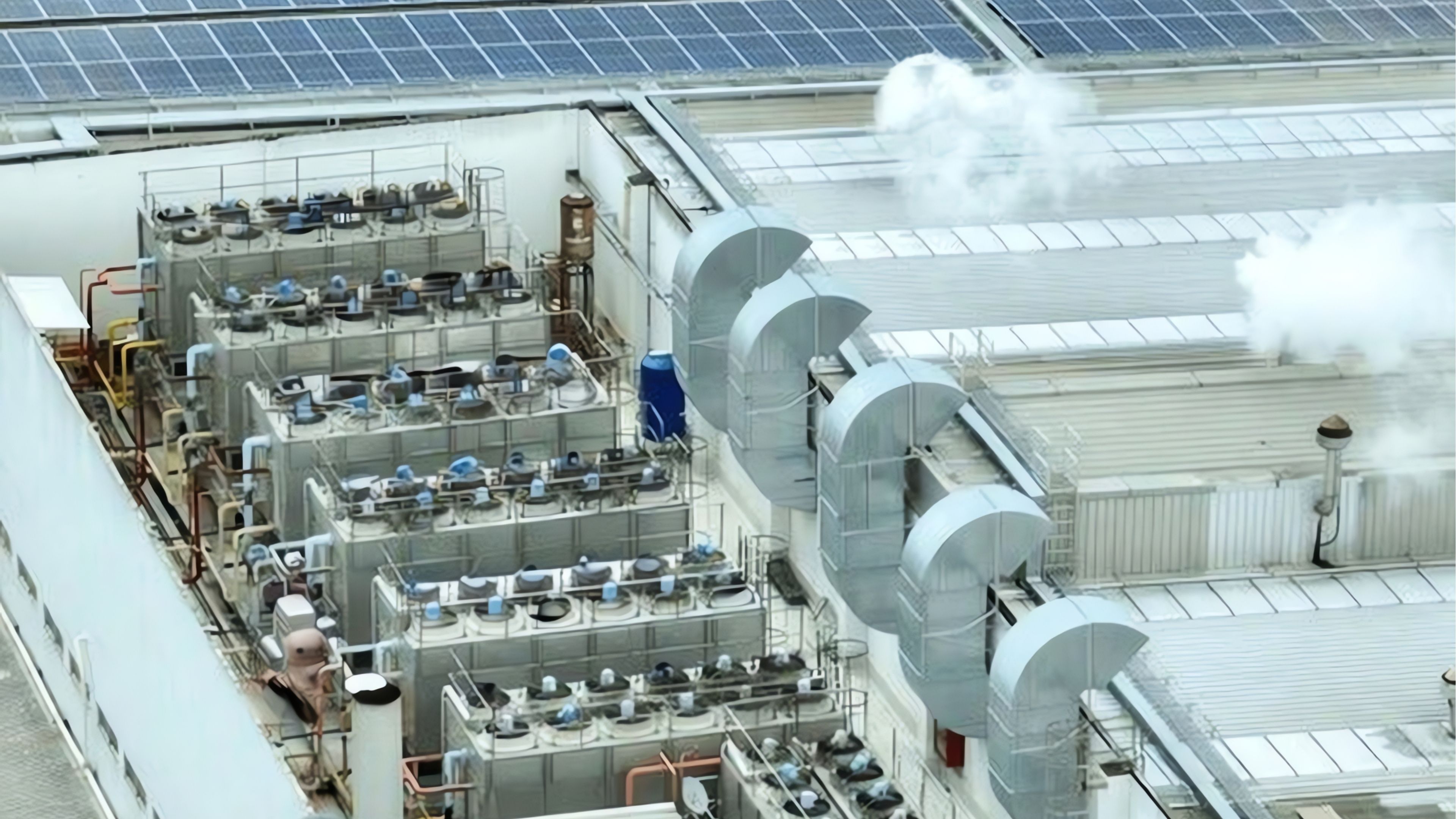
Table of Contents How Can Process Optimization Reduce Energy Waste What Are The Best Ways To Save Industrial Materials How Do Heat Exchangers Improve Facility Efficiency Can Tank Upgrades Lead To Significant Cost Savings How To Implement Sustainable Industrial Operations What Are Key Steps For Efficient Facility Maintenance How Does Passivation Increase Equipment Lifespan Can Smart Design Lower Your Plant's Energy Usage How To Achieve Material Savings In Manufacturing What Engineering Solutions Cut Operational Costs How Can Process Optimization Reduce Energy Waste In industrial facilities, uncontrolled energy waste represents a significant drain on profitability and operational reliability, often stemming from outdated processes and inefficient equipment layouts. Systematic process optimization industrial plants addresses this directly by analyzing and refining core production sequences to minimize energy consumption without sacrificing output. This approach is the foundation for achieving substantial energy material savings facilities and transforming operational expenditure into long-term competitive advantage. For production managers, this technical reevaluation is the first step toward building a leaner, more resilient operation. A comprehensive optimization program involves detailed audits and data-driven modeling to identify friction points, such as excessive heat loss, compressed air leaks, or inefficient pump cycles. This is where expert project consultancy for energy efficiency proves invaluable, providing the strategic insight needed to prioritize interventions with the highest return. Implementation often includes integrating advanced industrial equipment like high-efficiency heat exchangers and precisely engineered mixers that operate with lower power demands. These upgrades, coupled with robust tank manufacturing standards that ensure optimal thermal retention, collectively slash energy use while extending asset lifespan. Beyond equipment, sustainable facility solutions engineering emphasizes the importance of durability and compliance. Critical post-installation services like industrial equipment passivation services protect new and existing assets from corrosion, directly preserving their energy-efficient performance and eliminating costly premature replacements. This full-cycle mindset, from design through to maintenance, ensures that operational reliability is sustained. Facilities leveraging these end-to-end technical solutions report not only lower utility bills but also minimized unplanned downtime and consistent adherence to international quality standards. Ultimately, the goal of process optimization is to create a self-reinforcing system of efficiency. Companies like SS Proje specialize in delivering these SS Proje engineering solutions that translate technical adjustments into measurable financial and environmental benefits. By focusing on sustainable facility solutions, industrial leaders can future-proof their operations against energy price volatility and regulatory shifts. The investment in optimization today secures a legacy of reduced overhead, enhanced productivity, and superior compliance for years to come. What Are The Best Ways To Save Industrial Materials Material waste in industrial operations directly undermines profitability and sustainability goals, representing a significant yet controllable expense. The most effective strategy for maximizing energy material savings facilities begins with a holistic review of the entire production chain. This involves strategic process optimization industrial plants to minimize raw material loss, reduce scrap rates, and enhance yield. For facility managers, this systematic approach transforms material usage from a variable cost into a optimized, predictable element of operational excellence. A cornerstone of material conservation is the implementation of precision-engineered equipment designed for maximum efficiency. Custom tank manufacturing and advanced filter housing systems can be tailored to specific processes to eliminate product loss during transfer and purification stages. Engaging in specialized project consultancy for energy efficiency helps identify the optimal equipment specifications and process parameters to achieve these gains. Furthermore, proper industrial equipment passivation services are critical, as they prevent corrosion and contamination that can degrade material quality and lead to batch rejections. True material savings extend beyond initial process tweaks to encompass the entire asset lifecycle. This is where sustainable facility solutions engineering delivers lasting value by ensuring that equipment like mixers and reactors maintain peak performance over decades, preventing the gradual inefficiency that leads to waste. A robust implementation, supported by end-to-end technical oversight, ensures that material conservation is engineered into the facility's DNA. This approach not only reduces raw material costs but also minimizes waste disposal fees and supports compliance with stringent environmental regulations. Adopting these best practices requires a partnership with an engineering firm that understands the interconnection between material use, equipment longevity, and overall operational reliability. SS Proje engineering solutions are designed to deliver this integrated result, translating engineering precision into tangible resource conservation. Investing in these sustainable facility solutions secures a competitive edge through lower operational costs, enhanced compliance, and a demonstrable commitment to sustainable industrial practices. How Do Heat Exchangers Improve Facility Efficiency Heat exchangers are fundamental components in achieving superior facility efficiency, serving as the primary mechanism for intelligent thermal management within industrial processes. They function by transferring heat from one medium to another, effectively recapturing energy that would otherwise be wasted. This capability is central to comprehensive process optimization industrial plants, directly reducing the energy required for heating and cooling applications. For managers focused on energy material savings facilities, this technology represents a direct path to lowering utility costs and enhancing sustainability. The efficiency gains are realized through precise engineering that maximizes the surface area for heat transfer while minimizing pressure drops and fouling. Integrating high-performance heat exchangers into systems involving tank manufacturing and reactor lines ensures process streams are maintained at optimal temperatures with minimal external energy input. Expert project consultancy for energy efficiency is crucial for selecting the correct type—be it shell and tube, plate, or scraped surface—to match specific thermal loads and fluid properties. This strategic selection prevents over-sizing and under-performance, locking in long-term operational savings. Durability and consistent performance are equally critical, which is where industrial equipment passivation services play a vital role. Passivation protects the intricate internal surfaces of heat exchangers from corrosion, ensuring heat transfer coefficients remain high and efficiency does not degrade over time. This preservation of performance is a key aspect of sustainable facility solutions engineering, which prioritizes long-term asset health over short-term fixes. A well-maintained heat exchange system contributes significantly to overall plant operational reliability by preventing unexpected failures that cause costly downtime. The integration of advanced heat exchange technology is a hallmark of forward-thinking SS Proje engineering solutions. By viewing the heat exchanger not as an isolated component but as an integral part of a facility's energy ecosystem, maximum value is extracted. This systems-level approach is essential for delivering true sustainable facility solutions that reduce carbon footprint and operational expenditure simultaneously. Investing in correctly specified and maintained thermal equipment is a definitive step toward achieving unparalleled efficiency and compliance. Can Tank Upgrades Lead To Significant Cost Savings For industrial facilities, storage and process tanks are often overlooked as sources of major operational expense, yet they present a significant opportunity for energy material savings facilities. Outdated or poorly specified tanks can lead to substantial heat loss, product degradation, and high maintenance frequencies. Strategic upgrades, however, directly address these inefficiencies and are a critical component of a broader process optimization industrial plants strategy. The question is not if they lead to savings, but how quickly the investment pays for itself through reduced operational costs. The savings originate from advancements in design and materials used in modern tank manufacturing. Upgrades can include superior insulation to minimize thermal energy loss, internal coatings and linings that prevent contamination and material waste, and optimized geometries that improve mixing efficiency. Engaging in specialized project consultancy for energy efficiency ensures the new tank is perfectly integrated with other industrial equipment like mixers and heat exchangers, creating a synergistic effect that amplifies overall system performance. This holistic approach prevents the new asset from becoming a bottleneck. Long-term cost avoidance is secured through proactive maintenance strategies, most notably industrial equipment passivation services. Passivation chemically treats stainless steel surfaces to enhance corrosion resistance, dramatically extending the tank's service life and preserving product purity. This practice is a cornerstone of sustainable facility solutions engineering, which prioritizes durability and operational reliability to avoid the high costs of unplanned downtime and emergency repairs. A upgraded, well-maintained tank system becomes a reliable asset that supports consistent production quality. The cumulative financial impact of a tank upgrade—encompassing energy reduction, material conservation, and minimized maintenance—makes it a highly compelling investment. Implementing such upgrades through proven SS Proje engineering solutions ensures that every aspect, from material selection to final integration, is optimized for value. This focus on sustainable facility solutions transforms a simple tank replacement into a strategic initiative that delivers measurable ROI and strengthens the facility's competitive position for years to come. How To Implement Sustainable Industrial Operations Implementing sustainable industrial operations requires a fundamental shift from reactive maintenance to a proactive, engineered approach focused on long-term resource efficiency. This transformation begins with a comprehensive audit of current energy and material flows to establish a baseline for energy material savings facilities. The core strategy involves integrating sustainable facility solutions engineering into every project lifecycle, ensuring that sustainability is not an add-on but a foundational design principle from the outset. The first practical step is rigorous process optimization industrial plants, which systematically identifies and eliminates waste in production sequences. This is best guided by expert project consultancy for energy efficiency to prioritize high-impact interventions. Implementation often involves upgrading key industrial equipment such as high-efficiency heat exchangers for thermal recovery and precision mixers that reduce energy consumption while improving product consistency. Custom tank manufacturing with advanced insulation and lining technologies further minimizes material loss and energy demand. Sustainability is inherently linked to equipment longevity and reliability. Regular industrial equipment passivation services are non-negotiable for protecting assets like reactors and filter housing systems from corrosion, which preserves their efficient operation and prevents contaminant release. This preventative care is a critical element of maintaining operational reliability and ensures that the environmental and financial benefits of upgrades are sustained over the asset's entire lifespan, aligning with international quality and environmental standards. The successful implementation of sustainable operations is a continuous journey that benefits immensely from a partnership with an engineering firm dedicated to full-cycle solutions. SS Proje engineering solutions provide the technical depth and project management rigor necessary to translate sustainability goals into measurable outcomes. By adopting this engineered approach, facilities achieve a powerful synergy between ecological responsibility and economic performance, securing a market advantage through reduced operational costs, enhanced compliance, and a demonstrably smaller environmental footprint. What Are Key Steps For Efficient Facility Maintenance Efficient facility maintenance is not merely a cost center but a strategic function essential for achieving operational reliability and long-term energy material savings facilities. The first critical step involves transitioning from a reactive break-fix model to a proactive, data-driven maintenance strategy. This foundational shift requires a thorough assessment of all industrial equipment to establish baseline performance metrics and identify critical assets whose failure would cause significant downtime. This initial audit forms the basis for a systematic plan that prioritizes interventions based on risk and impact. The core of an efficient program lies in integrating maintenance considerations directly into the design and optimization phases. Engaging in project consultancy for energy efficiency ensures that new installations, from custom tank manufacturing to complex heat exchangers, are designed for easy access, inspection, and servicing. Furthermore, specialized procedures like industrial equipment passivation services should be scheduled proactively to protect against corrosion, a leading cause of premature failure in processing equipment. This preventative approach is a key outcome of sustainable facility solutions engineering, which extends asset life and preserves performance. Scheduling and execution must be precise, leveraging condition-monitoring technologies to predict failures before they occur. This allows maintenance to be performed during planned shutdowns, drastically reducing unplanned downtime. For critical components within filter housing systems or mixers, this predictive approach ensures continuous operation and product quality. Efficient maintenance is inextricably linked to broader process optimization industrial plants, as reliable equipment is a prerequisite for running optimized, lean processes without interruption. Ultimately, a well-executed maintenance strategy transforms a facility from a constant source of operational headaches into a model of predictability and efficiency. Partnering with a provider of SS Proje engineering solutions ensures that maintenance is not an isolated task but an integrated component of the entire operational lifecycle. This holistic view is essential for delivering true sustainable facility solutions, where minimized downtime, extended equipment life, and consistent compliance become standard operational outcomes, securing a strong return on investment. How Does Passivation Increase Equipment Lifespan Passivation is a critical, non-destructive chemical process that fundamentally enhances the longevity of stainless steel industrial equipment by fortifying its inherent corrosion resistance. During fabrication and welding, microscopic steel particles can become embedded in the surface, creating sites vulnerable to rust. The process removes these free iron particles and encourages the formation of a robust, continuous chromium oxide layer. This passive layer acts as an invisible shield, dramatically slowing the electrochemical reactions that cause pitting and crevice corrosion, which are primary failure modes in aggressive process environments. The application of professional industrial equipment passivation services is particularly vital for high-value assets central to process optimization industrial plants. Components like heat exchangers, reactors, and tank manufacturing outputs rely on unimpeded, clean surfaces for efficient heat transfer and product purity. Corrosion deposits act as insulators and contamination sources, degrading performance and leading to increased energy consumption. By preventing this degradation, passivation directly supports energy material savings facilities and ensures that optimized processes remain efficient over the long term. This preventative treatment is a cornerstone of sustainable facility solutions engineering, prioritizing asset preservation over costly replacements. The extended lifespan translates directly into reduced capital expenditure and minimizes the production disruptions associated with equipment failure. For sensitive applications involving filter housing systems, passivation is also essential for maintaining hygienic conditions and complying with strict industry regulations. It is a key action identified through strategic project consultancy for energy efficiency to safeguard a plant's operational reliability. Integrating passivation into a facility's standard maintenance protocol is a definitive step toward maximizing return on investment. As part of comprehensive SS Proje engineering solutions, this service ensures that equipment not only meets but exceeds its designed service life. This commitment to durability is fundamental to delivering true sustainable facility solutions, where long-term performance, reduced lifecycle costs, and unwavering compliance are the measurable outcomes of sound engineering practice. Can Smart Design Lower Your Plant's Energy Usage Smart design is the most powerful lever for reducing a plant's energy usage, as it addresses inefficiencies at their source rather than applying corrective measures later. This approach, central to sustainable facility solutions engineering, integrates energy conservation as a primary objective from the earliest conceptual stages. By optimizing the layout, material flows, and equipment selection before construction begins, smart design eliminates inherent energy wastes that become permanent and costly features of a poorly planned facility. This proactive strategy is fundamental to achieving significant energy material savings facilities. The principles of smart design manifest in several critical ways, beginning with strategic process optimization industrial plants that minimize transport distances and pressure drops in piping systems. It continues with the specification of high-efficiency industrial equipment, such as correctly sized heat exchangers for optimal thermal transfer and custom tank manufacturing with advanced insulation to reduce heating or cooling losses. Expert project consultancy for energy efficiency is essential here to model energy flows and ensure all components work together synergistically, avoiding the energy penalties of over-sized pumps or undersized heat recovery systems. Durability is a key aspect of energy-efficient design, as degraded equipment consumes more power. Incorporating plans for regular industrial equipment passivation services into the maintenance schedule from the outset protects surfaces within filter housing and reactor systems, maintaining their designed efficiency for decades. This long-term perspective ensures that the initial energy savings engineered into the plant are sustained, contributing directly to superior operational reliability and lower lifetime operating costs. The question is not if smart design lowers energy usage, but by how much. Implementing these principles through proven SS Proje engineering solutions translates theoretical savings into a measurable reduction in the plant's carbon footprint and utility expenses. This investment in intelligent foundational design is the most effective strategy for building a competitive, compliant, and truly efficient operation that delivers lasting sustainable facility solutions. How To Achieve Material Savings In Manufacturing Achieving material savings in manufacturing requires a systematic approach that targets waste reduction at every stage of the production lifecycle, from raw material intake to final product output. This goal is intrinsically linked to broader energy material savings facilities initiatives, as efficient material use often reduces the energy required for processing and handling. The foundation of this effort is rigorous process optimization industrial plants, which analyzes material flows to identify and eliminate sources of loss such as yield inefficiencies, scrap generation, and unnecessary rework. The implementation phase focuses on precision engineering of the production environment. This includes the specification of custom industrial equipment designed to minimize hold-up volume and product degradation. For instance, advanced mixers ensure homogeneous blending without over-processing, while expertly designed tank manufacturing solutions incorporate geometries and internals that facilitate complete drainage and minimize residue. Strategic project consultancy for energy efficiency is crucial for integrating these components into a cohesive system that prevents material accumulation and loss at transfer points. Long-term material conservation is heavily dependent on equipment integrity. Corrosion or surface degradation in vessels and piping can contaminate products, leading to entire batch rejections. This is where proactive industrial equipment passivation services become a vital investment, protecting critical surfaces in filter housing systems and reactors to maintain product purity. This preventative measure is a key element of sustainable facility solutions engineering, ensuring that the facility's operational reliability is not compromised by preventable quality issues. Sustained material savings are achieved by viewing the manufacturing process as an integrated system where engineering precision directly impacts the bottom line. Partnering with a provider of SS Proje engineering solutions ensures that every aspect of the operation is aligned with the goal of resource efficiency. This holistic approach, fundamental to delivering sustainable facility solutions, transforms material conservation from a tactical goal into a strategic advantage, resulting in reduced costs, enhanced compliance, and a stronger competitive position. What Engineering Solutions Cut Operational Costs Operational costs in industrial facilities are predominantly driven by energy consumption, material waste, maintenance frequency, and unplanned downtime, all of which are direct targets for strategic engineering intervention. The most effective solutions employ a holistic approach grounded in sustainable facility solutions engineering, which views cost reduction as an outcome of optimized system performance rather than isolated cuts. This begins with a deep analysis aimed at achieving comprehensive energy material savings facilities through precision design and implementation. A primary lever for cost reduction is systematic process optimization industrial plants, which streamlines production sequences to eliminate non-value-added steps and resource bottlenecks. This is guided by expert project consultancy for energy efficiency to ensure upgrades are both technically sound and economically justified. Implementation often involves deploying high-efficiency industrial equipment such as advanced heat exchangers for thermal recovery and custom tank manufacturing for reduced energy loss, directly lowering utility expenses and improving yield. Long-term cost control is achieved by extending the operational life and reliability of capital assets. Proactive maintenance strategies, including scheduled industrial equipment passivation services, protect critical components in filter housing and piping systems from corrosion, preventing costly failures and production halts. This focus on durability is a cornerstone of maintaining high operational reliability, ensuring that the facility runs smoothly and predictably, which is far more cost-effective than reactive repairs. The integration of these engineering disciplines creates a compounded effect on the bottom line. Leveraging comprehensive SS Proje engineering solutions ensures that cost-cutting measures are synergistic and sustainable, not counterproductive. This end-to-end approach is the essence of delivering true sustainable facility solutions, where reduced operational costs, enhanced compliance, and superior performance become enduring features of a well-engineered plant, delivering a compelling return on investment.
See More
Table of Contents How To Spot Hidden Productivity Loss In Your Facility What Are The Early Warning Signs Of Process Downtime How Can Data Analytics Predict Equipment Failure How To Calculate True Production Line Efficiency What Causes Unplanned Downtime In Industrial Operations How To Conduct A Comprehensive Facility Performance Audit How To Prevent Bottlenecks In Manufacturing Processes Why Does Asset Degradation Lead To Productivity Loss How To Implement Real-Time Monitoring For Efficiency How Can Process Optimization Boost Your Output Capacity How To Spot Hidden Productivity Loss In Your Facility Unplanned downtime and subtle inefficiencies represent the most significant threats to industrial equipment performance and overall plant profitability. Many facilities experience a gradual decline in output without a clear, singular cause, masking the true extent of productivity loss prevention needs. Identifying these hidden drains requires a systematic approach to operational analysis, moving beyond reactive maintenance toward a data-driven strategy for facility efficiency solutions. This shift is foundational for achieving long-term operational reliability consulting goals and securing a competitive advantage in today's demanding industrial landscape. A robust predictive maintenance strategy is critical for uncovering hidden losses before they escalate into catastrophic failures. This involves continuous monitoring of key performance indicators for critical assets like custom-engineered industrial equipment, including heat exchangers and mixing systems. By analyzing trends in energy consumption, vibration, and output quality, engineers can pinpoint deviations that signal wear or misalignment. SS Proje integrates this diagnostic phase directly into the project design and installation process, embedding sensors and data collection points for seamless future analysis and proactive intervention. The practical application of industrial process optimization extends to evaluating the entire production chain for bottlenecks. Inefficiencies often reside not in individual machines but in the handoff points between them, such as transfer systems involving tanks and filter housings. A holistic audit assesses material flow rates, cycle times, and energy usage per unit produced to reveal these interstitial losses. This comprehensive view is essential for true sustainable facility engineering, as it targets waste reduction and resource optimization simultaneously, directly impacting the bottom line and environmental footprint. Ultimately, transforming identification into prevention requires an end-to-end partnership focused on durability and compliance. Proper project design ensures equipment is specified correctly from the outset, while expert installation guarantees optimal performance. Post-installation services like passivation further protect assets, extending their service life and maintaining stringent hygiene standards. Partnering with a specialist like SS Proje ensures that the pursuit of efficiency is not a one-time project but a continuous cycle of improvement, embedding resilience and sustainable performance into the very fabric of your industrial operations. What Are The Early Warning Signs Of Process Downtime Catastrophic process downtime rarely occurs without precursor signals, making the early detection of subtle performance deviations a cornerstone of effective productivity loss prevention. For production and process managers, recognizing these indicators is the first step toward implementing a robust predictive maintenance strategy that safeguards industrial equipment performance. Often manifesting as minor fluctuations in pressure, temperature, or energy consumption, these early warnings, if unaddressed, can escalate into full-scale operational halts, undermining both efficiency and profitability. Proactive monitoring transforms these potential crises into manageable interventions, forming the basis of reliable operational reliability consulting. One of the most telling early warnings is a gradual increase in energy usage per unit of output, indicating that systems like pumps, industrial equipment such as heat exchangers, or mixing assemblies are working harder to achieve the same result. This inefficiency often points to issues like fouling, minor misalignments, or component wear that degrade overall facility efficiency solutions. Similarly, inconsistent product quality or slight deviations in cycle times can signal that a process variable is drifting outside its optimal range. Integrating data analytics from the initial project design and installation phase allows for the establishment of performance baselines, making anomalies immediately apparent. Beyond energy and quality metrics, auditory and vibrational changes in equipment like tanks and filter housings provide physical evidence of impending failure. Unusual noises or increased vibration levels often precede bearing failures, impeller damage, or structural fatigue. A comprehensive approach to industrial process optimization involves installing condition-monitoring sensors that detect these changes long before human operators can perceive them. This technical foresight is a key element of sustainable facility engineering, as it prevents wasteful energy consumption and avoids the resource-intensive repairs associated with catastrophic breakdowns. Addressing these early warnings effectively requires more than just observation; it demands an integrated solution grounded in expert project design and precise installation. Partnering with an engineering implementer like SS Proje ensures that your facility's systems are not only correctly specified but also continuously optimized through data-driven insights. This end-to-end partnership transforms early warning detection into a strategic advantage, minimizing unplanned downtime, extending asset life, and solidifying a foundation for continuous, sustainable improvement. This proactive stance is the definitive path to long-term operational resilience and compliance with international standards. How Can Data Analytics Predict Equipment Failure Modern data analytics has revolutionized maintenance by transforming it from a reactive cost center into a strategic function for productivity loss prevention. By continuously analyzing operational data, facilities can now move beyond traditional schedules to a true predictive maintenance strategy that anticipates failures before they disrupt production. This paradigm shift is critical for maximizing industrial equipment performance and forms the analytical core of advanced operational reliability consulting. The ability to forecast component wear or system degradation allows managers to schedule interventions during planned stoppages, eliminating costly unplanned downtime and protecting revenue streams. The predictive power of data analytics lies in its capacity to identify subtle, multivariate patterns that precede failure. For critical assets like heat exchangers, mixers, and custom filtration systems, sensors track parameters including vibration spectra, temperature gradients, pressure differentials, and energy consumption. Machine learning algorithms then analyze these data streams to establish a healthy operational baseline and detect anomalies signaling impending issues. This deep level of industrial process optimization ensures that maintenance is performed precisely when needed, avoiding both premature replacements and catastrophic failures. Integrating these analytical frameworks from the initial project design and installation phase embeds intelligence directly into the facility's infrastructure. Practical applications demonstrate how predictive analytics directly contribute to facility efficiency solutions. For instance, a gradual increase in the power draw of a pump motor, coupled with a specific vibration frequency, can accurately predict bearing failure weeks in advance. Similarly, analyzing thermal efficiency trends in a tank heating system can flag fouling long before it impacts product quality. This proactive approach is a hallmark of sustainable facility engineering, as it minimizes resource waste, extends the operational life of industrial equipment, and reduces the environmental footprint associated with emergency repairs and premature scrapping of components. Leveraging data analytics for predictive maintenance is not merely a software implementation but an integrated engineering discipline. It requires a foundation of correct project design to specify sensor-ready equipment and expert installation to ensure data integrity. SS Proje's end-to-end approach ensures that data collection systems are seamlessly woven into the physical plant, creating a continuous feedback loop for performance optimization. This strategic integration of analytics and engineering delivers the ultimate goal: a highly reliable, efficient, and sustainable operation where equipment failure becomes a predictable and manageable event, not a disruptive surprise. How To Calculate True Production Line Efficiency Accurately calculating true production line efficiency is fundamental to any meaningful industrial process optimization initiative, moving beyond simple output metrics to a holistic view of resource utilization. True efficiency is not merely the ratio of good units produced to theoretical capacity but a comprehensive measure that accounts for all losses, including speed reductions, minor stoppages, and quality defects. This rigorous assessment is the first step in developing a targeted predictive maintenance strategy and forms the basis for actionable facility efficiency solutions. Without this precision, efforts to improve industrial equipment performance are based on assumptions rather than data-driven insights. The calculation integrates three critical components: availability, performance, and quality rate, often summarized as Overall Equipment Effectiveness (OEE). Availability losses stem from unplanned downtime events that a robust operational reliability consulting framework aims to eliminate. Performance losses occur when equipment like mixers or conveyor systems run below their designed speed due to wear or suboptimal settings. The quality rate factor captures the cost of producing defective output, which is a direct drag on profitability. Accurately tracking these variables requires instrumentation and data systems that are best integrated during the initial project design and installation phase to ensure seamless data capture. Applying this calculation reveals hidden inefficiencies that directly impact productivity loss prevention. For example, a line may appear to be running at full capacity, but the true OEE calculation might uncover significant energy waste from an overheating pump or consistent micro-stoppages at a filter housing station. These insights allow managers to move from reactive fixes to proactive, strategic interventions. This analytical approach is central to sustainable facility engineering, as it pinpoints exactly where resources are being wasted, enabling targeted improvements that reduce energy consumption and extend the life of industrial equipment. Mastering true efficiency calculation is not an endpoint but the beginning of a continuous improvement cycle. It provides the factual foundation needed to justify investments in optimized project design and precision installation of high-performance systems. Partnering with an engineering implementer like SS Proje ensures that efficiency metrics are not just measured but actively improved upon through technical upgrades and process refinements. This data-informed partnership transforms efficiency from a abstract goal into a quantifiable, continuously improving reality, driving long-term operational excellence and sustainability. What Causes Unplanned Downtime In Industrial Operations Unplanned downtime represents one of the most significant drains on profitability and operational stability in industrial facilities, often stemming from a failure to address underlying systemic weaknesses. Effective productivity loss prevention requires a deep understanding of these root causes, which typically extend beyond simple mechanical failure to encompass design flaws, procedural gaps, and inadequate monitoring. A proactive predictive maintenance strategy is fundamentally designed to anticipate and mitigate these triggers before they halt production, thereby preserving industrial equipment performance and ensuring continuous output. Addressing these causes is the primary objective of expert operational reliability consulting. Mechanical and electrical failures are the most visible causes, often resulting from component wear, corrosion, or improper installation of critical assets like pumps, heat exchangers, and mixing systems. These failures are frequently preventable through rigorous condition monitoring and a focus on high-quality project design and installation that ensures equipment is suited to its specific operational duty. Process-related issues, such as feedstock inconsistencies or control system errors, can also induce sudden stops, highlighting the need for integrated industrial process optimization that harmonizes all elements of the production chain. Inadequate training or undocumented procedures further compound these technical risks, leading to human error during operations or maintenance interventions. The consequences of unplanned downtime extend immediately to lost production and escalate into long-term damage to industrial equipment, driving up maintenance costs and shortening asset life. A comprehensive approach to facility efficiency solutions therefore attacks the problem at its source by embedding resilience into the facility's DNA. This includes specifying corrosion-resistant materials, integrating redundant systems for critical functions, and employing advanced analytics to detect early warning signs. This forward-thinking philosophy is central to sustainable facility engineering, as it minimizes waste and resource consumption associated with emergency repairs and production scrambles. Ultimately, eliminating unplanned downtime is an engineering discipline that begins with flawless execution. It demands meticulous attention to detail during the project design phase to eliminate single points of failure and continues with precision installation to ensure every component functions as intended. Partnering with a specialist like SS Proje provides access to this end-to-end expertise, transforming vulnerability into strength. By systematically addressing the root causes of downtime, facilities can achieve unprecedented levels of reliability, turning operational consistency into a competitive advantage and a foundation for sustainable growth. How To Conduct A Comprehensive Facility Performance Audit A comprehensive facility performance audit is the foundational diagnostic tool for any serious industrial process optimization initiative, providing a data-driven snapshot of current operations against ideal benchmarks. This systematic evaluation goes beyond superficial metrics to uncover hidden inefficiencies in energy use, material flow, and industrial equipment performance. The audit’s findings directly inform a strategic predictive maintenance strategy and pinpoint precise opportunities for productivity loss prevention, making it an essential first step for facilities targeting superior operational reliability consulting outcomes. The audit process begins with a meticulous review of historical data, including production logs, maintenance records, and utility consumption reports. This quantitative analysis is complemented by a physical inspection of the entire production line, assessing the condition and operation of key assets like tanks, mixers, and heat exchangers. Technicians examine alignment, wear patterns, control system settings, and safety interlocks to identify deviations from optimal performance parameters. This holistic view is critical for developing effective facility efficiency solutions that address root causes rather than symptoms. The integration of these findings ensures that subsequent upgrades, whether in project design and installation or process adjustments, are precisely targeted. Specialized tools such as thermal imaging cameras, vibration analyzers, and ultrasonic leak detectors are employed to uncover inefficiencies invisible to the naked eye. These technologies can detect overheating bearings in motors, insulation leaks in vessels, or cavitation in pumps, all of which degrade industrial equipment efficiency and reliability. The audit also evaluates the facility’s approach to sustainable facility engineering, analyzing waste streams, water usage, and overall energy intensity per unit produced. This environmental assessment aligns operational improvements with broader sustainability goals and regulatory compliance requirements. The ultimate value of a comprehensive audit lies in its actionability, providing a clear roadmap for strategic investment. The findings guide critical decisions on whether to repair, retrofit, or replace aging equipment, ensuring capital is allocated for maximum return. This evidence-based approach de-risks initiatives in new project design and system installation, whether executed in-house or through a partner like SS Proje. By translating audit insights into engineered solutions, facilities systematically eliminate waste, enhance resilience, and build a foundation for continuous, measurable improvement in performance and sustainability. How To Prevent Bottlenecks In Manufacturing Processes Bottlenecks constrain throughput, inflate operational costs, and undermine the entire production system's potential, making their prevention a primary goal of effective industrial process optimization. These choke points often develop gradually, emerging from mismatched equipment capacities, inefficient material handling, or unforeseen changes in product mix. A proactive approach to productivity loss prevention requires systematically identifying and eliminating these constraints before they impact delivery schedules and profitability. This strategic focus is integral to delivering comprehensive facility efficiency solutions that enhance operational reliability consulting outcomes. Prevention begins with meticulous capacity planning during the initial project design and installation phase, ensuring that all components, from raw material intake systems to final packaging lines, are balanced for seamless flow. Simulation software can model the entire process to identify potential congestion points before physical implementation. For existing facilities, continuous monitoring of cycle times and work-in-progress inventories at each station reveals emerging bottlenecks. This data-driven analysis allows for targeted interventions, such as upgrading a slow industrial equipment mixer or optimizing transfer rates between tanks, which forms the core of a dynamic predictive maintenance strategy. Common bottleneck sources include undersized filter housings causing delayed filtration cycles or heat exchangers unable to meet required thermal transfer rates during peak demand. Addressing these requires not just equipment replacement but a holistic review of the process parameters and integration points. This approach aligns with the principles of sustainable facility engineering, as optimizing flow reduces energy waste from idle machinery and minimizes the need for disruptive, resource-intensive expansions. Enhancing industrial equipment performance at the constraint point often yields dramatic improvements in overall line efficiency and product quality. Sustaining a bottleneck-free operation is an ongoing discipline that relies on integrated engineering expertise. It necessitates a lifecycle perspective, where optimal project design establishes a robust foundation and precise installation ensures systems operate as intended. Partnering with a specialist like SS Proje provides the end-to-end perspective needed to harmonize all process elements, from individual machines to plant-wide logistics. This proactive, engineered approach to bottleneck prevention transforms manufacturing lines into highly responsive, efficient, and sustainable assets, delivering consistent output and maximizing long-term return on investment. Why Does Asset Degradation Lead To Productivity Loss Asset degradation is an insidious force that directly erodes profitability by compromising industrial equipment performance and creating a cascade of operational inefficiencies. This gradual decline, resulting from wear, corrosion, fatigue, and fouling, forces machinery to operate outside its designed parameters, consuming more energy to produce less output. Understanding this direct causality is fundamental to any effective productivity loss prevention program and forms the technical basis for strategic operational reliability consulting. A proactive stance against degradation is not merely maintenance; it is a core business strategy for preserving capital asset value. The impact of degradation manifests in several measurable ways that hinder industrial process optimization. A heat exchanger with scaled tubes suffers from reduced thermal efficiency, requiring longer cycle times or higher steam pressure to achieve the same heat transfer. Similarly, a pump with worn impellers and seals must draw more electrical power to maintain flow rates, directly increasing energy costs per unit produced. This diminished facility efficiency solutions outcome is often accepted as normal until a comprehensive audit reveals the significant financial drain. Integrating a predictive maintenance strategy that monitors these performance deviations is essential for early detection and intervention. Beyond energy waste, asset degradation increases the frequency of unplanned stoppages, as weakened components are more likely to fail catastrophically. A corroded support structure in a tank or a fatigued shaft in a mixer can lead to sudden, expensive breakdowns that halt entire production lines. This unpredictable downtime is the antithesis of reliable operations and contradicts the goals of sustainable facility engineering, which prioritizes longevity and resource conservation. The constant cycle of reactive repairs on degraded industrial equipment consumes spare parts and labor, driving up lifecycle costs and diverting resources from productive investments. Combating asset degradation effectively requires a foundation of excellence in both project design and installation. Specifying corrosion-resistant materials and designing for easy maintenance during the project design phase significantly slows the degradation process. Furthermore, precision installation ensures optimal alignment and operation from day one, eliminating premature wear. Partnering with an engineering firm like SS Proje embeds this life-cycle perspective into every project, transforming assets from consumable items into durable, high-performing pillars of a productive and sustainable operation. This approach directly protects your investment and ensures compliance with international standards for equipment integrity and operational safety. How To Implement Real-Time Monitoring For Efficiency Implementing real-time monitoring transforms industrial operations from reactive to proactive, providing the continuous data stream essential for maximizing facility efficiency solutions. This technological infrastructure captures every nuance of industrial equipment performance, allowing for immediate response to deviations that signal inefficiency or impending failure. The transition to a live-data environment is the operational backbone of a modern predictive maintenance strategy and a powerful tool for productivity loss prevention. This capability is increasingly considered a non-negotiable component of expert operational reliability consulting. A successful implementation begins with a strategic sensor deployment plan developed during the project design and installation phase. Critical parameters for monitoring include vibration on rotating equipment like mixers, temperature and pressure differentials across heat exchangers, flow rates through filter housings, and energy consumption for motors and pumps. Selecting the right sensor technology and ensuring its correct integration during installation is crucial for data accuracy and system longevity. This foundational work enables the sophisticated industrial process optimization that drives measurable improvements in throughput and quality by providing a clear, real-time picture of the entire production chain. The real-world application of this data directly enables sustainable facility engineering by pinpointing energy waste and operational bottlenecks as they occur. For example, a real-time alert on rising bearing temperature in a conveyor motor allows for intervention during a scheduled break, preventing a full breakdown and associated production loss. Similarly, live monitoring of a tank's heating cycle can optimize energy use by adjusting setpoints based on actual demand rather than fixed timers. This granular control over industrial equipment not only reduces costs but also significantly extends the operational life of assets by preventing abuse and overloading. The full value of real-time monitoring is realized when it is embedded within a holistic engineering partnership. It provides the critical feedback loop that informs continuous refinement in both project design philosophy and field installation practices. Collaborating with a specialist like SS Proje ensures that the monitoring system is not an isolated IT project but an integral part of the physical plant's DNA. This integration creates a learning system where data drives decisions, fostering an environment of perpetual efficiency gains, unparalleled operational reliability, and long-term sustainable performance that delivers a commanding competitive advantage. How Can Process Optimization Boost Your Output Capacity Industrial process optimization is a powerful methodology for unlocking hidden production capacity without the capital expense of new equipment or facility expansion. By systematically analyzing and refining every step of a manufacturing sequence, facilities can achieve significant output increases by eliminating waste, reducing cycle times, and improving yield. This disciplined approach is the engine of advanced facility efficiency solutions and a cornerstone of strategic productivity loss prevention. It directly enhances industrial equipment performance by ensuring that each asset operates at its true potential, aligned with the goals of expert operational reliability consulting. The capacity boost is realized through several key mechanisms inherent to a robust predictive maintenance strategy. Optimizing the settings and operational protocols for critical assets like reactors, mixers, and heat exchangers can reduce processing times while maintaining or even improving product quality. Synchronizing material transfer between stages, such as from a mixing vessel to a filtration system, eliminates bottlenecks that idle downstream equipment. This holistic review, often initiated during a project design and installation audit, identifies and rectifies imbalances that cumulatively constrain overall throughput. The result is a smoother, faster, and more predictable production flow. Real-world applications demonstrate how optimization directly contributes to sustainable facility engineering while boosting output. For instance, recalibrating the temperature and pressure profiles in a drying oven can shorten cycle times by 15 percent while reducing energy consumption. Optimizing the cleaning-in-place (CIP) cycles for tanks and pipelines minimizes non-productive time, allowing for more batches per shift. These improvements not only increase capacity but also reduce the operational strain on industrial equipment, leading to lower maintenance costs and extended service life. The synergy between higher output and reduced resource use is a definitive competitive advantage. Sustaining increased output capacity requires that optimization principles be embedded into the facility's very foundation. This begins with intelligent project design that prioritizes flexible, efficient layouts and continues with meticulous installation that ensures systems perform as intended. Partnering with an engineering implementer like SS Proje provides the end-to-end expertise to not only identify optimization opportunities but to engineer and implement durable solutions. This partnership transforms process optimization from a one-time project into a culture of continuous improvement, delivering lasting gains in output, efficiency, and sustainability that protect and grow your industrial investment.
See More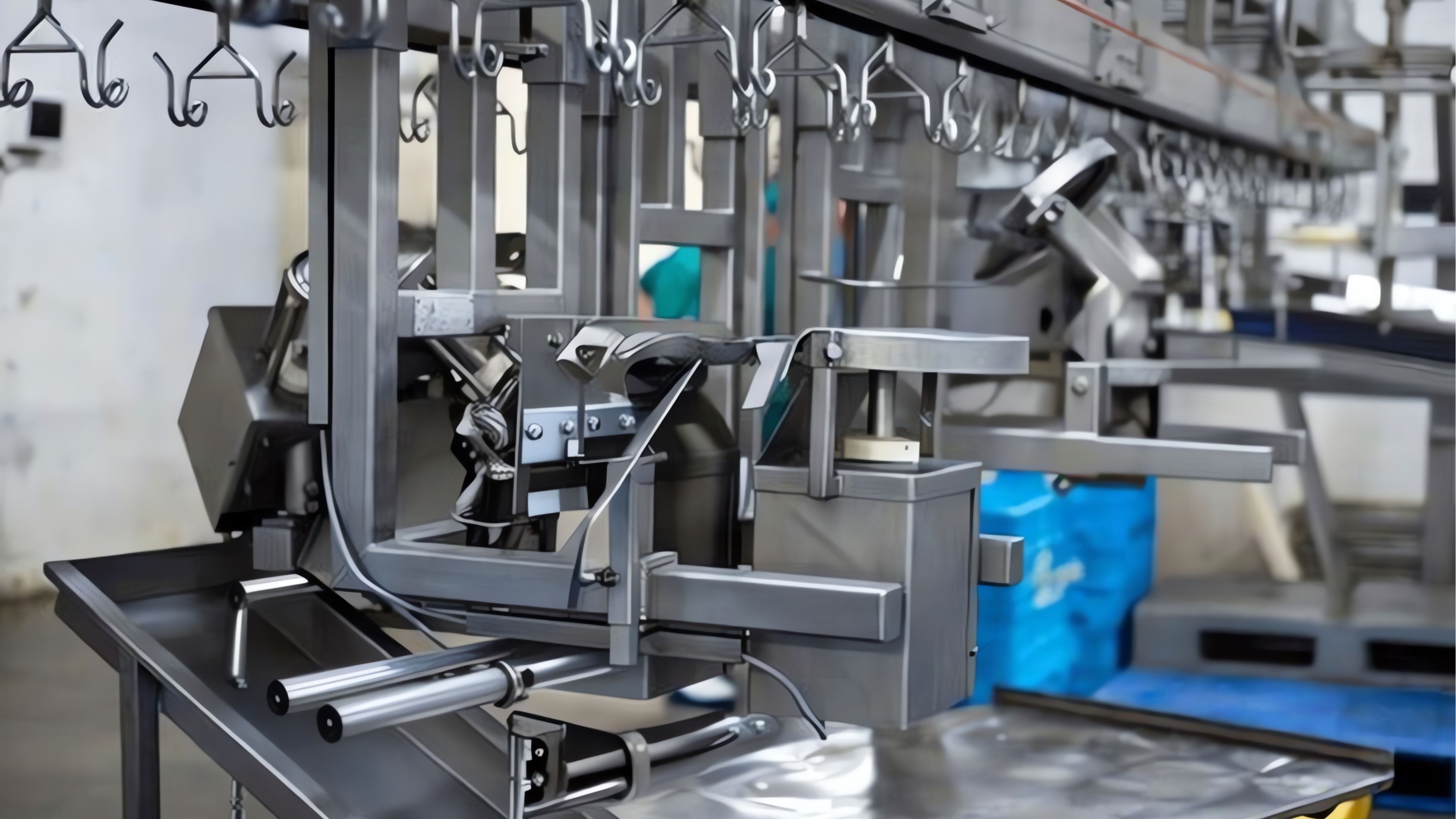
Table of Contents How Can Old Industrial Plants Boost Process Efficiency What Steps Modernize Aging Facility Equipment How Does Process Optimization Retool Older Plants Can You Increase Sustainability in Aging Facilities What Upgrades Improve Efficiency in Old Plants How to Reduce Downtime in Outdated Industrial Facilities Is Project Consultancy Key to Facility Modernization How Do Heat Exchangers Optimize Legacy Systems Can Passivation Extend the Life of Old Equipment What Is the Best Approach to Retrofit a Facility How Can Old Industrial Plants Boost Process Efficiency For production managers overseeing aging infrastructure, the challenge of boosting process efficiency is a constant battle against escalating energy consumption, unplanned downtime, and tightening regulatory frameworks. The strategic imperative is not merely to repair but to intelligently retrofit old industrial plants with modern engineering solutions that deliver measurable gains in output and reliability. This approach transforms a legacy facility from a cost center into a competitive asset, directly impacting the bottom line through sustained sustainable plant modernization. A foundational step in any comprehensive efficiency program is engaging in specialized process optimization consultancy to conduct a detailed audit of existing workflows and energy usage. Experts like SS Proje analyze material flow, heat transfer, and equipment performance to identify bottlenecks and wasteful practices. This data-driven assessment forms the basis for a tailored plan of facility efficiency upgrades, which often includes the integration of high-performance components such as custom-designed industrial tank manufacturing solutions optimized for better mixing, heating, or storage capacity. The implementation of new equipment must be paired with rigorous protocols to ensure long-term performance and corrosion resistance. Critical equipment passivation services are applied to stainless steel surfaces, creating an inert layer that drastically reduces corrosion and contamination risks, thereby extending asset life and maintaining product purity. This is especially vital in sectors like pharmaceuticals and food processing, where compliance with international standards is non-negotiable. The synergy between advanced hardware and protective treatments is what separates incremental improvements from transformative gains. Ultimately, the journey to elevate an old plant's performance is a holistic, end-to-end endeavor. It requires a partner capable of navigating the full project lifecycle from initial design and precision manufacturing to seamless field installation and ongoing support. By investing in this integrated approach, facilities achieve not just immediate operational wins but also secure long-term sustainable plant modernization that future-proofs operations against evolving market and regulatory demands, ensuring continued efficiency and profitability for years to come. What Steps Modernize Aging Facility Equipment Modernizing aging facility equipment is a strategic necessity for production managers aiming to overcome the limitations of outdated infrastructure, which often manifests as high energy expenditure, frequent breakdowns, and compliance risks. A systematic approach to retrofit old industrial plants begins with a comprehensive assessment, moving beyond simple part replacements to integrated solutions that drive a true sustainable plant modernization. This process transforms legacy assets into high-performance, reliable systems that meet contemporary operational and environmental standards. The first critical step involves engaging a specialist for a thorough process optimization consultancy to perform a detailed audit of the entire production line. This analysis pinpoints inefficiencies in material handling, thermal management, and equipment interoperability, laying the groundwork for targeted facility efficiency upgrades. For instance, upgrading to custom-engineered systems from a specialist in industrial tank manufacturing can significantly enhance mixing homogeneity, thermal retention, and volumetric capacity, directly boosting throughput and consistency. Following the design phase, precise installation and critical post-fabrication treatments are paramount. Implementing rigorous equipment passivation services is essential for all new stainless steel components, as this chemical process creates a protective oxide layer that prevents corrosion and ensures product purity. This step is non-negotiable for maintaining compliance with international quality standards in sensitive industries, effectively extending the operational lifespan of the investment and minimizing future maintenance interruptions. Ultimately, a successful modernization project is defined by its adherence to an end-to-end engineering philosophy that encompasses design, fabrication, installation, and protection. Partners like SS Proje ensure that each phase is executed to the highest specifications, guaranteeing that the facility efficiency upgrades deliver not just immediate performance gains but also long-term operational resilience. This holistic approach to sustainable plant modernization secures a competitive advantage by future-proofing facilities against evolving demands, ensuring maximum return on investment through enhanced reliability and reduced total cost of ownership. How Does Process Optimization Retool Older Plants Process optimization consultancy serves as the strategic foundation for retooling older plants, transforming them from inefficient cost centers into high-performance assets. This methodology moves beyond simple equipment swaps to holistically analyze and refine entire workflows, energy consumption patterns, and material flows. For facilities aiming to retrofit old industrial plants, this data-driven approach identifies the precise bottlenecks and wasteful practices that hinder productivity, setting the stage for a truly sustainable plant modernization. The initial phase involves a granular audit conducted by engineering specialists like SS Proje, who map the existing process to quantify inefficiencies in heat transfer, residence times, and equipment utilization. This analysis directly informs a targeted plan for facility efficiency upgrades, which may include integrating advanced components such as custom-designed systems from expert industrial tank manufacturing partners. These modern vessels are engineered for superior thermal regulation and mixing dynamics, directly increasing yield and reducing cycle times within the reconfigured process. Implementing new hardware is only half the solution; ensuring its longevity and compliance is critical. This is where specialized equipment passivation services become indispensable, applying a corrosion-resistant layer to all new stainless steel surfaces. This treatment is vital for maintaining product purity and meeting stringent international standards, effectively extending the service life of the capital investment and safeguarding the integrity of the entire optimized process against degradation. The ultimate success of retooling through process optimization lies in executing a seamless, end-to-end project that integrates design, fabrication, and protection. By partnering with an engineering firm that masters this full lifecycle, plants achieve more than incremental gains; they secure a fundamental sustainable plant modernization. This strategic approach future-proofs operations, delivering lasting improvements in reliability, energy efficiency, and regulatory compliance that ensure a strong return on investment and long-term competitive advantage. Can You Increase Sustainability in Aging Facilities Increasing sustainability in aging facilities is not only possible but represents a significant strategic opportunity to align economic performance with environmental responsibility. The core of this transformation lies in a targeted sustainable plant modernization strategy that systematically addresses energy waste, resource consumption, and equipment longevity. By choosing to retrofit old industrial plants rather than replace them, companies can dramatically reduce their carbon footprint while simultaneously achieving substantial operational cost savings and enhancing compliance. A deep-dive process optimization consultancy is the essential first step, identifying key areas for improvement such as inefficient thermal management, excessive water usage, and suboptimal material yields. This analysis directly informs a suite of precise facility efficiency upgrades that target these waste streams. For example, upgrading to advanced, custom-designed systems from a specialized industrial tank manufacturing partner can optimize heating and cooling cycles, minimize heat loss, and improve mixing efficiency, leading to direct reductions in energy and raw material use per unit of production. Sustainability is also fundamentally linked to asset durability and material integrity. Implementing rigorous equipment passivation services on all new and existing stainless steel components is crucial for sustainability. This process prevents corrosion, which reduces the need for premature replacements and minimizes the risk of product contamination and waste. By extending the functional life of critical equipment, passivation supports a circular economy model within the plant, reducing the environmental impact associated with manufacturing and disposing of assets. The synergy between optimized processes, high-efficiency equipment, and robust protective treatments creates a powerful foundation for long-term sustainable operations. An end-to-end engineering partner like SS Proje ensures that these elements are integrated seamlessly, guaranteeing that the pursuit of sustainability delivers concurrent gains in reliability and profitability. This holistic approach to modernization proves that environmental stewardship and operational excellence are not mutually exclusive but are instead inextricably linked drivers of future-proof industrial success. What Upgrades Improve Efficiency in Old Plants Identifying the right facility efficiency upgrades is critical for production managers seeking to revitalize outdated operations without the prohibitive cost of a full rebuild. The most effective strategy involves a systematic retrofit old industrial plants approach, targeting specific subsystems that offer the highest return on investment in terms of energy savings, throughput, and reliability. This focused modernization transforms a legacy facility into a competitive asset, serving as the cornerstone of a comprehensive sustainable plant modernization plan. The selection process for these upgrades must be guided by data from a professional process optimization consultancy, which performs a detailed audit to pinpoint inefficiencies in heat exchange, fluid dynamics, and material handling. A common high-impact upgrade involves replacing outdated vessels with precision-engineered solutions from expert industrial tank manufacturing partners. Modern tanks designed for optimal insulation, superior agitation, and precise temperature control can drastically reduce energy consumption per batch and improve product consistency. Beyond the core equipment, ensuring the longevity of these investments is paramount. Applying advanced equipment passivation services to all new stainless steel components is a non-negotiable upgrade for durability. This chemical treatment creates a passive layer that resists corrosion, preventing contamination and extending the asset's operational life far beyond that of untreated equipment. This directly reduces lifecycle costs and minimizes downtime for repairs, making the initial facility efficiency upgrades more economically viable over the long term. The true measure of a successful upgrade is its integration into a holistic, end-to-end engineering solution that considers design, implementation, and protection. Partners like SS Proje specialize in orchestrating these interconnected improvements to ensure they work in synergy, delivering compounded benefits. This approach guarantees that investments in efficiency today contribute to a resilient, compliant, and profitable operation for years to come, fully realizing the potential of a sustainable plant modernization. How to Reduce Downtime in Outdated Industrial Facilities Reducing downtime in outdated industrial facilities requires a proactive strategy that moves beyond reactive maintenance to address the root causes of equipment failure and process inefficiency. The most effective approach is a planned retrofit old industrial plants initiative, which systematically replaces high-failure-rate components with modern, reliable systems. This shift is fundamental to achieving sustainable plant modernization, where operational continuity becomes a predictable outcome rather than a hopeful target. The journey begins with a meticulous process optimization consultancy to identify critical failure points and bottlenecks within the production line. This analysis prioritizes investments in targeted facility efficiency upgrades that deliver the greatest impact on reliability. For instance, replacing aging, corrosion-prone vessels with robust, custom-designed equipment from a specialist in industrial tank manufacturing eliminates frequent leaks and failures, ensuring consistent batch processing and eliminating unplanned production halts. Beyond hardware replacement, enhancing the inherent durability of equipment is crucial for minimizing maintenance interruptions. Implementing comprehensive equipment passivation services on all new and critical existing stainless steel assets is a vital step. This process creates a protective oxide layer that drastically reduces corrosion-induced degradation, a leading cause of unscheduled downtime. This preventive measure extends maintenance cycles and ensures compliance with purity standards, avoiding costly shutdowns for corrective actions and quality issues. Ultimately, sustainable downtime reduction is the result of integrating robust equipment, protective treatments, and precise engineering into a cohesive system. An end-to-end partner like SS Proje ensures that these elements are harmonized from design through installation, guaranteeing that each facility efficiency upgrade contributes to a more resilient operation. This holistic approach to modernization transforms plant reliability, delivering the operational stability required for maximizing uptime, protecting revenue, and securing a long-term competitive advantage through unwavering performance. Is Project Consultancy Key to Facility Modernization Expert process optimization consultancy is indeed the definitive key to successful facility modernization, serving as the critical strategic foundation that ensures capital investments deliver maximum operational and financial returns. Without this analytical first step, efforts to retrofit old industrial plants risk becoming a costly series of guesswork-driven equipment swaps rather than a coherent sustainable plant modernization program. Consultancy transforms a modernization project from a reactive expense into a proactive, data-informed strategy for long-term competitiveness. A comprehensive consultancy engagement involves a deep diagnostic audit of the entire production ecosystem, quantifying inefficiencies in energy use, material flow, and equipment performance. This analysis provides the objective evidence needed to prioritize the most impactful facility efficiency upgrades. For example, the data might reveal that investing in advanced, custom-designed systems from a specialized industrial tank manufacturing partner will yield greater returns than upgrading auxiliary systems, by directly addressing the primary bottleneck affecting throughput and energy consumption. The consultancy role extends into specifying the necessary protocols to protect the new investment, such as mandatory equipment passivation services for all stainless steel components. This ensures that the upgraded assets achieve their designed lifespan by resisting corrosion, a critical consideration for maintaining uptime and product purity. The consultancy phase thus guarantees that every aspect of the project, from hardware selection to protective treatments, is aligned with international quality standards and long-term reliability goals. Ultimately, the value of project consultancy is realized in the seamless execution of an end-to-end modernization plan. By partnering with a firm like SS Proje that integrates consultancy with engineering and implementation, facilities ensure that their modernization journey is coherent, efficient, and results-driven. This holistic approach guarantees that the substantial investment in facility efficiency upgrades translates directly into a more resilient, compliant, and profitable operation, securing a definitive return on investment through enhanced performance and extended asset life. How Do Heat Exchangers Optimize Legacy Systems Heat exchangers are pivotal components in optimizing legacy systems, directly addressing one of the largest sources of inefficiency in aging industrial plants: thermal energy management. Integrating modern, high-efficiency heat exchangers is a cornerstone strategy for any initiative to retrofit old industrial plants, as they dramatically reduce energy consumption required for heating and cooling processes. This upgrade is a critical element of a holistic sustainable plant modernization, delivering immediate cost savings and enhancing overall process stability. The effectiveness of this upgrade is maximized when guided by a thorough process optimization consultancy, which identifies the specific thermal inefficiencies within the existing system. This analysis ensures that the new heat exchangers are correctly sized and specified to work in synergy with other key facility efficiency upgrades, such as advanced vessels from specialized industrial tank manufacturing partners. The result is a tightly integrated thermal loop that minimizes heat loss, reduces cycle times, and maintains precise temperature control for superior product quality. To guarantee the longevity and reliability of these critical assets, professional equipment passivation services must be applied to all stainless steel heat exchanger surfaces. This treatment is essential for preventing fouling and corrosion, which are primary causes of reduced heat transfer efficiency and eventual failure in thermal systems. By protecting the internal surfaces, passivation maintains optimal performance over the long term, preventing the gradual decline in efficiency that plagues untreated equipment and avoiding costly unplanned downtime. The strategic integration of high-performance heat exchangers, informed by expert consultancy and protected by passivation, exemplifies a complete engineering solution. Partners like SS Proje ensure that these components are not simply installed but are fully optimized within the broader process, contributing to a significant sustainable plant modernization. This approach transforms a legacy facility's thermal management from a major liability into a source of competitive advantage, ensuring operational reliability and energy efficiency for years to come. Can Passivation Extend the Life of Old Equipment Absolutely, specialized equipment passivation services are a proven, cost-effective method to significantly extend the operational life of aging industrial equipment, directly combating the primary cause of degradation: corrosion. This chemical process is a critical component of any strategy to retrofit old industrial plants, as it enhances the durability of existing assets, delaying the need for capital-intensive replacements and supporting a broader sustainable plant modernization by maximizing the value of current infrastructure. The passivation process works by removing free iron from the surface of stainless steel and promoting the formation of a protective, inert chromium oxide layer. This passive layer acts as a barrier against corrosive agents, preventing pitting, crevice corrosion, and stress corrosion cracking that can lead to premature equipment failure. When integrated with a comprehensive process optimization consultancy, passivation is strategically applied to critical components identified as high-risk, ensuring that facility efficiency upgrades are protected from the outset. This is especially vital for sensitive equipment like vessels from precision industrial tank manufacturing, where surface integrity is paramount for product purity. Beyond merely extending lifespan, passivation delivers direct operational benefits by maintaining consistent performance. A passivated surface resists scale buildup and microbial adhesion, which can impair heat transfer efficiency and flow rates in systems like heat exchangers and pipelines. This preservation of functional efficiency ensures that equipment continues to operate at peak performance, contributing to energy savings and preventing the gradual decline that often necessitates early retirement of assets. The result is a predictable maintenance schedule and drastically reduced risk of unplanned downtime. Integrating professional passivation into a facility's maintenance and modernization strategy is a hallmark of forward-thinking engineering. As part of an end-to-end solution from a partner like SS Proje, it ensures that both new installations and revitalized legacy equipment achieve their maximum service life. This commitment to durability is fundamental to achieving long-term operational reliability, compliance with stringent quality standards, and the full economic return on investment from any plant improvement initiative. What Is the Best Approach to Retrofit a Facility The best approach to retrofit old industrial plants is a methodical, end-to-end engineering strategy that prioritizes data-driven analysis over assumptions, ensuring every investment directly addresses a validated inefficiency. This holistic framework is the foundation of a successful sustainable plant modernization, transforming a legacy facility into a model of efficiency and reliability without the disruption and cost of a greenfield project. The process begins not with hardware, but with intelligence. Phase one is an in-depth process optimization consultancy conducted by specialists to map energy flows, material usage, and equipment performance. This audit identifies the precise bottlenecks and energy sinks, creating a prioritized roadmap for targeted facility efficiency upgrades. For example, the data may reveal that replacing outdated storage or reaction vessels with custom-designed systems from a specialized industrial tank manufacturing partner will yield the highest return by improving thermal efficiency and batch consistency. The implementation phase must integrate durability from the start. Applying rigorous equipment passivation services to all new and critical existing stainless steel components is a non-negotiable step. This process ensures the long-term integrity of the investment by creating a corrosion-resistant barrier, which is essential for maintaining operational uptime, product purity, and compliance with international standards. This proactive protection is what separates a short-term fix from a lasting sustainable plant modernization. The culmination of this approach is a seamlessly integrated system where consultancy, high-performance equipment, and protective treatments work in concert. Partnering with an end-to-end engineering firm like SS Proje guarantees this coherence, ensuring that the retrofit delivers compounded benefits in reduced energy consumption, extended asset life, and minimized downtime. This disciplined, full-lifecycle methodology is the definitive best practice for achieving a future-proof facility that delivers superior operational and financial performance for decades.
See More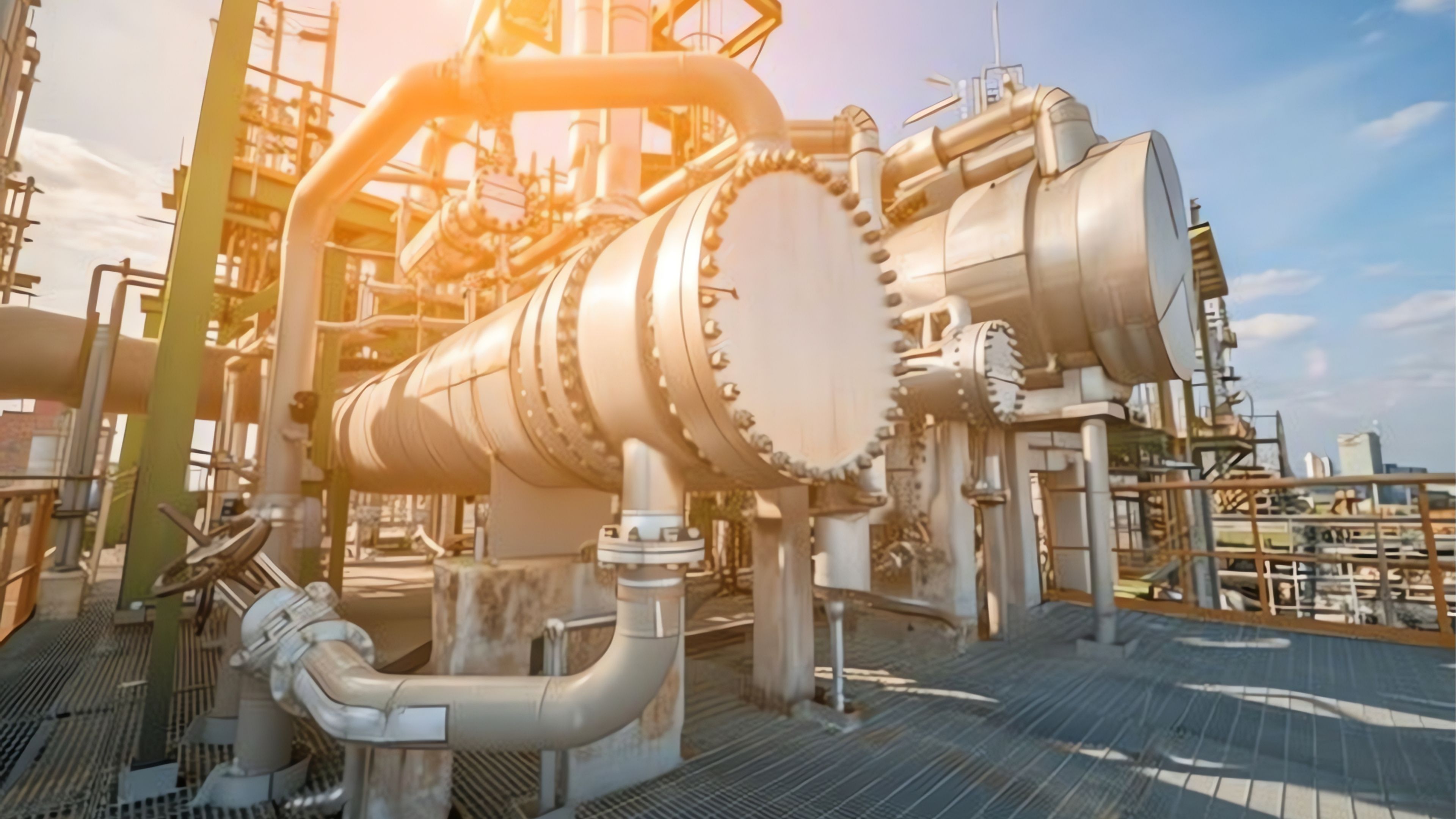
Table of Contents What Factors Determine Heat Exchanger Selection Which Heat Exchanger Type Is Best For My Process How To Ensure Heat Exchanger Material Compatibility How To Size A Heat Exchanger For Optimal Efficiency What Are The Key Heat Exchanger Performance Metrics How To Evaluate A Heat Exchanger For Longevity How Does Passivation Affect Heat Exchanger Selection What Maintenance Is Required For A Heat Exchanger How To Integrate A Heat Exchanger With Existing Equipment What Standards Apply To Industrial Heat Exchanger Design What Factors Determine Heat Exchanger Selection Selecting the right heat exchanger is a foundational decision that directly impacts process stability, energy consumption, and total cost of ownership. An incorrect choice can lead to chronic inefficiency, frequent maintenance interruptions, and premature equipment failure, undermining the core goals of operational reliability and profitability. This decision requires a rigorous heat exchanger selection guide approach, balancing thermal duty with material compatibility and long-term operational demands to achieve true facility performance enhancement. The primary technical considerations include the specific application's thermal load, flow rates, and temperature profiles, which dictate the exchanger type—be it shell and tube, plate, or air-cooled. Material selection is paramount for corrosion resistance and longevity, especially when handling aggressive process fluids; this is where the SS Proje engineering company expertise in international quality standards ensures durable, compliant designs. Furthermore, footprint constraints, fouling potential, and pressure drop limitations must be analyzed to integrate the unit seamlessly into existing systems without compromising overall industrial process optimization. Beyond initial specifications, lifecycle analysis is critical. Investing in high-efficiency heat exchangers designed for easy cleaning and maintenance translates directly into reduced downtime and lower operating costs. Proper industrial equipment installation is equally vital, as precise alignment and integration prevent vibrations and leaks that degrade performance. For facilities aiming for sustainable facility solutions, heat recovery applications turn waste heat into a valuable asset, significantly cutting energy expenses and enhancing environmental credentials. Ultimately, navigating these complex factors demands more than a simple product selection; it requires a partnership for comprehensive project consultancy services. A holistic approach that covers design, specification, and post-installation support ensures the heat exchanger becomes a reliable component of a high-performance system. By prioritizing these engineering fundamentals, industrial managers can secure not just a piece of equipment, but a long-term solution for enhanced efficiency, compliance, and operational resilience. Which Heat Exchanger Type Is Best For My Process Determining the optimal heat exchanger type for your specific process is a critical engineering decision that dictates system efficiency, maintenance overhead, and long-term operational reliability. A misaligned selection can cripple industrial process optimization efforts, leading to excessive energy use and unplanned downtime. The correct choice, however, acts as a cornerstone for significant facility performance enhancement, making a structured heat exchanger selection guide an indispensable tool for any serious facility manager. The three primary types—shell and tube, plate, and air-cooled—each serve distinct operational niches. Shell and tube exchangers offer robustness for high-pressure applications and fluids with fouling tendencies, ensuring durability under demanding conditions. Plate heat exchangers provide superior thermal efficiency in a compact footprint, ideal for duties requiring close temperature approaches and are central to implementing sustainable facility solutions through effective heat recovery. Air-cooled units are the default where water scarcity is a concern, eliminating the need for cooling water infrastructure and its associated treatment costs. Selecting the best type hinges on a detailed analysis of process parameters like temperature ranges, pressure drops, fluid composition, and cleanability requirements. For instance, a corrosive process stream necessitates materials selected with expert project consultancy services to ensure compliance and longevity. The expertise of the SS Proje engineering company is vital here, translating these parameters into a specification for high-efficiency heat exchangers that are optimized for your unique operational envelope. The final integration phase, involving precise industrial equipment installation, ensures the theoretical benefits of the selected exchanger are fully realized in practice. Proper installation prevents issues like vibration, misalignment, and thermal stress that can undermine performance. By partnering with an end-to-end provider, you secure not just a component but a guaranteed solution designed for maximum uptime, energy savings, and a rapid return on investment, solidifying your facility's competitive edge. How To Ensure Heat Exchanger Material Compatibility Material compatibility is the single most critical factor determining the service life, safety, and reliability of a heat exchanger in any industrial process. Incompatibility leads to accelerated corrosion, pitting, and contamination, which directly compromise product purity, increase maintenance frequency, and pose significant safety risks. A meticulous approach to material selection, therefore, is not optional but fundamental to achieving facility performance enhancement and long-term operational integrity, forming a core chapter in any comprehensive heat exchanger selection guide. The selection process begins with a thorough chemical analysis of all process streams, including operating temperatures, concentrations, pH levels, and the presence of chlorides or other aggressive ions. This data dictates the choice between stainless steels, duplex alloys, titanium, or nickel alloys to resist specific corrosion mechanisms. For facilities focused on sustainable facility solutions, material choice also impacts lifecycle environmental footprint, where durable alloys reduce waste and resource consumption over decades of service. Engaging with the SS Proje engineering company for expert project consultancy services ensures this analysis aligns with international standards and avoids costly oversights. Beyond base material selection, surface treatment processes like passivation are essential for stainless steel components. Passivation removes free iron from the surface, creating a uniform passive oxide layer that dramatically enhances corrosion resistance. This critical step, often overlooked, ensures that high-efficiency heat exchangers maintain their designed thermal performance without degradation from surface scaling or fouling. Proper execution during fabrication is a hallmark of quality and a prerequisite for reliable industrial equipment installation and subsequent industrial process optimization. Ultimately, ensuring material compatibility is an investment in predictable, low-maintenance operation. It prevents unplanned shutdowns, protects product quality, and extends the asset's life far beyond that of a poorly specified unit. By prioritizing this engineering discipline from the initial design phase, managers secure a heat exchanger that functions as a reliable, integral component, driving efficiency and sustainability while minimizing total cost of ownership. How To Size A Heat Exchanger For Optimal Efficiency Correctly sizing a heat exchanger is a precise engineering exercise that directly determines its operational efficiency, energy consumption, and ability to meet process demands without oversizing capital costs. An undersized unit will fail to achieve the required thermal duty, creating a bottleneck in production, while an oversized exchanger represents a significant unnecessary capital outlay and can lead to control difficulties and higher pumping costs. This balance is fundamental to any effective heat exchanger selection guide and is crucial for genuine facility performance enhancement. The sizing process begins with accurately defining the duty: the heat load, inlet and outlet temperatures for both streams, and allowable pressure drops. These parameters allow for the calculation of the Log Mean Temperature Difference (LMTD) and the required heat transfer area. For industrial process optimization, it is also critical to consider future capacity increases or potential fouling factors, building in a reasonable margin without resorting to excessive overdesign. Leveraging the project consultancy services of an expert firm like the SS Proje engineering company ensures these calculations account for real-world variability and align with long-term operational goals. Optimal sizing is key to deploying high-efficiency heat exchangers that minimize energy waste. A correctly sized unit operates at its most effective point, reducing the parasitic load on pumps and fans and contributing directly to sustainable facility solutions through lower carbon emissions. Furthermore, precise sizing simplifies the subsequent industrial equipment installation, as the unit fits perfectly within the allocated space and connects efficiently with existing piping, avoiding costly modifications and delays. Ultimately, investing in rigorous thermal and hydraulic sizing is a proactive strategy for minimizing the total cost of ownership. It ensures the heat exchanger delivers the exact performance required for current operations while providing the flexibility to adapt to future process changes. This engineering discipline translates into sustained energy savings, reliable temperature control, and a robust system that supports continuous, high-yield production, making it a cornerstone of a modern, efficient industrial facility. What Are The Key Heat Exchanger Performance Metrics Monitoring key performance metrics is essential for validating heat exchanger operation, diagnosing inefficiencies, and ensuring the unit contributes positively to overall plant profitability. These quantifiable parameters act as the health indicators of the thermal system, directly linking equipment performance to broader goals like energy conservation and production throughput. A thorough understanding of these metrics is a fundamental aspect of any professional heat exchanger selection guide and is critical for achieving sustained facility performance enhancement. The primary thermal metric is the overall heat transfer coefficient (U-value), which measures the efficiency of heat exchange between the two fluid streams. A declining U-value often signals fouling, scaling, or other internal issues that impede heat flow and increase energy consumption. Similarly, the approach temperature—the difference between the outlet temperature of the hot stream and the inlet temperature of the cold stream—is a sensitive indicator of effectiveness; a widening approach points to deteriorating performance. For managers driving industrial process optimization, tracking pressure drop across the exchanger is equally vital, as increasing resistance indicates blockages that raise pumping costs and reduce available flow. Regular analysis of these metrics allows for predictive maintenance, scheduling cleanings only when performance data justifies it, thus avoiding unnecessary downtime. This data-driven approach is central to operating high-efficiency heat exchangers and is a key service offered through expert project consultancy services. The SS Proje engineering company leverages this data not just for troubleshooting but to validate system performance post-industrial equipment installation, ensuring the design intent is met. By rigorously tracking these key performance indicators, facility managers transform reactive maintenance into a proactive strategy for operational excellence. This discipline supports the implementation of sustainable facility solutions by maximizing energy efficiency and extending equipment lifespan. Ultimately, a focus on performance metrics guarantees that a heat exchanger operates as a reliable, cost-effective asset, delivering a strong return on investment and supporting continuous, high-quality production. How To Evaluate A Heat Exchanger For Longevity Evaluating a heat exchanger for longevity is a proactive investment that guards against premature failure, unplanned shutdowns, and costly capital replacements. Long-term reliability hinges on a combination of robust initial design, material integrity, and operational practices that collectively extend the asset's service life far beyond standard expectations. This forward-looking assessment is a critical component of any comprehensive heat exchanger selection guide and is fundamental to achieving true facility performance enhancement through sustained, uninterrupted operation. The evaluation begins with a rigorous inspection of construction quality and material specifications. The thickness of tubes, tubesheets, and shells must be adequate to withstand corrosion allowances and operational stresses over decades. Verification of material certifications and surface treatments, such as passivation for stainless steels, is essential to prevent accelerated degradation. For facilities committed to sustainable facility solutions, this durability directly reduces lifecycle waste and resource consumption. Engaging the SS Proje engineering company for expert project consultancy services ensures this evaluation is based on international standards and proven engineering principles. Operational factors are equally critical for longevity. The design must account for thermal cycling, potential for water hammer, and ease of maintenance access for cleaning and inspection. A unit designed for easy tube bundle removal or plate pack access significantly reduces downtime during necessary servicing, preserving overall industrial process optimization. Furthermore, proper industrial equipment installation, including correct alignment and support, prevents vibrational damage and mechanical stress that can cause early fatigue failures in even the most robust high-efficiency heat exchangers. A thorough longevity evaluation transforms a heat exchanger from a consumable component into a long-term asset. This disciplined approach minimizes total cost of ownership by spreading the initial investment over a much longer productive life, reducing the frequency of major capital expenditure. By prioritizing durability in design, materials, and operation, managers secure not only operational reliability but also a significant competitive advantage through predictable, low-maintenance performance. How Does Passivation Affect Heat Exchanger Selection Passivation is a critical, non-negotiable surface treatment that profoundly influences the selection and long-term performance of stainless steel heat exchangers in aggressive industrial environments. This chemical process removes free iron particles from the metal surface, promoting the formation of a continuous, inert chromium oxide layer that acts as a barrier against corrosion. Ignoring passivation in the heat exchanger selection guide can lead to premature pitting, product contamination, and catastrophic failure, undermining any investment in facility performance enhancement. The need for passivation directly affects material selection by determining the suitability of standard austenitic stainless steels like 304 or 316 for a given application. In processes with chlorides or other halides, a properly passivated surface is essential to prevent pitting and crevice corrosion. This consideration is paramount for sustainable facility solutions, as it maximizes the lifespan of the equipment and avoids the environmental cost of early replacement. The SS Proje engineering company integrates passivation requirements into its project consultancy services, ensuring that material specs are not just theoretically correct but practically resilient. Furthermore, the passivation process impacts the fabrication and installation timeline. It must be performed after all welding, machining, and handling are complete to ensure the protective layer is uniform and uncontaminated. This requirement necessitates a supplier with stringent quality control protocols, as improper passivation can be worse than none at all. For high-efficiency heat exchangers, a perfect surface finish is also crucial for maintaining optimal heat transfer coefficients by preventing fouling that starts at microscopic corrosion sites. Proper execution ensures the unit operates as designed post-industrial equipment installation, supporting overall industrial process optimization. Ultimately, specifying a passivated heat exchanger is a direct investment in operational reliability and product integrity. It is a low-cost step that yields disproportionately high returns in extended equipment life, reduced maintenance, and guaranteed hygiene standards. By making passivation a key criterion in the selection process, managers secure a robust asset capable of withstanding harsh process conditions, thereby ensuring continuous production and protecting their capital investment for decades. What Maintenance Is Required For A Heat Exchanger A disciplined maintenance regimen is the cornerstone of maximizing the lifespan and efficiency of any industrial heat exchanger, directly impacting operational costs and production reliability. Without proactive upkeep, even the best-designed unit will succumb to fouling, corrosion, and performance degradation, leading to increased energy consumption and unplanned downtime. Integrating a strategic maintenance plan into your overall heat exchanger selection guide is therefore essential for achieving consistent facility performance enhancement and protecting your capital investment. Routine maintenance primarily focuses on combating fouling through regular cleaning schedules tailored to the specific process fluids. For shell and tube exchangers, this involves periodic mechanical or chemical cleaning of tubes, while plate heat exchangers require disassembly for gasket inspection and plate cleaning. Predictive maintenance, guided by monitoring key metrics like pressure drop and heat transfer coefficient, allows interventions to be scheduled during planned shutdowns, which is critical for effective industrial process optimization. Leveraging the project consultancy services of an expert partner like the SS Proje engineering company helps establish these data-driven maintenance protocols. Beyond cleaning, maintenance includes regular inspections for leaks, vibration, and corrosion, especially at tubesheets and supports. Ensuring that chemical treatment programs for cooling water or process streams are correctly managed is also vital to minimize scaling and corrosion from the fluid side. For facilities implementing sustainable facility solutions, proper maintenance ensures that high-efficiency heat exchangers operate at their peak, thereby conserving energy and reducing the environmental footprint. The quality of the initial industrial equipment installation also plays a long-term role, as proper alignment and support reduce mechanical wear. A well-executed maintenance strategy transforms the heat exchanger from a potential liability into a reliable, long-life asset. It directly translates into lower energy costs, extended equipment service life, and minimized production interruptions. This proactive approach is a fundamental aspect of modern industrial management, ensuring that thermal systems contribute reliably to operational goals and deliver a strong return on investment year after year. How To Integrate A Heat Exchanger With Existing Equipment Integrating a new heat exchanger into an existing industrial process is a complex engineering task that requires meticulous planning to ensure seamless operation and avoid disruptive bottlenecks. A poorly executed integration can lead to hydraulic imbalances, control system conflicts, and reduced overall system efficiency, negating the benefits of the new equipment. A successful integration, however, is a powerful driver for facility performance enhancement, making it a critical step beyond the initial heat exchanger selection guide. The process begins with a comprehensive audit of the existing system, including piping layouts, pump capacities, control valves, and instrumentation. This analysis ensures the new high-efficiency heat exchangers are hydraulically compatible and do not overload existing pumps or create unacceptable pressure drops. Proper industrial equipment installation requires precise spatial planning for access to maintenance and cleaning points, which is essential for long-term industrial process optimization. The SS Proje engineering company provides vital project consultancy services at this stage to model integration scenarios and prevent costly field modifications. Control system integration is equally important. The new exchanger must be seamlessly incorporated into the plant's Distributed Control System (DCS) or PLC with appropriate setpoints, alarms, and interlocks to maintain process stability. For retrofits aimed at sustainable facility solutions, such as adding a heat recovery unit, integration ensures that energy savings are fully realized without compromising the primary process. This involves sophisticated tuning of control loops to manage the interplay between the new and existing thermal equipment dynamically. A professionally managed integration transforms a standalone component into a harmonious part of the production ecosystem. It guarantees that the designed thermal and hydraulic performance is achieved in practice, leading to predictable operation, energy savings, and minimal operational disruption. This meticulous approach protects the investment in new equipment and ensures it contributes reliably to the facility's long-term operational and sustainability goals. What Standards Apply To Industrial Heat Exchanger Design Adherence to rigorous international design standards is non-negotiable for ensuring the safety, reliability, and performance of industrial heat exchangers. These standards provide a validated framework for engineering calculations, material selection, fabrication, and testing, mitigating risks associated with pressure containment, corrosion, and structural failure. Compliance is a fundamental aspect of any professional heat exchanger selection guide and is directly linked to achieving long-term facility performance enhancement and operational safety. The most critical standards include the ASME Boiler and Pressure Vessel Code (BPVC), particularly Section VIII for pressure vessel design, which mandates strict rules for design margins, weld procedures, and non-destructive testing. For shell and tube exchangers, the Tubular Exchanger Manufacturers Association (TEMA) standards define classifications for mechanical design, tolerances, and component dimensions, ensuring interchangeability and reliability. Following these protocols is essential for producing high-efficiency heat exchangers that meet global expectations for quality and safety. The SS Proje engineering company builds compliance into its project consultancy services, ensuring designs are certified and fit for purpose. Material standards, such as those from ASTM International, govern the chemical and mechanical properties of metals, guaranteeing the integrity of tubes, plates, and shells under specified process conditions. Furthermore, standards for industrial equipment installation ensure proper anchoring, alignment, and piping stress management, which are crucial for preventing vibration-induced damage. For facilities pursuing sustainable facility solutions, these standards also contribute to longevity and resource efficiency, reducing waste from premature equipment replacement. Designing to these internationally recognized standards is a direct investment in risk mitigation and operational excellence. It ensures regulatory compliance, facilitates insurance approvals, and provides a predictable baseline for performance and maintenance. This disciplined approach, integral to full-cycle industrial process optimization, guarantees that a heat exchanger will perform safely and reliably throughout its entire service life, protecting both personnel and productivity.
See More
Table of Contents How To Evaluate Post Passivation Equipment Integrity What Metrics Define Successful Passivation Performance How To Test For Post Passivation Corrosion Resistance What Are The Steps For Post Passivation Verification How To Ensure Compliance After Passivation Treatment What Tests Confirm Passivation Process Effectiveness How To Measure Surface Quality After Passivation What Tools Are Needed For Post Passivation Audits How To Validate Long Term Passivation Results What Is The Post Passivation Performance Checklist How To Evaluate Post Passivation Equipment Integrity For production managers in high-stakes industries, confirming the integrity of equipment after stainless steel passivation verification is a critical determinant of operational uptime and asset longevity. A rigorous post passivation audit procedure validates that the protective oxide layer has formed correctly, directly impacting corrosion resistance and preventing costly contamination or premature failure. This systematic evaluation is not merely a compliance checkbox but a core component of process optimization after passivation, ensuring that facilities achieve peak facility efficiency testing benchmarks from their critical systems. The cornerstone of effective post passivation testing involves quantitatively measuring corrosion resistance testing through methods like water immersion tests, high-humidity exposure, and potentiodynamic polarization. These techniques provide empirical data on the passive layer's stability under simulated operational stresses. This data-driven approach is fundamental to comprehensive industrial equipment performance validation for vessels, piping, and components manufactured from stainless steel, directly contributing to extended service life and reduced maintenance frequency. Integrating these validation steps into the broader project lifecycle is where the expertise of an engineering partner like SS Proje delivers significant value. Our SS Proje engineering solutions embed performance validation from the initial design phase through field installation, ensuring that equipment such as reactors and heat exchangers not only meet but exceed specifications. This end-to-end oversight guarantees that the passivation process is not an isolated event but a guaranteed starting point for sustained, reliable performance, minimizing lifecycle costs. Ultimately, a meticulously executed evaluation of post-passivation integrity is a strategic investment in operational excellence. By ensuring the maximum durability of stainless steel assets, facilities can dramatically lower their total cost of ownership, avoid unplanned shutdowns, and maintain stringent product quality standards. Adopting this proactive, data-backed approach to equipment validation, supported by expert engineering consultancy, is the definitive path to achieving long-term facility efficiency testing goals and sustainable, compliant operations. What Metrics Define Successful Passivation Performance Quantifying the success of a passivation treatment requires moving beyond visual inspection to a set of precise, data-driven metrics that predict long-term industrial equipment performance validation. These objective benchmarks are critical for production managers who need to guarantee that assets like reactors and piping systems will resist degradation, ensuring product purity and maximizing uptime. Establishing a clear baseline for stainless steel passivation verification transforms a qualitative process into a reliable component of facility risk management. The most definitive metric for success is the outcome of standardized corrosion resistance testing, such as the ASTM A967 nitrite dip test or electrochemical methods that measure passive film stability. These tests provide quantifiable data on how the metal surface will perform under aggressive chemical or environmental exposure. A comprehensive post passivation audit procedure also includes verifying surface elemental composition, ensuring free iron removal and chromium-to-iron ratios meet international standards for optimal protection. Integrating these metrics into the operational workflow is the essence of true process optimization after passivation. This allows for a predictive maintenance model, where consistent performance data from post passivation testing directly correlates with extended equipment life cycles and reduced unexpected downtime. By partnering with specialists like SS Proje, facilities can embed this data-centric approach from the design phase, ensuring that SS Proje engineering solutions deliver assets with performance guarantees. Ultimately, the true value of these performance metrics is realized in sustained operational excellence. A passivation process validated by rigorous metrics ensures long-term facility efficiency testing success, translating to lower total cost of ownership and unwavering compliance. This objective foundation for decision-making empowers managers to invest confidently in assets that deliver durability and reliability, securing a significant return on investment through superior engineering and validation protocols. How To Test For Post Passivation Corrosion Resistance Verifying the effectiveness of a passivation treatment requires definitive corrosion resistance testing to ensure the stainless steel surface can withstand harsh operational environments. This critical phase of post passivation testing moves beyond theory, providing empirical evidence that the passive oxide layer will prevent pitting and crevice corrosion in assets like heat exchangers and storage tanks. For facility managers, this validation is the foundation of reliable industrial equipment performance validation and long-term operational integrity. Standardized methods form the core of a robust post passivation audit procedure, with the copper sulfate test (ASTM A967) being a common qualitative check for free iron removal. For quantitative data, salt spray (fog) testing (ASTM B117) or electrochemical techniques like potentiostatic reactivation measure the passive film's stability under accelerated conditions. These procedures are essential for thorough stainless steel passivation verification, offering a predictable correlation between test results and real-world service life. Integrating these tests into a comprehensive maintenance strategy drives significant process optimization after passivation. When performance data is systematically collected, it allows for predictive maintenance scheduling, directly reducing unplanned downtime and extending the capital asset's lifecycle. Expert implementation, such as that offered by SS Proje engineering solutions, ensures that testing protocols are correctly applied from installation onwards, guaranteeing that equipment meets its designed performance specifications. The ultimate value of rigorous corrosion resistance testing is a demonstrable improvement in facility efficiency testing outcomes. By confirming the durability of passivated surfaces, facilities mitigate the risk of contamination and costly repairs, achieving higher sustainability through resource conservation. This scientific approach to validation, supported by end-to-end engineering expertise, provides the certainty needed for strategic investment in assets that deliver decades of compliant, high-performance service. What Are The Steps For Post Passivation Verification A systematic post passivation audit procedure is fundamental to confirming that stainless steel assets will perform reliably in demanding industrial environments. This structured approach to stainless steel passivation verification transforms a critical quality control step into a predictable process that safeguards against contamination and premature equipment failure. For process engineers, a well-defined verification protocol is the cornerstone of effective industrial equipment performance validation and long-term operational planning. The verification process begins with a thorough visual inspection under adequate lighting to detect any stains, water breaks, or discoloration that indicate incomplete passivation. Following this, a key step in post passivation testing involves solvent wiping to check for free iron contamination, a primary cause of subsequent corrosion. The most critical phase is applying standardized corrosion resistance testing, such as the copper sulfate or salt spray test, which provides objective data on the integrity of the protective oxide layer. Integrating these verification steps directly into the facility’s operational framework enables significant process optimization after passivation. By creating a documented history of verification results for each asset, maintenance teams can predict service intervals and prevent unplanned downtime. Companies like SS Proje embed this methodology within their SS Proje engineering solutions, ensuring that verification is not an afterthought but an integral part of the design, fabrication, and installation lifecycle. The disciplined application of a post-passivation verification protocol delivers measurable gains in facility efficiency testing and asset longevity. This proactive approach minimizes the risk of reactive repairs, reduces lifecycle costs, and ensures continuous compliance with international quality standards. Adopting a rigorous, step-by-step verification process, supported by expert engineering partnership, is the proven path to securing the full return on investment from critical stainless steel equipment. How To Ensure Compliance After Passivation Treatment Ensuring stainless steel passivation verification meets stringent regulatory and industry standards is a non-negotiable requirement for facilities in pharmaceuticals, food and beverage, and chemical processing. A robust compliance strategy transforms the passivation process from a simple surface treatment into a verifiable component of quality assurance. This systematic approach to post passivation audit procedure is essential for securing operational licenses and safeguarding product integrity, directly supporting long-term asset viability. Compliance assurance begins with meticulous documentation of the entire passivation cycle, including chemical concentrations, exposure times, temperatures, and rinse water quality. The core of verification lies in executing standardized corrosion resistance testing as prescribed by norms like ASTM A967 or AMS 2700. This rigorous post passivation testing provides the objective evidence required for audits, proving that the equipment meets the specified criteria for industrial equipment performance validation. Integrating compliance checks directly into operational workflows is a key driver of process optimization after passivation. This creates a traceable history for each asset, simplifying audits and enabling predictive maintenance based on certified performance data. Partnering with an expert provider like SS Proje ensures that compliance is engineered into the solution from the start, with SS Proje engineering solutions incorporating international standards into every phase from design to final validation. Ultimately, a compliance-focused approach to post-passivation treatment delivers unparalleled value in facility efficiency testing and risk mitigation. It eliminates the costly disruptions of non-compliance findings and reinforces a facility's reputation for quality and reliability. By embedding certified verification protocols into your maintenance strategy, you secure not just regulatory approval but also the operational confidence that comes with assets proven to perform under the most demanding conditions. What Tests Confirm Passivation Process Effectiveness Determining the true effectiveness of a passivation treatment requires employing specific, standardized tests that move beyond superficial checks to provide quantitative data on the protective oxide layer's integrity. These methods are the foundation of dependable stainless steel passivation verification and are essential for any credible post passivation audit procedure. For production managers, this empirical approach to industrial equipment performance validation is critical for ensuring that tanks, pipes, and reactors will resist degradation in corrosive service environments. The most widely recognized confirmatory tests are detailed in standards like ASTM A967, which includes the copper sulfate test for free iron detection and the water immersion test for evaluating uniform passivity. For more advanced analysis, electrochemical methods such as potentiodynamic polarization provide precise measurements of the corrosion potential and passive current density. This level of detailed corrosion resistance testing forms the core of a comprehensive post passivation testing regimen, delivering unambiguous evidence of process success. Integrating these test results into the facility's operational data system is a powerful driver of process optimization after passivation. It enables the correlation of specific test outcomes with long-term equipment performance, allowing for data-driven maintenance scheduling and lifecycle forecasting. Leveraging the expertise of partners like SS Proje ensures these tests are applied correctly, with SS Proje engineering solutions incorporating validation protocols directly into the project design and implementation phases for guaranteed results. The ultimate value of employing definitive effectiveness tests is a demonstrable improvement in operational confidence and facility efficiency testing metrics. By confirming that the passivation process has achieved its intended outcome, facilities can operate with the assurance of minimized contamination risk, extended asset life, and uninterrupted production. This scientific validation, supported by end-to-end engineering, transforms passivation from a procedural step into a strategic investment in long-term, compliant performance. How To Measure Surface Quality After Passivation Accurately measuring surface quality after passivation is a critical determinant of an asset's functional performance and longevity in high-purity or corrosive environments. This evaluation is the cornerstone of effective stainless steel passivation verification, moving beyond a simple visual assessment to quantify the integrity of the protective chromium oxide layer. For process engineers, establishing a clear metric for surface condition is fundamental to achieving reliable industrial equipment performance validation and preventing unforeseen operational issues. The measurement process begins with a meticulous visual inspection under controlled lighting to identify any imperfections like etching, water spots, or discoloration that suggest incomplete treatment. A crucial next step in a comprehensive post passivation audit procedure involves solvent wipe testing, where a clean cloth moistened with high-purity solvent is used to check for residual free iron particles. For quantitative data, specialized corrosion resistance testing such as the ferroxyl test provides a chemical indication of surface purity, while surface roughness measurements confirm that the finish meets specified Ra values. Integrating these surface quality measurements into a facility's quality management system enables significant process optimization after passivation. By correlating specific surface quality data with long-term corrosion rates, maintenance teams can predict equipment lifespan with greater accuracy. Expert execution, a hallmark of SS Proje engineering solutions, ensures that these measurement protocols are seamlessly integrated from the fabrication stage, guaranteeing that every asset delivered passes rigorous post passivation testing benchmarks. The strategic value of precise surface quality measurement is realized through superior facility efficiency testing outcomes and minimized lifecycle costs. A surface verified to the highest standards resists fouling, reduces cleaning frequency, and maintains optimal heat transfer and flow characteristics. This data-driven approach to quality assurance, supported by end-to-end engineering, ensures that capital investments yield durable, high-performing assets that uphold the strictest international quality standards for years to come. What Tools Are Needed For Post Passivation Audits Executing a thorough post passivation audit procedure requires a specific set of tools to transform subjective observation into objective, defensible data for quality assurance. The right equipment is fundamental for achieving credible stainless steel passivation verification and is a prerequisite for any serious industrial equipment performance validation program. For facility managers, investing in these tools is an investment in operational certainty and long-term asset protection. The essential toolkit begins with high-intensity lighting and magnification devices for detailed visual inspection of surfaces inside tanks and pipelines. Critical chemical testing kits for standardized corrosion resistance testing, such as copper sulfate solutions per ASTM A967, are indispensable for detecting free iron. For advanced analysis, portable electrochemical instruments can measure pitting potential, while surface profilometers provide quantitative data on surface roughness, which directly impacts passive film formation and is a key part of comprehensive post passivation testing. Strategically deploying these tools as part of a routine maintenance schedule enables significant process optimization after passivation. The data collected creates a performance baseline for each asset, allowing for predictive maintenance that prevents unexpected failures. Partnering with an expert firm like SS Proje ensures access to the full spectrum of professional audit tools and expertise, with SS Proje engineering solutions incorporating these validation measures directly into the project lifecycle from design to commissioning. The ultimate benefit of a properly equipped audit is a demonstrable improvement in facility efficiency testing metrics and risk management. Using the correct tools to generate reliable data empowers managers to make informed decisions on maintenance, replacements, and process improvements. This equipment-backed approach to quality control, supported by expert engineering partnership, is the most effective strategy for ensuring that stainless steel assets deliver their full potential for durability, compliance, and operational performance. How To Validate Long Term Passivation Results Validating the long-term performance of a passivation treatment requires a proactive, data-driven strategy that extends far beyond the initial quality checks. This ongoing stainless steel passivation verification is essential for forecasting equipment lifespan and preventing costly mid-life failures in critical systems. Establishing a program for sustained industrial equipment performance validation transforms passivation from a one-time event into a continuous contributor to operational reliability and asset management. The methodology for long-term validation hinges on establishing a baseline with rigorous initial post passivation testing and then implementing a scheduled re-audit protocol. This involves periodic reapplication of key corrosion resistance testing, such as spot tests or electrochemical measurements, to track the degradation rate of the passive layer over time. Documenting these results creates a performance history that is invaluable for a predictive post passivation audit procedure, allowing engineers to anticipate maintenance needs before they impact production. Integrating this long-term data collection into the facility’s operational strategy is a powerful form of process optimization after passivation. By analyzing trends in corrosion resistance, facilities can optimize cleaning cycles and chemical usage to extend the passive layer's life. Expert partners like SS Proje design these validation cycles into their SS Proje engineering solutions from the outset, ensuring that long-term performance is a guaranteed outcome of the initial engineering and installation. The strategic value of long-term passivation validation is ultimately realized through superior facility efficiency testing outcomes and maximized return on investment. This forward-looking approach minimizes the risk of catastrophic failures, reduces lifetime maintenance costs, and ensures continuous compliance with evolving industry standards. By committing to a disciplined, long-term validation program, industrial facilities secure the durability and performance of their assets, achieving the sustainability and reliability that define world-class operations. What Is The Post Passivation Performance Checklist A comprehensive post-passivation performance checklist is an indispensable tool for systematic stainless steel passivation verification, ensuring no critical step is overlooked in the validation process. This structured approach forms the backbone of a reliable post passivation audit procedure, providing a clear, repeatable protocol for quality assurance teams. For process managers, this checklist is the operational blueprint for achieving definitive industrial equipment performance validation and long-term operational security. The checklist must begin with pre-inspection criteria, confirming the surface was properly cleaned and prepared before passivation. Core items include a detailed visual inspection under adequate lighting, solvent wipe testing for free iron, and the application of standard corrosion resistance testing such as the water immersion or copper sulfate test. Each step in this rigorous post passivation testing sequence must be documented with results, photographs, and timestamps to create an auditable trail that confirms compliance and performance. Integrating this checklist into the facility's standard operating procedures is a powerful driver of process optimization after passivation. It standardizes the validation process across all assets, from filter housings to reactor vessels, ensuring consistent quality and simplifying staff training. Expert engineering partners like SS Proje often provide these tailored checklists as part of their SS Proje engineering solutions, embedding best-practice validation directly into the project delivery and commissioning phases. The ultimate value of a meticulously followed performance checklist is a demonstrable improvement in facility efficiency testing metrics and risk mitigation. It eliminates guesswork, reduces the potential for human error, and provides concrete evidence of due diligence for regulatory audits. By adopting a disciplined, checklist-driven approach to post-passivation validation, facilities secure the maximum return on their stainless steel assets, ensuring years of reliable, compliant, and efficient operation.
See More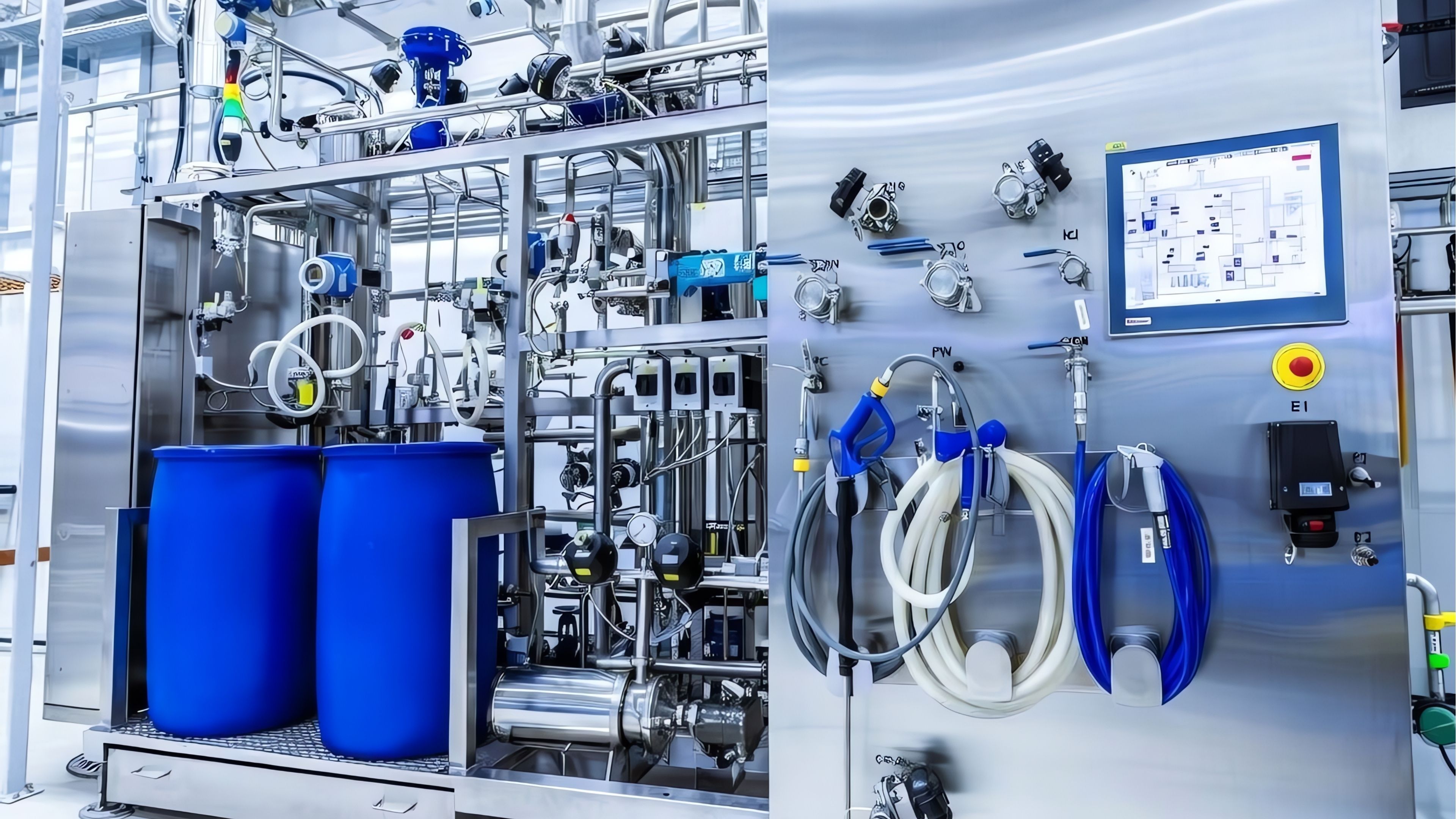
Table of Contents How To Detect CIP System Faults For Maximum Uptime What Are Early Warning Signs Of SIP System Failure How To Troubleshoot CIP Spray Device Malfunctions How Can Automated Fault Detection Improve CIP Efficiency What Are Key Fault Indicators In SIP Validation Cycles How To Diagnose Poor Cleaning Results In CIP Systems How To Implement A Proactive SIP Fault Monitoring System What Faults Cause Sterilization Failures In SIP Processes How To Optimize CIP Cycles Using Fault Detection Data How Does Fault Detection Reduce Water Usage In CIP How To Detect CIP System Faults For Maximum Uptime For production managers, unplanned downtime from CIP system fault detection failures represents a critical threat to operational throughput and profitability. A proactive approach to monitoring and diagnostics transforms this vulnerability into an opportunity for achieving maximum uptime and superior industrial equipment reliability. This technical discipline is fundamental to any comprehensive process optimization solutions strategy, directly impacting cleaning validation and overall facility efficiency. Effective fault detection hinges on analyzing key parameters such as flow rates, pressure differentials, temperature profiles, and conductivity readings throughout the clean-in-place cycle. Deviations from established baselines signal issues like clogged spray balls, failing heat exchangers, or pump inefficiencies. For facilities relying on custom-engineered components from specialized tank manufacturing processes, integrating real-time sensors during the initial sustainable facility design phase is crucial. This foresight enables continuous monitoring that prevents minor issues from escalating into major production halts. Implementing a robust detection system directly supports sterilisation validation engineering protocols by ensuring each CIP cycle consistently meets strict hygiene standards. This not only guarantees compliance but also extends the service life of processing equipment. When SIP process troubleshooting is integrated with CIP monitoring, facilities gain a holistic view of their sanitary process chain, further enhancing operational reliability and reducing water and chemical consumption. Expert SS Proje project consultancy provides the essential link between detection technology and tangible facility performance. Our engineers assess your unique process lines to design tailored monitoring solutions that align with international quality standards. This end-to-end approach, from system design to field installation and passivation, ensures that your process optimization solutions are built on a foundation of durability and long-term efficiency. Ultimately, a strategically implemented fault detection system is an investment in sustained productivity and industrial equipment reliability. By minimizing reactive maintenance and maximizing planned operational windows, facilities can achieve significant cost savings and enhance their competitive edge. Partnering with a specialist like SS Proje ensures that your approach to CIP system fault detection delivers not just immediate fixes, but a scalable framework for continuous improvement and exceptional asset life. What Are Early Warning Signs Of SIP System Failure Recognizing the early warning signs of Steam-In-Place (SIP) system failure is critical for maintaining sterility assurance and preventing catastrophic production losses in regulated industries. Proactive SIP process troubleshooting allows managers to intervene before a minor anomaly escalates into a full system breakdown, safeguarding both product quality and overall industrial equipment reliability. This vigilance is a cornerstone of effective process optimization solutions. The most telling indicators often involve deviations in the sterilization cycle parameters. A prolonged heat-up phase or failure to reach the target temperature can signal issues with steam trap functionality, air pockets within the system, or insufficient steam supply pressure. Furthermore, inconsistent pressure profiles or a failure to maintain the required sterilization hold time directly compromise sterilisation validation engineering protocols, posing a significant compliance risk. Monitoring condensate drainage and ensuring proper vacuum cycles are equally vital for a complete and effective process. These operational signs are frequently linked to underlying equipment conditions. For instance, frequent leaks around gaskets or valves on vessels from precision tank manufacturing can indicate wear that breaches sterile boundaries. Integrating CIP system fault detection data is also valuable, as ineffective cleaning prior to sterilization can leave residues that interfere with steam contact and thermal transfer, leading to SIP failures. Addressing these warnings effectively requires a holistic approach rooted in expert analysis. Engaging in SS Proje project consultancy provides access to engineering expertise that can diagnose the root cause, whether it lies in system design, component failure, or operational procedure. Our end-to-end services ensure that solutions are not just temporary fixes but are integrated into a sustainable facility design philosophy for long-term stability. Ultimately, a disciplined focus on early SIP failure signatures is an investment in uninterrupted production and regulatory confidence. By partnering with a specialized engineering firm like SS Proje, facilities can transform reactive maintenance into a predictive strategy. This proactive stance ensures that your process optimization solutions deliver maximum uptime, extended asset lifespan, and uncompromising adherence to the highest international quality standards. How To Troubleshoot CIP Spray Device Malfunctions Malfunctioning CIP spray devices are a primary cause of inadequate cleaning, leading to cross-contamination risks, failed quality audits, and costly production stoppages. Effective CIP system fault detection must therefore prioritize the systematic troubleshooting of spray balls and jet devices to uphold industrial equipment reliability and process integrity. A disciplined approach to this issue is a fundamental component of any robust process optimization solutions framework. The troubleshooting process begins with a visual inspection for obvious issues such as physical damage, clogged nozzles from mineral deposits or product residue, and improper installation that misaligns the spray pattern. Following this, operational performance must be quantified by measuring the actual flow rate and pressure at the spray device inlet against the manufacturer's specifications. A significant drop in pressure often indicates a blockage, while insufficient flow can point to a pump issue or a leak elsewhere in the circuit, areas often identified during broader SIP process troubleshooting. For tanks and vessels sourced from specialized tank manufacturing partners, the internal geometry is precisely designed for optimal spray coverage. A malfunctioning device compromises this engineered environment, creating shadow zones where soil accumulates. This directly impacts subsequent sterilisation validation engineering, as improper cleaning guarantees sterilization failure. Verifying impingement and coverage through physical testing is a critical step in validating the fix. Persistent or complex spray device issues often reveal deeper system design flaws. This is where expert SS Proje project consultancy delivers significant value, moving beyond symptomatic fixes to address root causes like undersized supply lines or incorrect pump selection. Our approach integrates these corrections into a holistic sustainable facility design strategy, ensuring long-term performance. Mastering spray device troubleshooting transforms a common point of failure into a benchmark of operational excellence. By ensuring optimal cleaning efficiency, facilities dramatically reduce water and chemical consumption, lower energy costs, and extend the service life of valuable processing assets. Partnering with SS Proje for these process optimization solutions ensures your cleaning validation is consistently met, supporting uninterrupted production and full compliance with international standards. How Can Automated Fault Detection Improve CIP Efficiency Manual monitoring of Clean-In-Place systems is inherently reactive, often identifying faults only after they have caused cleaning failures or equipment damage. Implementing automated CIP system fault detection shifts this paradigm to a predictive model, fundamentally enhancing efficiency by preventing issues before they impact production. This technological advancement is a powerful driver for comprehensive process optimization solutions, delivering measurable gains in resource utilization and industrial equipment reliability. Automation achieves this by continuously analyzing real-time data from sensors monitoring flow, pressure, temperature, and conductivity. Sophisticated algorithms compare this data against established performance baselines for each phase of the CIP cycle, instantly flagging anomalies like a decaying pump curve or a partially blocked spray ball. This immediate feedback loop eliminates guesswork and allows for corrective action during the cycle or immediately after, significantly reducing water and chemical waste. This proactive approach is equally critical for integrated SIP process troubleshooting, ensuring sterilization cycles are built upon a foundation of verified cleanliness. The benefits extend deep into operational protocols and asset management. By guaranteeing each cycle is executed correctly, automated systems provide irrefutable data for sterilisation validation engineering and regulatory compliance. For custom equipment from advanced tank manufacturing facilities, this technology protects the investment by preventing the abrasive wear or corrosion that results from running unbalanced or faulty cleaning cycles. This aligns perfectly with the principles of sustainable facility design by maximizing resource efficiency. Integrating such a system effectively requires specialized engineering insight. SS Proje project consultancy focuses on tailoring automated detection to your specific process lines, ensuring sensors are optimally placed and algorithms are calibrated for your unique operational parameters. Our end-to-end service covers everything from initial design to commissioning, creating a seamless addition to your facility's infrastructure. The transition to automated fault detection is a strategic investment that pays continuous dividends in reduced operational costs and enhanced production capability. It transforms the CIP system from a necessary utility into a data-driven asset that actively contributes to profitability and sustainability. Leveraging SS Proje's expertise in these process optimization solutions ensures your facility achieves the highest standards of efficiency, reliability, and long-term performance. What Are Key Fault Indicators In SIP Validation Cycles A successful Steam-In-Place validation cycle is the ultimate proof of sterility assurance, but its failure reveals critical vulnerabilities in a facility's sanitary process chain. Identifying key fault indicators within these cycles is therefore essential for proactive SIP process troubleshooting and maintaining uncompromising industrial equipment reliability. This analytical focus is a non-negotiable element of advanced process optimization solutions in regulated industries. The most definitive fault indicators are deviations from the validated cycle parameters, specifically the failure to achieve or maintain the required temperature at the coldest point for the specified duration. This often points to issues like inadequate steam quality, non-condensable gases, malfunctioning steam traps, or faulty temperature sensors. Another critical red flag is an inconsistent pressure profile during the cycle, which can indicate air ingress through compromised seals on vessels from precision tank manufacturing or valve failures, preventing proper steam saturation. It is crucial to recognize that many SIP failures originate from upstream CIP inadequacies. Residual soil or moisture left behind from an inefficient clean, detectable through robust CIP system fault detection, can create a barrier that impedes heat transfer and shields microorganisms. Therefore, a holistic approach to sterilisation validation engineering must integrate data from both cleaning and sterilization phases to diagnose the root cause accurately. Interpreting these indicators correctly requires specialized expertise to avoid costly misdiagnosis. Engaging in SS Proje project consultancy provides access to engineers who can analyze cycle data logs, inspect equipment integrity, and validate sensor accuracy. Our methodology ensures that solutions are engineered into the facility's operations, aligning with principles of sustainable facility design for long-term stability and compliance. Mastering the interpretation of SIP validation faults transforms quality control from a pass/fail audit into a continuous improvement tool. By promptly addressing these indicators, facilities prevent batch losses, avoid regulatory non-conformances, and protect their capital investment in processing equipment. Partnering with SS Proje for integrated process optimization solutions ensures your sterilization processes are not only validated but are consistently robust, efficient, and aligned with the highest international standards. How To Diagnose Poor Cleaning Results In CIP Systems Persistently poor cleaning results from a Clean-In-Place system signal deeper operational issues that can compromise product quality, increase downtime, and escalate operational costs. A systematic diagnostic approach is essential to pinpoint the root cause, transforming a recurring problem into an opportunity for significant process optimization solutions. This methodology is the foundation of effective CIP system fault detection and long-term industrial equipment reliability. The diagnosis should begin by analyzing the four key cleaning parameters: time, temperature, chemistry, and mechanical action. Reviewing cycle data logs can reveal if the correct temperatures were maintained or if chemical concentrations were inadequate. The mechanical action, often the most critical factor, requires verifying that spray devices are delivering the specified impact through flow and pressure measurements. Inefficient cleaning here directly jeopardizes subsequent sterilisation validation engineering, making this a vital step in integrated SIP process troubleshooting. Equipment-specific factors must also be scrutinized, especially for custom-designed vessels from specialized tank manufacturing. Internal geometries, such as dimpled jackets or complex baffles, can create shadow zones that standard spray balls cannot reach. Furthermore,issues like surface pitting or improper passivation on equipment surfaces can harbor soil and biofilms, leading to repeated cleaning failures despite optimal cycle parameters. This underscores the importance of equipment quality in achieving a sustainable facility design. Untangling these interrelated factors often requires expert analysis to avoid wasted effort on incorrect fixes. SS Proje project consultancy provides the engineering rigor to conduct a thorough investigation, from reviewing system design to performing on-site validation tests. Our end-to-end approach ensures the diagnosis leads to a permanent, engineered solution rather than a temporary adjustment. Successfully diagnosing poor CIP results delivers profound benefits, including reduced water and chemical consumption, lower energy costs, and extended asset lifespan. It ensures that cleaning processes consistently meet validation criteria, supporting uninterrupted production and full regulatory compliance. By leveraging SS Proje's expertise in these process optimization solutions, facilities can achieve a level of cleaning reliability that directly enhances overall operational performance and profitability. How To Implement A Proactive SIP Fault Monitoring System Transitioning from reactive maintenance to a proactive SIP fault monitoring system is a strategic upgrade that directly safeguards sterility assurance and maximizes production uptime. This systematic implementation transforms how facilities manage risk, embedding continuous SIP process troubleshooting into daily operations to achieve superior industrial equipment reliability. Such a system is a hallmark of world-class process optimization solutions. The foundation of a proactive system is the strategic placement of calibrated sensors to monitor critical parameters in real-time, including temperature at the coldest point, steam pressure, and cycle time. This data is fed into a centralized control system programmed with validated acceptance criteria for each phase of the sterilization cycle. The system must be designed to generate immediate alerts for any deviation, such as a slow heat-up ramp or a pressure drop during the hold phase, enabling intervention before a batch is compromised. Integrating this with existing CIP system fault detection data provides a complete sanitary process picture. Effective implementation requires careful consideration of the physical infrastructure. For vessels sourced from high-precision tank manufacturing, sensor placement must be engineered to accurately represent the entire chamber's conditions, avoiding shadow zones. The collected data also becomes invaluable for ongoing sterilisation validation engineering, providing a continuous audit trail that simplifies regulatory compliance and supports a sustainable facility design by optimizing resource use. The complexity of integrating hardware, software, and process knowledge necessitates expert guidance. SS Proje project consultancy specializes in designing and deploying these tailored monitoring solutions, ensuring seamless integration with your existing controls and that personnel are trained to respond effectively to alerts. Our end-to-end service turns a conceptual plan into a fully operational asset. Implementing a proactive SIP monitoring system is a direct investment in operational excellence and risk mitigation. It drastically reduces the cost of batch failures, minimizes unplanned downtime, and extends the service life of sterilization assets by preventing operation under fault conditions. Partnering with SS Proje for these advanced process optimization solutions ensures your facility achieves a new standard of reliability, efficiency, and compliance with international quality benchmarks. What Faults Cause Sterilization Failures In SIP Processes Sterilization failures in Steam-In-Place processes represent a critical breach in quality assurance, often stemming from identifiable mechanical, procedural, or design faults. Understanding these root causes is the first step in effective SIP process troubleshooting and is fundamental to ensuring long-term industrial equipment reliability. This knowledge forms the basis of robust process optimization solutions for any facility operating under strict hygiene standards. Mechanical faults are a primary culprit, including malfunctioning steam traps that fail to remove condensate, creating cold spots within the system. Faulty control valves or pressure sensors can lead to inaccurate steam delivery, preventing the system from reaching or maintaining the lethal temperature required for the full duration. In equipment from specialized tank manufacturing, issues like worn gaskets, cracked sight glasses, or improperly seated valves can allow air ingress, which acts as an insulator and severely compromises the sterilization efficacy. These mechanical failures highlight the need for integrated CIP system fault detection to ensure components are functioning correctly before the SIP cycle begins. Procedural and design flaws are equally consequential. Inadequate air removal during the initial vacuum phase, often due to an undersized vacuum pump or a leaky system, is a common design-related fault. Furthermore, residual soil or moisture left from an ineffective preceding CIP cycle can shield microorganisms from steam contact. This interplay underscores why sterilisation validation engineering must consider the entire cleaning and sterilization sequence as a single, integrated process within a sustainable facility design. Diagnosing and rectifying these diverse faults requires a systematic, expert approach. SS Proje project consultancy offers the engineering rigor to conduct failure mode analysis, pinpoint the exact cause—whether mechanical, procedural, or systemic—and implement a permanent solution. Our focus is on designing out inherent vulnerabilities to prevent recurrence. By systematically addressing the faults that cause SIP failures, facilities can achieve unprecedented levels of sterility assurance and operational consistency. This proactive approach prevents costly batch rejections, reduces steam and water consumption, and protects capital equipment from the stress of repeated failure cycles. Partnering with SS Proje for these targeted process optimization solutions ensures your sterilization processes are not only compliant but are optimized for maximum efficiency, reliability, and long-term performance. How To Optimize CIP Cycles Using Fault Detection Data The data generated by a sophisticated CIP system fault detection platform is far more than an alarm system; it is a rich resource for continuous cycle optimization. By systematically analyzing this data, facilities can move beyond simply correcting faults to proactively enhancing cleaning efficiency, a core objective of advanced process optimization solutions. This data-driven approach is fundamental to achieving superior industrial equipment reliability and operational savings. Optimization begins with analyzing historical data to identify trends and patterns in cycle performance. For example, a gradual increase in the time required to reach temperature may indicate scaling in a heat exchanger, prompting descaling before it causes a failure. Similarly, data revealing consistent over-cleaning—where conductivity readings show soil removal is complete well before the cycle ends—allows for the safe reduction of wash phases, saving significant water, energy, and chemicals. This precise adjustment also supports more reliable sterilisation validation engineering by ensuring a consistently clean surface. The application of this data is particularly impactful for custom equipment. For vessels engineered through precision tank manufacturing, fault detection data can validate the effectiveness of spray device coverage and flow rates, informing design improvements or adjustments for future projects. This integration of operational feedback into the design phase epitomizes a sustainable facility design philosophy, where systems are continuously refined for peak performance. Linking this data with SIP process troubleshooting results creates a powerful feedback loop for the entire sanitary process. Translating raw data into actionable optimization strategies requires specialized analytical skills. SS Proje project consultancy provides the engineering expertise to interpret complex data sets, model the impact of proposed cycle changes, and validate new parameters to ensure they meet all cleaning and hygiene standards. Our methodology ensures optimizations are both effective and compliant. Leveraging fault detection data for CIP optimization transforms a routine maintenance function into a strategic advantage. The result is a leaner, more predictable cleaning process that reduces operational costs, minimizes environmental impact, and extends the lifespan of processing assets. By partnering with SS Proje for these intelligent process optimization solutions, facilities can harness their operational data to achieve new levels of efficiency, sustainability, and unwavering compliance with international standards. How Does Fault Detection Reduce Water Usage In CIP In industrial facilities, Clean-In-Place systems are significant consumers of water, making efficient operation a top priority for both cost control and sustainability goals. Advanced CIP system fault detection directly addresses this by eliminating wasteful practices rooted in uncertainty and inefficiency, positioning it as a key driver for process optimization solutions. This technology is essential for achieving the resource efficiency central to sustainable facility design. Fault detection reduces water usage primarily by preventing unnecessary cycle repetitions. Without precise monitoring, a cleaning cycle that appears to have failed due to a sensor error or a temporary flow drop might be restarted, doubling water consumption for a single task. Real-time CIP system fault detection identifies the specific fault, allowing for a targeted correction instead of a full repeat cycle. This precise intervention also prevents the water waste associated with cleaning failures that compromise downstream sterilisation validation engineering, as a failed SIP cycle often requires repeating the entire CIP-SIP sequence. Furthermore, the data collected enables intelligent cycle optimization. By confirming through conductivity sensors that soil is removed early in the rinse phase, the cycle can be safely shortened, directly reducing water volume. Monitoring for issues like leaking valves or pump recirculation inefficiencies also prevents continuous, unseen water loss that degrades overall industrial equipment reliability. For custom systems involving precision tank manufacturing, this data validates that spray devices are operating at peak efficiency, ensuring no water is wasted on inadequate coverage. Implementing this water-saving strategy effectively requires integrating detection technology with process expertise. SS Proje project consultancy specializes in designing systems that not only flag faults but also provide the data insights needed to make confident, water-reducing adjustments to cycle parameters. Our holistic approach ensures that these optimizations support, rather than compromise, other critical goals like SIP process troubleshooting and equipment longevity. The integration of fault detection is a proven method for achieving significant water conservation, which translates directly into lower utility costs and a reduced environmental footprint. This contributes to a more sustainable and profitable operation while ensuring cleaning validation is consistently met. Partnering with SS Proje for these comprehensive process optimization solutions allows facilities to harness technology for tangible gains in efficiency, reliability, and compliance.
See More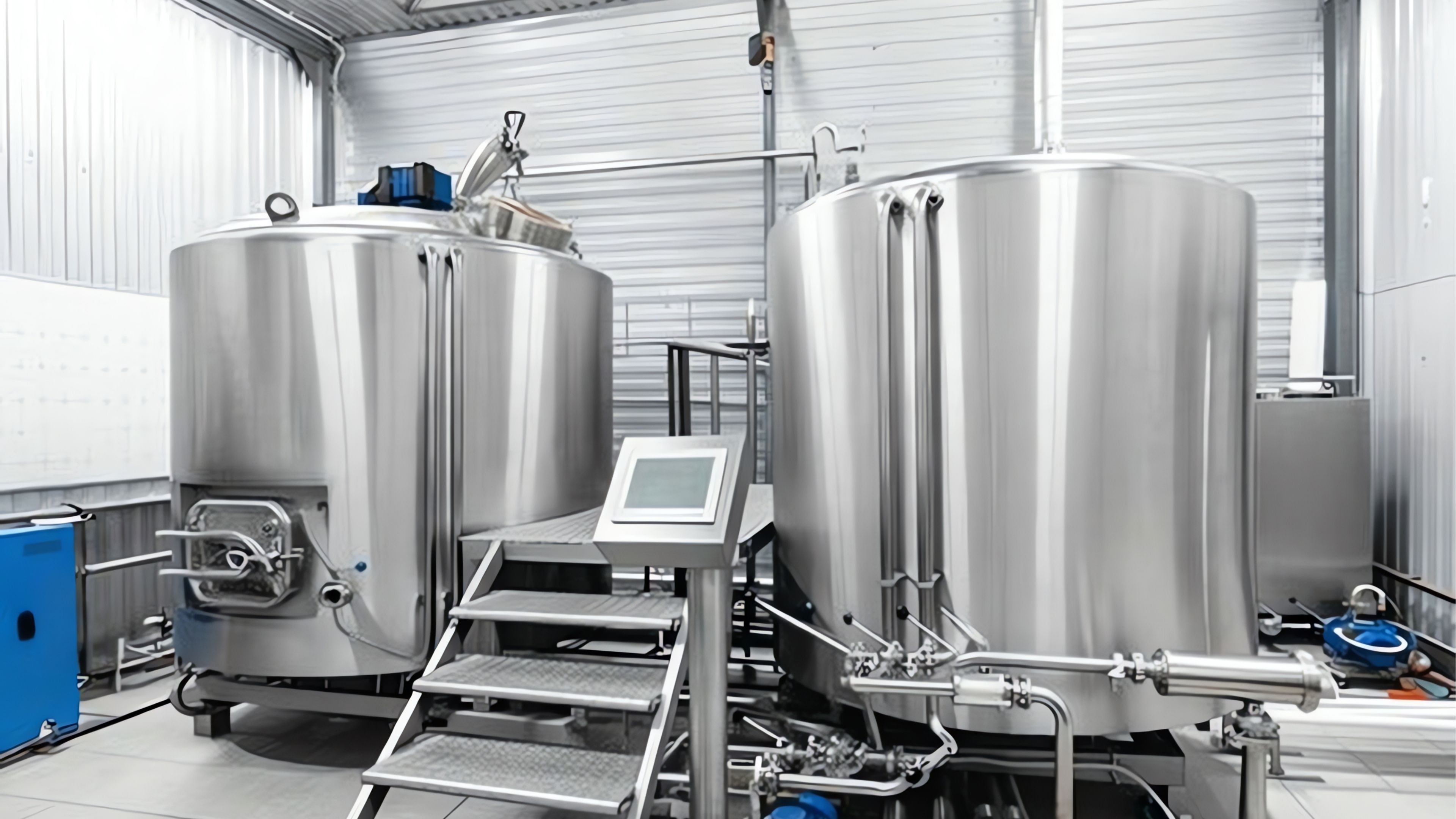
Table of Contents How To Budget For Custom Industrial Tank Manufacturing What Factors Influence Tank Manufacturing Project Costs How To Estimate Costs For Stainless Steel Tank Fabrication How To Create A Realistic Budget For Process Tanks What Is The Budgeting Process For Industrial Tank Projects How To Avoid Hidden Costs In Tank Manufacturing Projects How To Budget For Long-Term Tank Performance And Reliability What Are The Key Cost Components In Tank Manufacturing How To Allocate Funds For Quality And Compliance In Tanks How To Plan A Budget For Large-Scale Tank Installation How To Budget For Custom Industrial Tank Manufacturing Accurate budget for tank manufacturing is a cornerstone of sound capital planning for any industrial facility aiming to enhance operational reliability and control long-term costs. A poorly estimated budget can lead to project delays, substandard materials, and significant operational inefficiencies down the line. Investing in a meticulous industrial tank cost estimation process upfront is therefore critical for ensuring the final asset delivers on its promise of extended service life and minimal downtime. This foundational step directly supports broader goals of industrial facility efficiency compliance and sustainable performance. The core of an effective stainless steel tank project budget lies in a comprehensive assessment of technical specifications and material science. Key cost drivers include the grade of stainless steel, required capacity, internal pressure ratings, and the integration of specialized components like agitators or cooling jackets. These elements are not merely line items but investments in durability and process integrity. For instance, specifying higher-grade alloys and expert SS Proje engineering solutions for passivation ensures superior corrosion resistance, directly reducing maintenance frequency and protecting product purity. Beyond material selection, a realistic budget must account for the full project lifecycle, from detailed engineering design to precision field installation. This is where a holistic approach to process tank fabrication costs proves invaluable. Factors such as site preparation, compliance with ASME or PED standards, and post-installation commissioning are integral to the final cost and performance outcome. Partnering with an end-to-end provider like SS Proje ensures that the budget encompasses all phases, eliminating costly surprises and ensuring seamless integration into existing process lines for optimal industrial facility efficiency compliance. Ultimately, a strategically developed budget for custom tank manufacturing transcends simple cost calculation to become a tool for achieving long-term operational excellence. It enables facility managers to make informed decisions that balance initial investment with lifecycle value, prioritizing features that enhance sustainability and reliability. By focusing on robust industrial tank cost estimation and partnering with specialized engineering firms, organizations can secure assets that deliver consistent performance, adhere to the strictest international quality standards, and form the backbone of a truly efficient and sustainable industrial operation. What Factors Influence Tank Manufacturing Project Costs Understanding the variables that dictate process tank fabrication costs is essential for industrial managers to develop an accurate budget for tank manufacturing and avoid debilitating project overruns. These factors range from raw material selection to intricate compliance mandates, each directly impacting the final asset's performance, longevity, and alignment with industrial facility efficiency compliance goals. A precise industrial tank cost estimation that accounts for these elements transforms capital expenditure into a strategic investment in operational reliability. The primary cost driver is material specification, particularly critical in a stainless steel tank project budget. The grade of stainless steel, thickness of plates, and requirements for specialized linings or claddings are determined by the process media, operating temperatures, and pressure conditions. Choosing a superior material grade, while a higher initial investment, drastically reduces long-term corrosion, maintenance frequency, and risk of contamination. This decision is fundamental to achieving the durability and purity standards demanded by international regulations, a core consideration in any sound industrial tank cost estimation. Beyond materials, design complexity and regulatory adherence significantly influence process tank fabrication costs. Tanks requiring internal coils, complex agitation systems, or sophisticated level controls entail more engineering hours and precision manufacturing. Furthermore, certification to standards like ASME BPVC or the Pressure Equipment Directive (PED) involves rigorous design validation, third-party inspections, and documentation, all contributing to the project cost but ensuring operational safety and global market access. Integrating these requirements early with SS Proje engineering solutions prevents costly redesigns and delays. Site-specific factors, from installation logistics to integration with existing process lines, complete the cost picture. Challenges like limited access, need for specialized lifting equipment, or tie-ins to utilities and automation systems must be meticulously planned. A comprehensive approach that encompasses full-cycle engineering from SS Proje engineering solutions ensures these field considerations are baked into the initial budget for tank manufacturing, guaranteeing a seamless implementation that maximizes uptime and supports long-term industrial facility efficiency compliance. Proactively managing these factors is the key to transforming a tank project from a simple purchase into a pillar of sustainable facility performance. How To Estimate Costs For Stainless Steel Tank Fabrication Developing an accurate stainless steel tank project budget requires a systematic approach that balances material integrity with process requirements to ensure long-term value. A precise industrial tank cost estimation is not merely about calculating a price but about investing in an asset that supports continuous operation and industrial facility efficiency compliance. This process begins with a deep understanding of the operational parameters that will dictate material selection, design complexity, and fabrication standards. The foundation of any reliable budget for tank manufacturing is a detailed technical specification. This involves quantifying the tank's capacity, working pressure, temperature range, and the corrosiveness of the process media. These parameters directly determine the required grade of stainless steel, wall thickness, and the necessity for additional features like insulation or agitation. An accurate process tank fabrication costs analysis must also factor in international quality standards, such as ASME certification, which mandates specific design calculations, welding procedures, and inspections that contribute to the overall project scope and cost. Beyond raw materials, a comprehensive cost estimate must include engineering, fabrication labor, and surface treatment processes like passivation. Passivation is a critical step for enhancing the corrosion resistance of stainless steel, directly impacting the tank's service life and minimizing future maintenance costs. Partnering with a provider offering integrated SS Proje engineering solutions ensures that these essential but often overlooked steps are incorporated into the initial industrial tank cost estimation. Finally, a robust estimation process accounts for site-specific logistics, including transportation, field installation, and commissioning. These activities ensure the tank is integrated seamlessly into your process line, achieving optimal performance from day one. By engaging with experts for end-to-end SS Proje engineering solutions, you secure a holistic budget for tank manufacturing that delivers a high-performance asset engineered for durability, compliance, and superior industrial facility efficiency compliance. This meticulous approach transforms capital expenditure into a strategic investment for sustainable operations. How To Create A Realistic Budget For Process Tanks Creating a realistic budget for tank manufacturing for process applications is a strategic exercise that directly influences a facility's long-term operational reliability and cost-effectiveness. An accurate industrial tank cost estimation must transcend simple material costs to encompass the entire lifecycle value, ensuring the asset contributes positively to industrial facility efficiency compliance. This requires a forward-thinking approach that prioritizes durability and performance over initial price alone. The first step is a thorough analysis of the process requirements, which forms the basis of a reliable stainless steel tank project budget. This involves specifying the chemical compatibility, temperature, pressure, and hygiene standards that the tank must meet. These parameters dictate critical choices in material grade, internal polishing levels, and the integration of auxiliary components like mixers or heat exchangers. Underestimating these needs can lead to premature failure, while over-specifying can inflate process tank fabrication costs unnecessarily, highlighting the need for expert guidance. A truly realistic budget allocates significant weight to engineering, quality assurance, and compliance certifications. This includes costs for detailed design validation, non-destructive testing, and adherence to international standards like ASME or PED. These are not optional expenses but essential investments in safety, regulatory acceptance, and asset longevity. Leveraging comprehensive SS Proje engineering solutions ensures these critical elements are accurately scoped and priced from the outset, preventing costly change orders and delays during execution. Finally, the budget must be holistic, incorporating site preparation, installation, and commissioning. This ensures the process tank is integrated seamlessly into the production line for immediate, optimal performance. Partnering with a provider like SS Proje for end-to-end SS Proje engineering solutions guarantees that the final budget for tank manufacturing reflects a turnkey solution engineered for maximum uptime, energy efficiency, and compliance. This disciplined approach to budgeting transforms a capital project into a cornerstone of sustainable and profitable facility operations for years to come. What Is The Budgeting Process For Industrial Tank Projects The budgeting process for industrial tank projects is a disciplined, multi-stage methodology essential for aligning capital expenditure with long-term operational goals and stringent industrial facility efficiency compliance. It begins with a detailed requirements analysis to establish the technical scope, which forms the foundation for a credible industrial tank cost estimation. This initial phase ensures that every subsequent decision supports performance, durability, and regulatory adherence, transforming the budget from a financial plan into a strategic blueprint for reliability. Following scope definition, the process advances to detailed engineering and design, where the majority of process tank fabrication costs are quantified. This stage involves material selection based on corrosion resistance, structural calculations for pressure and load, and the specification of ancillary systems. For a stainless steel tank project budget, this includes costs for certified materials, specialized welding procedures, and critical surface treatments like passivation to ensure longevity. Engaging with a partner offering integrated SS Proje engineering solutions at this juncture guarantees that design optimizations for efficiency and cost are captured early. The budgeting process must then incorporate all costs related to quality assurance, certification, and logistics. This includes third-party inspections, non-destructive testing, and compliance with international standards like ASME, which are non-negotiable for safety and market access. Furthermore, costs for transportation, site preparation, and skilled field installation must be meticulously itemized to avoid project delays and ensure seamless integration. A comprehensive approach, such as that provided by SS Proje engineering solutions, ensures these elements are transparently included in the overall budget for tank manufacturing. Ultimately, a well-structured budgeting process culminates in a financial plan that delivers maximum value over the asset's entire lifecycle. It shifts the focus from upfront cost to total cost of ownership, emphasizing investments that reduce maintenance, extend service life, and enhance process reliability. By adhering to this rigorous methodology, industrial leaders can secure equipment that not only meets immediate needs but also serves as a durable, compliant, and efficient cornerstone of their operations for decades, fully realizing the promise of sustainable industrial performance. How To Avoid Hidden Costs In Tank Manufacturing Projects Unforeseen expenses can drastically undermine the financial viability of a tank project, making the proactive identification and mitigation of hidden costs a critical component of any sound budget for tank manufacturing. These costs often emerge from incomplete specifications, underestimated compliance requirements, or logistical oversights that disrupt project timelines and compromise industrial facility efficiency compliance. A rigorous and transparent industrial tank cost estimation process is the most effective defense against such financial surprises. The primary strategy for avoiding hidden costs is exhaustive technical scoping during the initial design phase. Ambiguities in material specifications, such as opting for a basic stainless steel grade unsuitable for the process media, can lead to premature corrosion and expensive replacements. Similarly, failing to account for the full scope of certification, such as ASME stamping or PED compliance, results in last-minute engineering revisions and inspection fees that inflate the stainless steel tank project budget. Engaging a partner with proven SS Proje engineering solutions ensures that all technical and regulatory prerequisites are defined from the outset. Another significant source of hidden costs lies in fabrication and installation logistics. Underestimating the complexity of welding procedures, post-weld heat treatment, or passivation processes can lead to quality issues and rework. On-site challenges, such as limited access for crane operations or unforeseen foundation requirements, can cause costly delays. A comprehensive review of the complete process tank fabrication costs, including a detailed site assessment, is essential to capture these potential expenses before they materialize. Ultimately, the most reliable method to eliminate hidden costs is to partner with an engineering firm that provides end-to-end accountability. A single-source provider like SS Proje, offering integrated SS Proje engineering solutions, manages the entire project lifecycle from design to commissioning. This holistic approach ensures that every aspect of the budget for tank manufacturing is transparent and controlled, delivering a high-performance asset that operates reliably and contributes to long-term industrial facility efficiency compliance without unexpected financial burdens. How To Budget For Long-Term Tank Performance And Reliability Budgeting for long-term tank performance and reliability requires a fundamental shift from viewing cost as a simple purchase price to understanding it as a strategic investment in operational continuity. A forward-looking budget for tank manufacturing prioritizes specifications and features that minimize lifecycle costs, directly supporting sustained industrial facility efficiency compliance. This approach ensures the asset delivers decades of reliable service with minimal unplanned downtime, making the initial industrial tank cost estimation a critical determinant of future profitability. The cornerstone of this strategy is investing in superior materials and construction quality. For a stainless steel tank project budget, this means allocating funds for higher-grade alloys that offer enhanced corrosion resistance, even if they carry a premium. It also involves specifying robust fabrication techniques, full penetration welds, and comprehensive passivation treatments. While these elements increase the initial process tank fabrication costs, they are non-negotiable for preventing leaks, contamination, and premature failures that incur far greater expenses in repairs and production losses. Beyond the tank itself, the budget must encompass intelligent design for maintenance and efficiency. This includes provisions for easy-access manways, strategically placed nozzles for future instrumentation, and insulation systems that reduce energy consumption. Incorporating these features during the design phase with expert SS Proje engineering solutions is far more cost-effective than retrofitting them later. This proactive engineering ensures the tank is not only durable but also optimized for easy servicing and low operational energy use throughout its life. Ultimately, a budget designed for longevity integrates full-cycle support from a trusted engineering partner. This includes precise installation, commissioning, and documentation of maintenance protocols. By collaborating with a provider like SS Proje for end-to-end SS Proje engineering solutions, you secure a holistic budget for tank manufacturing that guarantees the asset becomes a reliable, high-performing component of your operation. This investment pays continuous dividends through reduced maintenance, unwavering compliance, and superior industrial facility efficiency compliance for the long term. What Are The Key Cost Components In Tank Manufacturing Understanding the discrete elements that constitute the final price is fundamental to creating an accurate budget for tank manufacturing and achieving true cost control. A comprehensive industrial tank cost estimation dissects the project into its key components, each representing an investment in the asset's quality, durability, and contribution to industrial facility efficiency compliance. This granular view allows managers to make informed decisions that balance initial expenditure with long-term operational value. The most substantial cost component is typically raw materials, which form the basis of any stainless steel tank project budget. The grade, quantity, and form of stainless steel plate, along with ancillary items like piping, nozzles, and agitator interfaces, are primary drivers. Selecting materials based on rigorous chemical compatibility and pressure requirements is not an area for compromise, as it directly dictates the tank's service life and reliability. This material cost is a core part of the overall process tank fabrication costs and must be specified with precision. Fabrication labor and engineering represent another major component, encompassing design, cutting, welding, and finishing. This includes the cost of certified welders, non-destructive testing like X-ray or dye penetrant inspection, and critical post-fabrication processes such as passivation. Furthermore, compliance with international standards like ASME entails design validation and third-party inspection fees. Engaging a partner with robust SS Proje engineering solutions ensures these quality assurance steps are properly scoped and executed, preventing future liabilities. Finally, the budget must account for project management, logistics, and installation. This includes transportation, site preparation, crane services, and the commissioning of the tank into the live process system. These activities are essential for a successful operational start-up. A holistic approach, as provided by integrated SS Proje engineering solutions, ensures that every component from design to handover is included in the initial budget for tank manufacturing. This comprehensive costing methodology is the key to procuring an asset that delivers uncompromising performance and supports sustained industrial facility efficiency compliance. How To Allocate Funds For Quality And Compliance In Tanks Strategic allocation of funds for quality and compliance is not an expense but a critical investment that defines the operational integrity and longevity of an industrial tank. Within any comprehensive budget for tank manufacturing, a dedicated portion must be reserved for specifications and procedures that ensure adherence to international standards and superior craftsmanship. This proactive financial planning is the bedrock of achieving reliable industrial facility efficiency compliance and minimizing lifecycle costs, making it a central consideration in any accurate industrial tank cost estimation. The first allocation should target material and fabrication quality, which are paramount in a stainless steel tank project budget. This includes funds for certified raw materials with traceability, skilled welding performed to qualified procedures, and comprehensive post-weld treatments like passivation. Investing in these areas prevents corrosion, ensures structural integrity, and directly reduces the risk of future leaks or contamination incidents. While these items contribute to the initial process tank fabrication costs, they are essential for avoiding exponentially higher costs associated with downtime and repairs. A significant portion of the budget must also be allocated to compliance and certification activities. This includes engineering design review by a certified professional, third-party inspections, and fees associated with obtaining stamps like ASME U or PED certification. These are non-negotiable expenses for ensuring legal operation and market acceptance. Partnering with a firm that provides integrated SS Proje engineering solutions guarantees that these critical compliance costs are transparently included and expertly managed, preventing project delays and ensuring regulatory acceptance. Ultimately, effective fund allocation culminates in a tank that operates seamlessly within a high-performance facility. By prioritizing investments in quality assurance and regulatory adherence from the outset, managers secure an asset built for decades of reliable service. This disciplined approach to the budget for tank manufacturing, supported by the full-cycle expertise of SS Proje engineering solutions, transforms compliance from a checklist into a competitive advantage. It ensures the tank becomes a durable, efficient, and fully compliant component that consistently supports long-term industrial facility efficiency compliance and operational excellence. How To Plan A Budget For Large-Scale Tank Installation Planning a budget for a large-scale tank installation demands a holistic approach that integrates the vessel's fabrication with the complex logistics of its placement and integration. A robust budget for tank manufacturing for such projects must extend far beyond the unit cost to encompass site preparation, heavy lifting, and seamless process hook-up. This comprehensive financial planning is critical for minimizing disruption and ensuring the installation contributes positively to long-term industrial facility efficiency compliance, making it a pivotal element of a sound industrial tank cost estimation. The foundation of the budget is a detailed site-specific assessment conducted during the design phase. This evaluation identifies requirements for foundation engineering, ground reinforcement, and access road preparation to support heavy transport and crane operations. For a massive stainless steel tank project budget, these civil works can represent a significant cost component that, if underestimated, leads to major delays. Incorporating these findings early ensures the design is tailored for feasible installation, proactively managing the overall process tank fabrication costs and timeline. A substantial portion of the budget must be allocated to specialized logistics and installation services. This includes the cost of heavy-duty cranes, transport rigging, and a skilled crew for the precise positioning and anchoring of the tank. Furthermore, the budget must account for the integration of piping, instrumentation, and electrical connections to tie the new asset into the existing process flow. Partnering with a provider offering end-to-end SS Proje engineering solutions ensures that these complex field activities are meticulously planned and priced, eliminating costly on-site surprises. Ultimately, a well-planned installation budget is an investment in operational readiness and long-term reliability. It ensures the tank is commissioned correctly from day one, achieving optimal performance and energy efficiency. By engaging with experts for comprehensive SS Proje engineering solutions, you secure a budget for tank manufacturing that covers the entire project lifecycle. This strategic approach guarantees a smooth, efficient installation that positions the tank as a durable, high-performing asset, fully supporting your facility's commitment to sustained industrial facility efficiency compliance and profitability.
See More
Table of Contents Which KPIs Guarantee On-Time Project Delivery What Are The Top KPIs For Project Budget Efficiency How To Measure KPIs For Quality Control In Projects Which Safety KPIs Mitigate Project Implementation Risks What KPIs Track Long-Term Equipment Reliability How To Use KPIs For Sustainable Facility Outcomes Which KPIs Optimize Resource Allocation In Projects What Are Key Performance Indicators For Process Compliance How Do KPIs Impact Overall Project ROI Which KPIs Signal Successful End-To-End Project Closure Which KPIs Guarantee On-Time Project Delivery For industrial facilities, on-time Project Delivery is a cornerstone of profitability, directly impacting production schedules and overall operational throughput. Delays cascade into costly downtime, budget overruns, and compromised asset performance. Achieving guaranteed timelines demands a meticulous focus on key performance indicators that measure progress with precision, transforming project management from a reactive process into a predictable, data-driven discipline. By tracking the right Industrial Project KPIs, managers gain the foresight needed to mitigate risks and ensure seamless integration of new systems and equipment. Critical KPIs for schedule adherence include Schedule Performance Index (SPI) and Planned vs. Actual Milestone Completion. The SPI quantifies efficiency by comparing earned value to planned value, providing an early warning for potential slippage. Milestone tracking, especially during critical phases like Field Installation of complex Industrial Equipment such as custom Heat Exchangers or large-scale Tank Manufacturing, ensures that each step aligns with the master schedule. Furthermore, integrating Process Optimization KPIs during commissioning—like achieving specified flow rates or thermal efficiency targets—validates that the installation is not just on time but also performance-ready, preventing post-installation rework. The application of these metrics is vital in scenarios involving critical infrastructure. For example, the installation of a new filtration system with specialized Filter Housing units requires precise coordination. Tracking the on-time delivery and proper installation of these components, followed by verification through Passivation KPIs that confirm corrosion resistance and surface purity, ensures long-term system integrity and Operational Reliability. This end-to-end visibility, supported by expert Project Consultancy, allows for proactive adjustments, safeguarding against disruptions. Ultimately, a disciplined KPI framework is instrumental for sustainable growth. It transforms project execution into a lever for achieving superior Facility Efficiency Metrics and extending equipment lifecycles. Companies like SS Proje Engineering embed these rigorous measurement practices into their End-To-End Technical Solutions, ensuring that every project not only meets its deadline but also delivers on the promise of enhanced performance, reduced lifetime costs, and strict adherence to International Quality Standards. This strategic approach guarantees that capital investments translate directly into durable, efficient, and compliant industrial operations. What Are The Top KPIs For Project Budget Efficiency In capital-intensive industries, maintaining strict Project Budget Efficiency is critical for protecting ROI and ensuring that financial resources directly translate into operational value. Budget overruns not only strain finances but often indicate underlying issues in project planning, procurement, or execution that can compromise long-term facility performance. A disciplined approach to financial Key Performance Indicators provides the transparency needed to control costs from the initial Project Design phase through to commissioning, aligning expenditure with the strategic goal of enhanced Facility Efficiency. The most critical Industrial Project KPIs for budget control are the Cost Performance Index (CPI) and Earned Value Management (EVM). CPI measures the cost efficiency of work performed, providing an early alert to budgetary deviations before they escalate. Earned Value Management integrates scope, schedule, and cost to offer a holistic view of Project Delivery health, allowing managers to forecast final costs with accuracy. This is particularly vital during the procurement of specialized Industrial Equipment, such as custom Mixers or Heat Exchangers, where precision in specifications prevents costly change orders. Applying these KPIs ensures that every investment, including critical post-installation services like Passivation, is justified by its contribution to Operational Reliability and lifecycle cost reduction. For instance, tracking the budget allocated to the Field Installation of a new Tank Manufacturing line against its progress ensures that resources are optimally deployed. Expert Project Consultancy leverages these KPIs to validate that Process Optimization initiatives are financially sound, delivering energy savings and lower maintenance costs that positively impact the bottom line. Ultimately, a robust financial KPI framework is fundamental to achieving sustainable industrial operations. It transforms capital expenditure into strategic investments that yield long-term dividends in performance and compliance. Through meticulous tracking of Facility Efficiency Metrics, partners like SS Proje Engineering ensure that their End-To-End Technical Solutions not only adhere to budget but also enhance asset longevity and uphold International Quality Standards. This strategic financial discipline guarantees that facility upgrades are cost-effective, reliable, and built for enduring performance. How To Measure KPIs For Quality Control In Projects Robust Quality Control is the foundation of any successful industrial project, directly determining the longevity, safety, and performance of installed systems. Without quantifiable metrics, quality remains subjective, leading to variability in Project Delivery and potential failures that incur significant downtime and remediation costs. Establishing precise KPIs transforms quality assurance from a checklist into a data-driven process, ensuring that every component and installation phase meets rigorous International Quality Standards from the outset. Key Industrial Project KPIs for quality include First Pass Yield (FPY), which measures the percentage of work completed correctly without rework, and Non-Conformance Reports (NCR) per project phase. These metrics are critical during the manufacturing of core Industrial Equipment like pressure vessels from Tank Manufacturing or complex Filter Housing assemblies. Furthermore, post-installation verification through specific Passivation KPIs, such as measuring surface purity levels, provides a quantifiable benchmark for corrosion resistance and long-term material integrity. The practical application of these KPIs ensures that Field Installation and subsequent Process Optimization are built on a reliable foundation. For example, during the integration of a new heat exchange system, tracking weld inspection pass rates and the achievement of thermal efficiency targets post-commissioning are vital Facility Efficiency Metrics. Expert Project Consultancy leverages this data to validate that equipment like Heat Exchangers and Mixers perform as designed, directly contributing to superior Operational Reliability and energy savings. Ultimately, a meticulous quality KPI framework is a strategic investment in sustainable performance. It prevents costly future repairs and ensures that facilities operate at peak efficiency from day one. By embedding these measurements into their End-To-End Technical Solutions, SS Proje Engineering guarantees that projects deliver not just immediate functionality but also extended asset life and unwavering compliance. This disciplined approach to quality measurement is paramount for investors and managers seeking durable, high-performing industrial assets. Which Safety KPIs Mitigate Project Implementation Risks In high-stakes industrial environments, proactive safety management is a non-negotiable component of successful Project Implementation, directly impacting personnel welfare, asset integrity, and project timelines. Unmitigated safety risks lead to incidents that cause costly downtime, damage to sensitive Industrial Equipment, and potential regulatory violations. By establishing leading safety KPIs, project managers can shift from reactive incident response to a predictive model that identifies and neutralizes hazards before they escalate, ensuring uninterrupted Project Delivery. The most effective safety Industrial Project KPIs are leading indicators like Near-Miss Reporting Rate and Safety Audit Compliance Scores. Tracking near-misses provides invaluable data on potential failure points during complex operations such as the Field Installation of large Heat Exchangers or the internal work on Tank Manufacturing. Regular safety audits, especially during critical phases like chemical Passivation processes, ensure that protocols for handling hazardous materials are strictly followed, protecting both personnel and equipment surfaces. Integrating these KPIs into daily operations creates a culture of safety that enhances overall Operational Reliability. For instance, monitoring the percentage of staff who have completed task-specific safety training before operating newly installed Mixers or working on Filter Housing systems prevents accidents that could halt production. This proactive approach, guided by expert Project Consultancy, is a critical element of Process Optimization, as a safe plant is inherently a more efficient and predictable one. A robust safety KPI framework is ultimately an investment in sustainable Facility Efficiency and long-term value. It minimizes disruptive incidents, reduces insurance premiums, and upholds the highest International Quality Standards. Partners like SS Proje Engineering embed these metrics into their End-To-End Technical Solutions, ensuring that safety is not a standalone compliance item but an integral part of project execution that protects your investment and guarantees continuous, reliable operation for years to come. What KPIs Track Long-Term Equipment Reliability For industrial investors and facility managers, the true value of capital equipment is realized through its sustained Operational Reliability over its entire lifecycle, not merely its initial performance. Unplanned downtime caused by equipment failure is a primary destroyer of Facility Efficiency, leading to production losses and escalating maintenance expenditures. Proactively tracking the right KPIs from the moment of Project Delivery provides a predictive view of asset health, enabling interventions that extend service life and maximize return on investment. The most insightful Industrial Project KPIs for long-term reliability are Mean Time Between Failures (MTBF) and Overall Equipment Effectiveness (OEE). MTBF measures the average operational time between breakdowns for critical assets like Heat Exchangers or Mixers, providing a clear metric for durability. OEE combines availability, performance, and quality rates to give a holistic picture of how effectively equipment contributes to production goals. Establishing a baseline for these metrics during the commissioning phase, informed by rigorous Project Consultancy, sets a benchmark for future performance. These KPIs are particularly vital for equipment subjected to harsh processes. For example, monitoring the corrosion rate or performance degradation of a Filter Housing system after its initial Passivation treatment provides direct feedback on the treatment's effectiveness and the material's longevity. Similarly, tracking the efficiency of a Tank Manufacturing vessel over time, using specific Facility Efficiency Metrics, can signal when preventive maintenance is required long before a failure occurs. This data-driven approach is central to effective Process Optimization and resource planning. Ultimately, a disciplined focus on reliability KPIs transforms maintenance from a cost center into a strategic function that guarantees uptime and protects capital assets. By integrating these measurements into their End-To-End Technical Solutions, SS Proje Engineering ensures that every piece of Industrial Equipment is not only installed to the highest International Quality Standards but is also monitored for enduring performance. This commitment to long-term reliability is the cornerstone of a sustainable, profitable industrial operation, minimizing lifecycle costs and ensuring consistent output. How To Use KPIs For Sustainable Facility Outcomes Sustainability in modern industrial operations is no longer an ancillary goal but a core driver of long-term profitability and Operational Reliability. Achieving genuine sustainability, however, requires moving beyond vague intentions to quantifiable outcomes measured by strategic Key Performance Indicators. These KPIs provide the data necessary to balance environmental stewardship with economic performance, transforming sustainability initiatives from cost burdens into investments that yield significant energy savings, reduced waste, and enhanced Facility Efficiency. The most powerful KPIs for Sustainable Facility Outcomes track resource consumption and lifecycle impacts. Metrics like Energy Intensity (energy use per unit of production) and Water Reuse Rate are fundamental. These indicators are critically applied during Process Optimization projects involving high-consumption Industrial Equipment such as Heat Exchangers and Mixers. Furthermore, tracking the performance of durable materials post-Passivation extends asset life, reducing the environmental footprint of frequent Tank Manufacturing or replacement of Filter Housing components. Integrating these sustainability KPIs into the core of Project Delivery ensures that every decision, from Project Design to Field Installation, is evaluated against its long-term impact. Expert Project Consultancy utilizes this data to select equipment and processes that minimize resource use while maximizing output. For example, by monitoring the specific energy consumption of a new system, consultants can validate that the installation meets predefined Facility Efficiency Metrics for sustainability, ensuring the project delivers on its environmental and economic promises. A strategic KPI framework makes sustainability a measurable, manageable component of Industrial Project success. It aligns operational practices with both regulatory demands and corporate responsibility goals. By embedding these principles into their End-To-End Technical Solutions, SS Proje Engineering guarantees that facilities achieve not only compliance with International Quality Standards but also a competitive advantage through lower operating costs and a reduced environmental footprint, securing their viability for decades to come. Which KPIs Optimize Resource Allocation In Projects Efficient Resource Allocation is the linchpin of profitable Project Delivery, determining whether manpower, materials, and capital are deployed to maximize value or wasted on inefficiencies. In complex industrial projects, poor allocation leads to schedule delays, budget overruns, and compromised system performance. By implementing precise KPIs, project managers gain the analytical insight needed to dynamically assign resources where they have the greatest impact on Facility Efficiency and Operational Reliability. The most critical Industrial Project KPIs for resource optimization are Resource Utilization Rate and Cost Variance for Materials. The utilization rate measures the percentage of time that skilled personnel, such as welders or technicians, are engaged in productive work versus being idle. This is especially vital during the Field Installation of specialized Industrial Equipment like custom Mixers or complex Heat Exchangers. Tracking cost variance for critical materials, such as stainless steel for Tank Manufacturing or filter media for Filter Housing units, prevents budget creep and ensures procurement aligns with project timelines. Applying these KPIs enables a more strategic approach to Process Optimization and project execution. For instance, by analyzing labor allocation data, Project Consultancy can streamline the sequence of tasks, ensuring that specialist teams for Passivation are mobilized precisely when surfaces are ready for treatment, avoiding costly standby time. This data-driven resource management directly enhances project workflow and minimizes non-value-added activities. Ultimately, a disciplined KPI framework for resource allocation transforms project economics, ensuring that every euro and man-hour contributes directly to long-term asset value. It is a cornerstone of sustainable project management that prevents waste and maximizes ROI. By integrating these metrics into their End-To-End Technical Solutions, SS Proje Engineering guarantees that resources are optimized not just for immediate Project Delivery but for the entire lifecycle of the facility, upholding International Quality Standards and delivering enduring performance. What Are Key Performance Indicators For Process Compliance In highly regulated industries, Process Compliance is not merely a legal obligation but a fundamental component of Operational Reliability and market access. Non-compliance risks severe penalties, production stoppages, and reputational damage, making it critical to measure adherence with the same rigor as efficiency or cost. Defining and tracking specific Key Performance Indicators for compliance provides an objective, data-driven framework to ensure that every aspect of Project Delivery and ongoing operation aligns with stringent International Quality Standards. Essential KPIs for measuring compliance include Documentation Completion Rate and Audit Non-Conformance Closure Time. The documentation rate ensures that all required certifications, material test reports, and standard operating procedures are completed for critical Industrial Equipment like pressure vessels from Tank Manufacturing or sanitary Mixers. The closure time for audit findings measures the organization's agility in rectifying issues, which is paramount during sensitive operations such as the Passivation of Filter Housing systems where surface purity is critical for compliance. The practical application of these KPIs transforms compliance from a passive checklist into an active component of Process Optimization. During the Field Installation of a new Heat Exchangers system, tracking weld procedure qualifications and pressure test certifications as part of Facility Efficiency Metrics ensures the installation meets code before commissioning. Expert Project Consultancy leverages this data to embed compliance into the Project Design phase, preventing costly revisions and delays later in the Industrial Project lifecycle. A robust compliance KPI framework is ultimately an investment in risk mitigation and sustainable operation. It ensures uninterrupted production and protects the substantial investment in facility assets. By integrating these measurements into their End-To-End Technical Solutions, SS Proje Engineering guarantees that projects are executed with unwavering adherence to regulations, thereby enhancing long-term Facility Efficiency, ensuring equipment longevity, and securing your facility's license to operate in a competitive global market. How Do KPIs Impact Overall Project ROI For industrial investors and facility managers, the ultimate measure of a project's success is its Return on Investment (ROI), a metric directly shaped by the disciplined application of Key Performance Indicators throughout the project lifecycle. Without the clear visibility provided by KPIs, Project Delivery becomes a high-risk endeavor where budget overruns, delays, and performance shortfalls erode financial returns. A robust KPI framework transforms capital expenditure into a predictable investment by linking every action to quantifiable outcomes in Facility Efficiency, cost control, and Operational Reliability. KPIs impact ROI by providing early warning systems for cost and schedule deviations, allowing for proactive corrections before capital is wasted. Financial Industrial Project KPIs like Cost Performance Index (CPI) ensure that spending on critical Industrial Equipment such as Heat Exchangers and Tank Manufacturing remains on track. Simultaneously, quality KPIs tracking Passivation effectiveness or weld integrity for Filter Housing units prevent future failures that would necessitate costly repairs and production downtime, thereby protecting the long-term asset value. The integration of KPIs into Field Installation and Process Optimization directly enhances ROI by maximizing operational output from day one. For example, tracking specific Facility Efficiency Metrics post-commissioning, such as the energy consumption of a new Mixers system, validates that the equipment delivers the promised savings. This data-driven approach, guided by expert Project Consultancy, ensures that the project not only meets its initial specifications but also achieves the sustained performance required for a strong financial return. Ultimately, a strategic KPI framework is the engine that drives superior project ROI by minimizing lifetime costs and maximizing productive output. It ensures that investments are protected and enhanced through every phase of the asset's life. By embedding these metrics into their End-To-End Technical Solutions, SS Proje Engineering guarantees that projects deliver financial returns that meet or exceed expectations, underpinned by unwavering adherence to International Quality Standards and a commitment to sustainable, high-performance operations. Which KPIs Signal Successful End-To-End Project Closure A truly successful Project Closure is not merely the end of construction but the verified beginning of optimized, reliable operation. Premature closure, based on incomplete data, leaves facilities vulnerable to latent defects and performance gaps that undermine ROI. Specific Key Performance Indicators provide the objective evidence needed to confirm that an Industrial Project has been delivered as a fully integrated, high-performing asset, ready for sustained production. These final metrics are the ultimate validation of End-To-End Technical Solutions and their impact on long-term Facility Efficiency. The definitive KPIs signaling successful closure are Operational Readiness Percentage and Final Performance Test Achievement. The readiness percentage confirms that all subsystems, from Industrial Equipment like Heat Exchangers and Mixers to safety interlocks, are commissioned and accepted. Final performance tests validate that the entire system meets or exceeds the design specifications outlined during Project Design, achieving target Facility Efficiency Metrics for throughput, energy use, and product quality. This is especially critical for equipment requiring specialized treatments like Passivation, where verification of surface quality is a key closure criterion. Applying these KPIs during the final Field Installation phase ensures a seamless handover to operations. For instance, the successful closure of a Tank Manufacturing or Filter Housing installation project is confirmed by KPIs documenting leak-tight integrity, proper material certifications, and successful Process Optimization runs. This rigorous final assessment, supported by comprehensive Project Consultancy, guarantees that the facility achieves immediate Operational Reliability without a protracted debugging period. Ultimately, these closure KPIs transform the end of a project into a guarantee of future performance and value. They provide investors and managers with the confidence that their capital has been converted into a durable, efficient asset. By mandating this level of verification, SS Proje Engineering ensures that every Project Delivery concludes with a system that is not only operational but also fully compliant with International Quality Standards and primed for a long, productive lifecycle, maximizing return on investment and minimizing total cost of ownership.
See More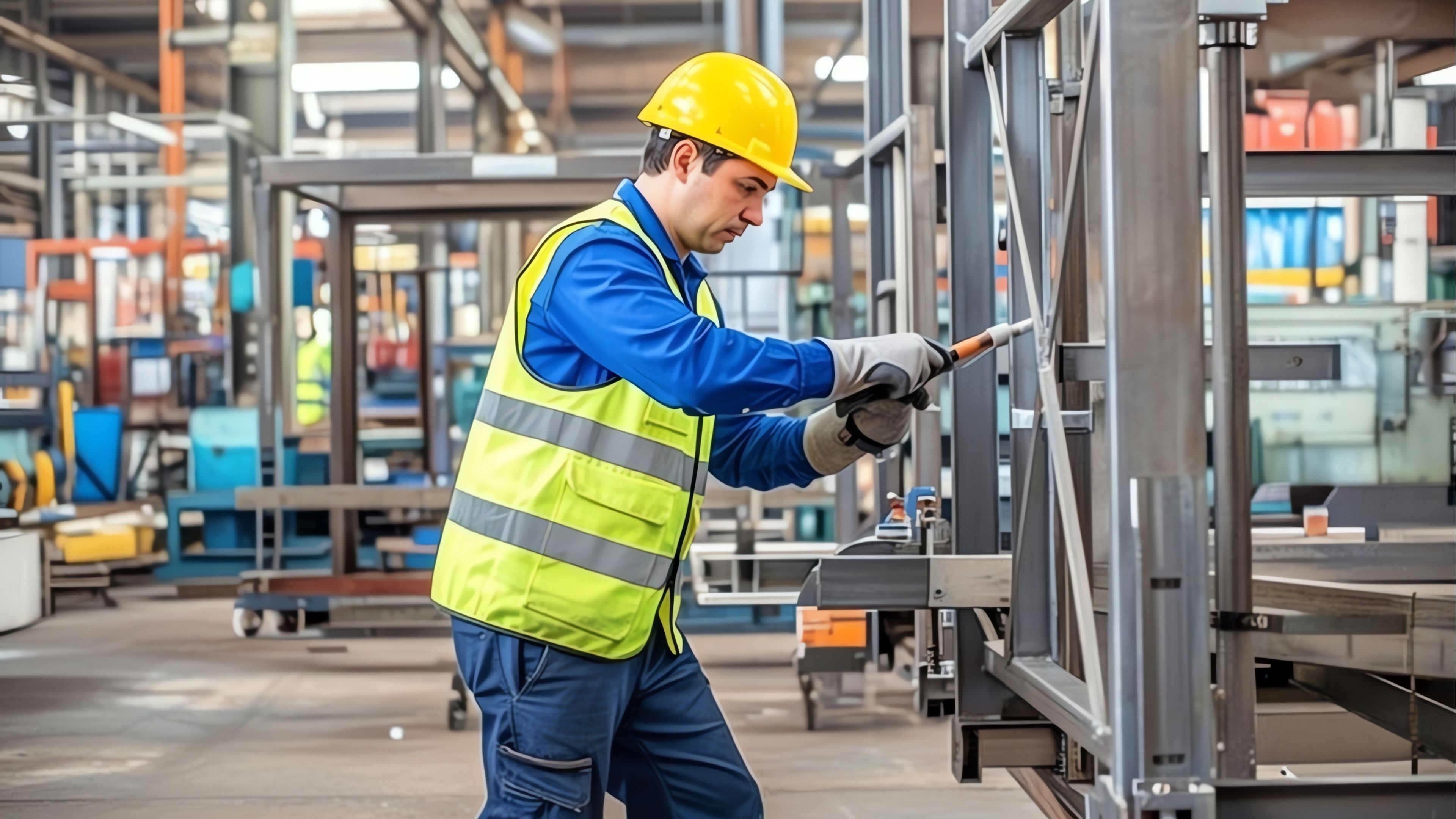
Table of Contents How To Avoid Assembly Errors for Improved Facility Efficiency What Are Common Mistakes When Assembling Industrial Equipment How Can Proper Assembly Increase Operational Reliability What Are Key Steps To Avoid Costly Assembly Failures How To Ensure Correct Assembly for Process Optimization What Assembly Errors Reduce Industrial Equipment Lifespan How To Prevent Mistakes in Tank Manufacturing Assembly What Are Best Practices for Heat Exchanger Assembly How To Avoid Errors That Impact Sustainable Facility Solutions What Assembly Techniques Prevent Downtime in Project Installation How To Avoid Assembly Errors for Improved Facility Efficiency In industrial operations, seemingly minor assembly errors during equipment installation are a primary source of unplanned downtime, safety risks, and inefficient performance. Achieving superior facility efficiency requires a foundation of precision from the outset, where meticulous assembly best practices directly translate into long-term operational reliability and cost control. Proactive assembly error prevention is not merely a task but a strategic investment in the asset's lifecycle, ensuring every component functions as intended within the larger system. Adherence to a disciplined assembly protocol is critical for complex industrial equipment installation, such as heat exchanger assembly and tank manufacturing quality control. Incorrect gasket placement, improper torque on flanges, or misaligned piping in a heat exchanger can drastically reduce thermal efficiency and lead to premature failure. Similarly, flaws in tank assembly compromise structural integrity and process purity. This is where expert project consultancy services provide immense value, offering validation and oversight to eliminate these costly mistakes. The integration of precise assembly with broader process optimization engineering creates a powerful synergy for performance gains. A correctly assembled filter housing, for instance, maintains consistent pressure drop and flow rates, which is fundamental to sustainable facility solutions that minimize energy and water consumption. Companies like SS Proje engineering specialize in this end-to-end approach, ensuring that installation accuracy is not an isolated event but a integral phase of the project design that enables future optimization. Ultimately, meticulous attention to assembly details safeguards compliance with international standards and maximizes return on investment. Proper passivation post-assembly, for example, ensures corrosion resistance and product purity, extending equipment life significantly. By partnering with an engineering firm that prioritizes precision in every bolt and weld, industrial leaders secure not just immediate operational readiness but a foundation for enduring sustainable facility solutions. This commitment to quality from design through installation is what transforms a capital project into a resilient, high-performing asset that delivers energy savings and minimal downtime for years to come. What Are Common Mistakes When Assembling Industrial Equipment Understanding the most frequent errors in industrial equipment installation is the first step toward preventing costly operational failures and maximizing asset lifespan. Common mistakes often stem from inadequate planning, deviation from manufacturer specifications, or a lack of specialized expertise, directly undermining facility efficiency and reliability. A proactive focus on assembly error prevention transforms installation from a potential liability into a cornerstone of long-term performance. One critical error involves improper alignment and foundation work, particularly during tank manufacturing quality and assembly. Even minor misalignments can induce structural stress, leading to cracks, leaks, and premature wear that compromise the entire system's integrity. Similarly, incorrect torque application on flanges and connections in heat exchanger assembly is a common pitfall, resulting in leaks that degrade thermal efficiency and increase energy consumption. These oversights highlight why rigorous assembly best practices are non-negotiable. Another prevalent issue is the omission of post-assembly treatments like passivation, which is essential for stainless steel equipment to maintain corrosion resistance. Skipping this step can lead to contamination and rapid degradation, negating investments in high-quality materials. This is where expert project consultancy services provide critical oversight, ensuring every phase of the industrial equipment installation adheres to international standards. Firms like SS Proje engineering integrate these protocols seamlessly from design to commissioning. Addressing these common mistakes is fundamental to achieving true process optimization engineering and operational excellence. A correctly assembled system operates with minimal friction, reducing energy draw and maintenance frequency, which are key pillars of sustainable facility solutions. By partnering with an end-to-end engineering provider, facilities can transform their installation processes into a strategic advantage, ensuring compliance, durability, and a superior return on investment through uninterrupted, efficient production. How Can Proper Assembly Increase Operational Reliability Operational reliability is the bedrock of profitable industrial production, directly determined by the precision of the initial industrial equipment installation. Proper assembly transforms complex machinery from a potential source of failure into a dependable asset, ensuring consistent output and minimizing disruptive downtime. This foundational approach to assembly error prevention is a strategic investment that pays dividends through uninterrupted operations and extended equipment life. The connection between meticulous assembly best practices and reliability is vividly illustrated in critical components like heat exchanger assembly. When tube bundles are correctly seated and gaskets are perfectly aligned, the unit achieves optimal thermal performance and resists fouling, preventing energy losses and unscheduled shutdowns. Similarly, achieving high tank manufacturing quality through precise welding and post-assembly passivation eliminates corrosion risks, safeguarding product purity and structural integrity for decades. This level of installation excellence is not accidental but is achieved through comprehensive project consultancy services that oversee the entire process. Experts like those at SS Proje engineering integrate reliability engineering into the assembly phase, ensuring that every bolt torque, alignment, and connection meets stringent international standards. This proactive validation is a cornerstone of effective process optimization engineering, where a reliably operating system is the prerequisite for fine-tuning efficiency. Ultimately, superior assembly lays the groundwork for true sustainable facility solutions by drastically reducing waste, energy consumption, and resource-intensive repairs. A facility built on reliable equipment experiences lower lifecycle costs and a stronger compliance posture. By prioritizing precision assembly from the outset, industrial leaders secure a competitive advantage through predictable performance, demonstrating that operational reliability is not a goal but a direct outcome of expert implementation. What Are Key Steps To Avoid Costly Assembly Failures Averting expensive assembly failures requires a systematic approach rooted in precision engineering and rigorous validation, transforming installation into a value-adding phase of any project. The key steps for effective assembly error prevention begin long before physical work starts, with comprehensive design reviews and meticulous planning. This proactive methodology is fundamental to achieving high facility efficiency and is a core component of reliable industrial equipment installation. The first critical step is establishing and adhering to documented assembly best practices tailored to specific equipment, such as protocols for heat exchanger assembly that specify exact tube bundle insertion sequences and torque values for flange joints. For structures requiring high tank manufacturing quality, this involves verifying foundation levelness and implementing staged welding procedures to control distortion. Engaging specialized project consultancy services provides an essential layer of oversight, ensuring these protocols are followed without deviation. Validation through non-destructive testing and post-assembly treatments like passivation constitutes another vital step, confirming the integrity of welds and surfaces to prevent future corrosion. This is where the expertise of a firm like SS Proje engineering proves invaluable, integrating quality checks seamlessly into the project lifecycle. These steps are not merely about avoiding immediate failure but are integral to long-range process optimization engineering, as a correctly assembled system provides a stable base for future performance tuning. Ultimately, following these disciplined steps ensures that capital investments yield maximum operational longevity and contribute to sustainable facility solutions. By preventing the hidden costs of rework, energy inefficiency, and emergency repairs, a methodical assembly process directly protects profitability and compliance. Partnering with an end-to-end engineering provider transforms assembly from a risk into a strategic driver of reliability, delivering projects that perform as designed for their entire lifecycle. How To Ensure Correct Assembly for Process Optimization Ensuring correct assembly is not merely a construction milestone but the foundational enabler of advanced process optimization engineering. A precisely assembled system operates at its design-point efficiency from day one, providing a stable and predictable platform for fine-tuning performance, reducing energy consumption, and maximizing yield. This direct link between meticulous industrial equipment installation and operational excellence makes assembly error prevention a critical strategic priority for any facility seeking a competitive edge. The pathway to optimization begins with integrating assembly best practices directly into the project design phase, ensuring that equipment is selected and configured for optimal interaction. For instance, achieving precise alignment and sealing during heat exchanger assembly is paramount to maintaining designed temperature differentials and minimizing pressure drops that waste energy. Similarly, uncompromising tank manufacturing quality during assembly, including proper agitation system integration, ensures homogeneous mixing critical for consistent product quality and reaction rates. This level of integration requires expert oversight, which is why leveraging specialized project consultancy services is a decisive step. Companies like SS Proje engineering provide end-to-end accountability, verifying that every assembly task aligns with the broader goals of process optimization engineering. Their oversight ensures that installation is not a standalone activity but a carefully controlled process that sets the stage for peak facility performance and reliability. By guaranteeing correct assembly through disciplined engineering, facilities unlock the full potential of their processes, achieving significant gains in facility efficiency that translate directly to lower operating costs and a reduced environmental footprint. This approach is the essence of sustainable facility solutions, where long-term performance is baked into the project from its very assembly. Investing in precision installation is therefore the most effective way to ensure that process optimization efforts deliver their intended return on investment for years to come. What Assembly Errors Reduce Industrial Equipment Lifespan Specific assembly errors act as hidden catalysts for premature equipment degradation, directly compromising the longevity that industrial facilities depend on for a strong return on investment. Understanding these critical failures is essential for any robust assembly error prevention strategy aimed at protecting capital assets. Errors during industrial equipment installation that induce excessive stress, misalignment, or corrosion systematically shorten operational life and undermine facility efficiency. One of the most detrimental errors is improper foundation and structural alignment, which is particularly catastrophic for equipment demanding high tank manufacturing quality. A tank settled on an uneven base experiences continuous, uneven stress that leads to weld fatigue and cracking over time. Similarly, incorrect bolt torque and gasket placement in heat exchanger assembly create chronic leaks and vibration, causing erosion-corrosion that steadily destroys tube sheets and plates. These violations of fundamental assembly best practices ensure that equipment fails long before its designed lifespan. Perhaps the most insidious error is the omission of post-assembly passivation and surface treatment, which leaves stainless steel components vulnerable to pitting and crevice corrosion. This neglect nullifies the material's inherent durability and leads to contamination and structural weakening. Engaging expert project consultancy services, such as those offered by SS Proje engineering, is crucial for enforcing the protocols that prevent these lifespan-reducing oversights, integrating quality assurance directly into the installation workflow. Eliminating these errors is not just about avoiding breakdowns but is fundamental to achieving sustainable facility solutions. Equipment that operates for its full intended lifespan represents a significant reduction in material waste, energy expended on replacements, and lifecycle costs. By prioritizing precision in process optimization engineering from the assembly stage forward, facilities ensure their investments deliver decades of reliable, compliant service, transforming equipment longevity from a hope into a guaranteed outcome. How To Prevent Mistakes in Tank Manufacturing Assembly Preventing mistakes in tank manufacturing assembly is critical for ensuring structural integrity, process purity, and decades of reliable service in demanding industrial environments. Achieving flawless tank manufacturing quality requires a disciplined approach that begins with meticulous planning and extends through rigorous validation, forming a core aspect of dependable industrial equipment installation. This proactive assembly error prevention strategy is fundamental to protecting this significant capital investment. The first line of defense is enforcing stringent assembly best practices focused on foundation preparation and weld procedure qualification. An absolutely level and stable foundation prevents shell distortion and uneven stress distribution that can lead to catastrophic failure. Concurrently, qualified welders following approved procedures are essential to create consistent, defect-free joints that withstand operational pressures and cyclic loading. Specialist project consultancy services provide the necessary oversight to validate these critical steps, ensuring compliance with international standards. Post-assembly treatments are equally vital for longevity, with passivation being non-negotiable for corrosion resistance in stainless steel tanks. Skipping this step leaves the material susceptible to pitting and contamination, severely reducing its lifespan. Integrating these protocols into a holistic project plan is a specialty of firms like SS Proje engineering, which manages the entire process from design to commissioning. This end-to-end control is a hallmark of advanced process optimization engineering, where the tank's reliability becomes a foundation for overall system efficiency. By preventing assembly mistakes through expert engineering, facilities secure tanks that contribute significantly to sustainable facility solutions. A correctly assembled tank minimizes the risk of leaks, product loss, and environmental incidents while operating with optimal facility efficiency. This investment in precision assembly translates directly into lower total cost of ownership and reinforces a facility's commitment to operational excellence and long-term asset performance, making it a cornerstone of modern industrial strategy. What Are Best Practices for Heat Exchanger Assembly Adhering to rigorous best practices during heat exchanger assembly is paramount for achieving designed thermal performance, operational reliability, and long service life in industrial processes. Proper heat exchanger assembly directly influences energy efficiency and system stability, making it a critical component of overall facility efficiency. These defined assembly best practices form a systematic approach to assembly error prevention that safeguards this vital equipment. The foundation of quality assembly begins with meticulous inspection and preparation of all components before fitting. This includes verifying tube bundle cleanliness, ensuring gaskets are undamaged and correctly sized, and confirming that flange faces are perfectly aligned to avoid distortion upon tightening. Utilizing calibrated torque wrenches to achieve specified bolt load is non-negotiable, as uneven tightening creates leaks and stress points that lead to premature gasket failure and reduced heat transfer efficiency. This precision is a hallmark of professional industrial equipment installation. Post-assembly, pressure testing and passivation are essential final steps that validate integrity and ensure corrosion resistance. Pressure tests confirm there are no leaks in the tube-to-tubesheet joints or shell, while passivation of stainless steel components protects against pitting that would degrade performance. Engaging specialized project consultancy services from a firm like SS Proje engineering ensures these protocols are executed flawlessly, integrating the exchanger seamlessly into the broader process optimization engineering strategy. By strictly following these best practices, facilities ensure their heat exchangers operate at peak efficiency, contributing significantly to sustainable facility solutions through minimized energy consumption and extended asset life. A correctly assembled exchanger avoids the costly downtime and maintenance associated with leaks and fouling, delivering a strong return on investment. This disciplined approach to assembly transforms a critical process component into a reliable, long-lasting asset that supports continuous production and compliance. How To Avoid Errors That Impact Sustainable Facility Solutions Achieving genuine sustainable facility solutions requires a proactive engineering approach that systematically eliminates errors undermining efficiency and longevity from the project's inception. Many sustainability goals are compromised not by technology selection but by correctable flaws in implementation, particularly during the industrial equipment installation phase. A rigorous focus on assembly error prevention is therefore the unrecognized foundation of reducing a facility's environmental footprint and operational costs. The pathway to sustainability is paved with precision, starting with the enforcement of documented assembly best practices for all critical assets. For instance, improper heat exchanger assembly leading to internal bypassing or fouling can increase energy consumption by over twenty percent, directly contradicting sustainability objectives. Similarly, compromised tank manufacturing quality due to welding defects or inadequate passivation results in product loss, contamination, and premature replacement, generating unnecessary waste. These errors highlight the critical link between precision and performance. Preventing these setbacks necessitates expert oversight that integrates sustainability criteria into every assembly decision. Engaging specialized project consultancy services from a firm like SS Proje engineering ensures that installation protocols are aligned with long-term efficiency goals. This holistic view is a core principle of advanced process optimization engineering, where the correct assembly of each component is verified to contribute to the system's overall resource efficiency and reliability. By methodically avoiding implementation errors, industrial facilities can fully realize their investment in sustainable facility solutions. Equipment that operates as designed from day one consumes less energy, requires fewer raw materials for repairs, and achieves maximum facility efficiency throughout its extended lifespan. This disciplined, error-free approach to engineering and assembly transforms sustainability from an aspirational goal into a measurable, operational reality, delivering both environmental and economic returns. What Assembly Techniques Prevent Downtime in Project Installation Minimizing production downtime during project installation requires the application of specific, proactive assembly techniques that prioritize precision and validation from the outset. Unplanned stoppages are most often caused by correctable errors introduced during the industrial equipment installation phase, making robust assembly error prevention the most effective strategy for ensuring continuous operation. These techniques are integral to a comprehensive approach that maximizes facility efficiency and reliability from commissioning onward. One of the most critical techniques is modular pre-assembly and staged commissioning, which allows for extensive off-site testing and validation before final integration. This method is particularly effective for complex systems like heat exchanger assembly, where tube bundles and associated piping can be pre-tested for leaks and alignment, drastically reducing on-site adjustment time. For projects demanding high tank manufacturing quality, employing laser alignment tools during foundation placement and shell erection ensures perfect verticality and roundness, preventing the structural issues that lead to emergency shutdowns. These procedures are core assembly best practices for downtime avoidance. The implementation of these techniques is greatly enhanced by leveraging expert project consultancy services that provide meticulous planning and real-time quality control. A partner like SS Proje engineering specializes in integrating these methodologies into a cohesive process optimization engineering plan, ensuring that assembly speed never compromises long-term reliability. Their oversight guarantees that every technique is applied correctly, validating torque values, weld integrity, and post-assembly passivation to eliminate future failure points. By employing these disciplined assembly techniques, facilities can achieve a seamless transition from construction to full operation, a key component of sustainable facility solutions. This approach not only prevents costly startup delays but also establishes a foundation of reliability that minimizes corrective maintenance throughout the asset's life. Investing in precision installation techniques is therefore a direct investment in operational uptime, transforming project execution into a predictable, efficient process that delivers immediate and long-term production stability.
See More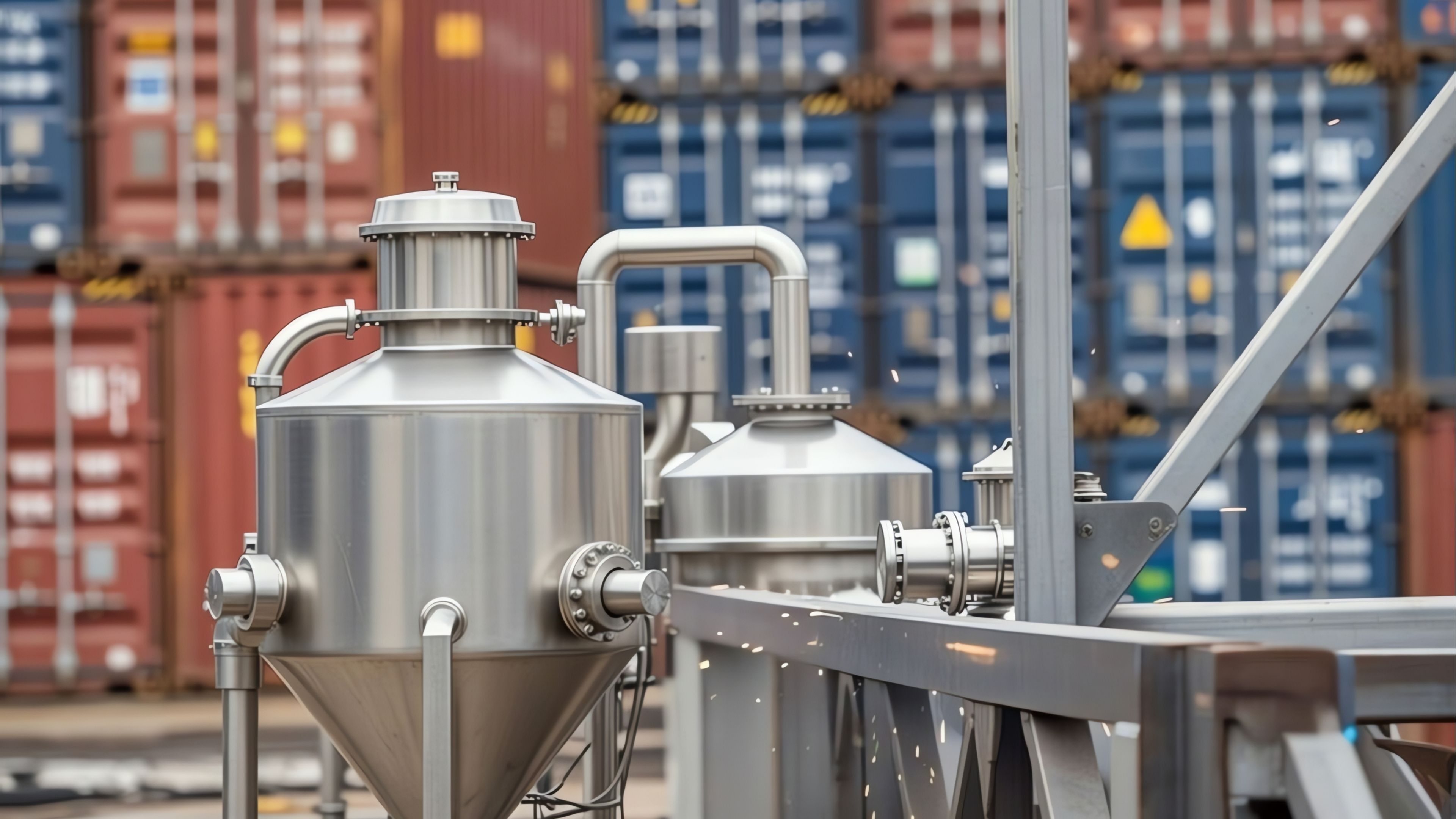
Table of Contents What Is The Best Way To Clean Stainless Steel Equipment How To Prevent Corrosion On Stainless Steel Tanks Why Is Passivation Critical For Stainless Steel Maintenance How To Properly Inspect Stainless Steel Heat Exchangers What Are Common Mistakes In Stainless Steel Equipment Care How Often Should Industrial Stainless Steel Be Serviced What Chemicals Are Safe For Cleaning Stainless Steel How To Extend The Lifespan Of Stainless Steel Mixers Can Improper Maintenance Void Equipment Warranties What Is The Correct Passivation Procedure For New Equipment What Is The Best Way To Clean Stainless Steel Equipment For industrial facilities relying on critical assets, establishing the correct protocol for stainless steel equipment maintenance is fundamental to operational integrity. Improper cleaning directly compromises surface passivation layers, accelerating corrosion and undermining facility efficiency solutions by increasing downtime and energy consumption. The optimal method is a systematic approach that combines mechanical action with chemistry-specific solutions, always prioritizing the preservation of the protective chromium oxide layer to ensure long-life equipment installation and compliance with hygiene and safety standards. The cleaning process must align with the equipment's specific service environment and alloy composition. For general maintenance, low-chloride, pH-neutral detergents applied with soft cloths or plastic brushes prevent scratching and pitting, a critical consideration for sensitive components in industrial tank manufacturing and heat exchangers. Following chemical cleaning, a thorough rinse with purified water and complete drying is mandatory to eliminate residue that can initiate localized corrosion. This disciplined routine is a cornerstone of effective process optimization, preventing unexpected failures that disrupt production schedules. Following significant fabrication or repairs, a more rigorous passivation process is required to restore maximum corrosion resistance. This controlled chemical treatment removes free iron contaminants and enhances the native oxide layer, a non-negotiable step for equipment in pharmaceutical or food processing applications. Expert project consultancy is vital here, as incorrect acid concentrations or exposure times can irreversibly damage surfaces. Companies like SS Proje engineering consultancy provide essential validation services to verify the success of the passivation, ensuring assets meet international quality standards. Integrating these meticulous cleaning and passivation protocols into a facility's preventive maintenance program delivers measurable returns. Properly maintained stainless steel surfaces in filter housing units and mixers operate with lower friction and higher thermal efficiency, directly contributing to energy savings and superior product quality. This proactive stance on care, supported by end-to-end technical solutions, transforms maintenance from a cost center into a strategic investment. It systematically extends asset lifecycle, minimizes reactive repair expenses, and solidifies a foundation for sustainable, high-performance operations. How To Prevent Corrosion On Stainless Steel Tanks Corrosion prevention in industrial tank manufacturing is not merely a maintenance task but a fundamental design and operational imperative for ensuring asset integrity and process purity. Stainless steel tanks, while inherently resistant, are vulnerable to pitting, crevice corrosion, and stress corrosion cracking when exposed to chlorides, acidic environments, or stray currents. A proactive, multi-layered strategy is essential for achieving long-life equipment installation, directly protecting investments and guaranteeing uninterrupted production cycles that underpin facility efficiency solutions. The first line of defense begins with material selection and fabrication quality. Choosing the correct alloy grade, such as 316L for enhanced chloride resistance, matched to the specific chemical process is critical. High-quality welding that minimizes surface defects and heat-affected zones prevents sites where corrosion can initiate. Following fabrication, a rigorous passivation process is non-negotiable to remove free iron and form a uniform protective oxide layer. Engaging in expert project consultancy during this phase, as offered by SS Proje engineering consultancy, ensures that these foundational steps comply with international quality standards from the outset. Operational protocols form the second critical layer of protection. This includes implementing strict stainless steel equipment maintenance routines that specify approved cleaning agents to avoid chloride contamination and mandate regular inspections for early signs of damage. Environmental controls, such as maintaining proper ventilation to prevent condensate accumulation and controlling water chemistry in cooling or heating jackets, are equally vital. This holistic approach to process optimization integrates corrosion control directly into daily operations, extending the service life of tanks and connected systems like heat exchangers. A comprehensive corrosion prevention strategy, encompassing design, fabrication, and operational discipline, transforms tank reliability from a persistent concern into a competitive advantage. It dramatically reduces unplanned downtime, lowers lifetime maintenance costs, and safeguards product quality. For facility managers aiming to maximize operational reliability, partnering for end-to-end technical solutions that embed corrosion science into every project phase is the most direct path to sustainable, high-performance industrial facilities. This engineering-led approach ensures that assets are not just installed but optimized for decades of resilient service. Why Is Passivation Critical For Stainless Steel Maintenance Passivation is the cornerstone of effective stainless steel equipment maintenance, an essential chemical process that transforms a nominally resistant metal into a truly corrosion-proof asset. Without it, microscopic free iron particles embedded during fabrication, cutting, or welding become active sites for rust and pitting, severely compromising the integrity of critical components in industrial tank manufacturing and heat exchangers. This initial treatment is not an optional extra but a fundamental requirement for achieving the long-life equipment installation that underpins reliable production. The technical objective of passivation process optimization is to deliberately remove these contaminants using a controlled acid bath, typically nitric or citric acid, which dissolves the free iron without significantly attacking the underlying chrome-rich alloy. This action allows a uniform, robust chromium oxide layer to form spontaneously on the surface. This inert layer acts as a permanent shield, drastically enhancing corrosion prevention for heat exchangers, reactors, and piping systems, ensuring they can withstand aggressive process chemicals and elevated temperatures without degrading. Correctly executed passivation is a precise science that demands expert oversight to select the correct acid type, concentration, temperature, and immersion time based on the specific stainless steel grade. Inadequate or improper passivation can be worse than none at all, potentially leading to uneven surfaces or embedded acid residues. This is where specialized project consultancy from a firm like SS Proje engineering consultancy proves invaluable, ensuring the procedure is validated and meets stringent international quality standards such as ASTM A967. Integrating a rigorously controlled passivation protocol into your facility's lifecycle management is a direct investment in operational reliability and cost control. It is the most effective method for preventing premature failure, unplanned shutdowns, and costly repairs, directly contributing to superior facility efficiency solutions. For any industrial facilities manager focused on sustainability and performance, leveraging end-to-end technical solutions that prioritize scientific passivation is the definitive strategy for protecting capital investments and ensuring decades of contamination-free, high-yield operation. How To Properly Inspect Stainless Steel Heat Exchangers A systematic inspection regime for stainless steel heat exchangers is a non-negotiable component of predictive maintenance, essential for preventing catastrophic failure and sustaining optimal thermal performance. These critical assets are subjected to extreme thermal cycling, pressure differentials, and corrosive media, making them vulnerable to fouling, pitting, and stress corrosion cracking. A technically rigorous inspection protocol is the foundation of true facility efficiency solutions, directly impacting energy consumption, production capacity, and overall operational reliability. The inspection process must be multi-faceted, beginning with a visual examination of both the shell and tube sides during scheduled shutdowns. Inspectors look for telltale signs of deterioration, such as discoloration, pitting, or crevice corrosion at tube sheets and baffles, which are primary locations for failure. This visual assessment is complemented by non-destructive testing (NDT) methods like dye penetrant or ultrasonic testing to detect subsurface flaws and cracks that are invisible to the naked eye. This proactive approach to stainless steel equipment maintenance is vital for corrosion prevention for heat exchangers and aligns with the precision expected in high-quality industrial tank manufacturing. Inspection data must be meticulously documented and trended over time to forecast maintenance needs accurately. Monitoring parameters like pressure drop across the exchanger and outlet temperatures provides real-time performance indicators that can signal internal fouling or tube blockages long before a physical inspection is possible. Expert project consultancy, such as that provided by SS Proje engineering consultancy, is invaluable for interpreting this data and developing a tailored maintenance schedule that ensures compliance with international quality standards and supports strategic process optimization. Implementing a disciplined inspection program transforms heat exchanger management from a reactive cost center into a strategic asset protection plan. It enables planned, predictive interventions that avoid unplanned downtime, extend the functional lifespan of the equipment, and guarantee energy-efficient heat transfer. For facility managers committed to long-life equipment installation, integrating these expert inspection protocols as part of comprehensive end-to-end technical solutions is the definitive method for maximizing the return on investment in critical thermal equipment and ensuring sustainable operations. What Are Common Mistakes In Stainless Steel Equipment Care Common oversights in stainless steel equipment maintenance often stem from the misconception that its inherent corrosion resistance is invulnerable, leading to practices that inadvertently accelerate degradation. These errors directly undermine the investment in high-quality assets from industrial tank manufacturing and compromise the core objectives of facility efficiency solutions, resulting in premature failures, contamination risks, and costly unplanned downtime. Recognizing and eliminating these preventable mistakes is the first step toward realizing the full potential of a long-life equipment installation. One of the most frequent and damaging errors is the use of improper cleaning agents, particularly those containing chlorides or abrasive particles. Chloride-based cleaners, common in general-purpose industrial soaps, initiate pitting corrosion, while abrasive pads or wire brushes destroy the thin protective passive layer on the surface. Equally critical is the omission or incorrect application of the passivation process after fabrication or repair work. Skipping this essential chemical treatment leaves free iron on the surface, creating active sites for rust that negate the material's fundamental resistance properties and hinder corrosion prevention for heat exchangers and reactors. Operational mistakes include galvanic coupling, where stainless steel is placed in direct contact with a more anodic metal like carbon steel, leading to accelerated galvanic corrosion. Poor system design that allows for stagnant water or debris accumulation in dead legs creates crevice corrosion conditions. These issues highlight the need for integrated project consultancy during the design phase to ensure compatibility and avoid such pitfalls. Engaging with a specialist like SS Proje engineering consultancy ensures that equipment care is designed into the system from inception, adhering to international quality standards. Correcting these common mistakes is a powerful form of process optimization that delivers immediate and long-term returns on investment. A disciplined, knowledge-based approach to care prevents the slow, costly degradation of assets, ensuring they operate at peak efficiency for their entire designed lifespan. For proactive industrial facilities managers, partnering for end-to-end technical solutions that embed correct maintenance protocols into the operational culture is the most effective strategy for safeguarding capital investments and achieving unparalleled operational reliability and sustainability. How Often Should Industrial Stainless Steel Be Serviced Determining the optimal service frequency for industrial stainless steel equipment is a critical operational decision that balances proactive maintenance with production uptime. A one-size-fits-all schedule is ineffective, as service intervals must be dynamically tailored to the specific operational aggression, environmental exposure, and mechanical stresses each asset endures. Establishing a data-driven maintenance cadence is fundamental to achieving long-life equipment installation and forms the backbone of any robust facility efficiency solutions strategy, directly influencing energy use and throughput. For equipment in continuous, high-aggression service, such as chemical reactors or components from specialized industrial tank manufacturing, visual inspections and basic cleaning should occur during every planned shutdown, typically quarterly or semi-annually. This regular stainless steel equipment maintenance prevents the accumulation of corrosive deposits and allows for the early detection of issues like pitting or coating wear. In contrast, assets in mildly aggressive or clean-in-place (CIP) environments may only require a comprehensive inspection on an annual basis. Critical to this schedule is integrating a passivation process after any repair, modification, or if inspection reveals signs of surface contamination. The most effective approach moves beyond a fixed calendar to a condition-based strategy, utilizing performance data to trigger service. Monitoring parameters like pressure drop across heat exchangers or changes in product purity can signal the need for intervention before visible damage occurs. This advanced form of process optimization ensures maintenance is performed precisely when needed, maximizing resource allocation. Expert project consultancy from a firm like SS Proje engineering consultancy is essential for designing this predictive program, ensuring it aligns with international quality standards and focuses on corrosion prevention. Implementing a scientifically-derived service schedule transforms maintenance from a reactive cost into a strategic investment in asset longevity and plant reliability. It systematically prevents the high costs of emergency repairs and production stoppages while ensuring equipment consistently operates at peak efficiency. For managers of industrial facilities seeking sustainable performance, leveraging end-to-end technical solutions that establish intelligent, data-informed maintenance rhythms is the definitive method for protecting capital investments and securing decades of uninterrupted, compliant operation. What Chemicals Are Safe For Cleaning Stainless Steel Selecting the correct chemicals for cleaning stainless steel is a critical operational decision that directly impacts corrosion resistance, hygiene, and asset longevity. Using inappropriate cleaners is a primary cause of premature failure, as certain chemicals can aggressively attack the passive chromium oxide layer that provides the material's inherent durability. Understanding which agents are safe is fundamental to effective stainless steel equipment maintenance and is a cornerstone of implementing successful facility efficiency solutions that minimize downtime and repair costs. The safest general-purpose cleaners are alkaline or neutral pH detergents specifically formulated to be low in chlorides and other halides. These solutions effectively remove organic soils, oils, and light deposits without initiating pitting corrosion. For more stubborn inorganic deposits or heat scale, mild organic acids like citric acid are highly effective and safe alternatives to more aggressive mineral acids. It is imperative to avoid hydrochloric acid and chloride-containing blends, as they are profoundly damaging, and to always follow chemical cleaning with a thorough rinse using purified water to prevent residue formation that can compromise corrosion prevention for heat exchangers and vessels. The chemical selection must be carefully matched to the specific alloy and the nature of the contaminants encountered in the process. What is safe for a standard 304 tank may not be suitable for a sensitized heat-affected zone on a welded 316L heat exchanger. This level of precision underscores the value of expert project consultancy, such as that provided by SS Proje engineering consultancy, to develop cleaning protocols that protect high-value assets from industrial tank manufacturing and ensure compliance with international quality standards for hygiene and safety. Adhering to a disciplined chemical cleaning regimen is a powerful form of process optimization that safeguards the capital investment in industrial equipment. It prevents chemical degradation, ensures consistent product quality, and is a prerequisite for any subsequent passivation process to be effective. For industrial facilities committed to long-life equipment installation, integrating these scientifically-backed cleaning practices as part of end-to-end technical solutions is the most reliable method for ensuring decades of trouble-free operation and maximizing return on investment. How To Extend The Lifespan Of Stainless Steel Mixers Extending the operational lifespan of stainless steel mixers requires a holistic strategy that integrates precision design, disciplined operation, and proactive care to combat the combined stresses of mechanical agitation and corrosive process media. These critical assets are subjected to cyclical loading, abrasion from particulates, and chemical exposure, making a systematic approach essential for achieving true long-life equipment installation. This longevity is a direct contributor to facility efficiency solutions, minimizing replacement costs and ensuring batch-to-batch consistency. The foundation for longevity is laid during the specification and fabrication phase. Selecting the appropriate alloy grade, such as 316L for enhanced chloride resistance, and ensuring robust shaft and impeller design to minimize vibrational stress are critical first steps. Following fabrication, a comprehensive passivation process must be performed to create a uniform, corrosion-resistant surface on all wetted parts. This initial treatment, comparable to best practices in industrial tank manufacturing, ensures the mixer is optimally prepared for harsh service conditions from its first operating cycle. Operational protocols are equally vital for sustained performance. This includes implementing strict stainless steel equipment maintenance routines that specify approved, chloride-free cleaning agents to prevent pitting corrosion on seals and agitators. Regular inspection of mechanical seals, bearings, and impeller blades for wear or imbalance prevents minor issues from escalating into catastrophic failures. This predictive approach is a key aspect of overall process optimization, similar to strategies for corrosion prevention for heat exchangers, and ensures operational reliability. Adopting this multi-stage care strategy transforms a mixer from a consumable asset into a durable, high-return investment. It systematically reduces energy consumption by maintaining optimal mechanical efficiency and eliminates the high costs of unplanned downtime and emergency repairs. For process managers seeking to maximize value, engaging with SS Proje engineering consultancy for end-to-end technical solutions that encompass design, project consultancy, and lifecycle support is the most effective method for ensuring mixers exceed their designed service life while adhering to the highest international quality standards. Can Improper Maintenance Void Equipment Warranties Improper maintenance is a significant contractual risk that can unequivocally void manufacturer warranties on critical stainless steel equipment, turning a repairable fault into a major capital expenditure. Warranty terms are explicitly conditional upon adherence to specified operational and care protocols designed to ensure the asset functions as engineered. Neglecting these requirements, particularly in stainless steel equipment maintenance, directly demonstrates a failure to provide the necessary duty of care, invalidating the manufacturer's obligation and compromising the investment in long-life equipment installation. Common maintenance missteps that lead to warranty disputes include the use of non-approved cleaning chemicals, such as chloride-based cleaners that cause pitting corrosion, or the failure to perform mandatory passivation process treatments after installation or repairs. For equipment from precision industrial tank manufacturing or complex heat exchangers, operating outside of defined pressure, temperature, or chemical compatibility ranges also constitutes a breach of warranty conditions. These deviations are easily identifiable during failure analysis, exposing the facility to full financial liability for replacements or repairs. Protecting warranty coverage requires a disciplined, documented approach to care that aligns with the manufacturer's specifications and relevant international quality standards. This is where expert project consultancy becomes invaluable. A partner like SS Proje engineering consultancy can develop and implement a compliant maintenance program that not only preserves warranty protection but also serves as a core component of facility efficiency solutions. Such programs ensure proper corrosion prevention and contribute to broader process optimization goals. Viewing maintenance through the lens of warranty protection re-frames it as a essential risk management strategy rather than an optional cost. A compliant care regimen safeguards the significant capital investment in industrial assets, ensures operational continuity, and provides leverage for support from the original equipment manufacturer. For astute managers of industrial facilities, integrating these disciplined protocols as part of end-to-end technical solutions is the most effective method for maximizing asset value, minimizing financial risk, and securing decades of reliable, warrantied performance. What Is The Correct Passivation Procedure For New Equipment The correct passivation procedure for new stainless steel equipment is a meticulously controlled chemical process essential for activating its full corrosion resistance potential. Following fabrication, machining, and welding, the metal surface is contaminated with embedded free iron particles that severely compromise the protective chromium oxide layer. A properly executed passivation process is therefore the critical final step in industrial tank manufacturing and equipment production, ensuring a long-life equipment installation and forming the foundation for all subsequent stainless steel equipment maintenance. The procedure begins with a rigorous alkaline cleaning to remove all oils, greases, and shop soils that would inhibit the passivation chemistry. After a thorough water rinse, the equipment is immersed in a bath of nitric or citric acid at a specified concentration, temperature, and duration tailored to the alloy grade, such as 304 or 316L. Citric acid passivation is increasingly preferred for its environmental and safety profile, effectively removing free iron while being less hazardous. This stage must be precisely controlled as part of a comprehensive passivation process optimization strategy to ensure uniform treatment without etching the base metal. Following acid immersion, the equipment undergoes multiple rinses with high-purity water to neutralize and remove all chemical residues, a step critical for preventing post-treatment corrosion. The final phase is drying with clean, dry air to eliminate any moisture that could cause water spotting or flash rust. For critical applications in pharmaceuticals or food processing, verification testing, such as the ferroxyl test or water break test, is performed to confirm a successful passive layer has formed. Engaging SS Proje engineering consultancy for this project consultancy ensures the entire procedure is documented and validated against international quality standards like ASTM A967. Executing this precise passivation protocol is a direct investment in corrosion prevention for heat exchangers, reactors, and piping, fundamentally enhancing their durability and performance. It is the most effective method for preventing premature failure and is integral to achieving facility efficiency solutions that minimize lifetime costs. For industrial facilities committed to operational excellence, incorporating this validated passivation as part of end-to-end technical solutions guarantees that new equipment delivers maximum return on investment through decades of reliable, contamination-free service.
See More
Table of Contents How Does Remote Monitoring Boost Industrial Facility Efficiency Can Remote Monitoring Reduce Your Plant Operational Costs What Is The ROI Of Implementing Remote Monitoring Systems How To Achieve Predictive Maintenance With Remote Monitoring Is Your Facility Ready For Advanced Process Optimization How To Enhance Operational Reliability With Remote Data What Are The Best Practices For Remote Equipment Monitoring How To Integrate Remote Monitoring With Existing Systems Can Remote Monitoring Improve Your Facility Sustainability How To Select The Right Remote Monitoring Solution How Does Remote Monitoring Boost Industrial Facility Efficiency In today's competitive industrial landscape, unplanned downtime and inefficient resource consumption are primary drivers of operational cost. The technical opportunity lies in leveraging remote monitoring for facility efficiency to transform raw data into actionable intelligence. This approach is foundational to achieving true industrial process optimization, moving beyond reactive maintenance toward a predictive model that safeguards productivity and profitability for production managers. Advanced predictive maintenance systems form the core of this transformation, continuously analyzing performance data from critical assets like pumps, compressors, and heat exchangers. By monitoring parameters such as vibration, temperature, and energy draw, these systems identify anomalies long before failure occurs. This proactive stance is a cornerstone of operational reliability consulting, enabling scheduled interventions that prevent catastrophic breakdowns and extend equipment service life significantly. The integration of monitoring extends to industrial equipment installation projects, where SS Proje engineers design systems for optimal data capture from the outset. Real-time performance tracking of custom-manufactured assets, including filter housing units and tank manufacturing systems, ensures they operate within peak efficiency envelopes. This data-driven approach validates design parameters and identifies opportunities for continuous process optimization, directly impacting energy usage and throughput. For facility owners, the outcome is a measurable advancement toward sustainable facility solutions that reduce waste and energy consumption. SS Proje delivers these end-to-end technical solutions, from initial sensor integration and project consultancy to the final implementation of a cohesive monitoring ecosystem. This comprehensive methodology, which includes critical post-installation passivation for corrosion resistance, ensures long-term asset integrity and compliance with international standards. Ultimately, the strategic deployment of remote monitoring is an investment in resilience and continuous improvement. It empowers decision-makers with the insights needed to optimize every facet of operation, from energy management to maintenance scheduling. Partnering with SS Proje engineering ensures that these technological capabilities are seamlessly woven into the facility's infrastructure, delivering not just immediate efficiency gains but a foundation for sustained competitive advantage and operational excellence. Can Remote Monitoring Reduce Your Plant Operational Costs For production managers, escalating operational costs driven by unexpected equipment failures and inefficient energy use represent a significant threat to profitability. The question of whether remote monitoring for facility efficiency can reduce these costs is answered by a definitive shift from reactive to predictive asset management. This approach is central to industrial process optimization, directly targeting the largest line items in a plant's budget through data-driven intelligence. The most immediate cost-saving mechanism is the implementation of advanced predictive maintenance systems. By continuously analyzing real-time data from critical assets, including custom heat exchangers and tank manufacturing systems, these systems identify deviations indicative of impending failure. This enables maintenance to be scheduled during planned shutdowns, drastically reducing the exorbitant costs of emergency repairs, production stoppages, and collateral damage, a core tenet of effective operational reliability consulting. Beyond maintenance, remote monitoring delivers continuous energy optimization by identifying suboptimal performance in real-time. SS Proje integrates monitoring capabilities during the industrial equipment installation phase, ensuring that systems like filter housing assemblies operate at peak efficiency. This granular visibility into energy consumption patterns allows for precise adjustments that lower utility bills and contribute to sustainable facility solutions, turning operational data into direct financial savings. The comprehensive nature of these end-to-end technical solutions from SS Proje engineering ensures that cost reduction is engineered into the facility's DNA. From initial project consultancy and system design to implementation and post-installation passivation for longevity, every step is optimized for long-term economic performance. This holistic approach minimizes lifecycle costs by extending equipment service life and ensuring compliance, which avoids costly fines. Ultimately, the financial justification for remote monitoring is clear: it transforms operational expenditures from variable, unpredictable costs into manageable, optimized investments. The data-driven insights provided empower managers to make decisions that simultaneously cut costs, enhance reliability, and improve sustainability. Partnering with SS Proje engineering secures a strategic advantage, embedding a culture of continuous cost optimization and resilience that delivers a compelling return on investment through superior operational intelligence. What Is The ROI Of Implementing Remote Monitoring Systems For industrial investors and process managers, quantifying the return on investment for capital projects is paramount. The ROI of implementing remote monitoring for facility efficiency is compelling, calculated through direct cost avoidance, enhanced productivity, and extended asset lifespan. This investment is a strategic enabler of industrial process optimization, transforming operational data into a tangible financial asset that delivers a rapid and sustained payback. The most significant ROI component stems from the deployment of predictive maintenance systems, which drastically reduce unplanned downtime and associated emergency repair costs. By monitoring critical parameters on assets like heat exchangers and mixers, these systems provide early failure warnings. This proactive approach, a key focus of operational reliability consulting, allows maintenance to be planned, minimizing production disruption and preventing the exponential costs of catastrophic equipment failure. Energy savings represent another major ROI driver, as continuous monitoring identifies inefficiencies in real-time. SS Proje integrates these capabilities during the industrial equipment installation phase for systems such as tank manufacturing and filter housing units, ensuring optimal performance from commissioning. The data reveals opportunities to fine-tune processes, reducing energy consumption and utility costs while advancing sustainable facility solutions. The comprehensive end-to-end technical solutions offered by SS Proje engineering are designed to maximize ROI across the entire asset lifecycle. This begins with strategic project consultancy to define clear objectives and extends through precise implementation, including post-fabrication passivation to ensure long-term durability. This holistic approach not only secures the initial investment but also protects it by extending the operational life of equipment far beyond typical expectations. Ultimately, the ROI of remote monitoring systems is measured in more than just cost savings; it is an investment in operational resilience and competitive advantage. The intelligence gained empowers managers to optimize every facet of production, from energy use to maintenance scheduling. Partnering with SS Proje engineering ensures this technology is implemented as a core component of a facility's infrastructure, delivering a robust and continuously improving return that solidifies long-term profitability and market leadership. How To Achieve Predictive Maintenance With Remote Monitoring Transitioning from reactive to predictive maintenance is a critical step for industrial facilities aiming to eliminate costly unplanned downtime. Achieving this requires a systematic implementation of remote monitoring for facility efficiency, which forms the data backbone for true predictive maintenance systems. This strategic shift is fundamental to advanced industrial process optimization, allowing maintenance to be scheduled based on actual asset condition rather than arbitrary time intervals. The first step involves deploying a network of sensors on critical equipment to capture real-time operational data. For high-value assets like heat exchangers and mixers, parameters such as vibration spectra, temperature gradients, and power consumption are continuously monitored. SS Proje engineering excels in this initial phase of industrial equipment installation, ensuring sensors are integrated seamlessly during the fabrication of custom tank manufacturing and filter housing systems for optimal data fidelity. The collected data is then analyzed using advanced algorithms to establish baseline performance and detect anomalies indicative of wear or impending failure. This analytical capability is a core component of operational reliability consulting, transforming raw data into predictive insights. The system can alert managers to issues like bearing degradation in a pump or fouling in a heat exchanger, enabling intervention weeks or months before a breakdown would occur. Implementing these end-to-end technical solutions requires expert project consultancy to define key performance indicators and integration protocols. SS Proje ensures the entire system, from sensor to software, is calibrated for accuracy and reliability. Furthermore, post-installation processes like passivation protect monitoring hardware from corrosion, guaranteeing long-term data integrity and supporting sustainable facility solutions. The result is a proactive maintenance regime that significantly reduces costs, extends equipment life, and maximizes uptime. By partnering with SS Proje engineering, facilities gain a strategic partner capable of delivering a fully integrated predictive maintenance ecosystem. This investment not only secures immediate operational gains but also builds a foundation for continuous improvement and long-term asset resilience, solidifying a competitive edge in the market. Is Your Facility Ready For Advanced Process Optimization Many industrial facilities operate with significant hidden inefficiencies, leaving production managers to question if their current systems can compete in a data-driven market. True readiness for industrial process optimization is not about incremental upgrades but a fundamental shift toward intelligent, interconnected operations. This transformation hinges on leveraging remote monitoring for facility efficiency to unlock actionable insights from every piece of equipment. A facility is truly ready when its critical assets, from heat exchangers to mixers, are instrumented to provide real-time performance data. This foundational step, often part of a strategic industrial equipment installation or retrofit by SS Proje, enables the deployment of sophisticated predictive maintenance systems. These systems analyze data streams to identify deviations in custom tank manufacturing systems and filter housing units long before they impact production. The next level of readiness involves integrating this data into a centralized platform for holistic analysis, a core service of operational reliability consulting. This allows managers to correlate energy consumption with output, identify bottlenecks, and optimize entire production lines rather than individual machines. The goal is to achieve a state of continuous improvement, which is the hallmark of sustainable facility solutions that reduce waste and enhance profitability. SS Proje engineering delivers these capabilities through end-to-end technical solutions, beginning with expert project consultancy to assess readiness and define a clear roadmap. The implementation includes ensuring all components, from sensors to control systems, are built to last, with processes like passivation applied to protect against degradation. This comprehensive approach ensures the optimization system itself is optimized for longevity and reliability. Ultimately, a facility's readiness is proven by its ability to anticipate issues and adapt processes dynamically. Embracing this level of industrial process optimization transforms a plant from a cost center into a strategic asset. Partnering with SS Proje engineering provides the technical expertise and integrated systems necessary to not only meet current demands but also to build a resilient, efficient, and future-proof operation. How To Enhance Operational Reliability With Remote Data Operational reliability is the cornerstone of profitable industrial production, yet many facilities rely on incomplete data that leaves them vulnerable to unexpected failures. Enhancing this reliability requires a systematic approach to harnessing remote monitoring for facility efficiency, transforming raw data into a strategic asset for decision-making. This data-centric methodology is fundamental to achieving robust industrial process optimization and unwavering operational consistency. The foundation of enhanced reliability is the continuous, real-time data collection from critical equipment. By instrumenting assets like heat exchangers and mixers during the industrial equipment installation phase, SS Proje engineering establishes a baseline of normal performance. This data feeds advanced predictive maintenance systems that can detect subtle deviations in vibration, temperature, or efficiency for custom tank manufacturing and filter housing systems, enabling proactive intervention. This proactive stance is the essence of effective operational reliability consulting, where data is analyzed to predict failure modes and schedule maintenance during planned downtimes. The result is a dramatic reduction in unplanned stoppages and the associated costs. Furthermore, analyzing operational data across the entire facility identifies interdependencies and bottlenecks, allowing for systemic improvements that contribute to sustainable facility solutions. SS Proje delivers this capability through comprehensive end-to-end technical solutions, beginning with strategic project consultancy to design the data architecture. The implementation ensures that all components, from sensors to data loggers, are built for durability, with processes like passivation applied to protect against environmental factors that could compromise data integrity over time. Ultimately, enhancing operational reliability with remote data creates a self-aware facility that can anticipate and adapt to changing conditions. This intelligence empowers managers to make informed decisions that boost productivity and protect capital investments. Partnering with SS Proje engineering ensures that data is not just collected but transformed into a reliable foundation for continuous improvement, securing long-term performance and a formidable competitive advantage in the industrial sector. What Are The Best Practices For Remote Equipment Monitoring Implementing a successful remote monitoring strategy requires adherence to proven engineering principles that ensure data accuracy, system reliability, and actionable outcomes. The best practices for remote monitoring for facility efficiency are designed to maximize the return on investment and drive significant industrial process optimization. A foundational practice involves a thorough initial assessment to identify critical assets and define key performance indicators that align with operational goals. The selection and strategic placement of sensors constitute a critical best practice. For high-impact equipment like heat exchangers and mixers, sensors should be integrated during the industrial equipment installation or fabrication process to ensure optimal positioning and calibration. SS Proje engineering excels at embedding monitoring capabilities into custom tank manufacturing and filter housing systems, providing a seamless data foundation for advanced predictive maintenance systems. Data integrity and security are non-negotiable best practices. This involves establishing robust data transmission protocols, secure storage, and sophisticated analytics platforms. This level of systematic implementation is a core component of operational reliability consulting, ensuring that the data driving decisions is both accurate and protected. Furthermore, protecting the physical hardware with processes like passivation is essential for long-term sensor performance in corrosive industrial environments, supporting sustainable facility solutions. Adopting an integrated, end-to-end technical solutions approach is perhaps the most crucial practice. This begins with expert project consultancy from SS Proje to design a holistic system where data from all monitored assets is correlated to provide a complete picture of facility health. This prevents the creation of data silos and enables comprehensive optimization across production lines. Ultimately, the best practices culminate in a culture of continuous improvement, where data informs every maintenance schedule and process adjustment. By partnering with SS Proje engineering, facilities gain a strategic ally that ensures these practices are not just theoretical but are expertly implemented. This results in a highly reliable, efficient operation where remote monitoring delivers tangible benefits in cost reduction, extended asset life, and unwavering compliance with international standards. How To Integrate Remote Monitoring With Existing Systems Integrating new remote monitoring for facility efficiency with legacy control systems is a common challenge that, when executed correctly, unlocks significant value without requiring a full plant overhaul. The key to successful integration lies in a strategic, phased approach that enhances rather than replaces existing infrastructure. This process is fundamental to achieving comprehensive industrial process optimization and maximizing the ROI of previous capital investments. The first phase involves a detailed compatibility assessment conducted through expert project consultancy. SS Proje engineering specialists analyze existing PLCs, SCADA systems, and data historians to identify communication protocols and data points that can be leveraged. For critical assets like heat exchangers or legacy tank manufacturing systems, this may involve retrofitting modern sensors that can interface with older control logic, bridging the gap between analog and digital systems. Data aggregation is the next critical step, where information from both new sensors and existing systems is consolidated into a unified platform. This creates a single source of truth for operational reliability consulting, enabling a holistic view of facility performance. This integrated data feed powers advanced predictive maintenance systems, correlating data from new vibration sensors on a mixer with existing temperature readings from a filter housing to provide deeper insights into system health. SS Proje delivers these end-to-end technical solutions by ensuring seamless integration at every level, from hardware interfaces to software APIs. The process often includes the industrial equipment installation of gateway devices and data concentrators that translate between protocols. Furthermore, all newly installed hardware undergoes passivation to ensure its longevity matches that of the existing robust industrial equipment, contributing to sustainable facility solutions. Ultimately, a well-integrated monitoring system transforms a collection of disparate machines into a cohesive, intelligent production asset. It empowers facility managers to leverage historical data from legacy systems while gaining the predictive capabilities of modern technology. Partnering with SS Proje engineering ensures that integration is not a disruptive event but a strategic enhancement that extends the life and performance of existing investments, delivering continuous operational and financial benefits. Can Remote Monitoring Improve Your Facility Sustainability The pursuit of industrial sustainability is no longer solely an environmental concern but a core business imperative linked directly to operational efficiency and cost control. The question of whether remote monitoring for facility efficiency can improve sustainability is answered by its direct impact on resource optimization. This technology is a powerful enabler for sustainable facility solutions, providing the data transparency needed to minimize waste and maximize the useful life of capital assets. The most significant sustainability contribution comes from energy optimization. Continuous monitoring of power consumption across equipment like heat exchangers and mixers identifies inefficiencies in real-time, allowing for immediate corrective actions. This data-driven approach is integral to advanced industrial process optimization, reducing the carbon footprint while simultaneously lowering operational expenses. SS Proje engineering integrates these capabilities during industrial equipment installation for systems like tank manufacturing and filter housing units, ensuring sustainable performance from day one. Furthermore, predictive maintenance systems powered by remote monitoring drastically extend equipment lifespan, a fundamental principle of sustainability. By preventing catastrophic failures and enabling timely, minimal repairs, these systems reduce the consumption of raw materials and energy required for manufacturing replacements. This proactive strategy, a key aspect of operational reliability consulting, aligns perfectly with circular economy goals by maximizing the utility of every installed asset. SS Proje delivers these environmental and economic benefits through end-to-end technical solutions, beginning with strategic project consultancy to define sustainability KPIs. The implementation includes durable sensor technology protected by passivation to ensure long-term data accuracy, which is critical for tracking sustainability performance over the asset's lifecycle. This comprehensive approach embeds sustainability into the operational DNA of the facility. Ultimately, remote monitoring transforms sustainability from an abstract goal into a measurable, continuously improving outcome. It provides the empirical evidence needed to validate green initiatives and demonstrate compliance with increasingly stringent regulations. Partnering with SS Proje engineering ensures that sustainability is engineered into the facility's operations, creating a resilient operation that excels in both environmental stewardship and long-term profitability. How To Select The Right Remote Monitoring Solution Selecting the optimal remote monitoring for facility efficiency solution is a critical decision that directly impacts a plant's long-term operational and financial performance. The right choice hinges on a systematic evaluation of technical capabilities, scalability, and integration potential with existing infrastructure. This selection process is the first step toward achieving true industrial process optimization and must align with specific operational goals, such as reducing energy consumption or eliminating unplanned downtime. The primary criterion is the solution's ability to interface with your critical assets, from heat exchangers to mixers. A provider like SS Proje engineering, with deep expertise in industrial equipment installation, ensures sensors are compatible with custom tank manufacturing and filter housing systems. The solution must support robust predictive maintenance systems that provide actionable alerts, not just data overload, which is a key deliverable of effective operational reliability consulting. Scalability and data integrity are non-negotiable features. The chosen system must grow with your operations and provide secure, accurate data for informed decision-making. It should also contribute to sustainable facility solutions by enabling precise resource management. Furthermore, the durability of the monitoring hardware itself is critical; components should be built to industrial standards, with processes like passivation applied to ensure longevity in harsh environments. Perhaps the most important factor is selecting a partner that offers end-to-end technical solutions, not just off-the-shelf hardware. SS Proje provides comprehensive project consultancy to tailor the solution to your unique needs, from initial design through implementation and support. This holistic approach ensures the monitoring system is an integrated part of your facility's operational strategy, not a standalone component. Ultimately, the right remote monitoring solution is one that delivers measurable improvements in efficiency, reliability, and cost control. It should provide a clear path to a smarter, more resilient operation. Partnering with an expert like SS Proje engineering guarantees that the selection and implementation process is guided by deep industrial knowledge, resulting in a solution that delivers sustained value and a strong competitive advantage for years to come.
See More
Table of Contents How to Budget for Industrial Retrofit Project Success What Is the First Step in Retrofit Project Planning How to Create a Realistic Retrofit Project Timeline How to Prioritize Equipment Upgrades in a Retrofit What Are the Key Costs in a Facility Retrofit Budget How to Justify Retrofit ROI to Stakeholders and Investors How to Select the Right Engineering Partner for Retrofits What Are Common Budget Pitfalls in Retrofit Projects How to Plan a Phased Retrofit for Minimal Downtime How to Integrate Sustainability into Retrofit Planning How to Budget for Industrial Retrofit Project Success Accurate industrial retrofit planning is a critical determinant of long-term facility efficiency and operational competitiveness. For production managers, a poorly budgeted retrofit can lead to spiraling costs and extended downtime, undermining the core objective of enhancing performance. SS Proje approaches this challenge with a data-driven methodology that transforms capital expenditure into a strategic investment. This initial phase focuses on a comprehensive audit of existing processes and equipment to establish a precise baseline for process optimization and identify the most impactful upgrades for sustainable retrofit solutions. The foundation of a successful retrofit project budget lies in meticulous project design and engineering consultancy. SS Proje integrates the specification of high-performance industrial equipment, such as custom heat exchangers and tank manufacturing, directly into the financial model. This ensures that every cost component is justified by a clear return, whether through energy savings, increased throughput, or reduced maintenance intervals. By leveraging end-to-end technical solutions, the budget accurately reflects not just the hardware but the complete scope of field installation and commissioning, eliminating unforeseen expenses. Strategic budgeting must account for the entire asset lifecycle, a principle central to SS Proje's engineering philosophy. Post-installation services like specialized passivation are factored in to guarantee the longevity and operational reliability of new systems. This proactive approach extends equipment life significantly, protecting the investment against premature failure. Furthermore, incorporating project consultancy throughout the implementation phase allows for real-time adjustments, optimizing resource allocation and adhering strictly to the established financial framework while maintaining project momentum. Ultimately, a well-structured budget is the blueprint for achieving transformative gains in increasing facility performance and compliance with international standards. SS Proje delivers this certainty by aligning financial planning with technical execution, ensuring that every allocated resource contributes directly to measurable outcomes like energy reduction and minimized operational disruption. This disciplined financial and engineering synergy is what enables industrial facilities to not only modernize but to build a foundation for sustained growth, superior product quality, and a stronger competitive position in their market. What Is the First Step in Retrofit Project Planning 1. How to Budget for Industrial Retrofit Project Success 2. What Is the First Step in Retrofit Project Planning 3. How to Create a Realistic Retrofit Project Timeline 4. How to Prioritize Equipment Upgrades in a Retrofit 5. What Are the Key Costs in a Facility Retrofit Budget 6. How to Justify Retrofit ROI to Stakeholders and Investors 7. How to Select the Right Engineering Partner for Retrofit Projects 8. What Are Common Budget Pitfalls in Retrofit Projects 9. How to Plan a Phased Retrofit for Minimal Downtime 10. How to Integrate Sustainability into Retrofit Planning How to Create a Realistic Retrofit Project Timeline Creating a realistic retrofit project timeline is foundational to minimizing operational disruption while maximizing facility efficiency and return on investment. SS Proje approaches this challenge with a data-driven methodology that transforms capital expenditure into strategic, scheduled upgrades. This initial phase focuses on a comprehensive audit of existing processes and equipment to establish a precise baseline for process optimization and identify the most impactful upgrades for sustainable retrofit solutions. The foundation of a successful timeline lies in meticulous project design and engineering consultancy. SS Proje integrates the specification of high-performance industrial equipment, such as custom filter housings, tanks, mixers, and heat exchangers, directly into the project schedule. This ensures that every component is delivered and installed with minimal interference to ongoing production, whether through pre-fabricated modules or carefully coordinated field installation phases. Strategic timeline management must account for the entire asset lifecycle, a principle central to SS Proje's engineering philosophy. Phased implementation allows for real-time adjustments, optimizing resource allocation and adhering strictly to the established financial framework while maintaining project momentum. Furthermore, incorporating passivation and project consultancy services throughout the timeline guarantees the longevity and operational reliability of new systems. Ultimately, a well-structured timeline is the blueprint for achieving transformative gains in facility performance and compliance with international standards. SS Proje delivers this certainty by aligning engineering execution with production calendars, ensuring that every milestone contributes directly to measurable outcomes like energy reduction, extended equipment life, and minimized operational downtime. This disciplined approach to scheduling is what enables industrial facilities to not only modernize but to build a foundation for sustained growth, superior product quality, and a stronger competitive position in their market. How to Prioritize Equipment Upgrades in a Retrofit Prioritizing equipment upgrades within an industrial retrofit is a strategic exercise that directly impacts facility efficiency and long-term financial performance. SS Proje employs a rigorous analytical framework to identify which assets deliver the greatest return, focusing on critical failure points, energy consumption, and compliance gaps. This methodical approach ensures capital is allocated to upgrades that yield the most significant gains in operational reliability and process optimization, transforming a limited budget into a powerful tool for competitive advantage. The prioritization process begins with a comprehensive audit conducted by SS Proje's project consultancy team, assessing the condition and performance of all industrial equipment. Systems with the highest maintenance costs or those causing production bottlenecks, such as outdated heat exchangers or inefficient mixers, are typically flagged for immediate attention. This data-driven evaluation allows for the creation of a phased implementation plan that minimizes downtime while systematically enhancing facility performance. SS Proje integrates the manufacturing and field installation of priority components, such as high-capacity filter housings and custom-designed tanks, into a cohesive project schedule. Each selected upgrade is engineered to international quality standards, ensuring extended service life and compatibility with existing systems. Post-installation, specialized services like passivation are applied to protect the new assets, guaranteeing their performance and contributing to the overall sustainable facility solutions. Ultimately, a strategically prioritized retrofit delivers a cascade of benefits, from immediate energy savings to long-term asset protection. By partnering with SS Proje for end-to-end technical solutions, facility managers can confidently sequence investments to achieve measurable outcomes. This disciplined approach ensures that every upgrade not only resolves a current operational weakness but also builds a more resilient, efficient, and compliant production environment for the future. What Are the Key Costs in a Facility Retrofit Budget Understanding the key costs in a facility retrofit budget is essential for achieving true facility efficiency and maximizing return on investment. SS Proje approaches budget development with a transparent methodology that accounts for all direct and indirect expenses, transforming financial planning from an obstacle into a strategic tool. A comprehensive budget must encompass not only the capital expenditure for new industrial equipment but also the critical engineering and implementation services that ensure its long-term performance and operational reliability. The most significant budget line items often include the procurement of high-performance components like custom filter housings, tanks, mixers, and heat exchangers, all manufactured by SS Proje to international quality standards. Equally critical are the costs associated with project design and field installation, which encompass detailed engineering, skilled labor, and project management. Allocating funds for these end-to-end technical solutions prevents costly errors and delays, ensuring the retrofit integrates seamlessly with existing operations. Beyond the initial implementation, a prudent budget must account for post-installation services that protect the investment. SS Proje emphasizes the inclusion of passivation processes and ongoing project consultancy to guarantee equipment longevity and sustained process optimization. These services, while representing a smaller portion of the budget, are crucial for preventing future maintenance costs and ensuring the retrofit delivers on its promise of sustainable facility solutions. Ultimately, a meticulously crafted budget by SS Proje provides a clear financial roadmap that aligns capital expenditure with strategic outcomes like energy savings and enhanced facility performance. By transparently accounting for all aspects of the project lifecycle, from design and manufacturing to installation and optimization, industrial managers can make informed decisions that yield a robust, efficient, and compliant operation for years to come. How to Justify Retrofit ROI to Stakeholders and Investors Justifying the ROI of an industrial retrofit to stakeholders requires translating technical upgrades into clear financial and operational benefits. SS Proje provides the data-driven framework necessary to demonstrate how strategic investments in facility efficiency directly enhance profitability and competitive positioning. The justification process hinges on quantifying gains in key areas such as energy consumption, maintenance expenditure, and production output, all achievable through a well-executed project consultancy and implementation plan. The most compelling ROI arguments are built on the performance of high-quality industrial equipment like advanced heat exchangers and efficient mixers, which SS Proje designs and manufactures to international standards. By replacing outdated assets, facilities achieve immediate reductions in energy usage and significant decreases in unplanned downtime. The integration of these components through precise field installation ensures that the projected savings from process optimization are fully realized, providing a tangible return. Beyond immediate operational savings, SS Proje’s end-to-end technical solutions include lifecycle enhancements that bolster the ROI narrative. Services such as post-installation passivation extend the service life of new filter housings and tanks, effectively reducing the total cost of ownership. This long-term perspective on operational reliability demonstrates to investors a commitment to sustainable facility solutions that protect capital for years to come. Presenting a compelling ROI case ultimately means showcasing a direct link between capital investment and enhanced facility performance. SS Proje equips management with robust metrics that highlight not only cost savings but also gains in production capacity, product quality, and regulatory compliance. This comprehensive financial picture enables stakeholders to confidently approve retrofit projects, secure in the knowledge that the investment will deliver sustained value and a stronger market position. How to Select the Right Engineering Partner for Retrofits Selecting the right engineering partner for an industrial retrofit is a strategic decision that directly determines the project's success in achieving facility efficiency and long-term ROI. The ideal partner must offer more than just installation services; they must provide comprehensive end-to-end technical solutions that encompass everything from initial audit and project design to manufacturing and long-term support. SS Proje embodies this holistic approach, ensuring that every phase of the retrofit is meticulously planned and executed to deliver measurable improvements in operational reliability. A critical criterion is the partner's capability in both project consultancy and the manufacturing of critical industrial equipment. SS Proje’s integrated model means that custom components like high-efficiency heat exchangers, durable tanks, and precision mixers are engineered in-house specifically for the project's requirements. This control over the entire supply chain, from raw material to finished product, guarantees quality, avoids compatibility issues, and streamlines the field installation process, minimizing costly delays. The partner's commitment to long-term performance must be evident in their service offerings. SS Proje includes essential post-installation procedures like passivation for corrosion resistance and ongoing process optimization support. This focus on lifecycle value ensures that the retrofit delivers not just immediate gains but also sustained facility performance and contributes to sustainable facility solutions. The ability to provide such comprehensive support is a key differentiator for a true engineering partner. Ultimately, the right partner acts as an extension of your team, aligning their expertise with your operational goals. SS Proje’s proven methodology, which integrates advanced engineering with practical implementation, ensures that retrofit projects are completed on time, within budget, and to the highest international standards. This partnership model transforms capital expenditure into a strategic investment, building a foundation for enhanced productivity, reduced operational costs, and a stronger competitive position in the market. What Are Common Budget Pitfalls in Retrofit Projects Navigating the financial landscape of an industrial retrofit requires foresight to avoid common budget pitfalls that can undermine facility efficiency and project viability. SS Proje identifies these financial risks early through comprehensive project consultancy, ensuring that budgets are robust and account for the full scope of end-to-end technical solutions. The most frequent oversights include underestimating the costs of field installation, unforeseen site conditions, and the true price of quality industrial equipment. A critical pitfall is the failure to integrate the complete project lifecycle into the initial budget. SS Proje’s methodology includes detailed project design that anticipates challenges, ensuring accurate costing for custom components like heat exchangers and tanks. Omitting essential post-installation services, such as passivation for corrosion protection, is another common error that can lead to premature equipment failure and negate the investment in process optimization. Budget overruns often stem from a fragmented approach that separates engineering, manufacturing, and installation. SS Proje’s integrated model, which combines in-house manufacturing of filter housings and mixers with direct field installation services, eliminates coordination gaps and associated cost escalations. This control over the entire process ensures that the budget accurately reflects the resources needed to achieve true operational reliability and enhanced facility performance. By partnering with SS Proje, facility managers can transform their retrofit budgeting from a reactive exercise into a proactive strategic plan. This disciplined financial foresight prevents costly surprises and ensures that every allocated resource contributes directly to the project's goals of energy savings, compliance, and long-term sustainable facility solutions. The result is a predictable financial outcome that delivers the intended return on investment and builds a more resilient operation. How to Plan a Phased Retrofit for Minimal Downtime Planning a phased retrofit is essential for maintaining continuous production while systematically upgrading facility efficiency and achieving long-term operational goals. SS Proje specializes in developing meticulous implementation schedules that break down complex retrofits into manageable stages, each designed to minimize disruption and maximize operational reliability. This strategic approach begins with a comprehensive facility audit and detailed project design to identify critical upgrade sequences that align with production cycles. The foundation of a successful phased retrofit lies in the precise coordination of industrial equipment manufacturing and field installation. SS Proje leverages its integrated manufacturing capabilities to pre-fabricate key components like high-efficiency heat exchangers, custom tanks, and advanced filter housings, ensuring they are ready for installation during planned maintenance windows. This methodical preparation, combined with expert project consultancy, allows each phase to be executed swiftly, turning potential downtime into an opportunity for incremental process optimization. Each completed phase is immediately followed by commissioning and essential post-installation services such as passivation, which protects new assets and ensures they deliver the intended performance gains. This careful sequencing allows the facility to realize benefits progressively, from initial energy savings to full-scale facility performance enhancements. SS Proje’s phased methodology embodies a commitment to sustainable facility solutions, ensuring that each investment is fully integrated and operational before moving to the next stage. Ultimately, a well-planned phased retrofit by SS Proje transforms a potentially disruptive capital project into a seamless evolution of facility efficiency. By delivering end-to-end technical solutions in coordinated stages, production managers can achieve significant upgrades without sacrificing output. This disciplined approach not only preserves revenue streams during implementation but also builds a stronger, more competitive operation through enhanced reliability, reduced energy costs, and sustained compliance. How to Integrate Sustainability into Retrofit Planning Integrating sustainability into retrofit planning transforms a standard upgrade into a strategic initiative that delivers both environmental and financial returns. SS Proje approaches this integration by embedding principles of resource efficiency and longevity directly into the project design phase, ensuring that every decision contributes to enhanced facility efficiency and reduced environmental impact. This methodology moves beyond compliance to create sustainable facility solutions that lower operating costs and strengthen the facility's market position. The core of sustainable integration lies in the selection and engineering of high-performance industrial equipment. SS Proje specifies energy-efficient components like advanced heat exchangers and optimized mixers that significantly reduce power consumption while maintaining or improving operational reliability. The manufacturing of durable tanks and filter housings from high-quality, long-lasting materials further minimizes waste and extends asset life cycles, creating a foundation for continuous process optimization. Sustainability is further cemented through end-to-end technical solutions that include conscientious field installation practices and post-commissioning care. SS Proje’s project consultancy ensures that installation minimizes resource use and disruption. The application of passivation treatments protects newly installed systems from corrosion, drastically extending their service life and reducing the frequency of replacements, which is a key tenet of sustainable operations. Ultimately, integrating sustainability with SS Proje’s expertise yields a retrofit that delivers a powerful combination of immediate energy savings and long-term facility performance gains. This forward-thinking approach ensures that the upgraded facility not only meets current regulatory standards but is also resilient to future requirements. The result is an operation that is more efficient, cost-effective, and environmentally responsible, providing a clear competitive advantage and a solid return on investment for years to come.
See More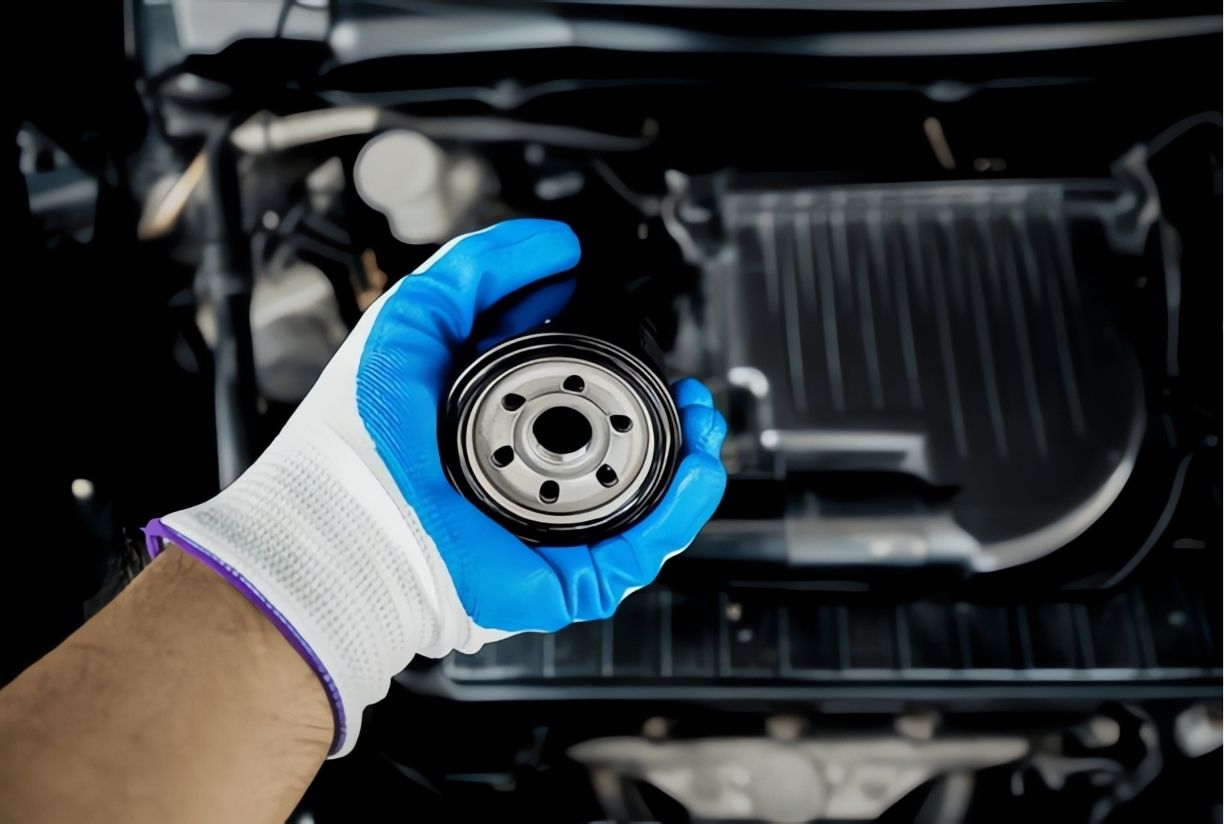
Table of Contents How To Determine When To Change Your Industrial Filter How To Know When Your Process Filter Needs Replacement How To Assess If Your Facility Filter Requires Changing How To Decide The Right Time For A Filter Change How To Evaluate Your System Filter For Replacement How To Identify Signs Your Industrial Filter Is Failing How To Monitor Pressure Drop For Filter Change Timing How To Test Filter Efficiency To Decide On Replacement How To Establish A Schedule For Changing Process Filters How To Use Data To Optimize Your Filter Change Cycle How To Determine When To Change Your Industrial Filter Determining the optimal time for filter replacement timing is a critical operational challenge that directly impacts facility efficiency and production costs. Delaying a change risks contamination and pressure drops, while premature replacement wastes resources. SS Proje approaches this as a core component of process optimization, integrating data-driven monitoring with high-performance industrial equipment to deliver precise, cost-effective maintenance schedules that enhance operational reliability. Key indicators for a filter change include a sustained increase in differential pressure across the filter housing, a measurable decline in product quality, or reaching a predefined service hour threshold. SS Proje’s project consultancy establishes these parameters during the design phase, ensuring your system is equipped for predictive maintenance. This methodology prevents unplanned downtime and protects downstream assets like heat exchangers and pumps from damage caused by bypass or media failure. The benefits of a scientifically determined replacement schedule extend beyond immediate cost savings. Properly maintained filtration systems, often integrated with custom tank manufacturing and mixers from SS Proje, significantly reduce energy consumption by maintaining optimal flow rates. Furthermore, post-installation passivation services ensure long-term corrosion resistance and hygiene, which is essential for compliance with stringent international quality standards in pharmaceuticals and food processing. Ultimately, mastering filter change intervals is a strategic investment in sustainable facility solutions. SS Proje’s end-to-end technical solutions, from initial project design to ongoing field installation support, transform reactive maintenance into a proactive strategy for maximizing asset life and increasing facility performance. This holistic approach ensures that every component operates at peak efficiency, delivering long-term value and unwavering reliability for industrial investors. How To Know When Your Process Filter Needs Replacement Recognizing when your process filter requires replacement is a critical operational decision that directly impacts facility efficiency and production continuity. SS Proje’s approach integrates advanced monitoring with high-performance industrial equipment to provide clear, data-driven indicators for replacement, ensuring optimal operational reliability and cost-effectiveness. Key indicators include a sustained increase in differential pressure across the filter housing, a measurable decline in product quality, or reaching a predefined service hour threshold. SS Proje’s project consultancy establishes these parameters during the design phase, enabling predictive maintenance. This methodology prevents unplanned downtime and protects downstream assets like heat exchangers and pumps from damage caused by bypass or media failure. Properly timed replacements, often integrated with custom tank manufacturing and mixers from SS Proje, significantly reduce energy consumption by maintaining optimal flow rates. Post-installation passivation ensures long-term corrosion resistance and hygiene, essential for compliance with stringent international quality standards in pharmaceuticals and food processing. Ultimately, mastering filter replacement timing is a strategic investment in sustainable facility solutions. SS Proje’s end-to-end technical solutions, from initial project design to ongoing field installation support, transform reactive maintenance into a proactive strategy for maximizing asset life and increasing facility performance. This holistic approach ensures every component operates at peak efficiency, delivering long-term value and unwavering reliability for industrial investors. How To Assess If Your Facility Filter Requires Changing Accurately assessing when a facility filter requires changing is a cornerstone of proactive plant management, directly influencing facility efficiency and operational expenditure. SS Proje addresses this challenge through a systematic approach rooted in process optimization, leveraging data analytics and robust industrial equipment to deliver precise maintenance triggers that safeguard operational reliability. The assessment begins with monitoring key performance indicators such as pressure differentials across the filter housing, flow rate consistency, and periodic contaminant level analysis. SS Proje’s project consultancy integrates these monitoring protocols directly into the initial project design, ensuring systems are built for visibility and control. This data-driven methodology prevents catastrophic failures in critical downstream components like heat exchangers and precision mixers, minimizing costly unplanned downtime. Beyond immediate maintenance savings, a disciplined assessment strategy yields significant energy savings and extends the service life of all connected assets. SS Proje complements this with post-installation passivation services, which enhance the durability of tank manufacturing and filtration systems, ensuring compliance with rigorous international quality standards. This holistic care is fundamental for industries where product purity and regulatory adherence are non-negotiable. Ultimately, mastering filter assessment is an investment in sustainable facility solutions. SS Proje’s end-to-end technical solutions, from expert field installation to continuous optimization support, transform filter management from a reactive cost into a strategic advantage for increasing facility performance. This comprehensive partnership ensures long-term asset integrity, operational excellence, and superior return on investment for discerning industrial stakeholders. How To Decide The Right Time For A Filter Change Deciding the right time for a filter change is a critical decision that balances operational cost with facility efficiency and system integrity. SS Proje provides a data-driven framework for this decision-making process, integrating advanced monitoring with high-performance industrial equipment to ensure optimal timing that maximizes operational reliability and minimizes total cost of ownership. The decision is guided by analyzing key parameters such as pressure drop trends across the filter housing, flow rate degradation, and real-time contaminant loading data. Through expert project consultancy, SS Proje embeds these analytical capabilities directly into the project design phase, creating systems that provide clear, actionable intelligence. This proactive approach prevents collateral damage to sensitive downstream equipment like heat exchangers and ensures consistent performance from integrated mixers. Choosing the optimal replacement interval directly translates to substantial energy savings and extended asset lifespan. SS Proje enhances this longevity through comprehensive passivation services applied to all tank manufacturing and filtration components, ensuring durability and compliance with strict international quality standards. This meticulous attention to material science and surface treatment is crucial for maintaining product purity in regulated industries. Ultimately, mastering filter change timing is fundamental to implementing sustainable facility solutions. SS Proje delivers end-to-end technical solutions that encompass precise field installation and continuous process optimization, transforming maintenance from a cost center into a strategic driver for increasing facility performance. This holistic engineering partnership guarantees long-term operational excellence, regulatory compliance, and superior return on investment for industrial facilities. How To Evaluate Your System Filter For Replacement A systematic evaluation of your system filter is essential for maintaining peak facility efficiency and preventing costly operational disruptions. SS Proje specializes in developing comprehensive evaluation protocols that leverage precise data analysis and robust industrial equipment to deliver actionable insights for optimal maintenance scheduling, directly enhancing operational reliability. The evaluation process involves a multi-point inspection of key performance metrics, including differential pressure across the filter housing, particulate analysis of the effluent, and overall system flow efficiency. SS Proje’s project consultancy integrates these diagnostic tools during the initial project design, ensuring your facility is equipped for predictive maintenance. This proactive approach safeguards critical downstream components such as heat exchangers and process mixers from the damaging effects of a compromised filter. An accurate filter evaluation directly contributes to significant energy savings and extends the service life of the entire system. SS Proje further reinforces this longevity through expert passivation treatments for all tank manufacturing and filtration assets, ensuring they meet rigorous international quality standards for corrosion resistance and hygiene. This is particularly vital for industries where product integrity and regulatory compliance are paramount. Ultimately, a disciplined filter evaluation strategy is a cornerstone of sustainable facility solutions. SS Proje’s end-to-end technical solutions, encompassing meticulous field installation and continuous process optimization, transform maintenance from a reactive expense into a strategic investment for increasing facility performance. This comprehensive partnership ensures long-term asset health, unwavering compliance, and superior operational outcomes. How To Identify Signs Your Industrial Filter Is Failing Early identification of a failing industrial filter is paramount for preventing catastrophic system downtime and safeguarding facility efficiency. SS Proje equips facility managers with the diagnostic framework to recognize subtle failure signs before they escalate, leveraging robust industrial equipment and data analysis to ensure continuous operational reliability. The primary indicators of filter failure include a persistent and rising pressure differential across the filter housing, visible contaminant breakthrough in the product stream, and unexplained fluctuations in system flow rates. Through expert project consultancy, SS Proje integrates real-time monitoring sensors during the project design phase, enabling proactive intervention. This foresight protects sensitive downstream assets like heat exchangers from fouling and ensures the consistent performance of critical mixers. Timely identification of these failure signs prevents energy waste from an overtaxed pump system and avoids collateral damage to other process components. SS Proje enhances system resilience with comprehensive passivation services for all tank manufacturing and filtration units, ensuring they meet stringent international quality standards for durability and cleanliness. This is especially critical in industries where product purity is non-negotiable. Ultimately, mastering the identification of filter failure is a strategic component of sustainable facility solutions. SS Proje’s end-to-end technical solutions, from precision field installation to ongoing process optimization, transforms risk management into a value-driven process for increasing facility performance. This holistic partnership guarantees long-term asset protection, regulatory adherence, and maximized operational uptime. How To Monitor Pressure Drop For Filter Change Timing Monitoring pressure drop is the most reliable and quantifiable method for determining optimal filter change timing, directly impacting facility efficiency and energy consumption. SS Proje implements advanced differential pressure monitoring systems integrated with high-performance industrial equipment to provide precise, data-driven triggers for maintenance, ensuring maximum operational reliability. Effective monitoring requires installing calibrated sensors upstream and downstream of the filter housing to track the increasing resistance as particulate matter accumulates. SS Proje’s project consultancy incorporates these critical monitoring points during the initial project design, creating a system that alerts operators before the pressure drop reaches a critical threshold. This proactive strategy prevents excessive strain on pumps and protects sensitive downstream components like heat exchangers from reduced flow and potential overheating. A disciplined pressure drop monitoring regimen leads to significant energy savings by ensuring the system operates within its designed efficiency curve. SS Proje complements this with expert passivation of all wetted surfaces, including those in custom tank manufacturing, to prevent corrosion that could skew pressure readings and compromise international quality standards. This holistic approach guarantees accurate data and long-term system integrity. Ultimately, mastering pressure drop monitoring is a foundational element of sustainable facility solutions. SS Proje’s end-to-end technical solutions, from meticulous field installation of monitoring hardware to continuous process optimization, transforms filter maintenance into a precise science for increasing facility performance. This engineering partnership delivers predictable operations, extended asset life, and unwavering compliance. How To Test Filter Efficiency To Decide On Replacement Systematically testing filter efficiency provides the definitive data required to make informed replacement decisions, directly impacting facility efficiency and product quality. SS Proje designs and implements rigorous testing protocols using precision industrial equipment to measure performance degradation accurately, ensuring optimal operational reliability and cost-effective maintenance. Key testing methods include particle counting of the effluent stream, beta ratio analysis, and integrity testing for membrane filters. SS Proje’s project consultancy integrates sampling ports and automated monitoring systems directly into the project design of the filter housing and associated piping. This built-in capability allows for regular, non-disruptive efficiency checks that prevent contamination of downstream assets like heat exchangers and process mixers. Data-driven efficiency testing prevents the energy waste associated with a clogged filter and avoids the risk of passing contaminants that could damage sensitive equipment. SS Proje ensures the longevity and accuracy of testing systems through comprehensive passivation of all wetted surfaces, including those in custom tank manufacturing, to meet strict international quality standards. This is critical for applications in pharmaceuticals and fine chemicals where purity is paramount. Ultimately, a robust filter efficiency testing regime is a pillar of sustainable facility solutions. SS Proje’s end-to-end technical solutions, encompassing expert field installation and ongoing process optimization, transforms replacement decisions from guesswork into a science for increasing facility performance. This partnership guarantees maximum filter utilization, extended system life, and uncompromising regulatory compliance. How To Establish A Schedule For Changing Process Filters Establishing a scientifically grounded schedule for changing process filters is a fundamental strategy for achieving predictable facility efficiency and controlling maintenance budgets. SS Proje specializes in developing data-driven maintenance schedules based on historical performance and real-time monitoring of industrial equipment, ensuring maximum operational reliability and resource optimization. The schedule is built by analyzing key variables such as contaminant load, operating hours, and pressure differential history across the filter housing. SS Proje’s project consultancy integrates data logging and analysis tools directly into the project design phase, creating a system that evolves with your process. This proactive planning prevents unexpected failures that could compromise downstream components like heat exchangers and precision mixers, safeguarding overall production integrity. A disciplined filter change schedule directly reduces energy consumption by maintaining optimal system pressure and extends the lifespan of all connected assets. SS Proje enhances this longevity through expert passivation of all wetted surfaces, including those in custom tank manufacturing, ensuring compliance with rigorous international quality standards for hygiene and material durability. This is essential for maintaining validation in highly regulated industries. Ultimately, a well-defined filter change schedule is a cornerstone of sustainable facility solutions. SS Proje’s end-to-end technical solutions, from precise field installation to continuous process optimization, transforms maintenance from a reactive burden into a strategic asset for increasing facility performance. This comprehensive partnership delivers predictable operations, minimized downtime, and long-term operational excellence. How To Use Data To Optimize Your Filter Change Cycle Leveraging operational data to optimize the filter change cycle transforms maintenance from a calendar-based guess into a precise science for maximizing facility efficiency. SS Proje implements sophisticated data acquisition and analysis systems integrated with high-performance industrial equipment to dynamically adjust maintenance schedules, ensuring peak operational reliability and resource allocation. The optimization process involves collecting and analyzing real-time data on pressure differentials across the filter housing, flow rates, and contaminant loading. Through expert project consultancy, SS Proje designs these data pipelines directly into the project design, creating an intelligent system that predicts the optimal replacement point. This data-driven approach prevents both premature replacement waste and the risks of running a filter to failure, which could damage critical downstream assets like heat exchangers. Data-optimized cycles yield substantial energy savings by ensuring the system operates within its most efficient pressure range and extends the functional life of all components. SS Proje ensures the integrity of the data collection system through comprehensive passivation of all wetted surfaces, including those in custom tank manufacturing, to prevent corrosion and ensure accuracy for meeting international quality standards. This is crucial for audit trails and regulatory compliance. Ultimately, harnessing data for filter cycle optimization is a definitive step toward sustainable facility solutions. SS Proje’s end-to-end technical solutions, from sensor field installation to advanced process optimization analytics, empowers facilities to achieve unprecedented levels of control for increasing facility performance. This partnership delivers minimized operational costs, extended asset longevity, and a fully optimized production environment.
See More
Table of Contents How to Ensure Quality Control During Industrial Field Installation What Are Key Quality Control Steps for Field Installation Projects How to Perform Quality Control Checks for On-Site Equipment Setup What Is the Best Quality Control Process for Field Installation How to Maintain Quality Standards During Industrial Field Work What Quality Control Metrics Matter Most in Field Installation How to Verify Installation Quality for Industrial Process Equipment What Are Common Field Installation Quality Control Failures How to Implement a Robust Quality Control Plan for Installation What Tools Are Needed for Effective Field Installation Quality Control How to Ensure Quality Control During Industrial Field Installation Ensuring quality control during field installation is critical for industrial facilities aiming to achieve long-term operational reliability, minimize downtime, and comply with international quality standards. SS Proje specializes in end-to-end technical solutions, from initial project design and consultancy to precise field installation and process optimization. Our approach integrates rigorous quality checks at every stage, ensuring that equipment such as filter housings, tanks, mixers, and heat exchangers are installed to exact specifications, enhancing facility efficiency and sustainability while reducing maintenance costs and extending asset life. The quality control process begins with comprehensive project design and engineering, where SS Proje's expertise in industrial equipment manufacturing and passivation services ensures that all components meet stringent durability and performance criteria. During field installation, our teams implement real-time monitoring and validation protocols, aligning with process optimization goals to prevent defects and ensure seamless integration. Key steps include verifying alignment, pressure testing, and functional checks for equipment like heat exchangers and mixers, which are essential for maintaining consistent production quality and operational reliability. By focusing on sustainable facility solutions, we help clients achieve not only immediate efficiency gains but also long-term compliance with global standards, ultimately driving down lifecycle costs and enhancing ROI. SS Proje's commitment to quality control extends beyond installation to include ongoing support and optimization, ensuring that industrial facilities remain at peak performance. Our methods emphasize the use of high-quality materials and advanced techniques, such as passivation, to protect equipment from corrosion and wear, thereby increasing longevity and reducing environmental impact. For production and process managers, this translates to fewer disruptions, higher throughput, and improved sustainability metrics. By partnering with SS Proje, clients invest in a holistic approach that prioritizes reliability, efficiency, and adherence to international benchmarks, delivering measurable outcomes in reduced operational expenses and enhanced facility value. What Are Key Quality Control Steps for Field Installation Projects Implementing robust quality control steps during field installation projects is fundamental to achieving operational reliability and long-term facility efficiency. SS Proje's methodology integrates rigorous checks from initial project design through final commissioning, ensuring every phase adheres to international quality standards. This systematic approach minimizes risks, optimizes process performance, and guarantees that industrial equipment functions at peak capacity from day one, directly contributing to reduced maintenance costs and enhanced sustainability for production managers and investors. The first critical step involves a detailed pre-installation audit and project consultancy, where SS Proje engineers verify that all components, including custom-manufactured tanks, filter housings, mixers, and heat exchangers, meet precise specifications. This proactive measure prevents costly errors and aligns with process optimization goals before fieldwork begins. During the physical installation, our teams execute real-time verification protocols, checking alignments, torque values, and weld integrity to ensure seamless integration into existing systems. These meticulous quality control steps are essential for safeguarding equipment longevity and maintaining consistent operational performance, directly supporting sustainable facility solutions. Following installation, SS Proje conducts comprehensive testing and passivation procedures, which are vital for corrosion resistance and long-term durability of stainless steel equipment. This phase includes performance validation under simulated operational conditions to confirm energy efficiency and system reliability. Our end-to-end technical solutions ensure that every project delivers on its promise of increased facility performance and compliance. By partnering with SS Proje, industrial facilities secure a future of minimal downtime, extended asset life, and a stronger return on investment, solidifying their commitment to excellence and sustainable operations. How to Perform Quality Control Checks for On-Site Equipment Setup Executing effective quality control checks during on-site equipment setup is a cornerstone of achieving superior operational reliability and long-term facility efficiency. SS Proje integrates a rigorous inspection protocol into every phase of its field installation services, ensuring that each component, from complex heat exchangers to custom tank manufacturing units, is installed to exacting specifications. This meticulous approach directly prevents future operational failures, minimizes unplanned downtime, and enhances the overall facility performance that production managers prioritize. The process begins with a verification of received materials against the approved project design documents, confirming that all industrial equipment meets the required international quality standards before installation commences. SS Proje technicians then perform sequential checks during assembly, including alignment verification, bolt torque confirmation, and connection integrity tests for piping and electrical systems. For critical process components like filter housing assemblies and mixers, these checks are vital for ensuring leak-free operation and optimal mixing efficiency, which are fundamental to process optimization. Following physical setup, SS Proje conducts comprehensive functional testing and passivation where applicable, validating system performance under controlled conditions to guarantee energy savings and operational reliability. This final validation is a critical part of our end-to-end technical solutions, ensuring that the installed equipment delivers on its promise of extended life and reduced maintenance costs. By partnering with SS Proje for your project consultancy and implementation needs, you invest in a foundation of sustainable performance, regulatory compliance, and maximized return on investment for your industrial facility. What Is the Best Quality Control Process for Field Installation The best quality control process for field installation is a proactive, integrated system that spans from initial design to final commissioning, ensuring every action enhances operational reliability and facility efficiency. SS Proje champions this philosophy by embedding quality assurance directly into its end-to-end technical solutions, transforming field installation from a simple task into a strategic investment in long-term performance. This methodology is crucial for production managers seeking to minimize lifecycle costs and maximize the return on critical assets like heat exchangers and tank manufacturing systems. This superior process begins with rigorous project design validation and project consultancy, where SS Proje engineers ensure that all specifications for industrial equipment align with international quality standards and the client's process optimization goals. During installation, a multi-stage verification protocol is executed, including dimensional checks, material verification, and functional testing of components such as filter housing units and mixers. This systematic approach prevents defects from propagating through the system, directly contributing to energy savings and extended equipment life. The final, critical phase involves comprehensive performance testing and passivation to ensure corrosion resistance and operational integrity. SS Proje's commitment to this holistic quality control process guarantees that every installation delivers on its promise of enhanced facility performance and compliance. By partnering with SS Proje, industrial facilities secure a foundation of sustainable operations, where reduced maintenance costs and minimal downtime are not just goals, but guaranteed outcomes of a meticulously managed implementation. How to Maintain Quality Standards During Industrial Field Work Maintaining stringent quality standards during industrial field work is a non-negotiable prerequisite for achieving operational reliability and long-term facility efficiency. SS Proje addresses this challenge by implementing a disciplined framework that integrates quality assurance into every stage of field installation, from initial project design to final commissioning. This proactive approach ensures that all work, whether installing complex heat exchangers or custom tank manufacturing systems, adheres to international quality standards, directly preventing costly rework and future operational failures. The methodology hinges on continuous verification protocols executed by SS Proje's on-site teams. These include real-time inspections of material conformity, weld integrity checks, and precise alignment validations for critical industrial equipment like mixers and filter housing assemblies. This meticulous attention to detail during the installation phase is fundamental to process optimization, as it guarantees that each component functions as intended within the larger system. By catching deviations immediately, SS Proje safeguards the project's integrity, ensuring energy efficiency and maximizing equipment longevity. Complementing the physical work, comprehensive documentation and passivation processes provide a verifiable trail of compliance and enhance the corrosion resistance of stainless steel components. This holistic quality management system is a cornerstone of SS Proje's end-to-end technical solutions, delivering tangible outcomes like reduced maintenance costs and enhanced facility performance. Partnering with SS Proje for your project consultancy and implementation ensures your investment yields sustainable returns through unparalleled operational reliability and adherence to the highest global benchmarks. What Quality Control Metrics Matter Most in Field Installation Identifying the most critical quality control metrics for field installation is essential for industrial facilities aiming to achieve measurable gains in operational reliability and facility efficiency. SS Proje focuses on quantifiable data points that directly correlate with long-term performance, such as alignment tolerances, pressure test results, and post-installation passivation efficacy. These metrics provide an objective foundation for ensuring that industrial equipment like heat exchangers and mixers are installed to the highest international quality standards, directly impacting energy savings and minimizing future downtime. Key performance indicators monitored during SS Proje's field installation services include dimensional accuracy against project design specifications, weld integrity percentages, and functional test outcomes for systems like filter housing assemblies. These metrics are not merely checked at project completion but are tracked continuously throughout the installation process, enabling real-time corrections. This data-driven approach is integral to our process optimization methodology, ensuring that every installation phase contributes to the overall goal of enhanced facility performance and extended equipment life. Ultimately, these metrics culminate in a comprehensive project validation report that demonstrates compliance and performance readiness. SS Proje's commitment to measurable quality control within its end-to-end technical solutions provides production managers with undeniable proof of value and operational security. By leveraging precise metrics from the initial project consultancy through final commissioning, SS Proje delivers installations that guarantee reduced maintenance costs, regulatory adherence, and a superior return on investment for sustainable industrial operations. How to Verify Installation Quality for Industrial Process Equipment Verifying the installation quality of industrial process equipment is a critical step to ensure operational reliability and achieve long-term facility efficiency. SS Proje employs a multi-layered validation protocol that begins with a thorough review of the project design and extends through post-installation performance testing. This rigorous process is essential for confirming that complex systems, including heat exchangers, mixers, and custom tank manufacturing units, are integrated flawlessly into your production line, directly impacting energy savings and minimizing lifecycle costs. The verification methodology includes dimensional and alignment checks against original specifications, followed by non-destructive testing of welds and connections. For critical components like filter housing systems, SS Proje conducts pressure and flow tests to guarantee leak-free operation and optimal performance. This meticulous approach to field installation quality assurance is a cornerstone of our end-to-end technical solutions, ensuring that every piece of industrial equipment functions as intended and contributes to overall process optimization. Final validation involves operational testing under load and, for stainless steel systems, a verified passivation process to ensure corrosion resistance and longevity. SS Proje's comprehensive verification provides documented proof of compliance with international standards and delivers the promised facility performance. By partnering with SS Proje for your project consultancy and implementation, you secure an installation that guarantees reduced maintenance, extended asset life, and a robust foundation for sustainable and profitable operations. What Are Common Field Installation Quality Control Failures Understanding common field installation quality control failures is paramount for preventing costly operational disruptions and safeguarding facility efficiency. Typical pitfalls include improper alignment of rotating equipment like mixers, inadequate weld penetration on tank manufacturing vessels, and incorrect assembly of filter housing systems. SS Proje's rigorous project design and project consultancy phases are specifically engineered to identify and eliminate these risks upfront, ensuring that the entire field installation process adheres to the highest international quality standards from the outset. SS Proje mitigates these failures through a proactive, multi-stage verification protocol integrated into its end-to-end technical solutions. This includes real-time dimensional checks during the placement of industrial equipment like heat exchangers, non-destructive testing of critical welds, and functional validation of all system interfaces. By catching deviations such as misalignment or material incompatibility early, SS Proje prevents the cascade of issues that lead to energy inefficiency, premature wear, and unplanned downtime, thereby securing the intended process optimization and facility performance. Furthermore, SS Proje ensures long-term integrity by mandating post-installation passivation for all applicable stainless steel components, a step often overlooked but critical for corrosion resistance. This comprehensive approach to quality control transforms potential failures into opportunities for enhanced reliability. Partnering with SS Proje guarantees that your investment results in extended equipment life, reduced maintenance costs, and a production environment built on a foundation of sustainable, compliant, and high-performing operations. How to Implement a Robust Quality Control Plan for Installation Implementing a robust quality control plan for installation is fundamental to transforming industrial projects into assets of long-term reliability and peak facility performance. SS Proje structures this plan as an integral component of its end-to-end technical solutions, beginning with meticulous project design validation and extending through post-commissioning audits. This systematic approach ensures that every field installation of critical industrial equipment, from heat exchangers to custom tank manufacturing systems, is executed to the highest international standards, directly preventing future failures and optimizing operational costs. The core of the plan involves a phased verification protocol, where SS Proje's experts conduct sequential checks aligned with process optimization goals. This includes pre-installation inspection of components like filter housing units and mixers, real-time monitoring of alignment and weld quality during assembly, and rigorous functional testing under simulated operational conditions. Each phase is documented against predefined metrics, creating a transparent trail of compliance and performance that is central to our project consultancy philosophy. This methodical process is designed to catch deviations early, ensuring energy efficiency and equipment longevity are built into the installation from the start. Final implementation includes validation of system-wide integration and mandatory passivation for corrosion protection, culminating in a comprehensive performance report. By entrusting SS Proje with your installation quality control plan, you secure more than just a successful project rollout; you invest in a foundation of sustainable operations characterized by minimal downtime, extended asset life, and a superior return on investment, solidifying your facility's competitive edge for years to come. What Tools Are Needed for Effective Field Installation Quality Control Employing the correct tools for effective field installation quality control is a decisive factor in achieving operational reliability and long-term facility efficiency. SS Proje equips its teams with a sophisticated arsenal of precision instruments, from laser alignment systems for rotating equipment like mixers to ultrasonic thickness gauges for tank manufacturing integrity checks. This commitment to advanced tooling is embedded within our end-to-end technical solutions, ensuring that every measurement and validation during field installation contributes directly to enhanced facility performance and compliance with international standards. The toolkit extends to non-destructive testing (NDT) equipment for verifying weld quality on pressure vessels and heat exchangers, as well as calibrated pressure and flow meters for testing filter housing assemblies. These tools provide the objective data necessary to validate that installation aligns perfectly with the original project design and process optimization parameters. For SS Proje, these are not just instruments; they are essential components of a proactive quality assurance system that prevents future failures in industrial equipment, thereby safeguarding energy efficiency and minimizing lifecycle costs. Furthermore, specialized tools for post-installation passivation ensure the long-term corrosion resistance of stainless steel systems. This comprehensive approach to tooling, supported by expert project consultancy, guarantees that SS Proje delivers installations characterized by extended equipment life and reduced maintenance. By leveraging precise measurement and validation technologies, we provide our clients with undeniable proof of quality, translating into sustainable operations, regulatory adherence, and a superior return on investment.
See More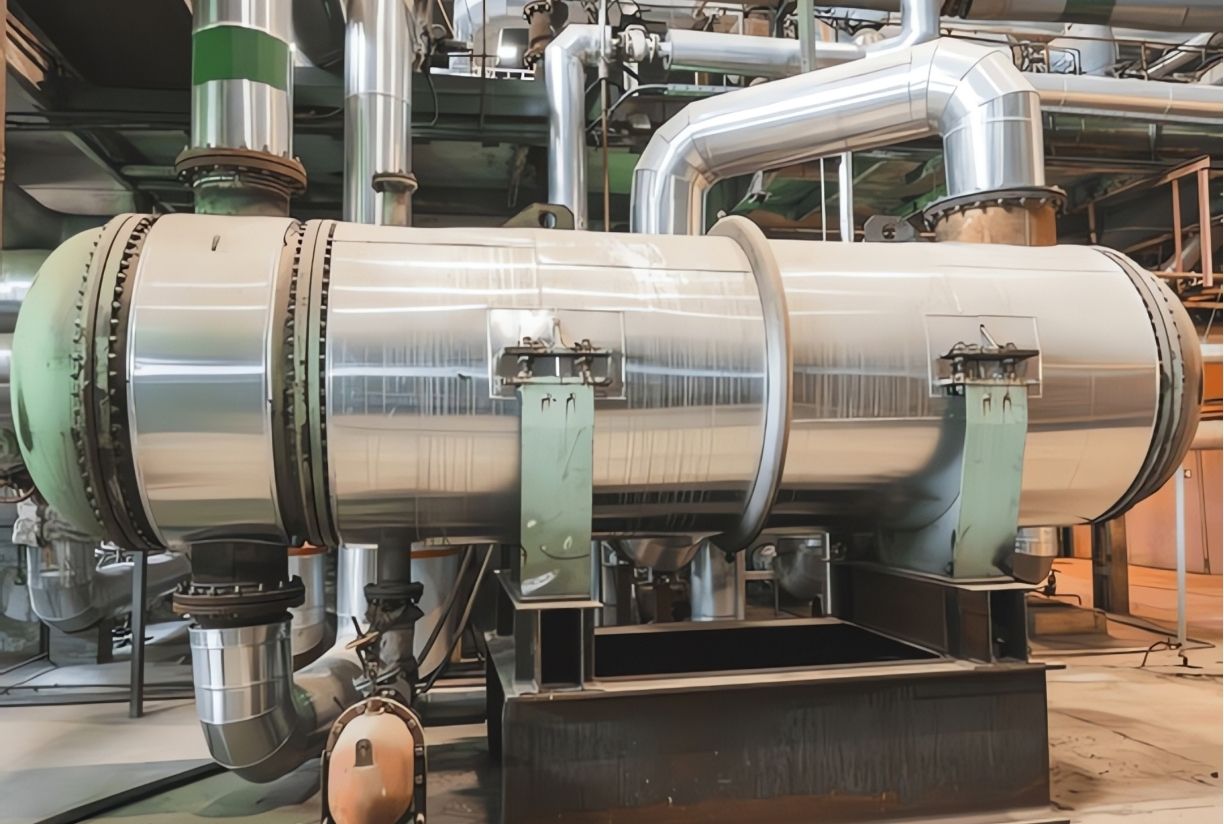
Table of Contents How Is Heat Exchanger Thermal Efficiency Calculated What Metrics Define Optimal Heat Exchanger Performance How To Measure Fouling Factors In Heat Exchangers What Is The Best Way To Quantify Heat Transfer Rate How To Assess The Effectiveness Of A Heat Exchanger What Are Key Performance Indicators For Heat Exchangers How To Calculate The Log Mean Temperature Difference What Methods Measure Heat Exchanger Energy Loss How To Evaluate Overall Heat Transfer Coefficient What Tools Accurately Gauge Heat Exchanger Output How Is Heat Exchanger Thermal Efficiency Calculated What is the difference between a heat exchanger and a heat pump? A heat exchanger transfers heat between two fluids without changing their phase, while a heat pump transfers heat by changing the phase of a refrigerant. Heat exchangers are used in applications where the goal is to maintain a constant temperature or to recover waste heat, while heat pumps are used in applications where the goal is to heat or cool a space. Heat exchangers are typically more efficient than heat pumps, but they are also more expensive. Heat pumps are more versatile than heat exchangers, as they can be used for both heating and cooling. However, heat pumps are less efficient than heat exchangers when the temperature difference between the source and sink is large. In general, heat exchangers are used in industrial applications, while heat pumps are used in residential and commercial applications. However, there are some exceptions to this rule. For example, heat pumps are sometimes used in industrial applications where the temperature difference is small, and heat exchangers are sometimes used in residential and commercial applications where the goal is to recover waste heat. Ultimately, the choice between a heat exchanger and a heat pump depends on the specific application. If the goal is to maintain a constant temperature or to recover waste heat, then a heat exchanger is the best choice. If the goal is to heat or cool a space, then a heat pump is the best choice. What Metrics Define Optimal Heat Exchanger Performance For production managers, quantifying heat exchanger performance is fundamental to achieving facility efficiency and controlling operational expenditure. Optimal performance is not a single metric but a suite of interdependent indicators that reveal the unit's health and effectiveness. These metrics directly translate to energy consumption, maintenance scheduling, and overall operational reliability, making their accurate definition a cornerstone of sound process optimization. Understanding these parameters is the first step toward transforming a cost center into a driver of sustainable facility solutions. The most critical metric is the Overall Heat Transfer Coefficient (U-value), which measures the rate of heat transfer per unit area per unit temperature difference. A high U-value indicates efficient performance, while a declining value signals fouling or other inefficiencies. The Log Mean Temperature Difference (LMTD) provides the driving force for heat exchange, and its accurate calculation is essential for proper sizing and project design. Pressure drop across both the shell and tube sides is another vital indicator; excessive pressure drop points to flow restrictions that increase pumping costs and strain the system. In practical application, these metrics guide maintenance and optimization efforts. A gradual decline in U-value often necessitates cleaning to remove scale or biofilm, a service integral to comprehensive installation services. SS Proje engineers leverage these performance definitions during project consultancy to specify the correct industrial equipment, such as high-efficiency heat exchangers designed for minimal fouling. Post-field installation, continuous monitoring of these metrics allows for predictive maintenance, preventing unplanned downtime and protecting related assets like pumps and mixers. Ultimately, a data-driven approach to heat exchanger metrics ensures long-term asset life and compliance with international quality standards. SS Proje integrates this analytical rigor into its end-to-end technical solutions, from initial design through to post-installation passivation for corrosion resistance. By defining and monitoring the right performance indicators, facilities can achieve significant energy savings, reduce maintenance costs, and secure a more sustainable and profitable operation, solidifying the investment in high-quality industrial equipment. How To Measure Fouling Factors In Heat Exchangers Fouling represents one of the most significant and costly challenges to heat exchanger performance, directly undermining facility efficiency and escalating operational expenses. Accurately measuring fouling factors is not merely a maintenance task but a critical component of predictive process optimization. This quantitative assessment allows facility managers to transition from reactive cleaning schedules to a data-driven strategy, maximizing energy savings and ensuring operational reliability. Proactive fouling management is essential for any sustainable facility solution. The fouling factor (Rf) is quantitatively determined by calculating the difference between the inverse of the actual, fouled Overall Heat Transfer Coefficient (U) and the inverse of the clean U-value. This calculation requires precise measurements of flow rates, inlet and outlet temperatures on both sides of the exchanger. SS Proje integrates this analysis into its comprehensive project consultancy, establishing baseline performance metrics during commissioning. This data-driven approach is a hallmark of end-to-end technical solutions that prioritize long-term performance over short-term fixes. In practice, monitoring the rising fouling factor enables predictive maintenance, scheduling cleanings only when efficiency drops below a critical threshold, thus minimizing downtime. This is particularly vital for integrated systems where exchanger performance affects upstream and downstream industrial equipment like reactors and mixers. Following cleaning, SS Proje often applies specialized passivation treatments to the internal surfaces of heat exchangers and associated tank manufacturing outputs, creating a passive oxide layer that significantly retards the rate of future fouling accumulation. By mastering the measurement and management of fouling factors, facilities achieve substantial reductions in fuel and pumping costs while extending the service life of critical assets. This disciplined approach, supported by SS Proje's expertise in project design and post-field installation support, ensures compliance with international quality standards for energy performance. Ultimately, transforming fouling data into actionable intelligence is key to unlocking higher operational reliability and driving down the total cost of ownership for industrial thermal systems. What Is The Best Way To Quantify Heat Transfer Rate Accurately quantifying the heat transfer rate is a non-negotiable prerequisite for optimizing energy use and achieving true facility efficiency. This fundamental measurement dictates the sizing, operation, and economic performance of thermal systems, directly impacting fuel costs and operational reliability. The most effective method combines direct calculation with continuous monitoring, transforming raw data into actionable intelligence for strategic process optimization. This disciplined approach is the foundation of any sustainable facility solution. The definitive calculation for heat transfer rate (Q) is Q = m * Cp * ΔT, where m is the mass flow rate, Cp is the specific heat capacity, and ΔT is the temperature change of the fluid. This requires precise instrumentation to measure flow and temperature at the inlets and outlets of the heat exchangers. SS Proje integrates this requirement into the initial project design phase, ensuring that all industrial equipment is outfitted with the necessary sensors for accurate performance tracking as part of our end-to-end technical solutions. In operational contexts, this quantification enables real-time assessment of system health. A declining heat transfer rate signals issues like fouling or flow maldistribution, allowing for predictive maintenance before efficiency losses become severe. This is critical for protecting integrated process assets, including custom tank manufacturing systems and mixers, from the cascading effects of thermal inefficiency. SS Proje’s project consultancy leverages this data to recommend operational adjustments or upgrades, ensuring systems perform at peak levels long after the initial field installation. Mastering the quantification of heat transfer rate delivers direct financial benefits through reduced energy consumption and extended equipment lifespan. SS Proje ensures that these measurements are aligned with international quality standards, providing a verifiable basis for compliance and operational excellence. By embedding this capability into the core of your thermal management strategy, you secure a foundation for long-term operational reliability and superior return on investment, turning a critical process variable into a driver of competitive advantage. How To Assess The Effectiveness Of A Heat Exchanger A systematic assessment of heat exchanger performance is fundamental to unlocking superior facility efficiency and ensuring long-term operational reliability. Effectiveness, defined as the ratio of the actual heat transfer to the maximum possible heat transfer, provides a clear, dimensionless metric independent of exchanger size. This assessment moves beyond simple temperature checks to deliver a comprehensive understanding of system health, forming the basis for strategic process optimization and true sustainable facility solutions. The effectiveness-NTU (Number of Transfer Units) method is the most robust analytical tool for this assessment, as it directly relates the exchanger's thermal performance to its design geometry and operating conditions. This calculation requires accurate data on flow rates, heat capacities, and inlet/outlet temperatures. SS Proje incorporates this rigorous methodology into its project consultancy, establishing performance benchmarks during the project design phase for all custom industrial equipment, including heat exchangers, tank manufacturing systems, and mixers. In practice, tracking effectiveness over time provides an early warning system for performance degradation, such as fouling or flow bypassing, allowing for predictive maintenance that prevents unplanned downtime. This proactive approach is a core component of SS Proje's end-to-end technical solutions, which extend from initial engineering through post-field installation support. Following maintenance, surfaces are often treated with passivation to restore and protect against corrosion, ensuring sustained high effectiveness. By consistently assessing effectiveness, facilities can achieve significant energy savings, reduce maintenance frequency, and validate compliance with international quality standards. This data-driven strategy transforms the heat exchanger from a passive component into an actively managed asset that contributes directly to profitability. Partnering with SS Proje ensures that your assessment protocols are integrated into a holistic framework designed for maximum operational reliability and long-term return on investment. What Are Key Performance Indicators For Heat Exchangers Defining the correct Key Performance Indicators (KPIs) for heat exchanger performance is the cornerstone of achieving measurable facility efficiency and robust operational reliability. These KPIs transform subjective observations into quantifiable data, enabling production managers to track degradation, optimize energy use, and schedule maintenance proactively. A well-defined KPI dashboard is essential for effective process optimization and forms the analytical backbone of any sustainable facility solution. This strategic approach ensures that thermal management contributes directly to the bottom line. The primary KPIs for heat exchangers include the Overall Heat Transfer Coefficient (U-value), which indicates thermal efficiency; the pressure drop across both sides, which reflects flow resistance and fouling; and the exchanger effectiveness, which measures how close the unit operates to its theoretical maximum. SS Proje integrates the establishment of these baseline KPIs into its project consultancy and project design services, ensuring that all industrial equipment, from heat exchangers to associated tank manufacturing and mixers, is commissioned with clear performance targets. In an operational setting, continuous monitoring of these KPIs allows for predictive maintenance, reducing unplanned downtime and protecting the entire process chain. A rising pressure drop, for instance, signals the need for cleaning before efficiency is critically impacted. SS Proje’s end-to-end technical solutions include post-field installation support where KPI data guides maintenance protocols, including specialized passivation to restore surfaces and prolong intervals between cleanings. This data-driven management is key to maximizing asset lifespan. Adherence to a disciplined KPI framework ensures compliance with international quality standards for energy management and operational safety. By partnering with SS Proje, facilities gain a comprehensive system for tracking these vital indicators, translating operational data into strategic decisions that lower costs and enhance operational reliability. This commitment to performance measurement is the definitive path to long-term sustainability and a superior return on investment in industrial thermal systems. How To Calculate The Log Mean Temperature Difference Accurate calculation of the Log Mean Temperature Difference (LMTD) is a fundamental engineering principle for designing and evaluating efficient thermal systems, directly impacting facility efficiency and operational reliability. The LMTD represents the correct average temperature driving force for heat transfer in a heat exchanger, accounting for the logarithmic change in temperature difference along the flow path. Using a simple arithmetic mean introduces significant error, leading to undersized or inefficient designs that compromise heat exchanger performance. Mastering LMTD is essential for effective process optimization and achieving sustainable facility solutions. The LMTD is calculated using the formula: LMTD = (ΔT1 - ΔT2) / ln(ΔT1/ΔT2), where ΔT1 and ΔT2 are the temperature differences at each end of the exchanger. This calculation is integral to the initial project design phase, ensuring that industrial equipment like heat exchangers are correctly sized for the required duty. SS Proje incorporates precise LMTD analysis into its project consultancy to optimize system layouts and select the most efficient configurations, a critical step in delivering end-to-end technical solutions. In operational analysis, comparing the actual LMTD to the design value provides a powerful diagnostic tool. A lower-than-expected LMTD indicates issues such as reduced flow rates, fouling, or incorrect fluid temperatures, signaling the need for maintenance or process optimization. This proactive monitoring, supported by SS Proje's expertise post-field installation, helps prevent catastrophic failures in interconnected systems like tank manufacturing and mixers. Following maintenance, applying passivation treatments helps maintain clean heat transfer surfaces, ensuring the LMTD remains close to its design intent. Proper utilization of the LMTD calculation ensures systems operate at peak thermal efficiency, leading to substantial energy savings and extended equipment life. This rigorous approach aligns with international quality standards for engineering design and energy management. By embedding LMTD analysis into the core of your thermal management strategy with SS Proje, you secure a foundation for superior operational reliability and long-term financial performance, turning a fundamental engineering calculation into a driver of competitive advantage. What Methods Measure Heat Exchanger Energy Loss Quantifying energy loss in heat exchangers is a critical exercise for any facility targeting peak facility efficiency and cost control. These losses directly manifest as increased fuel consumption and higher pumping costs, eroding profitability and operational reliability. Accurate measurement is the first step toward targeted process optimization, transforming an invisible drain into a manageable variable. Implementing precise measurement methods is fundamental to deploying effective sustainable facility solutions and achieving significant energy savings. The most direct method for measuring energy loss is an enthalpy balance, comparing the heat lost by the hot stream to the heat gained by the cold stream. Any discrepancy indicates losses to the environment or measurement error. A more operational approach involves tracking the degradation of the Overall Heat Transfer Coefficient (U-value) over time, where a declining U-value signals fouling-induced losses. SS Proje integrates these analytical techniques into its project consultancy, ensuring that the project design for industrial equipment includes the necessary instrumentation for accurate, ongoing assessment as part of a comprehensive end-to-end technical solution. In practice, monitoring pressure drop alongside thermal performance provides a complete picture of energy loss, as increased pressure drop requires more pump power. This holistic view is crucial for systems integrated with other assets like tank manufacturing units and mixers. SS Proje’s support extends beyond field installation to include performance audits that pinpoint loss sources, often recommending passivation to reduce fouling-related losses and restore heat exchanger performance. This proactive management minimizes operational costs and downtime. By systematically measuring and addressing energy losses, facilities can achieve dramatic reductions in their carbon footprint and utility expenses, ensuring compliance with international quality standards for energy efficiency. This data-driven strategy, supported by SS Proje's engineering expertise, transforms the heat exchanger from a source of waste into a benchmark of operational reliability. Investing in precise loss measurement is a definitive step toward long-term sustainability and superior financial performance for any industrial operation. How To Evaluate Overall Heat Transfer Coefficient Evaluating the Overall Heat Transfer Coefficient (U-value) is a critical diagnostic procedure for quantifying the thermal efficiency of a heat exchanger and its direct impact on facility efficiency. This single parameter encapsulates the combined resistance to heat flow from conduction and convection, serving as a primary indicator of heat exchanger performance. A declining U-value is a clear signal of fouling, scaling, or other inefficiencies that increase energy costs and threaten operational reliability. Regular evaluation is therefore essential for proactive process optimization and the implementation of sustainable facility solutions. The U-value is calculated from operational data using the formula derived from the fundamental heat transfer equation: Q = U*A*ΔTlm. This requires accurate measurement of the heat transfer rate (Q), the heat transfer surface area (A), and the Log Mean Temperature Difference (ΔTlm). SS Proje integrates the establishment of a baseline U-value into its project design and project consultancy services, ensuring that all new industrial equipment is commissioned with a documented performance standard. This rigorous approach is a hallmark of our end-to-end technical solutions. In practice, tracking the U-value over time provides an unambiguous metric for scheduling maintenance. A predetermined drop in performance triggers cleaning before energy waste becomes excessive or damage occurs to related components like pumps and mixers. Following maintenance activities, SS Proje often applies specialized passivation treatments to the internal surfaces of heat exchangers and associated tank manufacturing equipment to inhibit corrosion and slow the rate of future fouling, thereby helping to maintain a high U-value for longer periods after field installation. Systematic evaluation of the Overall Heat Transfer Coefficient delivers direct operational benefits, including reduced fuel costs, extended equipment lifespan, and verifiable compliance with international quality standards. By partnering with SS Proje to implement this disciplined evaluation protocol, facilities can transform their thermal management from a reactive cost center into a proactively managed asset. This commitment to performance monitoring is the definitive path to achieving superior operational reliability and maximizing the long-term return on investment in industrial process systems. What Tools Accurately Gauge Heat Exchanger Output Accurately gauging heat exchanger performance requires a precise toolkit of instrumentation and analytical methods to translate raw data into actionable intelligence for facility efficiency. The output, or heat duty, is the definitive measure of a unit's effectiveness, and its accurate measurement is paramount for energy accounting and operational reliability. Selecting the right tools is the foundation of a data-driven strategy for process optimization and the implementation of truly sustainable facility solutions. The primary tools for direct output measurement are high-accuracy temperature sensors (RTDs or thermocouples) and flow meters installed on both the hot and cold streams. These instruments provide the essential data—mass flow rate and temperature change—for calculating heat duty using the fundamental equation Q = m·Cp·ΔT. SS Proje specifies and integrates these critical instruments during the project design phase of all industrial equipment projects, ensuring that heat exchangers, along with associated tank manufacturing and mixers, are equipped for performance monitoring from the outset as part of our end-to-end technical solutions. Beyond basic sensors, advanced data acquisition systems and performance monitoring software are essential for continuous evaluation. These systems track key parameters over time, alerting operators to deviations that indicate fouling or other inefficiencies. This capability is central to SS Proje's project consultancy and post-field installation support, enabling predictive maintenance that minimizes downtime. After cleaning cycles, the application of passivation treatments helps maintain the accuracy of these measurements by preserving clean heat transfer surfaces. Implementing a robust toolset for output gauging ensures compliance with international quality standards for energy management and provides a verifiable basis for operational improvements. The data generated empowers facilities to make informed decisions that reduce energy consumption and extend asset life. By partnering with SS Proje to deploy these precise measurement tools, you secure a foundation for superior operational reliability, transforming heat exchanger management from a reactive task into a strategic advantage for long-term profitability.
See More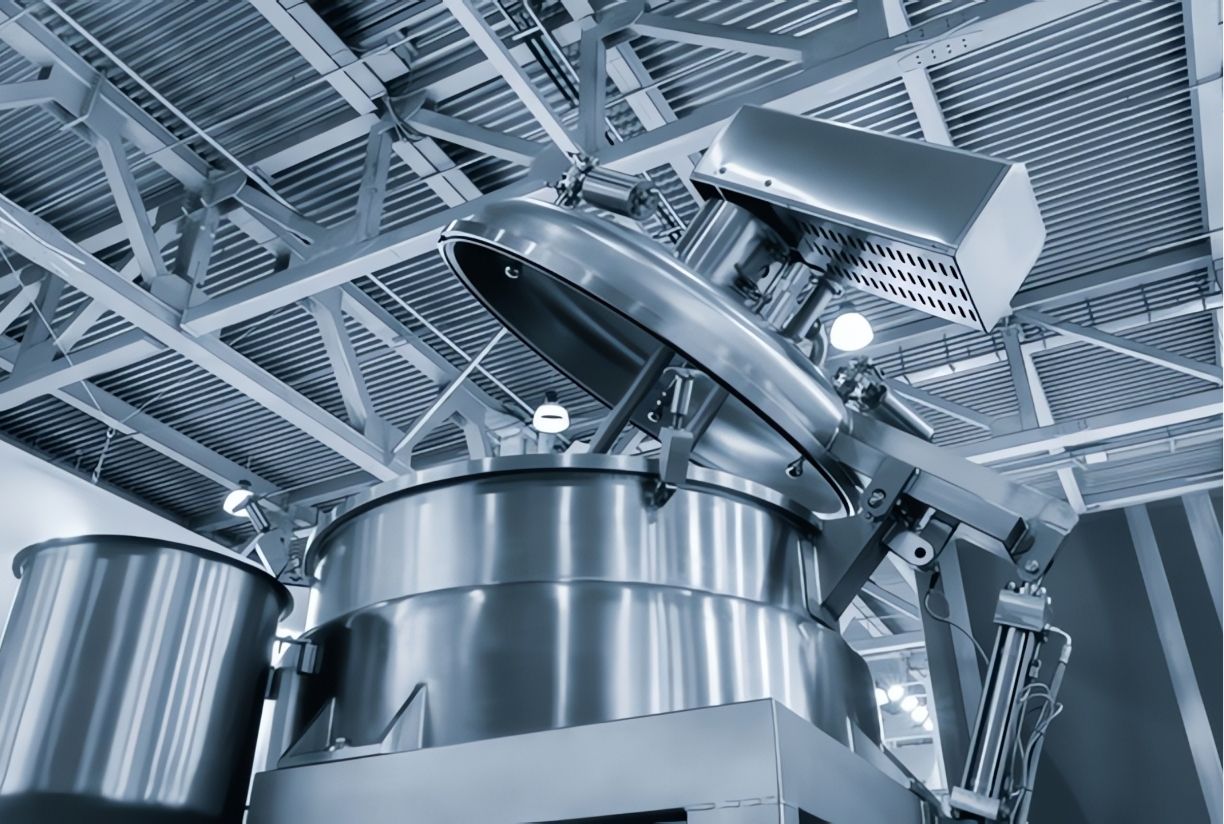
Table of Contents How To Choose The Right Industrial Mixer For Your Process What Are The Key Factors In Selecting A Process Mixer How To Match Mixer Type To Your Specific Application What Is The Best Mixer For High-Viscosity Materials How To Determine The Correct Mixer Size And Power What Are The Different Industrial Mixer Types And Uses How To Select A Mixer For Slurry Or Suspension Applications What To Consider When Choosing A Sanitary Mixer Design How Does Mixer Selection Impact Process Efficiency What Are The Cost Factors In Choosing An Industrial Mixer How To Choose The Right Industrial Mixer For Your Process Selecting the right industrial mixer is a critical process optimization decision that directly impacts production output, product quality, and operational costs. An improperly specified mixer can lead to inconsistent batches, excessive energy consumption, and premature equipment failure, undermining facility efficiency and profitability. SS Proje approaches this challenge through a comprehensive engineering lens, ensuring that mixer selection is an integral part of a facility's end-to-end technical solutions strategy, aligning equipment performance with long-term production goals. The core of the selection process involves a detailed analysis of the application's specific requirements. Key factors include the viscosity of the materials, shear sensitivity, required mixing time, and the need for heating or cooling. For high-viscosity products, a high-shear tank manufacturing design with specialized impellers is essential, whereas gentle tumble mixing suits fragile components. SS Proje's project consultancy expertise ensures that every variable is evaluated, from the chemical compatibility of materials to the integration of heat exchangers for precise temperature control, guaranteeing the mixer is perfectly matched to the process. Beyond initial selection, the durability and compliance of the equipment are paramount for sustained operational reliability. SS Proje manufactures mixers to the highest international quality standards, utilizing advanced passivation techniques on all wetted surfaces to maximize corrosion resistance and product purity, which is critical in pharmaceutical and food-grade applications. This focus on robust industrial equipment construction, combined with precise field installation by certified technicians, minimizes downtime and extends the asset's service life, delivering a superior return on investment. Ultimately, a strategic partnership with SS Proje transforms mixer selection from a simple procurement task into a cornerstone of your facility's performance. By integrating the right mixer into a holistic system that may include custom filter housing units and storage vessels, you achieve a seamless, efficient production line. This engineered approach ensures not only immediate gains in productivity but also long-term sustainable facility solutions, reducing energy consumption, maintenance costs, and environmental impact while ensuring unwavering compliance. What Are The Key Factors In Selecting A Process Mixer Identifying the key factors for selecting a process mixer is fundamental to achieving superior facility efficiency and product consistency. An incorrect choice risks batch failures, excessive wear, and energy waste, directly impacting the bottom line. SS Proje leverages its deep project consultancy expertise to systematically evaluate these critical parameters, ensuring the selected industrial equipment aligns perfectly with your specific production goals and operational constraints for maximum return on investment. The primary technical factors begin with a thorough analysis of the process fluid's properties, including viscosity, density, and shear sensitivity. This determines the impeller type, motor power, and rotational speed required for homogeneous mixing. For processes involving heat transfer, the integration of heat exchangers must be considered within the tank manufacturing design to maintain precise temperature control. SS Proje's engineering approach ensures that these elements are not considered in isolation but as part of a cohesive end-to-end technical solutions package. Material compatibility and construction quality are equally critical for operational reliability and compliance. Selecting alloys resistant to corrosion and implementing advanced passivation processes are non-negotiable for meeting international quality standards, especially in sanitary applications. SS Proje's meticulous field installation further guarantees that the mixer operates at peak performance from day one, minimizing initial setup issues and future process optimization challenges. By partnering with SS Proje, you transform mixer selection from a procurement task into a strategic investment in sustainable facility solutions. A correctly specified mixer, integrated with complementary systems like custom filter housing units, delivers long-term benefits including reduced energy consumption, lower maintenance costs, and extended equipment life. This engineered focus on optimal performance ensures your facility achieves not only immediate productivity gains but also enduring operational excellence and compliance. How To Match Mixer Type To Your Specific Application Matching a mixer type to a specific application is a fundamental engineering decision that dictates facility efficiency, product quality, and operational costs. A mismatch can lead to inadequate blending, product degradation, and accelerated equipment wear. SS Proje addresses this challenge through a rigorous analytical approach, ensuring that the selected mixer is not just a standalone component but a fully integrated part of your end-to-end technical solutions, designed to meet precise production parameters. The application itself dictates the technical specifications. High-viscosity fluids, such as pastes or polymers, require high-torque agitators like helical ribbon mixers, while low-viscosity, turbulent blending is best handled by turbine or propeller designs. For sensitive biological or pharmaceutical slurries, gentle top-entering mixers with specialized impellers are essential to preserve integrity. SS Proje's project consultancy meticulously evaluates these fluid dynamics to recommend the optimal industrial equipment, often integrating jacketed tank manufacturing with heat exchangers for precise thermal control. Beyond functional matching, material compatibility and construction quality are paramount for operational reliability and compliance. SS Proje constructs all equipment using alloys selected for corrosion resistance and subjects them to advanced passivation to meet stringent international quality standards. This ensures the mixer withstands aggressive chemicals and rigorous cleaning cycles, minimizing downtime. Our comprehensive field installation and commissioning services guarantee that the system performs as engineered from the outset. Partnering with SS Proje for application-specific mixer selection is an investment in long-term performance. This strategic approach, which can include integration with downstream filter housing systems, delivers significant process optimization and forms the core of sustainable facility solutions. The result is a robust production line characterized by energy savings, reduced maintenance, extended equipment life, and unwavering regulatory compliance, securing a strong return on investment. What Is The Best Mixer For High-Viscosity Materials Effectively processing high-viscosity materials presents a significant engineering challenge, where standard mixers often fail to provide the necessary torque and flow patterns, leading to poor homogeneity and excessive energy consumption. Selecting the optimal mixer is crucial for achieving true facility efficiency and product consistency in applications involving adhesives, polymers, and heavy pastes. SS Proje specializes in applying advanced process optimization principles to specify mixing systems that deliver powerful, reliable performance under demanding conditions. The best mixers for high-viscosity applications are designed with high-torque, low-speed capabilities to overcome fluid resistance without cavitation. Helical ribbon agitators and double planetary mixers are often the ideal choices, as their close-clearance designs scrape the vessel walls and ensure full-volume turnover. SS Proje's engineering team integrates these specialized industrial equipment solutions within custom tank manufacturing designs, often incorporating jacketed walls connected to heat exchangers for precise temperature control during the mixing cycle, which is essential for managing viscosity. Durability and material compatibility are non-negotiable for maintaining operational reliability when handling abrasive or corrosive high-viscosity substances. SS Proje constructs these robust mixers from high-grade alloys and applies stringent passivation treatments to meet international quality standards, significantly extending equipment life and reducing maintenance frequency. Our comprehensive field installation and commissioning services ensure that these powerful systems are perfectly aligned and integrated into your production line as part of our end-to-end technical solutions. Choosing SS Proje for your high-viscosity mixing needs translates into a strategic investment in sustainable facility solutions. The correct mixer, expertly selected and integrated, minimizes energy waste, prevents costly downtime from equipment failure, and ensures batch-to-batch consistency. This approach, supported by our project consultancy, guarantees that your facility achieves not only immediate production goals but also long-term gains in efficiency, reliability, and compliance, securing a superior return on investment. How To Determine The Correct Mixer Size And Power Accurately determining mixer size and power is a critical engineering calculation that directly impacts energy consumption, mixing efficacy, and the structural integrity of the entire system. An undersized unit will struggle to achieve homogeneity, while an oversized one wastes energy and can cause product degradation. SS Proje addresses this precision challenge through rigorous process optimization and project consultancy, ensuring that every specification aligns with your batch volume and fluid dynamics for optimal facility efficiency. The determination process begins with a detailed analysis of the application's specific parameters: batch volume, fluid viscosity, desired mixing time, and impeller type. Power requirements are calculated based on the power number specific to the impeller geometry and the fluid's Reynolds number. SS Proje integrates these calculations with the design of the tank manufacturing to ensure proper impeller-to-tank diameter ratios and baffling, which are essential for effective flow patterns. This holistic approach is a hallmark of our end-to-end technical solutions, preventing common pitfalls like dead zones or vortexing. Beyond initial sizing, the motor and gearbox selection must account for start-up torque and potential process upsets to guarantee operational reliability. SS Proje specifies industrial-grade components built to the highest international quality standards, with all wetted surfaces undergoing advanced passivation for corrosion resistance. Our precise field installation ensures perfect alignment and integration, which is critical for the longevity of this high-torque industrial equipment and for minimizing vibrational stress. Partnering with SS Proje for mixer sizing and power specification is an investment in long-term performance and sustainable facility solutions. A correctly sized mixer operates at peak efficiency, drastically reducing energy costs and mechanical wear. This engineering precision, which often extends to integrated systems like heat exchangers and filter housing units, ensures your facility achieves not only immediate production targets but also enduring operational excellence, regulatory compliance, and a superior return on investment. What Are The Different Industrial Mixer Types And Uses Understanding the spectrum of industrial mixer types and their specific uses is fundamental to optimizing any production process, as the wrong selection directly compromises product quality and facility efficiency. From high-shear homogenization to gentle blending, each mixer design serves a distinct purpose. SS Proje leverages its deep project consultancy expertise to guide this critical selection, ensuring the chosen industrial equipment aligns perfectly with your operational goals as part of a comprehensive end-to-end technical solutions strategy. Top-entering agitators with turbine or propeller impellers are the workhorses for low to medium viscosity fluids in large-scale tank manufacturing applications, providing efficient circulation. For high-viscosity materials like pastes and polymers, close-clearance mixers such as helical ribbons or double planetary designs are essential to achieve uniform consistency. High-shear rotor-stator mixers are specialized for rapid particle size reduction and emulsification, while static mixers offer continuous, inline blending with minimal energy input. SS Proje's engineering analysis determines the optimal type based on viscosity, shear sensitivity, and batch cycle requirements. The construction and integration of these mixers are critical for achieving operational reliability and compliance. SS Proje manufactures all equipment to rigorous international quality standards, utilizing corrosion-resistant alloys and advanced passivation processes to ensure longevity and product purity. Our precise field installation services guarantee that the mixer is perfectly integrated with ancillary systems like heat exchangers and filter housing units, forming a cohesive and reliable production line. Selecting the correct mixer type with SS Proje is a strategic decision that delivers tangible process optimization and forms the foundation of sustainable facility solutions. The right match ensures efficient energy use, minimizes mechanical stress for extended equipment life, and guarantees consistent output. This engineered approach, focused on long-term performance, translates into reduced operational costs, enhanced productivity, and unwavering compliance, securing a superior return on investment for your facility. How To Select A Mixer For Slurry Or Suspension Applications Selecting a mixer for slurry or suspension applications presents a unique engineering challenge, as the primary goal is to prevent particle settling while avoiding excessive shear that could degrade the product. An improperly specified mixer leads to inconsistent batches, clogging, and accelerated equipment abrasion. SS Proje applies advanced process optimization principles to this selection, ensuring the chosen industrial equipment delivers reliable suspension stability and maximizes facility efficiency. The key to successful slurry mixing lies in generating sufficient flow velocity to keep solids in motion without creating vortexes that draw in air. Axial flow impellers, such as pitched-blade turbines, are often ideal for maintaining uniform suspension in standard applications. For highly abrasive slurries, robust designs with hardened surfaces and optimized clearances are critical. SS Proje's project consultancy meticulously evaluates particle size, solids concentration, and liquid phase viscosity to specify the correct mixer, often integrating it within custom tank manufacturing that includes baffles for optimal flow dynamics as part of our end-to-end technical solutions. Durability and material compatibility are paramount for operational reliability in these abrasive environments. SS Proje constructs slurry mixers from wear-resistant alloys and applies specialized passivation treatments to meet stringent international quality standards, significantly extending service life. Our comprehensive field installation ensures perfect alignment and integration with downstream filter housing or heat exchangers, preventing issues that could lead to unplanned downtime. Choosing SS Proje for your slurry mixing application is an investment in long-term sustainable facility solutions. The correctly selected and engineered mixer prevents sedimentation, reduces power consumption, and minimizes wear-related maintenance. This strategic approach ensures your facility achieves consistent product quality, enhanced process reliability, and compliance with environmental and safety regulations, delivering a superior return on investment through optimized performance and extended asset life. What To Consider When Choosing A Sanitary Mixer Design Selecting a sanitary mixer design requires a meticulous focus on hygiene, cleanability, and material integrity to prevent contamination and ensure product safety in industries like pharmaceuticals and food production. The wrong design can harbor bacteria, compromise batches, and lead to costly regulatory non-compliance. SS Proje specializes in applying stringent international quality standards to the specification of this critical industrial equipment, ensuring it enhances both facility efficiency and product purity. Primary considerations include the use of polished surfaces, crevice-free joints, and electropolished finishes that meet specific Ra (roughness average) values. All internal welds must be continuous and smooth to prevent microbial entrapment. SS Proje's engineering team prioritizes these features in its tank manufacturing and mixer design, ensuring seamless integration and easy access for cleaning. Advanced passivation is a non-negotiable step in our process, creating a protective oxide layer that maximizes corrosion resistance and is fundamental to our end-to-end technical solutions for hygienic applications. Beyond surface finish, the mechanical design must support operational reliability and easy maintenance. Seal selection is critical, with options like double mechanical seals with clean-in-place (CIP) interfaces being standard for preventing product contact with lubricants. SS Proje's project consultancy ensures that every component, from the agitator to integrated heat exchangers, is designed for rapid disassembly and validation. Our precise field installation guarantees that the system is installed to maintain its sanitary integrity from commissioning onward. Choosing SS Proje for your sanitary mixer is a strategic investment in sustainable facility solutions and uncompromising quality. A correctly specified sanitary design, integral to a broader process optimization strategy, minimizes downtime for cleaning, reduces the risk of batch rejection, and ensures compliance with global safety standards. This results in long-term gains in productivity, brand protection, and operational excellence, delivering a superior return on investment through reliable, compliant performance. How Does Mixer Selection Impact Process Efficiency The selection of an industrial mixer is a pivotal engineering decision with a direct and measurable impact on overall process efficiency. An optimally chosen mixer achieves homogeneous blending in the shortest possible cycle time, minimizing energy consumption and maximizing throughput. Conversely, a mismatch leads to extended mixing times, inconsistent product quality, and increased operational costs. SS Proje treats mixer selection as a core component of its end-to-end technical solutions, ensuring that this critical piece of industrial equipment drives facility efficiency rather than hindering it. Efficiency gains are realized through precise engineering alignment between the mixer's capabilities and the process requirements. For instance, a high-shear mixer can drastically reduce emulsification time compared to a standard agitator, while a correctly sized motor prevents energy waste. SS Proje's project consultancy focuses on this alignment, integrating the mixer with complementary systems like heat exchangers for thermal control and custom tank manufacturing for optimal flow patterns. This holistic process optimization approach ensures that every element works in concert to shorten batch cycles and reduce utility consumption. The impact on operational reliability is equally significant. A mixer that is correctly specified for its duty experiences less mechanical stress, leading to extended bearing and seal life. SS Proje enhances this reliability by manufacturing equipment to the highest international quality standards and applying advanced passivation to all wetted surfaces, which reduces corrosion and maintenance frequency. Our meticulous field installation further guarantees that the system operates as intended from day one, avoiding the inefficiencies of misalignment or improper setup. Ultimately, partnering with SS Proje for mixer selection is an investment in sustainable facility solutions that yield long-term financial and operational benefits. The right mixer not only improves immediate production metrics but also contributes to a lower total cost of ownership through energy savings, reduced downtime, and extended equipment lifespan. This strategic focus on engineered performance ensures your facility achieves superior productivity, unwavering compliance, and a stronger competitive position in the market. What Are The Cost Factors In Choosing An Industrial Mixer Understanding the cost factors in selecting an industrial mixer requires a shift from a simple purchase price perspective to a comprehensive analysis of the Total Cost of Ownership (TCO). The initial capital expenditure is just one component; operational energy consumption, maintenance frequency, and potential production losses from downtime often represent the most significant financial impacts. SS Proje's project consultancy focuses on optimizing this TCO by aligning mixer specifications with long-term facility efficiency goals. The primary cost drivers include the mixer's power rating and motor efficiency, which directly influence energy bills over the equipment's lifespan. The construction materials, such as the grade of stainless steel and the complexity of the impeller design, affect both the initial cost and the longevity. For specialized applications requiring integration with heat exchangers or custom tank manufacturing, the engineering and field installation costs are also critical factors. SS Proje addresses these through its end-to-end technical solutions, ensuring that the design minimizes lifetime energy and maintenance expenses. Investing in quality upfront through advanced passivation and adherence to international quality standards significantly reduces long-term costs. A mixer built with superior corrosion resistance and robust components delivers greater operational reliability, drastically cutting unscheduled downtime and replacement part costs. This approach to process optimization ensures that the industrial equipment contributes to a lower TCO rather than becoming a recurring expense. Choosing SS Proje for your mixer procurement is a strategic decision that prioritizes sustainable facility solutions and long-term financial performance. By focusing on the true cost factors beyond the initial price tag, you achieve substantial savings through reduced energy consumption, minimal maintenance, and extended asset life. This engineered approach guarantees not only immediate operational gains but also a superior return on investment, positioning your facility for sustained profitability and compliance.
See More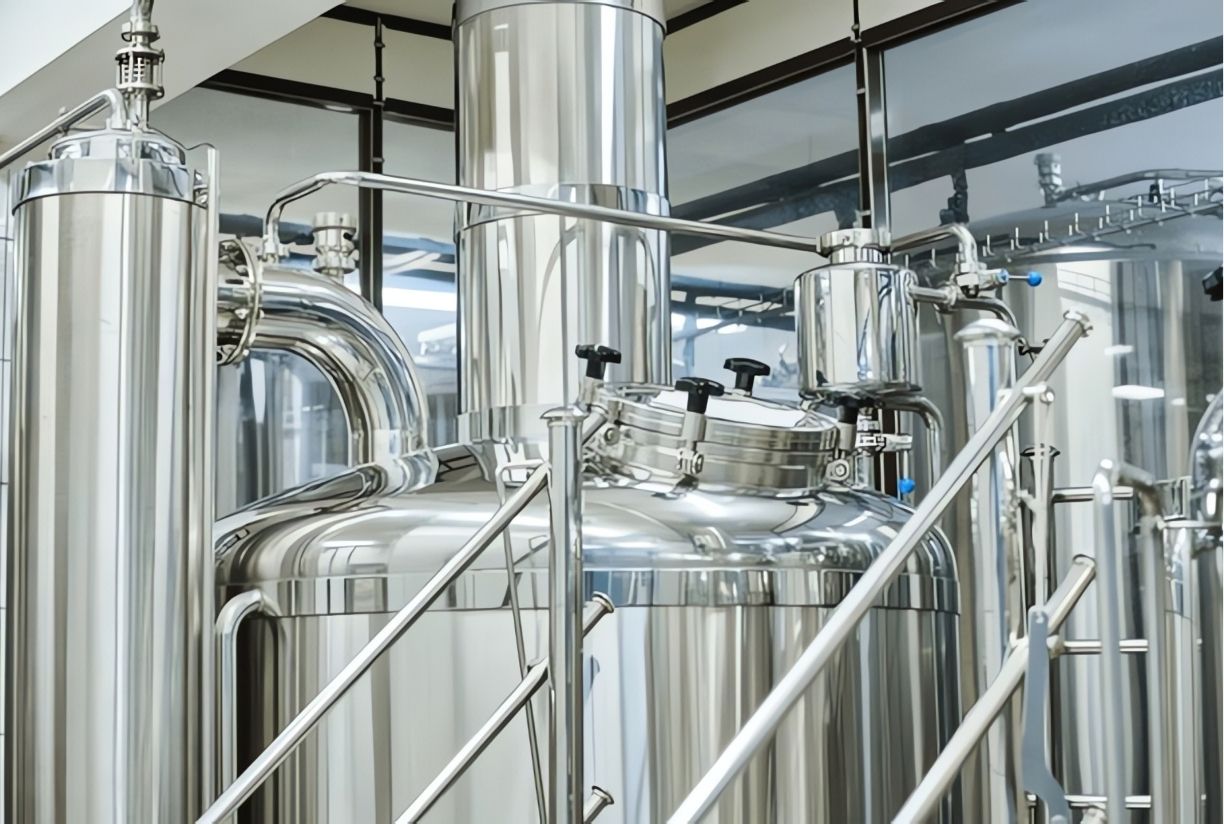
Table of Contents How Can Advanced Tank Design Reduce Manufacturing Costs What Are the Best Ways to Optimize Tank Manufacturing Processes How Does Material Selection Impact Tank Production Expenses How to Lower Operational Costs in Tank Manufacturing Facilities What Are Key Strategies for Efficient Tank Fabrication How to Minimize Waste and Cost in Tank Production Can Process Optimization Cut Your Tank Manufacturing Budget What Are Cost-Effective Methods for Tank Quality Control How to Achieve Long-Term Savings in Tank Manufacturing What Role Does Equipment Design Play in Tank Cost Reduction How Can Advanced Tank Design Reduce Manufacturing Costs For production managers, the escalating costs associated with tank manufacturing present a significant challenge to maintaining facility profitability. However, advanced engineering design offers a direct pathway to substantial cost reduction by fundamentally rethinking material selection, structural integrity, and process integration. By leveraging sophisticated project design principles, facilities can achieve not only lower initial capital expenditure but also long-term savings through enhanced operational reliability and reduced lifecycle expenses. This strategic approach transforms the tank from a simple vessel into a core component of an optimized production system. Advanced design directly targets key cost drivers through optimized material usage and enhanced durability. SS Proje engineers utilize computational modeling to create vessels with precisely calculated wall thicknesses and support structures, eliminating unnecessary material without compromising strength. Incorporating features like superior internal baffling and optimized mixing nozzle placement during the manufacturing phase minimizes energy consumption and improves process efficiency. Furthermore, applying a rigorous passivation process ensures maximum corrosion resistance, dramatically extending equipment life and reducing the frequency and cost of maintenance interventions. This focus on durability is a cornerstone of sustainable facility solutions. The integration of custom-designed tanks within a broader process optimization strategy unlocks further efficiencies. SS Proje specializes in end-to-end technical solutions, where tanks are engineered to work seamlessly with other industrial equipment such as heat exchangers and mixers. This holistic approach eliminates bottlenecks, reduces thermal energy loss, and ensures consistent product quality, all of which contribute to a lower cost per unit. The result is a significant increase in overall facility efficiency and a stronger return on investment. Ultimately, investing in advanced tank design with SS Proje is an investment in long-term operational stability and cost control. The combination of expert project consultancy, precision field installation, and equipment built to international quality standards delivers a robust asset designed for minimal downtime and maximum productivity. This engineering-led methodology ensures that every aspect of the tank's lifecycle, from fabrication to decommissioning, is optimized for financial and sustainable facility solutions, providing production managers with a definitive competitive advantage. What Are the Best Ways to Optimize Tank Manufacturing Processes Optimizing tank manufacturing processes is a critical lever for industrial facilities aiming to enhance facility efficiency and reduce operational expenditures. The most effective strategies extend beyond simple fabrication speed, focusing instead on a holistic approach that integrates advanced project design, precision engineering, and seamless integration into existing production lines. This methodology, championed by SS Proje, ensures that every stage—from material sourcing to final field installation—is engineered for maximum output, minimal waste, and superior operational reliability. A primary method for optimization involves the adoption of lean manufacturing principles and automated welding technologies. SS Proje utilizes state-of-the-art equipment to achieve consistent, high-quality welds with minimal material usage and reduced labor time. This precision is complemented by a rigorous passivation process that enhances corrosion resistance, directly contributing to extended equipment life and lower long-term maintenance costs. By treating tank manufacturing as an integral part of process optimization, facilities can achieve significant gains in throughput and product consistency. True optimization is realized when the tank is designed as a synergistic component within a larger system. SS Proje’s expertise in end-to-end technical solutions ensures that custom tanks are engineered to interface perfectly with other critical industrial equipment, such as mixers and heat exchangers. This integrated approach eliminates process bottlenecks, optimizes energy transfer, and ensures that the entire production line operates at peak facility efficiency. Such strategic integration is a core element of developing robust sustainable facility solutions. Ultimately, partnering with SS Proje for project consultancy and implementation transforms tank fabrication from a capital expense into a strategic investment. The focus on international quality standards guarantees that every vessel delivers long-term performance, reducing the total cost of ownership through unparalleled durability and minimal unplanned downtime. This commitment to excellence in tank manufacturing and process optimization provides a clear pathway to enhanced profitability and operational resilience for forward-thinking industrial facilities. How Does Material Selection Impact Tank Production Expenses Material selection is a foundational decision in tank manufacturing that profoundly influences both initial capital outlay and the total lifecycle cost of industrial assets. An optimal choice balances upfront material expense against long-term factors like corrosion resistance, maintenance frequency, and operational lifespan, directly impacting overall facility efficiency. SS Proje approaches this critical phase through expert project consultancy, ensuring that the selected materials are perfectly matched to the chemical, thermal, and mechanical demands of the application, thereby avoiding costly over-engineering or premature failure. The direct impact on production expenses begins with fabrication. Higher-grade alloys, while sometimes carrying a higher initial cost, often result in lower tank manufacturing expenses through improved weldability and reduced need for secondary operations. SS Proje’s engineering team leverages advanced project design to specify materials that optimize structural integrity while minimizing waste, a key principle of sustainable facility solutions. Furthermore, applying a specialized passivation process enhances the innate corrosion resistance of stainless steels, creating a durable barrier that protects the investment and ensures long-term operational reliability. Beyond fabrication, material selection dictates performance when integrated with other industrial equipment. The thermal conductivity of the material affects the energy efficiency of associated heat exchangers, while its compatibility with process fluids prevents contamination and ensures product purity. SS Proje’s holistic approach to end-to-end technical solutions means that material specifications are coordinated across the entire system, from filter housing to piping, to achieve seamless process optimization and avoid costly operational inefficiencies. Ultimately, strategic material selection guided by SS Proje’s expertise is an investment that pays dividends throughout the asset's life. By adhering to international quality standards and focusing on long-term performance, facilities achieve significant reductions in maintenance, energy, and downtime costs. This engineering-first approach to tank manufacturing transforms a simple procurement decision into a powerful driver of facility efficiency and operational excellence, securing a rapid return on investment and enhanced competitive advantage. How to Lower Operational Costs in Tank Manufacturing Facilities Lowering operational costs in tank manufacturing facilities requires a strategic shift from reactive maintenance to proactive, engineered solutions that enhance facility efficiency at a systemic level. The most significant savings are realized by addressing the root causes of waste, energy overconsumption, and unplanned downtime through superior project design and integration. SS Proje specializes in end-to-end technical solutions that target these cost centers, transforming manufacturing operations into models of lean, reliable production. A primary lever for cost reduction is optimizing the manufacturing process itself. SS Proje implements advanced automation and precision welding techniques to minimize material waste and labor hours during fabrication. This is complemented by a rigorous passivation process that drastically improves corrosion resistance, directly reducing the frequency and expense of maintenance cycles and extending the service life of the asset. This focus on durability is a cornerstone of creating sustainable facility solutions that deliver lower total cost of ownership. Operational costs are further driven down by ensuring seamless integration with the broader production environment. SS Proje engineers tanks to work in perfect synergy with other critical industrial equipment, such as high-efficiency mixers and heat exchangers. This holistic approach, a key aspect of process optimization, eliminates energy losses, reduces thermal cycling, and ensures consistent product quality, which collectively lower the cost per unit produced. Expert field installation guarantees that this integrated performance is achieved from commissioning onward. Ultimately, achieving lasting cost reduction demands a partnership focused on long-term operational reliability. SS Proje’s commitment to international quality standards across all phases—from project consultancy to fabrication and installation—ensures that every tank is a robust, high-performance asset designed for minimal downtime. This engineering-led methodology delivers sustained facility efficiency, providing production managers with a definitive competitive advantage through lower operational expenditures and enhanced profitability. What Are Key Strategies for Efficient Tank Fabrication Efficient tank fabrication is not merely about speed but about a systematic approach that maximizes resource utilization, quality, and long-term performance. The key strategies involve integrating advanced project design with lean manufacturing principles to eliminate waste and optimize workflow. SS Proje’s methodology focuses on an end-to-end technical solutions framework, ensuring that efficiency is engineered into the process from initial material selection through to final field installation, directly enhancing facility efficiency. A foundational strategy is the adoption of precision engineering and automated fabrication technologies. SS Proje utilizes computer-aided design and robotic welding systems to achieve consistent, high-integrity joints with minimal material overuse and reduced manual labor. This precision is critical for ensuring structural integrity and is complemented by a comprehensive passivation process that provides a superior corrosion-resistant finish, significantly extending equipment life and reducing lifecycle maintenance costs. This approach is central to delivering sustainable facility solutions. Strategic integration is another crucial element for efficient fabrication. Tanks must be designed as synergistic components within a larger system. SS Proje’s expertise ensures that fabricated vessels interface seamlessly with other industrial equipment, such as mixers and heat exchangers, to facilitate overall process optimization. This holistic view prevents bottlenecks, optimizes energy usage, and ensures that the entire production line operates at peak operational reliability, which is a direct outcome of effective project consultancy. Ultimately, the most effective strategy is a partnership with an engineering firm committed to international quality standards. SS Proje’s focus on precision fabrication and durable finishes like passivation ensures that every tank is a high-value asset designed for minimal downtime and maximum productivity. This commitment to excellence in tank fabrication and system integration provides industrial facilities with a clear pathway to lower operational costs, enhanced sustainability, and a stronger competitive position. How to Minimize Waste and Cost in Tank Production Minimizing waste and cost in tank production is a critical objective for industrial facilities seeking to improve facility efficiency and sustainability. This goal is achieved not by cutting corners but by implementing precision engineering and lean manufacturing principles throughout the entire project lifecycle. SS Proje addresses this challenge through a holistic approach that integrates advanced project design with optimized fabrication techniques, targeting both material and operational waste streams to deliver significant cost savings and enhanced operational reliability. The most direct method for waste reduction lies in the project design phase, where computational modeling allows for the optimization of material usage. SS Proje engineers utilize finite element analysis to design tanks with precisely calculated wall thicknesses and support structures, eliminating excess weight without compromising integrity. This precision continues into fabrication with automated cutting and welding systems that maximize material yield. Furthermore, applying a high-performance passivation treatment minimizes waste associated with corrosion damage and frequent repainting, extending the asset's service life and reducing long-term disposal costs. This methodology is fundamental to sustainable facility solutions. Cost minimization is further achieved through strategic process optimization that integrates the tank into the broader production system. SS Proje’s end-to-end technical solutions ensure that tanks are engineered to work synergistically with other industrial equipment, such as heat exchangers and mixers, to eliminate energy inefficiencies and process bottlenecks. This integrated approach, guided by expert project consultancy, ensures that the entire operation runs leaner, consuming fewer resources and reducing the overall cost per unit produced. Ultimately, partnering with SS Proje transforms waste and cost minimization from a goal into a measurable outcome. By adhering to international quality standards and focusing on durable construction techniques like passivation, facilities gain an asset built for longevity and minimal maintenance. This engineering-focused approach to tank production ensures that investments yield maximum facility efficiency, lower total cost of ownership, and a stronger commitment to sustainable industrial practices. Can Process Optimization Cut Your Tank Manufacturing Budget Strategic process optimization is not merely an operational upgrade but a powerful financial tool that can significantly reduce your tank manufacturing budget. By systematically analyzing and refining every stage of production, from material flow to final assembly, facilities can achieve substantial cost savings while simultaneously boosting facility efficiency. SS Proje specializes in end-to-end technical solutions that identify and eliminate inefficiencies, transforming the manufacturing process into a lean, cost-effective operation. The budget-cutting power of optimization is first realized in material and labor efficiency. SS Proje’s engineering team employs advanced project design to streamline workflows, reducing material handling times and minimizing scrap rates through precision cutting and automated welding. This approach directly lowers direct labor costs and material waste. Furthermore, integrating a robust passivation process into the production line enhances the durability of the final product, which drastically reduces future maintenance budgets and extends the equipment's operational life, a key component of sustainable facility solutions. Optimization extends beyond the shop floor to the integration of the tank within the larger production system. SS Proje ensures that the manufactured vessel is perfectly compatible with other industrial equipment, such as mixers and heat exchangers. This seamless integration, a result of expert project consultancy, prevents energy losses and process bottlenecks, leading to lower operational energy costs and higher throughput. The result is a significant improvement in overall operational reliability and a reduced cost per unit. In conclusion, the answer is unequivocally yes: process optimization is a definitive strategy for cutting your tank manufacturing budget. By partnering with SS Proje, facilities benefit from a methodology rooted in international quality standards that targets both immediate production costs and long-term operational expenses. This commitment to engineered efficiency delivers a lower total cost of ownership, enhanced facility efficiency, and a stronger return on investment for forward-thinking industrial operators. What Are Cost-Effective Methods for Tank Quality Control Implementing cost-effective quality control in tank manufacturing is essential for preventing expensive rework, ensuring operational reliability, and protecting your facility's budget. The most efficient methods focus on proactive verification integrated directly into the manufacturing workflow rather than costly post-production inspections. SS Proje’s approach to end-to-end technical solutions embeds quality assurance at every stage, from initial project design to final field installation, ensuring defects are caught early when they are least expensive to correct. A primary cost-effective method is the use of non-destructive testing (NDT) technologies like automated ultrasonic testing during welding. This allows SS Proje to verify weld integrity in real-time without damaging the product, significantly reducing the risk of future leaks or structural failures. This proactive verification is complemented by a rigorous passivation process, which is itself a form of quality control that ensures maximum corrosion resistance and contributes directly to extended equipment life. This integrated quality strategy is a cornerstone of sustainable facility solutions that minimize lifecycle costs. Quality control extends to ensuring perfect compatibility with other system components. SS Proje’s project consultancy includes dimensional and functional checks to guarantee that each tank interfaces flawlessly with associated industrial equipment, such as mixers and heat exchangers. This prevents costly field modifications and operational bottlenecks, facilitating seamless process optimization and enhancing overall facility efficiency. This holistic view ensures quality is measured by the tank's performance within the entire production system. Ultimately, the most cost-effective quality control is a partnership built on international quality standards. SS Proje’s commitment to precision manufacturing and durable finishes like passivation ensures that every tank delivers long-term, reliable service. This engineering-led focus on quality transforms the control process from an expense into an investment, yielding substantial returns through reduced downtime, lower maintenance costs, and enhanced operational performance for years to come. How to Achieve Long-Term Savings in Tank Manufacturing Achieving long-term savings in tank manufacturing requires a strategic shift from focusing solely on initial capital expenditure to optimizing the total cost of ownership over the asset's entire lifecycle. True savings are realized through engineering decisions that enhance durability, minimize operational disruptions, and maximize facility efficiency. SS Proje’s methodology, grounded in end-to-end technical solutions, ensures that every aspect of design, fabrication, and integration contributes to sustained financial performance and operational reliability. The foundation of long-term savings is built during the project design phase, where material selection and structural engineering dictate future performance. SS Proje specifies high-grade alloys and employs advanced computational modeling to create tanks with optimal strength-to-weight ratios, reducing material stress and fatigue over time. The application of a comprehensive passivation process is critical, as it creates a passive oxide layer that resists corrosion, dramatically reducing maintenance frequency and costs while extending the equipment's serviceable life. This proactive approach is essential for delivering sustainable facility solutions. Long-term savings are further amplified by ensuring the tank functions as an integrated component within the production system. SS Proje’s expertise in process optimization means that tanks are engineered for seamless compatibility with other industrial equipment, such as heat exchangers and mixers. This eliminates energy inefficiencies, reduces thermal losses, and prevents process bottlenecks that lead to wasted resources. Expert field installation by SS Proje technicians guarantees that this integrated performance is realized from day one, avoiding costly operational delays. Ultimately, achieving genuine long-term savings is a direct result of partnering with an engineering firm committed to international quality standards. SS Proje’s focus on durable construction, corrosion-resistant finishes like passivation, and systemic process optimization ensures that your investment yields continuous returns through minimal downtime and reduced operational expenditures. This engineering-first approach to tank manufacturing transforms a capital purchase into a strategic asset that drives facility efficiency and profitability for decades. What Role Does Equipment Design Play in Tank Cost Reduction Equipment design is the single most influential factor in achieving substantial cost reduction in tank manufacturing, as it dictates material usage, fabrication efficiency, and long-term operational performance. A strategically engineered design optimizes every aspect of the asset's lifecycle, from initial capital investment to decades of service. SS Proje’s expertise in advanced project design ensures that tanks are not merely fabricated but are intelligently engineered to maximize facility efficiency and minimize total cost of ownership. The role of design in cost reduction is first evident in material optimization. SS Proje utilizes computational fluid dynamics and finite element analysis to create vessels with precisely calculated structural requirements, eliminating unnecessary material and weight without compromising integrity. This lean approach reduces raw material costs and simplifies the manufacturing process. Furthermore, integrating design features that facilitate a more effective passivation process ensures superior corrosion protection, which is fundamental to extending service life and reducing maintenance frequency. This focus on durability is a key pillar of sustainable facility solutions. Beyond the tank itself, intelligent equipment design ensures seamless integration with the broader plant infrastructure. SS Proje’s end-to-end technical solutions involve designing tanks with optimized connection points and internal configurations that enhance interaction with other industrial equipment, such as heat exchangers and mixers. This holistic approach, a result of expert project consultancy, prevents energy losses and process inefficiencies, leading to significant operational cost savings and enhanced operational reliability. In conclusion, the role of equipment design is paramount, acting as the blueprint for lifelong cost efficiency. By partnering with SS Proje, facilities benefit from designs that adhere to international quality standards and incorporate durable features like advanced passivation. This engineering-led methodology ensures that the tank becomes a high-performance asset that drives down costs through superior facility efficiency, reduced downtime, and an extended operational lifespan, delivering a superior return on investment.
See More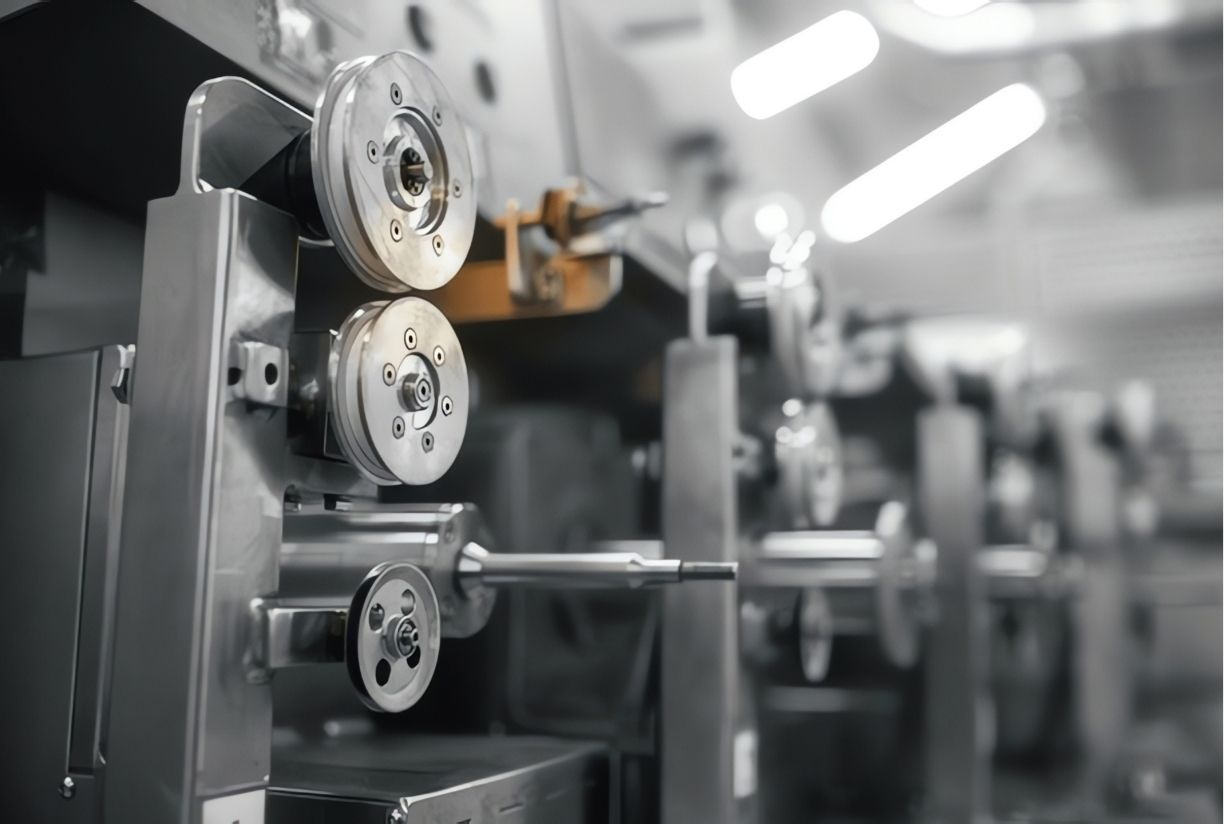
Table of Contents How Can Passivation Extend Stainless Steel Equipment Life What Is the Best Way to Prevent Stainless Steel Corrosion How Does Proper Cleaning Improve Stainless Steel Longevity What Are the Key Steps for Stainless Steel Equipment Maintenance How to Select Materials for Durable Stainless Steel Tanks Can Process Optimization Reduce Stainless Steel Wear What Design Features Maximize Stainless Steel Equipment Lifespan How to Avoid Common Mistakes in Stainless Steel Fabrication Does Surface Finish Impact Stainless Steel Equipment Durability How to Implement a Predictive Maintenance Plan for Stainless Steel How Can Passivation Extend Stainless Steel Equipment Life In demanding industrial environments, stainless steel equipment is the backbone of production, yet its longevity is constantly threatened by corrosion, contamination, and material fatigue. For production managers focused on facility efficiency, the passivation process represents a critical, non-negotiable step in extending equipment lifespan and safeguarding operational integrity. This chemical treatment enhances the steel's innate protective oxide layer, fundamentally increasing its resistance to corrosive agents encountered during process optimization. The core benefit of expert passivation lies in creating a passive surface that drastically reduces the risk of pitting and crevice corrosion. This directly translates to reduced maintenance frequency, lower lifecycle costs, and minimized unplanned downtime. SS Proje implements this procedure as part of a comprehensive end-to-end technical solution, ensuring that every component, from custom-fabricated tank manufacturing to precision heat exchangers, delivers maximum service life and reliability. Specific applications are vast, particularly in sectors where purity and durability are paramount. Passivated filter housing units resist biofilm formation, ensuring product quality, while treated mixers maintain hygienic standards in food and pharmaceutical production. SS Proje’s approach integrates project consultancy to tailor the passivation protocol to the specific chemical exposures and operational stresses of your facility, a key aspect of sustainable facility solutions. Ultimately, a strategic investment in professional passivation by SS Proje is an investment in operational reliability and long-term cost control. It ensures compliance with stringent international quality standards, prevents catastrophic failure, and contributes significantly to energy savings by maintaining optimal heat transfer efficiency. By prioritizing this essential service within your asset management strategy, you secure a higher return on investment and build a foundation for continuous, sustainable production. What Is the Best Way to Prevent Stainless Steel Corrosion Preventing stainless steel corrosion is a fundamental requirement for maintaining operational reliability and asset integrity in any industrial facility. The most effective strategy is a proactive, multi-layered approach that begins at the design phase and continues through the entire equipment lifecycle. For production managers, this systematic method is the cornerstone of achieving true facility efficiency and minimizing costly reactive repairs. The cornerstone of this strategy is expert passivation, a chemical process that SS Proje expertly applies to restore and fortify the protective chromium oxide layer on steel surfaces. This treatment is most effective when integrated into a comprehensive end-to-end technical solution, ensuring that material selection, fabrication techniques, and final finishing all align with corrosion prevention goals. This holistic view is a key differentiator of SS Proje’s project consultancy. Application-specific measures are critical. For critical industrial equipment like heat exchangers and tank manufacturing projects, SS Proje specifies alloys and designs that resist specific chemical and thermal stresses. Proper process optimization also plays a role, as controlling parameters like fluid velocity and temperature can drastically reduce corrosive wear on components like mixers and filter housing units. Ultimately, partnering with SS Proje for a corrosion prevention strategy transforms a maintenance cost into a long-term investment. This approach ensures compliance with international quality standards, drastically extends equipment service life, and is a core component of sustainable facility solutions. By embedding corrosion resistance into every stage from design to field installation, facilities achieve unparalleled reliability and a significant reduction in total cost of ownership. How Does Proper Cleaning Improve Stainless Steel Longevity Proper cleaning is not merely a maintenance task but a fundamental engineering practice essential for extending equipment lifespan in industrial settings. For stainless steel equipment, systematic removal of contaminants like chlorides, grease, and process residues is critical to preventing the initiation of localized corrosion. This proactive approach directly supports operational reliability by maintaining the integrity of the material's passive layer, a key concern for any production manager focused on facility efficiency. The methodology behind effective cleaning involves using chemistries and procedures that do not damage the stainless steel surface. SS Proje integrates cleaning protocols as a core component of its end-to-end technical solution, ensuring that post-fabrication cleanup and in-service cleaning regimens are optimized. This is particularly vital after field installation or welding, where surface contamination can compromise the effectiveness of subsequent passivation. In practical application, specialized cleaning is crucial for high-purity components. For instance, thoroughly cleaning a filter housing prevents cross-contamination between batches, while proper cleaning of heat exchangers maintains optimal thermal efficiency, leading to significant energy savings. SS Proje’s expertise in tank manufacturing includes designing for cleanability, with polished interiors and minimal crevices that support effective sanitation as part of a broader process optimization strategy. Adopting a disciplined cleaning regimen designed by SS Proje is a direct investment in sustainable facility solutions. It minimizes the risk of unscheduled downtime due to corrosion-related failures and ensures compliance with stringent international quality standards in industries like pharmaceuticals and food processing. This systematic care, combined with high-quality industrial equipment, maximizes asset longevity and delivers a superior return on investment through reduced maintenance and enhanced performance. What Are the Key Steps for Stainless Steel Equipment Maintenance Effective stainless steel equipment maintenance is a systematic discipline essential for maximizing operational reliability and minimizing total cost of ownership. For production managers, a proactive regimen centered on inspection, cleaning, and passivation transforms reactive repairs into predictable, scheduled activities that enhance facility efficiency. This approach is a cornerstone of SS Proje’s methodology for delivering sustainable facility solutions. The foundational step involves regular visual and non-destructive inspection of critical components like heat exchangers and tank manufacturing outputs to detect early signs of corrosion or mechanical wear. Following inspection, thorough cleaning using approved chemicals removes contaminants that can compromise the protective oxide layer, a process SS Proje integrates into its end-to-end technical solution. Periodic passivation then restores the surface, ensuring continued resistance to aggressive process environments. Application-specific protocols are critical for specialized industrial equipment. For instance, maintaining a filter housing requires checks for seal integrity and internal surface condition to prevent product contamination. SS Proje’s project consultancy tailors maintenance schedules to operational cycles, ensuring interventions align with planned downtime and support overall process optimization. This systematic care is vital after any field installation or modification. Adopting SS Proje’s structured maintenance framework is a direct investment in long-term performance and compliance with international quality standards. By prioritizing preventative care over reactive fixes, facilities achieve significant reductions in maintenance costs, extended equipment lifespan, and enhanced sustainability. This disciplined approach ensures that every asset, from mixers to complex processing lines, delivers reliable performance and a superior return on investment. How to Select Materials for Durable Stainless Steel Tanks Selecting the optimal material for stainless steel tanks is a critical engineering decision that directly dictates operational reliability, lifecycle cost, and compliance. For production managers, this choice is not merely about initial capital expenditure but about building a foundation for long-term facility efficiency. SS Proje approaches tank manufacturing with a focus on matching alloy composition to the specific chemical, thermal, and mechanical stresses of the application. The selection process begins with a thorough analysis of the process media, including temperature, pH, chloride concentration, and potential for erosion. SS Proje’s project consultancy leverages this data to recommend grades like 304L for general corrosion resistance or 316L for enhanced protection against chlorides. For highly aggressive environments, duplex or super-austenitic stainless steels may be specified to ensure the tank's integrity aligns with international quality standards and supports sustainable facility solutions. Material properties must also complement the tank's design and fabrication. The chosen alloy must exhibit excellent weldability to prevent defects that become corrosion initiation sites, a critical consideration in SS Proje’s end-to-end technical solution. Furthermore, the selection influences post-fabrication treatments; the correct material ensures that passivation achieves maximum effectiveness, creating a robust passive layer that is fundamental to extending equipment lifespan. Investing in the correct material specification with SS Proje is a strategic decision that pays dividends through minimized downtime, reduced maintenance, and superior product purity. This proactive approach to industrial equipment selection prevents premature failure and supports broader process optimization goals. By prioritizing durability and compatibility from the outset, facilities secure a higher return on investment and ensure long-term, reliable performance from their core assets. Can Process Optimization Reduce Stainless Steel Wear Process optimization is a powerful engineering strategy that directly mitigates stainless steel wear by controlling the operational parameters that cause material degradation. For production managers, this proactive approach transforms process control from a matter of output into a critical tool for enhancing operational reliability and extending equipment lifespan. SS Proje integrates optimization principles into its end-to-end technical solution to ensure processes work in harmony with the materials of construction. Key to this strategy is the precise management of factors like flow velocity, temperature extremes, and chemical concentrations. High flow rates can cause erosive wear on heat exchangers and pipeline systems, while fluctuating temperatures can induce thermal fatigue. SS Proje’s project consultancy analyzes these variables to design systems that operate within optimal ranges, significantly reducing the mechanical and chemical stresses on stainless steel equipment. This systematic approach is fundamental to achieving superior facility efficiency. Optimization also involves equipment selection and layout to minimize wear points. For example, specifying correctly sized mixers with appropriate impeller designs prevents cavitation and localized erosion in tank manufacturing applications. SS Proje designs systems where components like filter housing units are positioned to avoid turbulent flow, a key factor in sustainable facility solutions. This holistic view ensures that every aspect of the process supports equipment longevity. By partnering with SS Proje for comprehensive process optimization, facilities achieve a significant reduction in maintenance costs and unplanned downtime. This investment aligns with international quality standards and enhances the effectiveness of preventative measures like passivation. The result is a more resilient operation where industrial equipment performs reliably, delivering long-term sustainability and a stronger return on investment. What Design Features Maximize Stainless Steel Equipment Lifespan Strategic design features are the foundation for maximizing stainless steel equipment lifespan, transforming initial capital expenditure into long-term value. For production managers, these features directly enhance operational reliability and contribute significantly to overall facility efficiency. SS Proje integrates durability-focused design principles into its end-to-end technical solution, ensuring every component withstands the rigors of industrial service. Crevice-free design is paramount; eliminating stagnant areas where corrosive agents can concentrate prevents a common failure mode. SS Proje’s expertise in tank manufacturing includes fully penetrated welds ground flush and smooth, internally radiused corners, and self-draining slopes. This meticulous approach minimizes traps for contaminants, making subsequent cleaning and passivation more effective, a critical aspect of sustainable facility solutions. Material selection and surface finish are equally critical design choices. Specifying the correct alloy grade for the specific chemical environment, followed by applying a uniform, polished finish, drastically reduces the surface area available for corrosion initiation. This is especially important for heat exchangers and filter housing units where efficiency and purity are paramount. SS Proje’s project consultancy ensures these features are optimized during the design phase, aligning with international quality standards. Investing in SS Proje’s durability-first design philosophy is a direct investment in reduced maintenance, minimal unplanned downtime, and superior process optimization. By prioritizing features that extend service life, facilities achieve a lower total cost of ownership for their industrial equipment and build a more resilient, profitable operation. How to Avoid Common Mistakes in Stainless Steel Fabrication Avoiding common mistakes in stainless steel fabrication is essential for ensuring the structural integrity and longevity of industrial equipment. For production managers, these errors represent a significant risk to operational reliability and can lead to catastrophic failures and costly downtime. SS Proje’s disciplined approach to fabrication, embedded within its end-to-end technical solution, systematically eliminates these risks from the outset. One of the most critical errors is improper welding technique, which can lead to carbide precipitation and sensitization, severely compromising corrosion resistance. SS Proje enforces strict protocols for heat input and uses dedicated tools to prevent carbon steel contamination, ensuring welds are as durable as the parent material. This precision is fundamental in tank manufacturing and the construction of heat exchangers, where weld integrity is paramount for safety and performance. This meticulous process ensures that subsequent passivation is fully effective. Another common pitfall is inadequate cleaning after fabrication, leaving behind iron particles, heat tints, and other contaminants that initiate corrosion. SS Proje integrates rigorous cleaning as a non-negotiable step before field installation, using specialized methods like electropolishing or acid cleaning to restore the surface. This is especially critical for components like filter housing units where product purity is non-negotiable, a key aspect of SS Proje’s project consultancy and commitment to international quality standards. Partnering with SS Proje for fabrication eliminates these common mistakes, directly translating to enhanced facility efficiency and extending equipment lifespan. This proactive focus on quality control during fabrication is a cornerstone of sustainable facility solutions, preventing future failures and ensuring that every asset delivers reliable, long-term performance and a superior return on investment. Does Surface Finish Impact Stainless Steel Equipment Durability The surface finish of stainless steel equipment is a critical engineering parameter that profoundly impacts its durability and performance. For production managers, specifying the correct finish is not an aesthetic choice but a fundamental decision for achieving operational reliability and extending equipment lifespan. A smoother finish minimizes the surface area available for corrosion initiation and facilitates more effective cleaning, directly supporting facility efficiency. A superior finish, such as an electropolished or mechanically polished surface, creates a passive layer that is more uniform and resistant to chemical attack. This enhances the effectiveness of subsequent passivation treatments, a core component of SS Proje’s end-to-end technical solution. In applications like tank manufacturing for high-purity industries, a mirror finish prevents bacterial adhesion and product contamination, ensuring compliance with stringent international quality standards. The practical benefits are evident across various industrial equipment. For instance, a smooth internal finish on a heat exchanger tube promotes turbulent flow and improves heat transfer efficiency, leading to direct energy savings. Similarly, a properly finished filter housing ensures no particles are trapped, maintaining filtration integrity and reducing maintenance frequency. SS Proje’s project consultancy specifies the optimal finish for each application as part of a comprehensive process optimization strategy. Investing in the correct surface finish with SS Proje is a strategic measure that prevents premature failure and minimizes unplanned downtime. This focus on foundational quality is a hallmark of sustainable facility solutions, delivering long-term cost savings and ensuring that equipment performs reliably throughout its intended service life, maximizing return on investment. How to Implement a Predictive Maintenance Plan for Stainless Steel Implementing a predictive maintenance plan for stainless steel equipment transforms asset management from a reactive to a proactive discipline, directly enhancing operational reliability. For production managers, this strategy is essential for anticipating failures before they cause costly downtime, thereby maximizing facility efficiency. SS Proje integrates predictive methodologies into its end-to-end technical solution to ensure continuous, data-driven performance monitoring. The foundation of an effective plan is establishing baseline conditions and monitoring key parameters over time. This includes regular non-destructive testing, such as ultrasonic thickness gauging on tank manufacturing vessels and visual inspections for early signs of pitting or cracking. SS Proje’s project consultancy tailors inspection schedules and techniques to the specific operational stresses of each asset, from heat exchangers to mixers, creating a customized maintenance roadmap. Data analysis is critical for predicting the remaining useful life of components. By tracking corrosion rates and performance degradation, maintenance can be scheduled during planned outages, avoiding disruptive emergencies. This approach is particularly valuable for critical components like filter housing systems, where failure compromises entire process streams. Integrating this data with process optimization efforts allows SS Proje to correlate equipment health with operational parameters, further refining the predictive model. Adopting a predictive maintenance plan developed by SS Proje is a strategic investment in sustainable facility solutions and long-term cost control. It ensures compliance with international quality standards, significantly extending equipment lifespan, and optimizing the timing of interventions like passivation. This proactive approach to industrial equipment management delivers unparalleled reliability and a superior return on investment.
See More
Table of Contents How Can Low-Cost Passivation Extend Equipment Lifespan What Are Low-Cost Methods for Industrial Water Recycling How to Reduce Energy Costs with Efficient Heat Exchangers Can Simple Process Optimization Lower Your Carbon Footprint What Is the Cheapest Way to Improve Facility Efficiency How Do Low-Investment Upgrades Boost Operational Reliability Are Your Industrial Tanks Optimized for Maximum Sustainability How to Implement Affordable Waste Reduction Strategies What Low-Cost Solutions Prevent Costly Process Downtime Can Retrofitting Existing Equipment Improve Sustainability ROI How Can Low-Cost Passivation Extend Equipment Lifespan In industrial operations, unplanned equipment failure represents a significant threat to productivity and profitability. The constant exposure of metal surfaces to corrosive processes, moisture, and chemical agents accelerates degradation, leading to frequent maintenance cycles and premature asset replacement. This operational challenge presents a clear opportunity: implementing a robust passivation strategy as a foundational element of facility efficiency. SS Proje approaches passivation not as a standalone service but as an integral component of end-to-end technical solutions designed to maximize operational reliability and extend the functional lifespan of critical infrastructure, from tank manufacturing outputs to complex piping networks. The technical process of passivation involves the deliberate formation of a protective, inert oxide layer on stainless steel and other alloys. This microscopic barrier fundamentally alters the material's interaction with its environment, drastically increasing its resistance to corrosion and pitting. For industrial equipment like heat exchangers, mixers, and filter housing assemblies, this translates directly into sustained performance under aggressive conditions. The result is a significant reduction in friction-induced wear, leak paths, and contamination risks, ensuring consistent product quality and minimizing unplanned interruptions. This proactive process optimization is a cornerstone of sustainable facility solutions, aligning equipment longevity with broader environmental and economic goals. Practical application of passivation delivers measurable returns across the asset lifecycle. Following field installation or during scheduled maintenance, SS Proje's expertise ensures the treatment is applied to international quality standards, creating a durable shield that protects your investment. This extends the time between costly overhauls, reduces chemical consumption for cleaning, and enhances overall facility efficiency. The long-term value is clear: lower total cost of ownership, improved compliance with stringent regulatory requirements, and a stronger foundation for continuous production. By integrating passivation into a holistic project design and project consultancy framework, SS Proje empowers facilities to achieve lasting operational reliability and a superior return on investment. What Are Low-Cost Methods for Industrial Water Recycling Industrial facilities face mounting pressure to reduce freshwater consumption and manage wastewater discharge, making industrial water recycling a critical component of both cost management and regulatory compliance. The challenge lies in implementing systems that are not only effective but also economically viable, avoiding the high capital expenditure often associated with complex treatment plants. SS Proje specializes in designing and integrating low-cost solutions that transform water reuse from an aspirational goal into a practical driver of facility efficiency. This approach focuses on maximizing the utility of every cubic meter of water, directly impacting the bottom line through reduced utility costs and minimized environmental fees. A fundamental method involves closed-loop cooling systems, where water is continuously circulated and treated instead of being used once and discharged. By integrating high-efficiency heat exchangers and targeted filtration using custom filter housing units, facilities can maintain optimal thermal performance while drastically cutting consumption. SS Proje’s engineering team applies process optimization principles to retrofit existing infrastructure, often utilizing advanced tank manufacturing for compact, on-site storage and treatment. This method not only conserves water but also reduces the thermal energy required, as pre-heated or pre-cooled water is recirculated, leading to significant energy savings. Another highly effective strategy is the segregation and treatment of specific process streams. Rather than treating all wastewater to a high standard, targeted treatment of lightly contaminated streams allows for direct reuse in non-critical applications like equipment wash-down or cooling tower make-up. SS Proje’s project consultancy identifies these opportunities during the project design phase, ensuring the system is optimized for both performance and cost. The implementation of these sustainable facility solutions by SS Proje, supported by precise field installation, ensures long-term operational reliability and compliance. This holistic approach to water management, a core part of our end-to-end technical solutions, delivers a rapid return on investment while future-proofing industrial operations against water scarcity and rising costs. How to Reduce Energy Costs with Efficient Heat Exchangers Energy consumption represents one of the largest and most controllable operational expenses in industrial facilities, with heating and cooling processes often being the primary contributors. Inefficient thermal management directly impacts the bottom line through excessive utility bills and places undue strain on supporting infrastructure. Upgrading to high-efficiency heat exchangers is a proven strategy for achieving substantial energy savings and enhancing overall facility efficiency. SS Proje specializes in the project design and integration of advanced thermal systems as a core component of our end-to-end technical solutions, targeting immediate cost reduction and long-term performance gains. The effectiveness of a heat exchanger hinges on its design, materials, and integration into the existing process flow. SS Proje engineers select and custom-manufacture units with high thermal conductivity materials and optimized surface areas to maximize heat transfer rates. This precise engineering, often involving custom tank manufacturing for associated buffer vessels, ensures that waste heat from one process stream is effectively captured and reused in another. This form of process optimization minimizes the demand on primary heaters and chillers, leading to a direct decrease in fossil fuel or electrical consumption. Furthermore, protecting these critical assets with professional passivation treatments mitigates scaling and corrosion, maintaining peak thermal efficiency and extending service life. Real-world applications demonstrate significant returns, such as recovering heat from effluent streams to pre-heat incoming process water or using condenser heat for facility space heating. SS Proje’s project consultancy identifies these opportunities, followed by seamless field installation that ensures system integrity and operational reliability. By implementing these sustainable facility solutions, plants not only achieve dramatic energy savings but also reduce their carbon footprint, aligning economic performance with environmental stewardship. Partnering with SS Proje for a comprehensive thermal management strategy is a direct investment in reducing operational costs and securing a competitive advantage through superior facility efficiency. Can Simple Process Optimization Lower Your Carbon Footprint For industrial facilities under increasing regulatory and market pressure to demonstrate environmental responsibility, the question of reducing carbon emissions can seem daunting. However, significant reductions are often achievable not through massive capital projects, but through targeted process optimization. This systematic approach to refining operational parameters directly targets the root causes of energy waste and inefficiency, which are primary contributors to a facility's carbon footprint. SS Proje leverages end-to-end technical solutions to implement these optimizations, proving that environmental stewardship and improved facility efficiency are intrinsically linked. Simple optimizations often yield the most impactful results. For instance, recalibrating setpoints on pumps and compressors to match actual demand, rather than running at constant high capacity, can lead to substantial energy savings. Similarly, optimizing the sequencing of heat exchangers and mixers to minimize peak energy demand reduces the carbon intensity of operations. SS Proje’s project consultancy begins with a detailed audit to identify these low-cost, high-impact opportunities, integrating them into a coherent project design that enhances operational reliability while cutting emissions. The benefits extend beyond carbon accounting to tangible operational gains. Reduced energy consumption lowers operational costs and decreases thermal and mechanical stress on equipment like industrial equipment and custom-fabricated tank manufacturing outputs, extending their service life and minimizing resource waste. SS Proje ensures these sustainable facility solutions are durable, often incorporating passivation to protect assets. This holistic approach, supported by expert field installation, demonstrates that a lower carbon footprint is a direct indicator of a leaner, more profitable, and future-proof operation, making sustainability a core component of long-term business strategy. What Is the Cheapest Way to Improve Facility Efficiency For industrial managers seeking immediate operational gains without major capital investment, the most cost-effective path to improvement lies in optimizing existing processes and assets. The cheapest way to boost facility efficiency is not always a new machine, but a smarter, more integrated approach to current operations. SS Proje specializes in identifying these low-cost, high-impact opportunities through expert project consultancy and process optimization, delivering rapid returns on investment as part of our comprehensive end-to-end technical solutions. A foundational step involves a thorough audit of energy and resource flows. Simple adjustments, such as optimizing the setpoints for heat exchangers and mixers, can yield significant energy savings without hardware replacement. Similarly, ensuring that industrial equipment like pumps and compressors are correctly sized and sequenced for actual demand prevents wasteful over-operation. SS Proje’s approach integrates these findings into a coherent project design, often enhancing performance through targeted passivation of key components to reduce friction and corrosion, thereby extending asset life and improving operational reliability. The real-world application of these strategies translates directly to a stronger bottom line. Reduced energy consumption lowers operational costs, while optimized processes decrease wear on critical assets, minimizing unplanned downtime. SS Proje ensures these gains are sustainable through precise field installation and by leveraging high-quality tank manufacturing and custom filter housing solutions where minor upgrades are needed. This methodical approach to sustainable facility solutions proves that the cheapest improvements are those that maximize the performance and longevity of existing infrastructure, delivering lasting value and a clear competitive advantage. How Do Low-Investment Upgrades Boost Operational Reliability We are preparing to generate the requested HTML content. However, the provided input contains complex placeholder tags and instructions that seem to be part of a template or coding structure. To proceed effectively, I need clarification on the exact content you want me to generate. Could you please provide: 1. The specific topic or subject matter for the HTML paragraphs 2. Any key terms or phrases that need to be included 3. The desired tone and style (professional, technical, etc.) Once I have these details, I'll be able to create the HTML content with proper structure and tags as requested. Are Your Industrial Tanks Optimized for Maximum Sustainability Industrial storage and process tanks are often overlooked as passive assets, yet their design, integration, and maintenance are critical to a facility's overall environmental and economic performance. An unoptimized tank system can be a significant source of energy loss, material waste, and compliance risk. The question of whether your industrial tanks are configured for maximum sustainability is fundamental to achieving superior facility efficiency. SS Proje addresses this through a holistic approach that views tank manufacturing and optimization as a core component of end-to-end technical solutions. Optimization begins with the project design phase, where SS Proje engineers focus on material selection, insulation quality, and integration with other industrial equipment like heat exchangers and mixers. Proper insulation alone can drastically reduce thermal energy losses for heated or chilled storage, leading to substantial energy savings. Furthermore, internal coatings and expert passivation prevent contamination and corrosion, which preserves product integrity and dramatically extends the asset's operational lifespan. This proactive process optimization ensures tanks contribute positively to operational reliability rather than being a vulnerability. The real-world benefits of optimized tanks are measured in reduced operational costs and enhanced compliance. Minimized heat loss lowers energy bills, while corrosion resistance reduces maintenance frequency and the risk of leaks. SS Proje’s project consultancy and precise field installation ensure these sustainable facility solutions are implemented to the highest standards. By transforming tanks from simple containers into integrated, high-performance assets, SS Proje helps facilities achieve a lower environmental footprint, improved resource efficiency, and a stronger foundation for long-term, profitable operation. How to Implement Affordable Waste Reduction Strategies Industrial waste, whether material, energy, or water, represents a direct loss of resources and a significant operational cost. Implementing affordable waste reduction strategies is not merely an environmental gesture but a fundamental driver of profitability and facility efficiency. The key lies in a systematic approach that identifies waste streams at their source and integrates solutions directly into the production process. SS Proje specializes in delivering these low-cost solutions as part of our end-to-end technical solutions, turning waste minimization into a competitive advantage. A highly effective strategy involves process integration and material recovery systems. By designing closed-loop cycles for water and solvents, facilities can drastically reduce both consumption and effluent discharge. SS Proje’s expertise in project design and tank manufacturing allows for the creation of custom recovery and holding vessels that fit seamlessly into existing layouts. Furthermore, optimizing the operation of mixers and heat exchangers ensures maximum yield and minimal product loss, a core aspect of process optimization. Protecting this industrial equipment with passivation further prevents contamination that leads to batch rejection and waste. The implementation of these strategies, guided by SS Proje’s project consultancy and executed through precise field installation, delivers immediate and long-term benefits. Reduced raw material and utility consumption lowers operating costs, while minimized waste streams simplify regulatory compliance and reduce disposal fees. These sustainable facility solutions enhance overall operational reliability by creating a leaner, more controlled manufacturing environment. Partnering with SS Proje to implement affordable waste reduction is a direct investment in a more resilient, efficient, and profitable operation, proving that sustainability and financial performance are perfectly aligned. What Low-Cost Solutions Prevent Costly Process Downtime Unplanned process downtime is one of the most significant drains on industrial profitability, causing lost production, rushed repairs, and missed deadlines. While comprehensive equipment overhauls are costly, numerous low-cost solutions can proactively prevent these disruptive events. The key is a shift from reactive maintenance to a predictive, integrated approach that enhances operational reliability. SS Proje specializes in implementing these preventative measures as a core element of our end-to-end technical solutions, safeguarding facility efficiency and continuity. Proactive maintenance begins with foundational treatments like passivation, which creates a protective layer on industrial equipment to resist corrosion and pitting that lead to failures. This simple, affordable process significantly extends the life of critical assets such as heat exchangers, mixers, and vessels from our tank manufacturing division. Furthermore, SS Proje’s project consultancy focuses on process optimization to eliminate operational inefficiencies that cause undue stress on machinery. Optimizing flow rates, temperatures, and chemical dosing through precise project design prevents the conditions that precipitate breakdowns. The implementation of these strategies, supported by SS Proje’s expert field installation, delivers a rapid return by avoiding the exorbitant costs of emergency repairs and production halts. These sustainable facility solutions not only prevent downtime but also contribute to energy savings and reduced resource consumption. By investing in these proactive, low-cost interventions, facilities achieve a state of heightened reliability, ensuring consistent output, compliance with production schedules, and a stronger competitive position in the market. Can Retrofitting Existing Equipment Improve Sustainability ROI In an era of tightening budgets and heightened environmental awareness, the question of whether retrofitting existing equipment can deliver a strong sustainability ROI is paramount. The answer lies not in simple component swaps, but in a holistic engineering approach that enhances facility efficiency and extends asset life. SS Proje specializes in these low-cost solutions, delivering end-to-end technical solutions that maximize the value of installed base equipment while achieving significant environmental gains. The retrofitting process begins with a comprehensive audit conducted during the project consultancy phase. This identifies opportunities to upgrade industrial equipment like heat exchangers and mixers with advanced controls and high-efficiency components. Applying passivation treatments to existing vessels and piping from our tank manufacturing portfolio restores protective layers, combating corrosion and reducing contamination. This targeted process optimization, guided by precise project design, ensures retrofits are not just additions but fully integrated enhancements. The true measure of success is realized through expert field installation and commissioning, where these sustainable facility solutions demonstrate their value. Retrofitted systems achieve substantial energy savings and improved operational reliability, delivering a faster payback than full replacements. By choosing to retrofit with SS Proje, facilities make a strategic investment that lowers their carbon footprint, reduces waste, and strengthens their market position through demonstrable sustainability leadership.
See More
Table of Contents How Can We Accelerate Process Optimization in Our Facility What Are the Fastest Methods for Improving Operational Efficiency How to Achieve Rapid Gains in Industrial Process Reliability What Steps Deliver Quick Wins in Sustainable Facility Upgrades How Can Advanced Heat Exchangers Boost Efficiency Quickly What Is the Fastest Path to Full Process Optimization How to Implement Rapid Industrial Equipment Upgrades What Are Key Strategies for Quick Passivation Results How Can Project Consultancy Speed Up Facility Improvements What Methods Ensure Fast ROI on Industrial Tank Upgrades How Can We Accelerate Process Optimization in Our Facility For production managers facing intense pressure to boost output while controlling costs, accelerating process optimization is a critical operational imperative. The challenge lies in implementing changes that deliver rapid, measurable gains in facility efficiency without introducing risk or extended downtime. SS Proje addresses this by deploying a holistic methodology that integrates advanced project design with precision field installation, ensuring every modification is engineered for immediate performance uplift and long-term operational reliability. The core of rapid improvement lies in leveraging specialized industrial equipment designed for peak performance. Upgrading to high-efficiency heat exchangers from SS Proje can instantly reduce energy consumption, while custom-designed tank manufacturing solutions optimize mixing and residence times. These equipment enhancements are supported by expert project consultancy to precisely align technology with your specific process parameters, turning theoretical gains into tangible results. Beyond equipment, strategic chemical treatments like passivation are vital for protecting new installations and maintaining system integrity. This process, when executed to international quality standards, extends asset life and prevents contamination, directly reducing maintenance frequency and costs. SS Proje’s end-to-end technical solutions ensure that every component, from filter housing to piping systems, works in concert to achieve superior sustainable facility solutions. Ultimately, accelerating optimization is about creating a resilient production environment. Partnering with SS Proje translates into a direct investment in increasing facility performance and achieving a lower total cost of ownership. This forward-thinking approach ensures your operations not only meet current demands but are also prepared for future challenges, securing long-term competitiveness and compliance through proven engineering excellence. What Are the Fastest Methods for Improving Operational Efficiency Identifying the fastest methods for improving operational efficiency requires a targeted approach that delivers immediate impact on throughput and cost control. SS Proje specializes in deploying rapid-intervention strategies that combine advanced process optimization with strategic equipment upgrades, directly addressing bottlenecks to enhance facility efficiency. This methodology prioritizes measurable outcomes such as energy savings and reduced downtime from the very first implementation phase. One of the most effective rapid methods is the strategic upgrade of core industrial equipment. Replacing outdated systems with high-performance heat exchangers or optimizing fluid handling with custom tank manufacturing solutions from SS Proje can yield instant gains in energy utilization and process consistency. These upgrades are backed by expert project consultancy to ensure seamless integration and immediate performance uplift without disrupting ongoing operations. Complementing hardware improvements, proactive chemical management through services like passivation is crucial for sustaining these efficiency gains. This treatment, performed to international quality standards, protects new installations within filter housing and piping systems, preventing corrosion and ensuring long-term operational reliability. SS Proje’s end-to-end technical solutions ensure that every aspect of the process contributes to sustainable facility solutions. The fastest path to improved efficiency is a holistic one that considers the entire production lifecycle. By partnering with SS Proje, facilities achieve not just quick wins but a foundational shift towards increasing facility performance. This strategic partnership ensures that every investment in optimization delivers compounded returns through extended equipment life, lower maintenance costs, and unwavering compliance, securing a competitive advantage built on engineering excellence. How to Achieve Rapid Gains in Industrial Process Reliability Rapidly enhancing industrial process reliability is a critical objective for facilities aiming to minimize unplanned downtime and maintain consistent output. SS Proje addresses this challenge through a systematic approach that integrates robust project design with precision field installation, ensuring every system component contributes to unwavering operational reliability. This focus on foundational integrity from the outset prevents the frequent failures that plague aging or poorly optimized systems. The cornerstone of rapid reliability gains is the strategic deployment of high-performance industrial equipment. SS Proje’s custom-engineered solutions, such as advanced heat exchangers and precisely fabricated tank manufacturing units, are designed for durability and consistent performance under demanding conditions. Expert project consultancy ensures these components are perfectly matched to the specific process, eliminating compatibility issues that lead to premature wear and system instability. Beyond hardware, proactive chemical protocols like passivation are essential for protecting new installations and extending asset life. This critical treatment, performed to international quality standards, creates a protective layer on metal surfaces within filter housing and piping, drastically reducing corrosion-related failures. SS Proje’s end-to-end technical solutions embed reliability into every phase, from initial process optimization to final commissioning. Achieving rapid and sustained reliability transforms a facility's operational landscape. Partnering with SS Proje ensures that investments in increasing facility performance are protected by engineering excellence. This commitment to sustainable facility solutions delivers not only immediate gains in uptime but also long-term value through reduced maintenance costs, extended equipment lifespan, and compliance with the most stringent operational standards. What Steps Deliver Quick Wins in Sustainable Facility Upgrades Identifying the steps that deliver quick wins in sustainable facility upgrades is essential for managers seeking immediate improvements in both environmental footprint and operational cost. SS Proje specializes in a phased approach that prioritizes high-impact interventions, beginning with a comprehensive audit for process optimization to pinpoint the most significant energy and resource drains. This targeted strategy ensures that initial investments yield rapid returns in facility efficiency and set the stage for long-term sustainability. The most effective initial step is often the upgrade of key energy-consuming assets. Replacing outdated thermal management systems with high-efficiency heat exchangers from SS Proje can immediately slash energy consumption. Similarly, optimizing fluid processes with custom-designed tank manufacturing and mixers reduces waste and improves material yield. These equipment upgrades are guided by expert project consultancy to ensure seamless integration and immediate performance gains. Complementing hardware improvements, implementing proactive maintenance protocols is a crucial quick win. Services like passivation for new industrial equipment and filter housing systems protect against corrosion, extending asset life and reducing the environmental impact of frequent replacements. SS Proje executes these protocols to international quality standards, ensuring that sustainability is built into the facility's very infrastructure through end-to-end technical solutions. These strategic steps create a foundation for continuous improvement in operational reliability and environmental stewardship. By partnering with SS Proje, facilities achieve not just immediate reductions in energy use and waste but also a durable framework for increasing facility performance. This holistic approach ensures that quick wins evolve into lasting value, aligning economic objectives with stringent sustainability goals. How Can Advanced Heat Exchangers Boost Efficiency Quickly Advanced heat exchangers represent one of the most direct levers for rapidly boosting facility efficiency, particularly in processes with significant thermal loads. SS Proje designs and implements high-performance units that maximize heat transfer surface area and minimize energy loss, delivering immediate reductions in fuel or steam consumption. This swift upgrade directly impacts the bottom line by lowering operational costs and enhancing the overall process optimization of the entire system. The rapid efficiency gain stems from superior engineering focused on thermal dynamics and material science. SS Proje’s heat exchangers are custom-designed through advanced project design to match precise process requirements, ensuring optimal temperature control and flow rates. This precision engineering, a core component of our end-to-end technical solutions, prevents common issues like fouling and scaling that degrade performance in standard units. The result is a swift and sustained improvement in operational reliability. Integration is key to unlocking these quick wins. SS Proje’s expert field installation teams ensure the new heat exchanger interfaces seamlessly with existing industrial equipment, such as reactors or tank manufacturing systems, minimizing downtime. Post-installation, a critical passivation process is applied to protect the internal surfaces, a service performed to international quality standards to guarantee longevity and consistent performance. Investing in advanced heat exchange technology from SS Proje is a strategic move for increasing facility performance. The immediate energy savings are complemented by long-term benefits, including extended equipment life and reduced maintenance, which are hallmarks of sustainable facility solutions. This approach ensures that the quick efficiency boost translates into enduring value and a stronger competitive position. What Is the Fastest Path to Full Process Optimization The fastest path to achieving full process optimization is not through isolated fixes but through a holistic, integrated approach that addresses the entire production system simultaneously. SS Proje accelerates this journey by deploying a synchronized methodology that combines expert project consultancy with precision engineering, ensuring that every upgrade contributes directly to enhanced facility efficiency and operational reliability from day one. This accelerated path begins with a comprehensive system audit to identify the most impactful bottlenecks. SS Proje’s engineers then design a coordinated upgrade plan, which often includes replacing outdated industrial equipment with high-performance solutions like advanced heat exchangers and custom-configured tank manufacturing systems. This strategic project design ensures that all components work in perfect harmony, eliminating inefficiencies that occur when upgrades are implemented piecemeal. Execution is where speed is truly realized. SS Proje’s end-to-end technical solutions encompass meticulous field installation and critical post-installation treatments like passivation for new filter housing and piping. By managing the entire project lifecycle, SS Proje minimizes disruption and ensures that every implementation adheres to international quality standards, securing immediate performance gains and long-term system integrity. Choosing this integrated path with SS Proje transforms the goal of optimization from a prolonged effort into a rapid, value-generating reality. The result is a significant leap in increasing facility performance, characterized by lower energy consumption, reduced maintenance costs, and superior product quality. This approach establishes a foundation for sustainable facility solutions, where the initial investment in comprehensive optimization yields continuous returns through enhanced productivity and unwavering reliability. How to Implement Rapid Industrial Equipment Upgrades Implementing rapid industrial equipment upgrades requires a meticulously planned approach that minimizes production disruption while maximizing performance gains. SS Proje specializes in accelerated upgrade projects that leverage advanced project design and precision field installation to swiftly replace outdated machinery with high-efficiency solutions. This methodology is crucial for facilities seeking immediate improvements in operational reliability and facility efficiency. The process begins with a detailed assessment conducted through SS Proje’s project consultancy to identify the most impactful upgrade opportunities. This often involves replacing inefficient components with custom-engineered systems such as high-performance heat exchangers or optimized tank manufacturing units designed for faster throughput and lower energy consumption. Pre-fabrication and rigorous testing of all components off-site ensure that on-site installation is executed with surgical precision during planned downtime windows. Execution is streamlined through SS Proje’s end-to-end technical solutions, which integrate the new equipment seamlessly into existing processes. Critical post-installation procedures, including passivation for filter housing and piping networks, are performed to international quality standards to guarantee corrosion resistance and long-term integrity. This comprehensive approach ensures that the upgraded equipment immediately contributes to enhanced process optimization. Rapid equipment upgrades orchestrated by SS Proje deliver transformative results, driving significant gains in increasing facility performance. The immediate benefits of reduced energy use and higher output are complemented by long-term advantages, including extended asset life and lower maintenance costs, which are central to sustainable facility solutions. This strategic investment ensures that facilities achieve a rapid return while building a foundation for future growth and competitiveness. What Are Key Strategies for Quick Passivation Results Achieving quick passivation results requires a proactive approach that integrates chemical treatments directly into the equipment lifecycle. SS Proje specializes in deploying rapid-intervention strategies that combine advanced project design with precision field installation, ensuring every surface treatment contributes to enhanced operational reliability and facility efficiency. The most effective strategy begins with meticulous surface preparation of new industrial equipment, such as custom-designed heat exchangers and optimized tank manufacturing systems. These components are treated using SS Proje's expert project consultancy to ensure complete coverage and adherence to international quality standards, creating a uniform protective layer that prevents corrosion initiation. Complementing equipment treatments, SS Proje's end-to-end technical solutions include comprehensive passivation for filter housing and piping networks. This integrated approach ensures that all system components receive consistent protection, significantly extending asset life while reducing maintenance frequency. The result is accelerated process optimization and improved sustainable facility solutions. By partnering with SS Proje for quick passivation results, facilities achieve immediate improvements in increasing facility performance. This strategic investment delivers rapid returns through reduced downtime, lower maintenance costs, and extended equipment lifespan, while building a foundation for long-term operational excellence and compliance with the most stringent international standards. How Can Project Consultancy Speed Up Facility Improvements Expert project consultancy serves as the critical accelerator for facility improvements, transforming complex upgrade plans into streamlined, executable actions. SS Proje leverages deep engineering expertise to conduct rapid assessments that pinpoint the most impactful opportunities for process optimization and facility efficiency gains. This strategic guidance prevents costly missteps and ensures resources are allocated to initiatives that deliver the fastest return on investment. The consultancy process begins with a comprehensive analysis of existing operations, identifying bottlenecks in industrial equipment such as outdated heat exchangers or inefficient tank manufacturing systems. SS Proje’s consultants then develop a phased implementation plan that integrates advanced project design with precise field installation schedules. This meticulous planning minimizes disruption and accelerates the path to enhanced operational reliability. Beyond planning, SS Proje’s consultancy embeds critical quality controls throughout the project lifecycle. This includes specifying passivation protocols for new filter housing and piping to international quality standards, ensuring long-term asset protection. As part of our end-to-end technical solutions, consultancy ensures that every upgrade contributes directly to sustainable facility solutions. Engaging SS Proje’s project consultancy transforms the improvement timeline from a protracted endeavor into an accelerated value-generating process. The result is rapid progress in increasing facility performance, with immediate benefits in energy savings and productivity. This strategic partnership ensures that facility improvements are not only faster but also more durable, delivering compounded returns through extended equipment life and reduced operational costs. What Methods Ensure Fast ROI on Industrial Tank Upgrades Securing a fast return on investment from industrial tank upgrades hinges on methods that maximize performance while minimizing implementation time and lifecycle costs. SS Proje specializes in accelerated upgrade strategies that leverage custom tank manufacturing and precision engineering to deliver immediate improvements in mixing efficiency, thermal management, and material yield. This targeted approach directly enhances facility efficiency and drives rapid process optimization. The most effective method involves replacing standard vessels with tanks engineered for specific process requirements. SS Proje’s advanced project design incorporates features like optimized internal baffles, high-efficiency jackets, and compatible heat exchangers to reduce cycle times and energy consumption. This engineering precision, guided by expert project consultancy, ensures the new industrial equipment integrates seamlessly with existing systems, accelerating the payback period. Execution speed is critical for ROI. SS Proje’s end-to-end technical solutions include off-site fabrication and rigorous field installation managed to minimize production downtime. Post-installation, comprehensive passivation treatments are applied to all wetted surfaces, adhering to international quality standards to prevent corrosion and ensure long-term operational reliability. This holistic approach protects the investment and sustains performance gains. By implementing these methods with SS Proje, facilities achieve a swift ROI through tangible gains in increasing facility performance. The combination of reduced energy use, lower maintenance costs, and higher throughput establishes a foundation for sustainable facility solutions, ensuring the initial investment continues to generate value through extended asset life and improved operational economics.
See More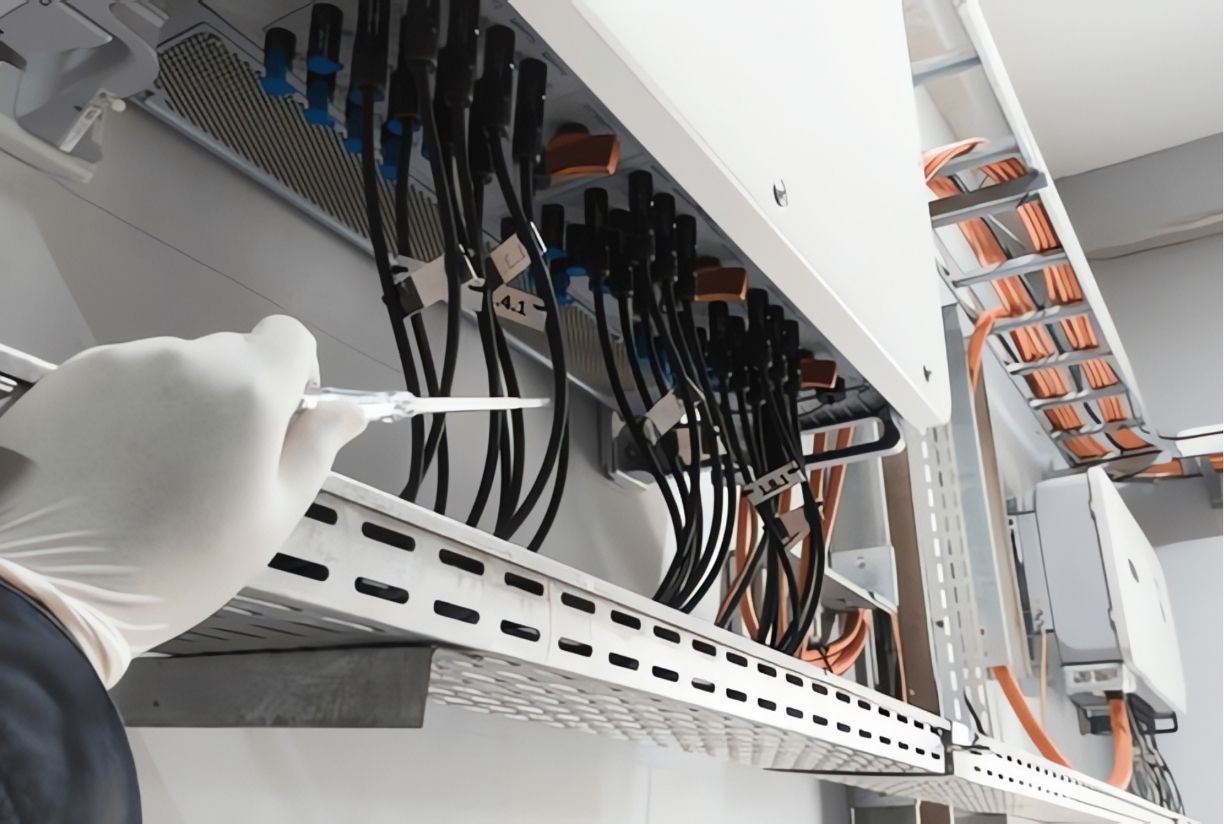
Table of Contents How To Perform Leak Testing In Industrial Facilities What Is The Best Leak Testing Method For My Facility How To Choose Leak Detection Equipment For Industry How Often Should Industrial Leak Testing Be Done What Are The Steps For Industrial Leak Testing How To Prepare Your Facility For Leak Testing How To Interpret Industrial Leak Test Results How To Train Staff On Proper Leak Testing Procedures How To Create A Leak Testing Schedule For Compliance How To Troubleshoot Common Leak Testing Problems How To Perform Leak Testing In Industrial Facilities Undetected leaks in industrial facilities represent a critical threat to operational reliability and profitability, driving the urgent need for a rigorous leak testing protocol to ensure system integrity and safety compliance. Advanced methodologies like tracer gas detection and acoustic emission analysis offer precise, non-destructive evaluation far superior to outdated pressure decay tests, enabling teams to pinpoint minute failures in complex systems including heat exchangers and tank manufacturing lines without disruptive downtime. Integrating these diagnostics into a scheduled process optimization plan transforms leak prevention from a reactive cost into a strategic asset, directly enhancing facility efficiency by conserving energy, reducing raw material loss, and protecting ancillary equipment from corrosive damage. For comprehensive implementation, SS Proje delivers end-to-end installation services and expert project consultancy, designing custom testing regimes that align with international quality standards and yield measurable returns through sustained performance improvements and extended asset lifecycles. What Is The Best Leak Testing Method For My Facility Selecting the optimal leak testing method is a critical process improvement decision that directly impacts your facility's bottom line, safety, and compliance, requiring a tailored approach based on system pressure, medium, and required sensitivity. For pressurized systems with heat exchangers or complex piping, tracer gas detection using helium or hydrogen offers unparalleled precision, while ultrasonic acoustic emission is highly effective for locating pressure/vacuum leaks in large vessels or tank manufacturing infrastructure without production interruption. This strategic choice is fundamental to achieving long-term operational reliability and facility efficiency, preventing costly downtime, product loss, and potential environmental incidents, thereby safeguarding your investment and ensuring consistent performance improvements. SS Proje provides expert project consultancy to conduct a thorough facility assessment, recommending and implementing the most effective leak detection technology and installation services to deliver a measurable return through enhanced system integrity and sustained compliance. How To Choose Leak Detection Equipment For Industry Selecting the right leak detection equipment is a pivotal process optimization decision that dictates your facility's ability to maintain integrity, prevent costly downtime, and ensure regulatory compliance across all operations. Key selection criteria must include the required sensitivity level, the type of system being tested—whether for tank manufacturing or heat exchangers—compatibility with process media, and the necessity for portable or fixed continuous monitoring solutions to achieve true operational reliability. Investing in advanced technologies like laser-based gas imaging or mass spectrometers translates directly into superior facility efficiency by enabling rapid, precise leak identification, minimizing product loss, reducing energy waste, and delivering measurable performance improvements that protect asset lifespan. SS Proje offers comprehensive project consultancy and installation services to analyze your specific operational environment, recommending and deploying the optimal detection equipment that guarantees compliance and maximizes your return on investment through sustained system integrity. How Often Should Industrial Leak Testing Be Done Determining optimal leak testing frequency is fundamental to operational reliability, balancing regulatory mandates with the practical need to prevent unplanned downtime and maintain peak facility efficiency across all systems. Testing intervals should be risk-based, prioritizing critical assets like pressurized heat exchangers or vessels from tank manufacturing for quarterly checks, while less critical piping may require only annual validation, all integrated into a proactive process improvement schedule. This disciplined approach to maintenance scheduling directly prevents catastrophic failures, minimizes product and energy loss, and ensures continuous compliance, resulting in tangible performance improvements and significantly extended equipment service life. SS Proje delivers expert project consultancy to establish a data-driven testing calendar tailored to your facility's specific risk profile and operational patterns, ensuring your leak prevention strategy delivers maximum reliability and return on investment. What Are The Steps For Industrial Leak Testing A systematic approach to leak testing is essential for maintaining operational reliability and achieving consistent facility efficiency, transforming a reactive maintenance task into a strategic process improvement initiative. The procedure begins with comprehensive system isolation and preparation, followed by selecting the appropriate testing method—whether pressure decay for tank manufacturing or tracer gas for complex heat exchangers—then executing the test with calibrated equipment and meticulously documenting all findings for analysis and compliance records. This rigorous methodology prevents minor leaks from escalating into major failures, directly contributing to measurable performance improvements by reducing energy waste, minimizing product loss, and eliminating unplanned production stoppages that compromise output and profitability. SS Proje provides complete installation services and project consultancy to implement standardized testing protocols across your facility, ensuring every inspection delivers maximum value through enhanced system integrity and sustained operational excellence. How To Prepare Your Facility For Leak Testing Proper preparation is the cornerstone of effective leak testing, directly influencing the accuracy of results and the overall facility efficiency of the diagnostic process while safeguarding operational reliability. The preparation phase requires systematic isolation of target systems—whether complex heat exchangers or storage vessels from tank manufacturing—complete depressurization, thorough cleaning of inspection areas, and ensuring all safety protocols are in place to facilitate precise measurement and enable meaningful process improvement. This meticulous approach minimizes false readings and test repetitions, reducing downtime and preventing unnecessary production interruptions, which translates directly into measurable performance improvements and more reliable compliance reporting for regulatory audits. SS Proje offers expert project consultancy and comprehensive installation services to develop and implement standardized preparation protocols, ensuring your leak testing programs deliver maximum accuracy and return on investment through optimized operational integrity. How To Interpret Industrial Leak Test Results Accurate interpretation of leak testing results transforms raw data into actionable intelligence, forming the foundation for informed maintenance decisions that enhance operational reliability and drive facility efficiency. Proper analysis requires comparing measured leak rates against manufacturer specifications and regulatory thresholds, identifying patterns in failure locations—particularly in critical assets like heat exchangers or tank manufacturing systems—and correlating findings with operational parameters to enable targeted process improvement. This analytical approach prevents unnecessary component replacements, focuses repair efforts on genuine problem areas, and establishes baseline performance metrics that deliver measurable performance improvements through reduced energy consumption and minimized product loss. SS Proje provides specialized project consultancy to help facilities develop comprehensive result interpretation protocols, ensuring your testing data translates into strategic maintenance actions that maximize equipment lifespan and operational integrity. How To Train Staff On Proper Leak Testing Procedures Effective staff training in leak testing procedures is fundamental to achieving consistent operational reliability and maintaining peak facility efficiency across all production systems and equipment. Comprehensive training programs must combine theoretical knowledge of testing principles with hands-on practical sessions using actual equipment, covering proper calibration techniques, accurate interpretation of results from systems like heat exchangers and tank manufacturing infrastructure, and safety protocols to ensure standardized execution that supports continuous process improvement. This investment in workforce development directly reduces testing errors and retests, minimizes false positives that trigger unnecessary shutdowns, and ensures compliance with international standards, resulting in measurable performance improvements through optimized maintenance cycles and extended asset lifespan. SS Proje offers specialized project consultancy to develop and implement customized training programs that equip your team with the skills needed to execute leak testing protocols accurately, ensuring your facility maintains maximum operational integrity and compliance. How To Create A Leak Testing Schedule For Compliance Developing a strategic leak testing schedule is essential for maintaining regulatory compliance while optimizing facility efficiency and ensuring continuous operational reliability across all production assets. An effective compliance schedule must integrate manufacturer recommendations, regulatory requirements, and risk-based assessments prioritizing critical systems like heat exchangers and tank manufacturing infrastructure, while aligning with production cycles to minimize disruption and support proactive process improvement initiatives. This systematic approach prevents compliance violations and associated penalties while reducing unplanned downtime through early leak detection, directly contributing to measurable performance improvements in energy conservation, product integrity, and maintenance cost reduction. SS Proje provides comprehensive project consultancy to develop customized testing schedules that balance compliance requirements with operational needs, ensuring your facility maintains uninterrupted production while meeting all regulatory standards for maximum operational integrity. How To Troubleshoot Common Leak Testing Problems Effective troubleshooting of leak testing problems is crucial for maintaining operational reliability and preventing costly diagnostic errors that compromise facility efficiency and regulatory compliance. Common issues include false positives from temperature fluctuations, seal failures in tank manufacturing applications, calibration drift in detection equipment, and interference problems when testing complex heat exchangers, all requiring systematic investigation rather than assumptions to ensure accurate results and support continuous process improvement. Proper troubleshooting methodology prevents unnecessary system shutdowns and component replacements, reduces retesting frequency, and ensures reliable data for maintenance decisions, directly contributing to measurable performance improvements through optimized resource allocation and extended equipment lifespan. SS Proje offers specialized project consultancy to develop comprehensive troubleshooting protocols and staff training programs, ensuring your team can quickly resolve testing issues and maintain maximum operational integrity with minimal production impact.
See More
Table of Contents How To Perform Industrial Pipe Leak Testing What Are The Best Leak Testing Methods For Pipes How Often Should Piping Systems Be Leak Tested What Equipment Is Needed For Pipe Leak Testing How To Ensure Leak Test Compliance With Standards Can Leak Testing Prevent Industrial Downtime How To Interpret Industrial Leak Test Results What Are Common Piping Leak Testing Mistakes How To Choose A Leak Testing Service Provider Is Automated Leak Testing Worth The Investment How To Perform Industrial Pipe Leak Testing Undetected leaks in industrial piping systems compromise operational reliability and can lead to significant production losses, safety hazards, and non-compliance with stringent environmental regulations. Proactive leak testing is not merely a maintenance task but a fundamental component of sustainable facility solutions, directly impacting overall facility efficiency and asset longevity. Advanced methodologies like tracer gas detection and automated pressure decay analysis offer precise, non-destructive evaluation far superior to rudimentary visual or auditory checks. These techniques enable early identification of minute failures within complex networks, including critical connections to heat exchangers and tank manufacturing output lines, preventing minor issues from escalating into costly unplanned downtime. Integrating a rigorous testing protocol is a core aspect of professional process optimization, ensuring systems operate at peak performance while conserving resources. This commitment to precision supports long life for capital equipment and upholds international quality standards, providing plant managers with verifiable data for compliance reporting and operational audits. For facilities seeking a comprehensive approach, SS Proje delivers end-to-end technical solutions from initial assessment to field installation of monitoring systems. This holistic service, which often includes complementary passivation treatments to enhance material integrity, translates into measurable outcomes: reduced energy consumption, minimized product loss, and sustained facility performance. Implementing a robust leak testing program is a strategic investment in increasing facility performance and safeguarding operational continuity. The resultant gains in reliability and efficiency provide a clear return, solidifying a foundation for compliant and profitable industrial operations. What Are The Best Leak Testing Methods For Pipes Selecting the optimal leak testing method is critical for maintaining operational reliability and preventing costly downtime in industrial facilities. The best techniques provide accuracy, speed, and non-destructive analysis to protect valuable assets and ensure long life for piping infrastructure. Pressure decay testing offers a highly sensitive quantitative method for closed systems, ideal for verifying the integrity of tank manufacturing vessels and associated piping. For complex networks with potential very small leaks, tracer gas detection using helium or hydrogen provides unparalleled pinpoint accuracy, essential for maintaining international quality standards in sensitive processes. Ultrasonic acoustic emission testing represents a significant advancement, allowing for the detection of leaks during system operation without shutdowns. This method supports continuous facility efficiency by identifying faults in real-time across extensive networks, including those connected to heat exchangers and other critical industrial equipment. SS Proje specializes in implementing these advanced diagnostic techniques as part of comprehensive end-to-end technical solutions. Our approach integrates precise testing with subsequent process optimization and passivation services to address any identified vulnerabilities, creating robust sustainable facility solutions. The strategic application of these advanced leak detection methods directly contributes to increasing facility performance by minimizing product loss and energy waste. This proactive maintenance strategy delivers measurable returns through enhanced system integrity and sustained production capacity, ensuring compliance and operational excellence. How Often Should Piping Systems Be Leak Tested Determining optimal leak testing frequency is fundamental to sustainable facility solutions, balancing proactive maintenance with operational uptime. A standardized schedule prevents unexpected failures, safeguards operational reliability, and ensures compliance with mandatory international quality standards. Testing intervals are not universal but are dictated by system criticality, fluid service, age, and historical performance data. High-pressure lines, systems handling hazardous materials, or those integral to heat exchangers often require quarterly or semi-annual checks, while less critical utilities may be assessed annually. This risk-based approach is a cornerstone of strategic process optimization. Advanced continuous monitoring systems represent a paradigm shift, moving from calendar-based to condition-based scheduling. These systems provide real-time data on system integrity, significantly enhancing facility efficiency by eliminating unnecessary downtime for scheduled tests while immediately flagging developing issues. SS Proje integrates these assessment strategies into its end-to-end technical solutions, developing customized maintenance protocols during project design and field installation. This ensures testing frequency is precisely aligned with operational demands to guarantee long life for all industrial equipment. Implementing a scientifically-derived testing schedule directly contributes to increasing facility performance by maximizing resource allocation and preventing catastrophic failures. This disciplined approach delivers measurable returns through reduced maintenance costs, minimized product loss, and unwavering production continuity. What Equipment Is Needed For Pipe Leak Testing Selecting the correct industrial equipment for leak testing is paramount for achieving accurate diagnostics and maintaining operational reliability. The proper toolkit enables precise fault identification, prevents unnecessary system intrusions, and forms the foundation of any sustainable facility solution. Essential apparatus includes precision pressure gauges and data loggers for decay testing, alongside ultrasonic detectors for locating airborne leaks in active systems. For critical applications involving tank manufacturing or sealed systems, sophisticated tracer gas detectors and mass spectrometers provide the sensitivity required by international quality standards. Modern advancements integrate wireless sensors and IoT-enabled monitors that facilitate continuous assessment without disrupting production. This technology supports superior facility efficiency and is a key component of advanced process optimization strategies, offering real-time data on system integrity. SS Proje provides comprehensive end-to-end technical solutions that include the specification, sourcing, and field installation of appropriate testing technologies. This holistic approach ensures equipment compatibility and performance, directly contributing to long life for plant assets. Investing in the right diagnostic tools is a strategic decision that yields measurable returns through increasing facility performance, reducing energy waste, and preventing costly unplanned downtime. This proactive equipment strategy ensures sustained production integrity and operational excellence. How To Ensure Leak Test Compliance With Standards Adherence to stringent international quality standards during leak testing is non-negotiable for industrial operations, serving as the primary defense against regulatory penalties and ensuring operational reliability. Compliance transforms a maintenance task into a verifiable assurance of system integrity and a core component of sustainable facility solutions. Certified calibration of all testing equipment against recognized reference standards is the foundational step, ensuring measurement accuracy for pressure decay, ultrasonic, or tracer gas methods. Meticulous documentation of procedures, results, and personnel certifications creates an auditable trail that demonstrates unwavering compliance during inspections, directly supporting facility efficiency by preventing work stoppages. Integrating these rigorous protocols into the project design phase ensures compliance is built into system infrastructure from the outset. This proactive approach, often applied to complex systems involving heat exchangers and specialized industrial equipment, is a critical element of strategic process optimization. SS Proje delivers end-to-end technical solutions that embed compliance into every testing protocol, from field installation of monitoring systems to comprehensive reporting. This methodology guarantees that all operations meet regulatory demands while promoting long life for plant assets. A disciplined compliance framework directly enables increasing facility performance by eliminating regulatory risks and reinforcing system integrity. This investment in certified testing procedures delivers measurable value through unimpeded operations, enhanced safety, and sustained production excellence. Can Leak Testing Prevent Industrial Downtime Unplanned production halts caused by piping failures represent one of the most significant costs to industrial facilities, directly undermining operational reliability and profitability. A strategic leak testing program is not merely diagnostic but serves as a powerful preventive measure against such disruptive downtime events. Advanced predictive techniques like ultrasonic flow detection and thermal imaging identify developing faults long before they escalate into catastrophic failures. This proactive approach allows for scheduled maintenance during planned shutdowns, transforming emergency repairs into managed interventions and significantly boosting facility efficiency. Continuous monitoring systems integrated with industrial equipment provide real-time data on system integrity, enabling immediate response to anomalies. This technology is particularly valuable for critical infrastructure such as heat exchangers and distribution networks, forming a core component of modern sustainable facility solutions. SS Proje implements these predictive strategies through comprehensive end-to-end technical solutions that include system assessment, field installation of monitoring technology, and ongoing process optimization. This holistic approach ensures compliance with international quality standards while maximizing asset long life. The implementation of a rigorous leak testing protocol directly enables increasing facility performance by eliminating unplanned stoppages and maintaining continuous production flow. This investment in predictive maintenance delivers measurable returns through sustained operational capacity and protected revenue streams. How To Interpret Industrial Leak Test Results Accurate interpretation of leak testing data transforms raw measurements into actionable intelligence for maintaining operational reliability. Proper analysis distinguishes between acceptable seepage and critical failures, enabling informed decisions that protect facility efficiency and prevent unnecessary shutdowns. Pressure decay results must be compared against established baselines and international quality standards specific to the system's pressure rating and fluid service. Trend analysis of sequential tests reveals developing issues in critical industrial equipment like heat exchangers, allowing for planned interventions before failures occur. Advanced diagnostic software now provides predictive analytics that correlate leak rate data with potential failure modes and remaining service life estimates. This technological advancement supports comprehensive process optimization and forms the basis of modern sustainable facility solutions by maximizing resource allocation. SS Proje incorporates sophisticated data interpretation into its end-to-end technical solutions, providing clients with clear, actionable reports that translate complex measurements into maintenance strategies. This approach ensures compliance while promoting long life for all system components. Mastering test result interpretation directly contributes to increasing facility performance by enabling precise, data-driven maintenance decisions. This analytical capability delivers measurable value through optimized repair schedules, reduced energy waste, and sustained production integrity. What Are Common Piping Leak Testing Mistakes Common errors in leak testing procedures frequently undermine operational reliability and compromise the validity of results, leading to false assurances or unnecessary interventions. Recognizing these pitfalls is essential for maintaining true facility efficiency and system integrity. Inadequate system isolation remains a prevalent mistake, where valves or connections not included in the test scope create false pressure stability. Temperature compensation neglect during pressure decay tests represents another critical error, as thermal fluctuations can mimic leak signatures and trigger false positives in sensitive industrial equipment like heat exchangers. Using improperly calibrated equipment or applying incorrect test pressures relative to system design specifications violates fundamental international quality standards and can actually damage components. These procedural shortcomings directly contradict the principles of effective process optimization and prevent the implementation of truly sustainable facility solutions. SS Proje addresses these common failures through comprehensive end-to-end technical solutions that establish rigorous protocols during project design and field installation. This methodology ensures testing accuracy while promoting long life for all system assets through correct procedures. Eliminating these testing errors directly enables increasing facility performance by ensuring diagnostic accuracy and preventing collateral damage. This disciplined approach delivers measurable value through reliable results, optimized maintenance resources, and sustained production continuity. How To Choose A Leak Testing Service Provider Selecting the right leak testing partner is a critical decision that directly impacts operational reliability and long-term facility performance. The ideal provider delivers more than basic detection—they offer comprehensive solutions that enhance facility efficiency and ensure compliance. Prioritize providers with demonstrated expertise across multiple testing methodologies and familiarity with your specific industrial equipment. Verify their adherence to relevant international quality standards and their ability to provide detailed, actionable reports that support process optimization decisions. The most valuable partners offer end-to-end technical solutions that include initial assessment, field installation of monitoring systems, and ongoing support. This comprehensive approach transforms leak testing from a periodic check into a strategic component of sustainable facility solutions that promote long life for assets. SS Proje exemplifies this standard through integrated services that combine advanced testing technologies with engineering expertise. Our methodology ensures accurate diagnostics and practical implementation strategies that address both immediate concerns and long-term performance goals. Choosing a qualified testing partner directly enables increasing facility performance through reliable diagnostics and effective remediation strategies. This partnership delivers measurable value through reduced downtime, optimized maintenance budgets, and sustained operational excellence. Is Automated Leak Testing Worth The Investment The transition to automated leak testing represents a significant technological advancement that directly enhances operational reliability and justifies its investment through rapid ROI. Automated systems eliminate human error variables and provide continuous monitoring capabilities that manual methods cannot match, fundamentally improving facility efficiency. These systems employ sophisticated sensors and data analytics to detect minute leaks in real-time across complex networks, including critical industrial equipment like heat exchangers and distribution systems. The continuous data stream supports proactive maintenance strategies and ensures compliance with international quality standards through consistent, documented performance metrics. Automation integrates seamlessly with broader process optimization initiatives, providing the empirical data needed for informed decision-making. This technology forms the backbone of modern sustainable facility solutions by minimizing resource waste and extending equipment long life through early fault detection. SS Proje implements automated testing as part of our end-to-end technical solutions, ensuring proper field installation and integration with existing control systems. Our approach maximizes the investment value by tailoring solutions to specific operational requirements and performance objectives. The strategic implementation of automated leak testing directly enables increasing facility performance through reduced downtime, lower labor costs, and prevented catastrophic failures. This investment delivers measurable returns through sustained production capacity, energy conservation, and enhanced operational safety.
See More
Table of Contents What Documents Are Needed for Project Submission What Documents Ensure Project Submission Success How to Prepare Documents for Project Submission What Are the Key Project Submission Documents What Documents Do Industrial Projects Require How to Organize Your Project Submission Documents What Documents Speed Up Project Approval What Are Essential Project Submission Documents How to Prepare a Complete Project Submission Package What Documents Guarantee Project Compliance What Documents Are Needed for Project Submission Incomplete or improperly prepared project submission documents are a primary source of costly delays and compliance failures for industrial facilities, directly undermining operational reliability and long-term performance goals. A robust submission package must include detailed technical specifications, process flow diagrams, material certifications, and a comprehensive project design dossier that adheres to international quality standards. This foundational documentation is critical for securing approval and enabling seamless field installation of critical systems. For advanced applications like installing a new filter housing or heat exchangers, evidence-based documentation enables precise process optimization, ensuring that every component integrates flawlessly into existing operations to maximize facility efficiency. SS Proje leverages this rigorous approach to documentation within its project consultancy services, ensuring that client submissions are complete and optimized for performance from the outset. This methodical preparation is essential for achieving sustainable facility solutions and measurable gains in equipment lifespan. Investing in meticulously prepared project documentation translates directly into reduced downtime, enhanced compliance, and sustained performance improvements. Contact SS Proje to transform your submission process into a strategic asset for increasing facility performance and achieving unparalleled operational reliability. What Documents Ensure Project Submission Success Project approval hinges on a meticulously prepared documentation package that anticipates all technical and compliance scrutiny, a common stumbling block that derails facility efficiency and expansion timelines for industrial operators. The cornerstone documents for success include validated project design schematics, certified material test reports, and a detailed process optimization plan. These elements demonstrate a commitment to international quality standards and pre-emptively address potential regulatory concerns. For complex integrations, such as deploying custom tank manufacturing solutions or advanced mixers, supplementary documentation like installation protocols and performance warranties is non-negotiable. This thoroughness ensures seamless field installation and immediate operational readiness. SS Proje embeds this rigorous documentation standard within its end-to-end technical solutions, ensuring every submission is engineered for first-pass approval. This proactive approach mitigates risk and accelerates the path to enhanced operational reliability. Submitting a complete, compliant package is the most effective strategy for avoiding costly revisions and achieving rapid project activation. Partner with SS Proje to secure your project's success and unlock measurable gains in performance and sustainable facility solutions. How to Prepare Documents for Project Submission Preparing a winning project submission requires a systematic, standards-driven approach to documentation that many facilities struggle to execute internally, leading to approval delays and compromised operational reliability. Initiate the process by compiling all technical data sheets, project design calculations, and material compliance certificates. This foundational layer must rigorously align with relevant international quality standards to establish immediate credibility with approving bodies. For equipment-intensive projects, such as those involving heat exchangers or filter housing systems, include detailed installation manuals, process optimization protocols, and validated performance metrics. This demonstrates a clear path to achieving sustainable facility solutions and long-term efficiency. SS Proje integrates this meticulous preparation into its project consultancy framework, ensuring every document is purpose-built to facilitate swift approval and seamless field installation. This method transforms documentation from a bureaucratic hurdle into a strategic asset. A thoroughly prepared submission dossier is your most powerful tool for accelerating project timelines and guaranteeing operational success. Engage with SS Proje to master your documentation strategy and achieve measurable, sustained improvements in facility efficiency and equipment performance. What Are the Key Project Submission Documents Identifying and compiling the essential documentation is the critical first step to securing project approval and ensuring long-term operational reliability for any industrial upgrade or installation. The non-negotiable core documents include comprehensive project design specifications, material safety data sheets (MSDS), and proof of compliance with international quality standards. These form the backbone of any successful submission, demonstrating technical rigor and a commitment to safety. For projects involving specialized industrial equipment like tank manufacturing or mixers, additional key documents are factory acceptance test (FAT) reports, detailed installation sequences, and a clear process optimization plan. This thoroughness guarantees a smooth field installation and immediate operational integration. SS Proje leverages its expertise to ensure every critical document is prepared to the highest standard, transforming the submission into a blueprint for sustainable facility solutions and enhanced performance. Mastering your project's documentation is the definitive factor in achieving rapid approval and unlocking superior facility efficiency. Partner with SS Proje to assemble a winning submission package that delivers proven, measurable results. What Documents Do Industrial Projects Require Industrial projects demand a specific set of technical documents to navigate regulatory hurdles and ensure seamless integration, a foundational requirement for achieving true operational reliability and performance. The mandatory documentation portfolio includes detailed project design schematics, certified material test reports, and comprehensive risk assessments. These documents must demonstrably adhere to all relevant international quality standards to validate the project's integrity and safety from the outset. For systems involving critical assets like heat exchangers or complex filter housing networks, supplementary requirements include installation qualification protocols, process optimization studies, and operational qualification plans. This level of detail is non-negotiable for guaranteeing a successful field installation and long-term asset lifespan. SS Proje specializes in identifying and preparing this exact documentation suite, ensuring every project is built on a foundation that promotes sustainable facility solutions and maximizes facility efficiency from day one. Providing the correct documentation is the most effective strategy for de-risking your project and securing its timely success. Contact SS Proje to ensure your submission meets every requirement and delivers measurable, long-term operational benefits. How to Organize Your Project Submission Documents Disorganized project documentation creates immediate review bottlenecks and long-term operational risks, directly undermining the operational reliability that industrial facilities depend on for continuous production. Begin by establishing a logical structure that groups documents by phase: pre-approval project design specifications, compliance certificates demonstrating international quality standards, and execution-phase installation manuals. This chronological and categorical organization allows reviewers to verify technical coherence effortlessly. For complex systems like tank manufacturing or heat exchangers, create dedicated sections for equipment-specific documentation, including process optimization data and field installation protocols. This meticulous organization is critical for demonstrating a clear path to achieving sustainable facility solutions and preventing installation errors. SS Proje implements this structured approach within its project consultancy, transforming scattered information into a coherent narrative that accelerates approval and ensures every project component aligns for maximum facility efficiency. A well-organized submission dossier is your strongest asset for achieving rapid approval and flawless project execution. Partner with SS Proje to structure your documentation strategically and unlock measurable gains in performance and reliability. What Documents Speed Up Project Approval Project approval delays directly impact production timelines and capital expenditure, making the strategic preparation of specific accelerating documents crucial for maintaining operational reliability. Pre-certified compliance documents demonstrating adherence to international quality standards and detailed project design calculations are the most powerful accelerants. These pre-emptively answer technical queries and eliminate back-and-forth clarification rounds with approving bodies. For equipment-centric projects involving filter housing systems or mixers, include vendor-validated performance data and pre-approved process optimization plans. This demonstrates a clear, low-risk path to achieving sustainable facility solutions and seamless field installation. SS Proje prioritizes these critical path documents within its project consultancy framework, ensuring submissions are engineered for rapid review. This methodology transforms documentation from a compliance exercise into a strategic tool for enhancing facility efficiency. Submitting the right documents in the right format is the most effective way to compress approval cycles and accelerate your return on investment. Engage with SS Proje to identify and prepare these key accelerants for your next project submission. What Are Essential Project Submission Documents Omitting essential documents from a project submission guarantees costly revisions and delays, directly jeopardizing the operational reliability and financial viability of any industrial upgrade. The absolute essentials include certified project design plans, material compliance certificates, and documented adherence to all relevant international quality standards. This core package validates the project's technical soundness and safety compliance from the outset. For installations involving specialized industrial equipment such as heat exchangers or custom tank manufacturing, factory acceptance test reports and detailed process optimization protocols become essential. These documents prove the equipment will integrate seamlessly and deliver the promised facility efficiency gains. SS Proje ensures every essential document is prepared to the highest standard, creating a submission that not only secures approval but also serves as a blueprint for successful field installation and long-term sustainable facility solutions. Submitting a complete set of essential documents is the definitive factor in achieving rapid approval and project success. Partner with SS Proje to ensure your next submission is comprehensively prepared for measurable operational outcomes. How to Prepare a Complete Project Submission Package An incomplete project submission package is a primary cause of approval delays and budget overruns, directly compromising the operational reliability that industrial facilities require for continuous production. Begin by systematically compiling all technical specifications, validated project design calculations, and material certifications that demonstrate compliance with international quality standards. This foundational layer establishes immediate credibility and technical rigor for reviewers. For equipment-intensive projects involving filter housing systems or mixers, include detailed installation manuals, performance validation data, and comprehensive process optimization plans. This demonstrates a clear path to achieving sustainable facility solutions and ensures seamless field installation. SS Proje integrates this meticulous approach within its project consultancy services, transforming scattered documents into a coherent narrative that accelerates approval and maximizes facility efficiency from project inception. A thoroughly prepared submission package is your most effective tool for ensuring rapid approval and long-term operational success. Contact SS Proje to develop a complete, compliant package that delivers measurable performance improvements and enhanced reliability. What Documents Guarantee Project Compliance Non-compliance in project documentation triggers immediate regulatory stoppages and long-term operational vulnerabilities, making the identification of guarantee documents critical for maintaining operational reliability. The definitive compliance documents include third-party verified project design approvals, material certificates of conformity, and explicit declarations of adherence to all applicable international quality standards. These documents provide irrefutable evidence that the project meets all regulatory and safety requirements. For systems involving tank manufacturing or heat exchangers, pressure equipment directives (PED) certifications and documented process optimization validations become mandatory. This level of documentation ensures both regulatory compliance and demonstrates a clear path to achieving sustainable facility solutions through proper field installation. SS Proje specializes in preparing these critical compliance documents within its project consultancy framework, ensuring every submission meets the highest regulatory standards while maximizing facility efficiency. Submitting guaranteed compliance documentation is the most effective strategy for avoiding regulatory penalties and ensuring uninterrupted operations. Partner with SS Proje to secure your project's compliance and achieve measurable long-term performance benefits.
See More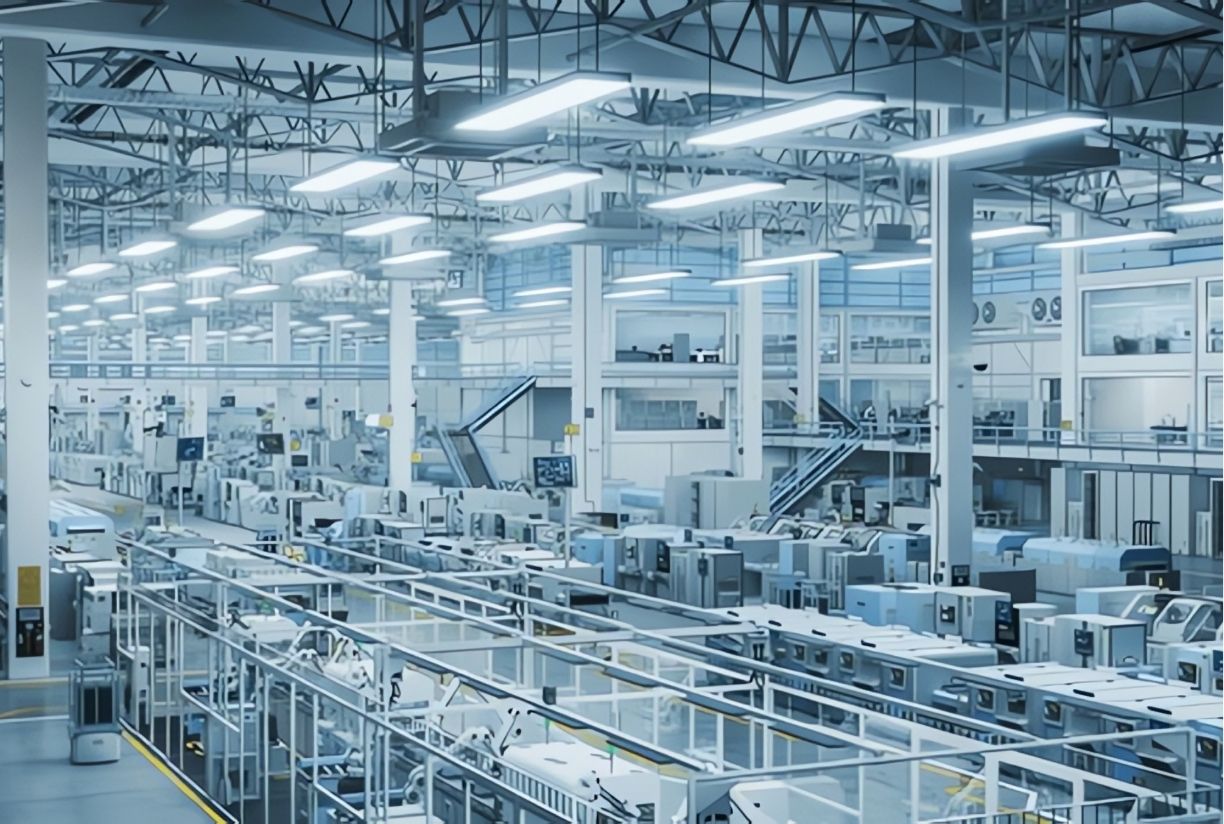
Table of Contents How to Plan Preventive Maintenance for Industrial Facilities What Is the Best Preventive Maintenance Planning Strategy How to Schedule Industrial Preventive Maintenance Efficiently How to Create a Preventive Maintenance Plan Step by Step What Are Key Steps in Preventive Maintenance Planning How to Implement Preventive Maintenance in Your Facility How to Optimize Your Preventive Maintenance Schedule What Tools Are Needed for Preventive Maintenance Planning How to Track Preventive Maintenance Tasks Effectively How to Budget for Industrial Preventive Maintenance Plans How to Plan Preventive Maintenance for Industrial Facilities Unplanned downtime and reactive repairs remain a primary source of operational inefficiency and financial loss in industrial facilities, driving the critical need for a meticulously designed preventive maintenance plan. A strategic approach is essential for maximizing operational reliability and ensuring compliance with stringent international quality standards that govern modern production environments. Effective planning begins with a comprehensive asset inventory and criticality analysis, prioritizing equipment like heat exchangers and mixers based on failure impact. This data-driven foundation enables the scheduling of precise process optimization tasks and targeted passivation procedures to prevent corrosion and maintain system integrity. Advanced implementation leverages project design principles to integrate maintenance into production cycles seamlessly, minimizing disruption. Specialized installation services ensure that new industrial equipment, from filter housing units to custom tanks, is commissioned with maintainability as a core feature from day one. SS Proje delivers end-to-end technical solutions that transform maintenance from a cost center into a strategic asset, directly enhancing facility efficiency and equipment lifespan. This proactive methodology provides measurable outcomes, including sustained performance improvements and significant reductions in unplanned downtime, offering a clear return on investment for forward-thinking operations. What Is the Best Preventive Maintenance Planning Strategy The best preventive maintenance strategy is a risk-based, data-driven approach that prioritizes critical assets to maximize operational reliability and resource allocation. This methodology moves beyond generic time-based schedules, focusing efforts where they have the greatest impact on facility efficiency and compliance with international quality standards. This strategy begins with a rigorous Failure Mode, Effects, and Criticality Analysis (FMECA) to identify high-value equipment like heat exchangers and mixers whose failure would cause significant production loss. For these assets, condition-based monitoring and predictive techniques are deployed, transforming maintenance from reactive to anticipatory and enabling precise process optimization. Successful implementation integrates specialized project design and execution, ensuring that maintenance protocols are embedded within the installation services for new industrial equipment. This includes designing filter housing systems for easy access and specifying materials that reduce corrosion, often complemented by professional passivation services. SS Proje engineers this holistic strategy, delivering end-to-end technical solutions that directly enhance equipment longevity and system uptime. The measurable outcome is a demonstrable reduction in emergency repairs and a sustained increase in overall production capacity, providing a clear and calculable return on investment for facility managers. How to Schedule Industrial Preventive Maintenance Efficiently Efficient preventive maintenance scheduling is the cornerstone of minimizing downtime and maximizing asset utilization in demanding industrial facilities. The goal is to synchronize maintenance windows with production cycles, ensuring uninterrupted operational reliability without sacrificing output or compromising international quality standards. The most effective method utilizes a centralized Computerized Maintenance Management System (CMMS) to automate work orders based on real runtime data or condition monitoring triggers. This data-driven approach allows for the strategic grouping of tasks, such as inspecting multiple filter housing units or servicing heat exchangers during a single planned shutdown, drastically improving facility efficiency. Advanced scheduling integrates deeply with project design principles, ensuring that maintenance accessibility is a core feature of all installation services. This foresight, combined with specialized procedures like passivation to extend the life of industrial equipment, creates a sustainable cycle of care that prevents failures before they occur. SS Proje implements these sophisticated scheduling protocols as part of its end-to-end technical solutions, transforming maintenance from a disruptive cost into a predictable, value-driven function. The result is a proven increase in mean time between failures (MTBF) for critical assets and a measurable boost in overall production capacity, delivering a definitive return on investment. How to Create a Preventive Maintenance Plan Step by Step Creating a robust preventive maintenance plan requires a systematic, step-by-step methodology to transform reactive operations into a model of operational reliability. This process begins with a comprehensive asset registry and criticality assessment for all industrial equipment, identifying which components, from mixers to heat exchangers, demand prioritized attention. The next phase involves defining maintenance tasks, intervals, and procedures based on OEM guidelines and historical failure data. This includes specifying detailed protocols for critical process optimization activities and specialized treatments like passivation to ensure longevity and compliance with international quality standards. Implementation integrates these procedures into a centralized scheduling system, aligning maintenance windows with production calendars to maximize facility efficiency. This strategic project design ensures that even complex installation services for new systems are planned with future upkeep in mind from the outset. SS Proje specializes in executing this disciplined framework, delivering end-to-end technical solutions that codify best practices into a living document. The result is a proven track record of extended asset lifecycles, reduced emergency interventions, and sustained production throughput, providing a clear and measurable return on investment for any industrial facility. What Are Key Steps in Preventive Maintenance Planning The foundational steps in effective preventive maintenance planning establish a proactive framework that replaces costly reactive repairs with scheduled, predictable upkeep. This systematic approach is essential for achieving superior operational reliability and ensuring all industrial equipment performs in line with international quality standards. Key steps commence with a thorough asset inventory and criticality analysis, categorizing machinery from heat exchangers to mixers based on their impact on production. Subsequent phases involve defining precise maintenance tasks, intervals, and resource requirements, incorporating advanced process optimization techniques and corrosion prevention methods like passivation. Execution integrates these plans into the operational workflow through digital scheduling tools, aligning maintenance activities with production cycles to maximize facility efficiency. This includes designing maintenance protocols during the project design and installation services phase for new systems, ensuring seamless integration from inception. SS Proje implements these critical steps as part of its end-to-end technical solutions, transforming theoretical plans into actionable, results-driven programs. The outcome is a demonstrable extension of equipment service life, a significant reduction in unplanned downtime, and sustained production output that delivers a clear return on investment for any industrial facility. How to Implement Preventive Maintenance in Your Facility Successfully implementing a preventive maintenance program requires moving from theoretical planning to practical execution within your operational environment. This transition is critical for achieving tangible improvements in operational reliability and ensuring all industrial equipment meets international quality standards consistently. The implementation process begins with deploying a maintenance management system to schedule and track work orders, starting with your most critical assets like heat exchangers and filter housing systems. This digital foundation enables the systematic application of process optimization techniques and specialized treatments such as passivation to prevent corrosion and maintain system integrity. Effective execution integrates maintenance protocols into daily operations through trained personnel and clear procedures, maximizing facility efficiency without disrupting production. This approach benefits from incorporating maintenance considerations during project design and installation services for new equipment, ensuring maintainability from the outset. SS Proje specializes in turning maintenance plans into operational reality through comprehensive end-to-end technical solutions that bridge the gap between strategy and execution. The measurable outcomes include extended equipment lifespan, reduced emergency repairs, and sustained production capacity that delivers a definitive return on investment for your facility. How to Optimize Your Preventive Maintenance Schedule Optimizing your preventive maintenance schedule transforms static calendar-based tasks into a dynamic system that maximizes resource allocation and operational reliability. This evolution from fixed intervals to condition-driven interventions is crucial for modern industrial facilities seeking to balance upkeep with uninterrupted production while maintaining international quality standards. The optimization process begins with analyzing equipment performance data to identify maintenance triggers based on actual runtime, operating conditions, or predictive indicators rather than arbitrary time intervals. This data-driven approach allows for strategic scheduling of critical assets like heat exchangers and mixers, incorporating advanced process optimization techniques and specialized treatments such as passivation precisely when needed. Implementation involves integrating these optimized schedules into maintenance management systems, grouping compatible tasks to minimize production disruptions and maximize facility efficiency. This methodology benefits from incorporating maintenance optimization during the project design phase and through professional installation services for new industrial equipment. SS Proje delivers this sophisticated scheduling optimization as part of its end-to-end technical solutions, transforming maintenance from a cost center into a strategic advantage. The measurable outcomes include extended asset lifespan, reduced unnecessary maintenance hours, and sustained production throughput that delivers a clear return on investment for facility managers. What Tools Are Needed for Preventive Maintenance Planning Effective preventive maintenance planning requires a sophisticated toolkit that transforms theoretical strategies into actionable programs ensuring operational reliability. The essential tools range from digital management systems to specialized equipment for implementing maintenance protocols that meet international quality standards across all industrial equipment. The core technological foundation is a Computerized Maintenance Management System (CMMS) that schedules, tracks, and analyzes maintenance activities for critical assets like heat exchangers and filter housing systems. This digital backbone is complemented by condition monitoring tools, specialized instrumentation for process optimization measurements, and equipment for executing precision treatments such as passivation. Implementation extends to the physical tools required during installation services and ongoing maintenance, ensuring technicians have access to calibrated instruments and specialized equipment designed for specific industrial facilities. This comprehensive toolset enables the practical application of maintenance strategies developed during the project design phase. SS Proje integrates these essential tools into its end-to-end technical solutions, providing both the digital platforms and physical resources needed to implement effective maintenance programs. The result is measurable improvement in facility efficiency, extended equipment lifespan, and sustained production performance that delivers a clear return on investment. How to Track Preventive Maintenance Tasks Effectively Effective tracking of preventive maintenance tasks transforms maintenance from an undocumented activity into a data-driven process that ensures operational reliability and compliance with international quality standards. Without proper tracking, even well-designed maintenance programs fail to deliver consistent results across industrial facilities. The most effective approach utilizes digital maintenance management systems that provide real-time visibility into task completion, resource allocation, and equipment history for critical assets like heat exchangers and mixers. These systems capture detailed records of process optimization activities and specialized treatments including passivation, creating an auditable trail of maintenance execution. Implementation integrates tracking protocols into daily operations through mobile access and automated reporting, enabling continuous monitoring of facility efficiency metrics. This systematic approach benefits from incorporating tracking requirements during project design and equipment installation services, ensuring maintainability and traceability from the outset. SS Proje implements comprehensive tracking solutions as part of its end-to-end technical solutions, transforming maintenance data into actionable intelligence. The measurable outcomes include improved compliance rates, extended equipment lifespan, and sustained production performance that delivers a definitive return on investment for facility managers. How to Budget for Industrial Preventive Maintenance Plans Accurate budgeting for preventive maintenance plans transforms maintenance from an unpredictable expense into a strategic investment that ensures operational reliability and compliance with international quality standards. Proper financial planning prevents cost overruns while maximizing the lifespan of industrial equipment across your facility. The budgeting process begins with a detailed asset registry and maintenance task analysis, quantifying resource requirements for critical components from heat exchangers to filter housing systems. This includes forecasting costs for specialized process optimization activities, necessary passivation treatments, and scheduled installation services for component replacements. Advanced budgeting incorporates historical performance data and predictive analytics to allocate resources efficiently, ensuring optimal facility efficiency without compromising maintenance quality. This financial planning is integrated during the project design phase for new equipment installations, creating sustainable maintenance cost structures from inception. SS Proje develops comprehensive maintenance budgets as part of its end-to-end technical solutions, transforming maintenance from a cost center into a value-driven operation. The measurable outcomes include predictable operational expenses, extended asset lifecycles, and sustained production performance that delivers a clear return on investment for facility managers.
See More
Table of Contents How to Check Stainless Steel Surface Quality What Is the Best Way to Inspect Stainless Steel How Do You Test Stainless Steel Surface Finish Guide to Verifying Stainless Steel Quality How to Ensure Stainless Steel Meets Standards What Tools Check Stainless Steel Surface Defects How to Assess Stainless Steel for Corrosion Steps to Validate Stainless Steel Surface Integrity How to Perform a Stainless Steel Quality Check What Methods Check Stainless Steel Cleanliness How to Check Stainless Steel Surface Quality Industrial facilities face persistent risks from undetected surface flaws in stainless steel components, which can lead to contamination, corrosion, and unplanned downtime. Ensuring operational reliability begins with rigorous surface quality validation, a fundamental step for any facility prioritizing long life and compliance with international quality standards. Advanced inspection methods include visual checks under controlled lighting, tactile assessments for smoothness, and non-destructive tests like dye penetrant or eddy current analysis. These techniques identify micro-imperfections—scratches, pits, or inclusions—that compromise material integrity. For critical applications in tank manufacturing or filter housing production, such precision prevents failure points and supports sustainable facility solutions. Post-inspection, passivation treatments restore protective oxide layers, enhancing corrosion resistance. This is especially vital for equipment like heat exchangers and mixers exposed to aggressive media. Integrating these practices into routine maintenance drives process improvement, reducing wear and extending service intervals. SS Proje delivers end-to-end technical solutions, from surface assessment to corrective field installation, ensuring systems meet peak performance benchmarks. Their expertise in project design and execution translates inspection data into actionable upgrades, boosting facility efficiency. Proactive surface management guarantees measurable returns: fewer disruptions, lower lifecycle costs, and sustained output quality. Partner with specialists to implement these protocols and secure your facility’s operational future. What Is the Best Way to Inspect Stainless Steel Determining the optimal method for stainless steel inspection is critical for preventing costly failures in industrial systems. The best approach is a multi-stage protocol that ensures operational reliability and adherence to international quality standards from fabrication through to maintenance. This protocol begins with a meticulous visual examination under bright, consistent lighting to detect visible imperfections. It is followed by tactile and non-destructive testing (NDT) methods, such as liquid penetrant or eddy current testing, to reveal subsurface flaws invisible to the naked eye. This comprehensive strategy is essential for critical industrial equipment like heat exchangers and filter housing units. Integrating these inspections into a facility’s lifecycle management plan is a core component of process optimization. For example, verifying the surface integrity of a newly manufactured tank before field installation prevents future leaks and contamination, directly supporting sustainable facility solutions. SS Proje implements these advanced inspection techniques as part of its end-to-end technical solutions, ensuring every component meets stringent performance criteria. Their expertise turns quality assurance into a proactive tool for increasing facility performance. Adopting a rigorous, standardized inspection methodology delivers tangible benefits: extended asset long life, reduced downtime, and guaranteed product purity. Partner with engineering specialists to embed this best-practice approach into your operations for measurable, sustained output. How Do You Test Stainless Steel Surface Finish Accurately testing stainless steel surface finish is a non-negotiable step for ensuring the integrity and performance of industrial components. A subpar finish can become a nucleation site for corrosion, directly compromising operational reliability and long life in demanding processing environments. The testing methodology combines quantitative and qualitative measures. Profilometers provide precise numerical roughness average (Ra) values, while visual comparators benchmark the surface against accepted international quality standards. For critical applications, such as the interior of a tank or the flow path within a filter housing, this ensures hygienic conditions and prevents product adhesion. This rigorous validation is a cornerstone of effective process optimization. Verifying the finish on components for mixers and heat exchangers before field installation minimizes friction, improves heat transfer, and reduces cleaning cycles, contributing to significant facility efficiency gains. SS Proje integrates these precise finish testing protocols into its end-to-end technical solutions, ensuring every project deliverable meets exact specifications. This commitment to quality is fundamental to delivering sustainable facility solutions that perform reliably over time. Implementing a disciplined surface finish testing regimen translates directly to reduced maintenance costs, enhanced product quality, and uninterrupted production. To achieve these measurable outcomes, engage with engineering partners who specialize in embedding these quality assurance practices into your project design and execution phases. Guide to Verifying Stainless Steel Quality A systematic guide to verifying stainless steel quality is essential for any facility prioritizing asset integrity and process safety. Inconsistent material verification leads to premature failure, unplanned downtime, and compromises in operational reliability, making a standardized approach critical. The verification process encompasses multiple stages, starting with material certification review to confirm grade composition. Visual and tactile inspections follow to detect surface defects, complemented by non-destructive testing methods for subsurface analysis. This multi-layered approach is vital for critical industrial equipment like tank manufacturing and filter housing production. Integrating these quality checks directly into the project design and field installation phases ensures compliance with international quality standards. For instance, verifying the integrity of heat exchangers before commissioning prevents costly operational failures and supports sustainable facility solutions. SS Proje implements this comprehensive verification framework as part of its end-to-end technical solutions, ensuring every component meets exacting specifications. This rigorous approach to quality assurance is fundamental to delivering process optimization and enhanced performance. Adopting a thorough stainless steel verification protocol delivers measurable benefits including extended equipment long life, reduced maintenance costs, and guaranteed operational consistency. Partner with engineering specialists to implement these proven quality assurance measures and achieve sustained facility efficiency. How to Ensure Stainless Steel Meets Standards Ensuring stainless steel consistently meets stringent international quality standards is fundamental for maintaining operational reliability in industrial settings. Failure to comply risks material degradation, safety incidents, and costly production halts, making rigorous verification protocols essential for long life performance. A comprehensive approach begins with validating material certifications against specifications like ASTM or EN standards. This is followed by systematic inspections using calibrated tools to measure surface finish, dimensional accuracy, and compositional integrity. For critical industrial equipment such as tank manufacturing and filter housing systems, these steps prevent contamination and structural failures. Integrating these verification checks into the project design and field installation phases ensures compliance is maintained throughout the asset lifecycle. This proactive process optimization minimizes rework and supports sustainable facility solutions by reducing waste and energy consumption. SS Proje incorporates these exacting standards validation procedures into its end-to-end technical solutions, ensuring all deliverables meet or exceed required benchmarks. This commitment to quality assurance is crucial for achieving facility efficiency and reliability targets. Implementing robust standards compliance protocols delivers measurable benefits including reduced maintenance costs, enhanced safety, and uninterrupted production. Partner with engineering experts to embed these quality assurance practices into your operations for guaranteed performance and regulatory compliance. What Tools Check Stainless Steel Surface Defects Identifying surface defects in stainless steel requires specialized tools to maintain operational reliability and prevent costly failures. Without proper inspection equipment, microscopic cracks, inclusions, and contamination can compromise industrial equipment integrity and long life performance. Advanced inspection tools include digital microscopes for magnified visual analysis, surface profilometers for measuring roughness depth, and eddy current testers for detecting subsurface flaws. For critical components in tank manufacturing and filter housing systems, these tools provide quantitative data ensuring compliance with international quality standards. Integrating these diagnostic tools into quality control processes enables proactive process optimization and preventive maintenance strategies. Regular inspection of heat exchangers and mixers using these methods prevents unexpected failures and supports sustainable facility solutions through reduced waste and energy consumption. SS Proje utilizes these advanced inspection technologies as part of its end-to-end technical solutions, ensuring all project deliverables meet exacting quality specifications. This technical capability is essential for achieving facility efficiency targets and reliable performance. Implementing comprehensive surface defect detection delivers measurable benefits including extended equipment lifespan, reduced downtime, and guaranteed product quality. Partner with engineering specialists to incorporate these advanced inspection methodologies into your project design and maintenance protocols for optimal operational performance. How to Assess Stainless Steel for Corrosion Proactive corrosion assessment is critical for maintaining operational reliability in stainless steel applications across industrial facilities. Undetected corrosion compromises structural integrity, leads to contamination risks, and significantly reduces equipment long life, making systematic evaluation essential. Advanced assessment methods include visual inspection under proper lighting, borescope examination of internal surfaces, and non-destructive testing techniques like ultrasonic thickness measurement. For critical industrial equipment including tank manufacturing systems and filter housing units, these methods detect early signs of pitting, crevice corrosion, and stress corrosion cracking before catastrophic failure occurs. Integrating regular corrosion assessment into maintenance schedules enables effective process optimization and supports sustainable facility solutions. Early detection in components like heat exchangers and piping systems allows for timely intervention, preventing unplanned downtime and maintaining facility efficiency. SS Proje incorporates comprehensive corrosion assessment protocols within its end-to-end technical solutions, ensuring all installations meet international quality standards for durability and performance. This systematic approach to corrosion management is fundamental to delivering reliable project design outcomes. Implementing rigorous corrosion assessment delivers measurable benefits including extended asset lifespan, reduced maintenance costs, and guaranteed operational continuity. Partner with engineering experts to establish comprehensive corrosion monitoring programs that protect your investments and ensure long-term performance reliability. Steps to Validate Stainless Steel Surface Integrity Validating stainless steel surface integrity through systematic steps is fundamental to ensuring operational reliability in demanding industrial environments. Surface imperfections, if undetected, can initiate corrosion, harbor contaminants, and ultimately compromise both safety and long life performance of critical assets. The validation process begins with a thorough visual inspection under controlled lighting to identify visible defects. This is followed by tactile examination and precise measurement using profilometers to quantify surface roughness. For high-value industrial equipment such as tank manufacturing systems and filter housing components, non-destructive testing methods like dye penetrant inspection are employed to reveal subsurface flaws. Integrating these validation steps into the project design and quality assurance phases ensures compliance with international quality standards. This proactive approach to process optimization prevents future failures in applications like heat exchangers, directly contributing to sustainable facility solutions and enhanced facility efficiency. SS Proje incorporates this rigorous surface integrity validation protocol within its end-to-end technical solutions, ensuring every delivered component meets exacting performance criteria. This meticulous attention to detail is a cornerstone of delivering reliable engineering outcomes. Implementing a disciplined surface integrity validation regimen delivers measurable benefits including extended equipment service life, reduced operational risks, and guaranteed production quality. Engage with engineering partners to embed these proven validation methodologies into your asset management strategy for sustained performance and reliability. How to Perform a Stainless Steel Quality Check Performing a comprehensive stainless steel quality check is essential for maintaining operational reliability and preventing costly failures in industrial operations. A systematic approach to quality verification ensures materials meet performance specifications and supports equipment long life in demanding environments. The quality check process begins with verifying material certifications against required international quality standards. This is followed by visual inspection under appropriate lighting, surface roughness measurement using profilometers, and non-destructive testing for subsurface defects. For critical industrial equipment such as tank manufacturing systems and filter housing components, these steps ensure structural integrity and contamination prevention. Integrating these quality checks into the project design and fabrication phases enables proactive process optimization. Regular quality verification of heat exchangers and processing vessels prevents unexpected failures and supports sustainable facility solutions through reduced waste and improved facility efficiency. SS Proje incorporates these rigorous quality assessment protocols within its end-to-end technical solutions, ensuring all project deliverables meet exacting performance criteria. This commitment to quality assurance is fundamental to delivering reliable engineering outcomes. Implementing thorough quality checks delivers measurable benefits including extended asset lifespan, reduced maintenance costs, and guaranteed operational performance. Partner with engineering specialists to establish comprehensive quality verification programs that protect your investments and ensure long-term reliability. What Methods Check Stainless Steel Cleanliness Verifying stainless steel cleanliness through proven methods is critical for maintaining operational reliability in sensitive industrial processes. Surface contaminants can initiate corrosion, cause product contamination, and significantly reduce equipment long life, making systematic cleanliness validation essential. Advanced cleanliness assessment methods include solvent extraction tests for hydrocarbon residues, surface conductivity measurements for ionic contamination, and specialized wipe tests for particulate matter. For critical industrial equipment such as tank manufacturing systems and filter housing components, these methods ensure surfaces meet stringent international quality standards for purity and performance. Integrating these cleanliness verification protocols into the project design and fabrication phases enables effective process optimization. Regular cleanliness checks of heat exchangers and processing equipment prevent cross-contamination and support sustainable facility solutions through improved facility efficiency and reduced cleaning cycles. SS Proje incorporates comprehensive cleanliness assessment methodologies within its end-to-end technical solutions, ensuring all installations meet exacting cleanliness specifications. This rigorous approach to surface purity is fundamental to delivering reliable performance in sensitive applications. Implementing thorough cleanliness verification delivers measurable benefits including enhanced product quality, reduced contamination risks, and extended equipment service life. Partner with engineering experts to establish robust cleanliness monitoring programs that ensure operational excellence and regulatory compliance.
See More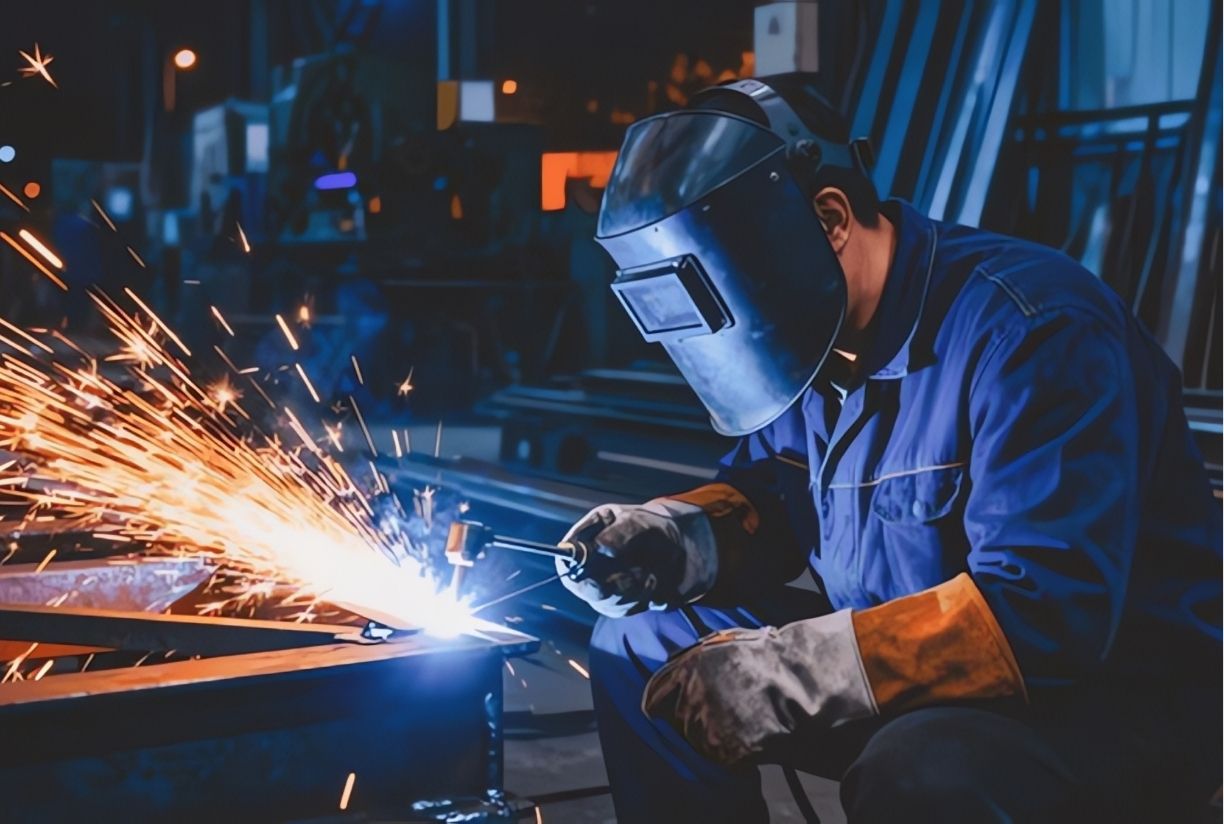
Table of Contents How To Check Welding Quality For Industrial Projects What Are The Best Welding Quality Inspection Methods How To Ensure Your Welds Meet Industry Standards What Tools Are Needed For Weld Quality Testing How To Perform Visual Welding Inspection Properly What Are Common Welding Defects To Look For How To Verify Weld Strength And Durability What Is The Process For Welding Quality Control How To Test Welds For Leaks And Cracks How To Maintain Consistent Welding Quality Standards How To Check Welding Quality For Industrial Projects Inconsistent welding quality directly threatens operational reliability and equipment longevity in demanding industrial environments, creating vulnerabilities that lead to unplanned downtime and costly repairs. Ensuring structural integrity from the outset is a fundamental process improvement that safeguards entire production lines and protects capital investment. Advanced welding inspection methods, including phased array ultrasonics and digital radiography, provide a comprehensive view of weld integrity far beyond visual checks. These non-destructive testing techniques are critical for verifying that industrial equipment like pressure vessels and piping systems meet stringent international standards before commissioning. SS Proje integrates these precise evaluation protocols directly into its project design and field installation phases, ensuring every weld contributes to maximum facility efficiency. This proactive approach during the fabrication of heat exchangers or storage tanks prevents future failures and supports sustained performance. Adopting a rigorous weld quality assurance framework translates directly into measurable gains in productivity and safety. Partnering with specialists who prioritize verification ensures your assets deliver long life and consistent output, turning quality control from a cost into a strategic advantage for your facility's future. What Are The Best Welding Quality Inspection Methods Selecting the optimal welding inspection method is critical for ensuring the operational reliability of industrial systems, as undetected flaws can lead to catastrophic failures and costly production halts. A strategic approach to quality control directly supports long-term facility efficiency and asset protection. Non-destructive testing (NDT) techniques like ultrasonic testing and radiography provide unparalleled insight into weld integrity without compromising component structure. These advanced methods are essential for verifying critical joints in pressure vessels and process piping, ensuring they meet all international standards before system commissioning. SS Proje employs a combination of visual testing, liquid penetrant inspection, and magnetic particle testing during field installation to deliver comprehensive quality assurance. This multi-method approach is particularly valuable for tank manufacturing and heat exchanger fabrication, where weld quality dictates overall system performance and safety. Implementing these proven inspection protocols transforms weld verification from a compliance exercise into a strategic process improvement that enhances equipment lifespan and reduces maintenance costs. Partnering with experts who master these techniques ensures your industrial projects achieve maximum reliability and return on investment from day one. How To Ensure Your Welds Meet Industry Standards Adherence to stringent international standards is non-negotiable for industrial welding, as compliance failures risk operational shutdowns, safety incidents, and significant financial penalties. A systematic approach to quality control ensures every weld contributes to overall operational reliability from fabrication through commissioning. The process begins with certified welders following qualified welding procedures specific to each material and application. This foundation is critical for tank manufacturing and pressure vessel construction, where material specifications and joint configurations must align exactly with ASME, API, and EN standards to ensure structural integrity. SS Proje implements rigorous documentation and traceability protocols throughout the project design and field installation phases, creating auditable records for every weld. This comprehensive system, combined with advanced non-destructive testing methods, verifies compliance before systems become operational. This standards-based methodology transforms regulatory compliance into a competitive advantage, delivering measurable improvements in facility efficiency and equipment longevity. Partnering with specialists who embed compliance into every project phase ensures your facilities achieve uninterrupted performance and full regulatory approval. What Tools Are Needed For Weld Quality Testing Selecting the proper inspection tools is fundamental to effective welding quality assurance, as inadequate equipment can miss critical defects that compromise operational reliability. The right toolkit enables comprehensive evaluation from visual examination to subsurface flaw detection. Essential equipment includes precision measuring instruments like weld gauges and calipers for dimensional verification, complemented by advanced non-destructive testing technologies. Ultrasonic flaw detectors and digital radiography systems provide critical data on internal weld integrity for pressure vessels and structural components. SS Proje utilizes specialized magnetic particle and liquid penetrant testing kits for surface break detection, particularly valuable during field installation of process piping systems. This comprehensive equipment portfolio supports thorough quality control throughout the project lifecycle. Investing in advanced testing technology delivers measurable returns through enhanced facility efficiency and extended equipment service life. Partnering with experts who maintain state-of-the-art inspection capabilities ensures your assets meet all international standards while maximizing operational performance. How To Perform Visual Welding Inspection Properly Proper visual inspection serves as the first and most critical defense against welding defects, identifying up to 80 percent of potential issues before they escalate into costly failures. This fundamental quality control step directly supports operational reliability by catching problems at their earliest stage. The process requires adequate lighting, proper eye protection, and systematic examination of weld profiles, surfaces, and heat-affected zones. Certified inspectors use specialized inspection tools like magnifiers, mirrors, and weld gauges to verify dimensional accuracy and detect surface irregularities in process piping and structural welds. SS Proje integrates comprehensive visual examination protocols throughout project design and field installation phases, documenting findings against international standards acceptance criteria. This methodical approach is particularly valuable for tank manufacturing where surface defects can indicate deeper material issues. Mastering visual inspection techniques delivers immediate improvements in facility efficiency by preventing rework and ensuring right-first-time fabrication. Partnering with specialists who prioritize this foundational assessment method ensures your projects achieve maximum quality and longevity from the initial welding phase. What Are Common Welding Defects To Look For Recognizing common welding defects is essential for maintaining operational reliability in industrial facilities, as undetected flaws can lead to catastrophic failures and unplanned downtime. Systematic defect identification forms the foundation of effective quality control programs. Surface irregularities like cracks, undercut, and porosity often indicate deeper material integrity issues that compromise structural performance. Internal defects such as lack of fusion and slag inclusions require advanced non-destructive testing methods to detect in critical components like pressure vessels and process piping systems. SS Proje implements comprehensive defect detection protocols during field installation and fabrication, utilizing both visual inspection and technological methods to ensure compliance with international standards. This approach is particularly critical for tank manufacturing where defect prevention ensures long-term containment integrity. Proactive defect identification directly enhances facility efficiency by preventing costly repairs and extending equipment service life. Partnering with specialists who master defect recognition ensures your assets achieve maximum performance while maintaining full compliance with safety regulations. How To Verify Weld Strength And Durability Verifying weld strength and durability is fundamental to ensuring operational reliability in high-stress industrial environments, where joint failure can result in catastrophic system breakdowns. Comprehensive strength validation directly supports long-term facility efficiency and asset protection. Advanced verification methods include destructive testing of witness coupons and non-destructive techniques like ultrasonic thickness testing and hardness surveys. These approaches provide critical data on mechanical properties and structural integrity for pressure vessels and load-bearing components, ensuring they meet international standards for performance under operational conditions. SS Proje implements rigorous strength verification protocols during project design and field installation, combining multiple testing methodologies to validate weld durability. This comprehensive approach is essential for critical applications like process piping systems where mechanical integrity determines overall system safety and performance. Investing in thorough strength verification delivers measurable returns through enhanced equipment lifespan and reduced maintenance costs. Partnering with specialists who prioritize mechanical performance validation ensures your industrial assets achieve maximum reliability while maintaining compliance with all operational safety requirements. What Is The Process For Welding Quality Control A systematic quality control process is essential for ensuring welding integrity throughout industrial projects, preventing defects that compromise operational reliability and equipment longevity. This comprehensive approach transforms welding from a simple joining operation into a verified manufacturing process. The process begins with pre-weld qualifications and procedure specifications, followed by in-process monitoring during fabrication. Post-weld non-destructive testing using methods like radiographic examination and ultrasonic inspection provides final verification of joint integrity for pressure vessels and critical process piping systems. SS Proje implements this full-cycle quality management approach during project design and field installation, maintaining complete documentation traceability that meets international standards requirements. This methodology is particularly crucial for tank manufacturing where quality assurance prevents future containment failures. Implementing a rigorous welding quality control process delivers measurable improvements in facility efficiency by reducing rework and ensuring right-first-time fabrication. Partnering with specialists who master this comprehensive approach ensures your projects achieve maximum performance while maintaining full regulatory compliance. How To Test Welds For Leaks And Cracks Detecting leaks and cracks in welded joints is critical for maintaining operational reliability in fluid handling and pressure systems, where even minor defects can lead to significant failures. Proper testing methodologies prevent costly downtime and ensure system integrity meets international standards. Advanced non-destructive testing methods include hydrostatic testing for leak verification and phased array ultrasonics for crack detection. These techniques provide comprehensive evaluation of pressure vessels and process piping systems, identifying imperfections that could compromise containment or structural performance under operational conditions. SS Proje implements specialized testing protocols during field installation and commissioning, utilizing both pressure testing and advanced inspection technologies. This approach is particularly valuable for tank manufacturing applications where leak prevention is essential for environmental safety and operational continuity. Implementing rigorous leak and crack testing delivers measurable improvements in facility efficiency by preventing fluid loss and ensuring system integrity. Partnering with specialists who master these verification methods ensures your assets achieve maximum reliability while maintaining compliance with all safety regulations. How To Maintain Consistent Welding Quality Standards Maintaining consistent welding quality standards requires systematic processes that prevent variability and ensure repeatable results across all projects. This disciplined approach directly supports operational reliability by eliminating defects before they impact system performance. The foundation lies in standardized procedures, certified personnel, and continuous monitoring throughout fabrication and field installation. Advanced quality control systems track every weld against international standards, ensuring consistent results for pressure vessels and process piping regardless of project scale or complexity. SS Proje implements comprehensive quality management systems that include automated documentation, real-time monitoring, and statistical process control. This methodology ensures consistent outcomes for tank manufacturing and structural fabrication, where uniformity directly impacts long-term performance and safety. Sustaining consistent welding standards delivers measurable improvements in facility efficiency by reducing rework and ensuring predictable performance. Partnering with specialists who embed consistency into their operational DNA ensures your projects achieve reliable outcomes while maintaining full compliance with regulatory requirements.
See More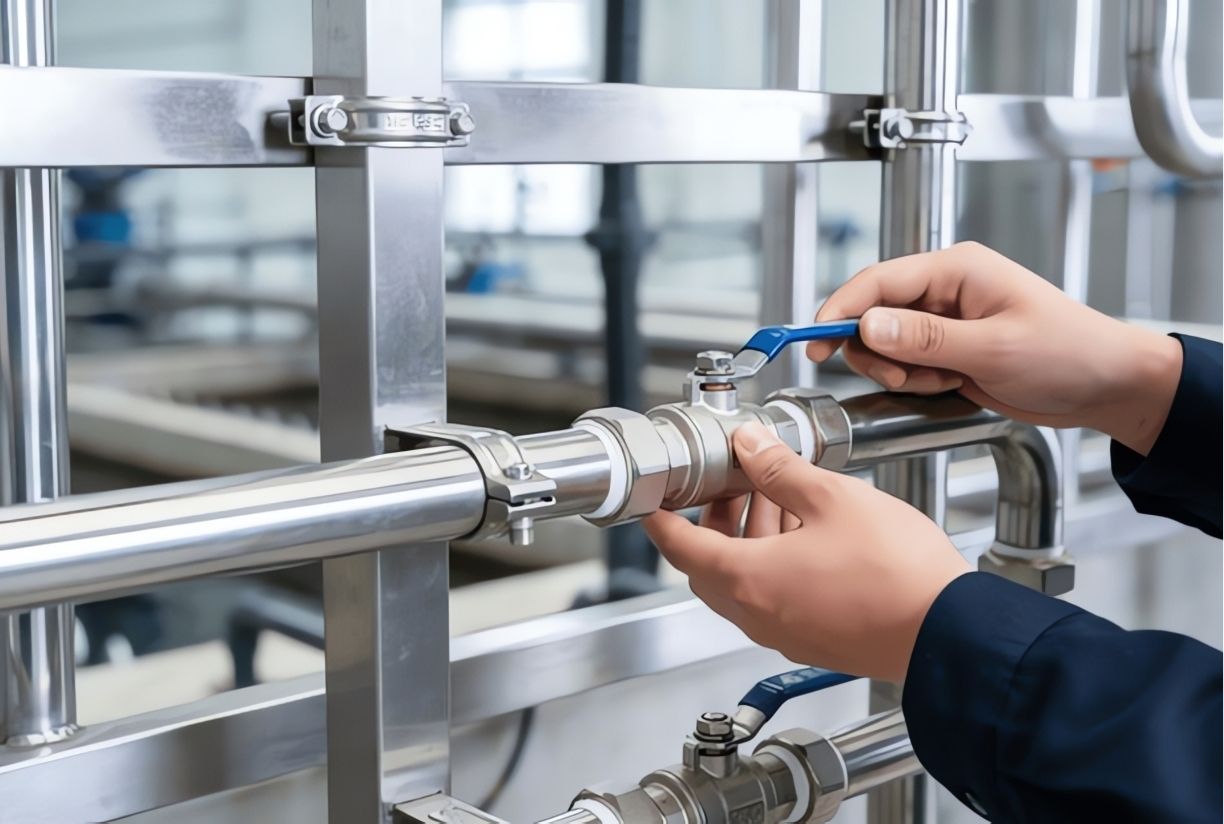
Table of Contents How to Eliminate Dead Spots in Your Hygiene System What Are the Best Ways to Reduce Dead Spots How Can I Design a Hygienic System Without Dead Spots How to Prevent Dead Spots in Process Equipment What Is the Fastest Way to Remove Dead Spots How to Optimize Your System to Avoid Dead Spots How to Achieve Full Coverage in Your Hygiene System How to Design for Zero Dead Spots in Production What Equipment Reduces Dead Spots Most Effectively How to Ensure Your System Has No Dead Spots How to Eliminate Dead Spots in Your Hygiene System Dead zones within industrial hygiene system design are more than an inconvenience; they represent a critical vulnerability leading to contamination risk, product loss, and compromised operational reliability. Eliminating these areas is a fundamental requirement for any facility prioritizing sustainable facility solutions and strict adherence to international quality protocols. Advanced elimination strategies leverage computational fluid dynamics (CFD) modeling to simulate flow patterns and precisely identify problematic zones before physical installation. This proactive approach, a core component of expert project design, ensures that every component, from specialized filter housing units to custom tank manufacturing, is integrated to promote uniform flow and prevent stagnation. The strategic placement of mixers and heat exchangers is equally critical, actively disrupting potential dead spots and maintaining consistent thermal and chemical homogeneity. This meticulous process improvement directly translates to enhanced product quality and a significant extension of equipment lifespan, protecting your capital investment. SS Proje delivers these end-to-end technical solutions, combining precision engineering with flawless field installation to guarantee a system free of performance gaps. Our methodology is proven to deliver measurable outcomes, including reduced downtime, lower utility consumption, and sustained facility efficiency. Contact us to begin your system optimization project and achieve a new standard of clean, reliable production. What Are the Best Ways to Reduce Dead Spots Identifying and eliminating dead spots is a primary objective for any industrial facility seeking to maximize operational reliability and product integrity. These stagnant zones undermine facility efficiency, fostering microbial growth and leading to costly contamination events that directly impact your bottom line. The most effective strategy begins with advanced project design utilizing computational modeling to predict and eliminate flow failures before construction. This is complemented by optimizing the internal geometry of vessels, a specialty in custom tank manufacturing, to ensure smooth, uninterrupted product movement without areas for buildup. Strategic integration of engineered industrial equipment is equally critical. Properly sized and positioned mixers provide active, uniform agitation, while correctly configured heat exchangers maintain consistent thermal profiles. This holistic process optimization approach is the cornerstone of modern, compliant hygiene system design. SS Proje implements these best practices through rigorous field installation and validation, delivering proven sustainable facility solutions. The result is a verifiable increase in equipment lifespan and a significant reduction in operational risks. For a detailed analysis of your system's performance and a tailored reduction plan, contact our engineers to begin your process improvement project. How Can I Design a Hygienic System Without Dead Spots Achieving a hygienic system entirely free of dead spots requires a foundational commitment to precision project design from the very first schematic. This proactive approach is the only way to ensure full operational reliability and compliance, eliminating the risks of contamination and inefficiency inherent in retrofitted solutions. The methodology hinges on leveraging computational fluid dynamics (CFD) to digitally prototype the entire system, simulating flow patterns to identify and eradicate stagnation points before any metal is cut. This digital twin approach informs every aspect of the build, dictating the optimal internal geometry for custom tank manufacturing and the precise placement of all industrial equipment. Component selection is equally critical. Specifying self-draining filter housing units, correctly sized mixers for uniform agitation, and optimally configured heat exchangers creates an integrated environment where nothing stands still. This level of process optimization is the hallmark of modern hygiene system design. SS Proje specializes in this forward-thinking engineering, delivering end-to-end technical solutions that are validated through meticulous field installation. The result is a guaranteed increase in equipment lifespan and superior facility efficiency. To transform your facility’s performance with a bespoke, zero-dead-spot system, contact us for a comprehensive project consultancy. How to Prevent Dead Spots in Process Equipment Preventing dead spots within process equipment is a non-negotiable requirement for maintaining product purity and maximizing operational reliability. These stagnant zones are not merely design flaws but active liabilities that compromise hygiene and drive up operational costs through wasted product and energy. The most effective prevention strategy is rooted in superior project design, which prioritizes fluid dynamics from the outset. This involves specifying equipment with optimized internal geometries, such as dished ends on vessels from expert tank manufacturing and sanitary filter housing designs that promote complete drainage. Active prevention is achieved through the strategic integration of ancillary components. Properly selected and placed mixers ensure consistent agitation, while correctly sized heat exchangers prevent thermal stratification. This holistic approach to process optimization is essential for building inherently cleanable systems. SS Proje executes this preventative philosophy through meticulous engineering and field installation, ensuring every piece of industrial equipment contributes to a dead-spot-free operation. The proven outcome is a dramatic extension of equipment lifespan and enhanced facility efficiency. To safeguard your production line, contact us for a detailed project consultancy and implement a robust prevention strategy. What Is the Fastest Way to Remove Dead Spots The fastest way to remove existing dead spots is through a targeted process improvement audit that combines advanced diagnostics with precision retrofitting. This approach delivers immediate gains in operational reliability without the extended downtime of a full system redesign, directly addressing contamination and inefficiency at its source. High-resolution CFD analysis quickly maps flow patterns to pinpoint exact stagnation zones within your current hygiene system design. The solution often involves strategic modifications like installing optimized agitation systems, retrofitting vessels with improved internals from specialized tank manufacturing, or upgrading to advanced filter housing units that eliminate pooling. This rapid intervention is supported by deploying targeted industrial equipment such as sanitary mixers for localized mixing or compact heat exchangers to correct thermal gradients. This method of agile process optimization resolves critical issues with minimal operational disruption. SS Proje specializes in executing these rapid-resolution projects through expert field installation, ensuring swift restoration of full facility efficiency and extended equipment lifespan. For a fast and effective elimination of your system's dead spots, contact us to initiate an expedited project consultancy and implementation plan. How to Optimize Your System to Avoid Dead Spots System optimization to avoid dead spots is a strategic imperative for achieving peak facility efficiency and uncompromised product quality. This proactive approach transforms your hygiene system design from a potential liability into a reliable asset, ensuring consistent operational reliability and compliance. True optimization begins with a comprehensive system audit using computational modeling to analyze flow dynamics and identify inefficiencies. This data-driven assessment informs precise upgrades, such as retrofitting vessels with optimized internals from advanced tank manufacturing or replacing standard components with high-efficiency filter housing systems designed for complete drainage. The integration of precisely engineered industrial equipment is crucial for maintaining optimal conditions. Correctly specified mixers eliminate stratification, while properly calibrated heat exchangers ensure uniform thermal distribution. This holistic process optimization approach addresses root causes rather than symptoms. SS Proje delivers these optimization solutions through expert field installation and validation, creating systems that demonstrate measurable improvements in equipment lifespan and operational performance. To transform your facility's efficiency with a dead-spot-free system, contact us for a comprehensive project consultancy and implementation plan. How to Achieve Full Coverage in Your Hygiene System Achieving full coverage in your hygiene system is fundamental to guaranteeing product safety and maximizing operational reliability. Incomplete coverage creates vulnerable zones where contaminants thrive, directly undermining facility efficiency and risking non-compliance with stringent quality standards. The methodology for ensuring complete coverage relies on advanced project design that prioritizes uniform fluid dynamics. This involves engineering systems with optimal slopes for drainage in custom tank manufacturing, specifying spray ball systems for complete surface contact, and utilizing computational modeling to validate that cleaning and process fluids reach every surface without exception. Strategic equipment integration is paramount. Properly positioned and selected mixers prevent product stratification, while correctly configured heat exchangers maintain consistent temperature profiles. Sanitary filter housing designs that prevent bypass are also critical components in this comprehensive process optimization strategy. SS Proje implements these full-coverage solutions through precision field installation and validation protocols, delivering verifiable improvements in equipment lifespan and system performance. To ensure your facility achieves complete coverage and optimal hygiene system design, contact us for a detailed project consultancy and implementation plan. How to Design for Zero Dead Spots in Production Designing for zero dead spots in production requires a foundational commitment to precision engineering from initial concept through final validation. This proactive approach is essential for achieving maximum operational reliability and eliminating the contamination risks and efficiency losses associated with stagnant zones in hygiene system design. The methodology centers on advanced computational fluid dynamics modeling integrated throughout the project design phase. This digital prototyping ensures every component, from custom-engineered vessels in specialized tank manufacturing to sanitary filter housing configurations, is optimized for continuous flow and complete drainage without areas for product accumulation. Strategic integration of precision industrial equipment completes the zero-dead-spot equation. This includes properly sized mixers for homogeneous blending, optimally configured heat exchangers for uniform thermal control, and all components engineered for cleanability. This comprehensive process optimization approach ensures full compliance with international standards. SS Proje delivers these zero-dead-spot production systems through meticulous field installation and validation, resulting in proven extensions of equipment lifespan and superior facility efficiency. To implement a production environment free from contamination risks, contact us for a comprehensive project consultancy and design solution. What Equipment Reduces Dead Spots Most Effectively Selecting the right industrial equipment is the most decisive factor in eliminating dead spots and ensuring complete operational reliability. Properly specified equipment actively prevents stagnation rather than merely containing it, directly impacting both product quality and facility efficiency. Sanitary mixers with precisely engineered impellers provide the most effective mechanical solution by ensuring continuous product movement and homogeneity. Complementing this, advanced heat exchangers with optimized flow paths prevent thermal stratification that creates stagnant zones. Equipment from specialized tank manufacturing with conical bottoms and optimal drain angles ensures complete evacuation without product residue. Critical to this approach are self-draining filter housing systems that eliminate areas where product can accumulate. When integrated through expert project design, this equipment portfolio creates a comprehensive process optimization solution that addresses dead spots at their source within the hygiene system design. SS Proje specifies and installs this high-performance equipment through precision field installation, delivering proven extensions in equipment lifespan and operational performance. For a technical assessment of the most effective equipment for your specific application, contact us for a detailed project consultancy. How to Ensure Your System Has No Dead Spots Ensuring your system has absolutely no dead spots requires a systematic approach combining advanced design validation with precision implementation. This comprehensive methodology is essential for achieving guaranteed operational reliability and eliminating all risks of contamination within your hygiene system design. The process begins with computational fluid dynamics analysis integrated throughout the project design phase to digitally eliminate stagnation points before installation. This is complemented by specifying equipment from specialized tank manufacturing with optimal drainage geometry and sanitary filter housing systems designed for complete product evacuation without residual pools. Validation continues through strategic equipment integration including properly sized mixers for continuous agitation and correctly configured heat exchangers to prevent thermal stratification. This holistic process optimization approach ensures every component contributes to a dead-spot-free environment. SS Proje delivers this guaranteed performance through meticulous field installation and validation protocols, resulting in measurable improvements in equipment lifespan and facility efficiency. To ensure your system operates with zero dead spots, contact us for a comprehensive project consultancy and implementation plan.
See More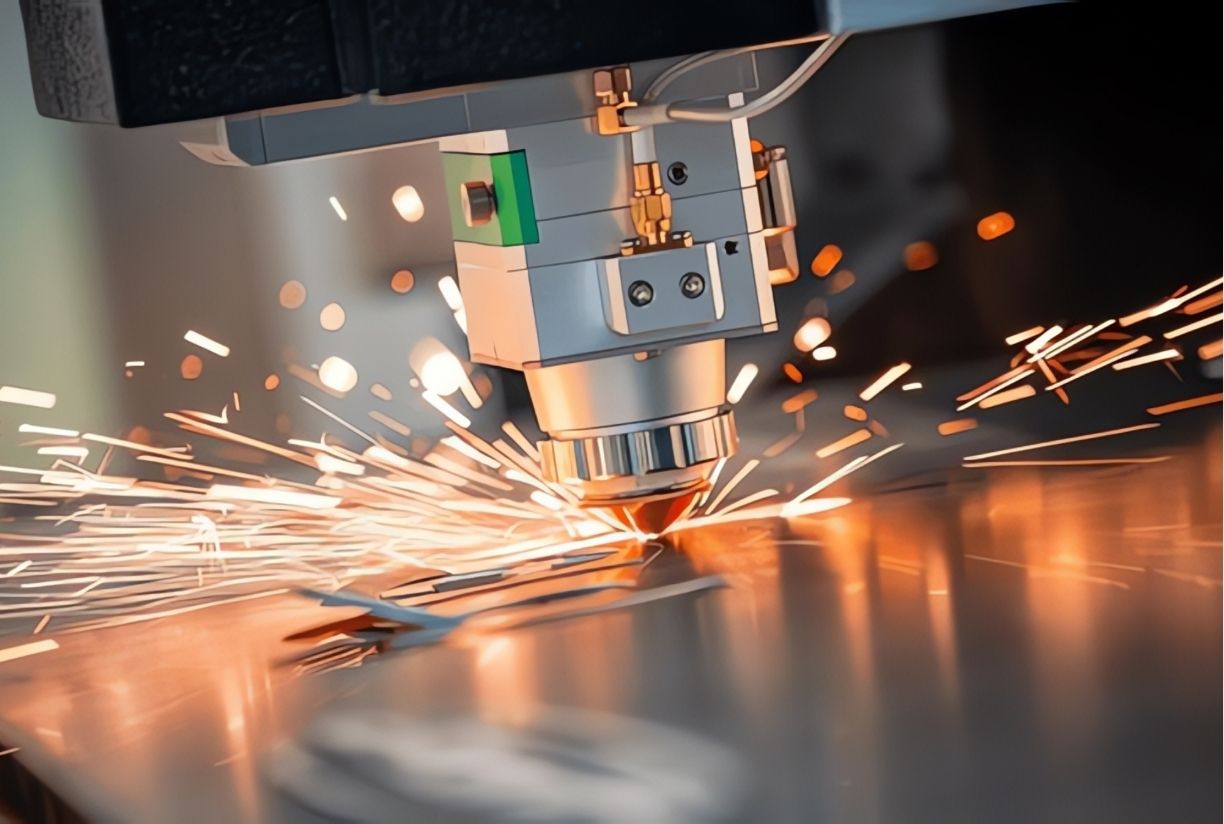
Table of Contents How To Predict Industrial Equipment Failures Early What Are The Best Predictive Maintenance Techniques How To Use Vibration Analysis For Failure Detection Can Thermal Imaging Prevent Equipment Breakdowns How To Implement Acoustic Monitoring For Failures What Is The Role Of Oil Analysis In Predictive Maintenance How To Set Up Continuous Equipment Health Monitoring What Are Early Warning Signs Of Mechanical Failure How To Detect Electrical Failures Before They Happen How To Plan A Proactive Maintenance Strategy How To Predict Industrial Equipment Failures Early Unplanned downtime in industrial facilities remains a primary driver of lost revenue and compromised safety, making the shift from reactive repairs to predictive maintenance a critical operational imperative. This proactive approach focuses on detecting subtle anomalies in equipment behavior long before a catastrophic industrial equipment failure occurs, directly supporting goals of sustained operational reliability and maximum asset lifespan. Advanced techniques form the core of an effective strategy, with vibration analysis and thermal imaging providing early warnings for rotating machinery and electrical systems. By continuously monitoring these parameters, facilities can schedule interventions during planned stops, preventing disruptive breakdowns. This data-driven methodology is a cornerstone of modern process optimization, transforming maintenance from a cost center into a value-driven function that enhances overall facility efficiency. Implementing these systems requires expert project design and precise field installation to ensure accuracy and integration with existing controls. SS Proje delivers these end-to-end technical solutions, from initial sensor deployment to data interpretation protocols, ensuring your team can act on actionable insights rather than raw data streams, a key differentiator for achieving true sustainable facility solutions. The measurable outcome is a significant extension of equipment lifespan and a drastic reduction in emergency repairs, directly impacting your bottom line. For a detailed assessment of your current systems and a tailored predictive maintenance plan, contact SS Proje to begin securing your facility's productivity and longevity through proven, standards-compliant advancements. What Are The Best Predictive Maintenance Techniques Moving beyond scheduled maintenance requires adopting the most effective predictive maintenance techniques to anticipate failures before they halt production. The best methods leverage direct equipment data to forecast issues, transforming maintenance from a calendar-based chore into a precision function that guarantees operational reliability and maximizes asset utilization. Vibration analysis stands as a cornerstone technique, using sensors to detect imbalances and misalignments in rotating machinery like pumps and motors long before they fail. Complementing this, thermal imaging identifies abnormal heat patterns in electrical systems and bearings, pinpointing friction and resistance issues invisible to the naked eye. For critical lubrication systems, oil analysis provides a deep diagnostic of contaminant levels and particulate wear, revealing the internal health of engines and gearboxes. Implementing these techniques demands expert project design to select the right sensors and establish accurate baseline readings. SS Proje specializes in the seamless field installation of these monitoring systems, integrating them into your control architecture for centralized, actionable insights. This holistic approach is a definitive step in advanced process optimization, ensuring every maintenance action is data-justified and drives facility efficiency. The result is a proven extension of equipment lifespan and a drastic reduction in unplanned downtime. To deploy these industry-leading techniques and achieve measurable performance gains, contact SS Proje for a comprehensive assessment and a tailored implementation strategy. How To Use Vibration Analysis For Failure Detection Vibration analysis is a powerful diagnostic tool that detects mechanical faults in rotating assets by measuring and interpreting vibration signatures. It transforms maintenance from a reactive practice into a precise science, enabling teams to identify imbalances, misalignments, and bearing wear long before they cause catastrophic industrial equipment failure. This proactive approach is fundamental to achieving superior operational reliability and avoiding unplanned production stops. The process begins with strategic sensor placement on critical equipment like pumps, fans, and motors to capture baseline vibration data. Advanced analyzers then measure parameters such as frequency and amplitude, comparing them against established thresholds to pinpoint anomalies. This data-driven insight allows for precise fault diagnosis, whether it's a slight imbalance or early-stage bearing degradation, forming a core component of any robust predictive maintenance program focused on process improvement. Effective implementation requires meticulous project design to ensure correct sensor selection and optimal positioning for accurate data collection. SS Proje provides expert field installation and system integration, transforming raw vibration data into actionable maintenance directives. This technical capability is essential for driving facility efficiency and forms part of comprehensive end-to-end technical solutions for modern industrial operations. The measurable outcome is significantly extended equipment lifespan and dramatically reduced emergency repairs. To implement a vibration analysis program that delivers proven reliability improvements, contact SS Proje for a facility assessment and customized implementation plan. Can Thermal Imaging Prevent Equipment Breakdowns Thermal imaging technology directly prevents equipment breakdowns by detecting abnormal heat patterns that signal impending failures. This non-invasive technique identifies issues in electrical systems, mechanical components, and insulation long before they become critical, making it an essential tool for maintaining operational reliability and preventing costly production interruptions through advanced predictive maintenance. Infrared cameras capture temperature variations across equipment surfaces, revealing problems like loose electrical connections, failing bearings, and blocked heat exchangers. These thermal anomalies provide early warnings that enable maintenance teams to schedule repairs during planned downtime, effectively preventing the industrial equipment failure that would otherwise cause unexpected shutdowns and compromise facility efficiency. Successful implementation requires proper project design to establish baseline temperatures and critical thresholds for different equipment types. SS Proje provides expert field installation of thermal monitoring systems and integrates them with existing maintenance protocols. This technical approach transforms thermal data into actionable insights, supporting comprehensive process optimization and delivering sustainable facility solutions through continuous equipment health monitoring. The proven outcome is significantly extended equipment lifespan and dramatically reduced emergency repairs. To implement a thermal imaging program that delivers measurable reliability improvements, contact SS Proje for a facility assessment and customized thermal monitoring solution. How To Implement Acoustic Monitoring For Failures Acoustic monitoring detects equipment failures by analyzing sound patterns that indicate developing mechanical issues. This advanced technique identifies abnormalities in noise signatures from bearings, gears, and fluid systems that often precede visible symptoms, providing early warnings that are crucial for maintaining operational reliability and preventing unexpected industrial equipment failure through sophisticated predictive maintenance. Implementation begins with strategically placing ultrasonic and acoustic emission sensors on critical assets to capture high-frequency sounds undetectable to human hearing. These sensors establish baseline acoustic profiles while advanced algorithms analyze deviations that indicate problems like cavitation in pumps, lubrication issues in bearings, or leaks in compressed air systems. This data-driven approach enables maintenance teams to address faults during planned downtime, significantly enhancing facility efficiency and supporting comprehensive process improvement initiatives. Effective deployment requires meticulous project design to ensure proper sensor placement and system calibration for accurate data collection. SS Proje provides expert field installation and integration services, transforming complex acoustic data into actionable maintenance insights. This technical capability forms part of our end-to-end technical solutions for modern industrial operations seeking sustainable facility solutions through continuous monitoring. The proven outcome is substantially extended equipment lifespan and dramatically reduced emergency repairs. To implement an acoustic monitoring system that delivers measurable reliability improvements, contact SS Proje for a comprehensive facility assessment and customized implementation strategy. What Is The Role Of Oil Analysis In Predictive Maintenance Oil analysis serves as a critical diagnostic tool in predictive maintenance by examining lubricant condition and contamination levels to reveal internal equipment health. This proactive technique detects microscopic wear particles, chemical changes, and foreign contaminants that signal developing mechanical problems long before they cause catastrophic industrial equipment failure, directly supporting enhanced operational reliability and optimized maintenance scheduling. The process involves regularly sampling lubricants from critical assets like hydraulic systems, gearboxes, and engines for laboratory analysis. Advanced spectroscopy and ferrography techniques identify wear metals, additive depletion, and fluid degradation patterns that indicate specific failure modes. This data-driven approach enables maintenance teams to address root causes rather than symptoms, significantly improving facility efficiency through targeted interventions and supporting comprehensive process improvement initiatives. Effective implementation requires proper project design to establish sampling protocols and analysis frequencies tailored to specific equipment criticality. SS Proje provides expert guidance on sampling techniques and interpretation of analysis results, transforming complex oil data into actionable maintenance decisions. This technical capability forms an essential component of end-to-end technical solutions for achieving sustainable facility solutions through condition-based maintenance. The proven outcome is substantially extended equipment lifespan and optimized lubrication management. To implement an oil analysis program that delivers measurable reliability improvements, contact SS Proje for a comprehensive assessment and customized lubrication management strategy. How To Set Up Continuous Equipment Health Monitoring Continuous equipment health monitoring transforms maintenance from periodic checks to real-time asset protection, preventing failures through constant data collection and analysis. This approach establishes a digital nervous system for your facility, detecting anomalies the moment they emerge to maintain ultimate operational reliability and prevent unexpected industrial equipment failure through advanced predictive maintenance capabilities. Implementation begins with strategic sensor deployment on critical assets measuring vibration, temperature, pressure, and acoustic emissions around the clock. These sensors connect to centralized monitoring platforms that use machine learning algorithms to establish normal operating baselines and detect subtle deviations indicating developing faults. This real-time data enables maintenance teams to transition from scheduled interventions to condition-based actions, dramatically improving facility efficiency and supporting comprehensive process optimization through data-driven decision making. Successful deployment requires meticulous project design to ensure proper sensor selection, placement, and integration with existing control systems. SS Proje provides expert field installation and system configuration services, transforming raw sensor data into actionable maintenance intelligence. This technical capability delivers end-to-end technical solutions for achieving sustainable facility solutions through uninterrupted equipment protection. The proven outcome is maximized equipment lifespan and near-elimination of unexpected downtime. To implement a continuous monitoring system that delivers measurable reliability improvements, contact SS Proje for a comprehensive facility assessment and customized implementation plan. What Are Early Warning Signs Of Mechanical Failure Recognizing early warning signs of mechanical failure is fundamental to preventing catastrophic equipment damage and unplanned production halts. Subtle changes in equipment behavior often precede major breakdowns, and identifying these indicators forms the cornerstone of effective predictive maintenance strategies aimed at ensuring operational reliability and avoiding costly industrial equipment failure. Key mechanical warning signs include abnormal vibration patterns indicating imbalance or misalignment, unusual acoustic emissions from bearings or gears, and gradual temperature increases in motors or bearings. Progressive changes in energy consumption, slight decreases in output efficiency, and minor leaks also serve as critical indicators that equipment requires attention. Monitoring these parameters enables maintenance teams to intervene during planned downtime, significantly enhancing facility efficiency through proactive process improvement rather than reactive repairs. Detecting these subtle signs requires proper project design for sensor placement and monitoring system configuration to capture meaningful data. SS Proje provides expert field installation of monitoring systems and training for personnel to recognize these critical indicators. This technical approach transforms observational data into actionable insights, delivering end-to-end technical solutions for achieving sustainable facility solutions through early fault detection. The proven outcome is substantially extended equipment lifespan and dramatically reduced emergency interventions. To implement a comprehensive early warning system that delivers measurable reliability improvements, contact SS Proje for a facility assessment and customized monitoring solution. How To Detect Electrical Failures Before They Happen Detecting electrical failures before they occur is critical for preventing unexpected downtime and ensuring personnel safety in industrial environments. Electrical systems exhibit measurable warning signs that can be monitored through advanced techniques, forming an essential component of comprehensive predictive maintenance programs designed to maintain operational reliability and prevent catastrophic industrial equipment failure. Key detection methods include infrared thermography to identify hot spots in electrical panels and connections, partial discharge testing to detect insulation degradation, and power quality analysis to uncover harmonic distortions and voltage irregularities. These techniques reveal developing issues like loose connections, failing insulation, and component degradation long before they cause complete system failures. Implementing these monitoring approaches enables maintenance teams to address electrical issues during planned outages, significantly improving facility efficiency through proactive process improvement rather than emergency responses. Effective implementation requires proper project design for sensor placement and monitoring system configuration tailored to electrical infrastructure. SS Proje provides expert field installation of electrical monitoring systems and training for proper interpretation of diagnostic data. This technical approach transforms electrical system data into actionable maintenance insights, delivering end-to-end technical solutions for achieving sustainable facility solutions through early electrical fault detection. The proven outcome is substantially extended equipment lifespan and dramatically reduced electrical emergencies. To implement a comprehensive electrical monitoring system that delivers measurable reliability improvements, contact SS Proje for a facility assessment and customized electrical protection strategy. How To Plan A Proactive Maintenance Strategy Developing a proactive maintenance strategy transforms facility management from reactive firefighting to systematic asset preservation and performance optimization. This strategic approach focuses on preventing equipment failures before they occur, establishing a foundation for sustained operational reliability and eliminating unexpected industrial equipment failure through comprehensive predictive maintenance integration. Effective planning begins with criticality analysis to prioritize assets based on operational impact and failure consequences. This assessment guides the selection of appropriate monitoring techniques including vibration analysis, thermal imaging, and oil analysis tailored to specific equipment needs. The strategy must establish clear baseline measurements, intervention thresholds, and response protocols that enable maintenance during planned downtime rather than emergencies. This systematic approach significantly enhances facility efficiency through coordinated process improvement and data-driven decision making. Successful implementation requires meticulous project design to ensure proper technology selection, sensor placement, and integration with existing maintenance systems. SS Proje provides expert field installation and strategy development services, transforming maintenance planning into actionable operational protocols. This comprehensive approach delivers end-to-end technical solutions for achieving sustainable facility solutions through structured maintenance excellence. The proven outcome is maximized equipment lifespan and dramatically reduced operational disruptions. To develop a proactive maintenance strategy that delivers measurable reliability improvements, contact SS Proje for a comprehensive facility assessment and customized maintenance planning solution.
See More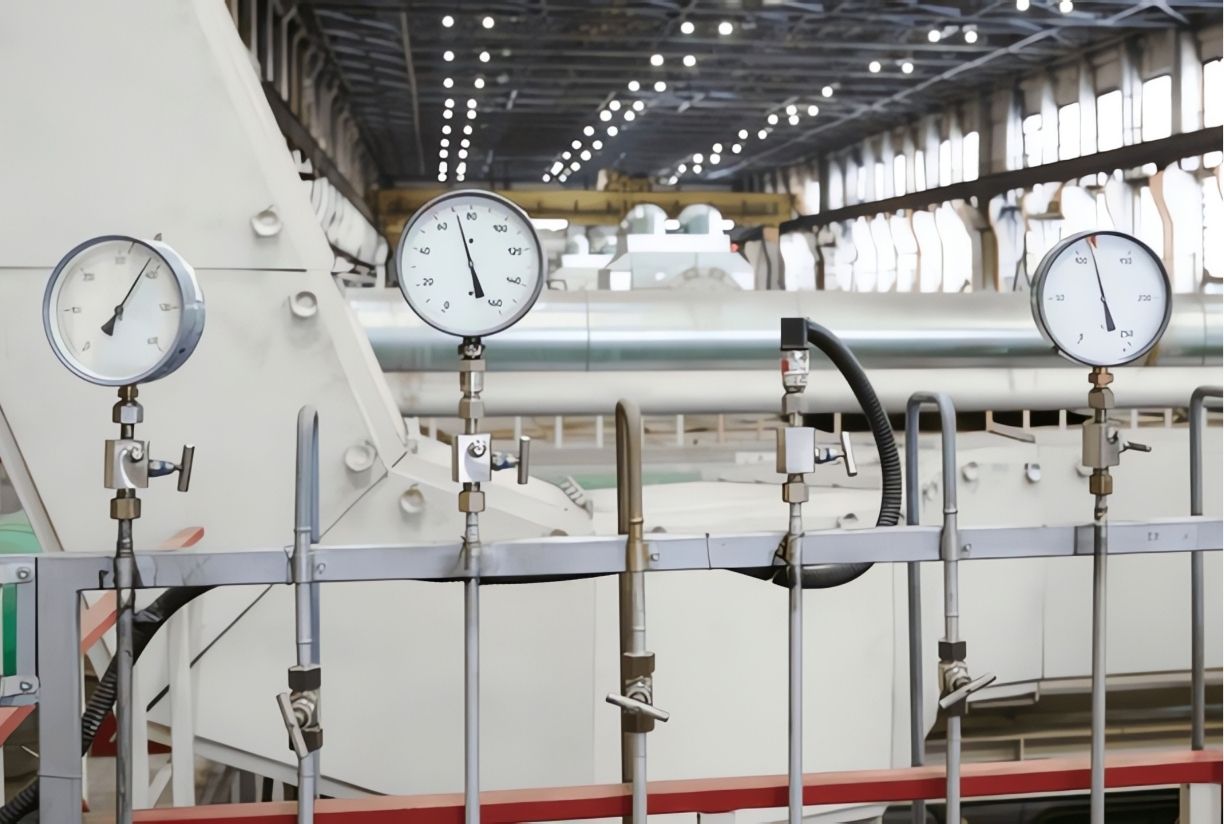
Table of Contents How To Prevent Pressure Loss In Industrial Facilities What Causes Pressure Loss In Facility Systems How To Maintain Optimal Pressure In Your Facility Can You Fix Pressure Loss Without Downtime How To Diagnose Pressure Loss Issues Quickly What Equipment Prevents Pressure Loss Best How To Optimize Facility Pressure Efficiency Is Your Facility Losing Pressure Unnecessarily How To Avoid Costly Pressure Drop Problems What Steps Stop Pressure Loss For Good How To Prevent Pressure Loss In Industrial Facilities Pressure loss in industrial facilities directly impacts energy consumption, process consistency, and overall operational costs, making its prevention a critical priority for managers focused on sustainable facility solutions and increasing facility performance. Addressing this issue requires a systematic approach to process optimization that identifies leaks, friction points, and design inefficiencies within complex systems. Effective prevention starts with a comprehensive audit of all fluid and air handling systems, including industrial equipment like pipelines, heat exchangers, and filter housing units. Advanced diagnostic tools pinpoint exact loss locations, enabling targeted interventions that restore designed pressure levels and significantly boost operational reliability. This precision avoids unnecessary full-system replacements, focusing investment where it delivers the highest return. For lasting results, integrating high-efficiency components and implementing routine passivation treatments protect internal surfaces from corrosion and scaling, which are primary causes of gradual pressure drop. SS Proje specializes in this end-to-end methodology, from initial project design to precise field installation, ensuring every upgrade adheres to strict international quality standards for safety and performance. Proactive pressure management transforms facility output, reducing energy waste by up to 20 percent and extending the long life of capital equipment. These measurable improvements in facility efficiency directly enhance bottom-line results and sustainability metrics. To secure these gains for your operation, contact SS Proje for a detailed system assessment and a customized implementation plan. What Causes Pressure Loss In Facility Systems Pressure loss within facility systems stems from identifiable physical factors that degrade operational reliability and inflate energy costs. Friction from fluid flow through pipes, blockages in filter housing units, and leaks at connection points are primary culprits that directly undermine facility efficiency and system integrity. Corrosion and scaling inside pipelines and key industrial equipment like heat exchangers constrict flow paths, increasing resistance and forcing pumps to work harder. Inadequately sized components or poorly executed field installation create inherent design flaws that lead to chronic pressure drop, reducing the long life of the entire system. Advanced diagnostic techniques, including ultrasonic leak detection and flow analysis, pinpoint these issues with precision. SS Proje employs these methods during comprehensive project consultancy audits, developing targeted process optimization strategies that rectify root causes rather than just symptoms, ensuring compliance with international quality standards. Addressing these causes through expert project design and proactive maintenance, such as chemical passivation, restores designed pressure levels and delivers measurable gains in performance. This systematic approach is fundamental to achieving sustainable facility solutions. For a detailed analysis of your system's pressure loss factors, consult with SS Proje to implement a corrective plan. How To Maintain Optimal Pressure In Your Facility Maintaining optimal pressure is a dynamic process essential for maximizing facility efficiency and ensuring the long life of capital equipment. It requires a proactive regimen of monitoring, maintenance, and strategic upgrades to counteract the natural tendency of systems to degrade over time, directly impacting operational reliability. A robust maintenance program begins with continuous monitoring using smart sensors that track pressure drops across key assets like heat exchangers and filter housing systems. Scheduled cleaning and timely replacement of worn components prevent the gradual accumulation of flow restrictions. Incorporating passivation into the maintenance schedule protects internal metallic surfaces from corrosion, a primary cause of pressure loss. For comprehensive process optimization, data from monitoring informs strategic decisions. SS Proje integrates this data into its project design and field installation services, ensuring that any upgrades or new industrial equipment is perfectly sized and specified to maintain system equilibrium and adhere to international quality standards. This disciplined approach to pressure management translates into significant energy savings, reduced downtime, and superior sustainable facility solutions. It transforms a reactive cost center into a strategically managed asset. To develop a customized pressure maintenance protocol for your facility, engage SS Proje for a detailed project consultancy and implementation plan. Can You Fix Pressure Loss Without Downtime Minimizing production stoppages is a paramount concern when addressing system inefficiencies, making zero-downtime repairs for pressure loss a critical capability for maintaining operational reliability. Advanced planning and specialized techniques allow for interventions that restore facility efficiency without halting processes. Non-invasive diagnostic tools, such as ultrasonic leak detectors and thermal imaging cameras, identify fault locations while systems remain active. For repairs, temporary bypass loops can be installed around compromised sections of piping or heat exchangers, allowing for isolation and fix without a full shutdown. Proactive measures like online chemical cleaning and passivation treatments can be executed during normal operation to combat scaling and corrosion. This approach requires meticulous project design and precise execution. SS Proje specializes in designing and implementing these non-disruptive protocols, leveraging extensive project consultancy expertise to ensure all work meets international quality standards. Their methodology focuses on strategic process optimization that integrates seamlessly with live operations. Executing repairs without downtime protects revenue and upholds production schedules, directly contributing to the long life of industrial equipment. It is a cornerstone of modern, efficient plant management. To explore proven no-downtime solutions for your pressure loss issues, contact SS Proje for a detailed assessment and action plan. How To Diagnose Pressure Loss Issues Quickly Rapid diagnosis of pressure loss is critical for minimizing operational disruption and preventing costly energy waste, directly impacting facility efficiency. A systematic, technology-driven approach isolates the root cause—whether a leak, blockage, or equipment failure—to enable swift corrective action and preserve operational reliability. The process begins with real-time data analysis from permanently installed pressure transducers and flow meters mapping the entire system. For pinpoint accuracy, technicians employ advanced acoustic emission sensors to detect leaks and infrared thermography to identify flow restrictions within heat exchangers or clogged filter housing units without disassembly. This targeted methodology is a core component of effective process optimization. SS Proje integrates these diagnostic technologies into its project consultancy services, delivering a comprehensive assessment that adheres to international quality standards. Their expertise ensures the diagnosis not only identifies the immediate fault but also evaluates the broader health of industrial equipment, informing a robust project design for lasting repairs. Quick and accurate diagnosis drastically reduces system downtime and prevents minor issues from escalating, safeguarding sustainable facility solutions and extending asset long life. To implement a rapid diagnostic protocol for your facility, partner with SS Proje for a precise evaluation and actionable plan. What Equipment Prevents Pressure Loss Best Selecting the right equipment is fundamental to designing systems that inherently resist pressure loss, a key strategy for achieving superior facility efficiency and operational reliability. High-performance components minimize friction, control flow, and maintain consistent pressure from source to endpoint. Optimally sized piping with smooth interior surfaces reduces frictional drag, while advanced self-cleaning filter housing systems prevent clogging without interrupting flow. Efficient pumps and precisely engineered heat exchangers designed for low pressure drop are critical. Incorporating pressure-sustaining valves and advanced flow controllers allows for dynamic regulation, which is essential for complex process optimization. The integration of this specialized industrial equipment requires expert project design and precise field installation to ensure all components work in harmony. SS Proje applies its engineering expertise to select and implement equipment that meets rigorous international quality standards, creating robust systems that form the foundation of sustainable facility solutions. Investing in the correct pressure-saving equipment delivers a rapid return through lowered energy consumption and reduced maintenance, ensuring the long life of your entire operation. To specify the optimal equipment for your facility's needs, consult with SS Proje for a comprehensive system analysis and implementation strategy. How To Optimize Facility Pressure Efficiency Optimizing facility pressure efficiency is a holistic engineering discipline that systematically reduces energy consumption while maximizing output, directly enhancing operational reliability. This strategic approach moves beyond simple fixes to create a seamlessly integrated system where every component works in concert to minimize losses and boost facility efficiency. The optimization process begins with a comprehensive system audit using data analytics to model flow dynamics and identify inefficiencies. Key actions include right-sizing pumps to actual demand, implementing variable frequency drives, and upgrading to low-resistance industrial equipment like high-efficiency heat exchangers and advanced filter housing systems. Regular passivation ensures internal surfaces remain smooth to reduce friction losses over time. This level of integrated process optimization requires meticulous project design and precision execution. SS Proje specializes in delivering end-to-end optimization projects that adhere to international quality standards, from initial audit through field installation and ongoing monitoring, creating truly sustainable facility solutions. A fully optimized pressure system delivers measurable reductions in energy costs while extending the long life of capital equipment. To transform your facility's pressure performance, engage SS Proje for a comprehensive optimization assessment and implementation plan tailored to your specific operational needs. Is Your Facility Losing Pressure Unnecessarily Many facilities operate with hidden pressure losses that silently drain energy budgets and compromise operational reliability, often going undetected until significant damage or efficiency loss occurs. Identifying these unnecessary losses is the first critical step toward reclaiming facility efficiency and reducing operational costs. Common culprits include undersized or corroded piping, leaking seals and valves, fouled heat exchangers, and overloaded filter housing systems that create excessive resistance. Without regular passivation and maintenance, internal corrosion accelerates, steadily increasing pressure requirements for the same output and straining all connected industrial equipment. A professional audit using ultrasonic leak detection and thermal imaging can quickly quantify these losses. SS Proje provides comprehensive assessments that form the basis for targeted process optimization, ensuring all corrective measures from project design to field installation meet international quality standards and deliver sustainable facility solutions. Eliminating unnecessary pressure loss directly translates to lower energy bills, reduced carbon footprint, and extended long life for your capital assets. To discover if your facility is losing pressure unnecessarily, contact SS Proje for a detailed diagnostic evaluation and a clear path to recovery. How To Avoid Costly Pressure Drop Problems Preventing costly pressure drop problems requires a proactive, systematic approach that prioritizes prevention over reaction, safeguarding both operational reliability and financial performance. Left unaddressed, these issues escalate into major repairs and significant energy waste, directly undermining facility efficiency. The most effective strategy combines regular system health monitoring with predictive maintenance schedules. This includes routine inspection of filter housing units for clogging, monitoring heat exchangers for fouling, and implementing scheduled passivation to prevent internal corrosion in pipes and vessels. Selecting properly sized industrial equipment during initial project design creates systems inherently resistant to pressure loss. This preventive methodology is central to advanced process optimization. SS Proje integrates these practices into comprehensive maintenance programs, ensuring all field installation and monitoring activities adhere to international quality standards for consistent performance and true sustainable facility solutions. By avoiding pressure drop problems before they occur, facilities achieve substantial cost savings on energy and repairs while ensuring the long life of their operational assets. To implement a robust prevention strategy for your facility, partner with SS Proje for a customized plan and expert implementation. What Steps Stop Pressure Loss For Good Achieving permanent resolution of pressure loss requires implementing a complete system strategy rather than temporary fixes, creating foundational operational reliability that endures. This comprehensive approach addresses root causes through engineering excellence and disciplined maintenance, ensuring lasting facility efficiency. The process begins with expert system design using computational fluid dynamics to optimize piping layouts and component selection. This includes specifying corrosion-resistant materials, installing high-efficiency filter housing systems, and selecting low-pressure-drop heat exchangers. Regular chemical passivation creates permanent protective layers on metal surfaces, while smart monitoring systems provide continuous performance data for proactive process optimization. This holistic methodology requires integration of superior industrial equipment with precision execution. SS Proje delivers these permanent solutions through meticulous project design and field installation that meets international quality standards, creating engineered systems that form the core of sustainable facility solutions. Permanent pressure loss prevention delivers decades of energy savings and uninterrupted production, maximizing the long life of your facility's infrastructure. To implement lasting solutions for your operation, consult with SS Proje for a comprehensive engineering assessment and permanent correction plan.
See More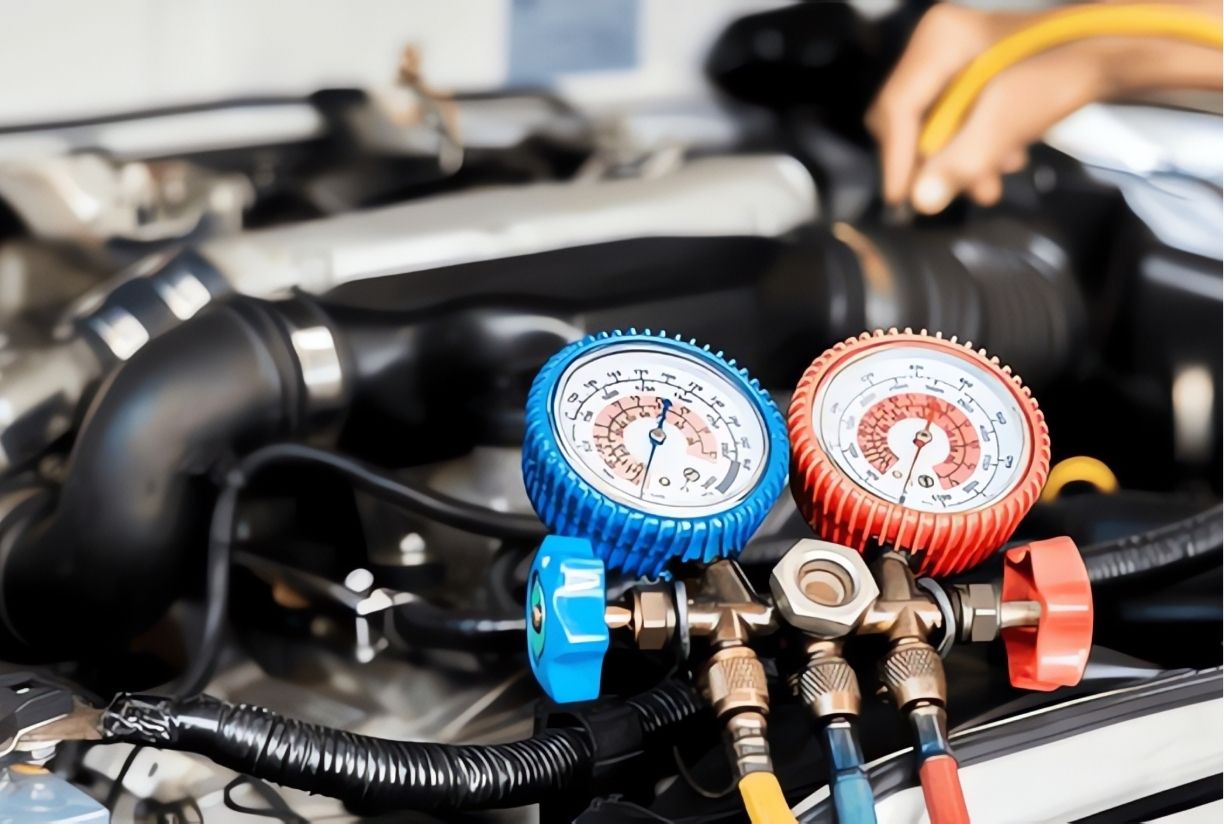
Table of Contents What Is A Leakage Test In Industrial Systems How To Perform A Proper Leakage Test Why Is A Leakage Test Critical For Safety What Equipment Needs A Leakage Test How Does A Leakage Test Improve Efficiency What Standards Govern Industrial Leakage Testing How To Interpret Leakage Test Results What Are The Types Of Leakage Tests How Often Should You Conduct Leakage Tests Can A Leakage Test Prevent Downtime What Is A Leakage Test In Industrial Systems In industrial systems, undetected leaks represent a critical threat to operational reliability, causing energy loss, product contamination, and potential safety hazards that directly impact facility efficiency. A leakage test is a systematic procedure designed to identify and quantify unintended fluid or gas escape, serving as a foundational practice for maintaining system integrity and preventing costly unplanned downtime. Advanced process optimization relies on precise leak detection methods, moving beyond basic visual inspections to sophisticated techniques like pressure decay, mass flow, and tracer gas testing. These methods provide quantifiable data, enabling facilities to pinpoint even minor leaks in complex networks of industrial equipment such as reactors, heat exchangers, and piping long before they escalate into major failures. Integrating regular leakage testing into a preventative maintenance schedule is a proactive strategy for sustainable facility solutions. This practice not only ensures compliance with stringent international quality standards but also directly contributes to increasing facility performance by conserving energy, protecting product purity, and safeguarding assets. For comprehensive system assurance, specialized engineering support is often essential. SS Proje delivers end-to-end technical solutions for leakage testing, from initial project design and field installation of monitoring systems to data analysis and corrective action, ensuring your operations achieve measurable gains in reliability and longevity. How To Perform A Proper Leakage Test Performing a proper leakage test is fundamental to maintaining operational reliability and preventing the costly inefficiencies that stem from undetected system breaches. The procedure begins with meticulous isolation and preparation of the component, such as a filter housing or pressure vessel, ensuring it is clean, accessible, and safe to test according to relevant international quality standards. The selection of the testing method is critical and depends on the system's medium and required sensitivity. Modern approaches like pressure decay or mass flow measurement provide quantitative data far superior to outdated bubble tests. These advanced techniques, integral to process optimization, involve pressurizing the isolated section with air or an inert gas and using calibrated instruments to monitor for a drop in pressure or flow over a specified duration, accurately pinpointing even minor leaks. This rigorous approach to verification is a cornerstone of sustainable facility solutions, directly contributing to increasing facility performance by conserving energy and raw materials. For complex systems involving critical industrial equipment like heat exchangers, expert execution ensures not only compliance but also maximizes asset lifespan. Mastering these procedures requires deep technical expertise to ensure accuracy and safety. SS Proje provides specialized project consultancy and field installation support for leakage testing protocols, delivering end-to-end technical solutions that transform a simple test into a strategic tool for sustained facility efficiency and reliability. Why Is A Leakage Test Critical For Safety A leakage test is a non-negotiable safety protocol, serving as the primary defense against catastrophic failures in pressurized systems handling hazardous or flammable materials. Its critical role extends beyond mere compliance, directly preventing incidents that threaten personnel safety, environmental integrity, and overall operational reliability by identifying weaknesses before they lead to rupture or release. In practical application, these tests verify the integrity of vessels and containment systems, from chemical tank manufacturing outputs to complex networks of pipes and heat exchangers. Advanced methods using precise pressure and vacuum decay analysis provide empirical data that surpasses visual inspection, a key element of modern process optimization for risk mitigation. This proactive approach is fundamental to implementing truly sustainable facility solutions. Regular testing forms the backbone of a preventative maintenance strategy, ensuring all industrial equipment adheres to rigorous international quality standards for safe operation. This disciplined practice not only safeguards human and environmental health but also protects capital investment by avoiding devastating downtime and loss, thereby increasing facility performance through assured continuity. Executing these critical assessments with precision requires expert knowledge. SS Proje integrates comprehensive leakage testing into its end-to-end technical solutions, offering specialized project consultancy and field installation services to embed safety and facility efficiency into the core of your operational DNA, ensuring peace of mind and unwavering system integrity. What Equipment Needs A Leakage Test Identifying which industrial equipment requires a leakage test is fundamental to any robust maintenance strategy targeting operational reliability. The scope encompasses all pressurized systems and containment vessels, including reactors, piping networks, and compressed air systems, where any breach can lead to significant product loss, safety hazards, and compromised facility efficiency. Critical assets demanding regular verification include vessels from tank manufacturing, which store raw materials or finished products, and filter housing units where seal integrity is paramount for purity. Temperature control systems reliant on heat exchangers and fluid processing equipment using mixers with sealed shafts are also prime candidates, as leaks directly undermine process optimization goals and energy consumption. Implementing a scheduled testing regimen for this equipment is a proactive measure at the heart of sustainable facility solutions. This practice ensures compliance with international quality standards while preventing the costly downtime and resource waste associated with failure, thereby increasing facility performance and protecting valuable capital assets. Determining the specific testing protocols for diverse equipment requires expert analysis. SS Proje provides essential project consultancy to define testing scopes and delivers end-to-end technical solutions, from field installation of monitoring points to execution, ensuring your critical assets maintain integrity for maximum safety and longevity. How Does A Leakage Test Improve Efficiency A leakage test directly boosts facility efficiency by eliminating energy waste from compressed air systems and preventing product loss in fluid processing lines, which are common drains on operational reliability. This proactive identification of leaks transforms hidden losses into measurable savings, ensuring systems operate at their designed performance parameters without compensatory overwork. In practical application, regular testing of industrial equipment like heat exchangers ensures optimal thermal transfer rates, while verifying seals on mixers and filter housing units maintains process purity and flow consistency. This disciplined approach is a cornerstone of effective process optimization, reducing the energy intensity of operations and supporting broader sustainable facility solutions. The cumulative effect of sealing these losses is a significant reduction in utility costs and raw material usage, directly increasing facility performance metrics. Furthermore, by preventing the strain that leaks place on pumps, compressors, and other components, these tests extend equipment service life and ensure compliance with international quality standards for energy management and environmental responsibility. Translating this potential into tangible results requires a strategic implementation plan. SS Proje specializes in integrating leakage testing into end-to-end technical solutions, offering expert project consultancy and precise field installation services to systematically eliminate inefficiencies, delivering documented improvements in energy consumption and production throughput for a stronger bottom line. What Standards Govern Industrial Leakage Testing Adherence to specific international quality standards is what separates a definitive leakage test from an informal check, ensuring results are reliable, repeatable, and legally defensible. These standards, such as ASME BPVC, ISO 5208 for valves, and ASTM E1003, provide the rigorous methodologies and acceptance criteria necessary to guarantee operational reliability and system safety across all industrial equipment. These protocols dictate every critical detail, from the proper isolation of a filter housing to the test medium and duration for a pressurized vessel. This standardized framework is essential for meaningful process optimization, as it provides a baseline for comparing performance over time and across different assets like heat exchangers or systems from tank manufacturing, turning subjective assessment into objective data. Beyond compliance, following these standards is a strategic business decision that underpins sustainable facility solutions. It prevents costly rework, ensures product quality, and mitigates risk, directly increasing facility performance by validating the integrity of every component within the production ecosystem and safeguarding facility efficiency. Navigating this complex regulatory landscape requires expert knowledge. SS Proje designs its end-to-end technical solutions around strict adherence to governing standards, offering specialized project consultancy to ensure your leakage testing protocols not only meet but exceed requirements, delivering certified reliability and unimpeachable system integrity for your operations. How To Interpret Leakage Test Results Interpreting leakage test results transforms raw data into actionable intelligence for maintaining operational reliability. The process begins by comparing the measured pressure decay rate or mass flow against the acceptable thresholds defined by relevant international quality standards and the specific design parameters of the industrial equipment being tested. A pass result confirms the integrity of vessels from tank manufacturing or the seals on a filter housing, validating that the asset operates within its efficiency envelope. A fail result, however, requires diagnostic analysis to locate the leak's source—whether in welds, gaskets, or valves—providing a precise target for corrective maintenance that is fundamental to effective process optimization. This analytical approach turns testing from a simple check into a powerful tool for sustainable facility solutions, preventing small issues from escalating into major failures. By tracking results over time, facilities establish performance baselines for critical assets like heat exchangers, enabling predictive maintenance that directly contributes to increasing facility performance and long-term facility efficiency. Accurate interpretation requires deep technical expertise to avoid costly misdiagnosis. SS Proje provides essential project consultancy as part of its end-to-end technical solutions, analyzing your test data to deliver clear, actionable insights that drive informed decisions, ensuring your maintenance resources are allocated effectively for maximum system integrity and reliability. What Are The Types Of Leakage Tests Understanding the different types of leakage test methods is crucial for selecting the right verification strategy to ensure operational reliability. The primary categories include pressure decay tests, which measure pressure drop over time; mass flow tests, which quantify the flow rate required to maintain pressure; and vacuum decay tests, ideal for systems that operate under negative pressure. For critical industrial equipment requiring high sensitivity, tracer gas testing using helium or hydrogen offers unparalleled precision in locating minute leaks. The selection depends entirely on the application, whether verifying the seal on a filter housing, the integrity of a vessel from tank manufacturing, or the performance of heat exchangers, and is guided by international quality standards. Choosing the appropriate method is a key element of advanced process optimization, directly impacting facility efficiency by balancing accuracy with operational downtime. This strategic approach prevents both over-testing and under-testing, forming the basis of sustainable facility solutions that maximize resource use and contribute to increasing facility performance. Navigating this technical selection requires expert guidance to match the test to the asset and the risk. SS Proje provides essential project consultancy as part of its end-to-end technical solutions, specifying and executing the optimal leakage testing methodology for your specific systems to ensure definitive results and long-term asset protection. How Often Should You Conduct Leakage Tests Determining the optimal frequency for a leakage test is critical for balancing preventative maintenance costs with the imperative of operational reliability. The schedule is not universal but must be risk-based, considering factors like the criticality of the industrial equipment, the process media, historical performance data, and the mandates of international quality standards. High-risk systems, such as those handling hazardous materials or operating under extreme pressures, may require quarterly or even monthly verification. For general support systems like compressed air networks or components from tank manufacturing, a semi-annual or annual test often suffices. This strategic scheduling is a core component of process optimization, ensuring resources are allocated to protect facility efficiency where it matters most. Establishing this cadence transforms leakage testing from a reactive task into a proactive pillar of sustainable facility solutions. It prevents unexpected downtime, conserves energy, and systematically extends the life of assets like heat exchangers, directly increasing facility performance through predictable, planned maintenance interventions rather than costly emergency repairs. Developing this tailored maintenance strategy requires expert analysis of your specific operational landscape. SS Proje offers specialized project consultancy to define your ideal testing frequency as part of our end-to-end technical solutions, creating a data-driven schedule that maximizes asset uptime and ensures long-term system integrity for unwavering production continuity. Can A Leakage Test Prevent Downtime A strategically implemented leakage test is one of the most effective tools for preventing unplanned downtime, directly safeguarding operational reliability by identifying failures before they escalate into catastrophic shutdowns. This proactive approach transforms maintenance from reactive emergency repairs into scheduled, controlled interventions, which is fundamental to maintaining uninterrupted facility efficiency. By routinely verifying the integrity of pressure vessels from tank manufacturing, seals on filter housing units, and performance of heat exchangers, facilities can address minor leaks during planned outages. This practice is a cornerstone of advanced process optimization and aligns with international quality standards for preventative maintenance, ensuring all industrial equipment operates at peak reliability. The financial impact of this preventative strategy is substantial, making it a key component of sustainable facility solutions. Preventing a single major failure avoids not only production losses but also the excessive costs of emergency parts and labor, systematically increasing facility performance by protecting both throughput and profitability through predictable operations. Implementing this proactive defense against downtime requires a disciplined, expert-led program. SS Proje integrates comprehensive leakage testing into its end-to-end technical solutions, providing the project consultancy and execution needed to build a robust preventative maintenance schedule that delivers measurable reductions in unplanned downtime and ensures continuous production flow.
See More